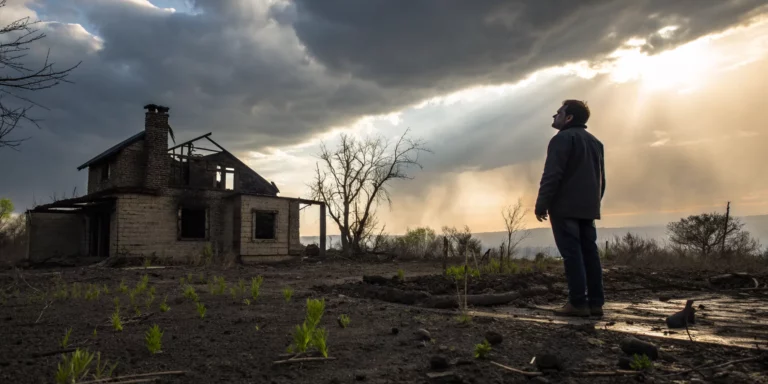
Standing in the aftermath of a fire can be one of the most isolating experiences a person can go through. But you are not alone in this. While the path forward seems uncertain, there is a clear process to follow and a network of support available to help you. This guide was created to be your first resource, a steady hand to help you understand what to do after a house fire. We will cover everything from making that first crucial call to your insurance agent to connecting with disaster relief organizations and taking care of your mental health. You have a community and a plan.
Key Takeaways
- Focus on immediate safety and key communications: After ensuring everyone is safe and you have the all-clear from officials, your first priorities are contacting your insurance agent to start the claims process and finding a secure place to stay.
- Build a strong claim with thorough documentation: Your best tool for a fair settlement is a detailed record. Methodically photograph the damage, create an inventory of lost items, and keep every receipt for all fire-related expenses.
- Recognize that rebuilding isn’t your only option: A long, stressful renovation may not be the right path for you. Selling your property as-is for cash provides a faster, more direct way to get financial relief and begin your next chapter without managing a construction project.
Your First Safety Steps After a House Fire
In the immediate aftermath of a fire, it’s easy to feel overwhelmed and unsure of what to do. Your mind is likely racing, but focusing on a few key safety measures right now is the most important thing you can do. Before you think about insurance, belongings, or the future of your home, your priority is the well-being of yourself and your family. These first steps are all about securing your safety and preventing any further harm. Let’s walk through them one by one.
Confirm Everyone Is Safe
Before anything else, take a moment to breathe and do a head count. Your top priority is making sure everyone, including your pets, is safe and accounted for. If anyone is missing, inform the firefighters or first responders on the scene immediately. Check for injuries, even minor ones, and don’t hesitate to seek medical attention. Smoke inhalation can cause serious health issues that aren’t always obvious right away. Once you know your loved ones are physically safe, you can begin to think about the next steps. This single act of confirming everyone’s well-being is the most critical foundation for your recovery process.
Wait for the All-Clear Before Going Inside
The urge to rush back inside to see what’s left can be powerful, but you must resist it. Never re-enter your home until the fire department says it’s safe. A house that has been through a fire is filled with hidden dangers, from toxic fumes and soot to weakened floors and compromised structural integrity. There could also be risks of gas leaks or live electrical wires. The professionals on site are trained to assess these hazards. Trust their expertise and wait for their official all-clear. For more information on post-fire hazards, you can review safety guidelines from fire protection experts.
Shut Off Utilities to Prevent More Damage
Even after the flames are out, your home’s utilities can pose a significant threat. If it can be done safely from outside the home, make sure the gas, water, and electricity are turned off to prevent more damage. A live electrical wire could spark another fire, and a broken water pipe could lead to extensive flooding on top of the existing fire and smoke damage. If you aren’t sure how to shut them off or can’t access the shutoff valves safely, ask the firefighters for assistance. They can ensure your utilities are properly disconnected, securing the site from further preventable issues and making it safer for future assessments.
Find a Safe Place to Stay and Secure Your Property
You’ll need a safe place to stay while you figure things out. Reach out to friends or family if you can. If that’s not an option, organizations like the American Red Cross can help you find temporary shelter and provide immediate assistance with essentials like food and clothing. Once you have a place to go, contact your local police department to let them know the property will be vacant. They may be able to do periodic drive-bys. When it’s safe to do so, you’ll also want to secure the property by boarding up windows and doors to protect it from vandalism or theft.
How to File Your Insurance Claim
Dealing with insurance can feel overwhelming, but it’s a critical step in your recovery. Your policy is there to help you through this exact situation. Taking a methodical approach will make the process smoother and ensure you get the support you’re entitled to. Think of it as a checklist: contact your agent, get funds for immediate needs, document everything, understand your coverage, and watch out for scams. By tackling one step at a time, you can handle your claim with confidence and get the resources you need to move forward.
Call Your Insurance Agent Right Away
Your first call after ensuring everyone is safe should be to your insurance agent. Don’t wait. The sooner you contact them, the faster they can start the claims process. Most homeowners insurance policies include coverage for immediate needs, like a hotel stay, food, and other essentials, which is often called Additional Living Expenses (ALE). Your agent will explain your specific benefits and get the ball rolling on assessing the damage to your home and belongings. This initial conversation is the official start of your financial recovery, so it’s important to initiate the process as quickly as possible.
Ask for an Advance for Immediate Expenses
You shouldn’t have to drain your savings to cover costs while you’re displaced. Ask your insurance company for an advance against your claim. This is a common practice to help policyholders pay for immediate necessities like clothing, toiletries, food, and lodging. If you receive an advance, be meticulous about tracking your spending. Keep every single receipt, no matter how small, and maintain a detailed log of all your fire-related expenses. This documentation is essential for justifying your costs to the insurance company and ensuring you are fully reimbursed for what you spend.
Keep a Record of Every Conversation
From this point forward, document everything. Start a dedicated notebook or a digital file to track every interaction related to your claim. Log the date, time, and name of every person you speak with at your insurance company, along with a summary of your conversation. Follow up important phone calls with an email to create a written record of what was discussed. You should also get a copy of the fire report from your local fire department. This detailed documentation will be your best asset if any disputes or questions arise during the claims process.
Know What Your Policy Covers
It’s time to get familiar with your homeowners insurance policy. While it might seem like a dense document, understanding it is key to maximizing your benefits. Policies typically cover three main areas: the structure of your house, your personal belongings (content), and the temporary living expenses you incur while displaced (relocation). Read through your policy carefully to understand the limits and deductibles for each category. Knowing exactly what your policy covers will empower you to file a complete and accurate claim, ensuring you don’t leave any money on the table.
Avoid Common Insurance Claim Mistakes
Unfortunately, some companies try to take advantage of homeowners in vulnerable situations. Be wary of any restoration or remediation companies that contact you unsolicited after the fire. These businesses can be predatory, overcharging for their services and quickly depleting your insurance payout with subpar work. Your insurance company will likely have a list of trusted, vetted vendors they work with. It’s always best to work with recommended professionals or do your own thorough research before hiring anyone to work on your property. Protecting your insurance funds is crucial for a successful recovery.
What Paperwork Do You Need for Your Claim?
Dealing with paperwork is probably the last thing on your mind right now, but getting your documents in order is a critical step for a successful insurance claim. Think of it as building a case for your recovery—the more organized and thorough you are, the smoother the process will be. Your insurance adjuster will need this information to accurately assess the damage and determine your payout. Taking the time to gather these documents now will save you headaches later and help you get the financial support you need to move forward.
Get the Official Fire Report
Your first piece of essential paperwork is the official fire report. You can get a copy from the local fire department that responded to the call. This document is important because it provides an official account of the incident, including the date, time, and potential cause of the fire. Your insurance company will use this report as a key piece of evidence in your claim, so it’s one of the first things you should request. Just give the fire department a call, and they can tell you the steps to obtain your copy.
Make a Detailed List of Damaged Belongings
This is a tough task, but it’s absolutely necessary. You’ll need to create a detailed inventory of every single item that was damaged or destroyed. Go room by room and list everything you can remember, from large furniture and electronics to clothing, kitchenware, and personal items. Be as specific as possible, noting the brand, model, and where you bought it, if you can. If you don’t have a home inventory already, start creating one now. This list will form the basis of the personal property portion of your claim.
Take Photos and Videos of Everything
Visual evidence is incredibly powerful. Once it’s safe to re-enter your property, take extensive photos and videos of the damage. Capture wide shots of each room and close-ups of specific damaged items. Open cabinets and closets to document the contents. The more visual proof you have, the better you can support the list of belongings you created. This documentation helps your insurance adjuster understand the full scope of your loss and can prevent disputes over the condition of your property. Don’t worry about quality—just use your phone and be thorough.
Collect Receipts and Proof of Ownership
Your insurance company will want to see proof that you owned the items you’re claiming. Start gathering any receipts, credit card statements, or bank records that show your purchases, especially for high-value items like electronics, appliances, and jewelry. If you can’t find physical receipts, check your email for online order confirmations. Photos of you or your family with the items can also serve as proof of ownership. It might feel like a treasure hunt, but every piece of evidence you find helps strengthen your claim.
Don’t Throw Anything Away Yet
This is a big one: resist the urge to start cleaning up and throwing damaged items away. Your insurance policy likely requires your adjuster to inspect the damaged property before you dispose of it. If you throw things out too soon, your insurer could argue they can’t verify the loss and may deny that part of your claim. Wait until your adjuster has seen everything and gives you the green light to begin the cleanup process. It’s frustrating to live with the mess, but patience here is key to getting your full settlement.
Track Every Fire-Related Expense
From the moment you’re displaced, start tracking all your fire-related expenses. This includes hotel bills, meals, new clothes, toiletries, and any other costs you incur because you can’t live in your home. These are often called Additional Living Expenses (ALE) and are typically covered by your homeowner’s policy. Keep every single receipt in a dedicated folder or envelope. This detailed record will be essential for getting reimbursed. While you manage these immediate needs, it’s also a good time to understand all your long-term options, including how our process works if you decide against rebuilding.
Taking Care of Yourself and Your Family
After a fire, your focus is naturally on the immediate logistics—insurance, shelter, and what’s left of your home. But it’s just as important to take care of yourself and your family. The emotional and physical recovery process is a marathon, not a sprint. Giving yourself the space to heal and leaning on support systems will make a world of difference as you figure out your next steps. This is the time to prioritize your well-being and tackle things one small, manageable task at a time.
Replace Essential Items First
Start with the absolute necessities. You’ll need important documents to move forward, so begin by replacing things like driver’s licenses, social security cards, and birth certificates. You should also get a copy of the fire report from your local fire department, as your insurance company will need it for your claim. Next, start a detailed list of everything that was damaged or lost in the fire. Be as specific as you can, from furniture and electronics to clothing and kitchenware. This inventory will be essential for your insurance payout and for understanding what you need to replace.
Find Emotional Support and Counseling
It’s completely normal to feel overwhelmed, shocked, or angry after a house fire. The emotional recovery can often be more challenging than rebuilding the physical structure. According to the American Psychological Association, recovering emotionally after a fire involves several stages of adjustment. Don’t hesitate to seek professional help. Talking to a therapist can provide a safe space to process your experience. For immediate support, you can call or text the national Disaster Distress Helpline at 1-800-985-5990, which offers 24/7 confidential counseling. You are not alone in this.
Lean on Your Community and Rebuild Routines
Your community can be a powerful source of support. Reach out to local organizations like the American Red Cross, which often provides immediate assistance with food, clothing, and temporary housing. Friends, family, and neighbors also want to help, so don’t be afraid to tell them what you need. As you settle into a temporary living situation, try to re-establish simple daily routines. Things like eating meals at regular times or going for a walk can create a sense of stability and normalcy for you and your children during a chaotic time.
Stay Safe When You Return to Your Home
Never go back inside your home until the fire department has officially declared it safe. Even if the fire seems to be out, there are many hidden dangers, including structural damage, toxic fumes, and live electrical wires. When you do get the all-clear, it’s critical to wear the right protective gear. This includes N95 masks, safety glasses, gloves, and sturdy, closed-toe boots to protect you from ash, soot, and other hazardous materials. Your safety is the top priority, so proceed with caution and never go in alone.
What to Do with Your Fire-Damaged Home
Once the initial shock has passed and you’ve started the insurance process, you face a major decision: what comes next for your property? This is a deeply personal choice with no single right answer. For some, rebuilding is the only path forward. For others, the thought of managing a months-long, or even years-long, construction project is simply overwhelming. The emotional, financial, and time commitment required for a full restoration can be immense, especially while you’re still processing the fire itself.
It’s important to give yourself the space to consider all your options without pressure. You can choose to repair the damage and move back in, or you might decide that selling the property and starting fresh somewhere new is the best way to move forward. This section will walk you through the key factors to consider, from understanding the true cost of repairs to exploring what a fast, as-is sale could mean for you and your family. Taking the time to weigh these options will help you make a clear-headed decision that feels right for your future.
Figure Out the Damage and Repair Costs
Before you can make any decisions, you need a clear and realistic picture of the situation. The first step is to have professionals inspect your home to assess the full extent of the fire, smoke, and water damage. This goes beyond what you can see on the surface. A thorough inspection will uncover structural issues, problems with electrical and plumbing systems, and hidden smoke or soot damage that can cause long-term problems. Getting a detailed report from a qualified inspector and quotes from contractors will give you a solid understanding of the repair costs and the timeline you’d be facing. This information is your foundation for deciding whether to rebuild or sell.
Think About Your Timeline and What You Can Handle
Be honest with yourself about what you can realistically manage right now. Rebuilding a fire-damaged home is a massive undertaking that requires constant decision-making, contractor management, and budget tracking. While your insurance company may provide an advance for living expenses, a major renovation can drag on for months, often longer than expected. Think about whether you have the time, energy, and emotional bandwidth to oversee such a demanding project. It’s completely okay to decide that your well-being is better served by choosing a simpler, faster path forward. Your peace of mind is a critical factor in this decision.
Explore Selling Your House As-Is for Cash
If the thought of managing repairs feels like too much, you have another option: you can sell your fire-damaged house as-is for cash. This means you sell the property in its current condition without making any repairs, cleaning up debris, or even clearing out damaged belongings. Companies that specialize in these purchases understand the complexities of the situation and are prepared to take on the project themselves. This approach allows you to bypass the entire renovation process, avoid dealing with contractors, and skip the uncertainties of a traditional real estate listing. Our streamlined process is designed to make this as simple as possible for you.
Learn the Benefits of a Fast Cash Sale
Selling your house as-is provides immediate relief from the stress that follows a fire. Instead of waiting months for insurance payouts and construction to finish, you can receive a fair cash offer and close the sale in as little as a week. This gives you the financial freedom to find a new home and begin your next chapter without the weight of a damaged property holding you back. You won’t have to worry about surprise repair costs, unreliable contractors, or the emotional toll of revisiting the site. For many homeowners, the certainty and speed of a cash sale offer a clear path to recovery, which our past clients have found invaluable.
How to Move Forward After a Fire
Recovering from a house fire is a marathon, not a sprint. As you begin to process what happened, it’s important to be patient with yourself and recognize that moving forward is a journey with many steps. The path ahead can feel overwhelming, but you don’t have to walk it alone. Focusing on your well-being and taking things one day at a time will help you regain your footing. These strategies can provide a framework for your recovery, helping you find the support and structure you need to rebuild.
Connect with Disaster Relief Groups
You don’t have to manage this crisis by yourself. If you’re uninsured or your policy doesn’t cover all your immediate needs, several organizations are ready to step in and help. Groups like the American Red Cross and The Salvation Army specialize in disaster relief and can provide essential support, including temporary shelter, food, clothing, and other necessities. Reaching out to these community resources can give you a crucial safety net, allowing you to focus on your next steps without worrying about your immediate survival. They are experienced in helping families through these exact situations and can offer both practical assistance and a compassionate ear.
Talk to a Mental Health Professional
Losing your home and belongings in a fire is a deeply traumatic event. It’s completely normal to experience a wide range of emotions, from shock and anger to sadness and hopelessness. The American Psychological Association notes that these feelings are a common part of the adjustment process. Please don’t dismiss your emotional needs during this time. Seeking support from a therapist or counselor can provide a safe space to process your experience and develop healthy coping mechanisms. Taking care of your mental health is just as important as handling the financial and logistical challenges of recovery.
Set a Realistic Recovery Timeline
It’s natural to want to get back to normal as quickly as possible, but it’s important to set realistic expectations for your recovery. The entire process, from insurance claims to rebuilding or relocating, takes time. Your insurance company can often provide a general timeline and guide you through the steps of documenting your losses. Try to be patient with the process and with yourself. There will be days when you make a lot of progress and others when it feels like you’re standing still. Acknowledge that this is a long-term journey and celebrate the small victories along the way.
Focus on One Step at a Time
Looking at the entire recovery process at once can be completely overwhelming. Instead of focusing on the mountain of tasks ahead, break it down into smaller, more manageable steps. What is the one thing you can do right now? Maybe it’s calling your insurance agent, buying new toiletries, or finding copies of important documents. By concentrating on one task at a time, you can make steady progress without feeling paralyzed by the big picture. Remember to give yourself time to adjust, lean on your support system, and re-establish simple routines to create a sense of normalcy.
Related Articles
- What to do after a house fire: Ultimate 2025 Survival Guide
- Is It Safe to Stay in a House After a Fire?
- Post-Fire Recovery & Resources
- What to do if your house burns down: 5 Immediate Steps
- Fire Damage Restoration Near Me: 10 Life-Saving Tips 2025
Frequently Asked Questions
My insurance company wants a list of everything I lost. Where do I even start? This is one of the most overwhelming tasks, so take a deep breath and don’t try to do it all at once. Start by drawing a simple floor plan of your home. Then, tackle one room at a time on paper. Begin with the big-ticket items like furniture, appliances, and electronics. Once you have those down, think about the smaller things in closets and drawers. It helps to do this with another family member, as you’ll likely jog each other’s memories. The goal is to be thorough, not perfect on the first try.
What if I don’t have receipts for all of my belongings? Almost nobody has receipts for everything they own, so don’t panic. While receipts are ideal, insurance companies understand this isn’t always possible. You can use other forms of proof, such as credit card or bank statements that show the purchases. Old photos or videos of your home that show the items in the background can also serve as proof of ownership. For items you can’t prove with documentation, include them on your inventory list with as much detail as you can remember, including the brand, store, and approximate purchase date.
How long do I have to wait before I can start cleaning up the damage? It’s tempting to want to clear away the mess immediately, but you must wait. Do not throw anything away until your insurance adjuster has inspected the property and given you explicit permission to begin cleanup. Disposing of damaged items prematurely can seriously jeopardize your claim, as the adjuster needs to see the full extent of the loss to assess it properly. It requires patience, but waiting is essential for ensuring you receive a fair settlement.
What if my insurance settlement isn’t enough to cover all the repairs? This is a tough but realistic situation that many homeowners face. Sometimes, the cost of materials, labor, and bringing a home up to current building codes exceeds the amount covered by the policy. If you find yourself with a significant gap, you have to decide if covering the difference out-of-pocket is feasible or desirable. This is often the point where homeowners weigh the true cost and stress of rebuilding against other options, like selling the property as-is.
I’m too overwhelmed to even think about rebuilding. What are my other options? It is completely understandable to feel that way. Managing a long, complicated, and expensive reconstruction project while recovering from a traumatic event is a massive undertaking. Your primary alternative is to sell the property in its current condition. This allows you to bypass the entire repair and rebuilding process. Companies that buy fire-damaged homes provide a cash offer, handle all the cleanup and repairs themselves, and can close the sale very quickly. This option gives you the financial freedom and peace of mind to find a new home and start fresh without the burden of a damaged property.