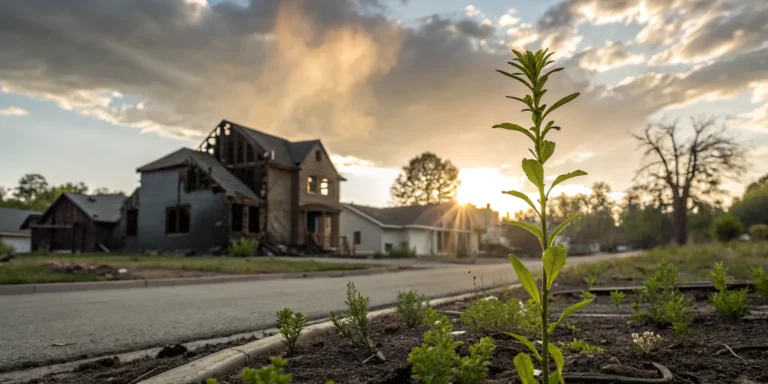
You’re standing at a major financial crossroads, and you have to make a decision under immense pressure. Do you invest a significant amount of time and money into repairs, hoping to sell on the traditional market? Or do you choose a faster, more certain path by selling the property as-is? Each option has serious implications for your finances and your timeline. This isn’t a choice to be made lightly. We’ll help you do the math and weigh the pros and cons. We’ll cover selling a fire damaged house, what to expect in terms of repair costs, property value, and the offers you’ll receive.
Key Takeaways
- Understand your two main paths: speed or repairs: You can sell your home as-is to a cash buyer for a fast, certain closing, or you can invest months and significant funds into repairs for a potential, but not guaranteed, higher price on the traditional market.
- Full transparency is your best legal protection: You are legally required to disclose the fire damage. Being upfront and providing all documentation, like the fire report and insurance claims, prevents future lawsuits and simplifies the sale.
- Your first steps set the stage for everything else: Immediately after the fire, focus on getting official safety clearance, notifying your insurer, and documenting all the damage. These actions are essential for both your insurance claim and a successful sale.
Your Post-Fire Checklist: First Steps Before Selling
After a house fire, it’s hard to know where to even begin. The emotional toll is heavy, and the list of tasks can feel endless. Before you think about selling or long-term plans, there are a few immediate steps you need to take to protect yourself and your property. Think of this as your starting point—a clear, manageable checklist to get you through the first few days. Taking these actions now will set you up for a smoother process, whether you decide to rebuild or sell.
Prioritize Safety and Get the All-Clear
Your safety, and your family’s, is the number one priority. Don’t re-enter your home until the fire department has officially said it’s safe to do so. Even if the flames are out, hidden dangers like structural damage, toxic fumes, and electrical hazards can remain. The U.S. Fire Administration provides guidance on what to do after a fire. Once you have the green light from officials, get a professional safety inspection to assess the full extent of the structural and environmental risks. This step isn’t just a formality; it’s essential for protecting your well-being and getting a clear picture of the home’s condition.
Call Your Insurance Company Right Away
The moment you are in a safe place, contact your homeowner’s insurance company to start the claims process. The sooner you call, the sooner they can assign an adjuster to your case and begin the assessment. When you speak with them, be prepared to provide your policy number and a description of the event. From this first call onward, keep a detailed log of every conversation, including the date, time, and the name of the person you spoke with. This record will be invaluable as you file your claim and will help you keep everything organized during a chaotic time.
Document the Damage from Top to Bottom
Before anything is moved or cleaned, thoroughly document all the damage. Use your phone to take extensive photos and videos of every room from multiple angles. Capture both the large-scale structural damage and the smaller details, like smoke-stained walls and damaged personal belongings. Make a written inventory of everything that was lost or damaged. You should also request a copy of the official report from the fire department. This detailed evidence is the foundation of your insurance claim and provides a clear picture of the situation if you decide to explore selling your home as-is. Understanding how it works to sell a damaged property can give you a sense of all your options early on.
Secure Your Property from Further Harm
An unsecured property is vulnerable to weather, vandalism, and theft, which could lead to more damage and create liability issues for you. Your insurance policy likely requires you to take reasonable steps to prevent further loss. This often means boarding up broken windows and doors and covering any holes in the roof with a tarp to protect the interior from rain or snow. Taking these measures not only safeguards your property but also shows your insurance company that you are being proactive in mitigating the damage while your claim is processed.
How Fire Damage Impacts Your Home’s Value
After a fire, one of the biggest questions on your mind is likely about your home’s value. It’s a tough reality to face, but understanding how the damage is assessed is the first step toward making a clear-headed decision about your next move. The impact goes beyond just the visible scorch marks, affecting everything from buyer perception to the official appraisal. Let’s walk through what that really means for your property’s worth.
Understanding the Financial Hit
It’s no secret that a fire can take a major toll on your home’s value. Even a small fire can make potential buyers hesitant, as they often see a fire-damaged property as a risky investment. This perception alone can lead to fewer offers and a lower sale price. Beyond buyer sentiment, the financial impact is calculated directly. An appraiser will estimate the total cost of professional repairs—from structural work to smoke remediation—and subtract that amount from your home’s pre-fire value. Unfortunately, even after repairs, a property with a fire history can carry a stigma, making it a tougher sell on the traditional market.
What Determines Your Home’s New Value?
So, how does an appraiser or a potential buyer land on a specific number? They look at a combination of factors. The extent of the structural damage is the biggest one—is the frame of the house compromised? They’ll also assess how far smoke, soot, and water from firefighting efforts have spread, as this can cause hidden issues like mold. Your home’s location still plays a role; a house in a desirable neighborhood will hold more value than one in a less popular area. To get a full picture, they’ll review structural reports, environmental tests, and sales of other damaged homes in the area.
How to Get an Accurate Post-Fire Valuation
Getting a realistic idea of your home’s current worth is crucial. Start by gathering all your insurance paperwork, including claims, settlement details, and any repair estimates you’ve received. If you’re considering making repairs, a professional damage assessment can help you prioritize essential safety fixes, like electrical and structural issues, over cosmetic ones. To estimate a fair price, you can look at what fully renovated homes nearby have sold for and then subtract the total estimated repair costs. This process can be complicated, which is why many homeowners choose a simpler path by getting a direct cash offer that bypasses the need for appraisals and repairs altogether.
The Legal Side: Disclosing Fire Damage to Buyers
When you’re selling a home that’s been through a fire, it’s easy to get caught up in the physical damage. But the legal side of the sale is just as important. Being upfront about the property’s history isn’t just good practice—in most places, it’s a legal requirement. Getting this part right protects you from potential lawsuits down the road and helps build trust with buyers, making for a much smoother process. Think of it as laying all your cards on the table. It ensures everyone involved knows exactly what to expect and helps you move forward with confidence, knowing you’ve handled everything correctly and ethically.
Know Your State’s Disclosure Laws
Honesty isn’t just a good idea when selling a house—it’s often the law. Most states have property disclosure laws that legally require you to inform potential buyers about any known issues, including fire and smoke damage. For example, some states have a Property Condition Disclosure Act that makes it clear sellers must report these issues. Hiding damage is illegal and can come back to haunt you. These rules are designed to protect buyers, but they also protect you by creating a transparent transaction. While some areas might offer an alternative, like giving the buyer a credit instead of a full disclosure form, this can often raise red flags and make them wonder what you’re trying to hide.
What Happens if You Don’t Disclose?
Trying to conceal fire damage is a risky move that can lead to serious legal and financial consequences. If a buyer discovers undisclosed damage after the sale, they could sue you for fraud or misrepresentation, and you could find yourself in a costly court battle. The stress and expense of a lawsuit far outweigh any perceived benefit of hiding the truth. Beyond the legal risks, non-disclosure shatters trust. Buyers are already cautious when considering a fire-damaged property; they’re looking for reassurance that they’re making a safe investment. Being transparent from the start is the best way to avoid future problems and ensure a clean break once the sale is complete.
Gather Your Essential Paperwork
Getting your documents in order is a simple but powerful step. Before you even think about listing your property, start a file with all fire-related paperwork. This includes the official report from the fire department, all of your insurance claim documents, photos of the damage, and any quotes or receipts for repairs you’ve completed. Having this information organized and ready shows potential buyers that you’re open and have nothing to hide. It answers many of their questions upfront and can speed up the entire sale. This level of preparation is a key part of our streamlined process, as it helps us give you a fair and accurate offer quickly.
Should You Sell As-Is or Make Repairs?
After a fire, one of the biggest decisions you’ll face is whether to fix the damage or sell your house as-is. There’s no single right answer—it comes down to your finances, your timeline, and how much stress you’re willing to handle. Let’s walk through the pros and cons of each path so you can figure out what makes the most sense for you.
The Benefits of an As-Is Sale
Selling your home as-is means you sell it in its current condition, without making any repairs. For many homeowners dealing with fire damage, this is the most straightforward path forward. You completely avoid the time, money, and stress of managing a major renovation project. There are no contractors to hire, no permits to pull, and no unexpected costs that can derail your budget. An as-is sale also means you skip traditional selling hassles like staging the home or paying agent commissions. Companies that buy houses for cash offer a streamlined process that can close in as little as a week, allowing you to get your money quickly and move on with your life.
When Do Repairs Make Financial Sense?
Repairing your home before selling is a significant undertaking. The cost to fix fire and smoke damage can range from a few thousand dollars to well over $50,000, depending on the extent of the destruction. If you’re considering this route, you’ll need to weigh the potential return on your investment. Will the final sale price be high enough to cover the repairs and still leave you with a worthwhile profit? If you decide to proceed, focus on critical safety issues first, like structural supports and electrical systems. Cosmetic fixes like smoke and odor removal can follow. Keep in mind, even if you sell as-is, you are legally required to disclose all known damage to potential buyers.
How to Decide What’s Right for You
Choosing between repairing and selling as-is depends entirely on your personal circumstances. If your top priority is a fast, simple sale that lets you bypass the emotional and financial strain of a rebuild, selling to a cash buyer is a strong option. It provides certainty and speed when you need it most. If you have the time, funds, and energy to manage a large-scale renovation and believe you can get a significantly higher price, repairing might be worth considering. Take a hard look at your finances, your timeline, and what you need to move forward. Hearing from other homeowners who have been in your shoes can also provide valuable perspective as you make your decision.
Who Buys Fire-Damaged Homes?
After a fire, looking at your home can feel overwhelming, and it’s natural to wonder who would ever want to buy it in its current state. The good news is that there is a dedicated market for fire-damaged properties. You have a few different types of potential buyers, and each one offers a very different selling experience. Understanding your options is the first step toward making the best choice for your situation, because the path you choose will directly impact the speed of the sale, the price you get, and the amount of stress you have to deal with along the way.
The buyers interested in a fire-damaged home are not your typical house-hunters browsing listings for a move-in-ready property. They are specialists, investors, or ambitious DIY-ers who see potential where others see problems. They understand the risks and are equipped to handle the extensive repairs, from structural work to smoke remediation. Knowing who these groups are helps you set realistic expectations for offers and timelines. Some buyers prioritize speed and convenience, offering a fast, hassle-free sale. Others are focused on getting the lowest possible price to maximize their future profit, which can lead to a more drawn-out and difficult negotiation. Let’s break down the main categories of buyers and what you can expect from each.
Specialized Cash Buyers like Us
This is the most direct and often the fastest route. Companies that specialize in buying fire-damaged homes, like us, are prepared to handle the complexities you’re facing. We buy properties as-is, which means you don’t have to worry about making a single repair. There are no agent commissions, no showings, and no waiting for a buyer’s loan to be approved. The goal is to give you a fair cash offer and close the sale quickly, often in just a few days. Our process is designed to remove the stress and uncertainty from the situation, allowing you to get your cash and move forward.
Real Estate Investors and House Flippers
Real estate investors and house flippers are always looking for properties they can renovate and sell for a profit. They have the experience, capital, and contractor connections to tackle major repairs, so a fire-damaged home doesn’t scare them away. While they also typically pay in cash and can close relatively quickly, their primary goal is to maximize their return on investment. This means they will likely make a low offer to account for the extensive work and financial risk they are taking on. You can expect a tougher negotiation process with this type of buyer.
Traditional Buyers Looking for a Project
It’s possible, though less common, to sell a fire-damaged home on the open market to a traditional buyer. This path almost always requires hiring a real estate agent and listing your property. These buyers are usually looking for a major fixer-upper they can customize, but they often rely on traditional bank financing, which can be difficult to secure for a severely damaged home. This route takes the longest and involves the most uncertainty, from dealing with inspections and appraisals to making legally required disclosures about the property’s history. It can be an emotionally draining process with no guarantee of a sale.
How Long Will It Take to Sell Your House?
After a fire, one of the biggest questions on your mind is probably, “How long will this take?” The answer really depends on the path you choose. Selling a fire-damaged home isn’t like a typical real estate transaction, and the timeline can vary dramatically. Understanding your options from the start can help you set realistic expectations and make the best decision for your situation. Whether you need to move on as quickly as possible or you’re considering taking on repairs, here’s a look at what you can expect.
The Timeline for a Fast, As-Is Cash Sale
If your main goal is to move forward quickly and without hassle, selling your house as-is to a cash buyer is the fastest route. With a company that specializes in fire-damaged properties, you can often close the deal in as little as seven days. The entire process, from getting an offer to having cash in hand, typically takes between one and four weeks. This speed is possible because you skip the lengthy steps of a traditional sale. There are no repairs to manage, no home staging, and no real estate agent commissions to worry about. You can learn more about how it works and see just how streamlined the process can be. It’s a straightforward solution designed to help you bypass months of uncertainty and stress.
The Timeline if You Decide to Repair First
Choosing to repair the damage before you sell will stretch your timeline considerably. Even minor cosmetic fixes can take a few weeks to complete. If your home has significant structural damage, you could be looking at a repair process that lasts anywhere from three to twelve months. The costs can also be staggering, often running from $50,000 to over $150,000. After investing all that time and money, there’s still no guarantee you’ll get a higher price on the traditional market. Many buyers are wary of a property with a history of fire damage, which can make it harder to sell even after it’s been fully repaired. This path requires a lot of patience, capital, and a willingness to gamble on the final sale price.
What Can Speed Up or Slow Down the Sale?
Regardless of how you decide to sell, certain factors can influence the timeline. Acting quickly after the fire is key to a smoother process later on. It’s also essential to be transparent about the property’s history. You’ll need to provide a property condition disclosure statement to potential buyers, outlining the extent of the damage. While you could offer a credit for repairs, this can sometimes make buyers more hesitant. To build confidence and keep things moving, maintain detailed records of everything—the official fire report, professional damage assessments, and any repair estimates or completed work. Having this paperwork organized and ready will show buyers you’re being upfront and can help expedite the sale.
What to Expect When You Sell a Fire-Damaged Home
Selling a home after a fire is a different experience than a typical real estate transaction. It comes with its own set of emotional and logistical hurdles. From setting a fair price to finding the right buyer and handling tough questions, it’s important to know what’s ahead. Understanding these key steps will help you feel more in control during a challenging time and allow you to make the best decision for your situation.
How to Price Your Property Realistically
Setting the right price for a fire-damaged home is one of the biggest challenges. It’s crucial to be realistic from the start. A fire can reduce your home’s market value by 30% to 60%, depending on the extent of the damage. This drop reflects the significant costs a new owner will face, with repairs often averaging over $27,000. A professional appraiser would determine the value by looking at structural reports, environmental tests for smoke, and sales of other damaged homes. An alternative is to work with a company that specializes in these properties and can give you a straightforward cash offer, which is a core part of how our process works.
Overcome Common Marketing Challenges
When you list a fire-damaged home on the open market, you’ll face a smaller pool of potential buyers. Many traditional buyers see these properties as too risky or can’t get a mortgage for a home that needs extensive repairs. This often leads to lowball offers and a much longer time on the market—sometimes 6 to 8 weeks or more. This is why many homeowners choose to sell directly to a specialized cash buyer. Companies like ours can close in as little as seven days because we buy properties as-is, removing the uncertainty and delays of a traditional sale.
Handle Negotiations and Buyer Questions
Transparency is non-negotiable when selling a house that has had a fire. You will need to disclose the incident to potential buyers, even if you’ve made repairs. Be prepared to answer questions honestly about how the fire started and what steps were taken afterward. Keeping detailed records is your best tool for building trust. Gather all your documentation, including damage reports, repair estimates, and communications with your insurance company. Having this information organized shows you’re being upfront and helps the transaction move smoothly, which is a principle our past clients appreciate in our company reviews.
Costly Misconceptions to Avoid When Selling
After a fire, you’re dealing with a lot of uncertainty. It’s easy to fall back on what you think you know about selling a house, but some common beliefs can actually cost you time, money, and peace of mind. Let’s clear up a few major misconceptions so you can move forward with confidence and make the best decision for your situation. Facing the facts head-on is the first step toward a successful sale and a fresh start. These myths are common, but knowing the truth will put you in a much stronger position.
Myth: Insurance Covers Every Single Repair
It’s a comforting thought—that your insurance company will swoop in and cover every last repair. Unfortunately, that’s rarely the case. The amount of money you receive depends entirely on the fine print of your homeowner’s insurance policy. Some policies offer “replacement cost” coverage, which pays to rebuild, while others provide “actual cash value,” which accounts for depreciation. Even with a great policy, soaring construction and material costs can mean your payout doesn’t stretch far enough to cover the full extent of the repairs. It’s crucial to understand exactly what your policy includes before you start planning.
Myth: Repairs Always Equal a Higher Sale Price
Many people assume that sinking money into repairs will guarantee a higher selling price. While that can be true for a standard home renovation, it’s a different story with fire damage. The cost of repairs can easily spiral into tens of thousands of dollars, and there’s no guarantee you’ll recoup that investment at closing. A much simpler and often more financially sound option is to sell the house as-is. When you sell your property as-is, you skip the stress and expense of managing contractors, paying for repairs, and dealing with endless delays. You can simply sell the house in its current condition and move on.
Myth: You Can Hide a Property’s Fire History
The thought of hiding the fire damage might cross your mind, especially if the repairs seem to cover it up well. Please don’t do it. In nearly every state, you are legally required to disclose a property’s history, including any fire or smoke damage. These property disclosure laws are in place to protect buyers, and failing to be transparent can lead to lawsuits and kill the deal. Being upfront from the start is always the best policy. Honesty builds trust and ensures a much smoother transaction for everyone involved, saving you from major legal headaches down the road.
How to Choose the Best Way to Sell Your Home
After a fire, deciding how to sell your house is a major decision, and there’s no single right answer. The best path forward depends entirely on your timeline, finances, and how much work you’re willing to take on. You essentially have two main routes: selling your home quickly as-is to a cash buyer or investing in repairs to list it on the traditional market.
One path offers speed and certainty, letting you close a difficult chapter and move on without the stress of managing a renovation project. The other path could potentially lead to a higher sale price, but it comes with a much longer timeline, upfront costs, and no guarantees. Think about what you need most right now. Is it a fast, clean break, or are you in a position to handle a complex, lengthy repair and sale process? Understanding your priorities will help you weigh the options and choose the one that feels right for you and your family.
Selling Directly to a Cash Buying Company
If your main goal is to sell your house quickly and avoid the hassle of repairs, selling directly to a cash buying company is your most straightforward option. Companies like ours specialize in purchasing fire-damaged homes as-is. Our simple process means you don’t have to worry about cleaning up, hiring contractors, or dealing with showings. You can get a cash offer within days and close the sale in as little as a week. This route provides immediate relief, freeing you from the financial and emotional weight of a damaged property so you can focus on your next steps.
Listing with a Traditional Real Estate Agent
Listing with a real estate agent is the more conventional route, but it requires significant time and money. To attract traditional buyers, you’ll almost certainly need to make repairs. This often starts with critical safety issues, like fixing structural supports and electrical systems, before moving on to cosmetic work like smoke remediation and odor removal. While this path can sometimes result in a higher sale price, it’s a much longer game. You’ll be managing contractors, living through renovations, and waiting for the right buyer, all while paying agent commissions and closing costs.
How to Compare Your Offers and Choose Wisely
To make an informed choice, it’s time to do some math. Start by researching the “after-repair value” (ARV) of your home—what it would be worth if fully renovated. Then, get detailed quotes from contractors for all the necessary repairs. Subtract the total repair costs, holding costs (like taxes and insurance), and agent commissions from the ARV. This gives you a rough estimate of your potential profit. Now, compare that number—and its associated timeline and stress—with the certainty of a fair cash offer you can get right now. Remember to factor in the non-financial costs, like your time and peace of mind.
Where to Find Help and Support
After a house fire, figuring out where to turn for help can feel like a monumental task. You’re dealing with the emotional fallout, logistical headaches, and financial uncertainty all at once. The good news is you don’t have to manage this alone. There are professionals and organizations ready to step in and provide the guidance you need to move forward. Think of this as your support network—the people who can help you assess the situation, understand your options, and get back on your feet.
Navigating the aftermath is about taking one step at a time. Your focus should be on gathering information and leaning on experts who can offer clarity. From understanding the true extent of the damage to working with your insurance provider and securing immediate necessities, each step is crucial. While the path ahead might seem complicated, having the right support system makes all the difference. It allows you to make clear-headed decisions about your property, whether that means rebuilding or choosing a more straightforward process to sell and start fresh.
Get a Professional Damage Assessment
Before you can make any decisions, you need a clear picture of the damage—not just what’s visible, but what’s hidden. A professional fire damage assessment is essential. Specialists can identify issues you might miss, like smoke and soot that has seeped into walls, compromised electrical wiring, or water damage from firefighting efforts. This detailed report is more than just a list of problems; it’s a foundational document that will inform your insurance claim and help you understand the true cost and scope of potential repairs. Getting this expert opinion is the first step toward making a fully informed choice about your home’s future.
Lean on Your Insurance Company for Guidance
Your homeowner’s insurance company should be one of your first calls. Contact your agent immediately to start the claims process. From that moment on, document everything. Keep a detailed log of every conversation, save every email, and hold onto all reports and repair estimates you receive. Your insurance adjuster will be a key point of contact, guiding you through what your policy covers. Most policies cover fire damage, but it’s important to know that there can be exceptions, such as fires caused by arson or neglect. Be proactive, ask questions, and provide all the information they need to process your claim efficiently.
Connect with Disaster Relief Organizations
A house fire impacts more than just your property; it disrupts your entire life. Organizations like the American Red Cross and other local disaster relief groups are there to help with your immediate needs. They can provide critical support, including temporary housing, food, clothing, and financial assistance for essentials. Just as importantly, they offer mental health resources to help you and your family process the trauma of the event. Don’t hesitate to reach out to them. Taking care of your personal well-being is the most important priority, and these organizations are equipped to help you do just that.
Related Articles
- Rebuild or Sell After a House Fire? 7 Powerful Tips (2025)
- Can you sell a fire damaged house in 2025: Quick Guide
- Does house insurance cover fire damage: 1 Crucial Answer
- What to do after a house fire: Ultimate 2025 Survival Guide
- Sell Fire-Damaged House Fast in Sumter, SC | Cash Offer
Frequently Asked Questions
How do you determine the cash offer for my fire-damaged house? We look at several factors to create a fair offer for you. This includes your home’s location, its pre-fire condition, and the extent of the damage. We also consider the potential value of the house after a full renovation and subtract the estimated costs for repairs. Our goal is to give you a transparent offer that reflects your property’s current state, without you having to do any of the math or guesswork yourself.
Do I need to clean up or make any repairs before you’ll look at my property? Absolutely not. We buy homes exactly as they are, which means you can leave everything as is. You don’t need to clean up soot, clear out debris, or fix a single thing. The whole point of our service is to take the burden of repairs and cleanup off your shoulders so you can focus on moving forward.
What if I haven’t settled with my insurance company yet? Can I still sell my house? Yes, you can often sell your home while your insurance claim is still in process. In many cases, you can sell the property and still retain the rights to your insurance settlement for personal property and other covered losses. It’s a situation we’ve handled before, and we can work with you to make sure the process is clear and straightforward.
How is selling to a cash buyer different from listing with a real estate agent? The main differences are speed, certainty, and simplicity. Listing with an agent means you’ll likely need to make repairs, stage the home, and wait for a buyer who can get financing, which can take months. Selling to a cash buyer like us is a direct transaction. We buy your house as-is, pay in cash, and can close in as little as a week, completely skipping the repairs, showings, and loan approvals.
Are there any hidden fees or commissions I have to pay? No, there are no hidden fees, closing costs, or agent commissions when you sell to us. The cash offer we make is the amount you receive. We handle all the typical selling costs, which makes the process simple and ensures there are no surprises when it’s time to close.