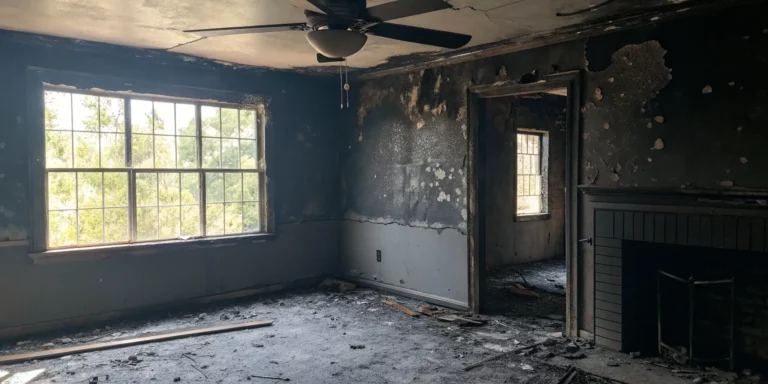
Dealing with a fire is stressful enough without thinking about the financial fallout. While the flames cause obvious destruction, the smoke creates a different kind of problem—one that quietly eats away at your home’s value. The answer to what does smoke damage do to a house has serious financial implications. The acidic soot doesn’t just stain surfaces; it corrodes pipes, ruins electronics, and embeds itself into the structure, leading to costly and extensive repairs. These hidden issues can make a traditional sale difficult and significantly lower your home’s market price. Before you commit to a long and expensive restoration, it’s crucial to understand the full scope of the damage and weigh the costs against other, more direct solutions.
Key Takeaways
- Understand the Hidden Damage: Smoke is more than just a bad smell; it’s a corrosive residue that seeps into walls, ductwork, and personal belongings, causing long-term harm to your home’s structure and your family’s health.
- Time Is Critical for a Reason: The acidic soot from a fire begins to cause permanent staining and corrosion within hours, not weeks. Making a quick, informed decision on how to proceed can save you from escalating costs and irreversible damage.
- You Have Options Beyond Restoration: If the repair costs, insurance hassles, and emotional strain feel overwhelming, remember that you don’t have to go through it. Selling your property as-is offers a direct path to a fresh start without the stress of cleanup.
What Is Smoke Damage?
When you think about a house fire, the flames are what first come to mind. But often, the most widespread and stubborn damage isn’t from the fire itself—it’s from the smoke. Smoke damage is the physical and chemical harm left behind after a fire. Even a small, quickly contained fire in the kitchen can send smoke billowing through your entire home, leaving a destructive trail that affects rooms the flames never touched.
Smoke isn’t just a harmless cloud; it’s a toxic mix of particles and gasses. Because it’s acidic, it immediately begins to corrode, stain, and discolor everything it touches, from walls and countertops to furniture and electronics. This acidic residue, often called soot, doesn’t just sit on the surface. It seeps into porous materials, gets pulled into your HVAC system, and finds its way into the tiniest cracks and crevices. This is why you’ll often find that rooms untouched by flames still have a greasy film on surfaces and a smell that’s impossible to ignore. Left unaddressed, this residue can cause permanent staining, persistent odors, and even long-term structural problems. The first step in any post-fire recovery is understanding the full scope of this hidden damage.
The Different Kinds of Smoke Damage
Not all smoke is the same, and the type of fire determines the kind of damage you’ll be dealing with. Identifying the type of smoke can help you understand the scope of the cleanup ahead and why some restoration efforts are more complex than others.
- Dry Smoke: This comes from fast-burning, high-temperature fires, like burning paper or wood. The residue is powdery and seems easier to clean, but its fine particles can penetrate almost anywhere, including your home’s foundation and electrical systems.
- Wet Smoke: Caused by low-heat, smoldering fires (think burning plastic or rubber), wet smoke leaves a sticky, greasy residue that smears easily. It has a pungent odor and is much more difficult to clean.
- Protein Smoke: If you’ve had a kitchen fire, you’re likely dealing with protein smoke from burned food. It doesn’t leave much visible residue, but it discolors paints and varnishes and creates a notoriously strong, foul odor that clings to everything.
- Fuel Smoke: Resulting from burning petroleum products or other fuels, this smoke leaves a thick, dense residue that is extremely difficult to remove. It often causes permanent damage to any fabrics it touches.
Common Causes of House Fires
Regardless of what started the fire, the reason smoke damage is so challenging is that it travels everywhere. While the fire may have been contained to one room, smoke can easily move through plumbing and ventilation systems, affecting areas of the house that seem perfectly fine at first glance. It gets trapped inside walls, settles in air ducts, and embeds itself deep into carpets, upholstery, and clothing.
This widespread contamination is what makes the problem so overwhelming for homeowners. The damage isn’t a one-time event; the acidic soot continues to harm your property long after the fire is out, causing materials to decay over time. When you’re facing this kind of pervasive damage, the path forward can feel unclear. It’s a situation that requires careful assessment, as the hidden issues are often more significant than the visible ones. This is why many homeowners, after learning the full extent of the problem, explore all their options, including finding a way to move on without facing a long and costly restoration process.
Spotting the Signs of Smoke Damage
After a fire, the most obvious damage is what you can see—charred wood and melted belongings. But smoke leaves its own destructive trail, one that’s often harder to spot and even harder to clean. Understanding these signs is the first step in figuring out what to do next. Smoke damage isn’t just a cosmetic issue; it can affect your home’s structure and your family’s health.
It’s a difficult situation, and knowing what you’re up against can help you make a clear-headed decision for your future. At our company, we’ve seen how widespread smoke damage can be, often showing up in unexpected places long after the fire is out. Let’s walk through the key indicators you should look for so you have a full picture of the damage.
Visible Clues: Stains and Discoloration
One of the most immediate signs of smoke damage is discoloration. You might notice yellow or brown stains streaking across walls and ceilings, especially in corners where smoke tends to collect. These aren’t simple smudges you can wipe away. Smoke particles penetrate deep into surfaces, and porous materials like drywall, unfinished wood, and even paint absorb them like a sponge, leading to permanent staining. Look closely at your furniture, carpets, and curtains, too. What might seem like a light layer of dust could actually be smoke residue that has already started to set, changing the color and texture of your belongings for good.
The Problem with Soot and Residue
Beyond staining, smoke leaves behind a fine, black, and often oily powder called soot. This residue clings to every surface it touches, from your kitchen appliances to the inside of your cabinets. Soot is more than just messy; it’s acidic and incredibly corrosive. If left for even a few days, it can cause metals to rust, etch glass, and permanently damage plastics. You might find that the finish on your faucets is ruined or that your vinyl flooring has yellowed beyond repair. This pervasive residue gets into the smallest crevices, making a thorough cleanup a massive and often overwhelming task for any homeowner.
That Lingering Smell You Can’t Ignore
That unmistakable smoky odor is more than just an unpleasant reminder of the fire—it’s a clear sign that microscopic smoke particles have infiltrated your home. These particles embed themselves deep within porous materials like insulation, carpet padding, wood framing, and drywall. Because they are so tiny, they can hide in places you’d never think to clean. This is why simply airing out the house or using air fresheners won’t work. The smell will keep coming back until the source is completely removed. This persistent odor is one of the most difficult aspects of smoke damage to eliminate without professional intervention.
Hidden Dangers in Your HVAC System
Some of the most serious smoke damage is completely out of sight. Your home’s heating, ventilation, and air conditioning (HVAC) system can act like a highway for smoke and soot, spreading them far beyond the fire’s original location. As the system pulls in air, it also pulls in smoke particles, depositing them throughout your ductwork. Then, every time you turn on the heat or AC, those harmful particles are recirculated into every room of your house. This not only spreads the smell but also poses a significant health risk. The complexity of cleaning these systems is one reason many homeowners explore a simpler path forward, and our process is designed to help you avoid these challenges entirely.
How Smoke Harms Your Home’s Materials
After a fire, the visible charring is only part of the story. Smoke itself is a destructive force, made of a toxic mix of particles and gasses. This residue doesn’t just sit on surfaces; it actively bonds with and breaks down the materials that make up your home, causing damage that can be difficult and expensive to fix. The longer it sits, the more it seeps into every corner, causing problems that go far beyond a bad smell.
Damage to Fabrics and Porous Items
Think of materials like curtains, carpets, clothing, and upholstery as sponges. They quickly absorb smoke and soot, leading to immediate and often permanent discoloration. Beyond the staining, these items can hold onto harmful particles, making them unsafe to use. The same goes for porous building materials like drywall, plaster, and unfinished wood. They soak up soot, which can lead to deep-set stains that can’t simply be painted over. Effective smoke damage restoration often requires removing and replacing these materials entirely, as cleaning them is sometimes impossible.
Effects on Wood, Metal, and Electronics
Soot is acidic, and when it settles on different surfaces, it begins to eat away at them. This corrosive action can cause metal fixtures like doorknobs, faucets, and pipes to rust and pit. For wood surfaces, from furniture to structural beams, the acidic residue can cause discoloration and weakening over time. Your electronics are also at high risk. Tiny soot particles can easily get inside TVs, computers, and appliances, coating sensitive components. This can lead to short circuits, overheating, and complete failure long after the fire is out. The full extent of how smoke affects home contents is often not apparent right away.
The Impact on Your Home’s Structure
The damage to individual materials can add up to a serious problem for your home’s overall structure. Smoke is invasive and travels everywhere, seeping into wall cavities, attic spaces, and ductwork—places you can’t see. Over time, the acidic soot can corrode metal fasteners, pipes, and wiring hidden within your walls. This slow decay can compromise the integrity of your home’s framework and electrical systems. Because so much of this damage is hidden, it’s crucial to understand the comprehensive effects of smoke damage before deciding on repairs. The longer the residue sits, the more extensive and costly the structural problems become.
The Health Risks of Living with Smoke Damage
After a fire, your first instinct might be to focus on the visible destruction. But the most significant dangers are often the ones you can’t see. The lingering smoke and soot don’t just cause stains and bad smells; they create an unhealthy environment that can affect you and your family long after the flames are out. Understanding these health risks is the first step in protecting yourself and making a clear-headed decision about your home’s future.
Breathing Issues and Invisible Gasses
The most immediate threat from smoke damage comes from what you breathe in. When household items like furniture, plastics, and building materials burn, they release a cocktail of toxic chemicals and fine particles into the air. These microscopic particles can lodge deep in your lungs, causing everything from coughing and shortness of breath to more severe conditions like asthma and bronchitis. Even more concerning are the invisible gasses, such as carbon monoxide, that can linger in a poorly ventilated home. Since many of these harmful substances are odorless, you might not even realize you’re being exposed, making it critical to prioritize good indoor air quality after a fire.
Irritation to Skin and Eyes
It’s not just your lungs that are at risk. The tiny, acidic particles that make up soot can settle on every surface in your home, including your skin. Direct contact can lead to rashes, itchiness, and other skin irritations. Your eyes are also incredibly sensitive to these airborne particles, which can cause redness, burning, and watering. Wiping away soot might seem like a simple cleaning task, but it often just stirs these irritants back into the air. This constant exposure can become a chronic problem, making your home feel uncomfortable and unsafe until the source is completely removed by professionals.
Understanding Long-Term Health Concerns
Living in a smoke-damaged environment isn’t just a short-term inconvenience; it can have lasting consequences for your health. Many of the chemicals released during a fire are known carcinogens, and prolonged exposure increases your risk of developing serious health issues down the road. These toxins can be absorbed into porous materials like wood, drywall, and carpeting, slowly releasing into the air over months or even years. The longer you remain in the house, the more you’re exposed. This is why simply airing out the rooms isn’t enough to make a home safe again. The potential for long-term health effects is a serious factor to consider when deciding on your next steps.
Why Smoke Damage Worsens Over Time
After a fire, it’s easy to think the damage is done once the flames are out. But smoke and soot create an ongoing problem that gets worse with each passing hour. The residue left behind is highly acidic and actively works to corrode, stain, and degrade your home and belongings. This isn’t a static issue; it’s a chemical reaction happening on your walls, in your furniture, and throughout your house.
The longer this residue sits, the more it bonds with surfaces, making cleaning more difficult and, in some cases, impossible. What might be a simple cleaning job within the first 24 hours can quickly turn into a costly replacement project a week later. Understanding that time is your enemy is the first step in making a clear-headed decision about what to do next. Whether you decide to restore your home or sell it, acting quickly will save you from further damage and escalating costs.
How Acidic Soot Causes Ongoing Damage
It’s helpful to think of soot not just as dirt, but as a toxic, acidic film. This residue clings to every surface it touches and immediately begins to cause damage. Because of its fine, powdery nature, soot can get deep into porous materials like drywall, upholstery, carpeting, and wood. Once it settles in, it releases odors and causes discoloration that can become permanent. The acidic properties of soot mean it doesn’t just sit on top of a surface; it actively causes corrosion and discoloration that can weaken the structure of materials over time, turning a surface-level problem into a much deeper one.
The Threat of Corrosion and Decay
The acidic nature of smoke is especially destructive to your home’s harder surfaces. Within just a few days, the residue can cause metal fixtures, faucets, and appliances to tarnish or rust. It can etch glass and cause vinyl flooring to require a full replacement. If left untreated, smoke can permanently stain walls and countertops, and the acidic compounds can eat away at different materials, leading to irreversible decay. This corrosive process is silent and steady, meaning the damage continues to spread long after the fire has been extinguished, making a swift response absolutely essential to protect what’s left of your property.
The Importance of Acting Quickly
When it comes to smoke damage, every minute counts. The faster you can address the residue, the better your chances are of salvaging your property and belongings. The damage from smoke and soot sets in stages. Within minutes, plastics can discolor. Within hours, fiberglass and finishes on appliances can yellow. And within days, the acidic soot can permanently stain walls and cause metals to corrode. The longer you wait, the more intensive and expensive the restoration process becomes. This is why making a quick decision is so critical for homeowners dealing with the aftermath of a fire.
Your First Steps After Discovering Smoke Damage
Finding smoke damage in your home is a heavy moment. It’s easy to feel overwhelmed and unsure of where to even begin. But taking a few key steps right away can make a significant difference in protecting your home and your health. Think of this as your immediate action plan. By focusing on one step at a time, you can move through this difficult situation with a clear head. These initial actions are all about securing the area, understanding the scope of the problem, and getting the right processes in motion.
Prioritize Safety and Air Out Your Home
Your absolute first priority is safety. Before you do anything else, make sure it’s safe to be in the house. Check for any immediate fire hazards or signs of structural damage. If you have any doubts, stay out and call a professional. When you do enter, wear protective gear like gloves, a mask, and safety glasses to protect yourself from soot and airborne particles. Once you’ve confirmed the area is secure, open every door and window you can. Letting fresh air circulate is a simple but crucial step to begin clearing out the lingering smoke and odor, making the environment a little safer for you to assess the situation.
Get a Professional Assessment and Document Everything
While airing out the house helps, it’s not a long-term fix. The best next step is to call a professional smoke damage restoration specialist. They have the tools and expertise to determine the full extent of the damage—including issues you can’t see—and create a solid plan for cleanup. While you wait for them to arrive, start documenting everything. Use your phone to take photos and videos of all affected areas and items. Make a detailed list of anything that’s been damaged or destroyed. This record is incredibly important and will be essential when you file an insurance claim.
What to Know About Your Insurance Claim
With your initial documentation in hand, contact your insurance agent right away to start the claims process. The sooner you notify them, the sooner they can begin their own assessment. Provide them with the photos and lists you created, as this will serve as critical evidence for your claim. The report from the professional restoration company will also be a key document. Be prepared for the insurance process to be slow and sometimes frustrating. It often involves a lot of paperwork and waiting, which is why many homeowners start looking for a more straightforward solution, like a direct cash sale of their property.
The Path to Smoke Damage Remediation
Once you’ve assessed the situation and ensured your family’s safety, the next step is figuring out how to handle the cleanup. Smoke damage remediation is a complex process that goes far beyond wiping down surfaces. It involves deep cleaning, deodorizing, and repairing the hidden harm caused by soot and acidic residue. Understanding the path forward can help you make the best decision for your home and your peace of mind.
Why Professional Restoration Is Often Necessary
Tackling smoke damage isn’t like a typical weekend cleaning project. Smoke is acidic and, if left untreated, can cause materials to corrode, discolor, and weaken over time. It seeps into everything, compromising your home’s structure, electrical systems, and air quality. Professionals have the specialized training and equipment to handle these hazardous materials safely. They can identify and address damage that isn’t visible to the naked eye, ensuring a thorough cleanup that protects your home’s value and your family’s health. Calling in fire and smoke damage restoration experts is often the most effective way to ensure the job is done right, preventing long-term problems down the road.
Cleaning Your HVAC and Removing Odors for Good
That persistent smoky smell is one of the hardest parts of dealing with the aftermath of a fire. The odor isn’t just in the air; it’s trapped deep within porous materials like drywall, carpet, and upholstery. Smoke particles are tiny enough to infiltrate your home’s HVAC system, circulating soot and odors into every room—even those untouched by the fire. Simply airing out the house won’t solve the problem. Your heating and cooling system requires a professional cleaning to completely remove these contaminants. This step is crucial for eliminating the smell for good and restoring healthy indoor air quality for you and your family.
The Limits and Risks of DIY Cleanup
While the urge to start cleaning immediately is understandable, a DIY approach can often do more harm than good. Using a standard vacuum cleaner can push fine soot particles deeper into carpets and furniture, making them harder to remove. Household cleaners are rarely powerful enough to neutralize acidic soot, and you might end up smearing the residue, causing permanent stains. More importantly, you could be exposing yourself to toxic chemicals without realizing it, as many are odorless. Over time, you can even become accustomed to the smell, creating a false sense of safety. If the damage is anything more than minor, leaving the cleanup to professionals is the safest and most effective choice.
What to Expect for Smoke Damage Repair Costs
Figuring out the cost of smoke damage repair can feel overwhelming, especially when you’re already dealing with the aftermath of a fire. The truth is, there’s no single price tag. The total cost depends heavily on the extent of the damage, but most homeowners can expect to pay anywhere from $3,000 to over $26,000 for a full clean-up. Even basic smoke remediation for a small incident can run from a few hundred to a thousand dollars, which often surprises people who think a minor fire won’t be a major expense.
This wide range exists because every fire is different. A small kitchen fire that was put out quickly will have a much lower repair bill than a fire that smoldered for hours, sending corrosive smoke throughout your entire home. The type of materials that burned also plays a big role, as synthetic materials often create a more toxic and difficult-to-clean residue compared to natural materials like wood. Professionals have to consider how deeply the smoke has penetrated walls, insulation, and even the framework of your house. Understanding the variables that affect the final price is the first step in creating a realistic budget and deciding on your next move. It helps you see the full picture before committing to a long and potentially expensive restoration process.
Factors That Influence the Final Price
Several key factors determine the final bill for smoke damage restoration. The size of the affected area is the most obvious one, but professionals also look at the type of soot and the materials it has settled on. For example, cleaning oily soot off kitchen cabinets requires a different approach and more intensive labor than removing dry soot from drywall.
Specific services come with their own costs that can quickly add up. Soot damage restoration can range from $4,500 to $15,000, while removing and restoring burnt materials might add another $2,500 to $4,000. If chemicals were involved in the fire, that specialized cleanup could cost anywhere from $1,500 to $17,500. Each of these elements adds another layer to the final invoice.
Understanding Your Insurance Coverage
The good news is that most standard homeowner’s insurance policies cover fire and smoke damage. This can significantly reduce your out-of-pocket expenses. However, it’s crucial to understand your specific policy’s limitations, deductibles, and what is actually covered before you start the claims process. Some policies might have caps on certain types of restoration or may not cover the full replacement cost of personal items.
Before you agree to any work, pull out your policy documents and call your insurance agent. They can walk you through the claims process and explain your insurance coverage for fire and smoke damage in detail. This conversation will help you understand what to expect financially and ensure you get the maximum benefit you’re entitled to.
Is Selling Your Smoke-Damaged House a Better Option?
After a fire, facing the cleanup and restoration process can feel like an insurmountable task. You’re not just dealing with physical damage; you’re also handling the emotional weight of the situation. While professional remediation is one path forward, it’s not the only one. For many homeowners, the time, cost, and stress involved in extensive repairs lead them to consider another route: selling the house as-is. This option allows you to bypass the entire restoration process and move forward on your own terms, providing a practical solution when you need it most.
When the Cost and Stress of Repairs Are Too Much
It’s completely understandable if the thought of managing a full-scale smoke damage restoration feels overwhelming. The process is often more complex and expensive than it first appears, involving everything from deep cleaning and odor removal to structural repairs and replacing personal items. Beyond the financial strain, there’s the emotional toll of coordinating contractors and dealing with insurance adjusters. The reality is that the visible stains and lingering odors from smoke can significantly affect the value of your home, leading to a longer time on the market and lower offers if you try to sell traditionally. When the cost of repairs starts to rival the home’s value, or if you simply don’t have the energy for another major project, selling may be the most sensible choice.
The Freedom of Selling As-Is to a Cash Buyer
Opting to sell your house as-is gives you a direct path to a fresh start. This approach means you don’t have to lift a finger for repairs or even clean up the soot. As experts note, choosing to sell a fire-damaged property as-is can be a much quicker and less stressful option. Instead of pouring money into a damaged home, you can sell it to a cash buyer who specializes in these situations. Companies like Fire Damage House Buyer have a straightforward process for purchasing homes in any condition, allowing you to close quickly without agent commissions or hidden fees. It’s about trading the burden of restoration for the freedom to move on with your life.
Related Articles
- Fire Damage Restoration & Repair: 10 Essential Steps
- Fire Damage Restoration Near Me: 10 Life-Saving Tips 2025
- 5 Things That Can Be Salvaged After a Fire
Frequently Asked Questions
Can I just paint over smoke stains on my walls? That’s a common first thought, but unfortunately, it’s not a real solution. Soot is oily and acidic, and it will eventually bleed right through a fresh coat of paint, leaving you with the same stains you started with. More importantly, painting only traps the odor-causing particles behind a thin layer, so that smoky smell will still linger in your home. It’s a temporary cosmetic fix for a much deeper problem.
Will the smoky smell eventually fade if I just air out the house? Opening the windows can help clear the initial haze, but it won’t get rid of the smell for good. Microscopic smoke particles work their way deep into porous materials like drywall, carpet padding, insulation, and even wood framing. They also get pulled into your HVAC system and hide in the ductwork. Until those source particles are professionally removed, the odor will stick around and can even seem to reappear on humid days.
How quickly do I need to act on smoke damage? Time is truly critical in this situation. The acidic residue from smoke begins to cause damage almost immediately. Within just a few days, it can cause permanent staining on walls, tarnish metal fixtures, and even etch glass. The longer the soot sits, the more it bonds to surfaces, turning a potential cleaning job into a costly replacement project. Acting fast preserves more of your home and gives you the most options.
My insurance policy covers fire, so won’t it take care of all the smoke damage costs? While most homeowner’s insurance policies do cover smoke damage, it’s rarely a completely seamless process. You will likely have a deductible to meet, and policies often have limits that may not cover the full cost of a thorough restoration, especially for personal belongings. The claims process itself can also be slow and require extensive documentation, adding another layer of stress when you just want to move forward.
Is it really that risky to clean up minor smoke damage myself? Even if the damage looks minor, a DIY cleanup comes with real risks. First, soot contains toxic particles that are harmful to breathe and can cause skin irritation. Second, standard household cleaners aren’t formulated to neutralize acidic soot and can end up smearing the residue, which can make stains permanent. You might clean the surface, but the hidden particles in your air ducts or behind walls will remain.