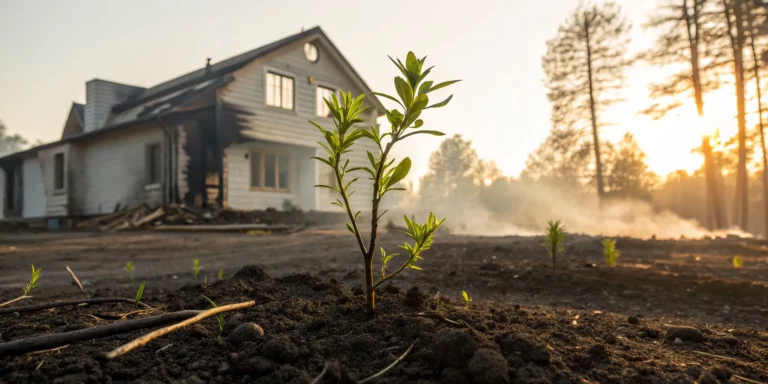
When you look at your home after a fire, the visible destruction is heartbreaking enough. But the most significant damage is often what you can’t see. Smoke and soot can travel through your entire HVAC system, leaving corrosive residue inside walls, while the water used to fight the blaze can lead to hidden mold and structural rot. An insurance company’s adjuster might overlook these issues, leading to a settlement that falls short of what you need. A specialized public adjuster for fire damage knows exactly where to look for this hidden damage. They bring in experts to conduct a thorough assessment, ensuring every single loss is documented and included in your claim for a truly fair settlement.
Key Takeaways
- Public Adjusters Represent Your Interests, Not the Insurer’s: The most critical difference is who they work for. A public adjuster is your advocate, hired to get you the best possible outcome, while the insurance company’s adjuster works to protect their employer’s bottom line.
- Their Expertise Leads to a Higher Settlement: Public adjusters know how to find and document hidden damage from smoke, soot, and water that is often missed. This thorough, evidence-based approach is key to negotiating a settlement that truly covers the full cost of your losses.
- Vet Your Adjuster Carefully Before Signing: Always confirm they are licensed in your state and have specific experience with fire claims. A trustworthy professional will operate on a contingency fee, meaning they only get paid from the settlement they secure for you, and will be transparent about their contract terms.
What Does a Public Adjuster Do for Fire Damage?
After a house fire, dealing with your insurance company can feel like a full-time job you never asked for. This is where a public adjuster comes in. Think of them as your personal expert and advocate, hired by you to manage your insurance claim from start to finish. Their main goal is to make sure you get the fairest and most complete settlement possible for all the damages to your property.
A public adjuster works exclusively for you, the policyholder—not the insurance company. They handle the heavy lifting, which includes meticulously assessing all the damage (including smoke, soot, and water damage that isn’t always obvious), documenting everything for your claim, and negotiating directly with the insurance company on your behalf. They understand the complex language of insurance policies and know how to counter lowball offers. For many homeowners, the insurance claim process is overwhelming, but a public adjuster can bring clarity and expertise to the situation. While they manage the claim, you can focus on your family and next steps. If the insurance route feels too complicated, you can also explore a more direct solution, like our simple process for selling your house as-is.
Public Adjuster vs. Insurance Adjuster: What’s the Difference?
The most important difference between a public adjuster and an insurance adjuster is who they work for. The adjuster sent by your insurance company is an employee of that company. Their job is to protect the company’s financial interests, which often means minimizing the amount paid out on your claim.
A public adjuster, on the other hand, is an independent professional you hire to represent your best interests. They are your advocate in the claims process. They work to find and document every bit of damage to maximize your settlement. While the insurance adjuster might do a quick overview, a public adjuster digs deeper to find hidden issues from smoke, water, and corrosion to ensure nothing is missed.
Signs You Might Need a Public Adjuster
It can be hard to know if you need professional help, especially when you’re already stressed. You should consider hiring a public adjuster if the damage to your home is significant or complex. If your insurance company denies your claim or makes an offer that seems far too low to cover your repairs, an adjuster can step in to challenge that decision.
Dealing with a fire claim is emotionally and mentally draining. If you feel overwhelmed by the paperwork, deadlines, and constant back-and-forth with the insurance company, a public adjuster can take that burden off your shoulders. Many people in these overwhelming circumstances find that having an expert on their side provides peace of mind and leads to a much better financial outcome.
How a Public Adjuster Helps with Your Fire Claim
After a fire, facing your insurance company can feel like a monumental task. A public adjuster steps in to be your advocate, managing the entire claims process on your behalf. Unlike the adjuster sent by your insurance company (who works for them), a public adjuster works directly for you. Their goal is to make sure you receive the full and fair settlement you’re entitled to under your policy. They handle the details, from documenting damage to negotiating the final payout, letting you focus on your family and your next steps.
Assessing and Documenting All Damage
One of the most critical roles a public adjuster plays is conducting a thorough inspection of your property. They know exactly what to look for, including damage that isn’t immediately obvious, like smoke, soot, and structural issues hidden behind walls. They meticulously record all the damage using photos, videos, and detailed lists of lost items. This comprehensive documentation is the foundation of a strong claim. By creating an exhaustive inventory of your losses, they ensure that nothing is overlooked, which is essential for getting the compensation you need to recover. This process alone can be overwhelming for a homeowner, and having an expert handle it is a huge relief.
Decoding Your Insurance Policy
Insurance policies can be incredibly confusing, filled with complex language and clauses that are hard to understand. A public adjuster is an expert at interpreting these documents. They will review your policy line by line to determine exactly what is covered, from the structure of your home to your personal belongings and additional living expenses if you’re displaced. They also understand how local building codes and state laws can affect your claim. This expertise is crucial because it ensures your claim is built on a solid understanding of your rights and the insurance company’s obligations, preventing you from leaving money on the table simply because you didn’t know what to ask for.
Preparing and Filing Your Claim
Once all the damage is documented and your policy is fully understood, the public adjuster prepares and files your claim. This is far more than just filling out paperwork. They compile all the evidence into a detailed, professional claim package that clearly outlines the extent of your losses and the estimated cost of repairs or replacement. They manage all the necessary forms, communications, and deadlines, making sure everything is submitted correctly and on time. This professional presentation of your claim shows the insurance company that you are serious and well-prepared, setting a positive tone for the negotiation process from the very beginning.
Negotiating with the Insurance Company
Negotiation is where a public adjuster’s value truly shines. The insurance company’s adjuster is trained to protect the company’s bottom line, which can often lead to a lowball initial offer. Your public adjuster, on the other hand, is a skilled negotiator whose only interest is getting you a fair settlement. They handle all the back-and-forth communication with the insurance company, presenting the evidence they’ve gathered and arguing on your behalf. They challenge undervalued estimates and push back against unfair denials, using their industry knowledge to fight for the maximum payout your policy allows. This takes the stress of negotiation completely off your shoulders.
How a Public Adjuster Gets You a Better Settlement
A public adjuster is your dedicated advocate for maximizing your insurance settlement. Their value comes from deep industry knowledge, meticulous attention to detail, and expert negotiation skills. They focus on three key areas: uncovering the full extent of the damage, interpreting the fine print of your policy, and building a powerful, evidence-based case to present to your insurer. By managing these critical tasks, they take the pressure off you and improve your chances of receiving a fair and complete payout.
Finding Hidden Smoke and Water Damage
The most obvious damage from a fire is what you can see, but that’s often just the start. A public adjuster knows that fire damage isn’t just about what burned; it also includes smoke, soot, and water damage. Smoke can travel through your HVAC system, leaving behind corrosive residue and odors inside walls. The water used to extinguish the blaze can soak into drywall and flooring, leading to mold and structural rot. A public adjuster is trained to find this hidden damage, bringing in experts to document issues the insurance company’s adjuster might overlook. This ensures every bit of damage is accounted for in your claim.
Making Sense of Policy Limits and Exclusions
Let’s be honest: insurance policies are dense and confusing. Trying to decipher legal jargon after a fire is overwhelming. A public adjuster acts as your translator. They understand what your policy covers and, just as importantly, what it excludes. They’ll comb through every line to identify the limits for structural repairs, personal property, and additional living expenses (ALE). By clarifying these details, they make sure you’re claiming the full amount you’re entitled to. Without this expertise, it’s easy to misinterpret a clause and accidentally leave thousands of dollars on the table.
Using Their Expertise to Negotiate for You
Negotiating with an insurance company isn’t a fair fight. Their adjusters represent the company’s interests, not yours. A public adjuster levels the playing field. They are skilled at talking with insurance companies to get you a fair deal because they speak the same language. They don’t just argue for more money; they build a comprehensive, evidence-based case. A public adjuster will use local building codes, state regulations, and detailed repair estimates to justify every dollar. This professional, data-driven approach takes the emotion out of the negotiation and leads to a more accurate and fair settlement.
How to Choose the Right Public Adjuster
After a fire, you need an expert in your corner, and finding the right public adjuster is one of the most important decisions you’ll make. This person will be your primary advocate, fighting to get you the settlement you deserve. But with so many options out there, how do you know who to trust? It’s about more than just hiring the first person who calls you. You’re looking for a true partner—someone with the right credentials, a proven track record, and a communication style that puts you at ease.
Think of it like hiring any other professional for a critical job. You wouldn’t hire a plumber without checking their license or a contractor without seeing their past work. The same diligence applies here. Taking the time to vet your options will pay off significantly, ensuring you have a skilled and reliable professional managing your claim. We’ll walk through the key things to look for so you can feel confident in your choice.
Licensing and Fire Damage Certifications
First things first: any public adjuster you consider must be licensed in your state. This is non-negotiable. A state license confirms they’ve met the minimum requirements to handle claims professionally and ethically. You can usually verify a license through your state’s department of insurance website. But don’t stop there. For a fire claim, you want someone with specialized knowledge. Ask about additional certifications in fire and smoke damage restoration. These credentials show an adjuster has gone the extra mile to master the specific complexities of fire claims, from policy details to the science of damage assessment. This level of expertise is what separates a good adjuster from a great one.
Specialized Experience with Fire Claims
A general claims adjuster might be fine for a simple roof leak, but a house fire is a different beast entirely. You need someone who lives and breathes fire claims. These specialists understand the hidden issues that often go overlooked, like smoke damage inside walls, compromised electrical systems, and long-term structural problems caused by heat. An experienced fire claim adjuster knows how insurance companies operate and can anticipate their tactics. Their expertise in fire-related claims can make a huge difference in your final settlement, especially when the damage is extensive or the insurance company is pushing back. Ask potential adjusters how many fire claims they handle each year to gauge their experience.
Reputation and Client References
A public adjuster’s reputation is everything. Look for someone with a long history of positive outcomes and satisfied clients. Start by searching for online reviews on Google or the Better Business Bureau, but don’t rely on those alone. A reputable adjuster will happily provide you with a list of recent client references. Make sure you call them. Ask past clients about their experience—were they happy with the settlement? Was the adjuster easy to work with? A strong track record shows they know how to build a solid case for their clients and successfully negotiate with insurance carriers.
Communication Style and Availability
The claims process can be long and stressful, so you need an adjuster who is a clear and consistent communicator. During your initial conversations, pay attention to how they explain things. Do they break down complex insurance jargon into simple terms? Are they patient with your questions? You should feel like you have a professional advocate who keeps you in the loop, not someone you have to chase for updates. Ask them about their communication process. How often will you hear from them? Who is your main point of contact? Finding someone whose style matches your needs will make a difficult situation much more manageable.
How Much Does a Public Adjuster Cost?
When you’re dealing with the aftermath of a fire, the last thing you want is another bill. So, it’s completely understandable to wonder about the cost of hiring a public adjuster. The good news is that their fee structure is designed to help you when you need it most, without requiring you to pay anything out of pocket.
Most public adjusters work on a contingency fee basis, which means their payment is directly tied to their success in handling your claim. This model aligns their interests with yours: they are motivated to get you the maximum possible settlement because their earnings depend on it. You won’t face any upfront costs, which can be a major relief when you’re managing the immediate financial strain of a house fire.
The Percentage-Based Fee Structure
The most common payment model for public adjusters is a percentage-based fee. A public adjuster will typically charge a percentage of the final insurance settlement they secure for you, which generally falls between 10% and 15%. The exact rate can depend on your location and the complexity of your claim. For example, on a $200,000 settlement, a 10% fee would be $20,000. This contingency fee structure ensures their goals are aligned with yours—the more money they recover for you, the more they earn.
When and How They Get Paid
One of the biggest benefits of hiring a public adjuster is that you don’t pay them upfront. They work on a contingency basis, so they only get paid if they successfully recover money for you. Their fee is taken directly from the settlement check issued by your insurance company, meaning you won’t have to dip into your savings. This process is designed to be as stress-free as possible, allowing you to focus on your family and your next steps, whether that’s rebuilding or considering a fast cash sale of your property.
Reading the Fine Print in Your Contract
Before you sign any agreement, it’s crucial to read the contract carefully. A reputable public adjuster will be transparent about their fees and welcome your questions. Make sure the contract clearly states the exact percentage they will charge and specifies whether it applies to the entire settlement or only the amount recovered above the insurance company’s initial offer. Don’t hesitate to ask for clarification on any confusing terms. It’s always wise to fully understand the terms before you commit, ensuring there are no surprises down the road.
The Risks of Filing a Fire Claim Without an Adjuster
After a fire, your first instinct might be to call your insurance company and start the claims process yourself. It seems like the most direct path, but it’s one filled with potential setbacks. Your insurance provider will assign their own adjuster to your case, but it’s crucial to remember that this person works for the insurance company. Their primary goal is to protect the company’s financial interests, which can conflict with your goal of receiving a full and fair settlement.
Going it alone means you’re responsible for proving your losses, understanding every line of a complex legal document, and negotiating against a team of experienced professionals. The process is often more complicated than people expect, and a single misstep can cost you thousands of dollars. Without an expert on your side, you risk accepting a settlement that doesn’t come close to covering your actual damages, leaving you to pay for the rest out of pocket. For many, the stress of this process is overwhelming, which is why exploring all your options, including a hassle-free cash sale, can provide much-needed relief.
Underestimating the True Cost of Damage
The most visible damage after a fire is just the beginning. While you can see the charred walls and burned belongings, the true extent of the damage often lies hidden. Fire can compromise your home’s structural integrity, while smoke and soot can seep into every corner, contaminating insulation, ductwork, and personal items. On top of that, the water used to extinguish the flames can lead to widespread water damage and mold growth.
Without professional training, it’s nearly impossible to identify and document all of these issues. An insurance company’s adjuster may overlook or downplay this hidden damage, leading to an incomplete assessment. This is how homeowners end up with a settlement that doesn’t cover the full cost of making their home safe and livable again.
Dealing with Lowball Offers and Denials
Insurance companies are for-profit businesses, and one way they protect their bottom line is by minimizing claim payouts. It’s common for homeowners to receive a settlement offer that is far below what they need to rebuild. The insurer’s adjuster will justify this lowball offer with their assessment, which, as we’ve covered, may not account for the full scope of the damage.
If you don’t have the expertise to challenge their assessment with your own detailed evidence, you have very little negotiating power. In some cases, claims are denied altogether based on technicalities or policy exclusions. Fighting these decisions on your own is an uphill battle. When you’re facing an unfair offer, it helps to know you have other options from a company that puts homeowners first.
Misinterpreting Complex Policy Language
Your homeowners insurance policy is a dense, legally binding contract filled with technical jargon, specific conditions, and pages of exclusions. Trying to decipher it while dealing with the trauma of a house fire is a monumental task. A simple misunderstanding of a clause or provision could lead you to file your claim incorrectly or fail to claim everything you’re entitled to.
For example, your policy might have separate coverage limits for the structure, personal property, and additional living expenses. If you don’t understand these distinctions, you could miss out on significant parts of your potential settlement. Public adjusters are experts at interpreting policy language and ensuring your claim meets all the requirements for a maximum payout.
Missing Deadlines and Paperwork
The fire insurance claim process is governed by strict deadlines and requires a mountain of paperwork. You’ll need to submit a proof of loss form, a detailed inventory of every single damaged item with its estimated value, repair quotes, and other documentation—all within a specific timeframe. Most policies give you one year to file a claim, but other deadlines can pop up much sooner.
Juggling these administrative tasks while trying to find temporary housing and manage your family’s well-being is incredibly difficult. Missing a single deadline or submitting incomplete paperwork can be grounds for your insurance company to delay or even deny your claim. A public adjuster manages this entire process for you, ensuring everything is filed correctly and on time.
Common Myths About Hiring a Public Adjuster
When you’re dealing with the aftermath of a house fire, the last thing you need is confusing advice. The world of insurance claims is filled with jargon and misconceptions, especially when it comes to public adjusters. You might have heard things that make you hesitant to hire one, but it’s important to separate fact from fiction. Let’s clear the air and tackle some of the most common myths so you can make a confident, informed decision for your situation.
Myth: They’re Too Expensive
It’s completely understandable to worry about costs, especially when you’re facing unexpected expenses. Many homeowners believe hiring a public adjuster will take a huge bite out of their final settlement. In reality, a public adjuster’s goal is to get you a higher settlement than you would on your own. They work on a contingency fee, which is a small, agreed-upon percentage of your claim. This means they only get paid if you get paid. Their expertise in finding hidden damages and negotiating with insurers often results in a final payout that more than covers their fee, leaving you in a better financial position. The value they provide can be a worthwhile investment for your recovery.
Myth: They Work for the Insurance Company
This is one of the most critical misunderstandings. A public adjuster works for you and only you. They are independent professionals licensed by the state to advocate on behalf of the policyholder. The adjuster sent by your insurance company works for the insurer, and their job is to protect the company’s bottom line. A public adjuster’s sole responsibility is to protect your interests. Think of them as your personal expert, leveling the playing field and ensuring your claim is handled fairly. They are your advocates during the claims process, not representatives of the insurance company.
Myth: They’re Only for Large Claims
You don’t need to have lost your entire home to benefit from a public adjuster’s help. While they are essential for large, complex claims, their expertise is valuable in any situation where there’s a significant disagreement with your insurer. If you feel your insurance company is undervaluing your damages, denying parts of your claim, or dragging its feet, a public adjuster can step in. As a general rule, they can be particularly helpful for claims where the disputed amount is over $10,000. Their job is to manage the details and fight for a fair settlement, regardless of the total claim size.
How to Prepare for Your Public Adjuster
Hiring a public adjuster is a huge step toward getting your life back on track, but your involvement doesn’t end there. To get the most out of their services, you need to be an active partner in the process. Being prepared helps your adjuster build the strongest possible case for you, ensuring no detail is overlooked and every loss is accounted for. Think of it as laying the groundwork so they can construct a solid claim on your behalf. A little organization on your end can make a significant difference in the speed and outcome of your settlement. When you hand your adjuster a well-documented file from the start, they can hit the ground running, saving valuable time and demonstrating to the insurance company that you are organized and serious about your claim. This proactive approach gives your adjuster the tools they need to fight for you effectively from day one. It also helps you stay in control of a situation that can feel completely overwhelming. Here are four key steps you can take right away to prepare for your public adjuster’s first visit.
Document Everything Before You Touch It
Before you move a single piece of furniture or throw anything away, your first job is to become a detective. Grab your phone and take photos and videos of everything. I mean everything. Go room by room and capture the damage from multiple angles—wide shots to show the scale and close-ups to show specific details. Don’t just focus on the obvious burn damage; document soot, smoke, and water damage, too. Make a running list of all damaged items, from big-ticket electronics to smaller things like clothing and kitchenware. If you have receipts, warranties, or credit card statements for any of these items, gather them. This initial evidence collection is crucial for creating an accurate inventory of your losses.
Know Your Policy Basics
You don’t need to become an insurance expert overnight—that’s what your public adjuster is for. However, having a basic understanding of your homeowner’s policy will help you follow along and ask the right questions. Locate your policy documents and find the “declarations page,” which summarizes your coverage limits for the dwelling, personal property, and additional living expenses (ALE). Knowing these top-line numbers gives you a frame of reference for what to expect. Read through the section on your duties after a loss, as it outlines what the insurance company requires from you. Having this foundational knowledge empowers you to be a more effective advocate for yourself alongside your adjuster.
Act Fast to Meet Deadlines
When you’re dealing with the aftermath of a fire, it’s easy to feel paralyzed. However, time is of the essence. Most insurance policies include a strict time limit for filing a claim, often one year from the date of the fire. By hiring a public adjuster quickly, you get a professional on your side who can immediately notify the insurance company and start the claims process. This ensures you don’t miss any critical deadlines for submitting paperwork or proofs of loss. Acting promptly demonstrates to the insurance company that you are serious about your claim and prevents unnecessary delays that could complicate your recovery.
Don’t Start Repairs Too Soon
Your instinct might be to start cleaning up and making repairs right away, but it’s important to hold off. The only work you should do is temporary mitigation to prevent further damage, like boarding up a broken window or placing a tarp over a hole in the roof. Document the property exactly as it was left by the fire. Starting major repairs or discarding damaged items before they have been inspected by both your public adjuster and the insurance company’s adjuster can seriously jeopardize your claim. It removes the evidence they need to accurately assess the full scope of the damage, potentially leading to a lower settlement offer. Let your adjuster guide you on when it’s safe to begin the cleanup and restoration process.
What to Expect When You Hire a Public Adjuster
Hiring a public adjuster can feel like a big step, but it’s really about bringing a professional onto your team. After a fire, you’re dealing with enough stress; a public adjuster’s job is to take the entire insurance claim process off your plate. They work for you, not the insurance company, to make sure you get the fairest possible settlement for your losses. Unlike the adjuster sent by your insurance provider—who works to protect the company’s bottom line—a public adjuster is a state-licensed advocate who is legally bound to represent your best interests.
Many homeowners find the claims process confusing and overwhelming, which is where an adjuster’s expertise becomes essential. They understand the complex language of insurance policies and know how to document damage in a way that insurance companies recognize and accept. From the moment you sign on, they become your primary point of contact for the claim. They’ll handle the tedious paperwork, the back-and-forth calls, and the tough negotiations. Think of them as your personal project manager for the insurance claim. Their goal is to document every detail of your loss, present a comprehensive claim to your insurer, and fight for the maximum payout you’re entitled to under your policy. This lets you focus on what matters most: figuring out your next steps for your family and your home.
The First Meeting and Walk-Through
Your first meeting with a public adjuster usually happens at your property. This initial walk-through is crucial. They will assess the obvious fire damage and look for less apparent issues like smoke, soot, and water damage from firefighting efforts. This is their chance to see the full scope of the situation and give you a realistic idea of what to expect from the claims process. During this meeting, they’ll also review your insurance policy with you to explain your coverage in plain English. It’s the perfect time to ask questions and get a feel for their communication style. A good adjuster will listen to your concerns and clearly outline their strategy for handling your claim, so you feel confident and informed from day one.
Gathering Evidence and Paperwork
One of the most overwhelming parts of a fire claim is documenting everything you’ve lost. This is where a public adjuster is invaluable. They will meticulously create a detailed inventory of all damaged property, from the structure of your home down to the personal belongings inside. They’ll take extensive photos and videos, making sure every bit of damage is recorded. Your adjuster will also help you gather essential paperwork, like receipts or proof of ownership for valuable items, to strengthen your claim. They know exactly what insurance companies need to see to process a claim efficiently and fairly. By managing this detailed and time-consuming task, they ensure nothing gets overlooked, which is key to getting the settlement you deserve.
The Negotiation and Filing Timeline
Once all the damage is documented, your public adjuster prepares and submits the official claim to your insurance company. But their work doesn’t stop there. They manage all communication and act as your dedicated negotiator. Insurance companies often have their own adjusters whose goal is to minimize the payout, but your public adjuster is there to advocate solely for your interests. They will challenge lowball offers and push back against unfair denials, using their expertise to argue for a better outcome. The timeline can vary depending on the complexity of your claim, but your adjuster will keep you updated every step of the way. They handle the stressful negotiations so you don’t have to, ensuring the process moves forward toward a fair resolution.
Receiving Your Settlement
The final step is receiving your settlement. Your public adjuster will review the insurance company’s final offer with you to ensure it’s fair and covers everything it should. Because they work on a percentage of the final settlement, their success is directly tied to yours. This model motivates them to secure the highest possible payout for you. Once you receive your settlement, you have the freedom to decide what’s next. You can use the funds for repairs, but you’re not obligated to rebuild. Many homeowners find that starting fresh is a better option. If you decide that managing repairs is too much, you can explore a simpler solution, like selling your property as-is. Our process at Fire Damage House Buyer is designed to give you a fast, fair cash offer, letting you move forward without the hassle of reconstruction. You can see how it works on our site.
Related Articles
- Fire Damage Insurance Claims: Step-by-Step Guide 2025
- Rebuild or Sell After a House Fire? 7 Powerful Tips (2025)
- Legal and Financial Considerations After a Fire 2025
Frequently Asked Questions
Is it too late to hire a public adjuster if I’ve already started my claim? It’s almost never too late. You can hire a public adjuster at nearly any point in the claims process, even if you’ve already received a settlement offer that seems too low. They can step in, review all the documentation, and take over the negotiations to ensure you get a fair outcome.
What happens if my public adjuster and the insurance company can’t agree on a settlement? If negotiations reach a standstill, your public adjuster will guide you through the next steps. Most insurance policies include a process called “appraisal,” where both sides hire a neutral third party to help resolve the dispute. Your adjuster is experienced in managing this process to break the deadlock and reach a fair agreement.
Can a public adjuster help if my insurance claim was already denied? Yes, they can often be a huge help in this situation. A public adjuster will thoroughly review the insurance company’s reason for denial, analyze your policy, and look for opportunities to reopen the claim. They can gather new evidence and build a stronger, more professional case to challenge the decision.
Do I have to use the settlement money to rebuild my house? No, you are not obligated to rebuild. Once you receive the settlement check, the funds are yours to decide how to use. Many homeowners find the process of rebuilding to be long and stressful, so they choose to use the money to start over somewhere new. This is often when people decide to sell their property as-is for a clean break.
How is a public adjuster different from an attorney? Think of a public adjuster as a specialist in property damage and insurance policy language. Their job is to assess your losses and negotiate a fair claim settlement. An attorney is necessary for legal disputes, such as when you need to file a lawsuit against your insurance company for acting in bad faith. You would typically start with a public adjuster, who would then advise you if legal action becomes necessary.