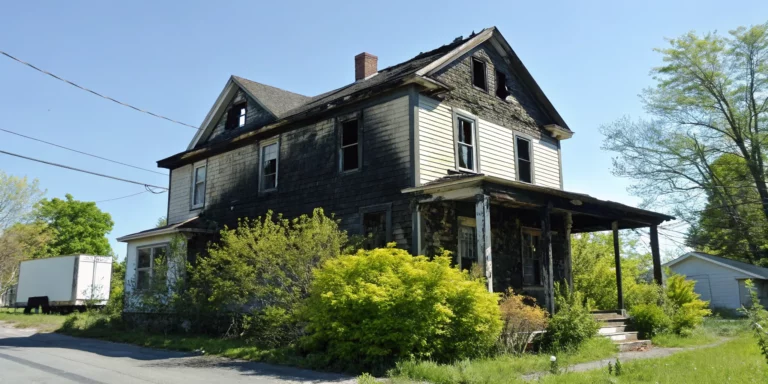
After a house fire, you stand at a crossroads: do you take on the monumental task of rebuilding and repairing, or do you sell the property and start fresh somewhere new? The first path is long, expensive, and filled with uncertainty. The second path, however, can be surprisingly simple. Opting to find a buyer who will give you cash for my house as is provides a direct route to a new beginning. It allows you to close a difficult chapter quickly and cleanly. This guide is here to illuminate that route. We will explore the benefits of a cash sale, explain the step-by-step process, and help you weigh the pros and cons, ensuring you have all the information you need to decide if this is the right move for you.
Key Takeaways
- Prioritize Speed and Certainty Over Price: Selling your house “as is” for cash is the best solution when you need to move on from a damaged property quickly. You trade a potentially higher market price for a guaranteed, fast sale that saves you from the time, cost, and stress of managing major repairs.
- Understand How Your Offer is Calculated: A reputable cash offer isn’t random; it’s based on your home’s potential market value after it’s fully repaired, minus the estimated costs for those renovations. This formula provides a clear, logical reason for the price you receive.
- Thoroughly Vet Your Buyer to Avoid Scams: The most crucial step is choosing the right partner. Protect yourself by researching a company’s reputation, reading recent reviews, and confirming they can provide proof of funds. A trustworthy buyer will be transparent and will never pressure you into a decision.
What Does It Mean to Sell a House “As Is”?
Selling a house “as is” is exactly what it sounds like: you sell the property in its current condition without making any repairs. It’s a “what you see is what you get” approach. If there’s smoke damage on the walls, a damaged roof, or structural issues from a fire, you aren’t responsible for fixing them before the sale. The buyer understands and agrees to purchase the home with all its existing flaws, taking on the responsibility for any future renovations.
This is a major departure from a traditional home sale, where sellers often spend thousands of dollars and countless hours on repairs and updates to make their property “market-ready.” When you sell “as is,” the home’s price already reflects its condition. You won’t be expected to give the buyer money for fixes or haggle over repair credits after an inspection. It’s a transparent and direct way to sell, especially when you’re dealing with a difficult situation like a house fire and don’t have the time, funds, or emotional bandwidth for a massive renovation project. The goal is to simplify the sale, giving you a clear path forward without the weight of a damaged property.
How “As Is” Sales Differ from Traditional Listings
In a typical home sale, the buyer’s inspection often kicks off a second round of negotiations. Buyers might come back with a long list of requested repairs or ask for credits to cover the cost of fixing issues they’ve uncovered. This process can be stressful, time-consuming, and can even cause the deal to fall through. When you sell “as is,” you set the expectation from the start that you won’t be making any repairs. While a conventional buyer might still try to negotiate the price down after their inspection, a specialized cash buyer already factors the home’s condition into their offer. This makes the entire process much more straightforward and predictable.
Why You Don’t Need to Make Repairs
The most significant benefit of an “as is” sale is the freedom from managing and funding repairs. After a house fire, taking on a large-scale renovation is often the last thing a homeowner wants to do. Selling your house as is is a practical solution if you need to sell fast, can’t afford the repairs, or the home is unlivable. Cash buyers and real estate investors are specifically looking for properties they can improve. They have the teams and resources ready to handle the work that you don’t have to. This gives you a clean, fast exit, letting you collect your cash and move on without the headache of a major construction project.
The Top Reasons to Sell Your House for Cash
When you’re dealing with a damaged property, the traditional home-selling process can feel like an uphill battle. The thought of coordinating repairs, hiring real estate agents, and staging your home for picky buyers is overwhelming, especially when you just want to move forward. This is where selling your house for cash comes in. It’s a straightforward alternative that cuts through the complexities of a typical sale, offering a clear path to closing.
A cash sale simplifies everything. Instead of waiting for a buyer to get approved for a mortgage—a process that can drag on for weeks or even months—you work with a buyer who has the funds ready to go. This dramatically speeds up the timeline and removes the risk of a deal falling through due to financing issues. For homeowners who need to relocate quickly or simply want to put a difficult chapter behind them, the speed and certainty of a cash offer can be a game-changer. It’s about regaining control over your situation and choosing a solution that prioritizes your peace of mind, which is the core of what we do.
Close the Deal in Days, Not Months
The biggest draw of a cash sale is speed. A traditional sale is often at the mercy of the buyer’s lender, involving lengthy underwriting processes, appraisals, and endless paperwork. It’s not uncommon for this to take 30, 60, or even 90 days. Selling to a cash buyer eliminates the middleman. Because there’s no mortgage to approve, you can close the deal in as little as a week. This is especially helpful if you’re facing financial pressure or just want to move on without delay. Our streamlined process is designed to get you from offer to closing in record time, giving you the freedom to start fresh.
Save Money by Skipping Costly Repairs
Selling a house “as is” means you sell it in its current condition, without making any repairs. For anyone with a fire-damaged home, this is a massive relief. You don’t have to spend thousands of dollars you may not have on fixing structural damage, smoke remediation, or cosmetic issues. A cash buyer understands the condition of your property and factors that into their offer. This allows you to walk away from a stressful situation without draining your savings on renovations that a traditional buyer would likely demand. We specialize in buying homes in any condition, so you can sell your property without lifting a finger.
Avoid Agent Commissions and Fees
When you sell a home the traditional way, you can expect to pay around 6% of the sale price in real estate agent commissions. On a $300,000 home, that’s $18,000 right off the top. When you sell directly to a cash buyer like us, there are no agent fees. Because you’re not listing the property on the market, you don’t need an agent to represent you. Many cash buyers, including our company, also cover all the closing costs. This means the cash offer you accept is the amount you’ll walk away with, providing financial clarity and saving you a significant amount of money.
Say Goodbye to Showings and Staging
Preparing a home for the market is a job in itself. It involves deep cleaning, decluttering, staging, and then keeping it spotless for showings and open houses. You have to be ready for strangers to walk through your home at a moment’s notice. This process is not only inconvenient but often impossible with a damaged property. A cash sale eliminates these hassles entirely. There are no open houses and no need to stage a home that needs significant repairs. We typically conduct one simple walk-through to assess the property, and that’s it. Our customers often tell us how much they appreciated avoiding the stress of a traditional listing.
Who Buys Houses for Cash?
When you decide to sell your house for cash, you’ll find there are a few different types of buyers out there. Each one operates a little differently, with unique priorities and processes. Understanding who they are can help you find the right fit for your situation, especially when dealing with a property that has fire damage. Let’s walk through the main players in the cash-buying world.
Specialized Companies Like Fire Damage House Buyer
Some companies focus exclusively on properties with specific, significant issues. We are one of them. As a specialized buyer of fire-damaged homes, we have a deep understanding of the complexities involved—from structural assessments to smoke and water damage. Unlike general buyers, we see the potential in your property and have a streamlined process designed for this exact scenario.
Because this is our expertise, we can make a fair, informed offer quickly without being scared off by the condition of the home. Selling a fire-damaged property as-is to a specialist shifts the liability for repairs to the buyer, giving you a clean, fast, and hassle-free exit from a difficult situation.
Real Estate Investors and House Flippers
Real estate investors and house flippers are another common type of cash buyer. They purchase properties with the goal of renovating them to either sell for a profit or rent out. These buyers are pros at spotting potential and are definitely not afraid of a project. They regularly buy homes that need significant repairs, including those with fire damage.
However, their offers are calculated based on the potential profit margin after all repairs, holding costs, and closing fees are paid. Because their primary goal is maximizing their return on investment, their offer will heavily reflect the projected renovation costs, which can sometimes be based on worst-case-scenario estimates if they aren’t experts in fire restoration.
iBuyers and Online Home Buying Platforms
You’ve probably seen ads for iBuyers, which are large online companies that use technology to make instant cash offers on homes. These platforms are built for speed and convenience, and they typically purchase homes that are in relatively good condition and need only minor cosmetic updates.
While they are a legitimate cash-buying option, iBuyers are generally not equipped to handle properties with extensive damage, like those affected by a fire. Their algorithms and business models are based on homes that can be quickly turned around and resold on the traditional market. A house with significant structural or systemic issues usually falls outside their purchasing criteria, so this route often isn’t a viable one for fire-damaged properties.
How Cash Buyers Calculate Your Offer
Getting a cash offer for your house might seem like a mysterious process, but it’s actually based on a straightforward formula. Reputable cash buyers don’t just pull a number out of thin air. Instead, they use a clear method to determine a fair price for your property in its current state. The goal is to create a win-win scenario: you get a fast, hassle-free sale, and the buyer acquires a property with potential.
The final offer is typically based on the home’s after-repair value (ARV), which is what it could sell for on the open market after it’s been fully renovated. From there, the buyer subtracts the estimated cost of repairs, their holding costs during the renovation, and a small margin for the work and risk involved. Understanding these key components will help you see exactly how a company arrives at its offer. At Fire Damage House Buyer, we believe in transparency, and our process is designed to be simple and clear from the start. We look at your home’s potential, calculate the costs to get it there, and present you with a no-obligation offer that reflects its true as-is value. This approach removes the guesswork and ensures you receive a fair offer based on real numbers.
Evaluating Your Property’s Condition
When you sell your house “as-is,” it means you’re selling it exactly as it stands—no repairs, no cleaning, no improvements. The buyer agrees to take on the property with all its existing issues, from minor cosmetic flaws to major structural damage. For a fire-damaged home, this is especially important. A cash buyer’s evaluation will focus on the extent of the fire, smoke, and water damage. They’ll assess the structural integrity, the condition of the roof, the electrical and plumbing systems, and any other part of the home affected by the incident. This initial assessment is the foundation of the cash offer, as the property’s condition directly determines the scope of work required.
Comparing Your Home to the Local Market
Next, a cash buyer will analyze the local real estate market. They look at “comps,” or comparable properties that have recently sold in your neighborhood. However, they aren’t just looking at any home; they’re specifically interested in the prices of similar homes in excellent condition. This helps them determine the After-Repair Value (ARV) we mentioned earlier. It’s an essential step because it sets the ceiling for your home’s potential value. It’s important to remember that fire-damaged homes will naturally be valued lower than their undamaged neighbors. The buyer’s offer bridges the gap between your home’s current state and its future market potential.
Factoring in the Cost of Necessary Repairs
This is the most significant part of the calculation. The buyer estimates the total cost to repair all the damage and bring the house up to modern standards. For a fire-damaged property, this goes far beyond a new coat of paint. It can include structural repairs, roof replacement, new electrical and plumbing systems, smoke remediation, and a complete interior renovation. The buyer subtracts this estimated repair cost from the ARV. They also factor in their holding costs (like taxes and insurance) and a modest profit margin for taking on the risk and work. This final number becomes the cash offer they present to you, giving you a path to move forward without lifting a finger.
How to Find a Trustworthy Cash Buyer
Selling your home for cash, especially after a fire, should bring you relief, not more stress. The key is finding a buyer you can depend on. While many companies claim to offer fast cash, not all of them operate with your best interests at heart. A trustworthy buyer will be transparent, professional, and have a clear, straightforward process. They should be able to answer all your questions without hesitation and provide proof of their legitimacy. Taking a little time to vet your options will give you the confidence you need to move forward with the right partner.
Check Their Reputation and Online Reviews
The first step in vetting any cash buyer is to see what other people are saying about them. Start with a simple online search. Look for reviews on Google, the Better Business Bureau (BBB), and other independent sites. A reputable company will have a history of positive feedback from sellers in situations similar to yours. Pay attention to comments about their communication, fairness, and how smoothly the process went. A company that is proud of its service will also feature customer testimonials on its own website. A consistent pattern of happy clients is one of the strongest indicators of a company you can trust.
Confirm They Have the Funds and Credentials
A legitimate cash buyer has one thing that sets them apart: cash. They should be able to provide proof of funds to show they can follow through on their offer without needing a loan from a bank. Don’t be afraid to ask for this verification. A professional buyer will understand and have it ready. Another sign of a credible company is its policy on fees. Established buyers, like Fire Damage House Buyer, typically cover all closing costs, meaning the offer you accept is the amount you receive. If a company asks you to pay for anything upfront, consider it a major red flag.
Ask for References and Proof of Licensing
Beyond online reviews, ask the company for references or case studies from recent sales. Speaking to a past client can give you firsthand insight into their experience. You should also verify the company’s business credentials. While licensing requirements can vary, they should operate as a registered business in good standing. A trustworthy buyer will be transparent about their history and operations. They should have a professional website with clear information about their team and their process, helping you feel confident that you’re working with a real, established organization.
Red Flags: How to Spot a Bad Buyer
Knowing what to avoid is just as important as knowing what to look for. Be cautious of any buyer who uses high-pressure tactics to get you to sign a contract immediately. You should never feel rushed into a decision. Another warning sign is a vague or incomplete contract—every detail, from the purchase price to the closing date, should be clearly spelled out. Be wary of anyone who is hesitant to provide proof of funds or who makes an offer that seems too good to be true without even seeing the property. A serious buyer will always conduct a thorough, in-person assessment.
What to Expect from the Cash Offer Process
Selling your house for cash is a much more direct path than a traditional real estate transaction. Instead of months of showings, negotiations, and potential financing fall-throughs, the cash offer process is designed for speed and simplicity. Companies that buy houses as-is have a streamlined process that gets you from the initial contact to closing day in a fraction of the time.
The entire journey is built around transparency and convenience, removing the typical hurdles homeowners face. You won’t be asked to make repairs, stage the home, or even do a deep clean. The buyer understands the situation and is prepared to take on the property exactly as it is. Let’s walk through the three main steps so you know exactly what to expect.
The Initial Property Walk-Through
The first step is a quick visit to your property. This isn’t a formal inspection where someone nitpicks every little flaw—it’s simply a walk-through for the buyer to assess the overall condition and structure of the home. They are experienced in evaluating properties with significant damage and are looking at the home’s potential and the scope of work needed.
You don’t need to prepare or fix anything ahead of time. The purpose of an “as-is” sale is to relieve you of that burden. The buyer is there to see the property in its current state to make a fair, informed offer. This visit is usually brief and scheduled at a time that works for you, making it a low-stress and straightforward part of the process.
Receiving and Understanding Your Offer
Shortly after the walk-through, you’ll receive a no-obligation cash offer. It’s important to remember that an offer on a fire-damaged home sold as-is will be lower than what the property might be worth in perfect condition. The offer reflects the current state of the house and the significant costs the buyer will take on for repairs, renovations, and carrying the property.
A trustworthy buyer will be transparent about their offer. It should be a clear, all-cash figure with no hidden fees or agent commissions deducted from it. What you see is what you get. Take your time to review it, and don’t hesitate to ask questions about how they arrived at the number. The goal is for you to feel confident and clear about the proposal.
Agreeing on a Contract and Closing Date
Once you accept the offer, the final steps are simple. You’ll sign a straightforward purchase agreement that clearly states the home is being sold “as-is.” This clause is important because it protects you by transferring responsibility for the property’s condition to the buyer. From that point on, you won’t have to worry about any future issues that may arise with the house.
Next, you’ll set a closing date. This is one of the biggest advantages of a cash sale—you can often close in as little as seven days. You get to pick a date that suits your timeline. A reputable cash buyer will work with a trusted local title company to handle all the paperwork, ensuring a smooth and secure transaction. You simply sign the documents and receive your cash.
Potential Challenges of Selling a House As Is
Selling your house “as is” offers a straightforward path forward, especially after a fire. It means you can skip the overwhelming repairs and lengthy market listings. However, it’s smart to go into the process with a clear understanding of the potential hurdles. While the convenience is a huge plus, you’ll likely face a different set of challenges than you would with a traditional sale.
From receiving offers that reflect the home’s current condition to understanding disclosure laws, the “as is” route has its own unique landscape. The pool of potential buyers is smaller, and unfortunately, you need to be on the lookout for less-than-reputable players. Knowing what to expect helps you prepare and choose the right partner, ensuring you can move on with confidence and peace of mind.
Understanding Why Offers Might Be Lower
Let’s be direct: when you sell a house “as is,” especially one with fire damage, you can expect cash offers to be lower than the market value of a move-in-ready home. This isn’t a reflection on you or your property’s potential; it’s a simple matter of business. The buyer is taking on the financial risk and the heavy lifting of all the repairs you get to walk away from. Their offer accounts for the cost of materials, labor, and the time it will take to restore the property. Think of it as a trade-off—you’re exchanging a higher sale price for speed, certainty, and freedom from a massive renovation project. A reputable cash buyer will be transparent about how they calculate their offer, ensuring it’s fair based on the home’s true condition.
You Still Need to Disclose Known Issues
A common misconception about “as is” sales is that you can just hand over the keys and say nothing about the property’s problems. That’s not quite how it works. “As is” means you aren’t obligated to make any repairs, but you are still legally required to disclose any known issues that aren’t immediately obvious. While fire damage is plain to see, there could be related problems like hidden smoke damage in the walls or a compromised electrical system. Being upfront about everything you know isn’t just the right thing to do—it protects you from potential legal trouble down the road. Honesty builds trust and allows a serious buyer to make an accurate and fair offer without any surprises.
Navigating a Smaller Pool of Buyers
When you list a home “as is,” you’re not marketing to the average family looking for their dream house. Most traditional buyers rely on mortgage financing, and lenders often have strict property standards. A home with significant damage simply won’t qualify for these types of loans, which automatically shrinks your pool of potential buyers. Your target audience shifts from typical homebuyers to real estate investors and specialized companies who have the cash and expertise to handle major projects. This isn’t necessarily a bad thing; it just means you need to focus your energy on finding the right kind of buyer—one who sees the potential and isn’t scared away by the work involved.
How to Watch Out for Scams
Because the “we buy houses” industry is largely unregulated, it’s crucial to be cautious. Some predatory buyers use high-pressure tactics or make initial offers that they drastically lower after an “inspection.” To protect yourself, do your homework. A legitimate company will have a professional website, a physical office address, and a history of successful purchases. Always check their online reviews and testimonials from past sellers. Don’t be afraid to ask for proof of funds to ensure they can actually close the deal. If a buyer seems evasive, pressures you to sign immediately, or makes promises that sound too good to be true, trust your gut and walk away. A trustworthy partner will be patient and transparent every step of the way.
How to Market Your “As Is” Home
Selling a house “as is” doesn’t mean you can’t put your best foot forward. While you’re skipping the major repairs, a little marketing effort can help you attract the right kind of buyer and secure a fair offer. The goal isn’t to hide the property’s flaws but to showcase its potential and make the transaction as smooth as possible. Whether you’re listing on the open market or reaching out to investors, presenting your home clearly and honestly is the key. A thoughtful approach helps potential buyers understand exactly what they’re getting, which builds trust and speeds up the entire process. By focusing on a few key areas, you can effectively position your property for a successful sale.
Use Clear Photos and Honest Descriptions
When selling “as is,” transparency is your greatest asset. Start by taking clear, well-lit photos of your property. While it might be tempting to hide damaged areas, it’s better to be upfront. Buyers who are interested in “as-is” properties, especially investors, expect to see the full picture. Document every room and be sure to include photos of any significant damage. In your listing description, be direct and honest about the home’s condition. Use straightforward language to describe the issues, but also highlight the home’s strengths. This honesty filters out buyers who aren’t serious and attracts those who see the property’s true potential and are ready to take on a project.
Focus on Your Home’s Potential and Location
Every property has selling points, even one with significant damage. Your job is to help buyers see the opportunity beyond the necessary repairs. Focus on the home’s “good bones,” such as a solid foundation, a practical floor plan, or unique architectural details. The location is another major asset. In your marketing materials, be sure to mention desirable neighborhood features. Are you close to good schools, popular parks, shopping centers, or major transit routes? Highlighting these benefits helps buyers envision the property’s future value. You’re not just selling a structure; you’re selling a spot in a community and a chance for a fresh start.
Target Cash Buyers Directly
For many homeowners selling a damaged property, the most effective strategy is to target cash buyers directly. Companies that buy houses for cash specialize in properties that need significant work and won’t qualify for traditional financing. These buyers are looking for “as-is” homes and are prepared to handle any issues, from fire damage to foundation problems. Reaching out to a specialized company like Fire Damage House Buyer streamlines the entire process. You can skip the marketing, showings, and lengthy negotiations that come with a public listing. These buyers provide a straightforward cash offer, allowing you to close quickly and move on without the stress of finding the right buyer on the open market.
Simple Ways to Improve Curb Appeal
Even for an “as-is” sale, first impressions matter. You don’t need to invest in expensive landscaping, but a few simple actions can make a big difference. Start by decluttering the exterior. Remove any debris, trash, or personal items from the yard and porch. A mowed lawn and trimmed bushes can make the property look more maintained and accessible. Ensure there is a clear and safe path to the front door for any potential buyer who comes for a walk-through. These small efforts show that the property has been cared for, which can positively influence a buyer’s perception and make them more confident in their decision to make an offer.
The Risks of a Cash Home Sale
A cash sale can feel like a lifeline, especially when you’re dealing with a damaged property. It’s fast, straightforward, and lets you move forward without the stress of repairs or showings. But it’s also a business transaction, and it’s smart to understand the full picture before you sign on the dotted line. While the benefits are significant, being aware of the potential trade-offs ensures you’re making a decision that you feel confident about. It’s all about weighing the convenience and speed against the final sale price and terms.
The Reality of Below-Market Offers
Let’s be direct: when you sell your house as-is for cash, the offer will likely be lower than what you might see for a similar, fully repaired home on the traditional market. This isn’t a secret or a scam; it’s a reflection of the risk and work the buyer is taking on. A cash buyer is factoring in the cost of extensive repairs, the time the property will be off the market, and the resources needed to bring it back to life. As a result, selling your home “as-is” usually means you’ll get a lower offer. Buyers are essentially paying for the convenience of a quick, certain sale while taking the financial burden of repairs off your shoulders.
Why You Likely Won’t Have a Bidding War
In a hot real estate market, we all hear stories of homes getting dozens of offers and sparking intense bidding wars. That scenario is rare for a property with significant damage. The pool of potential buyers shrinks dramatically when a home needs major work, which means you’re unlikely to have multiple parties competing to drive up the price. Instead of hoping for a bidding war that may never happen, selling to a reputable cash buyer offers something different: certainty. When you’re dealing with a difficult situation, that speed and peace of mind can be far more valuable than waiting for an offer that might not come.
Handling Post-Inspection Negotiations
The term “as-is” can sometimes be misunderstood. It means you are selling the property in its current state and won’t be making any repairs yourself. It does not mean the buyer forgoes their right to an inspection. A serious cash buyer will still conduct a thorough walk-through to assess the damage and estimate repair costs. If their inspection uncovers major issues that weren’t obvious at first—like a cracked foundation or extensive mold—they may come back to the negotiating table. Even when selling as-is, be prepared for the possibility that a buyer might ask for credits to cover unexpected, serious problems.
Understanding Who Pays Closing Costs
Here’s a potential upside that can balance out a lower offer price: closing costs. In a traditional sale, sellers are typically responsible for a percentage of the closing costs, which can add up to thousands of dollars in agent commissions, transfer taxes, and other fees. However, many cash home-buying companies will cover the seller’s closing costs. This is a major benefit that directly impacts how much money you walk away with. When you receive a cash offer, make sure you clarify who is paying for what. At Fire Damage House Buyer, our streamlined process means we handle these fees, so the offer you accept is the cash you receive.
Is a Cash Sale the Right Move for You?
Deciding how to sell your home, especially after a fire, is a major decision. A cash sale offers speed and convenience, but it’s not the perfect fit for every situation. The right path depends entirely on your personal circumstances, your financial needs, and your timeline. By weighing the pros and cons of both a cash sale and a traditional listing, you can make a choice that feels right for you and your family. Let’s walk through the key factors to consider.
When a Cash Sale Makes the Most Sense
A cash sale is often the best option when speed and simplicity are your top priorities. Selling your house “as is” means you’re selling it in its current condition—no repairs, no renovations, no cleaning crews. This is a huge relief if your property has significant fire damage and you don’t have the time, money, or emotional energy to manage a major restoration project.
This path is a great fit if you need to relocate quickly, want to settle an estate, or simply need the cash from your home to move forward. Companies that buy houses for cash provide a streamlined process designed to get you to the closing table in as little as a week, helping you bypass the uncertainties of the traditional market.
When to Consider a Traditional Sale Instead
If your primary goal is to get the highest possible price for your home and you aren’t in a hurry, a traditional sale might be a better route. Selling “as is” on the open market is still an option, but you’ll likely get a lower offer compared to a fully repaired home. If the damage is manageable and you have the funds for repairs, investing in fixing up the property could lead to a higher sale price.
This approach works best if you can afford to wait for the right buyer, handle negotiations, and potentially cover carrying costs like mortgage payments and insurance while the house is on the market. Keep in mind that even small, cosmetic repairs can make a big difference to traditional buyers.
Key Questions to Ask Yourself Before You Decide
Before making a final decision, take a moment to reflect on your situation. First, ask yourself: What is my top priority—speed or price? Your answer will point you in the right direction. Next, consider the legal side. Even when selling “as is,” you are typically required to disclose any known issues with the property that aren’t immediately obvious. Honesty is crucial to avoid legal problems down the road.
Finally, think about your comfort level with the process. Are you prepared for showings and negotiations, or would you prefer a single, straightforward offer? Being clear about your needs will help you choose a path with confidence and peace of mind. At our company, we believe in transparency every step of the way.
Related Articles
- Selling a House As Is: The Pros and Cons
- How a Cash Offer on a House Works: A Simple Guide
- Selling a Fire Damaged House: A Complete Guide
- We Buy Fire-Damaged Homes Nationwide | Fast Cash Offer
- How It Works – Fire Damage House Buyer
Frequently Asked Questions
How fast can I actually sell my house? While a traditional home sale can take months to finalize, selling for cash is a much quicker process. Because we use our own funds and don’t rely on bank financing, we can close the deal in as little as seven days. The timeline is flexible, so if you need more time to prepare for your move, we can set a closing date that works best for your schedule.
Do I have to make any repairs or even clean up before you see the property? Absolutely not. Selling your house “as is” means you can leave it in its current condition. You don’t need to fix the damage, hire a cleaning crew, or even clear out unwanted items. We assess the property exactly as it is, which allows you to walk away from the stress and expense of a major cleanup and renovation project.
Will the cash offer be a fair price for my home? Our offers are competitive and based on a clear formula. We determine what your home’s value would be after a full renovation and then subtract the estimated costs for repairs. The offer reflects the property’s current condition and the work we’ll be taking on. While it will be less than the retail price of a move-in-ready home, it provides you with a certain, fast, and hassle-free sale.
Are there any hidden fees or commissions I have to pay? No, the offer we make is the amount of cash you’ll receive. When you sell directly to us, you don’t need a real estate agent, so you save thousands by avoiding agent commissions. We also cover all of the standard closing costs. We believe in being completely transparent, so there are no surprise fees or deductions at closing.
What happens if I still have a mortgage on the house? That’s a very common situation, and it’s a simple part of the closing process. The title company will use a portion of the sale proceeds to pay off the remaining balance of your mortgage. You will then receive the rest of the funds as a check or wire transfer. We handle all the coordination to ensure the transaction is smooth and your loan is settled properly.