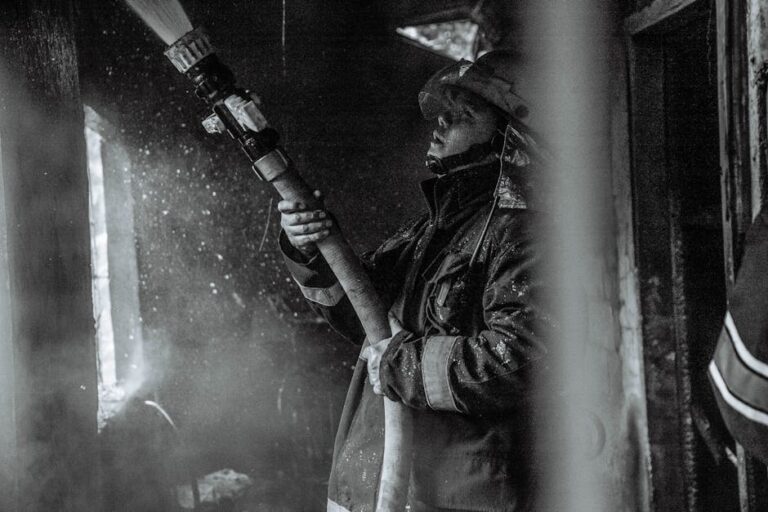
Why Immediate Assistance for House Fire Victims Is Critical
Assistance for house fire victims includes emergency shelter, financial aid, and emotional support. Here’s a quick overview of available help:
- Immediate Help: The American Red Cross (1-877-287-3327) provides emergency shelter, food, and supplies.
- Financial Aid: FEMA offers grants up to $43,600 for housing and another $43,600 for other disaster-related needs.
- Long-Term Support: SBA loans offer up to $500,000 for home repairs at low interest rates.
- Emotional Care: The Disaster Distress Helpline (1-800-985-5990) provides 24/7 crisis counseling.
- Document Replacement: Local agencies assist with replacing lost IDs and property records.
The aftermath of a house fire is overwhelming, bringing trauma, displacement, and financial strain. Restoration costs for fire damage typically range from $3,000 to $45,000 or more, not including replacing personal property or temporary housing. Many victims are unaware of the full scope of help available from government agencies like FEMA, nonprofits like the Red Cross, and community groups. Accessing these resources in the first 24-48 hours is critical for starting the recovery process.
This guide walks you through every step, from immediate aid to long-term support. I’m Daniel Cabrera, and for 15 years, I’ve helped families steer assistance for house fire victims by buying and selling over 275 fire-damaged properties. I’ve seen how the right information can make all the difference. While some rebuild, many find that selling their fire-damaged house as-is is a faster path forward. I’ll explain both options so you can choose what’s best for you.
First Steps: Securing Safety and Immediate Needs
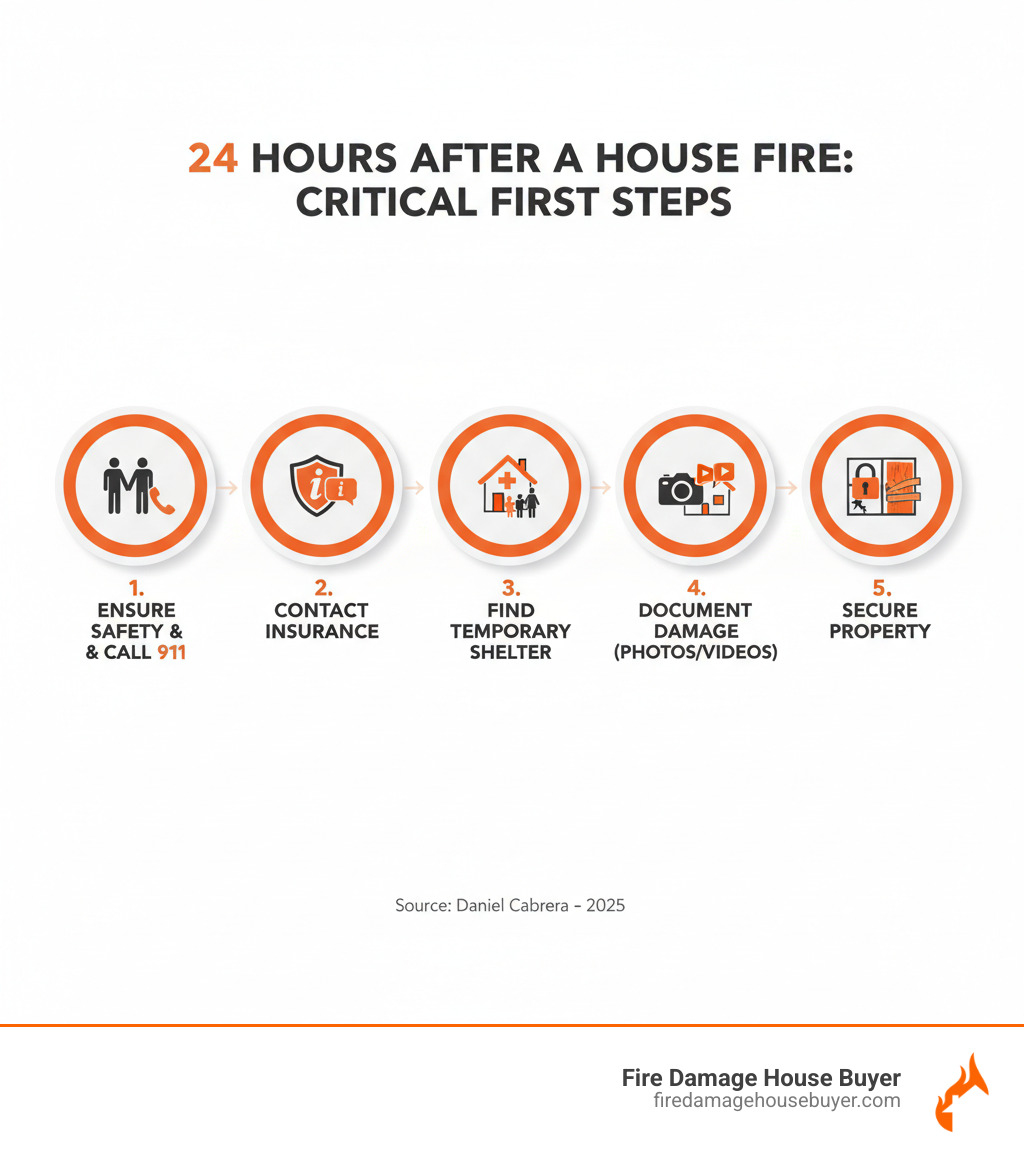
The first hours after a house fire are critical for your safety and for accessing the assistance for house fire victims you’ll need. Your first priority is ensuring everyone, including pets, is safe and accounted for. Seek immediate medical attention for any injuries.
If you haven’t already, call 9-1-1. Do not re-enter the home until fire officials declare it safe, as the structure may be unstable and contain toxic smoke. Once you are safe, notify loved ones to activate your personal support network.
When officials give the all-clear, work with them to secure your property by boarding up windows or covering roof holes. This prevents further damage and is crucial for your insurance claim. For more details, see our guide on what to do after a house fire.
Finding Immediate Shelter and Supplies
Once the danger has passed, you’ll need shelter and supplies. Assistance for house fire victims is available within hours.
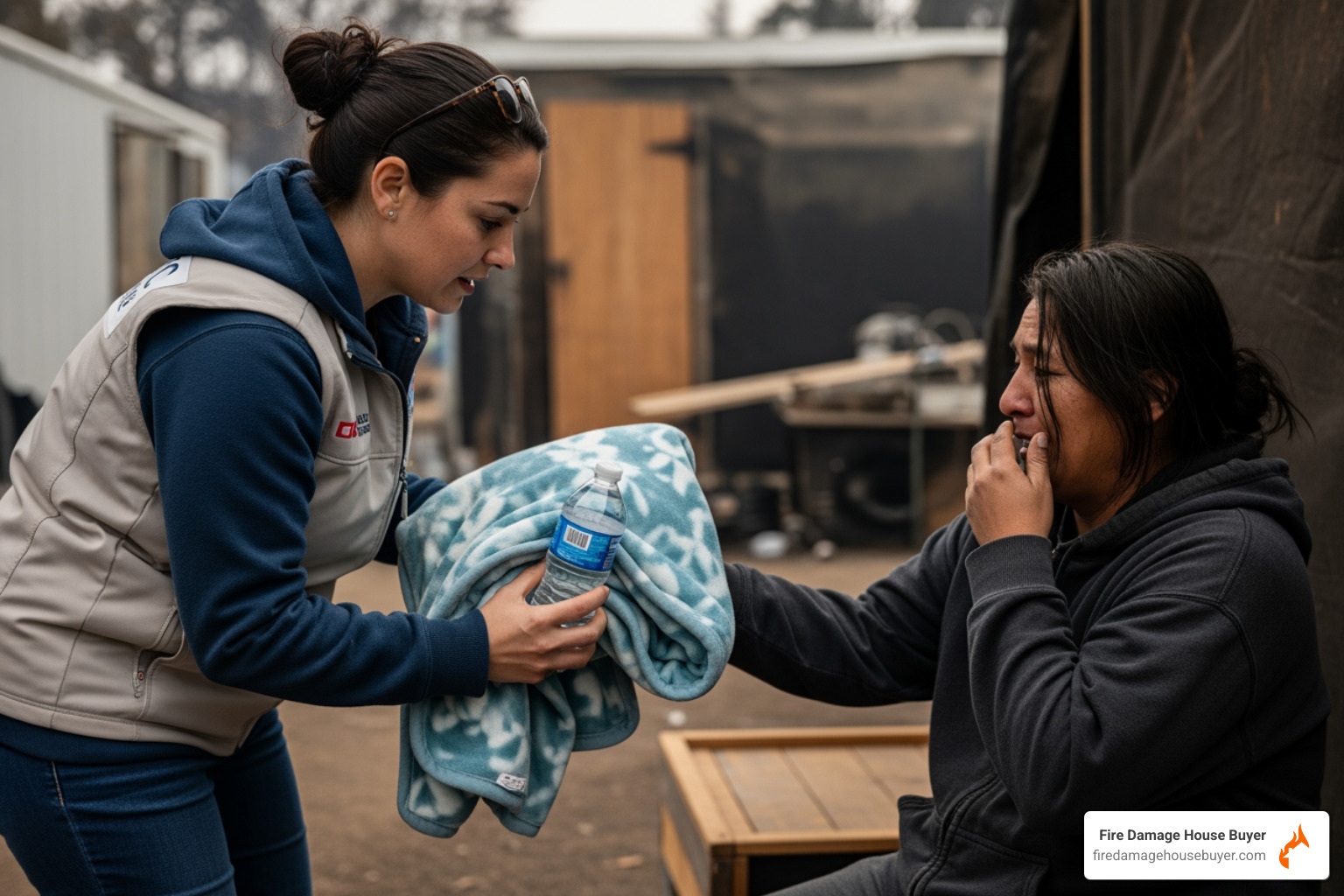
- The American Red Cross is often first on the scene, providing emergency shelter, meals, and comfort kits. Call them 24/7 at 1-877-287-3327 or find a shelter on their Emergency Shelter page.
- The Salvation Army offers similar aid, including lodging, food, and clothing. Call 1-800-SAL-ARMY or visit the Salvation Army website.
- Local community services and your personal network of friends and family are also vital resources for temporary housing and emotional support.
Notifying Key Parties
Quickly notifying key parties can prevent future complications. Make these calls as soon as possible:
- Your insurance company: Start the claims process immediately to access funds for temporary housing and repairs.
- Your mortgage lender: They have a financial interest in the property and need to be informed. Learn more about what happens to your mortgage if your house burns down.
- Your employer and children’s schools: They can offer flexibility and support.
- The post office: Arrange for mail forwarding to a reliable address to avoid missing important documents.
Navigating Financial Assistance for House Fire Victims
The financial shock of a house fire can be devastating. With restoration costs for fire damage typically ranging from $3,000 to $45,000 or more, many families feel crushed. Fortunately, multiple sources of assistance for house fire victims exist, from federal grants to local support. Understanding how to access this aid is key to your recovery.

Government Aid: FEMA and SBA Programs
If your home is in a federally declared disaster area, you may qualify for significant government aid.
-
The Federal Emergency Management Agency (FEMA) offers grants through its Individuals and Households Program (IHP). For FY 2025, this includes up to $43,600 for home repair/replacement and another $43,600 for other needs like medical expenses and replacing personal items. This aid is non-taxable and doesn’t count as income. To apply, call 1-800-621-FEMA (3362) or visit DisasterAssistance.gov.
-
The Small Business Administration (SBA) provides low-interest disaster loans to homeowners and renters. You can borrow up to $500,000 for home repairs and $100,000 to replace personal property. These loans have terms up to 30 years, with payments deferred for the first 12 months.
The Role of Local and Community Organizations
Local organizations often provide the fastest assistance for house fire victims. The American Red Cross and Salvation Army offer immediate financial help for lodging and food. Many local fire districts, United Way chapters, and faith-based organizations also have relief programs. Don’t forget crowdfunding platforms like GoFundMe, which can rally community support. Your local emergency management office can direct you to area-specific resources and Disaster Recovery Centers.
The Long Road: Insurance, Rebuilding, and Replacing What Was Lost
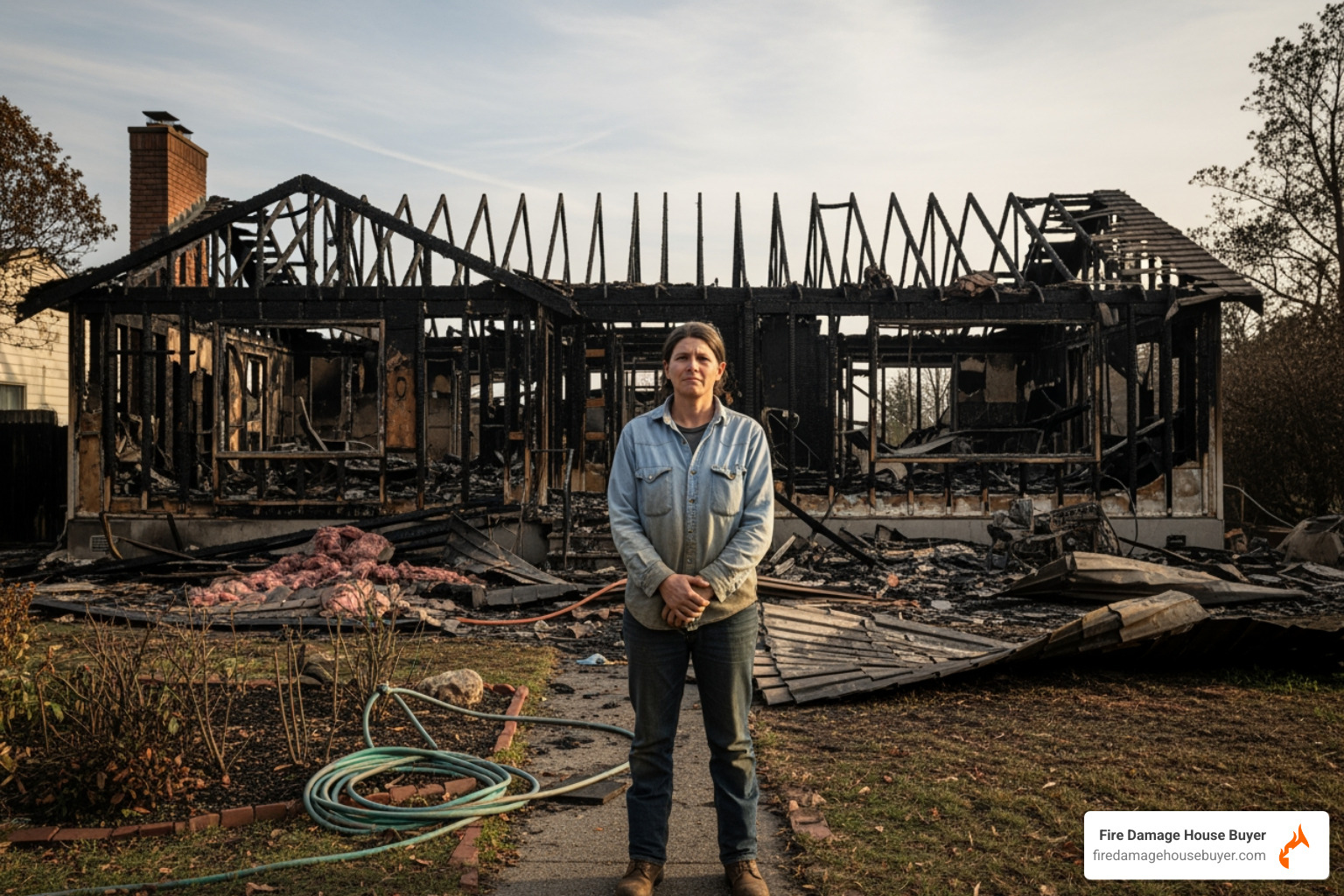
After securing immediate needs, the long-term recovery process begins. This phase involves complex decisions about insurance, replacing belongings, and deciding whether to rebuild or move on. It can be overwhelming, but you don’t have to steer it alone.
Explaining the Insurance Claims Process
Your insurance claim is the most critical piece of financial assistance for house fire victims. To streamline the process:
- Call your agent immediately to start the claim.
- Document everything with photos and videos before anything is moved.
- Create a detailed home inventory of all damaged or destroyed items.
- Keep all receipts for post-fire expenses like lodging and meals.
- Understand your policy, especially the difference between Replacement Cost and Actual Cash Value (ACV) coverage. Our Fire Damage Insurance Claims Guide can help.
- Log all communication with your insurer. If you face issues, contact your state’s Department of Insurance.
Replacing Essential Documents and Personal Property
Losing vital documents adds another layer of stress. Contact the appropriate agencies to replace items like your driver’s license (DMV), Social Security card (SSA), birth certificates (vital records office), and property deeds (county recorder’s office). Banks and credit card companies can issue new cards. Nonprofits like the Red Cross can provide gift cards for essential personal items, and FEMA case managers can help fast-track document replacement.
The Choice Ahead: Rebuild or Sell As-Is?
After assessing your options, you face a major decision: rebuild your home or sell it as-is? Rebuilding can be more complicated and expensive than many realize. Fire damage restoration costs can range from $3,000 to over $45,000, and a full rebuild can exceed $200,000. The process involves navigating building codes, managing contractors, and facing potential delays, all while dealing with the emotional toll.
That’s what we do at Fire Damage House Buyer. We buy fire-damaged houses in their current condition across Alabama, Alaska, Arizona, Arkansas, California, Colorado, Connecticut, Delaware, Florida, Georgia, Hawaii, Idaho, Illinois, Indiana, Iowa, Kansas, Kentucky, Louisiana, Maine, Maryland, Massachusetts, Michigan, Minnesota, Mississippi, Missouri, Montana, Nebraska, Nevada, New Hampshire, New Jersey, New Mexico, New York, North Carolina, North Dakota, Ohio, Oklahoma, Oregon, Pennsylvania, Rhode Island, South Carolina, South Dakota, Tennessee, Texas, Utah, Vermont, Virginia, Washington, West Virginia, Wisconsin, Wyoming, and DC. We make cash offers, charge no commissions, and close on your timeline. To see what your home might be worth, visit Sell Fire Damaged House for a no-obligation offer.
Emotional, Legal, and Practical Recovery Resources
Recovery from a house fire goes beyond physical repairs. The emotional trauma and potential legal problems can be just as devastating. It’s crucial to address these hidden challenges to truly heal and move forward.

Prioritizing Mental Health: Emotional and Psychological Support
The emotional toll of a fire is immense. Feelings of shock, grief, and anxiety are normal. Post-traumatic stress is common among fire victims, manifesting as flashbacks, nightmares, or panic. It’s a sign you need support, not weakness.
- The Disaster Distress Helpline at 1-800-985-5990 offers free, 24/7 crisis counseling. You can also text “TalkWithUs” to 66746.
- Many assistance for house fire victims programs, like those from the Red Cross, offer free crisis counseling and support groups where you can connect with others who understand your experience.
Legal Help and What to Do if Your Assistance for House Fire Victims is Denied
Legal issues like insurance disputes or contractor fraud can complicate recovery. If your assistance application is denied, don’t give up.
-
For legal issues: Disaster Legal Services, a partnership between FEMA and the American Bar Association, provides free legal help to disaster survivors for issues like FEMA appeals and insurance claim disputes. Our guide on Legal and Financial Considerations After Fire offers more insight.
-
If your application is denied: You have the right to appeal. Read the denial letter to understand the reason, gather supporting documents, and write an appeal letter explaining why the decision was incorrect. You must submit your appeal within 60 days. The FEMA Helpline at 1-800-621-3362 can guide you.
Navigating appeals and legal disputes adds significant stress. For many, selling their fire-damaged house as-is is a simpler path that avoids these headaches and allows them to move on.
Frequently Asked Questions about House Fire Assistance
Here are answers to common questions from those seeking assistance for house fire victims.
How much financial aid can I receive after a house fire?
Financial aid amounts vary based on your situation and the programs you qualify for:
- FEMA Grants: Up to $43,600 for housing and another $43,600 for other needs (FY 2025). This aid is non-taxable and covers uninsured expenses.
- SBA Disaster Loans: Up to $500,000 for home repairs and $100,000 for personal property. These are low-interest loans with deferred payments.
- Nonprofit Aid: Organizations like the Red Cross provide immediate grants, often a few hundred to a couple thousand dollars, for urgent needs like lodging and food.
Even with this aid, the high cost of rebuilding can be overwhelming. That’s why some homeowners choose to sell their property as-is for a simpler recovery.
What documents are required when applying for disaster assistance?
To ensure a smooth application process, have the following documents ready. If they were lost in the fire, contact the issuing agencies for expedited replacements.
- Proof of identity (e.g., driver’s license)
- Social Security number for all household members
- Proof of residence (e.g., utility bill)
- Insurance policy and any settlement or denial letters
- Proof of ownership (e.g., deed or mortgage documents)
- Income information (e.g., pay stubs)
- Photos and videos of the damage and a list of lost items
What should I do if my disaster assistance application is denied?
A denial is not the final word. You have the right to appeal.
- Review the denial letter to understand the specific reason.
- Gather supporting documents that address the reason for denial.
- Write a clear appeal letter and submit it within 60 days of the denial date.
- Call the FEMA helpline at 1-800-621-3362 for guidance on the appeals process.
While appealing, continue seeking help from nonprofits. For legal support with your appeal, contact Disaster Legal Services. If the process becomes too daunting, selling your house as-is offers a certain and often simpler path to a fresh start.
Your Fresh Start: The Simplest Path Forward After a Fire
Recovering from a house fire is a long journey. After navigating immediate needs, financial aid, and insurance, you face a critical decision: what to do with your property? While rebuilding is an option, it’s often a complex, costly, and emotionally draining process that can take years.
Rebuilding involves managing contractors, permits, and unexpected costs that can exceed insurance payouts and financial aid. Fire damage restoration alone can cost from $3,000 to $45,000 or more, and the emotional toll of reliving the trauma daily can be immense. But you have another option.
This means no agent commissions, no waiting for a buyer, and no contractor disputes. You get a straightforward cash offer and a fast closing, allowing you to move on with your life. If rebuilding feels overwhelming, we can help you close this chapter and start fresh.
Choosing to sell isn’t giving up; it’s choosing peace of mind. Take the first step toward your fresh start. Sell Fire Damaged House to get a no-obligation cash offer and move forward on your terms.