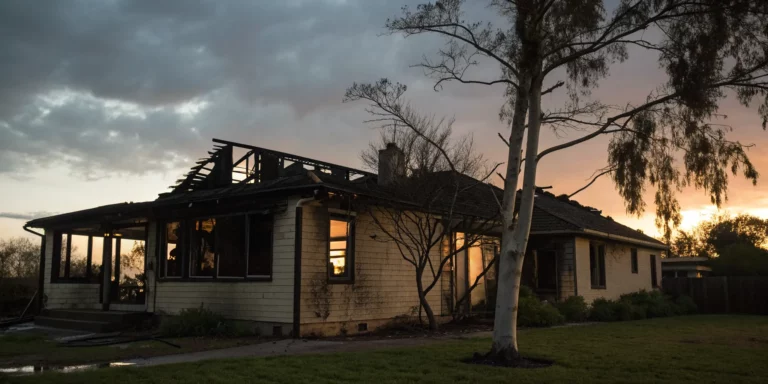
Standing in front of what’s left of your home is a heartbreaking experience. The emotional weight of sorting through the damage and memories can be paralyzing. While some find comfort in rebuilding, for others, the idea of living in the shadow of that trauma is unbearable. If the thought of a long, stressful reconstruction project fills you with dread, you need to know there are other options. Selling your burned house and starting over somewhere new is a valid and powerful choice. This article will walk you through why selling might be the healthiest and most practical path forward, giving you the space to heal without the constant reminder of what you’ve lost.
Key Takeaways
- Focus on Safety and Key Communications: Your first priority is getting the all-clear from fire officials before re-entering your property. Once safe, immediately contact your insurance company to start your claim and your mortgage lender to discuss your payment obligations.
- Protect Your Financial Well-being: Understand that your mortgage is still due and ask your lender about relief options like forbearance. To get a fair insurance settlement, be your own advocate by thoroughly documenting all damage with photos and detailed lists.
- Evaluate Your Two Main Paths Forward: You face a significant choice between rebuilding or selling. Rebuilding is a long-term commitment involving contractors and codes, whereas selling your property as-is offers a direct, stress-free path to a fresh start.
First Steps After a House Fire: A Practical Checklist
Dealing with the aftermath of a house fire is incredibly overwhelming. When you’re trying to process what just happened, figuring out what to do next can feel impossible. This checklist is designed to give you a clear, step-by-step guide to help you manage the immediate tasks. Focus on one item at a time. You don’t have to figure everything out at once, but taking these initial actions can provide a sense of control and set you on the path to recovery. Your safety and well-being are the top priorities, so start there and move through the list at a pace that feels right for you.
Wait for the All-Clear
Your first instinct might be to rush back inside to see what’s left, but please, wait. It is absolutely critical that you do not re-enter your home until the fire department has officially declared it safe. Even if the flames are out, hidden dangers are still present. The structure could be unstable and at risk of collapsing. Hot spots can reignite without warning, and the air can be filled with toxic fumes and soot that are hazardous to your health. Be patient and let the professionals do their job. They will let you know when it’s safe for you and your family to go back on the property.
Make the Essential Calls
Once you and your family are in a safe location, it’s time to make a few important phone calls. First, reach out to close family and friends to let them know you are okay. After that, contact a local disaster relief organization. The American Red Cross can provide immediate assistance with temporary housing, food, clothing, and other essentials. You don’t have to go through this alone, and these organizations are there to offer support. Having a safe place to sleep and a plan for the next 24 hours can make a huge difference in your ability to handle everything else.
Contact Your Insurance Company
Call your insurance agent as soon as possible to report the fire and begin the claims process. The sooner you start, the sooner you can get the support you need. Your policy may cover temporary living expenses, which can be a lifeline for finding a hotel or rental. When you call, have your policy number handy if you can, but don’t worry if you don’t—they can look it up with your name and address. You should also notify your mortgage lender about the fire. This is often a requirement in your loan agreement and keeps them informed as you figure out your next steps, whether that involves rebuilding or exploring other options like a fast, as-is sale.
Secure the Property and Document the Damage
Once fire officials give you the green light, you’ll need to secure your property to prevent vandalism or further damage from the elements. This might mean boarding up windows and doors or putting a tarp over a damaged roof. Your insurance company can often recommend a service for this. Before you clean or move anything, thoroughly document all the damage. Take photos and videos of everything—the structure, your belongings, and the exterior of the home. Create a detailed list of all damaged or destroyed items. This documentation is crucial for your insurance claim and will help ensure you receive a fair settlement.
How to Handle the Emotional Toll of a House Fire
After a house fire, your focus is pulled in a million directions—insurance adjusters, temporary housing, and figuring out what’s salvageable. But amid the chaos of logistics, it’s crucial to address the emotional fallout. The loss of your home and belongings is a deeply traumatic event, and the stress can be immense. Taking care of your mental and emotional well-being isn’t a luxury; it’s a necessary part of your recovery. Giving yourself the space to process what happened will provide the foundation you need to handle the practical steps ahead. Remember, you don’t have to go through this alone. There are resources and people ready to support you as you find your footing again.
Acknowledge the Emotional Impact
First, give yourself permission to feel whatever you’re feeling. It’s completely normal to experience a whirlwind of emotions—shock, sadness, anger, anxiety, or even feeling numb. A house fire is a significant loss, not just of a physical structure but of your sense of security and countless memories. Don’t pressure yourself to “be strong” or move on too quickly. Acknowledging the depth of your feelings is the first step toward healing. The path forward isn’t about ignoring the pain but learning to carry it. Your feelings are valid, and honoring them is a critical part of the recovery process.
Find Professional Support
You don’t have to process this trauma on your own. Seeking professional help from a therapist or counselor can provide you with tools and strategies to cope with the stress and grief. These professionals offer a safe space to talk through your experience without judgment. Many organizations also provide free resources for disaster survivors. The American Red Cross offers emotional support services, and the SAMHSA Disaster Distress Helpline is available 24/7. Reaching out for help is a sign of strength and an important investment in your long-term well-being.
Connect with Support Groups
There is immense power in connecting with others who understand what you’re going through. Support groups, whether in-person or online, can make you feel less isolated. Hearing from others who have survived a house fire can provide both practical advice and emotional validation. Community organizations and local chapters of disaster relief agencies often facilitate these groups. Sharing your story with people who have been there can be incredibly healing and remind you that you are part of a community of survivors who are rebuilding their lives, one day at a time.
Help Your Children and Pets Cope
A house fire is frightening for everyone in the family, including children and pets. Kids may have a hard time expressing their feelings and might show their distress through changes in behavior, sleep patterns, or new fears. It’s important to talk to them in an age-appropriate way, reassure them that they are safe, and try to maintain routines as much as possible. Your pets can also experience anxiety. Keep them close, provide a calm environment, and give them extra attention. Your steady, reassuring presence is the most important source of comfort for them right now.
Your Guide to the Insurance Claim Process
Dealing with insurance after a fire can feel like a full-time job, but you don’t have to go it alone. Think of this as your roadmap. Taking it one step at a time will make the process much more manageable and help you get the financial support you need to move forward.
What Does Your Policy Cover?
First things first: get a copy of your homeowners insurance policy. It’s a dense document, but it holds the key to your recovery. Look for sections on dwelling coverage (for the structure), personal property (for your belongings), and Additional Living Expenses (ALE). ALE is crucial, as your policy may help pay for temporary housing, meals, and other essentials while you’re displaced. If anything is unclear, call your insurance agent and ask them to walk you through it. Don’t be shy about asking questions—it’s their job to help you understand your coverage.
Avoid Common Insurance Pitfalls
It’s easy to make mistakes when you’re under stress, so keep a few things in mind. A major one is the mortgage: even if your house is a total loss, you are still responsible for making your mortgage payments on time. Missing them can hurt your credit. Also, be meticulous about documentation. Keep every receipt, take photos of everything, and communicate with your insurer in writing whenever possible. Avoid signing any settlement offers until you are absolutely sure they are fair and cover all your losses. Rushing the process is one of the biggest pitfalls you can face.
How to File Your Claim Correctly
The sooner you start the claims process, the better. Contact your insurance company immediately to report the fire. They will give you a claim number—write it down and keep it handy. Ask them what the next steps are and what documents they need from you. While you’re waiting on the insurance process to get started, don’t forget about community support. Local relief groups like the American Red Cross can provide immediate help with essentials like food, clothing, and a safe place to stay for a few nights.
Work with Your Insurance Adjuster
Your insurance company will assign an adjuster to your case. Their job is to assess the damage and determine how much the insurer will pay out. Remember, the adjuster works for the insurance company. Be polite and cooperative, but also be your own advocate throughout the claims process. Provide them with your detailed lists and photos of the damage. If you plan to rebuild, be aware that your mortgage company will likely manage the insurance money. They often control how the funds are released to your contractor, which can add another layer of complexity and frustration to an already difficult process.
What About Your Mortgage and Finances?
Amid the chaos of dealing with insurance and finding a place to stay, financial questions can feel overwhelming. It’s completely normal to wonder how a house fire impacts your mortgage and overall financial stability. The key is to be proactive. By addressing these issues head-on, you can get a clear picture of your obligations and find the support available to you. Taking these steps will help you manage the financial side of recovery and make informed decisions about your future.
Contact Your Mortgage Lender Right Away
One of the first financial calls you should make is to your mortgage lender—the company you send your payments to each month. It might feel like just another stressful task, but it’s a crucial one. Your loan agreement likely requires you to notify them about significant damage to the property. Getting in touch early opens the door for support and shows you’re being responsible. Explain what happened and ask what the next steps are from their end. This single phone call can set the foundation for a smoother financial recovery process.
Clarify Your Payment Obligations
This is a tough but important reality: your mortgage obligation doesn’t disappear, even if your home is severely damaged or gone. You are still legally required to make your monthly payments on time. Missing them can lead to late fees, damage your credit score, and even result in foreclosure proceedings on the land. Understanding this from the start helps you prioritize your finances. While your insurance payout will eventually address the loan, you need a plan to keep your mortgage current in the meantime. Your lender can confirm your payment schedule and discuss options if you anticipate having trouble paying.
Explore Your Mortgage Relief Options
If making your mortgage payment feels impossible right now, don’t panic. Ask your lender about your mortgage relief options, specifically a forbearance plan. Forbearance is a temporary pause or reduction in your mortgage payments, designed to give you breathing room during a crisis. It’s not loan forgiveness—you’ll have to repay the missed payments later—but it can be a lifeline. This arrangement can prevent you from falling behind and protect your credit score while you get back on your feet. Your lender will explain the terms and help you figure out if it’s the right choice for your situation.
Look into Financial Assistance Programs
Beyond your mortgage company, other organizations offer financial support to disaster victims. Start by looking into federal aid. FEMA provides disaster assistance grants that can cover expenses like temporary housing, essential home repairs, and other needs not covered by your insurance. Don’t stop there; your state or local government may also have housing recovery programs designed to help homeowners rebuild or find new housing. These programs can be a huge help in easing the financial strain, so take the time to research what’s available in your area.
Rebuild or Sell? Making the Right Choice for You
After a fire, you’re faced with a monumental decision: do you rebuild your home, or do you sell the property and start fresh? There’s no easy answer, and the right path depends entirely on your financial situation, emotional well-being, and long-term goals. This isn’t a choice to be rushed. It requires careful thought and a realistic look at what each option entails. Think of it as a fork in the road. One path leads to reconstructing a life in a familiar place, while the other offers a clean break and a new beginning. Let’s walk through the key considerations to help you figure out which direction feels right for you.
Key Factors in Your Decision
At its core, you have two main choices: use the insurance money to rebuild your home or sell the property. If you rebuild, your insurance policy will likely require the new home to be of similar value to the one that was destroyed. Beyond the financial and contractual obligations, consider the emotional side. Are you deeply attached to your neighborhood and the memories in that location? Or does the thought of rebuilding on the same spot feel too painful? A rebuild is a long, demanding project that requires a significant investment of your time and energy, so you have to be prepared for the journey ahead.
Compare Rebuilding Costs to Your Payout
The numbers play a huge role in this decision. Your first step is to understand exactly what your insurance will cover. It’s important to know that some policies pay out less if you choose not to rebuild and just take the cash value. Get a clear answer from your agent on this. Next, get detailed estimates from several reputable contractors for the cost of rebuilding. Construction costs can be unpredictable, and you might find that your insurance payout doesn’t cover everything. If there’s a significant gap between your payout and the rebuilding cost, selling the property as-is might be the more financially sound option.
Find a Temporary Place to Live
While you’re deciding and during the entire rebuilding process, you’ll need somewhere else to live. Most insurance policies include coverage for Additional Living Expenses (ALE), which helps pay for temporary housing. However, this coverage has limits on both time and money. A complicated rebuild can easily outlast your ALE benefits, leaving you to cover the costs. If you’re facing a long-term displacement, it’s worth looking into all available resources. Organizations like FEMA offer disaster-related assistance, which can include grants for temporary housing and home repairs for those who qualify.
Assess the Fire Risk of Your Location
Take a moment to think about why the fire happened. If your home was in an area with a high risk of wildfires or other environmental threats, you have to ask yourself if you’re comfortable rebuilding there. Rebuilding smarter means using fire-resistant materials and creating a defensible space around your property to reduce the risk of future fires. These upgrades add to the complexity and cost of the project. For some, the peace of mind that comes with moving to a safer location outweighs the desire to return to a familiar spot.
Rebuilding Smarter: A Guide to Fire-Resistant Construction
If you’ve decided that rebuilding is the right path for you, it’s an opportunity to create a home that’s not just new, but safer and more resilient. This isn’t a simple process, and it requires careful planning and investment, but thinking about fire resistance from the very beginning can give you peace of mind for years to come. Building smarter means making intentional choices about materials, your property’s layout, and the professionals you hire. It’s about turning a devastating event into a chance to build a stronger future.
This approach involves more than just recreating what you had before. It means learning about modern construction standards and fire-safe practices. From the foundation to the roof, every decision can contribute to a home that’s better equipped to withstand a potential fire. Below are some key areas to focus on as you plan your rebuild. Taking these steps can help protect your new home and, more importantly, your family.
Choose Fire-Resistant Materials
The materials you use are your home’s first line of defense. While no home is completely fireproof, you can choose materials that are non-combustible or have a high fire-resistance rating. Think about options like metal roofing, stucco, or fiber cement siding instead of traditional wood. For decks and fences, consider composite materials that are designed to resist ignition. Even interior choices, like using fire-rated drywall and installing solid-core doors, can help slow the spread of a fire inside the house. These fire-resistant materials can make a significant difference in how your home fares against flames, potentially giving you and the fire department critical extra time.
Create a Defensible Space
A defensible space is a buffer you create between your home and the surrounding landscape. This is especially crucial if you live in an area prone to wildfires. The goal is to reduce or eliminate flammable vegetation and materials close to your house. Start by clearing dead plants, dry leaves, and overgrown brush within at least 30 feet of your home. When you’re ready to landscape, choose high-moisture, fire-resistant plants and use non-flammable materials like gravel or rock for mulch near the foundation. This “lean, clean, and green” zone can stop a ground fire from reaching your home, acting as a safety bubble for your property.
Follow Current Building Codes
When you rebuild, you can’t just replicate your old home’s blueprints. You’ll need to follow the current local and state building codes, which are updated regularly to improve safety. These codes often include specific requirements for fire resistance, such as mandating certain types of windows, roofing materials, or sprinkler systems. Complying with these codes is not optional, and it can add to your rebuilding costs. It’s a good idea to research government home repair assistance programs, as some may help offset the expense of meeting these higher safety standards. Your contractor should be well-versed in these regulations to ensure your new home is fully compliant.
Hire a Contractor Who Specializes in Fire Recovery
Not all contractors are equipped to handle the unique challenges of a fire-damage rebuild. You need someone who understands how to assess hidden structural damage, eliminate smoke and soot contamination, and navigate the complexities of an insurance-funded project. Look for a contractor with specific experience in fire restoration and recovery. Ask for references from other families who have been through a fire, and verify their license and insurance. A specialized contractor will not only build you a safe home but will also be a valuable guide through the process. If you need financial help, FEMA offers grants that can be essential when hiring the right professionals for your recovery.
Why Selling Your Fire-Damaged House Might Be the Best Option
Rebuilding a home after a fire is a long and demanding journey that isn’t right for everyone. If the thought of managing contractors, navigating permit issues, and dealing with endless repairs feels overwhelming, selling your property might be the clearest path forward. This option can provide a clean break, allowing you to start fresh without the prolonged stress and financial strain of a major construction project. For many homeowners, selling offers a practical and empowering way to move on.
The Freedom of Selling As-Is
Selling a fire-damaged house “as-is” means you can walk away without making a single repair. You won’t have to hire contractors, source materials, or live through a messy and expensive renovation. This approach lifts the enormous financial and emotional burden of restoring the property from your shoulders. Instead of pouring more money and time into a damaged house, you can get a straightforward offer and close the chapter. The process is designed to be simple, giving you the freedom to focus on your well-being and your future. You can learn more about how it works and see just how uncomplicated selling can be.
How a Specialized Cash Buyer Can Help
Working with a buyer who specializes in fire-damaged properties makes a world of difference. Unlike traditional buyers who may be deterred by the extent of the damage, a specialist understands the unique challenges involved. They have the expertise to accurately assess the property and handle all the complexities, from structural issues to smoke remediation. This means you get a hassle-free experience without the endless inspections and negotiations common in a typical sale. You’ll be working with a team that knows exactly how to manage the situation with compassion and efficiency. Our company was founded specifically to help homeowners in this position.
Get a Fair Cash Offer, Fast
After a fire, financial uncertainty can add to your stress. Selling to a cash buyer provides a fast and reliable solution. Because cash buyers don’t depend on traditional bank financing, the sale isn’t at risk of falling through due to loan approval issues. You can receive a fair cash offer quickly and close the sale in as little as a week. This speed provides immediate relief, giving you the funds you need to secure new housing and handle other urgent expenses. It’s a direct path to financial stability when you need it most, and you can see what other homeowners have said in their reviews.
Your Action Plan for Recovery
After a house fire, figuring out what to do next can feel impossible. The path forward is often unclear, and it’s easy to feel overwhelmed. But you don’t have to figure it all out at once. By breaking the recovery process down into smaller, manageable steps, you can create a clear action plan. This isn’t about having all the answers right now; it’s about taking one step at a time to regain control and move forward. Your main focus should be on your well-being and safety. The rest—the house, the belongings, the finances—can be sorted out in due time. Let’s walk through the first few steps you can take to start your recovery journey on solid ground.
Set Realistic Expectations
First and foremost, give yourself grace. A house fire is a deeply stressful and traumatic event. It’s completely normal to feel scared, sad, angry, or lost. Your primary goal right now is to keep yourself and your family safe and emotionally supported. Don’t pressure yourself to have a perfect plan immediately. Recovery is a marathon, not a sprint. Acknowledge that it will take time to process what happened and make big decisions. Seeking counseling or connecting with a disaster mental health service can provide crucial support for you, your children, and even your pets as you all adjust.
Prioritize Your Immediate Needs
Before you think about rebuilding or selling, focus on your immediate needs for safety and shelter. It is critical that you do not go back into your home until fire officials have given you the all-clear. Even if it looks stable, there can be hidden dangers like a weakened structure, toxic fumes, or smoldering hot spots. Once you are in a safe location, make two important calls. First, contact your insurance company to start the claims process. Second, reach out to local relief groups like the American Red Cross, which can provide immediate assistance with temporary housing, food, and other essentials.
Build Your Support Team
You don’t have to navigate this recovery alone. There is a network of support available to help you get back on your feet. Start by identifying the key players on your team: your insurance agent, a trusted contractor if you consider rebuilding, and financial advisors. Beyond that, look into community and government resources. Organizations like FEMA often provide assistance to fire victims for repair costs or temporary housing. There are also various government programs that can make home repairs more affordable. Leaning on this support system will lighten your load and provide the expertise you need to make informed decisions.
Related Articles
- Post-Fire Recovery & Resources
- Rebuild or Sell After a House Fire? 7 Powerful Tips (2025)
- House Fire Insurance Claim Tips: Top 7 Essential Secrets
- Legal and Financial Considerations After a Fire 2025
Frequently Asked Questions
Is it safe to go back inside my home to look for valuables? Absolutely not. Please wait until the fire department has officially declared the property safe to enter. Even after the flames are gone, your home can have hidden dangers like a weakened structure that could collapse, toxic fumes in the air, and hot spots that might reignite. Your safety is the most important thing, so be patient and let the professionals give you the all-clear.
Do I still have to pay my mortgage if my house was destroyed? Yes, you are still responsible for making your mortgage payments on time, even if the house is a total loss. The loan is for the property, which includes the land. Contact your mortgage lender right away to inform them of the fire. You can also ask them about temporary relief options, like a forbearance plan, which could pause or reduce your payments for a short time to give you some breathing room.
What if I don’t want to go through the stress of rebuilding? That is a completely valid feeling, and you are not alone. Rebuilding is a long, expensive, and emotionally draining process that isn’t the right fit for everyone. Selling the property as-is is a practical alternative that allows you to get a clean start without managing contractors and construction for months or even years. It gives you the freedom to find a new home and focus on your recovery.
How do I even begin to list everything I lost for the insurance claim? The task can feel monumental, so start small. Before you move or clean anything, use your phone to take photos and videos of every room from different angles. Then, tackle one room at a time. Create a simple list of the items in that room, noting their condition. You don’t have to do it all in one day. Breaking it down into manageable chunks will make the process feel less overwhelming.
My insurance company sent me a settlement offer. Should I just accept it? It’s best not to rush into signing anything. Take your time to carefully review the offer and make sure it accurately covers the cost to repair or replace your home and belongings. It’s a good idea to get independent estimates from contractors to compare against the insurer’s numbers. Remember, you can negotiate the settlement. Your goal is to ensure you have the funds you truly need to recover, so don’t be afraid to ask questions and advocate for a fair amount.