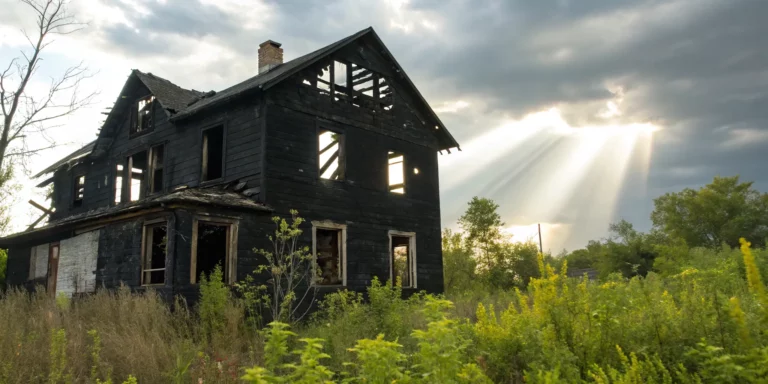
The question “What now?” is one of the hardest to answer after a house fire. Once the immediate crisis is over, you’re left with a damaged property and a lot of uncertainty. Do you rebuild? Do you spend months and a small fortune on repairs just to put it on the market? For many, the best answer is a clean break. This guide is designed to show you how that’s possible. We’ll explore the most straightforward way to sell house fast near california, allowing you to get a fair cash payment and move forward without the weight of a damaged home holding you back.
Key Takeaways
- Choose certainty and speed over market uncertainty: A cash sale provides a guaranteed closing date, often in just a few days, which eliminates the months of showings, negotiations, and financing risks common in a traditional sale. This direct approach is ideal for selling a damaged home without the stress of a long, unpredictable process.
- Calculate your true net proceeds by factoring in all costs: A cash offer is a net figure, meaning you avoid agent commissions, closing costs, and expensive repairs. When you compare this all-in number to the potential payout from a traditional sale after subtracting all its associated expenses, the cash offer is often far more competitive.
- Partner with a transparent buyer to avoid surprises: A reputable cash buyer will have a proven track record with verifiable reviews, explain their offer calculation clearly, and never use high-pressure tactics. Ensure they cover all closing costs and provide a written, no-obligation offer to protect yourself and guarantee a fair process.
What Does “Selling a House Fast” in California Actually Mean?
When you hear “sell your house fast,” it’s easy to picture a sign going up one day and a check in your hand the next. But in real estate, “fast” can mean very different things depending on the path you take. It’s not just about how quickly you get an offer, but about the entire timeline from the moment you decide to sell until the sale is officially closed and you can move on. For homeowners in California, especially those dealing with a damaged property, understanding this distinction is the first step toward making the right choice for your situation.
The traditional real estate market has its own rhythm, often involving months of preparation, showings, and negotiations. A “fast” sale in this context might mean accepting an offer within 30 days, but that doesn’t account for the lengthy closing process that follows. On the other hand, working with a cash buyer completely changes the timeline. It condenses the entire process into a matter of days, not months. This approach prioritizes speed, certainty, and simplicity, which can be a lifeline when you need to sell a property that can’t wait for the traditional market.
Cash Buyers vs. Traditional Agents
The biggest difference between selling with a cash buyer versus a traditional agent comes down to who is buying your home and how. When you hire a real estate agent, their job is to market your property to the public and find a qualified buyer. This process involves listing your home, staging it for photos and showings, and navigating offers that usually come with financing contingencies. The buyer needs to secure a loan, which means the bank has the final say.
A cash buyer, on the other hand, is the buyer. Companies like ours purchase your home directly from you, using our own funds. This eliminates the need for public listings, open houses, and the uncertainty of a buyer’s loan approval. Our how it works process is designed to be straightforward: we assess your property, make a direct cash offer, and if you accept, we close on your schedule. It’s a private, direct transaction that removes many of the hurdles and delays of a traditional sale.
How Fast Can You Expect to Sell?
With a traditional agent in California, a typical sale can take anywhere from 60 to 90 days, and often longer. This includes time on the market, accepting an offer, and a 30- to 45-day escrow period for inspections, appraisals, and financing. If you’re selling a fire-damaged home, this timeline can stretch even further, as finding a financed buyer willing to take on major repairs is a significant challenge.
Selling to a cash buyer offers a much more predictable and rapid timeline. After you contact us, we can typically provide a no-obligation cash offer within 24 hours. From there, you can close the sale in as little as seven days. This speed provides certainty and peace of mind, which our clients often mention in their reviews. When you need to resolve a difficult property situation quickly, a fast and guaranteed closing can make all the difference.
Who Can Buy Your California House Fast?
When you need to sell your house quickly, especially after a fire, the traditional real estate market isn’t your only option. Several types of buyers specialize in fast, as-is transactions, allowing you to bypass the lengthy process of repairs, listings, and showings. Understanding who these buyers are can help you find the right fit for your situation. From specialized companies that focus on damaged properties to local investors and online platforms, each offers a different path to a quick sale. Let’s look at the main players who can buy your California house for cash.
Fire Damage House Buyer
Selling a home with fire damage requires a unique approach. It’s not just about finding a buyer; it’s about finding one who understands the complexities of these properties, from smoke and soot damage to structural issues. This is where a specialized company like Fire Damage House Buyer comes in. We focus exclusively on purchasing fire-damaged homes, so we have the expertise to accurately assess your property’s value and make a fair cash offer. Our entire process is designed to be straightforward, removing the burden of cleanup and repairs from your shoulders so you can move forward without delay.
iBuyers and Online Platforms
You’ve probably seen ads for iBuyers—large, national companies that use technology to make instant cash offers on homes. These platforms offer speed and convenience, allowing you to submit your property details online and get an offer in as little as 24 hours. While they are a fast option, iBuyers typically have strict criteria and prefer homes that need minimal repairs. A house with significant fire damage may not qualify for their programs, or the offer might be significantly reduced after a detailed inspection. They can be a good fit for standard homes in good condition, but they aren’t usually the go-to for distressed properties.
Local Cash Home Buyers
Local cash home buyers are often investors, house flippers, or small property companies that purchase homes directly from owners in a specific area. Because they operate locally, they have a strong understanding of the California market and can make competitive offers based on firsthand knowledge. These buyers are accustomed to purchasing properties in various conditions, including those needing extensive work. Working with a reputable local buyer can give you a fast, hassle-free sale with a personal touch. Checking a company’s customer reviews is a great way to gauge their reputation and ensure you’re working with a trustworthy team.
Real Estate Wholesalers
A real estate wholesaler acts as a middleman. They find properties, put them under contract with the seller, and then assign that contract to another cash buyer, typically an investor, for a fee. You won’t be selling directly to the wholesaler but to the end buyer they find. This can be a quick way to connect with a network of investors who are actively looking for properties like yours. However, the process depends on the wholesaler’s ability to find a buyer quickly. If you choose this route, make sure you work with an experienced wholesaler who is transparent about their process and timeline.
How Does the Cash Buying Process Work?
Selling a house, especially one that’s been damaged, can feel like a monumental task. The traditional route is often filled with inspections, appraisals, and endless paperwork. The cash buying process, however, is designed to be the exact opposite: simple, transparent, and fast. It cuts through the red tape to get you from an initial conversation to cash in hand in a fraction of the time.
The entire journey is built around your convenience and typically unfolds in three straightforward steps. You start by sharing some basic information about your property, we review it to prepare a fair offer, and if you accept, we close the sale on your schedule. There are no surprise fees, no lengthy negotiations, and no need to spend a dime on repairs. It’s a direct path to selling your house without the usual stress and uncertainty. Let’s walk through exactly what each of those steps looks like.
Evaluating Your Property
The first step begins when you reach out and tell us about your house. After a fire, homeowners often face a tough choice: invest time and money into extensive repairs or try to sell the property as-is. We simplify that decision because we specialize in buying homes in their current condition. You don’t need to fix anything—not the smoke damage, not the structural issues, nothing. Our team will gather the details needed to understand your property’s unique situation. This isn’t a formal, nit-picky inspection. Instead, it’s a practical assessment to determine a fair value for your home exactly as it stands today. Our entire process is designed to be quick and respectful of your time.
Receiving a No-Obligation Offer
Once we’ve evaluated your property, we’ll present you with a fair, all-cash offer. This is where you get to see the numbers and decide what’s best for you, completely free of any pressure. A key thing to remember is that this offer is entirely no-obligation. You are not locked into anything. You can take your time to review it, ask questions, and decide if it aligns with your goals. Cash buyers are prepared to purchase homes in less-than-perfect condition, giving you a fast and hassle-free exit. We are a team of real estate problem-solvers committed to providing a clear, transparent offer without hidden fees or last-minute changes.
Closing the Sale
If you decide to accept the offer, we move to the final step: closing the sale. This is where the speed and convenience of a cash sale really shine. We can close in as little as seven days, but the timeline is ultimately up to you. We work with a reputable local title company to handle all the paperwork and legal requirements, ensuring everything is managed professionally. You won’t have to worry about coordinating with multiple parties or navigating complex real estate laws. All you need to do is sign the closing documents, and the sale is complete. You’ll receive your cash, allowing you to move forward without the burden of a damaged property. Our many positive customer reviews reflect our commitment to a smooth and reliable closing experience.
Cash Sale vs. Traditional Sale: A Timeline Showdown
When you need to sell your house, especially after a fire, time is often a critical factor. The path you choose—selling for cash versus listing with a traditional agent—creates two very different timelines. Understanding these differences helps you decide which route aligns with your goals and current situation. Let’s break down what you can expect from each process.
The Typical Cash Buyer Timeline
Selling to a cash buyer is all about speed and simplicity. Because cash buyers use their own funds, they eliminate the lengthy mortgage approval process that can stall a traditional sale. For you, this means you can often close the deal in as little as seven days. The entire process is streamlined: you get a no-obligation offer, and if you accept, you can schedule a closing date that works for you. There are no showings, no staging, and no need to make any repairs. This direct approach provides a fast and hassle-free way to move forward, which can be a huge relief when you’re dealing with a damaged property.
The Traditional Agent Timeline
Listing your home with a real estate agent is a more familiar but much longer process. In California, selling a home the traditional way takes about 80 days on average. This includes roughly 30-40 days to find a buyer and another 30-45 days to close the sale. This timeline accounts for preparing the home for listing, marketing, hosting open houses, negotiating with potential buyers, and waiting for the buyer’s financing and inspections to clear. While this route can sometimes lead to a higher sale price, it requires significant time, effort, and patience—commodities you may not have after a house fire.
What Can Delay Your Sale?
Several factors can extend the timeline of a traditional sale, particularly for a fire-damaged home. Many lenders refuse to finance properties with significant damage, causing deals to fall through at the last minute. Before you can even list your home, you might face costly and time-consuming repairs to make it appealing to conventional buyers. Even minor issues found during an inspection can lead to renegotiations or require you to spend more money. When you’re already managing the emotional and financial aftermath of a fire, these potential delays and unexpected obstacles can add a heavy layer of stress to an already difficult situation.
Cash Buyer vs. Real Estate Agent: Which Is Right for You?
Deciding how to sell your house is a big deal, and the right path depends entirely on your personal situation, your timeline, and the condition of your property. There isn’t a single “best” way to sell; there’s only the best way for you. The two main routes are working with a cash buyer or listing with a traditional real estate agent, and they offer very different experiences. An agent is the classic choice for sellers who have a market-ready home and the time to wait for the highest possible offer. They manage the marketing, showings, and negotiations to maximize your sale price, but this process can take months and involves commissions and closing costs. On the other hand, a cash buyer offers a faster, more direct solution. This path is ideal for those who need to sell quickly, want to avoid the costs and stress of repairs, or are dealing with a challenging property, like one damaged by fire. Choosing between them means weighing your priorities: are you aiming for the absolute top dollar, or do you value speed, certainty, and convenience more? Understanding the pros and cons of each will help you make a clear, confident decision that aligns with your goals.
When a Cash Buyer Is the Best Fit
A cash buyer is your best bet when speed and convenience are your top priorities. If you’re facing a tight deadline, relocating for a job, or simply want to avoid the stress of a traditional sale, this is the way to go. Cash buyers specialize in purchasing homes as-is, which is a huge relief if your property needs significant repairs you can’t afford or don’t have time for. This is especially true for fire-damaged homes. You get to skip the open houses, negotiations, and potential for financing to fall through. Instead, you get a straightforward cash offer and a streamlined process that can close in a matter of days, not months.
When an Agent Makes More Sense
If your house is in good shape and you have the time to wait for the right offer, a real estate agent is a solid choice. Their main goal is to market your property to a wide audience to get you the highest possible sale price. An agent handles the professional photos, listings, showings, and negotiations with potential buyers. This route typically takes longer and involves paying agent commissions, but it can result in a bigger payout if your home is market-ready. For sellers whose primary goal is maximizing profit and who aren’t in a rush, the traditional agent-led sale is often the most logical path.
Selling a Fire-Damaged or Distressed Home
Selling a fire-damaged home presents a unique set of challenges that most traditional buyers aren’t equipped to handle. You’re faced with a major decision: invest a lot of time and money into repairs or sell the property as-is. Most retail buyers on the open market will be deterred by the damage, and lenders are often unwilling to finance such properties. This is where specialized cash buyers shine. They understand the complexities of distressed homes and have the resources to purchase them directly, without requiring you to fix a thing. This allows you to move forward quickly and avoid the emotional and financial strain of a lengthy repair and sales process.
What Are the Real Costs of Selling Your House Fast?
When you need to sell your house quickly, especially after a fire, the financial bottom line is everything. The offer price you see on paper doesn’t always reflect what you’ll actually walk away with. Both a fast cash sale and a traditional agent-led sale have their own distinct costs. The key is to look past the initial numbers and compare the net proceeds—the amount of money that lands in your bank account after all expenses are paid. Let’s break down the costs associated with each path so you can see which one truly makes the most financial sense for your situation.
Costs of Selling to a Cash Buyer
Selling to a cash buyer is designed for simplicity, and that extends to the costs. The primary “cost” is the offer price itself, which will be below the full retail market value. This difference accounts for the buyer taking on the risk, the repair costs, and the holding expenses you get to avoid. A reputable cash buyer provides a straightforward, all-in offer. This means you won’t be surprised by agent commissions, closing costs, or repair requests down the line. The price you agree on is the amount you receive. Our streamlined process ensures there are no hidden fees, allowing you to sell your house as-is without spending a dime on fixes.
Expenses of a Traditional Sale
A traditional sale might start with a higher list price, but that number quickly shrinks as expenses pile up. First, you have real estate agent commissions, which typically run between 5% and 6% of the final sale price. Then come the closing costs, which can be another 1% to 3%. If your home has fire damage, you’ll face significant repair costs to make it market-ready. You’ll also have ongoing holding costs—like your mortgage, insurance, and utilities—for the months it takes to find a buyer and close. In California, a traditional sale can take around 80 days on average, and all those bills add up while you wait.
Comparing Your Final Payout
So, how do the numbers really stack up? Many cash buyers use a formula to calculate their offer, often based on the “70% rule.” They estimate the home’s value after repairs (the After Repair Value or ARV), subtract the cost of those repairs, and then make an offer based on a percentage of that number. For example, if your home would be worth $500,000 after $50,000 in repairs, the calculation might look like this: ($500,000 – $50,000) x 70% = $315,000. While that number seems much lower than $500,000, remember that from a traditional sale, you’d subtract the $50,000 in repairs, $30,000 in commissions, and thousands in closing and holding costs, bringing your net profit much closer to the cash offer—without any of the work or waiting.
How Much Cash Can You Expect for Your House?
Understanding what your house is worth is a major concern, especially after a fire. A cash offer for a fire-damaged home won’t match the price of a move-in-ready house down the street, and that’s by design. The offer you receive is a reflection of your home’s current, as-is condition, minus the significant costs of repairs and the risks a buyer takes on. It’s helpful to think of it as a trade-off: you’re exchanging a potentially higher market price for speed, certainty, and immense convenience.
You get to walk away from a difficult situation with cash in hand, without lifting a finger to clean or repair anything. The buyer, in turn, handles the entire overwhelming project, from pulling permits and dealing with contractors to the final renovation. This arrangement allows you to move forward quickly without the financial and emotional burden of a lengthy and expensive restoration. Let’s look at how companies determine their offers and what factors play the biggest roles in the final number.
How Companies Calculate Your Offer
Reputable cash buyers are transparent about how they arrive at their numbers. The offer you receive reflects the convenience, speed, and zero-repair condition that comes with the sale. Most companies start with the After Repair Value (ARV), which is an estimate of what your home could be worth on the market after it’s fully renovated. From there, they subtract the estimated cost of repairs, their holding costs (like taxes and insurance), and a margin for their work and risk. The final number is your cash offer. This straightforward calculation is a core part of how our process works.
Market Value vs. a Quick Sale Price
Selling a fire-damaged home requires a completely different approach than selling a traditional property. The “market value” you see on real estate websites assumes a house is in good condition and ready for a family to move in. A fire-damaged property simply can’t compete for those buyers. Instead, its value is based on what an investor is willing to pay to take on a major project. When you’re dealing with severe damage, code issues, or emotional overwhelm, selling to a reputable cash buyer offers speed, certainty, and peace of mind that the traditional market can’t provide.
Factors That Impact Your Offer
Several key elements influence the final cash offer for your fire-damaged home. The most significant is the extent of the damage. A buyer needs to assess whether the damage is cosmetic (smoke and soot) or structural (burned framing, compromised foundation). They will also factor in the location and the local real estate market. For example, if homes in your neighborhood sell for $500,000 but estimated repairs to your property are $200,000, buyers will factor in the risk, time, and effort involved. Local investors bring specialized knowledge in property assessment and market valuation, which is why working with an experienced fire damage buying company is so important.
How to Choose a Reputable Cash Buyer
When you’re dealing with a damaged property, the last thing you need is more stress. Finding a trustworthy cash buyer is key to a smooth and fair process. Not all “We Buy Houses” companies operate with the same level of integrity, so it’s important to do your homework before signing anything. A reputable buyer will be transparent, professional, and understanding of your situation. They should make the process easier for you, not harder.
Think of it as a partnership. You need a buyer who communicates clearly, answers your questions honestly, and has a proven track record of closing deals without last-minute surprises. Taking a little time to vet your options can save you from major headaches down the road and ensure you’re working with a company that genuinely wants to help you move forward. The right buyer will provide a straightforward solution, giving you peace of mind when you need it most. They won’t use high-pressure tactics or make you feel rushed. Instead, they’ll give you a clear, no-obligation offer and the space to decide what’s best for you and your family.
Look for Strong Reviews and a Good Reputation
Start by researching any company you’re considering. A long history of buying homes in your area is a great sign. Look for online reviews and testimonials from previous sellers to get a sense of their experience. Were they professional? Was the process as simple as promised? Reputable companies are proud of their track record and make it easy to find customer feedback. Don’t be afraid to ask for referrals from past clients. A company with nothing to hide will be happy to connect you with people they’ve helped before, giving you a real-world look at what to expect.
Insist on a Transparent Offer
A trustworthy cash buyer won’t just throw a number at you. They should be able to explain exactly how they arrived at their offer. The calculation typically considers your home’s current condition, local market trends, and the estimated cost of repairs. One of the biggest advantages of selling for cash is that you don’t have to fix anything yourself. The buyer takes on that responsibility. A transparent company will walk you through their evaluation process so you understand the offer is fair and based on real-world factors, not just a random lowball figure.
Confirm There Are No Hidden Fees
Your cash offer should be the amount you walk away with. A major benefit of selling to a cash buyer is avoiding the costs that come with a traditional sale. Reputable companies typically cover all closing costs, and you won’t pay a dime in agent commissions or service fees. Before you agree to an offer, get it in writing that there are no hidden charges. Ask directly: “Are there any fees I’ll be responsible for at closing?” The answer should be a clear and simple “no.” This commitment to a fee-free process is a hallmark of a professional and honest buyer.
Verify Their California Market Experience
While a company might operate nationwide, it’s crucial they have specific experience in the California market. Local investors and buyers bring specialized knowledge of property values, neighborhood trends, and the legal requirements for selling damaged homes in the state. This expertise ensures the process is handled correctly and efficiently. A company with a deep understanding of California real estate can provide a more accurate offer and a smoother closing. Check their website to learn more about the company and confirm they have a solid history of buying homes in your area.
Debunking Myths About Selling Your House for Cash
The idea of selling your house for cash can bring up a lot of questions and, frankly, a lot of skepticism. It’s a different path from the traditional real estate route most of us are familiar with, so it’s natural to feel cautious. Unfortunately, this caution is often fueled by myths that paint an incomplete or inaccurate picture of how cash sales work. Let’s clear the air and look at the facts behind some of the most common misconceptions, so you can make a decision that feels right for you and your situation.
Myth: Cash buyers are all scams.
This is probably the biggest fear people have, and it’s completely understandable to be wary. While it’s true that you should always do your research, the idea that all cash home buying companies are scams is simply not true. Many are legitimate businesses providing a real service for homeowners who need a fast, simple, and certain sale. The key is to look for transparency and a proven track record. Reputable companies will have clear processes, verifiable customer reviews, and won’t pressure you into a decision. Thinking that all fast cash companies are scams can unfortunately stop you from exploring a genuinely helpful option.
Myth: Only distressed properties qualify.
Another common belief is that you can only sell to a cash buyer if your house is falling apart. While companies like ours specialize in helping owners of fire-damaged homes, cash buyers purchase properties in all kinds of conditions. People sell for many reasons—an inheritance, a sudden move, or just the desire to avoid the traditional market. Selling an inherited house for cash, for example, can save a family the time and expense of making updates before listing. The main appeal is the speed and convenience of the sale, not just the condition of the property.
Myth: You’ll always get a lowball offer.
The fear of being lowballed is a major concern, but it’s one of the most persistent myths about selling for cash. A fair cash offer reflects the home’s current market value minus the cost of necessary repairs and the fact that you’re getting a fast, guaranteed sale without agent commissions or closing costs. The offer is based on the “as-is” condition, meaning the buyer takes on the risk and expense of repairs you would otherwise have to manage. It’s not about getting less; it’s about trading uncertain, future equity for immediate, guaranteed cash.
Myth: The process is complicated.
Many people assume that any real estate transaction has to be a long, drawn-out ordeal filled with paperwork and hurdles. In reality, the opposite is often true for a cash sale. One of the primary benefits is a straightforward process. There are no lenders to approve a loan, no appraisals that could come in low, and no lengthy negotiations with potential buyers. You get a clear, no-obligation offer, and if you accept, you can often close in a matter of days, not months. The entire system is designed to remove the typical complexities of selling a home, which you can see in our process.
Red Flags to Watch for When Selling Your House Fast
When you need to sell your house fast, the last thing you want is to fall for a scam. While most cash buyers are legitimate professionals, a few bad actors can make the process stressful. Knowing what to look for can help you protect yourself and ensure a smooth, fair sale. Here are the major red flags to keep on your radar.
Warning Signs of a Potential Scam
It’s a common misconception that all cash-for-homes companies are scams. The truth is, many are legitimate businesses that provide a valuable service. The key is doing your homework to find reputable companies with a proven track record. A trustworthy buyer will have a professional website, a clear and transparent process, and verifiable customer testimonials. If a company is hard to find online, has no reviews, or is vague about how they operate, consider it a major warning sign. You should feel confident and informed every step of the way.
High-Pressure Sales Tactics
Dealing with a fire-damaged home is stressful enough; you don’t need a buyer adding to it with aggressive sales tactics. If a company pressures you to sign a contract immediately or makes you feel like the offer will disappear if you take a day to think, walk away. A legitimate buyer understands this is a significant decision. Our team believes in giving you the space to consider your options without any pressure. A fair offer shouldn’t come with an ultimatum, and you should never feel rushed into a choice you’re not 100% comfortable with.
Promises That Sound Too Good to Be True
If an offer seems unbelievably high, it probably is. While you deserve a fair price, be wary of companies that promise a top-dollar cash offer without a thorough evaluation of your property’s fire damage. This can be a “bait-and-switch” tactic, where they lure you in with a high number only to slash it after an “inspection,” citing unexpected repair costs. A reputable buyer provides a fair, no-obligation offer based on your home’s actual condition and local market values. Our process is designed to be transparent, so the offer you see is the cash you’ll get.
Related Articles
- Sell Fire-Damaged House in California | Cash Offer Today
- How to Sell My House As Is Fast: A Simple Guide
- Sell Fire-Damaged House in Visalia, California
- Sell Fire-Damaged House in Calimesa, California
- Sell Fire-Damaged House in Bakersfield, California
Frequently Asked Questions
Do I have to make any repairs or even clean up after the fire? No, you don’t have to do a thing. We buy homes exactly as they are, which means you can leave the cleanup, repairs, and even personal items you don’t want. Our team assesses the property in its current state to make a fair offer, saving you the time, money, and emotional energy of dealing with the aftermath.
Why is a cash offer lower than what a real estate agent might list my house for? The list price from an agent represents a home’s potential value on the open market after it’s been repaired and made move-in ready. Our cash offer reflects your home’s current, as-is condition. It accounts for the significant repair costs we take on, plus you avoid paying agent commissions, closing costs, and months of holding costs. It’s a trade-off: you get a certain, fast sale for cash now, without any of the work or waiting.
What if I still owe money on my mortgage? That’s a very common situation, and we handle it all the time. The sale works much like a traditional one in this regard. At closing, the title company will use the proceeds from the sale to pay off your remaining mortgage balance, and you receive the rest of the money. We make sure the entire process is clear and that all outstanding loans are settled properly.
Are there any hidden fees or commissions involved in your process? Absolutely not. The cash offer we present is the amount you receive, period. We cover all the standard closing costs, and since you’re selling directly to us, there are no real estate agent commissions to pay. We believe in a completely transparent process, so you won’t be surprised by any unexpected deductions at closing.
How long does it really take to close the sale and get my cash? We can close the sale in as little as seven days from the time you accept our offer. However, the timeline is flexible and we work on your schedule. If you need more time to make arrangements, we can set a closing date that works best for you. Our goal is to make the process as convenient and stress-free as possible.