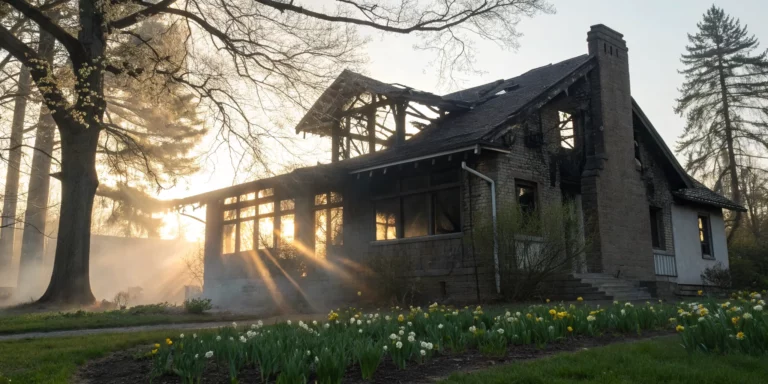
When you first see your home after a fire, the visible destruction is only the beginning of the story. What you can’t see—the compromised structural beams, the toxic soot that has traveled through your ventilation system, and the water damage from firefighting efforts—is often more extensive and dangerous. Understanding the full scope of fire damage is crucial for protecting your health and making sound financial decisions. This article will pull back the curtain on these hidden hazards. We’ll explore how heat, smoke, and water affect your property in ways that aren’t immediately obvious, helping you grasp the true challenge ahead and decide on the safest, most effective path to recovery.
Key Takeaways
- Damage extends far beyond the flames: The most significant harm often comes from unseen sources like corrosive soot, structural weakness from intense heat, and water damage from firefighting. Attempting a DIY cleanup is hazardous and can worsen the situation, making a professional assessment essential.
- Your immediate actions are critical: After ensuring everyone’s safety, your first priorities are to document everything with photos for your insurance claim, notify your provider, and secure the property from further harm. These steps lay the groundwork for a smoother recovery process.
- You have two main paths forward: You can either undertake the long and often complex process of rebuilding your home or choose a simpler route by selling the property as-is for cash. Weigh the timeline, costs, and emotional toll of restoration against the speed and certainty of a direct sale to decide what’s right for you.
What Is Fire Damage and What Causes It?
After a house fire, the word “damage” feels like an understatement. It’s more than just what you can see; it’s a complex issue that affects your property in ways that aren’t immediately obvious. Fire damage is any harm to your property caused by flames, intense heat, smoke, and the corrosive chemicals released during a fire. This includes the direct impact of burning, like charred walls and ceilings, but it also covers the indirect consequences. Smoke can travel through your entire ventilation system, leaving behind a layer of soot and a persistent odor. The heat alone can weaken structural components, melt plastics, and ruin electronics, even in rooms the flames never touched.
Understanding the full scope of the problem is the first step toward figuring out your next move. The damage is often layered—what you see on the surface is just the beginning. Hidden issues like compromised wiring, weakened support beams, and toxic residue can make a home unsafe. Facing this reality is overwhelming, but knowing what you’re dealing with empowers you to make the best decision for your situation, whether that’s rebuilding or exploring a simpler process to move forward.
Common Causes of House Fires
Not all fires are the same, and professionals classify them based on the fuel source. This helps determine the best way to extinguish the blaze and how to approach the cleanup and insurance claims process. While you don’t need to be an expert, knowing these categories can help you understand the reports from investigators and restoration crews. The main types of fire damage are categorized by what’s burning:
- Class A: Everyday combustibles like wood, paper, cloth, and plastics.
- Class B: Flammable liquids such as gasoline, grease, or oil.
- Class C: Flammable gases like propane or natural gas.
- Class E: Electrical fires involving wiring, appliances, or outlets.
- Class F: Cooking oils and fats, common in kitchen fires.
How Fire Spreads Through a Property
A fire’s destruction is rarely confined to its starting point. Heat, smoke, and ash can move with surprising speed, causing lasting harm throughout your home. The intense heat radiates outward, damaging walls and belongings in adjacent rooms. Smoke is particularly invasive; it carries soot and toxic particles through HVAC systems, wall cavities, and any small opening it can find. This means furniture, clothing, and electronics far from the flames can be ruined by a thick, oily residue that is difficult and hazardous to clean. This is why even a small, contained fire can lead to a property-wide problem, affecting everything you own and the very air inside your home. The risk of widespread fires is also influenced by external factors, reminding us that damage can come from both inside and out.
What Are the Different Kinds of Fire Damage?
When you picture a house fire, you probably imagine flames burning through walls and furniture. While that’s a huge part of it, the reality is much more complex. The damage left behind is rarely just from the fire itself. It’s a combination of factors, each creating its own set of problems that can linger long after the fire department has left. Understanding these different types of damage is the first step in figuring out what comes next for your property.
From the visible destruction caused by flames to the hidden dangers of smoke and soot, the impact is widespread. Even the efforts to save your home can introduce new issues, like water damage from fire hoses. The intense heat alone can weaken your home’s structure without ever touching it. Facing this combination of problems can feel like an impossible challenge. You’re not just dealing with one issue, but a cascade of them that all need to be addressed correctly to make the home safe and livable again. This is why many homeowners, after seeing the full scope of the damage, look for a straightforward way to move forward. Knowing what you’re up against helps you evaluate your options, whether that’s committing to a long and expensive restoration or choosing a simple, as-is sale. Our process is designed to help you bypass these complexities entirely, giving you a clear path out of a difficult situation.
Damage from Flames
This is the most direct and destructive type of damage. Flames consume everything in their path, from wooden support beams and drywall to your personal belongings. The fire literally eats away at the materials of your home, turning them into ash and char. This is what causes the most obvious structural damage, compromising the safety and integrity of the building. When you see blackened walls and collapsed ceilings, you’re looking at the direct result of flames. It’s the most visible part of the disaster and often the primary concern when assessing the initial scope of the loss.
Damage from Smoke and Soot
Long after the flames are extinguished, smoke and soot continue to cause problems. These tiny, acidic particles travel through your home’s ventilation system, settling on every surface—even in rooms the fire never reached. Soot can stain walls, carpets, and upholstery, leaving behind a foul odor that’s incredibly difficult to remove. Because it’s corrosive, it can also tarnish metal fixtures and damage electronics from the inside out. This lingering, pervasive damage is often more extensive and challenging to clean up than the fire damage itself, requiring specialized techniques to properly address.
Damage from Water and Firefighting
It’s a tough reality, but the water used to put out the fire can cause a whole new layer of damage. Fire hoses spray hundreds of gallons of water per minute, soaking everything in your home. This can lead to warped wood floors, ruined drywall, and saturated insulation. If not dried out immediately and professionally, this moisture creates the perfect environment for mold and mildew to grow, which can pose serious health risks and cause further structural decay. This secondary damage is an unavoidable consequence of firefighting efforts and adds another major cleanup project to the list.
Damage from Intense Heat
A house fire generates extreme heat that can damage parts of your home that the flames never even touch. The radiant heat can melt plastic items, crack glass, and cause paint to blister and peel off walls in adjacent rooms. More seriously, it can compromise the structural integrity of your home by warping steel supports and other metal components. This type of damage is often invisible to the untrained eye but can make a home unsafe. It’s a powerful reminder that the impact of a fire extends far beyond the charred areas.
How Fire Damage Affects Your Property and Health
After a fire, the visible destruction is heartbreaking enough. But the flames are only part of the story. The real damage often lies hidden in your home’s structure, the air you breathe, and on your most cherished belongings. Understanding these different layers of damage is the first step toward recovery. It’s not just about what burned; it’s about how heat, smoke, and soot have impacted every corner of your property and what that means for your safety.
Structural Damage to Your House
The most immediate danger after a fire is your home’s stability. Intense heat does more than just burn things—it weakens the very bones of your house. Wooden beams can be charred and compromised, steel supports can warp, and concrete can crack. This kind of structural damage isn’t always obvious, making it incredibly risky to re-enter the property. What looks like a solid floor or a stable wall could be on the verge of collapse. Professionals are trained to spot these hidden hazards and assess whether the home’s core integrity has been permanently damaged.
Health Risks from Smoke and Chemicals
What you can’t see can be just as harmful. Smoke is a complex mixture of heated particles and toxic gases from burning materials like plastics and wood finishes. Breathing in these fumes can cause serious respiratory problems. Even after the smoke clears, a fine layer of soot settles on every surface. This isn’t just dust; it’s an acidic, greasy residue that can carry carcinogens and create powerful, lingering odors. Proper fire damage restoration requires specialized equipment to safely handle these hazardous materials and make your home safe again.
Lasting Damage to Your Belongings
Smoke and soot are invasive, traveling through ventilation systems and tiny cracks to reach rooms the fire never touched. This residue is corrosive and can cause long-term harm to your possessions. It can permanently stain walls, furniture, and clothing. The acidic nature of soot can also ruin electronics by corroding delicate circuits, often causing them to fail weeks or months later. Personal items like photographs and books can be irreversibly damaged by the oily film and acrid smell. Without immediate and professional cleaning, this damage only gets worse, making it difficult to salvage your belongings.
What to Do Immediately After a House Fire
The moments after a house fire are overwhelming and chaotic. It’s completely normal to feel disoriented and unsure of what to do next. While your mind is racing, focusing on a few key steps can bring a sense of control to a difficult situation and set you on the right path for recovery. Your immediate actions can significantly impact your safety, your insurance claim, and the future of your property.
Before you think about rebuilding or what comes next, there are four critical things you need to handle right away. First and foremost is ensuring the safety of yourself and your loved ones. Once everyone is safe, your focus should shift to documenting the extent of the damage, which will be essential for your insurance claim. Next, you’ll need to notify your insurance company to get the official process started. Finally, you must take steps to secure your property from any further harm. Walking through these steps one by one can make the aftermath feel more manageable.
Prioritize Safety and Call for Help
Before anything else, your top priority is safety. Make sure everyone, including pets, is safely out of the house and accounted for. If you haven’t already, call 911 immediately, even if the fire seems small or is already out. The fire department needs to inspect the property to ensure it’s completely extinguished and to assess the structural integrity. Do not re-enter your home for any reason until a professional from the fire department gives you the all-clear. Even after the flames are gone, the structure can be unstable, and invisible hazards like toxic gases can linger. Your personal safety is far more important than any possession left inside.
Document the Damage for Your Insurance Claim
Once it’s safe to be on your property, your next step is to document everything. Pull out your phone and take as many photos and videos as you can. Capture the damage from every angle, both inside and outside the house. Get close-ups of specific items and wide shots of entire rooms. This visual evidence is incredibly important and will serve as a critical part of your insurance claim. Don’t move or throw anything away until you’ve documented it thoroughly. Create a detailed inventory of damaged belongings to the best of your ability—this will make the claims process much smoother down the line.
Notify Your Insurance Company
As soon as you can, contact your insurance company to report the fire. The sooner you notify them, the faster they can begin processing your claim and provide assistance. When you call, have your policy number handy and be ready to provide a clear description of the incident. Your insurer will assign a claims adjuster to your case who will guide you through the next steps, which often include arranging for temporary housing and providing an advance for immediate needs. If the insurance process feels too slow or complicated, remember there are other options. Our team at Fire Damage House Buyer has a straightforward process to help you move forward without the wait.
Secure Your Property from Further Harm
After the fire department leaves, you are responsible for securing your property to prevent further damage from weather, vandalism, or theft. This might involve boarding up broken windows, covering holes in the roof with a tarp, or fencing off the area. A damaged home is vulnerable, and taking these protective measures shows your insurance company that you’re doing your part to mitigate additional losses. This is also the first step in the long road to restoration. Taking control of this small but important task can be an empowering move during a time that feels anything but. Our company was founded to help homeowners through exactly these kinds of overwhelming situations.
What to Expect from the Fire Damage Restoration Process
After the shock of a house fire, figuring out the next steps can feel impossible. If you decide to restore your home, the process is a marathon, not a sprint. It involves multiple stages, each requiring specialized skills and equipment that go far beyond a simple cleanup. Understanding what the fire damage restoration process entails can help you prepare for the road ahead, which is often long, expensive, and emotionally draining.
The journey begins the moment the fire is out and involves a professional team taking over to assess, secure, and systematically clean your property. This isn’t a DIY project; the hidden dangers of structural damage and toxic soot require expert handling. From initial inspection to final reconstruction, each step is crucial for making your home safe and livable again. The timeline can stretch for months, depending on the severity of the damage and potential delays with insurance claims or contractors. This complexity is why many homeowners, when faced with the reality of a full restoration, begin to explore simpler, faster alternatives to move forward. It’s important to know all your options before committing to a path that will demand so much of your time, energy, and finances.
Professional Assessment and Inspection
Once the fire department gives the all-clear, the first thing a restoration team will do is a complete inspection. This isn’t just a quick look around; it’s a deep dive to understand the full scope of the damage. They’ll check the structural integrity of your home, determine how far smoke and soot have traveled, and assess the extent of water damage from firefighting efforts. This initial damage assessment is critical because it creates the blueprint for the entire restoration plan. It helps the team estimate the timeline, costs, and specific techniques needed to bring your home back to its pre-fire condition.
Emergency Cleanup and Stabilization
With the assessment complete, the crew immediately moves to stabilize your property and prevent any further harm. Think of this as first aid for your house. They will board up broken windows, cover the damaged roof with tarps to protect it from the elements, and start removing water. This step is time-sensitive, as standing water can quickly lead to mold growth and more structural issues. Professionals also set up equipment like industrial-grade dehumidifiers and air movers to dry everything out. Securing the site ensures that the home is safe for the extensive cleaning and rebuilding work that follows.
Removing Smoke and Soot
Getting rid of smoke and soot is one of the most challenging parts of fire restoration. These harmful particles get everywhere—into drywall, insulation, air ducts, and even your personal belongings. Because soot is acidic, it can cause permanent staining and corrosion if left untreated. Restoration experts use specialized equipment and cleaning agents to remove it from every surface. They also use techniques like thermal fogging or ozone treatments to eliminate the persistent smoke odor that clings to everything. This isn’t a simple wipe-down; it’s a meticulous process to ensure your home’s air is clean and safe to breathe again.
Cleaning and Rebuilding
After the deep cleaning is done, the final phase is putting your home back together. This can range from minor repairs like replacing drywall and painting to major reconstruction of entire rooms or sections of the house. This is often the longest and most costly part of the restoration. It involves hiring contractors, getting building permits, and ensuring all work meets local building codes. For many, managing a large-scale rebuilding project while dealing with the emotional aftermath of a fire is overwhelming. It’s at this point that many homeowners realize the path to recovery is too complex and start looking for a simpler solution, like a straightforward cash sale.
Should You Clean Up Fire Damage Yourself?
After a fire, your first instinct might be to start cleaning. It’s a natural response to want to restore order and take back control of your home. But before you grab the cleaning supplies, it’s crucial to understand that tackling fire damage isn’t like a typical deep clean. Attempting a DIY cleanup can expose you to serious health risks and potentially cause more harm to your property. The residue left behind by a fire isn’t just dirt; it’s a complex mixture of toxic materials that requires special handling.
Professionals use advanced techniques and equipment for a reason. They can identify hidden dangers and ensure the cleanup is thorough and, most importantly, safe. Understanding the common misconceptions and real dangers of DIY cleanup will help you make the best decision for your health and your home’s future.
Common Myths About DIY Cleanup
One of the biggest myths is that standard household cleaners are effective against soot and smoke residue. Unfortunately, these particles are often acidic and greasy, and improper cleaning methods can smear them deeper into surfaces, making the problem worse. Another common belief is that if something looks clean, it is. However, microscopic soot particles can penetrate drywall, insulation, and ventilation systems, leading to persistent odors and long-term air quality issues. Professional restoration services have the right tools and expertise to remove smoke and soot residues completely, ensuring no hidden contaminants are left behind to cause problems down the road.
The Safety Risks of Cleaning Up Alone
Your safety should always be the top priority. Entering a fire-damaged home without professional clearance is incredibly risky. The structure itself could be unstable, with weakened floors, walls, and ceilings that might not be immediately obvious. Beyond the structural dangers, the air is often filled with toxic particles from burned plastics, chemicals, and other synthetic materials. Inhaling these substances can cause serious respiratory problems. There’s also the risk of electrical hazards from damaged wiring and moisture from firefighting efforts. The American Red Cross provides clear guidelines on why you should wait for authorities to declare the property safe before re-entering.
Why You Need an Expert to Find Hidden Damage
What you can see is often just the tip of the iceberg. Fire damage extends far beyond visible soot stains. Intense heat can compromise the integrity of your home’s frame, while smoke can travel through the smallest cracks and settle in places you’d never think to look. Furthermore, the water used to extinguish the fire can lead to mold growth within 24 to 48 hours if not properly dried with industrial-grade equipment. A professional assessment is essential to uncover this hidden damage. Experts use specialized tools like moisture meters and thermal imaging cameras to find and address problems that would otherwise go unnoticed, preventing costly future repairs.
How Long Does Fire Damage Recovery Take?
One of the most pressing questions after a house fire is, “How long will this take?” Unfortunately, there’s no simple answer. The recovery timeline can range from a few weeks for minor smoke damage to over a year for a complete rebuild. This uncertainty is one of the hardest parts of the process, as you’re left trying to piece your life back together while your home is in limbo.
The journey from the initial damage assessment to moving back in is filled with variables. It involves coordinating with the fire department, insurance adjusters, and restoration crews, all while managing your family’s immediate needs. Understanding the factors that influence this timeline can help you set realistic expectations and feel more in control during a chaotic time. The entire fire damage recovery process is a marathon, not a sprint, and each step has its own potential for delays.
Factors That Affect the Restoration Timeline
The single biggest factor determining your recovery timeline is the extent of the damage. A small kitchen fire that was quickly contained will have a much shorter restoration period than a fire that spread throughout the house, causing significant structural issues. The type of damage also matters. Cleaning up smoke and soot is a different process than repairing water damage from firefighting efforts or rebuilding charred walls.
Once the fire is out, a restoration company will assess the damage to see what can be salvaged. This initial inspection sets the stage for the entire project. From there, the timeline depends on contractor availability, the time it takes to get permits for repairs, and how quickly materials can be ordered and delivered.
Dealing with Insurance Delays
Your insurance claim is the financial engine of your recovery, but it can also be a major source of delays. After you notify your insurer, they will send an adjuster to assess the damage. This process can be slow, especially if there are disagreements about the scope of the loss or the cost of repairs. The back-and-forth between your contractor and the insurance company can add weeks or even months to your timeline.
To keep things moving, document everything. Take photos and videos of all the damage before anything is touched. Keep a detailed log of every conversation you have with your insurance agent and adjuster, including dates, times, and what was discussed. Being organized and persistent is your best strategy for preventing unnecessary hold-ups and ensuring you get a fair settlement.
Managing Temporary Housing and Emotional Stress
If your home is unsafe to live in, your first priority is finding a temporary place to stay. Your homeowners insurance policy likely includes coverage for Additional Living Expenses (ALE), which can help pay for a hotel or rental home while your house is being repaired. Check your policy details and talk to your agent right away to understand what’s covered.
Don’t underestimate the emotional toll of a house fire. It’s a traumatic event that can leave you feeling overwhelmed and displaced. Lean on your support system of family and friends, and don’t hesitate to seek professional help to process what you’ve been through. Remember to prioritize your well-being; you can’t effectively manage the house fire recovery checklist if you’re not taking care of yourself first.
Your Options for Extensive Fire Damage
After a fire, the path forward can feel uncertain. Once you’ve handled the immediate safety and insurance notifications, you’re faced with a major decision: what to do with your property. The extent of the damage, your financial situation, and your personal feelings about the home will all play a role in this choice. Generally, homeowners with extensive fire damage have two main options: commit to a full rebuild or sell the property as-is. Understanding what each path entails is the first step toward making the best decision for you and your family.
Rebuild Your Home
Choosing to rebuild means restoring your house to its former state. This process begins after the fire department gives the all-clear and involves a professional assessment to determine what can be saved and what must be removed. A detailed fire damage recovery guide can walk you through the specifics, but it typically includes securing the property, removing water, cleaning up smoke and soot, and making structural repairs. Rebuilding can be a long and emotionally taxing journey that requires coordinating with your insurance company and multiple contractors. For many, it’s a chance to restore a beloved home, but it’s a significant commitment of time and energy.
Sell Your Fire-Damaged House As-Is for Cash
If the thought of a lengthy restoration process feels overwhelming, selling your house as-is for cash is a practical alternative. This option allows you to bypass repairs, cleanup, and realtor commissions entirely. Companies that specialize in buying fire-damaged properties provide a straightforward solution, often making a fair cash offer and closing in just a few days. This path provides a clean break, giving you the financial resources to move on and start fresh without the stress of managing a complex rebuilding project. You can learn more about how it works to see if it’s the right fit for your situation.
How to Choose the Right Path for You
The right choice depends entirely on your circumstances. To make an informed decision, start by getting a professional assessment of the damage to understand the true cost and timeline of a rebuild. Consider your insurance coverage and whether it will be enough to cover everything. It’s also important to think about your emotional well-being. Are you prepared for the demands of a restoration project, or would a quick, clean sale give you the peace of mind you need? Speaking with a trusted company that can give you a no-obligation cash offer can provide a clear financial picture, helping you weigh your options without any pressure.
How to Prevent Future Fire Damage
After going through a house fire, the thought of it happening again can be overwhelming. But you can take control by making your home as fire-resistant as possible. Taking proactive steps to improve your home’s safety not only gives you peace of mind but also creates a more secure environment for you and your family. It’s about turning a difficult experience into an opportunity to build back stronger and safer than before. Let’s walk through some of the most effective ways to protect your home from future fire damage.
Install and Maintain Fire Safety Equipment
Your first line of defense is having the right equipment in place and making sure it works. This starts with smoke alarms. Install them on every level of your home, inside each bedroom, and outside sleeping areas. It’s just as important to maintain this equipment by testing the alarms monthly and replacing the batteries at least once a year. Also, consider placing fire extinguishers in key areas like the kitchen and garage, and make sure everyone in the house knows how to use one. These simple habits can make all the difference by giving you an early warning and the tools to handle a small fire before it spreads.
Create Defensible Space with Fire-Resistant Materials
Creating a buffer zone around your house, often called defensible space, can stop a fire from reaching your home. Start by clearing away flammable materials like dead leaves, dry brush, and overgrown vegetation from your yard, especially within 30 feet of your house. When it comes to landscaping, choose fire-resistant plants and materials. If you’re rebuilding or renovating, consider using fire-resistant building materials for your roof, siding, and decks. Taking steps to safeguard your property not only protects your physical assets but also reduces the risk of a fire spreading and causing major disruption to your life.
Schedule Regular Home Safety Inspections
Some of the biggest fire hazards are hidden from plain sight, which is why professional inspections are so important. Make it a yearly routine to have your heating system, chimney, and electrical wiring checked by a qualified professional. An expert can spot faulty wiring, creosote buildup in your chimney, or other issues that you might miss. A professional can also perform a thorough electrical safety inspection to identify hidden risks. Think of it as a regular health check-up for your home. These inspections help you catch and fix potential problems before they can spark a fire, ensuring your home remains a safe and secure place for years to come.
Related Articles
- Fire Damage Restoration Near Me: 10 Life-Saving Tips 2025
- Fire Damage Restoration & Repair: 10 Essential Steps
- How to restore house with major fire damage: 2025 Easy Guide
Frequently Asked Questions
My fire was small and contained to one room. Is the damage really that bad? It’s easy to underestimate the impact of a small fire, but the damage is rarely limited to what you can see. Smoke and soot are incredibly invasive and can travel through your entire ventilation system, leaving a corrosive, smelly residue on everything. The intense heat can also weaken structural components in nearby rooms, and the water used to put out the fire can lead to hidden mold issues. What looks like a simple cleanup job is often a property-wide problem that requires professional attention to make the home truly safe again.
Will my insurance policy cover the full cost of rebuilding my home? While your insurance policy is designed to help you recover, it’s important to know that it might not cover every single expense. Policies have coverage limits, and there can be disagreements with adjusters over the cost of repairs. You might also find that your policy doesn’t cover the cost of bringing your home up to current building codes, which can be a significant and unexpected expense. It’s a long process that often involves a lot of back-and-forth to get the funds you need.
If I decide to sell my house as-is, can I still keep my insurance settlement? Yes, in most cases, you can. The insurance claim is intended to cover your losses, including the structure and your personal belongings. When you sell your property as-is to a cash buyer, the offer is for the house in its current damaged state. This means you can often accept the cash offer for the property itself and still work with your insurance company to receive the settlement for your personal property and other covered expenses.
What’s the biggest difference between rebuilding and selling to a cash buyer? The biggest difference comes down to time, stress, and certainty. Rebuilding is a long-term commitment that can take many months, or even years, and involves managing contractors, permits, and insurance negotiations. Selling your fire-damaged house for cash is a straightforward transaction that can be completed in as little as a week. It provides you with a clear, guaranteed outcome, allowing you to bypass the entire restoration process and move forward on your own terms.
How do I know if my home is safe to enter after a fire? You should never re-enter your home until the fire department has officially declared it safe. Even after the flames are out, the structure can be unstable and at risk of collapse. There are also invisible dangers, like toxic fumes from burned materials and electrical hazards from damaged wiring. Your safety is the absolute priority, so always wait for a professional to give you the all-clear before stepping foot inside.