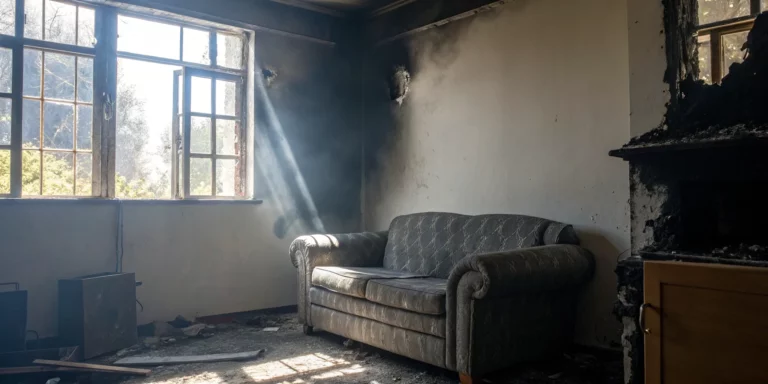
What you can see after a fire is only a fraction of the problem. While charred walls are obvious, the real enemy is the invasive, greasy soot that travels through your HVAC system and settles deep inside your walls and insulation. This hidden contamination is what makes restoring a smoke damage home so incredibly difficult and expensive. The lingering odor is a sign of a much deeper issue that affects your home’s structural integrity and air quality. Before you commit to a massive cleanup, you need to understand the full scope of the damage. This guide will uncover the hidden problems and present a solution that lets you walk away.
Key Takeaways
- Smoke damage is more than just visible stains: It creates a hidden health hazard by embedding toxic particles deep within your home’s structure, affecting everything from the air you breathe to the integrity of your wiring.
- DIY cleanup is rarely enough: The oily residue and persistent odor from smoke require more than store-bought cleaners, and professional restoration is often an incredibly expensive and lengthy process with no guarantee of success.
- Selling as-is offers a clear path forward: You can bypass the overwhelming stress and cost of repairs by selling your property directly for cash, providing a fast and certain way to move on.
What Is Smoke Damage and How Does It Affect Your Home?
After a fire, the flames are only part of the problem. The smoke that billows through your home leaves behind a destructive residue that can cause extensive and lasting harm. Smoke damage is the physical and chemical contamination left behind by smoke particles. Even a small, contained fire can send soot and odors into every corner of your property, affecting everything from the walls and furniture to the air you breathe. Understanding the nature of this damage is the first step in figuring out what to do next. The type of smoke, its source, and how it traveled through your home all play a role in the extent of the cleanup and repairs you’re facing.
The Different Types of Smoke Damage
Not all smoke is the same, and the kind of fire determines the type of residue you’ll find. Hot, fast-burning fires involving wood or paper create a powdery dry smoke that is easier to clean but can easily penetrate porous surfaces and get into your home’s wiring. A low-heat, smoldering fire from plastics or rubber results in wet smoke, which leaves a greasy, smeary residue that is much harder to remove. In the kitchen, a forgotten pot on the stove can cause protein smoke, which leaves a strong, foul odor and can discolor paints and varnishes. Finally, fires involving oil or fuel create a thick, sticky residue that is extremely difficult to clean and can permanently ruin fabrics.
Common Causes Besides House Fires
While a house fire is the most obvious cause, it’s not the only source of smoke damage. Lingering smoke from nearby wildfires can infiltrate your home through vents and windows, leaving behind soot and a persistent smell. Even smaller incidents can create significant issues. A small kitchen fire, a malfunctioning furnace puffing back soot, or even a severe cooking mishap can coat surfaces with a greasy film and leave odors that are tough to eliminate. Restoration experts explain that smoke can come from various sources, and each requires a specific approach to cleaning and restoration. Recognizing the source helps you understand the potential scope of the problem you’re dealing with.
How Smoke Spreads Through a Property
Smoke is incredibly invasive and travels along the path of least resistance. Even if a fire was contained to a single room, smoke particles can easily spread throughout the entire house. They move through the HVAC system, inside wall cavities, and along plumbing and electrical pathways. This means you can find soot and odor far from the fire’s origin, in closets, attics, and even behind baseboards. Because these tiny particles are pressurized by heat, they are driven into porous materials like drywall, wood, and insulation. This widespread contamination is why the smell of smoke can linger for months or even years if not properly addressed, making it a complex and frustrating problem to solve.
How Can You Spot Smoke Damage?
After a fire, the most apparent damage is what you can see—charred wood, broken windows, and structural issues. But smoke damage is often more widespread and sneaky. It can creep into every corner of your home, causing problems long after the flames are out. Knowing what to look for, both in plain sight and in hidden areas, is the first step in understanding the full extent of the damage.
The Obvious Signs of Smoke Damage
The most immediate signs of smoke damage are visual. You’ll likely notice yellow, gray, or black stains streaking across walls and ceilings. This discoloration is a tell-tale sign that smoke has settled on these surfaces. Another clear indicator is soot, a fine, greasy black powder that coats everything from light fixtures and vents to the top of your refrigerator. You might also see corrosion on metal fixtures or appliances. And, of course, there’s the unmistakable smell. If your home has a persistent smoky odor, that’s a definite sign of smoke damage that has seeped into the structure and its contents. If you’re seeing these signs, understanding how our process works can give you a clear path forward.
Where to Find Hidden Smoke Damage
Unfortunately, what you see is often just the beginning. Smoke is made of tiny particles that can travel anywhere air can go, meaning damage can hide in places you wouldn’t expect. Smoke can penetrate porous materials, getting trapped deep within drywall, insulation, carpets, and upholstery. It also travels through your home’s HVAC system, spreading soot and odor to rooms that were completely untouched by the fire itself. Be sure to check inside cabinets, closets, and even your attic. These hidden particles can continue to release odors and cause long-term damage if they aren’t addressed.
Common Myths About Detecting Smoke Damage
One of the biggest myths is that the smell of smoke will eventually fade on its own. Many homeowners hope that opening a few windows will solve the problem, but that’s rarely the case. A lingering smoke odor is a clear sign that smoke particles are still trapped within your home’s materials. Simply painting over a stained wall won’t fix the problem, either—the soot and odor will eventually bleed through the new paint. Ignoring these signs won’t make them go away; it just postpones dealing with a problem that can affect your home’s value and your family’s health. We’ve seen how frustrating this can be, which is why our company focuses on providing a straightforward solution.
Is Smoke Damage a Health Risk?
After a fire, your first instinct is to assess the visible destruction. But the dangers that linger in the air and settle on every surface are often invisible. Smoke isn’t just a bad smell or a dirty film on the walls; it’s a complex mixture of toxic particles and gases that poses a serious threat to your well-being. The soot and residue left behind can contain carcinogens and other harmful chemicals that continue to off-gas long after the flames are out.
Staying in a home with smoke damage means you and your family are continuously exposed to these toxins. Every breath you take can introduce harmful substances into your body, leading to a wide range of health problems that can appear both immediately and years down the road. Understanding these risks is the first step in protecting your family and making a clear-headed decision about what to do next with your property. It’s crucial to prioritize your health above all else and recognize when a home is no longer a safe environment.
Immediate Effects on Your Health
The moment you breathe in smoke, your body reacts. Smoke inhalation can cause immediate and severe problems, from burning your respiratory system to carbon monoxide poisoning. You might experience symptoms like persistent coughing, shortness of breath, nausea, or headaches. Some people also report feeling confused, dizzy, or unusually sleepy. These aren’t minor inconveniences; they are your body’s warning signs that it’s being poisoned. The adverse health effects of smoke damage can impact your lungs, liver, and even your brain, making it unsafe to spend any amount of time in the affected property.
Long-Term Health Consequences
The health risks don’t disappear when the smoke clears. The fine, toxic particles from the smoke embed themselves deep into porous materials like drywall, carpets, upholstery, and even wood. Living in that environment means you’re constantly breathing in these hazardous substances. Prolonged exposure to smoke residue is linked to serious long-term health issues, including an increased risk of cancer, chronic respiratory conditions like bronchitis, and severe skin irritation. These are not problems that can be solved with over-the-counter remedies; they are lasting consequences of living in a contaminated space.
Why Some Family Members Are More at Risk
While smoke damage is dangerous for everyone, some people are far more vulnerable to its effects. Children, whose respiratory systems are still developing, and the elderly are particularly susceptible. Anyone with a pre-existing condition like asthma, allergies, or a compromised immune system faces an even greater danger. For these individuals, even a short period of exposure can trigger a severe reaction or worsen their condition significantly. In some cases, it can even be life-threatening. Protecting the most vulnerable members of your family often means making the difficult decision to leave a smoke-damaged home for good.
Can You Clean Smoke Damage Yourself?
After a fire, the urge to start cleaning is a natural way to reclaim control. While you can tackle some minor tasks, significant smoke damage is a complex issue that household supplies can’t solve. Understanding what you can do versus what you shouldn’t is key to protecting your property and your health.
DIY Cleanup: What to Do
Once it’s safe to enter, the first step is to ventilate the house by opening every window and door. Before you reach for any wet cloths, which can smear oily soot, try using a dry-cleaning sponge to gently lift loose residue from walls and other surfaces. A vacuum with a HEPA filter can also help with light soot on upholstery. Most importantly, always wear protective gear like an N95 mask and gloves, as soot particles can be toxic. Remember, these steps are only for minor, surface-level cleaning and won’t address the deeply embedded smoke particles.
The Limits of Store-Bought Cleaners
Smoke damage isn’t like regular household dirt. Soot is oily and acidic, and it seeps deep into porous surfaces like drywall, wood, and even the subfloor. Standard household cleaners simply aren’t formulated to break down this greasy film and often make the problem worse by creating permanent smears. A regular vacuum can also backfire by spreading the fine, toxic particles back into the air, contaminating other areas of your home. Without professional-grade solvents and equipment, you’re only scratching the surface of a much larger problem affecting your home’s structure and air quality.
Knowing When to Call a Professional
If the smoky odor is strong and widespread, or if soot covers large sections of your home, the job is too big for a DIY approach. You could hire a professional restoration company, but be prepared for a process that can be incredibly expensive and disruptive, often taking weeks or months. For many homeowners, the high cost and long timeline make them question if it’s worth it. An alternative is to skip the repairs and uncertainty entirely. Our cash offer process allows you to sell your home as-is, letting you move forward without the stress of a massive cleanup project.
Common Misconceptions About the Cleanup Process
A common myth is that the smoke smell will eventually fade on its own. It won’t. Odor particles get trapped deep inside porous materials like insulation, carpets, and drywall, and the smell will linger indefinitely, especially on humid days. Another mistake is thinking a fresh coat of paint will solve the problem. Soot stains and odors will eventually bleed right through the paint, leaving you back where you started. True remediation requires removing the source of the smell completely, not just covering it up, which is a massive undertaking.
What to Expect from Your Insurance Claim
After the shock of a fire, dealing with an insurance claim can feel like a monumental task. It’s a process filled with paperwork, phone calls, and negotiations that you have to handle while trying to piece your life back together. But knowing what to expect can make the entire experience more manageable. Your insurance policy is there to help you recover, and understanding how to use it is the first step toward getting the support you need.
The claims process generally follows three main stages: understanding what your policy covers, carefully preparing and submitting your claim, and working with the insurance adjuster to reach a fair settlement. Each step has its own challenges, but being prepared can help you protect your interests and ensure you receive the compensation you’re entitled to. Think of this as your roadmap for the journey ahead. We’ll walk through what you need to know to handle your claim with confidence.
Understanding Your Insurance Coverage
The good news is that most standard homeowners insurance policies cover damage from smoke and fire. This coverage is designed to help you get back on your feet and typically pays for a wide range of recovery expenses. You’ll want to pull out your policy documents to review the specifics, but you can generally expect help with cleaning services, replacing damaged belongings, removing lingering odors, and making necessary repairs to your home’s structure. If your home is uninhabitable, your policy may also cover temporary living expenses, like a hotel stay, under its “loss of use” provision. Taking the time to understand your policy is crucial for knowing what to ask for.
How to Prepare Your Claim
When you file a claim, your top priority should be documentation. Your insurance company will need proof of the damage to process your claim, so you need to be thorough. Before you clean up or throw anything away, take detailed photos and videos of every affected area and item in your home. Create a comprehensive home inventory list of everything that was damaged, noting its age, original cost, and estimated replacement value if you can. Be sure to hold onto all receipts for any immediate expenses you incur, such as lodging, clothing, or meals. The more detailed your records are, the smoother your claim process will be.
Dealing with Insurance Adjusters
Soon after you file a claim, your insurance company will assign an adjuster to your case. The adjuster’s job is to inspect the damage, review your documentation, and determine the value of your loss. It’s important to remember that the adjuster works for the insurance company, and their goal is often to settle the claim for the lowest amount possible. Don’t feel pressured to accept the first offer if it seems too low. You have the right to get independent estimates from your own contractors to compare. If you feel the process is unfair or the claim is too complex, you can also hire a public adjuster to represent your interests and negotiate on your behalf.
Should You Sell Your Smoke-Damaged Home As-Is?
After dealing with the immediate aftermath of a fire, the last thing you want is a long, complicated process to move forward. You’re likely facing a major decision: should you invest the time, money, and energy into repairing the smoke damage, or is it better to sell your home as-is? For many homeowners, the path of extensive repairs is filled with unexpected costs and stress. Selling your property in its current condition can offer a clear, straightforward alternative, allowing you to close this chapter and start fresh without the burden of restoration.
When Repairs Cost More Than They’re Worth
Smoke damage is often much more than a cosmetic issue. Beyond the visible soot and discoloration on walls and ceilings, smoke can cause deep-seated problems. Its acidic particles can corrode metal, damage electronics, and seep into porous materials like wood, drywall, and insulation. The persistent odor is notoriously difficult to eliminate and often requires professional-grade equipment and techniques. When you add up the costs of specialized cleaning, replacing damaged systems, and potential structural repairs, the total can easily become overwhelming. In many cases, the financial investment required to fully restore the home simply isn’t worth it, especially if it won’t significantly increase the final sale price.
The Benefits of a Cash Sale
Choosing to sell your smoke-damaged property as-is can be a much quicker and less stressful option. This path allows you to bypass the entire restoration process, avoiding the complexities of hiring contractors, managing timelines, and dealing with insurance claims. A cash sale provides certainty and speed. Instead of waiting months for repairs to finish and then listing your home on the traditional market, you can receive a firm offer and close the deal in a matter of days. This approach gives you immediate financial relief and the freedom to move on without the lingering stress and uncertainty that comes with a damaged property.
How We Provide a Fast, Fair Solution
We understand the overwhelming situation you’re in, and our goal is to offer a simple way out. At Fire Damage House Buyer, we specialize in purchasing smoke-damaged homes directly from owners like you. Our process is straightforward: we assess your property in its current condition, make a fair cash offer, and handle all the paperwork. You don’t have to worry about making any repairs, cleaning up, or paying agent commissions. We can close the sale in as little as seven days, providing you with the cash you need to start over. We’re here to provide a reliable and compassionate solution when you need it most.
Related Articles
- What Does Smoke Damage Do to a House? The Full Impact
- Your Guide to Smoke Contamination After Fire
- Fire Damage Restoration & Repair: 10 Essential Steps
Frequently Asked Questions
Will the smoke smell ever go away on its own? Unfortunately, no. That persistent smoky odor is a sign that microscopic soot particles are trapped deep within porous materials like drywall, wood, insulation, and carpeting. Simply airing out the house won’t remove them. The smell can linger for years and may even seem to get stronger on humid days as moisture in the air reactivates the odor-causing particles.
My fire was small and contained to one room. Do I still need to worry about widespread smoke damage? Yes, it’s very likely. Smoke is pressurized by heat and travels along the path of least resistance, moving easily through your home’s HVAC system, wall cavities, and attic spaces. This means soot and odor can contaminate rooms that were completely untouched by the flames, leading to hidden damage that you might not discover right away.
Why can’t I just use a stain-blocking primer and paint over the smoke stains? While it seems like a quick fix, painting over smoke stains is only a temporary cover-up. Soot is oily and acidic, and its residue will eventually bleed through multiple layers of primer and paint, causing new stains to appear. More importantly, painting does nothing to eliminate the underlying odor particles trapped in the drywall, so the smell will remain.
Is it safe to stay in my home after a fire, even if the damage seems minor? It’s strongly advised not to. The biggest threat isn’t what you can see, but the invisible toxins you’re breathing in. Smoke residue contains harmful chemicals that can cause immediate respiratory issues and lead to long-term health problems. This risk is especially high for children, the elderly, and anyone with pre-existing health conditions like asthma.
If I sell my house as-is, what happens to my insurance claim? Your insurance policy covers the loss you suffered, not the repairs themselves. In most cases, you are entitled to the insurance settlement money even if you decide not to rebuild or restore the property. Selling your home to a cash buyer allows you to settle with your insurance company and then move on quickly, without having to manage a long and stressful construction project.