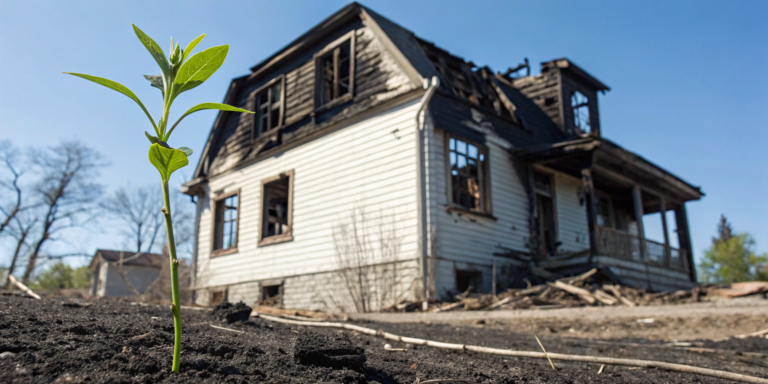
When the firefighters leave, the immediate crisis is over, but a quieter, more persistent problem remains. The flames might be out, but the aftermath of a fire is often defined by what you can’t easily see: the smoke. It’s a common mistake to underestimate the harm it causes. This isn’t just about a lingering campfire smell or a bit of soot on the walls. True smoke damage is a corrosive and toxic residue that seeps into every porous surface of your home, from the drywall and insulation to your furniture and clothing. Understanding its full impact is the first, most critical step in figuring out what to do next.
Key Takeaways
- Recognize That Smoke Damage Goes Beyond the Surface: Smoke travels through ventilation systems and seeps into walls, leaving behind different types of corrosive residue that can cause hidden structural issues and health problems long after the fire is out.
- Prioritize Safety and Document Everything: Before you do anything else, ensure the property is safe to enter. Then, take detailed photos and videos of all the damage to create a thorough record for your insurance claim.
- Evaluate a Quick Sale vs. a Long Restoration: The process of cleaning and repairing extensive smoke damage is often costly and emotionally draining. Selling your home as-is provides a direct path to a fresh start without the stress of managing a complex restoration project.
What Exactly Is Smoke Damage?
When you think of a house fire, you probably picture the flames. But the smoke left behind often causes the most widespread and lasting problems. Smoke damage is the physical and chemical harm caused by the particles and gases that a fire releases. It’s not just a bad smell or a bit of soot; it’s a corrosive substance that can ruin your home and belongings, even in rooms the fire never touched.
Even a small fire, like one contained to the kitchen, can create enough smoke to travel throughout your entire house. These tiny particles can get into your ventilation system, seep into walls, and settle on every surface, from your furniture to your clothes. Because smoke is acidic, it can cause materials to discolor, corrode, and degrade over time. The damage isn’t always visible right away, which can be misleading. Over weeks and months, the acidic residue can continue to eat away at surfaces, making repairs more complicated and expensive. Understanding the full extent of this damage is the first step in figuring out your next move. For many homeowners facing this overwhelming situation, exploring a hassle-free solution can provide a clear path forward without the stress of extensive repairs.
How Smoke Spreads and Settles
Smoke moves in ways you might not expect. Because it’s hot, it rises and seeks out cooler areas, quickly spreading through hallways, stairwells, and ventilation systems. It can easily move through tiny cracks around doors and windows to reach parts of your home that seem unaffected. As the smoke travels and cools, the soot and other toxic particles it carries begin to settle, leaving a sticky, oily residue on walls, ceilings, and personal items.
This residue isn’t just messy; it’s destructive. The harmful acids in smoke can tarnish metal, etch glass, and permanently stain porous materials like wood and drywall. The longer it sits, the more damage it does, making quick action important. This is why smoke and soot can damage the structure of your home and almost everything inside it.
The Most Common Causes of House Fires
House fires can start from a variety of everyday activities, and knowing the common causes can help you understand you’re not alone in this experience. According to FEMA, cooking is the single leading cause of home fires. A forgotten pan on the stove can quickly fill a home with thick, greasy smoke.
Other frequent culprits include heating equipment like furnaces and space heaters, especially if they aren’t properly maintained. Electrical malfunctions from faulty wiring, overloaded circuits, or old appliances are also a significant risk. Finally, carelessly discarded smoking materials remain a consistent cause of devastating fires. No matter the source, the resulting smoke damage often creates a much larger problem than the fire itself.
The 4 Main Types of Smoke Damage
After a fire, the word “smoke” feels like a simple, one-size-fits-all term for the mess left behind. But in reality, not all smoke is created equal. The type of fire, what burned, and how hot it got all determine the kind of smoke residue you’re dealing with. Understanding the specific type of smoke damage in your home is the first step toward figuring out the true extent of the problem and what it will take to fix it. Each type comes with its own set of challenges, from stubborn odors to corrosive residues that can cause long-term harm to your property. Let’s break down the four main categories you might encounter.
Dry Smoke
Dry smoke is the result of a fast-burning, high-temperature fire, usually fueled by natural materials like wood or paper. Think of it as a fine, powdery soot. On the surface, it might seem easier to clean up than other types of smoke because it doesn’t have that greasy, sticky quality. However, its fine particles can travel everywhere, settling into tiny cracks in your walls, inside your air ducts, and around electrical wiring. This infiltration can cause hidden damage to your home’s essential systems and even compromise its structural elements over time. It’s a sneaky kind of damage that often goes deeper than what you can see.
Wet Smoke
If the fire was a low-heat, smoldering one involving plastics, rubber, or other synthetic materials, you’re likely dealing with wet smoke. This type leaves behind a thick, greasy, and sticky residue that’s much harder to clean. You’ll notice a strong, acrid smell, almost like burnt plastic, and the black film it creates can smear easily, making cleanup a frustrating process. Because of its sticky nature, wet smoke residue is also corrosive and can cause metal surfaces like pipes and fixtures to rust if not addressed quickly. It’s a stubborn mess that requires a specialized approach to remove completely.
Protein Residue
A kitchen fire is the most common culprit behind protein residue. When food, grease, or other organic matter burns, it creates a unique type of smoke damage. What’s tricky about protein residue is that it’s often invisible on hard surfaces. You might not see any soot or staining, but you’ll definitely smell it. This type of smoke is known for its pungent, foul odor that permeates everything. While it might not leave dark stains, it can discolor paint and varnishes over time. The real challenge with protein residue is getting rid of that persistent, unpleasant smell that seems to cling to every surface.
Fuel and Oil Residue
When petroleum products like oil or fuel burn, they produce a dense, sticky residue known as fuel and oil smoke. This is one of the most difficult types of smoke damage to handle. The residue is thick, has a strong odor, and is incredibly hard to remove from surfaces. It requires powerful cleaning solvents and techniques that are best left to professionals. If this type of smoke gets into porous materials like curtains, carpets, or upholstery, the damage is often permanent. The residue is so stubborn that cleaning attempts can sometimes make the problem worse by spreading the oily soot around.
Is Smoke Damage Harmful to Your Health?
After a fire, the immediate danger might seem over, but the lingering smoke damage presents a whole new set of risks. The soot and odors left behind aren’t just unpleasant—they can pose serious threats to your well-being. Understanding these health hazards is the first step in protecting yourself and your family from the invisible dangers that remain long after the flames are out. It’s crucial to recognize that what you can’t always see can still hurt you.
Immediate Health Concerns
The most immediate danger during a fire comes from breathing in smoke. Smoke contains a toxic mix of particles and gases that can damage your lungs or poison your body. Even after the fire is extinguished, these harmful particles don’t just disappear. They settle as a fine layer of soot on walls, furniture, clothing, and inside your ventilation system. This residue can cause coughing, shortness of breath, and irritation to your eyes, nose, and throat. For anyone re-entering the property, these airborne particles can trigger immediate respiratory distress.
Long-Term Risks of Exposure
Living in a home with untreated smoke damage means continuous exposure to toxic chemicals. Microscopic smoke particles, far too small to see, can easily be inhaled and get into your lungs and sinuses, leading to chronic respiratory problems like asthma and bronchitis. These harmful substances cling stubbornly to porous materials like carpets, upholstery, and drywall, releasing toxins into the air over time. This ongoing exposure can weaken your immune system and contribute to more severe health issues down the road, making a thorough, professional cleanup absolutely essential for long-term safety.
Who Is Most Vulnerable?
While smoke exposure is dangerous for everyone, some people are far more susceptible to its effects. Children, older adults, and individuals with pre-existing heart or lung conditions are particularly at risk. Because their respiratory systems are either still developing or already compromised, they can experience more severe reactions to the toxins found in soot and smoke residue. Even pets can suffer from respiratory issues after being exposed. Protecting the most vulnerable members of your household should be your top priority when deciding how to handle the aftermath of a fire.
How to Spot Smoke Damage in Your Home
After a fire, the visible destruction is only part of the story. Smoke damage is the physical harm caused by smoke particles, and it can occur even from a small fire contained to one room. Because smoke is acidic, it can cause discoloration, corrosion, and persistent odors that are difficult to remove. Understanding where to look for this damage is the first step in assessing the true condition of your home.
It’s not just about what you can see and smell. Tiny smoke particles can travel throughout your entire house, settling in places you’d never expect. Let’s walk through how to identify the obvious signs, uncover the hidden damage, and clear up some common myths about the process. This will give you a clearer picture of what you’re dealing with so you can decide on your next steps with confidence.
Obvious Signs You Can’t Miss
The most apparent signs of smoke damage are often right in front of you. Look for yellow or brown stains on walls, ceilings, and other surfaces. You might also see soot, which can appear as black dust or oily residue, especially near the source of the fire. A lingering smoky odor is another tell-tale sign that smoke particles have penetrated porous materials throughout your home.
These particles don’t just sit on the surface; they can cause lasting harm to your property. The acidic nature of smoke can tarnish metal fixtures, etch glass, and discolor plastics and vinyl over time. Pay close attention to light-colored surfaces, fabrics, and furniture, as they will show signs of damage most clearly.
Where Smoke Damage Hides
The tricky thing about smoke is its ability to creep into every nook and cranny. It travels through your home’s ventilation system, meaning rooms untouched by flames can still have significant damage. Be sure to check inside closets, cabinets, and drawers. Porous materials like wood, drywall, insulation, and carpet are especially good at trapping smoke particles and odors.
Smoke can also settle in less obvious places, like behind appliances, inside light fixtures, and within the ductwork of your HVAC system. When you turn on your heat or air conditioning, you could be circulating soot and toxic particles throughout the house all over again. This widespread contamination is one reason why smoke damage affects nearly everything in a home, not just the areas near the fire.
Common Myths About Finding Smoke Damage
It’s easy to assume that if you can’t see or smell smoke, the area is clean. Unfortunately, that’s a common misconception. Many harmful chemicals left behind by smoke are odorless, and our noses can quickly become accustomed to lingering smells, a phenomenon known as olfactory fatigue. An item that seems fine might still be contaminated.
Another myth is that smoke damage will simply air out and disappear on its own. The reality is that smoke particles embed themselves deep into materials and require specialized cleaning to be removed. Without proper treatment, the acidic soot will continue to cause corrosion and discoloration long after the fire is out. Simply painting over a smoke-stained wall, for example, won’t solve the problem—the stain and odor will eventually bleed through.
What to Do Right After a Fire
The moments after a house fire are disorienting and overwhelming. It’s hard to know where to even begin. While your mind is racing, focusing on a few key steps can bring a sense of order to the chaos and protect both your safety and your financial future. Before you deal with the long-term decisions, your immediate actions should revolve around safety, documentation, and making a clear-headed plan. Taking these steps methodically will help you move forward with confidence.
Your First Safety Checklist
Your absolute first priority is safety. Do not re-enter your home until it has been officially cleared by the fire department or another authorized official. They need to ensure the structure is sound and there are no lingering fire hazards or risks of collapse. Once you have permission to go inside, always wear protective gear. This includes sturdy, closed-toe shoes, long sleeves, gloves, and an N95-rated mask. The air can be filled with soot and other toxic particles that are dangerous to inhale, and you want to protect your skin and lungs from contact with potentially hazardous materials and sharp debris.
Why You Should Document Everything
Before you touch, move, or clean a single thing, pull out your phone and start taking pictures and videos. Document everything. Go room by room and capture the damage from multiple angles, getting both wide shots of the space and close-ups of specific items. Make a detailed list of all destroyed or damaged belongings as you go. This meticulous record-keeping is one of the most important things you can do to support your insurance claim. The more visual evidence and detailed notes you have, the smoother the process will be, ensuring you have a clear and comprehensive account of your losses when you speak with your adjuster.
Prioritizing Your Next Steps
With safety and documentation handled, it’s time to think about what comes next. The sooner you can address the smoke and soot, the better your chances are of salvaging personal belongings. However, restoration is a massive undertaking that often requires professionals and can be incredibly expensive and time-consuming. You need to weigh the cost of repairs against the value of the home and your own emotional capacity to handle a lengthy restoration project. For some, the damage is simply too great, and selling the property as-is offers a faster, less stressful path forward. You can learn more about our process to see if it’s the right fit for your situation.
Cleaning and Restoring a Smoke-Damaged Home
After a fire, the path to recovery can feel overwhelming, and cleaning up is a massive part of that. Smoke doesn’t just stain surfaces; it seeps into everything, from your walls and furniture to the air you breathe. Deciding how to tackle the cleanup is a big step. You generally have three routes: hiring professionals, attempting it yourself, or working through your insurance to cover the costs. Understanding each option will help you make the best choice for your home and your family.
The Professional Restoration Process
When you’re dealing with significant smoke damage, calling in a professional restoration team is almost always the right move. These aren’t your average house cleaners; they are specialists with the training and industrial-grade equipment needed to handle hazardous materials safely. Certified experts use advanced techniques like thermal fogging and ozone treatments to neutralize odors and clean microscopic soot particles from every nook and cranny. They know how to assess different types of smoke damage and apply the correct methods to salvage your belongings without causing further harm. Their goal is to restore your home to a safe, livable condition, and they have the specialized knowledge to do it right.
The Limits of DIY Cleaning
I understand the urge to roll up your sleeves and start cleaning immediately. It feels proactive, and you might think it will save you money. However, trying to clean smoke damage yourself can often backfire. Standard household cleaners are no match for the acidic, greasy residue that soot leaves behind. Using the wrong products or techniques can permanently set stains or push soot deeper into porous materials like drywall and wood. More importantly, you could be exposing yourself to serious health risks by inhaling toxic particles without professional-grade protective gear. For anything beyond very minor smoke damage, DIY cleaning is a gamble that often isn’t worth the risk.
Working With Your Insurance Company
The good news is that most standard homeowner’s insurance policies cover smoke damage. Your first call after ensuring everyone is safe should be to your insurance agent. They will guide you through the claims process and explain what your policy covers, which often includes the cost of professional restoration services. Before you touch anything, be sure to document the damage thoroughly with photos and videos from every angle. Make a detailed list of all damaged items, as this will be crucial for your claim. Your insurance company will likely send an adjuster to assess the situation, so having your own documentation helps ensure you get a fair settlement to cover the costs of recovery.
How to Prevent Future Smoke Damage
After experiencing a fire, the thought of it happening again can be overwhelming. Taking proactive steps to prevent a future fire can be an empowering way to protect your home and family. By focusing on a few key areas, you can create a safer environment and gain peace of mind. These preventative measures don’t have to be complicated, but they do need to be consistent. From simple daily habits to having the right equipment in place, every small action contributes to a much safer home. Let’s walk through some practical steps you can take right now.
Simple Fire Prevention Tips
Most home fires start from everyday activities, which means simple habit changes can make a huge difference. In the kitchen, always stay present when you’re cooking, especially if you’re using high heat or frying with oil. It’s also smart to keep a fire extinguisher nearby and know how to use it. Be mindful of flammable items throughout your home—things like cleaning supplies, aerosols, and paints should be stored safely away from heat sources like water heaters or furnaces. And take a moment to check your electrical cords. Frayed or damaged cords are a serious hazard and should be replaced immediately to reduce your risk.
The Importance of Alarms and Detectors
Your smoke detectors are your first line of defense. They provide the critical early warning you need to get your family out safely. Make it a habit to test your smoke alarms monthly and replace the batteries at least once a year. A good way to remember is to change them when you change your clocks for daylight saving time. The U.S. Fire Administration recommends having smoke alarms inside each bedroom, outside each sleeping area, and on every level of the home, including the basement. This network of alarms ensures that no matter where a fire starts, you’ll be alerted as quickly as possible.
Create a Family Emergency Plan
In an emergency, a clear plan can save lives. Sit down with your family and create a home fire escape plan. Walk through your home and identify two ways out of every room, and make sure all doors and windows open easily. Choose a safe meeting spot outside—like a specific tree, a mailbox, or a neighbor’s house—where everyone will gather after escaping. Once you have a plan, practice it at least twice a year. Practicing a fire drill helps everyone remember what to do, reducing panic and ensuring a quick, safe response if a real fire ever occurs.
Should You Sell Your Home As-Is?
Deciding what to do with your home after a fire is one of the toughest choices you’ll face. The path to restoration is often long, expensive, and emotionally draining. For many homeowners, selling the property as-is offers a faster, more certain way to move forward. Let’s look at when this might be the right option for you.
When Repairs Cost More Than They’re Worth
After a fire, the visible damage is just the beginning. Smoke damage is a relentless problem that seeps into every corner of a house, from the drywall to the electrical systems. If it isn’t handled by professionals immediately, it can lead to corrosion, persistent odors, and even weaken your home’s structure. These issues don’t just disappear over time; they get worse and can significantly lower your property’s value.
The cost of professional restoration can be staggering. It involves specialized equipment and techniques to remove soot and toxic particles from every surface. Attempting to clean smoke damage yourself is often ineffective and can expose you to harmful chemicals. When you add up the expenses for structural repairs, smoke remediation, and replacing damaged contents, the total can easily exceed what the house would be worth after renovations. This is the point where you have to ask yourself if pouring more money into the property makes financial sense.
The Benefits of a Fast, As-Is Cash Sale
Choosing to sell your fire-damaged home as-is for cash provides a clear path forward when you need it most. The primary benefit is speed. Instead of enduring months of disruptive and costly repairs, you can close the sale and have cash in hand in as little as a week. This allows you to bypass the entire restoration process and focus on finding your next home.
Selling as-is also means you don’t have to worry about safety. It’s simply not safe to live in a house with smoke damage, as lingering soot and chemicals pose serious health risks. A quick sale removes this burden from your shoulders. You can avoid the stress of dealing with contractors, insurance adjusters, and the uncertainty of a long-term project. With a cash sale, there are no repairs, no cleaning, no agent commissions, and no hidden fees. You get a fair offer and the freedom to start fresh. Our simple process is designed to give you a clean break, providing the financial resources and peace of mind to move on with your life.
Related Articles
Frequently Asked Questions
My fire was small and contained to one room. Do I still need to worry about smoke damage elsewhere? Yes, you absolutely do. Smoke is incredibly invasive and travels through your home’s ventilation system, as well as tiny cracks around doors and windows. This means that even if the fire was only in the kitchen, toxic soot and residue could have settled in bedrooms, closets, and even inside your walls. It’s the damage you can’t see that often causes the most long-term problems.
Is it really unsafe to live in a house with smoke damage after it’s been aired out? Unfortunately, opening the windows isn’t enough to make your home safe. The invisible particles in soot and smoke residue can get deep into your lungs and cause serious respiratory issues, especially for children, older adults, and pets. These harmful substances cling to carpets, furniture, and drywall, continuing to pose a health risk long after the smoky smell has faded.
Why can’t I just paint over the smoke stains on my walls? Painting over smoke stains is a temporary fix that almost always fails. The oily residue and persistent odors from smoke will eventually bleed right through the new layer of paint, leaving you back where you started. To solve the problem for good, the soot and smoke particles must be completely removed with specialized cleaning techniques before any priming or painting can begin.
Can I clean up minor smoke damage myself? While it might be tempting to tackle the cleanup on your own, it’s rarely a good idea. Standard household cleaners aren’t strong enough to break down the acidic and greasy nature of soot. Trying to clean it yourself can often smear the residue, pushing it deeper into surfaces and making the problem worse. Professionals use specific equipment and chemical treatments to neutralize the damage safely and effectively.
How do I know if repairing my home is worth the cost? This is the big question, and the answer comes down to a realistic assessment of the damage. You need to consider not just the visible repairs but also the cost of professional smoke and odor remediation, potential structural issues, and replacing personal belongings. If the total cost of restoration is approaching or even exceeds your home’s market value, selling the property as-is can be a more practical and financially sound decision.