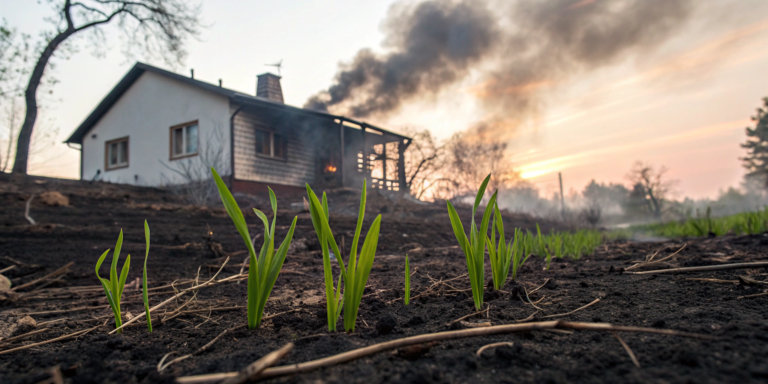
The feeling of powerlessness after a house fire can be one of the hardest parts of the experience. Suddenly, so much is out of your control. But knowledge is the first step to taking that control back. This guide was created to give you that power. By explaining exactly what happens after a house fire, we can help you anticipate the next steps and prepare for them. We’ll cover everything from documenting your losses for insurance to understanding the health risks of soot and smoke. Our goal is to provide a clear, no-nonsense resource that helps you manage the practical tasks ahead, allowing you to focus on healing and planning your family’s future.
Key Takeaways
- Focus on safety and shelter first: Before dealing with the property, your immediate priority is your family’s well-being. Secure a safe place to stay by contacting your insurance agent to activate your Additional Living Expenses (ALE) coverage or by reaching out to community support groups.
- Document damage before you discard anything: Your insurance claim’s success depends on proof. Methodically photograph, video, and list every single damaged item before you begin cleaning up, as this detailed inventory is your most critical tool for a fair settlement.
- Understand you have options beyond rebuilding: A total loss doesn’t automatically mean you have to reconstruct your home. Carefully consider the lengthy and expensive process of rebuilding against selling the property as-is for a fast, straightforward cash sale to determine the best path forward for your family.
First Steps: Your Safety Checklist After a Fire
The moments after a house fire are disorienting and overwhelming. It’s hard to know what to do first when your mind is racing and your sense of security has been shaken. Before you think about insurance, belongings, or what comes next, your only job is to focus on safety. Everything else can wait. Having a simple, clear checklist can help you ground yourself and take the essential first steps to protect yourself and your family from further harm.
Your immediate priority is making sure everyone is physically safe and out of danger. This means accounting for every person and pet, seeking medical care for any injuries, and staying out of the damaged structure until professionals give you the green light. The fire department is your most important resource right now; listen to their instructions carefully. They will guide you on when it’s safe to re-enter and what immediate hazards to be aware of. This initial phase is all about careful, deliberate action to ensure the crisis doesn’t escalate. Below are the four critical steps to take right away.
Confirm Everyone is Safe
Before you do anything else, your top priority is making sure everyone in your family, including pets, is safe and accounted for. Get to your designated family meeting spot and do a head count. Check in with each person to see how they are doing, both physically and emotionally. The shock can be immense, so keep communication open and reassuring. Don’t forget to look for your pets, as they can become frightened and hide during an emergency. The American Red Cross offers guidance on creating a family disaster plan, which is a helpful resource for any homeowner.
Call for Emergency Help
If anyone is injured, get them medical treatment right away. Burns are obvious, but smoke inhalation is a silent and serious danger that requires immediate professional assessment. Even if the fire seems small or is already out, call 911 to have the fire department come and inspect the property. They will ensure the fire is completely extinguished and check for hidden dangers. An official report from the fire department is also a crucial document you will need when you file an insurance claim later on. Don’t underestimate any potential health effects from smoke inhalation; it’s always better to be checked out by a professional.
Wait for the All-Clear to Re-Enter
It’s natural to want to go back inside to see the damage or retrieve personal items, but you must not go back into your home until the fire department says it’s okay. A fire can leave behind many hidden dangers, including toxic smoke and soot, structurally weakened floors and ceilings, gas leaks, and compromised electrical wiring. Firefighters are trained to identify these risks. Re-entering before the structure is declared safe could lead to serious injury. The U.S. Fire Administration provides a clear set of guidelines for what to do in the hours and days after a fire, emphasizing that personal safety is the most important first step.
Shut Off Your Utilities
To prevent more damage or danger, make sure your home’s gas, water, and electricity are turned off. The fire department will often handle this, but you should confirm it has been done. Damaged utility lines pose a significant risk—a gas leak could lead to an explosion, and faulty wiring can cause electrocution or reignite a fire. Shutting off the water can also prevent extensive water damage from pipes that may have burst during the fire. If you are unsure how to do this, wait for a professional. Knowing where your home’s main utility shut-off controls are located is valuable knowledge for any homeowner in an emergency.
How to Handle Your Insurance Claim
Dealing with an insurance claim after a house fire can feel like a full-time job, but it’s your path to financial recovery. This process is how you’ll get the funds to either repair your home, replace your belongings, or cover your living expenses while you figure out your next steps. It’s completely normal to feel overwhelmed by the paperwork and the back-and-forth communication, especially when you’re also coping with the emotional impact of the fire. The key is to be organized, persistent, and methodical. Think of it as a project with clear steps: making the first call, documenting everything, understanding your coverage, and steering clear of common missteps.
Your insurance adjuster will be your main point of contact. Their job is to assess the damage and determine how much the insurance company will pay out based on your policy. It’s important to build a professional, cooperative relationship with them, but remember that you are your own best advocate. Keeping detailed records and understanding the basics of your policy will empower you to manage the process effectively and ensure you receive a fair settlement. Let’s walk through exactly what you need to do to get your claim started on the right foot.
Call Your Insurance Agent Right Away
Your very first call, after ensuring everyone is safe, should be to your insurance agent. The sooner you report the fire, the faster you can get the support you need. Don’t wait. Your agent will start the claims process and assign an adjuster to your case. Most homeowners’ policies include coverage for Additional Living Expenses (ALE), which helps pay for temporary housing like a hotel or rental, along with other costs you might incur from being displaced. Getting this financial assistance started immediately can relieve a huge amount of stress. This initial call is the critical first step to getting your life back on track after a fire.
Document the Damage
Once the fire department says it’s safe to go back inside, your next task is to document everything. Before you touch, move, or clean anything, take extensive photos and videos of the damage. Go room by room and capture the destruction from multiple angles. Get wide shots of each space and close-ups of specific damaged items. This visual evidence is crucial for your insurance claim, as it creates an indisputable record of your losses. According to guidance from State Farm®, this documentation helps show exactly what needs to be repaired or replaced, making your inventory list much easier to create later on.
Know What Your Policy Covers
Your homeowners insurance policy is a contract that outlines exactly what is and isn’t covered. It can be dense, but it’s essential to understand the basics. Policies typically cover three main areas: the structure of your house, your personal belongings (content), and the additional living expenses (ALE) for temporary relocation. Ask your agent for a complete copy of your policy and have them walk you through these different coverage types and their limits. Understanding these categories will help you organize your claim and know what to expect as you begin to itemize your losses.
Avoid Common Claim Mistakes
Two of the biggest mistakes homeowners make are throwing things away too soon and keeping poor records. Your insurance policy likely requires your adjuster to inspect damaged property before you dispose of it, so don’t toss anything until you get their approval. Even if something seems completely destroyed, leave it for the adjuster to see. Additionally, start a notebook or digital file to track every interaction with your insurance company. Log every call, email, and letter, noting the date, time, and who you spoke with. As legal resource NOLO advises, you should also keep copies of all documents you submit and never hand over your originals. This diligence will protect you throughout the claims process.
Assessing the Damage to Your Home and Belongings
Once it’s safe to go back inside, you’ll need to take stock of the damage. This process can feel completely overwhelming, but it’s a necessary step for your insurance claim and for figuring out your path forward. Looking at what’s left of your home and possessions is tough, but breaking it down into smaller, manageable tasks can make it feel more approachable. Your main goal here is to create a thorough record of everything affected by the fire, smoke, and soot. This isn’t just about what was burned; it’s about everything that was touched by the event.
Think of yourself as a detective documenting a scene. Your insurance company will need this detailed evidence to process your claim correctly. Taking the time to be methodical now will save you a lot of headaches later. We’ll walk through how to do this, one step at a time.
Make a List of Damaged Items
Your first job is to document everything you can. Go through your home room by room and create a detailed inventory of all damaged belongings. Use your phone to take plenty of photos and videos of the destruction, capturing items from different angles. For your written list, include the item, where you bought it, how old it was, and what you think it would cost to replace it. It’s a heartbreaking task, but this detailed record is one of the most important tools you’ll have when working with your insurance adjuster. Be as specific as you can—instead of just “couch,” write “three-seat, gray linen sofa from West Elm.”
Check for Hidden Smoke and Soot
The damage you can see is only half the story. Smoke and soot are invasive and can cause significant harm to things that don’t even look burned. Soot is acidic and can stain fabrics, tarnish metal, and ruin electronics from the inside out. Smoke seeps into walls, furniture, and clothing, leaving behind stubborn odors and harmful particles that can affect your home’s air quality long after the fire is out. Even items in drawers or closets can be affected. Pay close attention to this less obvious damage, as it often requires professional cleaning and can add significant costs to your recovery.
Get a Professional Assessment
While you can document your personal belongings, you’ll need an expert to evaluate the structural, electrical, and plumbing systems in your home. It’s crucial to hire a professional inspector or a public adjuster to determine the full extent of the damage. They can identify hidden issues like compromised support beams, melted wiring inside the walls, or damage to your home’s foundation. A professional assessment gives you a realistic understanding of what it will take to make your home safe and livable again. This report will also be essential for your insurance claim and for deciding whether repairing your home is the right choice for you.
Don’t Throw Anything Away Yet
In the moments after a fire, your first instinct might be to clear out the debris and throw away anything that’s been destroyed. Please wait. Before you discard a single item, you need to speak with your insurance company. Most policies require an adjuster to inspect the damaged property before anything is removed. Tossing items prematurely could reduce your claim payout, as you’d be getting rid of the very evidence they need to see. So, even if something is clearly beyond saving, leave it where it is. Focus on taking photos and adding it to your inventory list, then wait for your adjuster to give you the green light to start clearing things out.
What to Keep vs. What to Toss
Sorting through your belongings after a fire is an emotional and overwhelming task. It’s hard to know where to begin, what’s safe to keep, and what’s a lost cause. The process is about more than just cleaning up; it’s about protecting your health from hidden dangers like soot and smoke residue. Taking a methodical approach can make this difficult step a little more manageable. Remember to prioritize your safety by wearing protective gear—like an N-95 mask, gloves, and safety glasses—before you start handling any items.
Identify Items to Discard
It’s tough to let go of personal items, but some things simply can’t be saved and can pose a health risk. You should immediately discard all food, including canned goods, as heat can spoil them or activate harmful bacteria. The same goes for any medicines, vitamins, cosmetics, and toiletries exposed to heat or smoke. Porous items that absorb smoke and soot are often impossible to clean thoroughly. This includes mattresses, pillows, and upholstered furniture. Any clothing or personal belongings that are charred or badly burned should also be tossed, along with any plastic items that have melted or warped.
Determine What Can Be Salvaged
While it might feel like everything is lost, many items can often be recovered. Hard, non-porous materials tend to fare best. Things like metal items, glass, ceramics, and some appliances can usually be cleaned and restored if they weren’t directly in the fire. Jewelry and other precious metals can almost always be professionally polished and brought back to life. Even some clothing and textiles without direct burn damage can be saved through specialized professional cleaning techniques that remove smoke odor and soot. Important documents and books with minor smoke damage might also be salvageable with professional help.
Understand the Health Risks of Soot and Smoke
Soot and smoke don’t just leave a mess; they leave behind dangerous chemical residues. Soot can contain carcinogens and other harmful substances that are unsafe to breathe or touch. It’s also important to know that regular household cleaners can react poorly with soot, smearing it and potentially creating a more hazardous situation. Furthermore, the water used to put out the fire creates a damp environment where mold can start growing in as little as 24 to 48 hours. This is why it’s so important to wear proper protective gear and consider getting a professional assessment of the air quality and structural safety.
Finding Temporary Housing and Support
After ensuring everyone is safe, your next immediate priority is finding a place to stay. The fire department will tell you when it’s safe to re-enter your home, but that doesn’t mean it’s livable. Smoke, soot, and structural damage can make your house unsafe for days, weeks, or even longer. It’s a stressful and disorienting time, but there are resources available to help you secure temporary housing. Your first call should be to your insurance agent, but several community organizations can also provide immediate assistance. Taking this one step at a time will help you find your footing.
Use Your Insurance for Living Expenses
Your first move should be to contact your insurance agent. Most homeowners’ policies include a provision for “Additional Living Expenses” (ALE) or “Loss of Use” coverage. This is designed to cover the costs you incur while you can’t live in your home, such as hotel bills, a short-term rental, and even the cost of meals. Your agent can explain the specifics of your coverage and get the process started. Be sure to ask about your coverage limits and how to submit receipts for reimbursement. Keep every receipt—this documentation is crucial for a smooth insurance claim process.
Find Emergency Housing Resources
If you need shelter immediately or don’t have adequate insurance coverage, lean on your support system. Staying with friends or family can provide comfort and stability in the first few days. If that isn’t an option, several national organizations are ready to help. The American Red Cross can provide a safe place to sleep, meals, and emotional support at no cost. The Salvation Army is another excellent resource that offers emergency shelter and other essential services to families displaced by disasters. These organizations are experienced in disaster response and can help you find immediate security.
Connect with Community Relief Organizations
Beyond emergency shelter, local community groups can offer a wide range of support. Local charities, faith-based organizations, and nonprofits often step in to provide essentials like food, clothing, and toiletries. These groups can also be a lifeline for handling the administrative side of recovery, connecting you with financial assistance programs or legal aid specialists. To find help in your area, you can contact your local city or county office for referrals. You can also use national services like United Way’s 211, which connects you with local resources simply by calling 2-1-1 or visiting their website.
Choosing a Fire Restoration Company
What Restoration Services Actually Do
A fire restoration company is there to manage the cleaning and repair of your home after a fire. It’s important to know that restoration doesn’t always mean a complete rebuild. Often, it involves targeted repairs like replacing drywall, painting, and deep cleaning services. Professional crews handle the tasks you can’t, like safely removing soot, eliminating stubborn smoke odor, and addressing the water damage left behind by firefighting efforts. They use specialized equipment to clean and restore your property, helping you figure out what can be salvaged. Their main goal is to return your home to its pre-fire condition whenever possible.
How to Choose the Right Company
You should call a professional if you feel overwhelmed, need help navigating your insurance claim, or suspect there’s hidden structural damage. When you start your search, look for companies with certifications from organizations like the Institute of Inspection, Cleaning and Restoration Certification (IICRC). Always ask for proof of insurance, check their references, and try to get at least three different quotes to compare. A trustworthy company will provide a detailed, itemized estimate and won’t pressure you into a quick decision. The right team will answer your questions patiently and communicate clearly every step of the way.
Watch for Contractor Red Flags
Unfortunately, some contractors try to take advantage of homeowners during this vulnerable time. Be very wary of anyone who shows up at your property uninvited, uses high-pressure sales tactics, or demands a large cash deposit before any work begins. A major red flag is a contractor who makes vague promises to “restore everything” without doing a thorough inspection first. Before you agree to anything, insist on a detailed, written contract. You can also check a company’s reputation with the Better Business Bureau. Trust your gut—if an offer seems too good to be true, it probably is.
Understand the Timeline and Costs
Restoring a home after a fire is rarely a quick or simple process. It’s important to be prepared for a timeline that can stretch from several months to even years, especially with potential delays from permit approvals, debris removal, and material shortages. The costs can also be staggering and may go well beyond what your insurance policy covers, leaving you with significant out-of-pocket expenses. Understanding this reality from the start helps you decide if rebuilding is the right financial choice for your situation, or if another path might make more sense for your family’s future.
Coping with the Emotional Toll of a Fire
After a house fire, your focus is immediately on logistics: finding a place to stay, calling your insurance agent, and figuring out what to do next. But the emotional recovery is just as critical as rebuilding your physical life. The stress and trauma of losing your home and sense of security can be overwhelming, and it’s important to give yourself the space to process everything you’re going through.
Taking care of your mental and emotional well-being is not a luxury—it’s a necessary part of your recovery. It’s completely normal to feel a mix of emotions, from shock and anger to sadness and anxiety. The path forward involves acknowledging these feelings, leaning on your support system, and knowing when to ask for professional help. Remember to be patient with yourself and your family during this time. Healing isn’t linear, and everyone will cope in their own way and on their own timeline.
Acknowledge Your Feelings and Reactions
It’s okay to not be okay. After a traumatic event like a house fire, it’s normal to feel fear, confusion, and deep sadness. Don’t try to push these feelings away or pretend you’re fine for the sake of others. Recognizing your emotions is the first step toward working through them. Everyone reacts to trauma differently, so give yourself permission to feel whatever comes up without judgment. These feelings are a natural response to a significant loss, and honoring them is a crucial part of the healing process.
Build Your Support System
You don’t have to carry this burden alone. Leaning on friends, family, and your community is essential right now. Let people help you, whether it’s by bringing you a meal, helping you make phone calls, or just listening. If you need additional assistance, don’t hesitate to reach out to organizations that provide disaster relief. Groups like the American Red Cross can offer immediate help with shelter, food, and emotional support. Building a strong support system will provide the foundation you need to get through the coming weeks and months.
Find Professional Mental Health Support
Sometimes, the support of friends and family isn’t enough to process the trauma of a house fire, and that is completely understandable. If you or a family member are struggling with persistent anxiety, grief, or sleeplessness, seeking professional mental health support can make a significant difference. A therapist or counselor can provide you with effective strategies to manage these difficult emotions in a healthy way. Reaching out for help is a sign of strength, and the SAMHSA National Helpline can connect you with the resources you need.
Help Your Kids and Pets Recover
A house fire is a frightening experience for everyone in the family, including children and pets. Kids may need extra comfort and reassurance to feel safe again. Give them opportunities to talk about their feelings and be patient with any changes in their behavior. Your pets can also be traumatized and physically harmed. It’s a good idea to take them to a vet for a check-up, as smoke inhalation can damage their lungs and burns can be hidden by fur. Understanding the specific risks to pets during a fire can help you get them the right care afterward. Paying close attention to their needs is a key part of helping your whole family heal.
What to Do When Your Home Can’t Be Saved
Facing the reality that your home is a total loss is devastating. When the smoke clears, you’re left with a difficult choice: do you rebuild from the ground up, or do you sell the property and start fresh somewhere new? There’s no right or wrong answer, only the one that’s best for you and your family. Rebuilding can be a long and complicated process, while selling might feel like letting go of a place filled with memories. It’s a heavy decision, but understanding your options can bring a sense of control back into a situation that feels anything but. Let’s walk through what each path looks like so you can make an informed choice about your next steps.
Decide if Rebuilding Makes Sense
Before you commit to rebuilding, it’s important to understand what the process entails. Many people don’t realize that you don’t have to rebuild on the same spot. You can often use your insurance money to buy a new home elsewhere. Rebuilding your old home can take years due to debris removal, permit delays, and high demand for contractors. During this time, you’ll still have to make mortgage payments on a house you can’t live in. It’s crucial to contact your mortgage lender and insurance company immediately to see if your policy covers these payments or if you can arrange a temporary pause. Weigh the emotional attachment to your land against the practical timeline and financial strain of a long-term construction project.
Learn About Selling Your House As-Is
If rebuilding doesn’t feel right, selling your property as-is is a practical alternative. Even if the house is gone, you still own the land, which is a valuable asset. Selling as-is means you won’t have to deal with clearing debris, making repairs, or preparing the property for a traditional real estate listing. The buyer takes the property in its current condition. Your first priority is safety, so never enter the property until fire officials have given you the all-clear. Once it’s safe, you can explore a streamlined process for selling the land and any remaining structures without the stress and expense of a rebuild. This path allows you to move forward more quickly and focus on finding your next home.
Consider a Fast, All-Cash Offer
For homeowners who need to move on quickly, a fast, all-cash offer can provide immediate relief. Companies that specialize in buying fire-damaged homes can close the sale in a matter of days, not months. This option eliminates the uncertainty of the traditional market, where finding a buyer for a damaged property can be challenging. You won’t have to worry about agent commissions, closing costs, or lengthy negotiations. The goal is to provide you with the funds you need to start over without delay. Working with a company that understands what you’re going through can make a significant difference, turning a complex and emotional transaction into a simple, supportive experience.
Planning Your Recovery
Once you’ve handled the immediate aftermath and your insurance claim is underway, it’s time to look forward. Planning your recovery is about making clear, intentional decisions for your future. This process involves creating a concrete plan for your property and belongings and thinking about how to keep your family safe in your next home. It can feel like a lot to take on, but breaking it down into manageable steps will help you regain a sense of control and move forward with confidence.
Create Your Personal Action Plan
This is where you map out your next moves. Taking the right steps early can make a huge difference in how quickly you and your family recover. Start by documenting everything you can. Go through your home (once it’s safe) and take pictures and videos of all the damage. This visual record is crucial for showing your insurance company exactly what needs to be replaced. Create a detailed inventory of your belongings, room by room. It might feel tedious, but a thorough list will be your best tool during the claims process and will help you plan for what you need to repurchase. This action plan becomes your roadmap for the weeks and months ahead.
Focus on Fire Safety for Your Next Home
Whether you decide to rebuild or find a new place to live, safety will be top of mind. If you rebuild, consider using fire-resistant materials and designs to better protect your property in the future. It’s also important to remember that the dangers after a fire aren’t just from the flames. Lingering smoke, soot, and water damage from firefighting efforts can pose long-term health risks and cause hidden structural problems. If you suspect mold growth or are unsure about the structural integrity of your home, getting a professional assessment is non-negotiable. Understanding the full scope of the damage will help you make the safest and most practical decision for your family’s next chapter.
Related Articles
- What to Do After a House Fire: A Checklist
- Post-Fire Recovery & Resources
- Fire Damage Restoration & Repair: 10 Essential Steps
Frequently Asked Questions
I still have a mortgage on my house that was destroyed. What happens now? This is a huge source of stress, but you’re not alone in this situation. Your mortgage obligation doesn’t disappear with the house, so your payments are still due. The first thing you should do is call your mortgage lender immediately to explain what happened. They can walk you through their specific procedures for disasters. Your homeowners insurance payout will be key here; often, the check is made out to both you and your lender. The lender will then hold those funds in escrow and release them as you rebuild, or use them to pay off the remaining loan balance if you decide not to rebuild.
Can I just clean up the fire damage myself to save some money? It’s tempting to want to roll up your sleeves and start clearing things out, but this is one area where DIY is not the best approach. Soot and smoke residue contain toxic particles that can be hazardous to your health without proper protective gear. Furthermore, the water used to extinguish the fire can lead to hidden mold growth and structural issues that you can’t see. A professional restoration company has the right equipment and training to handle these materials safely and assess the true extent of the damage, which is critical for both your safety and your insurance claim.
My insurance company offered a settlement. How do I know if it’s a fair amount? Receiving that first offer can feel like a relief, but don’t rush to accept it. A fair settlement should cover the cost to either repair your home to its previous condition or rebuild it, replace your belongings, and cover your temporary living expenses. If the offer seems low, you have the right to question it. You can get independent estimates from contractors for the repair work or even hire a public adjuster to advocate on your behalf. Carefully review the detailed inventory you created and compare it against what the insurance company is offering for your personal property.
If I decide to sell my property ‘as-is,’ what am I actually selling if the house is gone? Even if your home is a total loss, you still own a valuable asset: the land it sits on. When you sell a fire-damaged property as-is, you are selling the land and whatever is left of the structure. The buyer takes on the responsibility for demolition, debris removal, and the entire rebuilding process. This option allows you to bypass the long, expensive, and emotionally draining tasks of clearing the lot and managing a construction project, giving you a clean break and the cash to start fresh somewhere new.
How do I even begin to sort through my belongings? It feels too overwhelming. The emotional weight of sifting through what’s left of your life can be paralyzing. The key is to not try to do it all at once. Start with one small, manageable area, maybe a single corner of one room. Ask a trusted friend or family member to be there with you, not necessarily to help sort, but just for emotional support. Your only goal for the first day might be to find one or two meaningful items to salvage. Give yourself permission to take frequent breaks and step away when it feels like too much. This is a marathon, not a sprint, and being gentle with yourself is the most important first step.