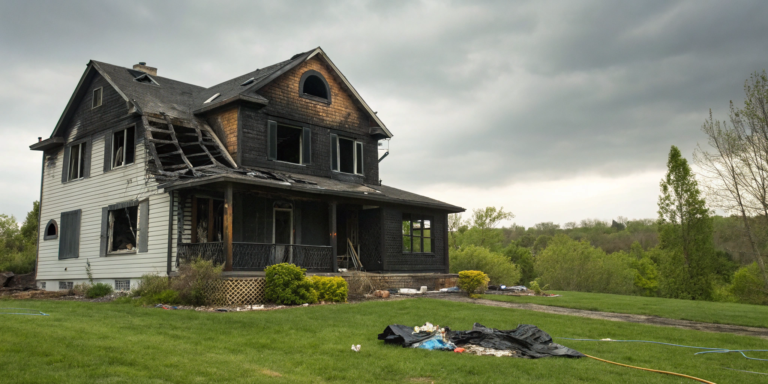
The biggest question you’ll face after a house fire isn’t about repairs; it’s about your future. Do you commit to the long, expensive, and emotionally draining process of rebuilding the life you had in that exact spot? Or do you choose a fresh start, free from the constant reminders and stress of a massive renovation project? There is no single right answer, but making an informed choice is everything. This article breaks down the realities of both paths. We’ll explore the true costs and timelines of restoration versus the simplicity and certainty of selling your fire damaged home as-is, giving you the clarity to decide which option best supports your family’s recovery. For a detailed breakdown of what restoration actually costs, see our fire damage restoration cost guide.
Key Takeaways
- Focus on Safety First, Then Your Claim: Immediately after a fire, your priorities are simple: confirm everyone is safe and then contact your insurance company. Thoroughly document all damage with photos before you touch anything to ensure you get a fair settlement.
- Look Beyond the Flames for the Real Damage: The most significant issues after a fire are often invisible. Be prepared for structural weakness from intense heat, invasive smoke odors, and secondary water damage from firefighting that can quickly lead to mold.
- Weigh the Reality of Restoration Against a Fresh Start: Rebuilding is a long, expensive, and unpredictable process filled with potential delays. Selling your home as-is offers a clear, fast alternative, letting you bypass the stress of repairs and move on with your life.
What to Do Immediately After a House Fire
Dealing with the aftermath of a house fire is incredibly overwhelming. It’s hard to know where to even begin when you’re sorting through emotions and logistics. While every situation is unique, there are a few critical first steps you can take to get organized and protect yourself. Focus on one task at a time. This checklist will give you a clear path forward in the first few hours and days after the fire is out. Remember to be patient with yourself and lean on your support system. The goal right now isn’t to solve everything at once, but to take small, manageable actions that will set you up for the next phase of recovery.
Prioritize Everyone’s Safety
Before you think about the house or your belongings, make sure everyone is safe. Your first priority is the well-being of your family and pets. Find a secure place to gather and check for any injuries. Only return to the property when the fire department has officially declared it safe to do so. Even then, be extremely cautious. The structure could be unstable, and there may be hidden hazards like weakened floors or falling debris. Your safety and the safety of your loved ones are the most important things, and everything else can be dealt with later.
Make Your First Essential Calls
Once you and your family are in a safe place, it’s time to make a few important phone calls. Your first call should be to your insurance company to report the fire and start the claims process. The sooner you notify them, the faster they can begin to help you with things like temporary housing and financial assistance. They can also connect you with trusted contractors if you decide to rebuild. This is also the time to reach out to close family and friends to let them know you are safe and to ask for support. You don’t have to go through this alone.
Document All the Damage
When it’s safe to re-enter your property, your next job is to document everything. This step is crucial for your insurance claim. Walk through your home and take photos and videos of all the damage from multiple angles. Make a detailed list of everything you lost, from large furniture to smaller personal items. Be as specific as you can, noting the brand, model, and approximate age if possible. This detailed inventory will be essential when you file your insurance claim and will help ensure you receive a fair settlement for your losses.
Secure Your Property From Further Harm
A fire-damaged home is vulnerable to weather, theft, and vandalism. You need to secure the property as soon as possible to prevent any further damage. This often involves boarding up broken windows and doors, covering the damaged roof with a tarp, and putting up a temporary fence around the perimeter. Your insurance company may cover the cost of these measures, and some restoration companies offer emergency board-up services. Taking these steps protects what’s left of your home and limits your liability if someone were to get injured on the property, which is a critical part of recovering after a fire.
Understanding How Fire Affects Your Home
After a fire, the visible destruction can be overwhelming. Charred walls, burned belongings, and a collapsed roof are hard enough to face. But the reality is that the damage you can see is often just the tip of the iceberg. A fire impacts your home in ways that go deep beneath the surface, affecting its structure, air quality, and overall safety. Getting a clear picture of the full extent of the damage is the first step in deciding what comes next for you and your property.
The Impact of Heat on Your Home’s Structure
The intense heat from a fire does more than just burn things; it compromises the very foundation of your house. Structural components like wooden beams, floor joists, and wall studs can be severely weakened, even if they don’t look completely destroyed. This can make your home unstable and unsafe to enter. You’ll also see more obvious damage, like warped flooring and buckled walls. These aren’t simple cosmetic issues. Repairing structural damage requires specialized engineering assessments and construction skills to ensure the home is sound, which can be a lengthy and expensive process.
How Smoke and Soot Spread and Stain
One of the most persistent problems after a fire is the damage caused by smoke and soot. These tiny particles are incredibly invasive, working their way deep into drywall, insulation, carpeting, and even your HVAC system. This creates a lingering, unpleasant odor that is very difficult to remove completely. More importantly, these particles can pose serious health risks, especially for anyone with asthma or other respiratory conditions. Soot is also oily and acidic, causing surfaces to stain and corrode, and it can damage electrical wiring, creating a hidden fire hazard long after the original blaze is out.
Lingering Water Damage from Firefighting
It’s an unfortunate irony that the water used to save your home can also cause significant damage. Firefighters often use thousands of gallons of water to extinguish a blaze, and that water has to go somewhere. It soaks into ceilings, walls, floors, and furniture, creating the perfect environment for mold and mildew to grow. In many cases, water damage from burst pipes or firefighting efforts is the first thing that needs to be addressed in a restoration project. If not dried out quickly and professionally, this secondary damage can lead to rot, structural decay, and serious health problems down the line.
Unseen Dangers: Hidden Toxins and Hazards
Beyond the visible fire and water damage, your home may now contain hidden dangers. A fire can disturb and release hazardous materials that were previously contained within your home’s construction, such as asbestos in insulation or lead in older paint. These materials are toxic and require professional abatement to be handled safely. Furthermore, the damp conditions left by firefighting efforts can lead to rapid mold growth, which can begin in as little as 24 to 48 hours. Dealing with these invisible threats adds another layer of complexity and cost to the cleanup, making the path to restoration feel even more daunting. It’s why many homeowners explore a simpler path forward.
What Does the Fire Restoration Process Involve?
If you’re considering restoring your home, it’s helpful to understand that the process is much more than a simple cleanup. It’s a complex, multi-stage project that requires a team of professionals to bring your home back to a safe, livable condition. Each step is critical for addressing not just the visible charring but also the hidden smoke, water, and structural issues. Let’s walk through what the fire restoration journey typically looks like so you can get a clear picture of the commitment involved.
Starting With a Professional Safety Assessment
Before any work can begin, a team of restoration experts will conduct a thorough safety and damage assessment. This isn’t a quick walkthrough; they meticulously evaluate the structural integrity of your home, determine the extent of fire and smoke damage, and identify which belongings might be salvageable. This initial step is crucial because it provides a detailed scope of the work ahead, including a professional estimate of the costs and a projected timeline. It’s the foundational report that will guide the entire fire damage restoration process and help you understand exactly what you’re up against.
Clearing Debris and Cleaning Up
Once the assessment is complete, the heavy lifting begins. Crews will first secure the property by boarding up broken windows and tarping the roof to prevent further damage from weather or intruders. Then, they start the painstaking process of clearing out debris and cleaning every single surface. This is far more intense than a deep clean; it involves using specialized techniques and cleaning agents to remove stubborn soot and smoke residue from walls, ceilings, and even inside your air ducts. The goal is to eliminate all hazardous materials and lingering smoke odors, which is a physically demanding and time-consuming task.
Drying Everything Out and Preventing Mold
A significant but often overlooked issue after a fire is water damage. The massive amount of water used to extinguish the flames can soak deep into your home’s structure, creating the perfect breeding ground for mold. To prevent this, a top priority is to dry everything out completely. Restoration professionals use industrial-grade air movers and dehumidifiers to pull moisture from the air, carpets, drywall, and wood. This step is a race against the clock, as mold can begin to grow within 24 to 48 hours. Properly drying the home is essential for ensuring it’s safe and healthy for the long term.
The Truth About Restoration Timelines
It’s important to have realistic expectations about how long restoration takes. While a small kitchen fire might be resolved in a few weeks, significant structural damage can take many months to repair. The timeline isn’t always straightforward and can be affected by things completely out of your control. Delays are common due to waiting for permits, dealing with supply chain issues for materials, and finding available contractors, especially after a widespread disaster. This long, uncertain waiting period is a major factor to consider when you’re weighing whether to rebuild or explore other options for moving forward.
How Much Does It Cost to Repair Fire Damage?
Trying to pin down a single number for fire damage repair is tough because every situation is unique. The final bill depends on a wide range of factors, from the size of the fire to the materials in your home. What might look like a simple cleanup can quickly reveal deeper structural or system-wide problems. Understanding what drives these costs is the first step in deciding whether a full restoration is the right path for you, or if exploring other options, like a hassle-free cash sale, makes more sense for your situation. Let’s break down the main expenses you can expect to face.
What Influences the Cost of Repairs?
The scope of the damage is the biggest factor in your repair bill. A small kitchen fire that only affected drywall and cabinets is far less expensive to fix than a fire that compromised your home’s electrical systems or structural beams. The type of materials affected also plays a huge role; porous surfaces that absorb smoke are harder to clean than non-porous ones. Soot and smoke can travel far beyond the flames, requiring specialized cleaning throughout the house. The size of your property and how easily contractors can access the damaged areas will also impact labor costs and the overall timeline for repairs.
Understanding Your Insurance Claim
Your homeowner’s insurance is your first line of defense, but the claims process can be complicated. If your policy includes “replacement cost coverage,” your insurer should cover the cost to rebuild your home to its previous state. However, getting that full amount often involves a lot of paperwork, inspections, and back-and-forth communication. It’s also worth remembering that a fire becomes part of your home’s history. In many areas, you’re required to disclose a past fire to future buyers, which can sometimes affect your property’s resale value down the road.
Preparing for Unexpected Expenses
The initial estimate from a restoration company might not be the final number. One of the most common hidden costs comes from the water used to extinguish the fire. This can lead to significant water damage, which requires a separate drying and restoration process. If that moisture isn’t handled quickly and properly, it can lead to mold growth, adding another layer of complexity and cost for mold remediation. Issues with plumbing, electrical systems, or your HVAC unit might not be obvious until the cleanup begins, leading to more surprises on your final invoice.
Staying Safe When You Return to Your Property
Walking back onto your property after a fire is an incredibly difficult step. Your first instinct might be to start sorting through belongings or assessing the damage up close, but it’s crucial to pause and put your safety first. The aftermath of a fire leaves behind a host of dangers, from structural instability to toxic particles in the air. Before you take another step, you need a clear plan to protect yourself and anyone with you. This means wearing the right gear, knowing how to spot a structure that’s unsafe to enter, and understanding the real risks that come with trying to handle the cleanup on your own. Taking these precautions is the most important thing you can do to prevent injury or illness during an already overwhelming time.
Why You Need Protective Gear
It’s easy to underestimate the hazards left behind after the flames are out. To protect yourself, you absolutely must wear the right protective gear. Think of it as your required uniform for entering the site. This includes an N95 or P100 respirator mask to filter out harmful soot and ash particles, along with safety glasses to shield your eyes from debris. You’ll also need to cover your skin with long clothing, wear sturdy gloves to protect your hands from sharp objects, and put on steel-toed boots to prevent foot injuries. A hard hat is also a smart idea to guard against anything that might fall from above. Following this recovery guide can help you prepare for a safe return.
Know the Warning Signs of an Unsafe Structure
A fire can severely compromise your home’s structural integrity, even in areas that don’t look badly burned. Before you even think about going inside, you need to look for warning signs that the building is unstable. Pay close attention to a sagging roofline, warped or bulging walls, and floors that appear to be drooping. If you see major cracks in the foundation or hear creaking and groaning sounds, stay out. The fire department will typically tell you if the structure is unsafe, but conditions can change as the house settles. If you have any doubts at all, do not enter. It’s always better to wait for a professional structural engineer to give you the all-clear.
The Risks of a DIY Cleanup
The desire to clean up and restore a sense of normalcy is completely understandable, but a DIY cleanup can expose you to serious health risks and even cause more damage. One of the most common fire damage restoration myths is that standard cleaning products are enough to do the job. In reality, soot is oily, acidic, and can contain toxic chemicals from burned plastics and synthetic materials. Trying to wipe it away can smear it deeper into surfaces, making it impossible to remove. Furthermore, the water used to extinguish the fire creates a damp environment perfect for mold growth, which can start in as little as 24 hours. Professional restoration teams have the specialized training and equipment to handle these hazards safely and effectively.
Should You Restore Your Home or Sell It As-Is?
After a fire, you face a monumental decision: do you pour your time and energy into rebuilding, or do you sell and start somewhere new? There’s no single right answer. The best path depends on your financial situation, emotional well-being, and future plans. Both options have their own challenges and rewards. Let’s walk through what each path looks like so you can make an informed choice that feels right for you. To understand the full financial picture, review our detailed fire damage restoration cost guide.
When Restoring Your Home Makes Sense
For many, the emotional connection to a home makes restoration the only path they’ll consider. If you love your neighborhood and have the bandwidth for a major project, rebuilding can be a rewarding choice. A professional fire damage restoration can bring your home’s value back to 80-90% of its pre-fire state, and any upgrades could increase it even more. The process is intensive, starting with water removal and requiring every surface touched by smoke or flames to be repaired or replaced. It’s a long road, but for some, it’s the best way to reclaim their space.
Why Selling As-Is Might Be Your Best Move
On the other hand, a long, complicated restoration can feel completely overwhelming. Selling your home as-is offers a clean break and a much faster way to move on. Even with professional repairs, fire-damaged homes can have hidden problems. Future buyers are often wary of issues like a persistent smoke smell or mold from water damage, which can lower your home’s resale value. If repairs aren’t done perfectly, they can mask serious structural issues. Selling lets you bypass these risks and the stress of managing a massive renovation, giving you the freedom to start fresh.
Find a Simple Path Forward with a Cash Sale
Recovering from a fire is about more than rebuilding a structure; it’s about rebuilding your life. A cash sale provides the certainty and speed you need to do just that. Instead of waiting months for repairs, you can close this chapter and use your insurance settlement and the cash from the sale to find a new home. Our process is designed to be simple, giving you a fair cash offer without asking you to make a single repair. It’s a straightforward path that lets you focus on what truly matters: your family’s well-being and your future.
What Buyers Consider in a Fire-Damaged Home
If you decide to sell your home on the traditional market, it’s helpful to step into a potential buyer’s shoes. They aren’t just looking at the visible damage; they’re thinking about hidden risks, future costs, and long-term value. Understanding their perspective can clarify why selling a fire-damaged property can be so challenging and why many homeowners look for a simpler alternative. A typical buyer will be cautious, armed with inspectors, and focused on potential problems that could cost them down the road. This scrutiny involves a series of detailed inspections and a sharp eye for red flags that could make them walk away from the deal. They’re not just buying a house; they’re taking on a project with a lot of unknowns. They’ll be asking themselves: What if the repairs weren’t done right? What if there’s hidden damage that will surface years from now? Is the discounted price worth the potential for expensive surprises? This mindset is what drives their entire decision-making process, from the initial offer to the final closing day. It’s a stark contrast to a direct cash sale, where the buyer is an expert in these properties and takes on all that risk for you.
The Inspections a Buyer Will Require
Before making an offer, a serious buyer will insist on several specialized inspections. They’ll likely hire a structural engineer to assess the integrity of your home’s core components, like the foundation, frame, and roof trusses. The engineer’s job is to determine if the fire caused any weakening that could lead to settling or collapse. Beyond that, a buyer will want confirmation from local code inspectors that any repairs meet current building safety standards. These inspections are non-negotiable for most buyers and their lenders, as they reveal the true scope of the necessary repairs and ensure the home is safe to live in.
Red Flags That Can Turn Buyers Away
For many buyers, the biggest fears are the problems they can’t see. Even if a home looks repaired, they worry about lingering issues. A persistent smoke odor that has seeped into drywall and wood framing is a major concern, as is the potential for hidden mold growth from the water used to extinguish the fire. Buyers are also wary of compromised structural elements that might not be immediately obvious. These red flags can lead to drastically low offers or cause a buyer to back out of a sale entirely, as the uncertainty feels too risky for them to take on.
How Buyers Think About Insurance and Future Value
Buyers also consider the home’s history and how it will affect them long-term. In many areas, you are legally required to disclose that the property has had a fire, which can stigmatize it on the market. This history can make it harder for the new owner to get affordable homeowner’s insurance or sell the property later. While a professional restoration can recover a home’s value, buyers often discount their offers to compensate for this perceived risk. They are weighing the purchase price against the potential for future headaches, a calculation that often works against the seller. Our streamlined process is designed to help you avoid these complications entirely.
Related Articles
- What to Do After a House Fire: A Checklist
- What to do after a house fire: Ultimate 2025 Survival Guide
- What to Do After a House Fire: A Step-by-Step Guide
- What to Do After a Fire at Home: A 6-Step Checklist
Frequently Asked Questions
What are the most important first steps after a fire? Your first priority is to make sure everyone is safe and has a secure place to stay. Once you’ve accounted for your family and pets, your next call should be to your insurance company to start the claims process. They can often help with immediate needs like temporary housing. After that, reach out to family and friends for support—you don’t have to manage this alone.
Is it safe to go back into my home after the fire department leaves? Even after the fire department gives the initial all-clear, you should be extremely cautious. A fire can weaken the structure in ways that aren’t obvious, creating risks from unstable floors or falling debris. The air quality can also be hazardous due to soot and other particles. It’s always best to wait for a professional inspector or restoration company to assess the structure before you spend any significant time inside.
Will my insurance policy cover the full cost of repairs? Your insurance is designed to be your primary financial support, but coverage can be complex. While a good policy will cover a large portion of the costs, you might still face out-of-pocket expenses. Unexpected issues like mold remediation from water damage, bringing the home up to new building codes, or discovering hidden structural problems can sometimes exceed your policy limits. It’s important to work closely with your adjuster to understand exactly what is and isn’t covered.
How long does a fire restoration project usually take? The timeline for restoring a fire-damaged home varies widely and is often much longer than homeowners expect. A minor fire might take a few weeks, but significant damage can easily stretch into many months or even a year. Delays are common and can be caused by waiting for insurance approvals, securing building permits, and finding available, qualified contractors.
What if I can’t handle the stress and cost of rebuilding? It is completely understandable to feel that a long and expensive restoration project is more than you can take on. You have options. Selling your property as-is to a cash buyer is a straightforward alternative that allows you to bypass the entire repair process. This path provides you with a certain outcome and the freedom to move forward on your own timeline, without the stress of managing a massive renovation.