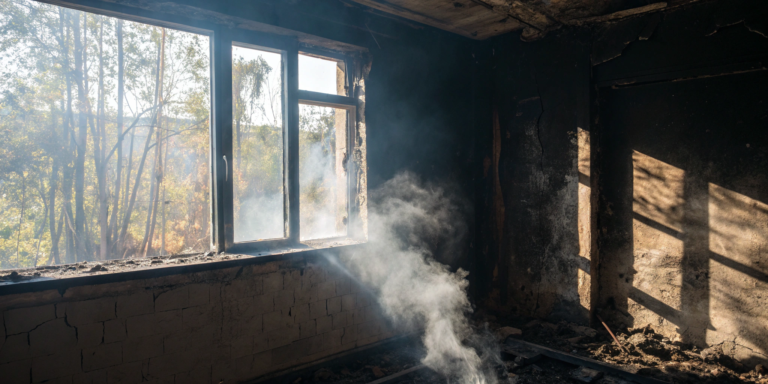
You might think a cough or stinging eyes are the worst of it after being in a smoke-filled room. But those immediate symptoms are often just the beginning. The fine particles in soot can penetrate deep into your lungs and even enter your bloodstream, causing long-term issues that aren’t obvious at first. From chronic respiratory conditions to an increased risk of heart problems, the full picture of smoke damage health risks is far more serious than most people realize. Here, we’ll explain the hidden dangers and why protecting yourself from them is absolutely critical.
Key Takeaways
- Recognize the invisible danger: Smoke damage isn’t just soot and a bad smell; it’s a toxic residue of fine particles and chemicals that can lead to serious long-term health issues like chronic lung disease, heart problems, and even cancer.
- Prioritize vulnerable family members: Children, older adults, and individuals with pre-existing health conditions face a much higher risk from smoke inhalation, making it critical to limit their exposure to the damaged property.
- Act decisively to safeguard your health: Use N95 masks when entering the property, create a “clean room” with an air purifier, and seek immediate medical attention for symptoms like chest pain or severe breathing difficulty.
What Is Smoke Damage and How Does It Affect Your Health?
After a fire, the visible damage is overwhelming enough. But what about the damage you can’t see? Smoke doesn’t just leave behind soot and a lingering smell; it releases a cocktail of harmful chemicals and tiny particles that can settle into every corner of your home. Understanding what smoke damage really is and how it can impact your well-being is the first step in protecting yourself and your family. It’s not just about cleaning up—it’s about safeguarding your health from invisible threats that can linger long after the flames are out.
Where Smoke Damage Comes From
Smoke is a byproduct of burning, and its source can vary widely. While a house fire is a major cause, smoke can also come from wildfires, wood-burning stoves, or even outdoor agricultural burning. Regardless of where it originates, the smoke that fills your home contains a complex mixture of gases and fine particles. These contaminants don’t just disappear when the air clears. They cling to walls, seep into furniture, and hide in your ventilation system, creating an environment that can pose ongoing health effects from smoke long after the fire is extinguished. This residue is what we refer to as smoke damage.
How Smoke Enters Your System
The primary way smoke harms you is through inhalation. Smoke is filled with microscopic particles, some so small they are tinier than a grain of sand. When you breathe them in, these particles bypass your body’s natural defenses and travel deep into your lungs. The immediate effects can be startling, causing everything from coughing and shortness of breath to more severe respiratory distress. According to the CDC, breathing in smoke can make you sick right away, especially if you have pre-existing conditions. It’s a direct assault on your respiratory system, and the danger doesn’t end once you’re out of the smoky environment.
The Harmful Particles Hiding in Smoke
What makes smoke so dangerous is its composition. It’s not just ash; it’s a mix of harmful substances like carbon, tar, and toxic gases such as carbon monoxide. The biggest threat comes from what experts call fine particulate matter, or PM2.5. These particles are so minuscule they can penetrate deep into your lungs and even enter your bloodstream, carrying toxins throughout your body. This is why exposure can cause burning eyes, a runny nose, and illnesses like bronchitis. Understanding that wood smoke and your health are closely linked helps put into perspective the risks associated with any type of smoke residue left in a home.
What Are the Immediate Health Effects of Smoke Exposure?
After a house fire, your focus naturally shifts to the visible destruction and the overwhelming task of figuring out what comes next. It’s easy to overlook the invisible dangers that linger in the air long after the flames have been extinguished. Smoke isn’t just a simple cloud of ash; it’s a complex, toxic mixture of heated gases and fine particles released from all the materials that burned—plastics, wood, fabrics, cleaning supplies, and electronics. When you breathe this in, even for a short time, these harmful substances can cause immediate health problems. The threat doesn’t disappear when the fire is out. Soot and microscopic particles settle on every surface, becoming airborne again with the slightest disturbance, like walking through a room or opening a door. This is why simply being inside a fire-damaged home without proper protection can be hazardous. Understanding the immediate health effects of smoke exposure is the first step in protecting yourself and your family. These symptoms can show up quickly, acting as your body’s warning system that the environment is still unsafe. From a nagging cough and stinging eyes to more serious issues like chest pain or dizziness, paying attention to these signals is crucial in the hours and days following a fire.
Breathing Difficulties and Respiratory Issues
One of the most immediate impacts of smoke exposure is on your respiratory system. The fine particles in smoke can penetrate deep into your lungs, causing inflammation and irritation. This can lead to a persistent cough, wheezing, and shortness of breath as your body tries to clear the foreign materials from your airways. According to health officials, smoke can make existing lung problems, like asthma or COPD, much worse and can trigger severe attacks. If you find yourself struggling to catch your breath or coughing uncontrollably after being in a fire-damaged home, it’s a clear sign your lungs are in distress and you need to get to fresh air immediately.
Irritation in Your Eyes, Nose, and Throat
Your body often has a quick and noticeable reaction to the chemicals in smoke. You might experience stinging, watery eyes, a runny nose, and a scratchy, sore throat. These symptoms are your body’s first line of defense, signaling that you’re breathing in harmful substances. The Centers for Disease Control and Prevention (CDC) confirms that breathing in smoke can make you feel sick right away, with these irritations being among the most common complaints. While they may seem like minor annoyances, they are important indicators that the air quality is unsafe and that you need to limit your exposure to protect your health.
Chest Pain and Heart-Related Symptoms
The danger of smoke inhalation extends beyond your lungs. The microscopic particles in smoke are small enough to enter your bloodstream, where they can affect your cardiovascular system. This can lead to serious, immediate heart-related symptoms, including chest pain, a racing heartbeat, or palpitations. For individuals with pre-existing heart conditions, the risk is even greater. The U.S. Environmental Protection Agency (EPA) warns that smoke exposure can trigger heart attacks, strokes, and irregular heartbeats. Any chest pain or heart-related symptom after a fire should be treated as a medical emergency. Don’t wait to see if it gets better—seek help right away.
Headaches and Fatigue
Feeling dizzy, tired, or developing a headache after being exposed to smoke are also common immediate effects. These symptoms are often caused by carbon monoxide and other toxic gases present in smoke, which reduce the amount of oxygen your blood carries to your brain and other parts of your body. This lack of oxygen can lead to headaches, dizziness, and a general feeling of fatigue or confusion. It’s easy to dismiss these signs as just stress-related, but they can be an indication of carbon monoxide poisoning, which requires immediate medical attention. If you feel unusually tired or lightheaded, it’s a sign to leave the area and get fresh air.
Who Is Most at Risk from Smoke Damage?
After a fire, the lingering smoke and soot pose a health risk to anyone who breathes them in. The fine particles, carbon monoxide, and chemical residues left behind can cause serious issues, from respiratory distress to long-term illnesses. However, the danger isn’t the same for everyone. Certain groups of people are far more susceptible to the harmful effects of smoke damage due to their age, stage of development, or existing health status. For these individuals, even short-term exposure in a fire-damaged home can lead to severe complications that might not affect a healthy adult in the same way.
Understanding who is most vulnerable is a critical step in protecting your loved ones. It helps you make informed decisions about re-entering your property, handling cleanup, and deciding on the future of your home. When you know the specific risks your family members face, you can take the right precautions to keep them safe. This isn’t about causing alarm; it’s about giving you the clear, straightforward information you need to prioritize health and safety during an already stressful time. Your family’s well-being is the most important thing, and knowing these risks is the first line of defense.
Children and Teenagers
Young people are especially vulnerable to the toxins found in smoke. Because their bodies are still growing, their respiratory systems are more sensitive to damage. Children also breathe more air relative to their body size than adults do, which means they inhale a higher concentration of harmful particles when they’re in a compromised environment. This increased intake can lead to more severe respiratory symptoms, trigger asthma, and potentially interfere with healthy lung development. The U.S. Environmental Protection Agency highlights that because their lungs are still developing, children face a greater threat from smoke exposure. It’s essential to limit their time in or around a fire-damaged property as much as possible.
Older Adults and Pregnant Women
Adults over 65 and pregnant women also face heightened risks from smoke inhalation. As we age, our bodies may not fend off environmental threats as effectively, and many older adults have underlying health conditions that smoke can aggravate. For pregnant women, the danger is twofold. Exposure to the chemicals and fine particles in smoke can not only harm the mother’s health but can also pose risks to the developing fetus. According to the Washington State Department of Ecology, both groups are more susceptible to health problems from smoke. Protecting these vulnerable family members should be a top priority when managing the aftermath of a house fire.
People with Existing Health Conditions
If you or a family member lives with a chronic health issue, exposure to smoke damage can be particularly dangerous. The fine particles in smoke can trigger severe reactions and worsen existing conditions. The Centers for Disease Control and Prevention warns that individuals with heart or lung diseases, such as asthma, COPD, or coronary artery disease, are at high risk. For someone with asthma, smoke is a potent trigger for an attack. For those with heart conditions, the particles can enter the bloodstream, causing inflammation and increasing the risk of a heart attack or stroke. Even conditions like diabetes can be complicated by the body’s inflammatory response to smoke.
Those with Frequent Exposure
You don’t need a pre-existing condition to be at risk if you’re spending a lot of time in a smoke-damaged environment. The longer and more frequently you are exposed to the soot and particles, the higher your risk of developing health problems. This is a crucial point for homeowners trying to sort through their belongings or manage repairs after a fire. Each visit back into the house adds to your cumulative exposure. This is why outdoor workers and others with consistent exposure are considered a high-risk group. The health effects build up over time, so minimizing your time inside the damaged property is one of the most important steps you can take to protect your long-term health.
What Are the Long-Term Health Risks of Smoke Exposure?
The immediate dangers of a house fire are obvious, but the health risks don’t disappear once the flames are out. Lingering smoke and soot can create an unsafe living environment with serious long-term consequences. These invisible threats can affect your body for years, leading to chronic illnesses that impact your quality of life. Understanding these potential health problems is the first step in protecting yourself and your family from the lasting effects of a fire. It’s about more than just cleaning up; it’s about safeguarding your future health.
Chronic Lung Disease and a Weaker Immune System
Initial coughing and shortness of breath can feel like a temporary nuisance, but ongoing exposure to smoke particles can lead to permanent lung damage. The fine soot and ash that settle after a fire can be inhaled deep into your lungs, causing persistent inflammation. Over time, this can develop into chronic conditions like bronchitis, asthma, or even chronic obstructive pulmonary disease (COPD). The Washington State Department of Ecology notes that the health effects from smoke can make existing lung problems much worse. This constant battle inside your body also taxes your immune system, leaving you more vulnerable to respiratory infections and making it harder to recover from common illnesses.
Higher Risk of Heart Disease and Stroke
The dangers of smoke inhalation extend far beyond your lungs. The microscopic particles in soot can enter your bloodstream, triggering inflammation throughout your body and damaging your blood vessels. According to the US EPA, this kind of smoke exposure can trigger heart attacks, strokes, and irregular heartbeats, especially for those with pre-existing heart conditions. This internal damage can contribute to the buildup of plaque in your arteries, increasing your risk for long-term cardiovascular problems. It’s a silent threat that can have devastating consequences years after the fire has been extinguished.
Increased Cancer Risk from Harmful Compounds
A house fire doesn’t just burn wood; it burns plastics, foams, carpets, and electronics, releasing a toxic mix of chemicals into the air. These materials can produce volatile organic compounds (VOCs) and other carcinogens that settle into the structure of your home. A recent study warns that smoke damage may risk exposure to cancer-causing agents like benzene and formaldehyde long after a fire is out. This residue, often called thirdhand smoke, can be absorbed through your skin or inhaled as it gets kicked back into the air. This prolonged contact with harmful compounds creates a significant and lasting cancer risk.
Neurological Issues and Cognitive Effects
The impact of smoke damage isn’t limited to your physical health; it can also affect your brain. Carbon monoxide, a colorless and odorless gas released during a fire, is particularly dangerous because it reduces the amount of oxygen that reaches your brain. Even low-level, long-term exposure from a smoke-damaged home can lead to persistent headaches, dizziness, and memory problems. Some research suggests this can contribute to long-term cognitive decline. Protecting your home’s air quality after a fire is crucial, as breathing in these lingering toxins can harm your sinuses and lungs and, over time, your neurological well-being.
How to Protect Your Health from Smoke Damage
After a fire, your first instinct is to deal with the visible damage, but the invisible threats from smoke and soot are just as serious. Protecting your health and your family’s well-being is the top priority. Lingering smoke particles can cause significant health issues, so taking immediate, practical steps to minimize your exposure is crucial. These actions can help you create a safer environment while you figure out your next move.
While cleaning and protective measures can help in the short term, severe smoke damage often requires a more permanent solution. For many homeowners, the process of extensive repairs is too overwhelming and costly. Selling the property as-is provides a clean break and the financial freedom to start fresh in a healthy, safe home. Understanding how it works to sell a fire-damaged house can give you a clear path forward, removing the burden of cleanup and the worry of long-term health risks. The following tips can help you stay safe in the meantime.
Improve Your Indoor Air Quality
The most important step is to keep your indoor air as clean as possible. Start by closing all windows and doors to prevent more smoke and soot from entering your home from the outside. If you have central air, run it with a high-quality filter, but avoid using fans that just circulate the contaminated air, like a standard window fan. You can even create a simple DIY air cleaner by attaching a furnace filter to a box fan to help capture harmful particles. Keeping the air in your living space clean is a critical defense against the health effects from smoke and can make a noticeable difference in how you feel.
Use Protective Gear and Modify Activities
Any time you need to enter the fire-damaged parts of your home, you must use the right protective gear. For the best protection against fine particles, wear a properly fitted N95 or N100 mask. Simple paper or cloth masks won’t be effective enough to filter out the microscopic particles found in smoke and soot. It’s also a good idea to limit your time in the affected areas and avoid strenuous activities that cause you to breathe more deeply. The less you inhale, the better. Protecting your lungs now can prevent serious respiratory issues down the road.
Maintain Your HVAC System
Your home’s heating, ventilation, and air conditioning (HVAC) system can be your best ally in cleaning the air, but only if it’s properly maintained. Upgrade your system’s filter to one with a high efficiency rating, such as a MERV 13 or higher. These filters are designed to trap smaller particles, including those from smoke. For extra protection, consider using portable air purifiers with HEPA and charcoal filters, which can help remove both particles and odors. Remember to check and change these filters frequently, as they will get dirty quickly while cleaning the contaminated air. This maintenance is key to preventing long-term exposure to the carcinogens that smoke damage may risk.
Create a “Clean Room” in Your Home
If you can’t keep the air in your entire home clean, designate one room as a “clean room.” This should be an interior room with few windows and doors, where your family can spend most of their time. Keep the door and windows closed at all times. Use a portable air purifier in this room to continuously filter the air. This space can serve as a safe haven, especially for sleeping, giving your body a break from constant exposure to harmful air. If you find it impossible to maintain clean air anywhere in your home, the safest option is to find a temporary, smoke-free place to stay.
When to Seek Medical Attention
After a fire, it’s completely normal to focus on the damage to your home and belongings. But your health and the health of your family should always come first. Smoke inhalation can cause serious issues, and knowing how to recognize the symptoms is key to getting the right care. Some signs are clear emergencies, while others are more subtle warnings that you shouldn’t ignore. Listening to your body and knowing when to reach out for professional medical help is one of the most important steps you can take in the aftermath of a fire.
Emergency Warning Signs
Some symptoms of smoke exposure require immediate, urgent medical attention. Don’t wait to see if they get better on their own. If you or a loved one experiences any of the following, call 911 right away:
- Severe difficulty breathing or shortness of breath
- Intense chest pain
- Sudden confusion, dizziness, or fainting
- A severe headache or vision changes
These can be signs of carbon monoxide poisoning or serious damage to the respiratory system from smoke inhalation. Emergency responders are equipped to provide immediate treatment, like oxygen therapy, which can be critical in these situations.
Symptoms That Require a Doctor’s Visit
Not all symptoms are life-threatening, but that doesn’t mean they should be ignored. Your body might be signaling that it’s struggling with the effects of smoke exposure. Schedule a visit with your doctor or go to an urgent care clinic if you notice persistent but less severe issues. These common symptoms include a nagging cough, wheezing, a scratchy throat, stinging eyes, or a constant runny nose. Headaches, unusual fatigue, and a fast heartbeat also warrant a professional medical opinion. A doctor can assess your condition and recommend treatment to prevent complications.
The Importance of Follow-Up Care
Even if you feel fine immediately after a fire, the danger isn’t necessarily over. It can be unsafe to live in a home with smoke damage because harmful particles can linger long after the smoke has cleared. These microscopic toxins settle into carpets, furniture, and even inside your walls, leading to ongoing exposure. This is why follow-up care is so important. Continuing to monitor your health and checking in with your doctor can help catch any developing respiratory issues or other long-term effects. Protecting yourself means not only getting initial medical care but also removing yourself from the hazardous environment.
Related Articles
- What Does Smoke Damage Do to a House? The Full Impact
- Is It Safe to Stay in a House After a Fire?
- Your Guide to Smoke Contamination After Fire
- Fire Damage Restoration & Repair: 10 Essential Steps
Frequently Asked Questions
If the fire was small, is the smoke damage still a serious health concern? Yes, even a small, contained fire can create significant health risks. The danger isn’t just about the amount of smoke, but what was in it. A fire that burns plastics, electronics, or synthetic fabrics releases a high concentration of toxic chemicals. These harmful particles can travel throughout your entire home via the ventilation system, settling on surfaces far from the original fire and posing the same health threats as smoke from a larger blaze.
Can I just clean up the smoke and soot myself to make my home safe? While it might seem like a cost-saving solution, cleaning smoke damage yourself is rarely effective and can be dangerous. Soot contains microscopic, toxic particles that are easily inhaled and can’t be removed with household cleaners. Improper cleaning methods often just spread these harmful particles around or push them deeper into porous surfaces like drywall and wood, making the environment even more hazardous.
How long do the health risks from smoke damage last? The health risks from smoke damage don’t just disappear when the smell fades. The fine particulate matter and chemical compounds can remain embedded in your home’s structure, carpets, and furniture for years. These toxins can become airborne again with everyday activity, leading to long-term, low-level exposure that contributes to chronic health issues long after the fire is out.
My family feels fine right now. Does that mean we’re in the clear? Not necessarily. While some people experience immediate symptoms like coughing or watery eyes, many of the most serious health risks from smoke exposure are long-term. Conditions like chronic lung disease, heart problems, and an increased risk of cancer can develop over time from continuous contact with the toxic residue left behind. Feeling okay now doesn’t guarantee your home is a safe environment for the future.
Is it safe to just air out the house to get rid of the smoke smell? Airing out your home can help reduce the lingering odor, but the smell is only one part of the problem. Many of the most dangerous chemicals and fine particles released in a fire are odorless and won’t be removed by opening windows. These invisible particles are what can enter your lungs and bloodstream, causing the most significant health damage. Relying on fresh air alone creates a false sense of security.