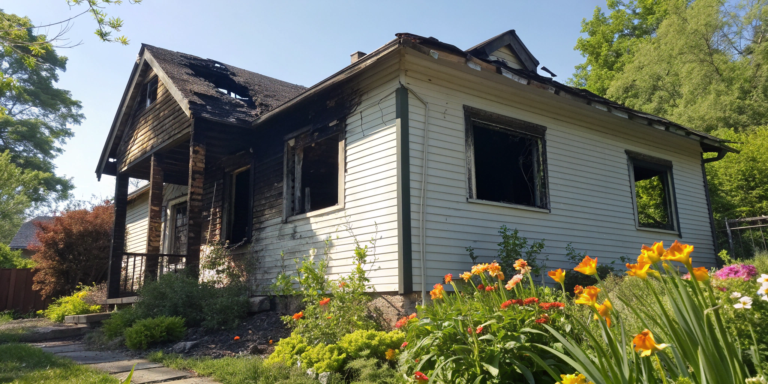
After a fire, it’s easy to let fear and misinformation take over. You might believe your property is worthless now or that you’re stuck with it until you can afford a massive renovation project. These myths can leave you feeling trapped and powerless when you need to feel in control. The truth is, you have valuable options, and your property is still a significant asset, even in its damaged state. This guide is here to separate fact from fiction. We will debunk the common misconceptions and show you the real value your property holds, giving you the information you need to confidently explore your choices, including how to sell my fire damaged house quickly and for a fair price.
Key Takeaways
- Prioritize Your Immediate Steps: Before deciding the fate of your property, focus on your safety, contact your insurance company to start a claim, and thoroughly document all damage with photos. These initial actions are crucial for your financial and emotional stability.
- Understand the Trade-Off Between Repairing and Selling: Repairing your home might increase its sale price, but it demands a significant investment of time and money with no guaranteed return. Selling your house as-is offers a fast, certain solution that lets you bypass the stress and cost of a major renovation.
- Get Professional Assessments to Know Your True Position: Don’t rely on guesswork. A professional damage assessment and an “as-is” appraisal will give you the concrete facts you need to evaluate your options, negotiate with your insurer, and make a confident decision for your future.
Your First Steps After a House Fire
Dealing with the aftermath of a house fire is overwhelming. It’s hard to know where to even begin when you’re sorting through such a significant loss. Before you think about the long-term plan for your property, there are a few immediate, critical steps you need to take. Focusing on these first actions will help you protect yourself, secure your finances, and get the support you need to move forward. Think of this as your immediate checklist to get through the first 24 to 48 hours.
Prioritize Safety and Call for Help
Your personal safety is the most important thing right now. Even if the flames are out, your home is not a safe place to be. Do not re-enter the property until the fire department has officially given you the all-clear. The structure could be unstable, and there’s a risk of inhaling smoke, soot, and other toxic materials. Once you and your family are in a safe location, make sure to contact any close relatives or friends to let them know you’re okay. This simple step can relieve a lot of worry for the people who care about you.
Notify Your Insurance Company
As soon as you can, call your homeowner’s insurance company to report the fire and start the claims process. The sooner you make this call, the faster you can get the financial assistance you need. Your policy may cover temporary housing, food, and other essential living expenses, which can be a huge relief. When you call, have your policy number handy if possible, but don’t worry if you can’t find it right away—they can look it up with your name and address. Ask your agent to explain the next steps and what documentation they’ll need from you.
Secure and Document the Property
Once firefighters say it’s safe, you’ll need to document the damage for your insurance claim. Use your phone to take as many photos and videos as you can. Capture everything—the structural damage, ruined furniture, and personal belongings. Be as thorough as possible, as this evidence will be crucial for getting a fair settlement. You should also consider getting a professional damage report from an independent inspector. They can often spot issues that aren’t immediately obvious, like damage to the foundation or electrical systems, giving you a complete picture of the situation.
Find Support Resources
You don’t have to handle this alone. The emotional and logistical challenges after a fire are immense, and there are organizations ready to help. Groups like the American Red Cross can provide immediate assistance with temporary shelter, food, clothing, and mental health support. Reaching out for help is a sign of strength. Leaning on these resources can give you the stability and breathing room you need to process what happened and begin planning your next steps with a clearer mind.
Your Options for a Fire-Damaged House
After a house fire, figuring out your next move can feel like a monumental task. You’re likely dealing with insurance claims, emotional stress, and a lot of unknowns. When it comes to the house itself, you have a few different paths you can take. There’s no single “right” answer—the best choice depends entirely on your personal circumstances, including your finances, your timeline, and how much energy you have for a big project. Think of this as a fork in the road. One path offers speed and simplicity, another offers the potential for a higher profit but requires significant work, and a third follows the traditional route with its own set of challenges. Let’s break down what each option looks like so you can make a clear-headed decision that feels right for you and your family.
Sell Your House As-Is to a Cash Buyer
If the thought of managing repairs feels completely overwhelming, selling your house as-is to a cash buyer is the most direct path forward. This option means you sell the property in its current condition—no cleaning, no repairs, no renovations. Companies that buy fire-damaged homes, like us, specialize in these situations. We understand the complexities and can give you a fair cash offer quickly. The main benefit here is speed and convenience. You can avoid the long, uncertain process of rebuilding and instead sell your house as-is in as little as a week. It’s a straightforward solution that lets you close this chapter and focus on what’s next without the burden of a damaged property.
Repair Your Home Before Selling
For those who have the time, financial resources, and emotional bandwidth, repairing your home before putting it on the market can potentially yield a higher selling price. This route involves getting detailed damage assessments, hiring contractors, and managing a full-scale renovation project. It’s important to be realistic about what this entails. The restoration costs can vary wildly and often exceed initial estimates, and the process can take many months to complete. This path is best suited for homeowners whose property sustained manageable damage and who are prepared to invest significant time and money to see the project through in hopes of maximizing their financial return.
List with a Real Estate Agent
Taking the traditional route and listing your home with a real estate agent is another possibility. An agent can market your property on the open market, but it’s crucial to find someone with experience selling distressed or damaged homes. They can help set a realistic price and find buyers who are specifically looking for a project. However, selling a fire-damaged home this way can take a long time. Many traditional buyers are deterred by the amount of work required, and financing can be a major hurdle for them. You’ll also need to account for agent commissions and other closing costs. Finding the right real estate agent is essential to making this option work.
How to Assess Damage and Your Home’s Value
After a fire, figuring out your next steps can feel impossible. Before you can decide whether to repair, rebuild, or sell, you need a clear and honest picture of the damage and what it means for your home’s value. The visible destruction is often just the beginning; smoke, soot, and water from firefighting efforts can cause serious hidden problems. Getting a handle on the full extent of the damage is the most critical step in making an informed decision for your future. This process will give you the foundation you need to deal with your insurance company and evaluate your options, whether you’re considering a full restoration or a quick, as-is sale. It’s about replacing uncertainty with facts so you can move forward with confidence.
Get a Professional Damage Assessment
The fire department’s report is a starting point, but it’s not a detailed damage assessment. To truly understand what you’re dealing with, you need to bring in professionals. A licensed public adjuster, structural engineer, or a fire restoration contractor can conduct a thorough inspection. They are trained to spot hidden issues like compromised electrical systems, smoke damage within the walls, and structural weaknesses caused by intense heat. They will provide a comprehensive report, complete with photos and repair estimates, which is crucial for your insurance claim and for understanding the real cost of recovery. Make sure to keep all this documentation in a safe place.
Understand the Types of Fire Damage
Fire damage is more than just charred wood and burnt belongings. It’s a combination of issues that can linger long after the flames are out. Smoke and soot can permeate everything, from your drywall to your HVAC system, leaving behind toxic residue and a persistent odor. The water used to extinguish the fire can lead to widespread water damage, creating a perfect environment for dangerous mold growth within days. On top of that, the fire’s heat can warp beams and compromise your home’s structural integrity. Recognizing these different types of damage helps you understand why repairs are often so complex and expensive.
Calculate the Impact on Market Value
It’s important to set realistic expectations about your home’s value after a fire. On average, a fire can reduce a property’s market value by 20% to 40%. If the damage is minor and mostly cosmetic, the decrease might be smaller. However, for a severe fire that impacts the home’s structure, the value could drop by 50% or more. This reduction isn’t just based on the cost of repairs; it also reflects the stigma attached to a fire-damaged property and the fact that fewer buyers are willing to take on such a significant project. Knowing these numbers can help you weigh the financial pros and cons of repairing versus selling as-is.
Common Myths About Your Home’s Value
Many homeowners believe their property is worthless after a fire, but that is rarely the case. Your property’s primary value is often in the land itself, which remains valuable regardless of the structure on it. Even a heavily damaged house has value to the right buyer. This is where specialized cash buyers can be a great option. Companies like ours understand the true “as-is” value of a fire-damaged home and are prepared to handle the extensive repairs. We provide a fair cash offer based on the property’s potential, allowing you to sell quickly without the stress and expense of a rebuild.
Repair or Sell As-Is: Which Is Right for You?
Deciding what to do with your property after a fire is one of the biggest hurdles you’ll face. Do you take on the massive project of repairs, or do you sell the house as-is and move on? There’s no single right answer—it really comes down to your finances, your timeline, and your emotional energy. Both paths have their own set of challenges and benefits. Let’s walk through the key factors to consider so you can make a clear-headed decision that feels right for you and your family. Understanding the real costs, potential upsides, and time commitments of each option is the first step toward finding your way forward.
The Real Cost of Fire Damage Repairs
Before you commit to rebuilding, it’s crucial to understand the full financial picture. The cost of repairs for fire and smoke damage can be staggering, often ranging from a few thousand dollars for minor incidents to well over $50,000 for extensive damage. Beyond the visible destruction, you have to account for hidden issues like structural instability, water damage from firefighting efforts, and smoke contamination in the walls and HVAC system. These problems can lead to unexpected costs that drain your budget and insurance payout quickly. It’s also important to remember that even after extensive repairs, a house with a history of fire damage can see its market value decrease significantly, sometimes by as much as 40%.
The Financial Upside of Selling As-Is
If the thought of managing contractors and paying for repairs feels overwhelming, selling your home as-is offers a much simpler path. This option allows you to bypass the entire renovation process, saving you from the stress, time, and upfront costs of rebuilding. When you sell to a cash buyer, you receive a fair offer for your property in its current condition. This provides immediate financial relief and certainty, which can be invaluable when you’re trying to get back on your feet. You won’t have to worry about inspections, appraisals, or financing falling through. Instead, you can follow our simple process to close the sale quickly and receive the cash you need to start your next chapter.
When Repairs Might Be Worth It
While selling as-is is often the most practical choice, there are situations where repairing your home could make sense. If the fire damage was relatively minor and contained to a small area, and you have the funds from insurance or savings to cover the costs, renovations might lead to a higher sale price on the traditional market. This path is best suited for homeowners who have the time and emotional bandwidth to manage a complex construction project. If you decide to repair, focus on the most critical systems first—like the roof, electrical, plumbing, and HVAC—as these are the biggest concerns for potential buyers and will have the greatest impact on your home’s value.
Compare Timelines for Each Option
Your timeline is another critical factor in this decision. How quickly do you need to move on? Undertaking repairs and then listing your home on the market is the longest route, often taking anywhere from three to nine months from start to finish. Selling as-is on the traditional market can shorten that timeline to one to three months, but you still have to deal with showings, negotiations, and the possibility of deals falling through. For homeowners who need the fastest solution, selling directly to a cash buyer is the clear winner. We can close the sale in as little as seven days, giving you the freedom to move forward without months of uncertainty. Just read what our clients say about the speed and ease of the process.
Know the Legal Steps for Selling
Dealing with the legal side of selling your home can feel like another major hurdle, but it doesn’t have to be complicated. Taking the right steps protects you from future issues and ensures a smooth, transparent sale. Think of it as setting clear expectations for everyone involved. By understanding your obligations and getting your documents in order, you can move through the process with confidence, knowing you’ve covered all your bases. It’s all about being upfront and organized.
Understand State Disclosure Laws
One of the most important legal requirements is disclosing the property’s history. You must inform potential buyers about the fire, even if you’ve completed repairs. Every state has different real estate disclosure laws, but the general rule is transparency. Hiding past damage can lead to serious legal trouble down the road. Being honest from the start builds trust and protects you from future claims. While it might feel counterintuitive to highlight a negative event, it’s a non-negotiable step in the selling process.
Gather the Right Paperwork
Keeping your documents organized will make the selling process much easier. Start a file for everything related to the fire and the property. This includes the official fire report, all insurance claim documents, professional damage assessments, and any estimates or receipts for repairs. Having this information ready shows buyers you’re transparent and helps justify your asking price. When you work with a cash buyer, our simple process streamlines the paperwork, but having these records on hand is always a smart move for your own reference and peace of mind.
Protect Yourself from Legal Trouble
Ultimately, honesty is your best protection. Full disclosure about the fire and the extent of the damage is the surest way to prevent buyers from coming back with legal claims after the sale. Be clear and truthful in all your conversations and any property listings. This doesn’t mean you can’t highlight the home’s potential or positive features, like its location or lot size. It just means you’re presenting a complete and accurate picture of the property’s condition. This transparency is key to a clean, final sale that lets you move forward without worry.
How Does Selling for Cash Work?
If the thought of coordinating repairs or listing your property with an agent feels overwhelming, selling your fire-damaged house for cash is an option worth exploring. This path allows you to sell your home directly to a cash buyer, like an investor or a specialized company, completely “as-is.” You won’t have to fix a single thing, host open houses, or wait for a buyer’s loan to be approved.
The process is designed to be simple and fast, cutting out many of the steps and uncertainties of a traditional sale. Instead of months, you could be looking at a timeline of just days. For homeowners dealing with the aftermath of a fire, this speed and simplicity can provide much-needed relief and a clear way to move forward. It’s a straightforward transaction where you trade a bit of market value for a guaranteed, quick, and hassle-free sale.
Our Simple Cash-Buying Process
We’ve refined our process to be as stress-free as possible because we know you have enough on your plate. It all starts when you reach out to us with some basic information about your property. From there, we’ll schedule a time to quickly assess the house. You don’t need to clean up or make any repairs. We evaluate the property in its current condition.
Shortly after, you’ll receive a fair, no-obligation cash offer from us. There are no hidden fees or agent commissions to worry about. If you accept the offer, we handle the paperwork and can close the sale in as little as seven days. Our goal is to make our process transparent and easy, so you can get your cash and start your next chapter.
What to Expect from a Cash Offer
It’s important to set realistic expectations for a cash offer on a fire-damaged home. The offer will be lower than what your house might have been worth before the fire. This is because the buyer is taking on the significant cost and risk of extensive repairs, debris removal, and any hidden issues. The offer reflects the home’s “as-is” condition and the expenses required to restore it.
However, the cash offer also comes with major financial upsides for you. You won’t pay for any repairs, you’ll save thousands by not paying real estate agent commissions, and you won’t have any closing costs. It’s a clean break that provides you with immediate funds without any additional investment or effort on your part.
How Quickly Can You Close the Sale?
Speed is one of the biggest advantages of selling for cash. While a traditional sale can drag on for months, a cash sale can be completed in a fraction of the time. If you sell to a cash buyer, you can often close the deal in just 7 to 10 days. This allows you to access your home’s equity quickly and avoid the ongoing costs of holding onto a damaged property, like taxes and insurance.
Compare that to selling on the open market. Even if you list the house as-is, finding a buyer and closing can take one to three months. If you decide to manage the repairs yourself before selling, you could be looking at a timeline of three to nine months before you see any money.
How to Spot and Avoid Scams
Your peace of mind is the top priority, so it’s essential to be cautious. To protect yourself, always research any company you consider working with. Look for a professional website, a physical business address, and positive customer reviews. A reputable buyer will be transparent and willing to answer all your questions without pressuring you.
Be wary of anyone who asks for upfront fees—a legitimate cash buyer will never charge you to make an offer or process the sale. Always get the offer in writing and review the contract carefully. If anything feels off, don’t hesitate to consult with a real estate attorney to ensure your interests are protected.
What Affects Your Home’s Sale Price?
When you’re trying to figure out what your fire-damaged home is worth, it can feel like you’re aiming at a moving target. The final sale price isn’t based on a single factor but on a combination of elements that paint a complete picture of the property’s value. Understanding these key variables will help you set realistic expectations and make the most informed decision for your situation. The most obvious factor is the damage itself, but your home’s location, the local real estate market, and your insurance policy also play significant roles. It’s a balance between the physical condition of the structure and the inherent value of the land it sits on. Our cash-buying process is designed to evaluate all these factors to give you a fair and transparent offer without the guesswork.
The Extent of the Damage
The scale of the fire damage is the first thing any potential buyer will consider. A small kitchen fire that caused mostly smoke damage is a world away from a blaze that compromised the structural integrity of your home. As a general rule, fire damage can lower a home’s pre-fire value by 20% to 40%. Minor issues might only result in a 10% to 20% reduction, but severe structural problems could lead to a drop of 60% or more. This includes not just the visible charring but also hidden issues like damage to wiring, plumbing, and the foundation, which often require a professional damage assessment to uncover fully.
Your Home’s Location and Market
You’ve heard it before: location, location, location. This principle holds true even for a damaged property. The value of the land your house sits on can significantly cushion the financial blow from a fire. In highly desirable areas with strong real estate markets, a fire-damaged home often retains more of its value simply because the land itself is in high demand. A buyer might be more focused on securing a spot in a great neighborhood or school district and see the damaged structure as a temporary obstacle. A thriving local market means more competition, which can work in your favor when setting a price.
How Your Insurance Payout Factors In
Your insurance policy is a critical piece of the financial puzzle. When you sell your house as-is, you need to understand how it affects your claim. Many policies include something called “recoverable depreciation,” which is a portion of the insurance money that the company holds back until you actually complete the repairs. If you sell before making those fixes, you may forfeit that amount. It’s essential to read your policy and speak with your insurance agent to understand exactly what you’re entitled to. This knowledge will help you weigh the financial pros and cons of a quick cash sale versus a lengthy repair process.
Land Value vs. Structure Value
In cases of severe damage, you may need to shift your perspective and think about the property as a piece of land rather than a house. If the cost to repair the home is more than what the house would be worth once fixed, selling it for its land value might be the most logical path forward. This is especially true if the fire has caused catastrophic structural damage. A cash buyer is often experienced in making this calculation, evaluating whether the property is a teardown or a renovation project. This approach allows you to extract the maximum possible value from a difficult situation.
Who to Consult Before You Sell
After a fire, you shouldn’t have to make major decisions alone. Assembling a team of trusted professionals is one of the smartest moves you can make. These experts can give you a clear, unbiased picture of your property’s condition, its value, and your legal standing. With their guidance, you can confidently weigh your options—whether that’s repairing, listing with an agent, or selling for cash—and choose the path that’s truly best for you and your family.
Inspectors and Restoration Experts
The fire department’s initial report is just a starting point. To understand the full extent of the damage, you’ll want to bring in a specialist. A licensed home inspector or fire restoration expert can uncover hidden issues that aren’t visible, like smoke damage within walls, compromised electrical systems, or foundational problems caused by heat. They provide a detailed damage assessment that will be essential for insurance claims and for understanding what you’re dealing with. Make sure to keep copies of all reports, photos, and communications. This documentation is your best tool for making informed decisions moving forward.
Engineers and Appraisers
Figuring out your home’s value after a fire can feel like guesswork, but it doesn’t have to be. This is where appraisers and engineers come in. A professional appraiser can determine your home’s value both before the fire and in its current, as-is condition, giving you a realistic baseline. Meanwhile, contractors and structural engineers can provide estimates for the cost of repairs, which helps you calculate the potential return on investment if you decide to rebuild. Having these concrete numbers from qualified professionals removes the emotion from the equation and helps you see your financial situation clearly, so you can compare offers and options accurately.
Attorneys and Real Estate Agents
Navigating the sale of a fire-damaged home involves unique legal and logistical challenges. It’s wise to consult with a real estate attorney who has experience with these types of properties. They can help you understand state disclosure laws, review contracts, and ensure you’re protected throughout the process. You might also talk to a real estate agent to get their perspective on the local market. While an agent can provide valuable insight, remember that their path involves repairs and commissions. An attorney, on the other hand, can offer impartial legal advice regardless of which selling route you choose.
When to Get a Second Opinion
Never feel pressured to accept the first assessment or offer you receive. Getting a second opinion is not just acceptable—it’s smart. If an inspector’s report seems off or a contractor’s repair estimate feels inflated, get another expert to take a look. This is especially true when it comes to your home’s value. A professional appraisal is crucial for establishing what your property was worth before the fire and what it’s worth now. This “as-is” value is your key to evaluating your options. It helps you decide if a cash offer is fair and whether the time and expense of repairs are truly worth it. Our simple process is designed to give you a clear, no-obligation cash offer based on that as-is value.
How to Handle Common Selling Challenges
Selling a home is challenging enough, but selling after a fire introduces a unique set of hurdles. From a smaller pool of interested buyers to the complexities of insurance claims, it’s easy to feel overwhelmed. The key is to understand these challenges upfront and know that for every problem, there’s a practical solution. You have options, and you’re more in control than you might think. Let’s walk through some of the most common obstacles and how you can handle them with confidence.
What to Do with Limited Buyer Interest
It’s true that a fire-damaged home won’t attract the average homebuyer scrolling through listings for a move-in-ready property. The traditional market is tough for homes that need extensive repairs, which often leads to lowball offers or no offers at all. Instead of trying to appeal to a market that isn’t a good fit, you can turn to buyers who are specifically looking for properties like yours.
Cash home buyers specialize in purchasing homes as-is, which means you don’t have to worry about repairs, cleaning, or staging. They see the potential in your property and have the resources to handle the restoration themselves. This approach sidesteps the entire issue of limited interest on the open market by connecting you directly with a guaranteed buyer. You can learn more about our simple process to see how straightforward it can be.
Manage Insurance Complications
Your insurance company should be one of your first calls after a fire, but the claims process can be slow and confusing. It’s important to get a complete copy of your policy and understand exactly what is covered, from structural repairs to personal belongings and temporary living expenses. Keep detailed records of every conversation and document all your losses thoroughly.
Navigating an insurance claim while also trying to manage repairs and a traditional home sale can feel like a full-time job. Selling your home for cash can simplify one major part of this equation. You can sell your property quickly without waiting for insurance funds to come through for repairs. This allows you to settle the property sale and focus on finalizing the insurance claim for your personal property and other covered losses, giving you a clear path forward.
Address the Emotional Stress of Selling
A house fire is a deeply personal and often traumatic event. The emotional weight of losing your home and cherished belongings is immense, and the stress of selling can amplify those feelings. It’s so important to give yourself grace during this time and lean on your support system. Don’t hesitate to reach out to organizations like the American Red Cross, which can provide immediate assistance and emotional support.
Choosing a selling method that reduces stress is a form of self-care. A long, drawn-out sale with endless negotiations and repairs can keep you stuck in a painful chapter. A direct, fast, and compassionate sale can provide the closure you need to begin healing and look toward the future. Hearing from our satisfied clients can show you that you’re not alone and that a positive outcome is possible.
Overcome Myths About Selling a Damaged Home
After a fire, it’s easy to fall into the trap of thinking your home is worthless. One of the biggest myths is that a fire-damaged property has no value and can’t be sold. This simply isn’t true. Even if the structure is a total loss, the land it sits on has significant value. Your property is an asset, and you have every right to get a fair price for it.
Another common misconception is that you’re stuck with the property until you can afford to fix it. The reality is you have several options, and selling as-is is a powerful one that puts you in control. Our company was founded to help homeowners in your exact situation by providing a fair, fast, and reliable way to sell without the burden of repairs. Understanding your options is the first step to making an empowered decision.
Make the Best Decision for Your Future
After a fire, deciding what to do with your house can feel like one of the heaviest choices you’ll ever face. It’s easy to get overwhelmed by advice from all sides, but the right path forward is the one that fits your personal circumstances. Your financial situation, your timeline, and your emotional capacity to handle a major project will all guide you toward the best solution.
You essentially have two main options: repair the home or sell it as-is. Repairing the property might lead to a higher sale price on the traditional market, but it demands a significant investment of time, money, and energy. Selling as-is offers a faster, more certain outcome, allowing you to bypass the stress of managing a rebuild and start fresh. By taking a clear look at your finances and priorities, you can make a decision that protects your future and gives you peace of mind.
Take Stock of Your Finances
Before you can make any big decisions, you need a solid understanding of your financial position. The best place to start is with your insurance policy. Dig into the details to get firm answers on what your provider will cover for repairs, how they issue payments (is it a direct cash payout or reimbursement after you pay contractors?), and whether your policy includes funds for temporary living expenses. This information is crucial because it defines the resources you have for a potential rebuild and helps you weigh the true out-of-pocket costs of repairs against the simplicity of a cash sale.
Choose Between Speed and Profit
You’re now at a crossroads: do you invest time and money in repairs for a potentially higher profit, or do you opt for a quick, certain sale? Selling your house as-is to a cash buyer is by far the fastest route. Our simple process is designed to get you a fair offer and close the sale in days, not months, letting you avoid the headaches of contractors and inspections. Repairing the damage first could increase your home’s market value, but it’s a gamble that involves upfront costs, potential delays, and no guarantee of a return on your investment. Your best choice depends on what you value most right now—speed and certainty or the possibility of a higher payout down the road.
Move Forward with Confidence
Whichever path you choose, you can take steps to ensure the process is as smooth as possible. Keep detailed records of everything—the initial damage assessment, all communications with your insurance company, and any quotes for cleanup or restoration. This documentation builds trust and provides clarity for everyone involved. Most importantly, be transparent about the fire and the extent of the damage. Full disclosure is often a legal requirement and protects you from future complications. Hearing from others who have been in your shoes can also provide the reassurance you need to make a confident decision for your future.
Related Articles
- How to Sell a Fire-Damaged House Fast: 7 Essential Steps (2025)
- Burned House? A Complete Step-by-Step Guide
- How to Sell My House As Is Fast: A Simple Guide
Frequently Asked Questions
Is my house worthless after a fire? Not at all. This is a common fear, but it’s almost never true. Your property’s value is tied to more than just the building itself; the land it sits on holds significant value, especially if it’s in a good location. Even a severely damaged structure has value to the right buyer who specializes in these situations and understands the potential for a rebuild or renovation.
Do I have to make any repairs before selling my house? You absolutely do not have to make repairs if you choose to sell your home as-is to a cash buyer. This is one of the biggest advantages of this path. You can sell the property in its current condition, which saves you from the enormous stress, time, and upfront cost of managing a major construction project while you’re trying to get your life back in order.
How is a cash offer for a fire-damaged home even calculated? A fair cash offer is based on the property’s potential future value. A buyer will estimate what your home could be worth on the market after it’s fully repaired. From that number, they subtract the estimated costs for all the necessary repairs, renovations, and holding expenses. The final offer reflects the home’s current as-is condition and the investment required to restore it.
What happens if my insurance settlement won’t cover the full cost of repairs? This is a difficult but common situation. If your insurance payout leaves a significant gap, you would have to cover the remaining repair costs out of your own pocket to restore the home. For many people, this isn’t financially feasible. Selling as-is provides a practical alternative, allowing you to get cash for your property without going into debt or draining your savings to fund a massive renovation.
How long will it take to sell my house after a fire? The timeline really depends on the path you choose. If you decide to repair the home and then list it with a real estate agent, the entire process could easily take six months to a year. Selling directly to a cash buyer is the fastest option by far. Because there are no lenders or lengthy inspections involved, you can often close the sale and have cash in hand in as little as seven days.