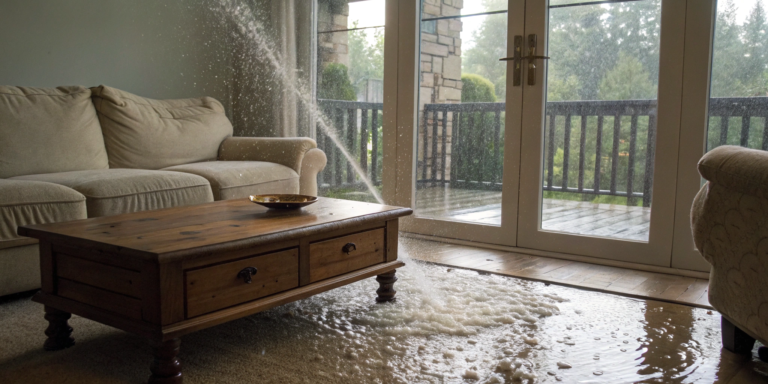
It’s a scenario most homeowners never consider: the system designed to protect your home becomes the source of its destruction. When a fire sprinkler goes off by accident, it can feel just as devastating as a fire. A sudden malfunction, a frozen pipe, or an accidental impact can unleash gallons of water per minute, flooding your home without warning. The aftermath is a frustrating and chaotic mess of soaked carpets, ruined furniture, and sagging ceilings. Understanding what causes these accidents is the first step, but knowing how to handle the resulting fire sprinkler water damage is what truly matters. Here, we’ll cover everything from immediate safety measures to your long-term options when the repairs feel like too much to handle.
Key Takeaways
- Your First Moves Matter Most: Before doing anything else, shut off the power to prevent electrical hazards. Then, stop the water source, thoroughly document the damage for your insurance claim, and immediately call a professional restoration company to prevent mold and structural decay.
- Insurance Covers Accidents, Not Neglect: A standard homeowner’s policy will likely cover sudden water damage from a sprinkler malfunction. However, claims can be denied if the issue stems from poor maintenance, making regular inspections essential for both prevention and coverage.
- Repairs Aren’t Your Only Option: When the cost and stress of restoration are too high, you don’t have to go through with it. Selling your property as-is to a specialized buyer provides a fast, straightforward path to receiving cash for your home without making any repairs.
What Is Fire Sprinkler Water Damage?
Fire sprinklers are incredible life-savers, designed to control a fire before it gets out of hand. They can protect your family and even lower your insurance premiums. But there’s a side to them that many homeowners don’t think about until it’s too late: the water damage. In some cases, the aftermath of the sprinkler system can feel more destructive than the fire itself. The water doesn’t just disappear; it soaks into everything it touches, from drywall and flooring to furniture and personal belongings. This isn’t just a puddle you can mop up. We’re talking about a significant volume of water that can compromise your home’s structural integrity and create the perfect environment for mold.
Dealing with this situation is often overwhelming. You’ve just been through the trauma of a fire, and now you’re facing a flood inside your home. The damage isn’t always visible at first glance. Water can seep behind walls and under floorboards, causing hidden problems that only surface weeks or months later. Understanding how these systems operate and when the water damage crosses the line from a simple cleanup to a major restoration project is the first step in figuring out your path forward. For homeowners facing this situation, knowing what you’re up against can make all the difference. When repairs feel like too much to handle, our simple process is designed to offer a clear alternative.
How Do Fire Sprinklers Work?
It’s a common misconception, thanks to movies, that when one sprinkler goes off, they all do. Thankfully, that’s not how they work. Modern fire sprinkler systems are designed to be precise. Each sprinkler head has a heat-sensitive element, often a small glass bulb filled with liquid. When a fire heats the air around a specific sprinkler head to a certain temperature (usually between 135 and 165°F), the liquid in the bulb expands and shatters the glass. This releases a plug, allowing pressurized water to spray over the immediate area. This targeted approach means a small kitchen fire won’t cause a flood in the entire house, helping to contain both the fire and the water damage.
When Does Water Damage Become a Major Problem?
The problem escalates quickly when the water has nowhere to go. It will saturate carpets, seep into subflooring, and soak into drywall. From there, it can travel through floors to the levels below, run down staircases, and pool in basements. This is more than a spill; it’s a flood that requires professional equipment to extract the water and thoroughly dry the structure. The real danger lies in what happens next. If not addressed immediately, this moisture can lead to serious issues like wood rot, crumbling drywall, and compromised structural supports. Worse, it creates a breeding ground for mold, which can appear in as little as 24 to 48 hours and pose significant health risks. At Fire Damage House Buyer, we’ve seen how quickly this damage can spiral out of control.
What Causes a Fire Sprinkler to Go Off by Accident?
Fire sprinklers are incredible safety devices, but when they go off without a fire, the aftermath can feel just as devastating. An accidental discharge can flood your home in minutes, causing widespread water damage to floors, walls, furniture, and personal belongings. It’s a frustrating and overwhelming situation, especially when the system designed to protect you becomes the source of the problem. Understanding why this happens is the first step toward preventing it and figuring out what to do next.
Most accidental activations aren’t random. They’re usually caused by a handful of specific issues, from extreme temperatures to physical damage. A sprinkler head placed too close to a heat source, pipes that freeze and burst during a cold snap, or even a slow, hidden leak from corrosion can all lead to a sudden deluge. Sometimes, the issue is a manufacturing defect or damage that occurred during installation. Whatever the cause, dealing with the cleanup and repairs can be a massive undertaking. If you’re facing extensive damage, it’s important to know that you have options, including a streamlined process for selling your home as-is.
Overheating and Extreme Temperatures
One of the most common culprits behind an accidental sprinkler activation is heat. Sprinkler heads are designed to react to high temperatures, but they can’t tell the difference between a fire and another intense heat source. If a sprinkler is installed too close to things like space heaters, wood stoves, skylights that magnify sunlight, or even high-wattage light fixtures, it can trigger a false alarm. This is why proper placement is so critical. The heat-sensitive element inside the sprinkler head will activate once the surrounding air reaches a specific temperature, releasing the water whether there’s a flame or not.
Frozen or Damaged Pipes
Cold weather poses another significant threat to your sprinkler system. Just like any other plumbing, the water inside sprinkler pipes can freeze if the temperature drops too low, typically below 40°F. When water freezes, it expands, putting immense pressure on the pipes and fittings. This expansion can cause pipes to crack or burst, leading to a major leak or discharge once the ice thaws. This is a particular risk in unheated or poorly insulated areas of your home, such as attics, basements, or garages, especially during a power outage that shuts down your heating system.
System Defects and Malfunctions
While rare, a sprinkler head can sometimes fail due to a manufacturing flaw. More often, however, the damage happens sometime after it leaves the factory. A system can be compromised during shipping or installation if a component is dropped or a sprinkler head is over-tightened, damaging the seal. After installation, accidental impacts are a frequent cause of failure. For example, a contractor working in the attic might bump a pipe, or someone moving tall furniture could hit a sprinkler head. These seemingly minor incidents can be enough to break the glass bulb or damage the mechanism, causing an immediate discharge.
Physical Damage and Corrosion
Over time, the metal pipes in your sprinkler system can begin to corrode from the inside out. This happens when oxygen, water, and metal interact, slowly eating away at the pipe walls. This corrosion can eventually create pinhole leaks or weaken the pipe enough to cause a rupture and significant water damage. Dry pipe systems, which are often used in areas prone to freezing, are especially susceptible to this because the pipes hold pressurized air and residual water, creating a perfect environment for rust to form. What starts as a hidden problem can quickly become a catastrophic failure.
The Immediate Effects of Sprinkler Water Damage
When a fire sprinkler goes off, it can feel like you’ve traded one disaster for another. While the system did its job to control the fire, the resulting water creates a whole new set of urgent problems. The damage isn’t just a puddle on the floor; it’s a cascade of issues that can affect your home from its foundation to the personal belongings inside. Water saturates everything it touches, and the effects begin almost instantly. Understanding what you’re up against is the first step toward figuring out what to do next. From compromised walls to hidden mold, the aftermath requires quick and careful attention.
Damage to Walls, Floors, and Structure
Water from a sprinkler system doesn’t stay in one place. It soaks into porous materials like drywall, insulation, wood flooring, and carpets, causing them to swell, warp, and weaken. You might see ceilings begin to sag under the weight, paint bubble and peel, or floorboards start to cup. This isn’t just a cosmetic issue. When water penetrates deep into your home’s framework, it can compromise its structural integrity. That’s why addressing water damage quickly is so critical—the longer materials stay wet, the more severe and permanent the damage becomes, potentially leading to costly and complex structural repairs down the line.
Electrical Hazards
One of the most immediate and serious dangers after sprinkler activation is the risk of electrical shock. Water and electricity are a hazardous combination. When water seeps into walls and ceilings, it can come into contact with wiring, outlets, and junction boxes, creating the potential for short circuits and live currents where you least expect them. This poses a significant risk of electrocution and can even start a new fire. Before you do anything else, it’s crucial to shut off the power to the affected areas at the breaker box. Never touch or use any electrical appliances that may have been exposed to water until an electrician has confirmed they are safe.
Ruined Furniture and Belongings
The water doesn’t just damage the house itself; it can destroy your personal belongings. Wood furniture can warp and split, while upholstered couches and chairs become saturated, making them a breeding ground for mildew and bacteria. Electronics, books, photographs, and important documents are often ruined on contact. The financial and emotional toll can be immense, as many of these items are either expensive to replace or completely irreplaceable. Documenting the damage to your personal property with photos and videos is an important step for your insurance claim, but it’s a heartbreaking process when you’re seeing cherished possessions destroyed.
The Potential for Mold Growth
Wherever there’s moisture, there’s a risk of mold. In the damp, humid environment created by sprinkler water, mold can begin to grow in as little as 24 to 48 hours. It thrives in dark, hidden spaces like behind drywall, under carpets, and within your home’s ventilation system. Beyond the musty smell and unsightly appearance, mold can pose serious health risks, especially for individuals with allergies, asthma, or compromised immune systems. Proper and thorough drying with professional-grade dehumidifiers and fans is essential to prevent mold from taking hold. If it’s not handled correctly from the start, a small mold problem can quickly become a major, whole-house contamination issue.
Your First Steps After Sprinkler Water Damage
Walking into a room soaked by a fire sprinkler system is overwhelming. Your first instinct might be to start cleaning, but taking a few key steps in the right order can protect your safety, your property, and your insurance claim. When you’re facing a watery mess, focus on this immediate action plan to get the situation under control.
Prioritize Safety: Check for Electrical and Structural Risks
Before you do anything else, make safety your top priority. Water and electricity are a dangerous combination. Go to your home’s main circuit breaker and shut off power to all affected areas to prevent the risk of electric shock. If you have to walk through standing water to get to the breaker box, don’t risk it—call an electrician immediately. Next, if you can do so safely, turn off the main water supply to your home. This will stop any more water from entering the system. Also, be mindful of sagging ceilings or other signs of structural stress caused by the weight of the water.
Stop the Water Source
Unlike a smoke detector, a fire sprinkler system doesn’t shut itself off once the danger has passed. It will continue to spray water until someone manually closes the valve. In a real fire, the fire department will handle this. If it was an accidental activation, you need to stop the water flow as quickly as possible. This usually involves turning a specific control valve for the sprinkler system, which might be in a utility closet, basement, or garage. If you’re not sure how to do it or can’t find the valve, call a plumber or your local fire department’s non-emergency line for guidance. The faster you stop the source, the less damage you’ll have to manage.
Document Everything for Your Insurance Claim
Before you move a single item or start soaking up water, pull out your phone. You need to thoroughly document the damage for your insurance claim. Take photos and videos of everything. Capture wide shots of each room and close-ups of damaged furniture, electronics, walls, and flooring. Record the extent of the standing water and any visible damage to the ceiling or structure. This visual evidence is crucial and will make the claims process much smoother. Your insurer will want to see the initial state of the damage, so capturing it before cleanup begins is one of the most important things you can do.
Call a Professional for Water Removal
While it’s tempting to start mopping, a few towels won’t be enough to handle sprinkler water damage. You need to call a professional water damage restoration company right away. These experts have industrial-grade pumps, vacuums, dehumidifiers, and fans to remove water quickly and dry out the structure completely. Acting fast is key to preventing secondary damage, like mold growth, which can start within 24 to 48 hours. A certified restoration team will ensure that all moisture—even hidden moisture in walls and under floors—is properly removed, protecting your home from long-term problems.
How to Dry Out Your Home
After the immediate danger of a fire is gone, you’re often left with a second, more insidious problem: water damage. Whether from fire hoses or a sprinkler system, the water used to save your home can cause massive issues of its own. Drying out your property isn’t just about cleaning up puddles; it’s a race against the clock to prevent mold, rot, and long-term structural decay.
The process requires more than just a few towels and a bucket. It involves removing standing water, using specialized equipment to pull moisture from the air and materials, and taking steps to ensure mold doesn’t get a chance to grow. It can feel like a monumental task, especially when you’re already dealing with the aftermath of a fire. Understanding the steps involved can help you make the best decision for your property and your peace of mind. Our entire process is designed to help homeowners who find themselves in this exact situation, offering a way forward without the stress of restoration.
Removing the Water
The first and most urgent step is to get rid of all the standing water. When a fire sprinkler system activates, it doesn’t turn off on its own. It can release thousands of gallons of water, continuing to run until a firefighter or technician manually shuts it down. This can leave entire rooms submerged. The longer this water sits, the more it soaks into drywall, floorboards, and insulation, creating the perfect breeding ground for mold and weakening your home’s structure. Acting quickly is essential to minimize the damage and stop bigger problems from developing.
Using Professional Drying Equipment
This is not a DIY job. Effectively drying a waterlogged home requires industrial-grade equipment that goes far beyond standard household fans. Professionals use powerful water extractors to pull up the bulk of the water, followed by commercial-grade air movers and dehumidifiers. These machines are designed to circulate dry air and pull moisture out of everything—from the carpets and walls to the air itself. Think of it less like cleaning a spill and more like recovering from a major flood. Without this specialized equipment, hidden moisture will remain trapped, leading to serious issues down the road.
How to Prevent Mold and Further Damage
The ultimate goal of the drying process is to prevent mold growth. Mold can begin to form in as little as 24 to 48 hours in damp conditions. Professional restoration teams use fans and dehumidifiers strategically to create an environment where mold can’t thrive. They also use moisture meters to detect dampness hidden within walls and under floors, ensuring every inch of your property is completely dry. Getting professional help is the most reliable way to protect your home and your health from the long-term consequences of water damage. Our team understands these risks and can help you avoid them entirely.
Will Insurance Cover Sprinkler Water Damage?
After the initial shock of seeing your home soaked by a fire sprinkler, your next thought is probably about the cost. The good news is that most standard homeowner’s insurance policies do cover water damage from a fire sprinkler system. However, the specifics of your coverage depend on one key factor: the cause of the activation.
Insurance companies are primarily concerned with whether the damage was “sudden and accidental.” If a sprinkler head malfunctioned, a pipe burst, or the system activated during a fire, you are likely covered for the cleanup and repairs. This includes the cost of water extraction, drying out the structure, and repairing or replacing damaged walls, floors, and ceilings. Your policy might also cover damage to your personal belongings, like furniture and electronics. The key is to understand the fine print of your specific policy and to act quickly to document the damage and file your claim.
Understanding “Sudden and Accidental” Coverage
When you read your insurance policy, you’ll see the phrase “sudden and accidental” a lot. This is the standard insurance companies use to decide what’s covered. A fire sprinkler leak is typically covered under the “accidental discharge or overflow of water” clause in your policy, but only if the event was truly unexpected. For example, if a pipe suddenly bursts and floods your living room, that’s covered.
However, if the damage resulted from a slow leak you knew about but didn’t fix, your claim could be denied. Insurance providers see this as a maintenance issue, not an accident. They expect homeowners to keep their property in good repair, so ignoring a problem can leave you responsible for the costs.
What Your Policy Likely Covers
You might be surprised to learn just how common water damage claims are. They account for a significant portion of all property insurance claims each year. Because of this, most standard homeowner’s policies are written to include coverage for events like a sprinkler system malfunction.
Your policy will likely cover the cost to repair the physical structure of your home—think drywall, flooring, and paint. It should also cover the cost of professional water removal and drying services, which are essential for preventing mold. Depending on your specific plan, you may also have coverage for damaged personal property, like couches, rugs, and electronics. Always review your policy documents to understand your specific limits and deductibles.
Common Misconceptions About Coverage
Many people assume fire sprinklers only activate during a fire, but accidental discharges happen more often than you’d think. These systems can be triggered by manufacturing defects, corrosion, or even accidental impact. While sprinklers are incredible at saving property and lives during a fire, these misfires can cause serious water damage from sprinkler systems on their own.
A common misconception is that any water damage is automatically covered. However, if the activation was due to negligence—like hanging clothes from a sprinkler head or failing to perform required maintenance—your insurance company could deny the claim. The source of the problem matters, so it’s important to understand what caused the sprinkler to go off.
How to File a Successful Claim
Filing an insurance claim can feel overwhelming, but a clear process can make it much easier. First, call your insurance agent as soon as it’s safe to do so. The sooner you start the process, the better. Be prepared to provide a detailed account of what happened.
Next, thoroughly document everything. Take photos and videos of all the affected areas and damaged items before you move or clean anything. Create a detailed list of everything that was damaged, including its age and estimated value. If you feel out of your depth, consider getting a free policy review from a Public Adjuster. These professionals work for you, not the insurance company, and can help you manage your claim and negotiate a fair settlement.
The Long-Term Risks of Improper Cleanup
When your home is soaked by a fire sprinkler, the immediate mess is obvious. But the real danger often lies in what you can’t see. If the cleanup isn’t thorough and professional, the consequences can linger for years, creating problems that are far more serious and expensive than the initial water damage. Think of it this way: drying the surface is one thing, but addressing the moisture trapped deep within your home’s structure is another challenge entirely.
Ignoring hidden moisture can lead to a domino effect of issues. Your home’s structural integrity could be at risk, toxic mold could begin to flourish in hidden corners, and your property’s value could plummet. These aren’t just worst-case scenarios; they are common outcomes when water damage isn’t handled correctly from the start. Understanding these long-term risks is the first step in protecting your home and your health.
Lasting Structural Problems
Water has a way of getting into everything, and when it soaks into building materials like drywall, wood beams, and subflooring, it starts a slow but destructive process. Trapped moisture causes wood to swell, warp, and eventually rot, weakening the essential framework of your home. What might seem like a minor ceiling stain can be a sign of a much larger issue, like compromised joists or decaying wall studs. Over time, this can lead to sagging floors, cracked walls, and a foundation that is no longer stable. These are not simple cosmetic fixes; they are serious issues that can make a home unsafe and incredibly costly to repair.
Persistent Mold and Health Issues
One of the most serious consequences of inadequate drying is mold. All mold needs to grow is a little moisture, warmth, and organic material—all of which are abundant in a water-damaged home. It can hide behind walls, under carpets, and in ceilings, releasing spores into the air you breathe. For many people, mold exposure can trigger allergies, asthma attacks, and other respiratory problems. Getting rid of it isn’t a simple DIY job; it often requires professional remediation to ensure every trace is gone. If you don’t address the source of the moisture, the mold will just keep coming back, creating a persistent health hazard for your family.
A Drop in Your Property’s Value
Lasting structural damage and a persistent mold problem are two of the biggest red flags for any potential homebuyer. Even if you manage to fix the visible damage, you’ll likely have to disclose these past issues, which can scare buyers away or lead to drastically low offers. The stigma of water damage can stick to a property for years, making it difficult to sell on the traditional market. Instead of pouring more money into a home with compounding problems, many owners find that a fast, as-is sale is a more practical solution. Our streamlined process allows you to move on without dealing with repairs or worrying about what a home inspection might uncover.
How to Prevent Accidental Sprinkler Activation
Fire sprinklers are incredible safety devices, but an accidental discharge can cause significant water damage. The good news is that these accidents are often preventable. A little proactive care can save you from a major headache and a massive cleanup bill. Taking a few simple steps to protect your system ensures it’s ready for a real emergency—and stays quiet when there isn’t one. It’s a crucial part of maintaining your home’s safety and integrity.
Schedule Regular Maintenance and Inspections
Think of your sprinkler system like your car—it needs regular check-ups. Scheduling annual inspections with a qualified professional is the best way to catch potential issues before they turn into a disaster. Regular inspections and testing are crucial for finding problems like corrosion or leaks early on. A professional can assess the health of your entire system, from the pipes to the sprinkler heads, ensuring everything is in working order. This simple habit provides peace of mind and helps you avoid the surprise of an accidental activation.
Control Your Home’s Temperature
Most residential fire sprinklers are triggered by heat. A small, heat-sensitive glass bulb in the sprinkler head contains a liquid that expands when it gets hot, breaking the bulb and releasing water. The system can’t tell the difference between heat from a fire and extreme heat from other sources. To prevent a false alarm, avoid placing space heaters or high-wattage lights too close to sprinkler heads. In areas that naturally get very hot, like attics, you can work with a professional to install sprinklers designed to activate at higher temperatures.
Protect Vulnerable Pipes and Sprinkler Heads
Your sprinkler system is most vulnerable to two things: freezing temperatures and physical impact. In colder climates, uninsulated pipes in attics or basements can freeze and burst, causing a major leak. You can protect your pipes by adding insulation or using electric heating cables. Sprinkler heads in busy areas like garages, workshops, or low-ceiling basements can also be accidentally hit, triggering a discharge. Installing simple protective covers or cages around these vulnerable heads is an easy and inexpensive way to prevent costly bumps and breaks.
When to Consider Selling Your Water-Damaged Home As-Is
After the initial shock of sprinkler water damage, you face a big decision: repair or sell? While fixing the damage is a common path, it’s not always the most practical one. Managing extensive repairs, dealing with insurance, and living in a construction zone can be emotionally and financially draining. For many homeowners, selling the property as-is offers a faster, more straightforward path forward, allowing you to move on without the weight of a long and uncertain restoration project. It’s about choosing the solution that best protects your peace of mind and your finances.
When Repair Costs Outweigh Your Home’s Value
The financial reality of water damage can be staggering. Water cleanup costs can climb by around $1,000 for every minute a sprinkler is active, and that’s before you even begin to address the underlying issues. What might seem like a simple cleanup can quickly reveal deeper problems like saturated drywall, warped flooring, structural decay, and the silent spread of mold. Moderate damage can easily cost between $1,000 and $4,000, while major issues involving standing water and structural repairs can soar to $50,000 or more. At a certain point, you have to ask if the investment is worth it. If the total cost of repairs approaches or exceeds your home’s market value, selling as-is becomes a financially sound decision.
The Benefits of a Fast, As-Is Sale
The biggest advantage of an as-is sale is speed. A single sprinkler head can release 20 to 40 gallons of water per minute, and the damage compounds just as quickly. The traditional process of hiring contractors, waiting for materials, and overseeing repairs can take months. During that time, you’re left managing a stressful project while still paying the mortgage and utilities on a home you may not be able to live in. A fast, as-is sale lets you bypass that entire ordeal. You don’t have to clean up, make repairs, or even deal with showings. You can simply get a fair offer, close the deal, and receive cash in hand, often in as little as a week. Our customer reviews show how this process has helped others find relief in a difficult time.
How a Specialized Buyer Can Help
Navigating the aftermath of water damage is complicated, but you don’t have to do it alone. A specialized home buyer, like our team at Fire Damage House Buyer, understands the unique challenges you’re facing. We have the expertise to accurately assess the extent of the damage and make a fair cash offer without requiring you to go through the hassle of repairs or lengthy insurance negotiations. Our streamlined process is designed to be simple and transparent. We handle the complexities so you can focus on your next chapter. By working with a buyer who specializes in these situations, you get a partner who can provide a reliable and immediate solution, freeing you from the uncertainty and stress of a damaged property.
Related Articles
- Fire Damage Restoration & Repair: 10 Essential Steps
- Selling a Fire Damaged House: A Complete Guide
- Fire Damage Restoration Near Me: 10 Life-Saving Tips 2025
- 10 Signs of Structural Damage After a Fire
Frequently Asked Questions
How much water are we actually talking about from one sprinkler? It’s a lot more than you might think. A single residential sprinkler head can release between 20 and 40 gallons of water every minute it’s active. To put that in perspective, it could fill a standard bathtub in just a couple of minutes. Since the system won’t shut off by itself, that water continues to flow until someone manually closes the valve, which can quickly lead to thousands of gallons flooding your home.
Can I just use fans and a dehumidifier to dry things out myself? While it’s tempting to tackle the cleanup on your own, household fans and dehumidifiers are no match for the amount of water a sprinkler system releases. The real problem is the moisture you can’t see or feel, which gets trapped behind drywall, under floorboards, and inside insulation. Without industrial-grade equipment to pull that hidden moisture out, you create the perfect environment for mold to grow and for wood to rot, leading to much bigger problems down the road.
Is the water from a fire sprinkler system clean? The water sitting in the pipes starts out as clean, potable water. However, the moment it’s released, it picks up any dust, rust, or sediment that has settled in the pipes over time. As it sprays and flows through your home, it then mixes with soot, dust, insulation particles, and anything else on your ceilings and floors. This means the water you’re dealing with is considered contaminated and isn’t something you want to handle without proper precautions.
How long does the professional drying and restoration process usually take? The timeline can vary dramatically depending on how much water was released and how long it sat. The initial water removal and drying phase with professional equipment can take several days. However, the full restoration process—which includes tearing out damaged materials, treating for potential mold, and rebuilding walls, ceilings, and floors—can easily stretch into several weeks or even months. It’s rarely a quick fix.
What if my insurance settlement doesn’t cover all the repair costs? This is a situation many homeowners face. Your insurance settlement might not be enough to cover the full extent of the repairs, especially if hidden issues like mold or structural damage are discovered later. This can leave you with a significant financial gap, forcing you to either pay out-of-pocket or live with a partially repaired home. When facing a shortfall like this, selling the house as-is provides a way to resolve the situation completely without taking on unexpected debt.