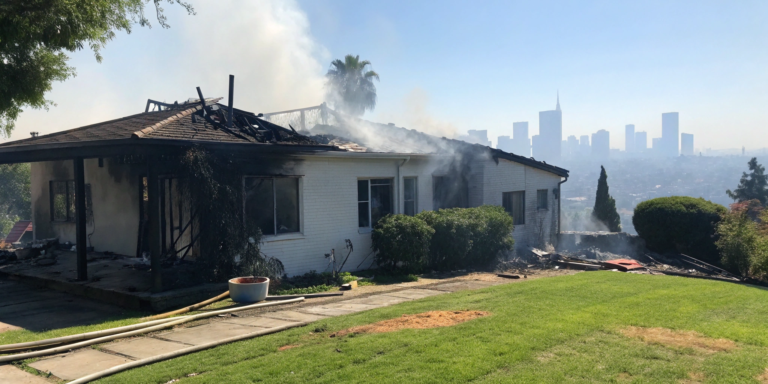
Many homeowners believe that a fire-damaged property is unsellable or that they’re required to fix everything before a sale is possible. These common myths can cause unnecessary stress and delay, preventing you from moving forward. The reality is that there is a strong market for properties just like yours, and you can absolutely sell without making any repairs. This guide is here to set the record straight. We will debunk the most common misconceptions and provide a realistic, step-by-step look at the process, giving you the clarity you need to successfully sell your fire damaged house in Los Angeles without the hassle.
Key Takeaways
- Decide what matters most: speed or potential profit: Selling your home as-is to a cash buyer is the fastest way to move on without repairs, while a traditional sale might bring a higher price but will take much more time and money.
- Get a clear picture of the costs before you commit: A professional damage assessment is crucial. It helps you understand the true cost of repairs, which you can then compare to a cash offer to see which option makes the most financial sense for you.
- Honesty is your best legal protection: California law requires you to disclose all fire damage. Being completely transparent and providing all documentation protects you from future disputes and attracts serious, qualified buyers.
How to Sell Your Fire-Damaged House in Los Angeles
After a fire, figuring out what to do with your property can feel overwhelming. The good news is you have several paths forward, each with its own timeline and requirements. Whether you want a quick, clean break or are prepared for a more traditional sales process, understanding your options is the first step toward moving on. From selling directly to a cash buyer to listing on the open market, let’s walk through the most common ways to sell a fire-damaged house in Los Angeles.
Sell As-Is for a Fast Cash Offer
The most direct route is to sell your house “as-is” to a company that specializes in fire-damaged properties. This option allows you to bypass repairs, cleaning, and showings entirely. Companies like ours provide a straightforward process: you request an offer, they assess the property, and you can close the sale in as little as a week. This path is ideal if your priority is a fast, stress-free sale without investing more time or money into the house. You can learn more about how it works and decide if this hands-off approach is right for you.
Explore Other Cash Buying Companies
It’s always wise to know your options. Several companies in California buy fire-damaged homes for cash, and their processes are often similar. Getting offers from a few different buyers can give you peace of mind that you’re receiving a fair price for your property in its current condition. Most cash buyers can give you an offer within 24 to 48 hours, giving you a clear picture of your financial outcome quickly. When comparing companies, be sure to check their customer reviews to ensure you’re working with a reputable and transparent buyer who understands your situation.
Work with Real Estate Investors
Real estate investors, including house flippers and developers, are another group of potential cash buyers. They look for properties they can repair and resell for a profit. An investor’s offer is typically based on the home’s after-repair value (ARV) minus the estimated cost of renovations. This often means offers are around 50-70% of what the house might be worth fully fixed up. While any cash buyer is technically an investor, working with a company that specializes in fire damage ensures they have the expertise to accurately assess the situation and handle the unique challenges your property presents.
List with a Traditional Agent
You can also sell your home on the open market with a real estate agent. This process takes longer and requires more effort, but it might attract a broader range of buyers. You’ll need an agent experienced in selling distressed properties who can accurately price your home and market it effectively. California law requires you to disclose all known defects, so transparency about the fire damage is crucial. This route often involves inspections, negotiations, and potentially making some repairs to make the property eligible for traditional financing, which can add time and expense to the sale.
How Does Fire Damage Affect Your Home’s Value?
After a fire, one of the biggest questions you’ll face is, “What is my house worth now?” The reality is that any fire, no matter the size, will significantly impact your home’s market value. It’s not just about the visible charring; the damage from smoke, soot, and the water used to extinguish the flames all contribute to a lower price tag. Buyers see a fire-damaged home as a major project, and their offers will reflect the time, money, and risk involved in bringing it back to life.
The value isn’t just about the cost of repairs. It’s also about perception. A home with a history of fire damage can carry a stigma, making potential buyers wary of hidden issues that could pop up down the road. Understanding how these factors come together will help you set realistic expectations as you decide on the best path forward for selling your property. It gives you a clearer picture of what to expect, whether you decide to repair the home or sell it as-is.
How the Severity of Damage Impacts Price
The extent of the fire damage is the single biggest factor in determining your home’s new value. Even a small kitchen fire can cause smoke and soot to travel throughout the house, leading to a notable drop in price. For more significant fires, the value reduction is even steeper.
Generally, you can expect the value to decrease along these lines:
- Minor smoke damage: 10–20% reduction
- Medium fire and smoke damage: 20–40% reduction
- Major structural damage: 40–60% reduction, or more
These percentages reflect the immense cost and effort required for repairs. A buyer has to account for everything from replacing drywall and electrical systems to structural engineering assessments, and their offer will be based on that projected investment.
Understanding Buyer Hesitation
Even if you make some repairs, a house with a fire in its history can make traditional buyers nervous. This “stigma” is a real factor that affects offers. Buyers worry about problems they can’t see, like lingering smoke odors trapped in the walls, potential mold growth from water damage, or compromised structural integrity. Because you are legally required to disclose the fire damage to any potential buyer, they will come in with their eyes wide open—and their offers low. This hesitation is a major reason why selling on the traditional market can be so challenging; buyers price that uncertainty and risk into every offer they make.
What to Expect from Offers
When you sell a fire-damaged home, the offers you receive will look very different from those for a typical property. If you list with a real estate agent, you might eventually get 70–85% of the standard market value, but that process can take months and doesn’t guarantee a sale.
Cash buyers, on the other hand, operate differently. Their offers are based on the home’s after-repair value (ARV). A typical cash offer is around 50–70% of the ARV, minus the estimated cost of repairs. While this is lower, it reflects a guaranteed, fast, and hassle-free sale. You get to walk away quickly without managing repairs or dealing with buyer uncertainty, which is a process our past clients have found invaluable.
Should You Repair Your Home or Sell It As-Is?
After a fire, one of the biggest decisions you’ll face is whether to repair the damage or sell your house as-is. There’s no single right answer—it really comes down to your personal situation, finances, and how much time and energy you can spare. Going the repair route might get you a higher sale price in the end, but it requires a significant upfront investment of both money and time. On the other hand, selling your home as-is offers a much faster and less stressful path forward, allowing you to move on without the burden of managing a major renovation project. To make the best choice for you, it’s helpful to break down the key factors: the real cost of repairs, the emotional and logistical toll, and how your insurance claim fits into the picture.
Weighing the Cost of Repairs
First, let’s talk numbers. Fixing a fire-damaged home isn’t cheap. Even for what seems like minor damage, costs can quickly add up. Repairs can range anywhere from a few thousand dollars to well over $50,000, depending on the extent of the structural, smoke, and water damage. If you have the cash on hand, a solid insurance payout, and the damage is manageable, restoring your home before listing it could help you get top dollar on the market. However, you’ll also need to factor in the time it takes to find reliable contractors, get quotes, and oversee the work, which can take months. This path makes sense only if you have the financial cushion and emotional bandwidth to handle a lengthy and often unpredictable project.
Factoring in Your Time and Stress
Dealing with the aftermath of a house fire is already incredibly stressful. The thought of managing a massive renovation project on top of everything else can feel completely overwhelming. Selling your house as-is allows you to bypass that entire process. You won’t have to coordinate with contractors, live in a construction zone, or deal with the uncertainty of repair timelines. It also means you can avoid the traditional home-selling circus of staging, constant showings, and nerve-wracking inspections. For many homeowners, the peace of mind and ability to move forward quickly is worth more than any potential profit from repairs. Our past clients often tell us the relief they felt was immediate.
How Your Insurance Claim Plays a Role
Your insurance policy is a critical piece of this puzzle. Before you do anything, take a close look at your coverage to understand what will be paid for, how you’ll receive the funds, and if things like temporary housing are included. Many people don’t realize that you can sell your house even while your insurance claim is still being processed. You generally have two options: you can accept the insurance settlement and then sell the house as-is, or you can transfer the rights to the claim to the buyer. This flexibility gives you the power to make a decision without waiting for the insurance company, which can be a huge advantage when you’re ready to move on.
What Are California’s Disclosure Rules for Fire Damage?
When you’re dealing with the aftermath of a house fire, the legal paperwork can feel like the last thing you want to handle. But in California, disclosure rules are a serious matter. The state has some of the strictest real estate disclosure laws in the country, and understanding them is crucial to protecting yourself during the sale. Being transparent isn’t just about being a good seller; it’s a legal requirement that prevents future disputes and lawsuits.
Think of it as laying all your cards on the table. By providing a clear and honest picture of the property’s history, you ensure that the buyer is fully aware of what they are purchasing. This process involves knowing exactly what you’re obligated to share, gathering the right documents to back it up, and avoiding common mistakes that could put you in a tough spot later. Getting this right from the start makes the entire selling process smoother and gives you peace of mind.
Know Your Legal Obligations
In California, you are legally required to disclose any significant defects or issues you know about the property, and that absolutely includes fire damage. This isn’t optional. You’ll typically use a form called the Transfer Disclosure Statement (TDS) to detail the home’s condition. Being upfront about a past fire is essential because it can change your home’s value and affect a buyer’s decision. For many traditional buyers, this kind of history can be a major red flag, often causing them or their lenders to back away. This is why it’s so important to understand your obligations before you list your property.
Gather the Required Documents
To support your disclosures and build trust with potential buyers, start gathering all related paperwork. Create a file that includes the official fire report, copies of your insurance claims, and any invoices or reports from contractors who performed inspections or repairs. Before-and-after photos are also incredibly helpful. Having this documentation organized shows that you are being transparent and have nothing to hide. It provides a clear, factual history of the event and any steps taken to address it, which can help reassure buyers who are prepared to take on a fire-damaged property.
Avoid These Common Disclosure Mistakes
The biggest mistake you can make is trying to hide or downplay the extent of the damage. It might be tempting to omit a detail you think is minor, but this can lead to serious legal trouble down the road if the buyer discovers it later. Always err on the side of over-disclosing. Be completely honest about all known problems with the house to protect yourself from future claims. Being upfront also helps you attract the right kind of buyer—someone who understands the property’s condition and is ready to move forward. Companies like Our Company specialize in these situations and value straightforward communication.
How to Prepare Your Fire-Damaged Property for Sale
After a fire, the thought of preparing your house for sale can feel completely overwhelming. Unlike a typical home sale, you’re dealing with much more than just a fresh coat of paint and some staging. Taking a few key steps can help you get a clear picture of your situation, protect your property, and make the selling process smoother, whether you decide to list with an agent or sell directly to a cash buyer.
Focusing on assessment, safety, and organization will put you in a much stronger position. It allows you to understand the true extent of the damage and what it might take to fix it. This knowledge is powerful because it helps you accurately price your home, handle disclosures correctly, and confidently evaluate offers. Think of it as gathering the essential information you need to make the best decision for your circumstances. These preparations are crucial for any selling path you might choose, giving you control over the next steps.
Get a Professional Damage Assessment
The report from the fire department is a starting point, but it won’t tell you the whole story. To truly understand the condition of your property, you need to bring in specialists. Hiring a structural engineer, a licensed home inspector, or a fire restoration expert will give you a comprehensive view of the damage, including problems you can’t see. They can identify hidden issues like smoke and soot inside walls, compromised electrical wiring, or water damage from firefighting efforts. A thorough damage assessment provides the detailed documentation you need to understand the full scope of necessary repairs and properly disclose the home’s condition to potential buyers.
Take Key Safety and Cleaning Steps
Before anything else, your priority is to secure the property to prevent accidents or vandalism. Once you have clearance from the fire department to enter, make sure to lock up the house, board up any broken windows or doors, and post “No Trespassing” signs. This protects you from liability while the property is vacant. While you may not be able to perform major repairs, a deep clean can make a significant difference. Clearing out debris, removing trash, and cleaning soot-free surfaces shows buyers that the home has been cared for despite the damage. It helps them look past the immediate issues and see the property’s potential.
Organize Your Paperwork
Having all your documents in one place is essential for a smooth and transparent sale. Start a file and gather every piece of paper related to the fire. This includes photos and videos you took of the damage, the official fire department report, any professional inspection reports you’ve had done, and all correspondence with your insurance company. Keeping detailed records of repairs and assessments demonstrates honesty to potential buyers and fulfills your legal disclosure obligations. This level of organization can build trust and help answer buyer questions quickly, which is especially helpful when dealing with investors or cash buying companies who need to perform their due diligence efficiently.
Common Myths About Selling a Fire-Damaged House
After a house fire, you’re dealing with enough stress. The last thing you need is misinformation making the path forward even more confusing. Many homeowners believe things about selling a fire-damaged property that just aren’t true, which can prevent them from finding the best solution. Let’s clear up a few of the most common myths so you can move forward with confidence.
Myth: The Property Is Unsellable
Looking at the aftermath of a fire is overwhelming, and it’s easy to assume no one would want to buy your home in its current state. This is one of the most persistent myths out there. The truth is, selling a house after a fire is absolutely possible. While it might not attract a typical homebuyer, there is a market of investors and specialized companies looking for properties just like yours. These buyers have the resources and expertise to handle the cleanup and repairs, and they see the potential you might not. Your property isn’t a lost cause; it’s just a matter of finding the right buyer.
Myth: You Have to Fix Everything First
The thought of managing and funding extensive repairs is a major source of anxiety. Many homeowners believe they have to restore the property before putting it on the market. Thankfully, this isn’t the case. You can sell your home completely “as-is,” meaning you don’t have to touch a single repair. This approach saves you from the financial drain of renovations and the headache of coordinating contractors. Companies that specialize in these situations have a straightforward process for selling your house as-is, allowing you to bypass the lengthy repair phase and move on with your life much faster.
Myth: The Damage Won’t Hurt the Value Much
It’s tempting to be optimistic about your home’s value, especially if the fire was contained to a small area. However, underestimating the financial impact is a common mistake. Any fire, no matter the size, can significantly lower your home’s market value. Minor smoke damage alone can decrease the value by 10-20%, while major structural damage can result in a 50% loss or more. Buyers factor in not only visible damage but also potential hidden issues like compromised wiring or mold from water damage. Understanding this helps you set realistic expectations for offers.
What’s the Best Way to Market a Fire-Damaged Home?
Marketing a fire-damaged home isn’t like a typical sale. Your open house won’t be filled with families imagining their future; instead, you need a strategy that speaks directly to a different kind of buyer. Forget the fresh-baked cookies and fancy staging. The key is to be direct, honest, and strategic about who you’re trying to reach. While a traditional real estate agent might struggle to find the right audience, you can successfully position your property by focusing on what matters to buyers who see potential where others see problems. This isn’t about hiding flaws; it’s about presenting a clear picture of the property’s current state and future potential.
The right approach involves a mix of transparency and targeted outreach. Instead of trying to appeal to everyone, you’ll have more success by focusing your energy on the specific investors and companies looking for properties just like yours. It’s about shifting your perspective from selling a finished product to selling an opportunity. By highlighting any improvements you’ve made, being completely upfront about the existing damage, and connecting with the right audience, you can find a path to a successful and straightforward sale. This method cuts through the noise and gets your property in front of people who are genuinely interested and ready to make a move.
Highlight Any Restoration Work
If you’ve invested in repairs, make sure that work gets the spotlight. A professional restoration can bring your home’s value back to 80-90% of what it was before the fire, so this isn’t a detail to gloss over. Create a binder with all the relevant paperwork: receipts from contractors, copies of permits, and any warranties for new systems like electrical or plumbing. Before-and-after photos are also incredibly powerful. Showing buyers the extent of the recovery helps build confidence and justifies your asking price. This documentation proves you’ve handled the restoration correctly and professionally, which is exactly what a serious buyer wants to see.
Be Transparent About the Damage
Honesty is non-negotiable when selling a fire-damaged home, even if you’re selling as-is. You are legally required to disclose all known issues, and trying to hide the extent of the damage can lead to serious legal trouble down the road. Instead of viewing disclosure as a negative, think of it as a tool for building trust. Provide potential buyers with all the records you have, including the official fire report, insurance claim documents, and any professional damage assessments. Serious buyers, especially investors, expect to see this information. Being upfront saves everyone time and positions you as a credible, trustworthy seller.
Target the Right Kind of Buyer
Your ideal buyer probably isn’t the couple looking for a move-in-ready home. Instead, you should focus on real estate investors, house flippers, and specialized cash-buying companies. These buyers have the experience and resources to handle major repairs and aren’t intimidated by fire damage. They understand the market and are looking for properties with potential. The most direct route is often to work with a company that specializes in these exact situations. Our process at Fire Damage House Buyer is designed to give you a fair cash offer without the stress of finding the right buyer on your own.
What Factors Influence a Buyer’s Offer?
When you receive an offer for your fire-damaged home, it can be tough to know if it’s a fair one. The number isn’t arbitrary; it’s the result of a careful calculation based on several key factors. Buyers, especially cash buyers who specialize in these properties, look at your home through a specific lens. They’re assessing risk, repair costs, and potential future value all at once. Understanding what goes into their offer can help you set realistic expectations and feel more confident in your decision.
From the visible charring on the walls to the unseen damage lurking behind them, every detail plays a role. The home’s location in Los Angeles and the current state of the real estate market also have an impact. Finally, the buyer’s own business model—what they plan to do with the property after they buy it—is a major piece of the puzzle. Let’s walk through each of these factors so you can see the complete picture of how a buyer determines their offer.
The Type and Extent of Damage
The most direct factor influencing an offer is the scope of the fire damage. A buyer needs to figure out exactly what it will take to make the house livable and safe again. Fire damage can weaken important parts of your home like beams and walls, which are expensive, complex fixes. Beyond structural issues, there’s also the visible damage like scorched walls and warped floors. A professional buyer will assess whether the damage is mostly cosmetic or if it has compromised the home’s core structure. The more extensive the repairs, the more it will cost the buyer, which will be reflected in their cash offer.
The Potential for Hidden Issues
Even after a fire is put out, it leaves behind problems you can’t always see. Buyers are well aware of this. Homes that have had a fire can carry a “stigma” because of the potential for hidden issues like smoke damage that has seeped into drywall or mold from the water used to extinguish the flames. These lingering problems can cause health issues and require specialized remediation, adding another layer of cost and risk for the buyer. This uncertainty is why many traditional buyers are hesitant, but a company that specializes in fire-damaged homes knows exactly what to look for and how to factor it into a fair offer.
Your Home’s Location and Market Trends
Your property’s address still holds a lot of weight, even after a fire. A desirable location in Los Angeles can make a damaged home more attractive to an investor, as the land itself has significant value. Local market trends also play a part; in a strong seller’s market, offers might be more competitive. However, trying to sell a damaged home on the open market comes with its own challenges. Selling your house as-is helps you avoid the stress of endless showings, inspections, and negotiations that come with a traditional sale, giving you a more straightforward path forward regardless of market conditions.
The Buyer’s End Goal
A cash buyer is typically an investor who plans to repair the home and then sell it or rent it out. Their offer has to account for this entire process. As a general rule, cash buyers typically offer 50-70% of what the house would be worth after it’s fully repaired, minus the cost of those repairs. This formula ensures they can cover the extensive renovation costs, holding costs, and still have a chance at making a profit for their risk and effort. Understanding their business model helps clarify why their offer is different from what a traditional homebuyer might pay for a move-in-ready house.
How to Choose the Right Selling Method for You
After a house fire, deciding how to sell your property can feel like another overwhelming task on a very long list. There isn’t a one-size-fits-all answer; the best path forward depends entirely on your personal circumstances. The three main ways to sell each come with their own pros and cons, and your choice will likely come down to your finances, your timeline, and the actual condition of your home. By taking a clear look at these three areas, you can make a confident decision that helps you move forward.
Choosing the right method is about regaining control. Whether you decide to repair the home, list it as-is with an agent, or sell directly to a cash buyer, understanding your own needs is the first step. Let’s walk through the key factors to consider so you can determine the best route for your situation.
Assess Your Financial Needs
First, take a realistic look at your finances. The cost to repair fire damage can be staggering, often running into the tens or even hundreds of thousands of dollars. You need to ask yourself if you have the cash on hand or the ability to secure a loan to cover these extensive repairs before you can even think about listing the property on the traditional market.
For many homeowners, the repair costs are simply too high, or they need to access their home’s equity quickly to handle other expenses. If you find yourself in this position, selling your house as-is for cash can be a practical solution. This approach allows you to bypass the financial burden of a renovation and get a fair offer without spending another dime on the property. Our process is designed to be straightforward, putting cash in your hand without any upfront costs.
Consider Your Timeline and Urgency
How quickly do you need to sell? A traditional home sale can take months, and that’s for a house in perfect condition. When you add in the time required for extensive fire damage repairs, you could be looking at a year or more before you finally close. If you’re facing financial pressure, need to relocate for work, or simply want to move on from a traumatic event, waiting that long might not be an option.
If speed is your priority, selling directly to a cash buyer is the fastest way to go. Companies that specialize in fire-damaged homes can often close the sale in as little as seven days. This expedited timeline saves you from the stress of a lengthy repair and sales process, allowing you to settle things quickly and focus on your next chapter.
Evaluate Your Property’s Condition
Before making any decisions, it’s crucial to understand the full extent of the damage. A fire department’s report is a starting point, but you’ll want a professional assessment from a structural engineer or a fire restoration expert. Fire can cause more than just visible damage; it can compromise your home’s structural integrity, from the foundation to the roof trusses, and lead to hidden issues with plumbing and electrical systems.
Knowing exactly what you’re dealing with helps you make an informed choice. If the damage is mostly cosmetic, repairs might be manageable. But if you’re facing serious structural problems, the cost and complexity of repairs can quickly spiral. For homes with significant damage, selling as-is to a company that understands these challenges is often the most predictable and stress-free option. We are experts in evaluating and purchasing properties in any condition, ensuring you get a fair offer based on a realistic assessment.
What to Expect When You Sell
Selling a house after a fire comes with its own set of questions and procedures. Knowing what’s ahead can make the entire experience feel more manageable. From timelines to paperwork, here’s a straightforward look at what the process entails, so you can feel prepared for the path forward.
How Long Each Selling Method Takes
The time it takes to sell your fire-damaged home depends entirely on the path you choose. If you list it as-is with a real estate agent, you can generally expect the process to take one to three months. Deciding to handle repairs first will extend that timeline significantly, often to between three and nine months. For homeowners who need to move on quickly, waiting isn’t always feasible. That’s why a direct sale to a cash buyer is often the fastest route. Our streamlined process is built for speed, allowing you to close the sale and get cash in hand in as little as seven days.
Answering Common Buyer Questions
The pool of potential buyers for a fire-damaged home is unique. You’ll mostly hear from real estate investors, house flippers, and developers who are experienced in handling properties that need significant work. They will have specific questions, and one of the most common is about your insurance settlement. Generally, if you sell your home as-is, you are able to keep the insurance payout. However, you should always review your specific policy to be certain. Having clear answers ready for these types of questions will help you create a smoother, more transparent transaction for everyone involved.
Handling the Paperwork and Legal Steps
When it comes to the legal side of things, honesty is your best policy. California law requires you to disclose that the property had a fire, along with details about the damage and any repairs that were completed. Being upfront about all known issues isn’t just a legal obligation—it protects you from potential disputes after the sale. This is where working with an experienced buyer makes a difference. We understand the disclosure laws and handle all the necessary paperwork, ensuring every detail is managed correctly. You can learn more about our company and our commitment to a simple and transparent sale.
Related Articles
- Sell Fire-Damaged House in Los Angeles, California
- Sell Fire-Damaged House in California | Cash Offer Today
- Selling a Fire Damaged House: A Step-by-Step Guide
- Sell Fire-Damaged House in Inglewood, California
Frequently Asked Questions
Do I have to make any repairs before selling my house? Absolutely not. You can sell your property completely “as-is,” which means you don’t have to spend a single dollar or a single minute on repairs. This is often the most straightforward path, as it allows you to avoid the stress and uncertainty of managing contractors and a major renovation project. A buyer who specializes in fire-damaged homes will purchase the property in its current condition.
Can I sell my house while my insurance claim is still being processed? Yes, you can. The sale of your property and your insurance claim are two separate processes. In most cases, you can sell your home as-is and still receive the full settlement from your insurance company. This gives you the freedom to move forward with a sale without having to wait months for the insurance company to finalize everything.
How is a cash offer for a fire-damaged home calculated? A cash offer is typically based on the home’s potential future value after all repairs are completed. A buyer will estimate this “after-repair value” and then subtract the projected costs for the renovation, including materials, labor, and other expenses. This calculation allows them to make a fair offer that accounts for the significant investment required to restore the property.
What’s the biggest advantage of selling to a cash buyer instead of listing with an agent? The main advantages are speed and certainty. A traditional sale on the open market can take months and comes with no guarantees, especially for a damaged property that may not qualify for conventional loans. Selling to a cash buyer is a direct transaction that can often be completed in as little as a week, providing you with a guaranteed sale and a clear path to moving on.
Will I get in trouble if I don’t disclose every detail about the fire? Yes, you absolutely can. California has very strict disclosure laws that require you to be completely transparent about any known issues with the property, including all fire, smoke, and water damage. Being upfront isn’t just a legal requirement; it protects you from future lawsuits and helps attract serious buyers who understand the property’s condition and are prepared to take it on.