Understanding the Real Fire Risk of Modern LED Lighting
Are LED lights a fire hazard is a question homeowners increasingly ask as these energy-efficient fixtures become standard in nearly every room. The short answer: LED lights pose a minimal fire risk when properly installed and maintained, but certain conditions—like poor-quality products, incorrect installation, or electrical issues—can create dangerous situations.
Quick Facts:
- LEDs operate 90% cooler than traditional incandescent bulbs, producing far less heat
- Nearly 50,000 home fires are caused by electrical problems annually in the U.S., resulting in over $1.4 billion in property damage and 500 deaths
- Fire risk increases with counterfeit products, overloaded circuits, improper installation, or lack of ventilation
- Quality matters: UL or ETL-certified LEDs from reputable manufacturers are significantly safer than cheap, unbranded alternatives
The transition to LED lighting has been transformative. LEDs use up to 90% less energy than incandescent bulbs and can last up to 25 times longer. They convert around 90% of their energy into light rather than heat—a stark contrast to incandescent bulbs, which convert only 10% to light and waste the rest as heat. This fundamental difference makes LEDs inherently safer, but it doesn’t eliminate all fire risks.
The concern isn’t unfounded. In 2022 alone, there were an estimated 1.35 million fires in the United States, causing over $18 billion in property loss. While LED lights themselves rarely cause fires, external factors like faulty wiring, substandard components, or improper use can turn even the most efficient lighting into a potential hazard. Understanding these risks is crucial, especially for homeowners who’ve already experienced fire damage or want to prevent it.
As Daniel Cabrera, founder of Fire Damage House Buyer with over 15 years of experience in distressed properties and fire-damaged homes, I’ve seen how electrical issues—including lighting failures—contribute to devastating house fires. Through helping hundreds of homeowners steer the aftermath of fire damage, I’ve learned that understanding are LED lights a fire hazard is essential for both prevention and informed decision-making after a fire occurs.
You may also like to see these posts:
How Lighting Causes Fires: A Comparison of LED and Traditional Bulbs
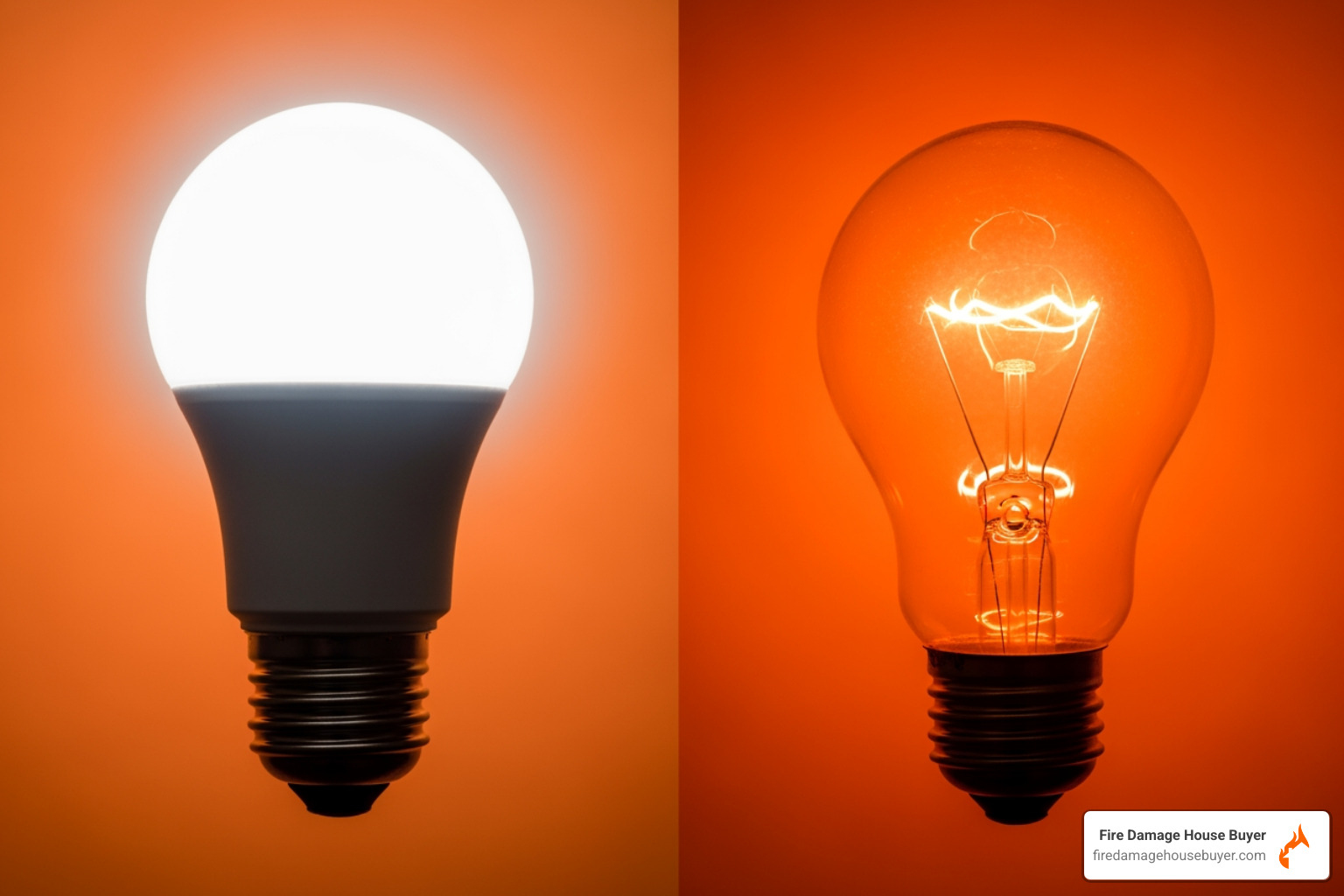
When we talk about whether are LED lights a fire hazard, it’s helpful to first understand how lights, in general, can cause fires. The key difference often boils down to heat generation and energy conversion. Traditional bulbs operate on principles that inherently produce a lot of heat, which can, under certain circumstances, ignite flammable materials.
The High-Heat Risk of Incandescent and Halogen Bulbs
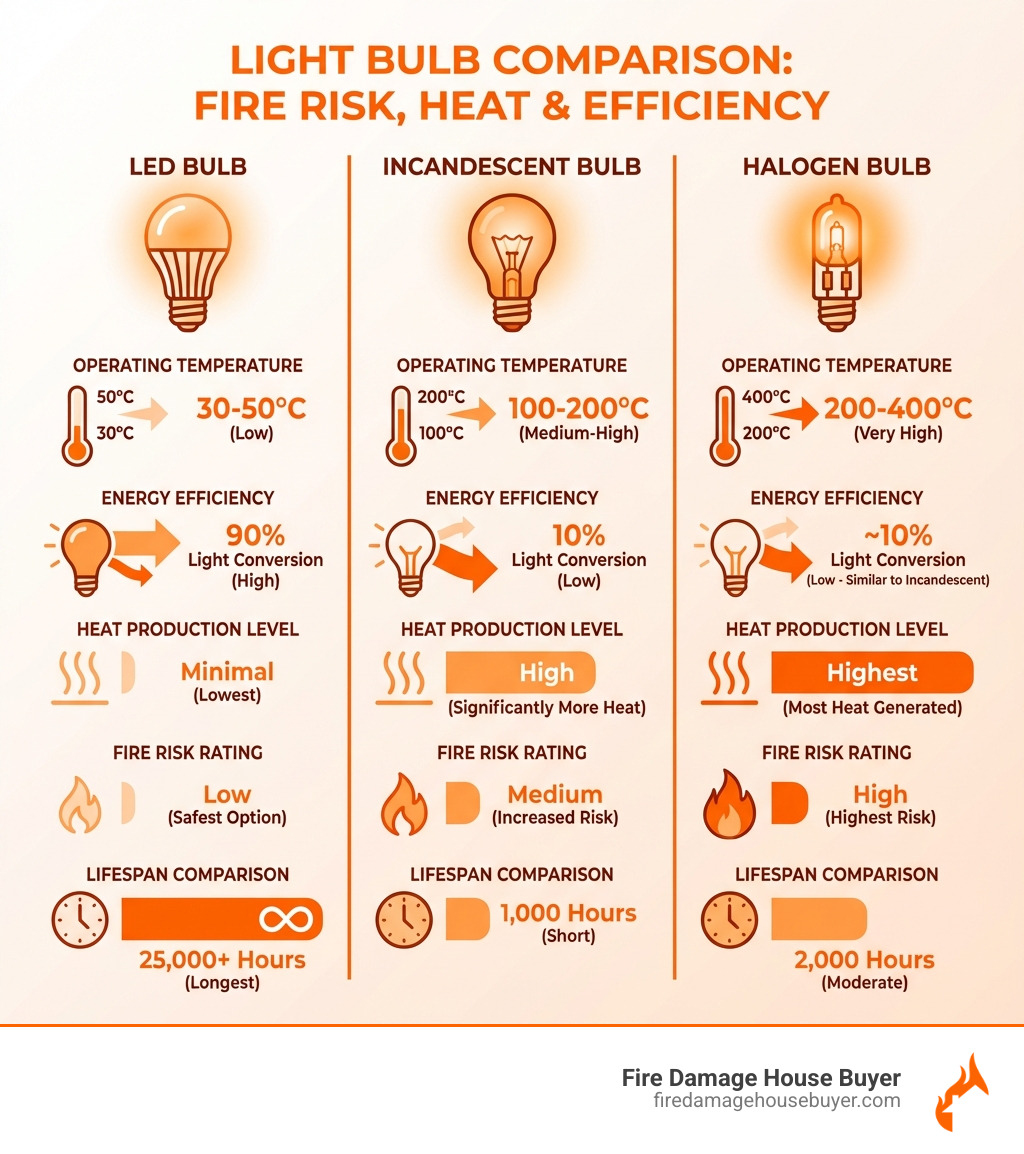
Incandescent bulbs, for example, rely on heating a thin filament to extreme temperatures (around 3000°C) to produce light. This process is incredibly inefficient: only about 10% of the energy consumed by an incandescent bulb is converted into visible light. The remaining 90% is released as heat. This means an incandescent bulb’s surface temperature can easily reach 100°C to 200°C.
Halogen bulbs are even hotter, operating at temperatures between 200°C and 400°C. The Consumer Product Safety Commission (CPSC) has even issued warnings about tubular halogen bulbs, noting they can reach extremely high temperatures. This poses a significant fire risk if they come into contact with curtains, clothing, paper, or other easily ignitable materials. We’ve seen tragic incidents where a simple piece of fabric brushing against a hot bulb was enough to start a devastating house fire.
How Modern LED Technology Minimizes Fire Risk
LEDs (Light-Emitting Diodes) operate on a fundamentally different principle called electroluminescence. Instead of heating a filament, they convert electrical energy directly into light using semiconductor technology. This process is far more efficient. As the Department of Energy highlights, LED lights typically convert around 90% of the energy they use into light, making them far more efficient than traditional incandescent bulbs.
This efficiency translates directly into significantly lower operating temperatures. While incandescent bulbs can reach scorching temperatures, LEDs typically operate between 30°C and 50°C. This makes them much safer to touch and vastly reduces the risk of igniting nearby flammable materials. To manage the small amount of heat they do produce, LEDs often incorporate heat sinks in their design, which actively draw heat away from the semiconductor, further enhancing their safety profile.
| Bulb Type | Operating Temperature | Energy Efficiency (Light Conversion) | Lifespan (Approx.) | Fire Risk Profile |
|---|---|---|---|---|
| LED | 30-50°C | 90% | 35,000-100,000 hrs | Low |
| Incandescent | 100-200°C | 10% | 1,000-2,000 hrs | High |
| Halogen | 200-400°C | 15-20% | 2,000-4,000 hrs | Very High |
| CFL | 40-60°C | 25-30% | 8,000-15,000 hrs | Moderate |
So, Are LED Lights a Fire Hazard? Unpacking the Real Dangers
Given their low heat output, it’s fair to say that the intrinsic risk of an LED light starting a fire is minimal. However, stating that are LED lights a fire hazard is entirely false would be misleading. While the LED component itself is unlikely to be the culprit, external factors related to the product’s quality, installation, and environment can absolutely create dangerous situations. Most LED-related fires we’ve encountered stem from issues like overheating due to poor design, electrical malfunctions, or improper use, not the LED chip itself.
The Danger of Poor Quality and Counterfeit Products
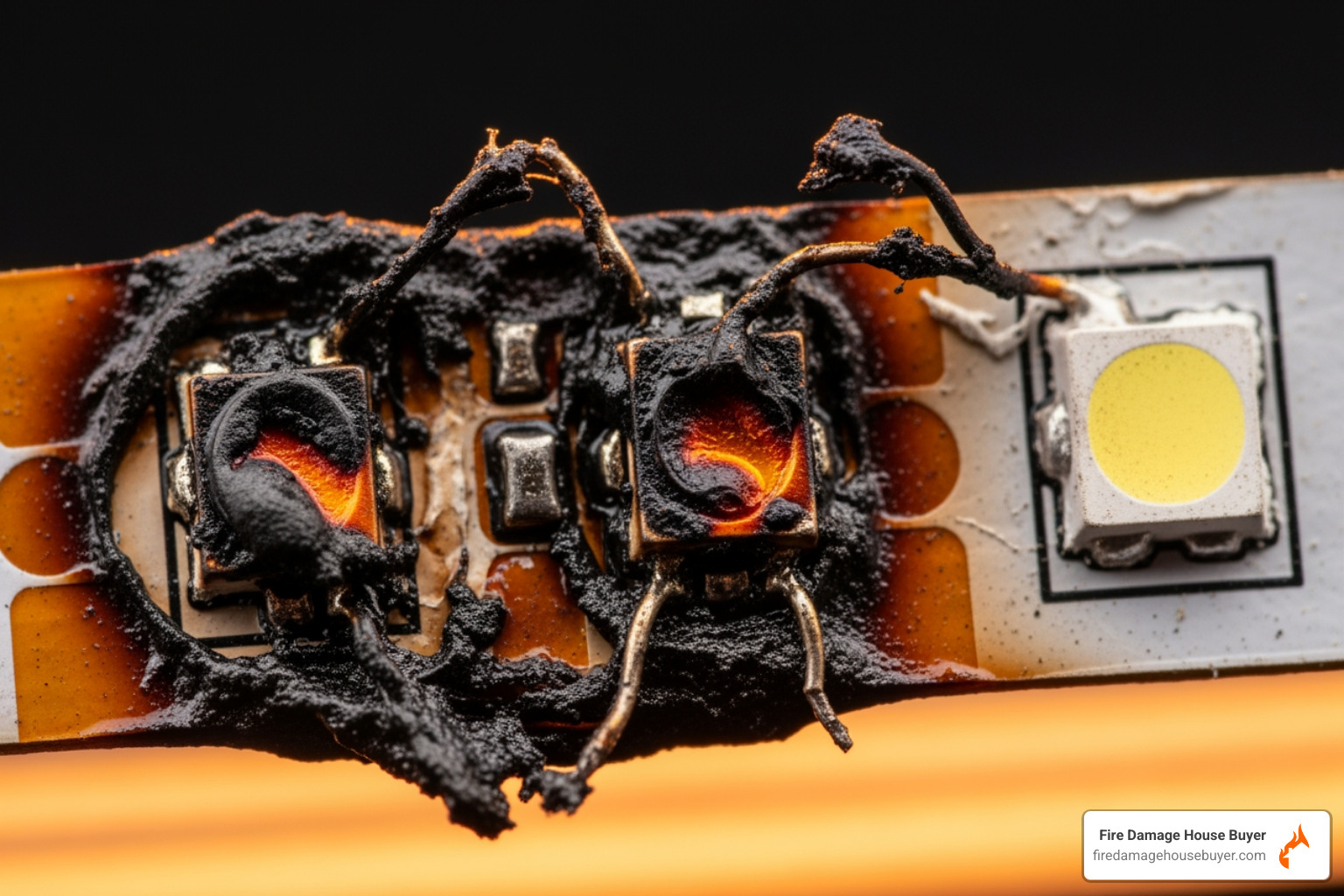
One of the primary reasons an LED light might pose a fire risk is the quality of the product itself. The market is flooded with cheap, unbranded LED products that cut corners on safety. These substandard components can include:
- Faulty drivers: The driver is crucial for regulating power to the LEDs. A poorly made driver can overheat, deliver inconsistent voltage, or fail catastrophically.
- Inadequate wiring: Thin, low-quality wires can’t handle the electrical load, leading to overheating and potential melting of insulation, which can cause short circuits.
- Cheap plastic housing: Inferior plastics may not be flame-retardant and can melt or even ignite if the internal components overheat.
- Lack of proper heat dissipation: While LEDs produce less heat, they still need to dissipate it. Cheap products may lack adequate heat sinks, causing the LEDs and other components to overheat and degrade rapidly.
Purchasing from reputable sources is paramount. A cheap price tag might seem appealing, but the potential cost of a fire far outweighs any initial savings. If you notice a strange, acrid smell that reminds you of melting plastic, it could be a sign of an electrical component overheating. Learning why your house might smell like burning plastic can help you identify and address such hazards before they escalate.
How Improper Installation Creates Fire Risks
Even high-quality LED products can become a fire hazard if not installed correctly. Many electrical fires, including those involving lighting, can be traced back to installation errors. Common culprits include:
- Overloaded circuits: While individual LEDs draw less power, an excessive number of lights on a single circuit can still overload it, leading to overheating in wiring, outlets, and power supplies.
- Incompatible dimmers: Not all dimmers work with LEDs. Using an incompatible dimmer can cause flickering, buzzing, and, more dangerously, overheating of the dimmer switch or the LED driver.
- Loose connections and faulty wiring: Poorly made electrical connections can create resistance, leading to localized heating, arcing, and potential fire. Frayed or damaged existing wiring can also be a significant hazard.
- Specific risks for LED strip lights: These are popular for DIY projects, but improper power supply usage (e.g., using a 24V supply for 5V strips), inadequate wire sizing, or overloading a strip can lead to overheating.
- Risks for LED grow lights: While generally safer than traditional grow lights, improper positioning too close to plants can cause heat stress. More critically, an overloaded circuit or faulty wiring in a grow tent can lead to significant fire risks.
The aftermath of an electrical fire can be devastating, leaving homeowners with extensive damage and a long road to recovery. It’s vital to understand what to do after a house fire to ensure safety and begin the recovery process effectively.
Environmental Factors: Are LED lights a fire hazard in certain locations?
The environment where LED lights are installed also plays a crucial role in their safety. Certain conditions can exacerbate potential risks:
- Wet areas: Unless specifically rated for moisture resistance (e.g., with an appropriate IP-rating), LED lights in bathrooms, kitchens, or outdoor settings can be dangerous. Water can compromise electrical connections, leading to short circuits and fire hazards.
- Enclosed fixtures: While many LEDs are designed for enclosed fixtures, some are not. If an LED bulb not rated for enclosed use is placed in a tight fixture, the heat it does produce can become trapped, leading to overheating and premature failure. This can damage the bulb and potentially the fixture or surrounding materials.
- Insulation contact: Recessed LED downlights often come with an IC-rating, indicating they are safe for direct contact with insulation. Non-IC rated fixtures, however, require clearance from insulation to prevent heat buildup, which could ignite the insulation.
- Dust and debris: Over time, dust and grime can accumulate on LED fixtures and heat sinks, impairing their ability to dissipate heat effectively. This trapped heat can lead to overheating and potential component failure.
Key Safety Measures to Prevent LED Light Fires
We believe that prevention is always better than cure, especially when it comes to fire safety. While are LED lights a fire hazard is a valid concern, by taking proactive steps, homeowners can significantly reduce any risks.
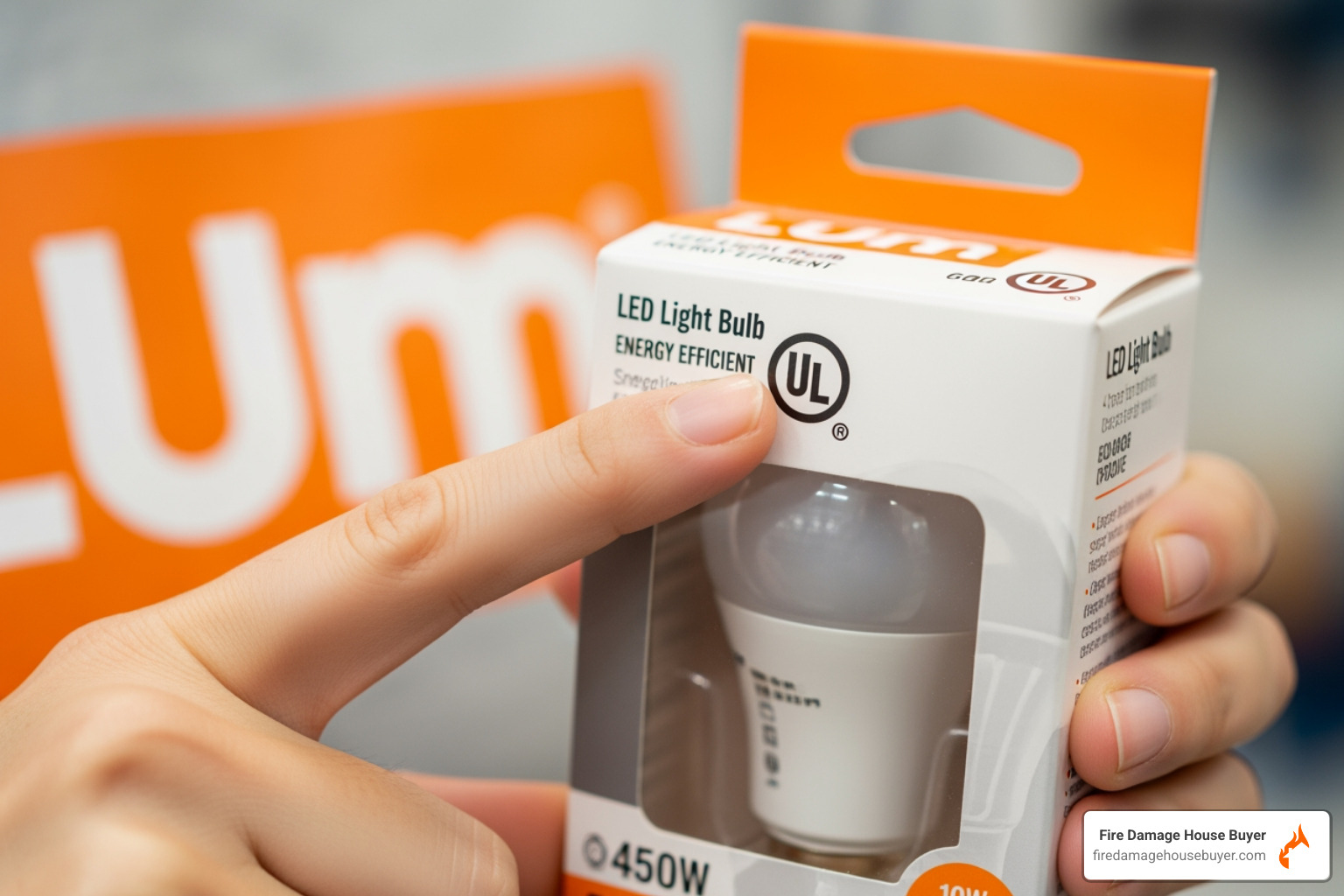
Choose Certified Products from Reputable Sources
This is perhaps the most critical step in ensuring LED light safety. Always look for safety certifications on LED products, such as:
- UL (Underwriters Laboratories): A globally recognized safety science company that tests and certifies products for safety. A UL mark indicates the product has met rigorous safety standards for fire and electrical hazards.
- ETL Mark: Similar to UL, the ETL mark signifies that a product has been tested and meets applicable safety standards.
- CE Mark: Common in Europe, this mark indicates conformity with health, safety, and environmental protection standards.
These certifications mean the product has undergone extensive thermal and electrical testing. Avoiding unbranded, unusually cheap products from unknown manufacturers is a smart move. While they might save a few dollars upfront, the potential costs of a fire—financially and emotionally—are simply not worth the risk. We always recommend purchasing from renowned and trustworthy brands.
Follow Best Practices for Installation and Maintenance
Even with certified products, improper installation can negate safety features. Here are our essential safety tips for LED installation:
- Read and follow manufacturer instructions: Every LED product has specific installation guidelines. Adhering to these is crucial.
- Use correct wattage and voltage: Ensure the LED light’s wattage and voltage requirements match the fixture and power supply. For example, never plug low-voltage DC LED strips directly into an AC wall outlet.
- Avoid overloading circuits: Even though LEDs are efficient, don’t overload electrical circuits by connecting too many devices. If you notice flickering lights, warm outlets, or tripping breakers, it’s a sign of an overloaded circuit.
- Ensure proper ventilation: Allow adequate airflow around LED fixtures, especially in enclosed spaces. Heat sinks need to do their job.
- Secure connections: All electrical connections should be tight and secure. Loose connections can generate heat and sparks.
- Regular inspection: Periodically check your LED installations for signs of wear, damage, or malfunction.
If you’re unsure about any electrical work, especially for larger installations like LED grow light setups or extensive strip lighting, consulting a qualified electrician is always the safest bet. They can ensure compliance with local electrical codes. Sometimes, strange sounds can be a warning sign. Just as you’d investigate why your house fire alarm keeps beeping, pay attention to any unusual noises from your lighting.
Are LED lights a fire hazard if not maintained properly?
Lack of maintenance can turn a safe LED setup into a potential hazard. Here’s why:
- Dust accumulation: Dust and debris can build up on fixtures, especially on heat sinks. This acts as an insulating layer, trapping heat and preventing proper dissipation, leading to overheating.
- Checking for damage: Regular inspections can catch issues before they become dangerous. Look for:
- Flickering or dimming: Often a sign of a failing driver, loose connection, or incompatible dimmer.
- Buzzing or humming sounds: Can indicate electrical issues within the fixture or power supply.
- Discoloration or burn marks: Visible signs of overheating.
- Frayed cords or cracked housings: Compromised integrity that can expose live wires or internal components.
- Excessive heat: While LEDs are cool, if a fixture feels unusually hot to the touch, something is wrong.
If you encounter any of these warning signs, discontinue use immediately. For any persistent issues or if you’re uncomfortable with electrical troubleshooting, it’s best to call a professional electrician.
What to Do If Your Home Suffers Fire Damage from Lighting
Despite our best efforts at prevention, accidents can happen. If your home experiences fire damage, whether from lighting or another source, the aftermath can be overwhelming. We understand the immediate shock and the long list of questions that follow.

The first priority is always safety. Ensure everyone is accounted for and safe. Once the fire department has cleared the scene, you’ll face the daunting task of assessing the damage. This often involves not just visible charring and structural compromise, but also pervasive smoke and water damage. Dealing with smoke contamination after fire is a complex process, as soot and odor can penetrate nearly every surface.
The process of cleaning up after a house fire is extensive and costly. Typical restoration costs for fire-damaged homes can range dramatically based on the severity of the damage and the size of the property. Minor smoke damage might cost a few thousand dollars, while extensive structural damage and complete reconstruction could easily run into hundreds of thousands of dollars, or even exceed the home’s pre-fire value. For example, a house with moderate fire damage (say, one room severely affected and smoke throughout) could require $50,000 to $150,000 or more in repairs, including demolition, structural work, smoke remediation, new electrical, plumbing, and finishes.
Common challenges include:
- Structural repairs: Ensuring the integrity of the building.
- Smoke remediation: Eliminating odors and soot from all surfaces, often requiring specialized equipment.
- Water damage: From firefighting efforts, leading to potential mold growth.
- Code upgrades: Bringing the damaged portions of the home up to current building codes, which can add significant unexpected costs.
- Insurance claims: Navigating the complex world of insurance adjusters and payouts.
The emotional and financial toll on homeowners can be immense. We’ve seen how homeowners in Alabama, Arizona, California, Florida, Georgia, Illinois, New York, Texas, and across the nation struggle with this burden.
Why Selling ‘As Is’ May Be the Best Solution After Fire Damage
For many homeowners facing the overwhelming task of fire damage restoration, selling the property “as is” for cash can be the most sensible and stress-free solution. We specialize in helping homeowners steer this difficult time, offering a clear path forward without the hassle of repairs or lengthy insurance battles.
The benefits of selling your fire-damaged house “as is” for cash with us include:
- No need for costly repairs: You don’t have to spend a single dollar or lift a finger on cleaning, demolition, or reconstruction. We buy properties in any condition, allowing you to avoid the immense financial strain and physical labor of restoration.
- No commissions or hidden fees: When you sell to us, what we offer is what you get. There are no real estate agent commissions, closing costs, or other fees that eat into your payout.
- Fast, fair offers: We understand that time is often of the essence after a fire. Our process is designed to provide you with a fair cash offer quickly, allowing you to move forward with your life without delay.
- Stress-free process: Dealing with a fire is stressful enough. Our goal is to make the selling process as simple and straightforward as possible, handling all the paperwork and logistics.
If you’re looking to quickly resolve your situation and receive a fast, fair cash offer, learn more about how to Sell Fire Damaged House to us. We invite you to explore the pros and cons of selling your house as-is to understand if this is the right path for you.
Frequently Asked Questions About LED Light Fire Safety
Is it safe to leave LED lights on for extended periods?
Yes, generally, it is safe to leave LED lights on for extended periods. This is largely due to their low heat output and high energy efficiency. Unlike incandescent bulbs that quickly burn out or pose a fire risk when left on for too long, LEDs are designed for longevity and continuous operation. However, quality and installation are still key. A well-made, properly installed LED light with adequate ventilation can run for days without issue. Conversely, a cheap, poorly installed LED in an enclosed space might still overheat. While safe, we always recommend turning off lights when not in use to save energy and extend their already impressive lifespan.
Can an LED light get hot enough to ignite nearby materials like curtains or paper?
Under normal, proper functioning conditions, an LED light will not get hot enough to ignite nearby materials like curtains or paper. As we’ve discussed, their operating temperatures are significantly lower than traditional bulbs (typically 30-50°C). You can often touch an LED bulb that’s been on for hours without discomfort.
However, if an LED light is malfunctioning due to a defect, poor quality components, or severe installation errors (like being severely overpowered), it could potentially overheat. Even in these rare cases, the temperature would likely need to be extreme to ignite common household materials. Still, it’s always a wise practice to maintain a safe distance between any light source and highly flammable items.
What are the warning signs that an LED light is a potential fire hazard?
While LEDs are generally safe, it’s crucial to be aware of potential warning signs that could indicate a problem:
- Flickering or dimming: Inconsistent light output can signal a failing driver, a loose connection, or an incompatible dimmer.
- Buzzing or humming noises: Properly functioning LEDs should be silent. Any audible buzzing or humming can point to an electrical issue, often with the power supply or driver.
- Discoloration or burn marks: Visible scorching or melting on the fixture, bulb housing, or surrounding surfaces is a clear sign of overheating.
- A smell of burning plastic or electrical components: This is a serious warning sign of overheating and potential insulation melting. If you detect such an odor, immediately turn off the light and disconnect it from power if safely possible.
- Fixture is excessively hot to the touch: While LEDs produce some heat, they should not be scorching. If an LED fixture feels unusually hot, it might be overheating.
If you notice any of these signs, turn off the light immediately. Investigate the cause or, even better, consult a qualified electrician to ensure your safety.
Conclusion: Protecting Your Home and Your Future
In conclusion, the question of are LED lights a fire hazard can be answered with a nuanced understanding: while inherently much safer due to their low heat output and high efficiency compared to traditional lighting, they are not entirely risk-free. The vast majority of potential hazards stem not from the LED technology itself, but from external factors such as poor manufacturing quality, improper installation, electrical system incompatibilities, and a lack of maintenance. By choosing certified products, adhering to best installation practices, and performing regular checks, homeowners can enjoy the numerous benefits of LED lighting with peace of mind.
However, we know that despite all precautions, the devastating reality of a house fire can strike. The high costs and challenges of restoration—from structural repairs and smoke remediation to navigating insurance claims and code upgrades—can be overwhelming for any homeowner.
For homeowners facing overwhelming repairs after a fire, selling the property “as is” for cash offers a simple, stress-free path forward. We provide fast, fair cash offers, allowing you to move on without the burden of repairs, commissions, or lengthy processes. If you’re struggling with the aftermath of fire damage and considering your options, we’re here to help. Sell Fire Damaged House to receive a fast, fair cash offer and move on without the burden of repairs. Learn more about the pros and cons of selling your house as-is or if you want, request a no-obligation cash offer today!.