Introduction: The Convenience and Hidden Dangers of Slow Cooking
Can a crock pot catch on fire? Yes, crock pots can catch fire, though it’s relatively rare when used properly. Here’s what you need to know:
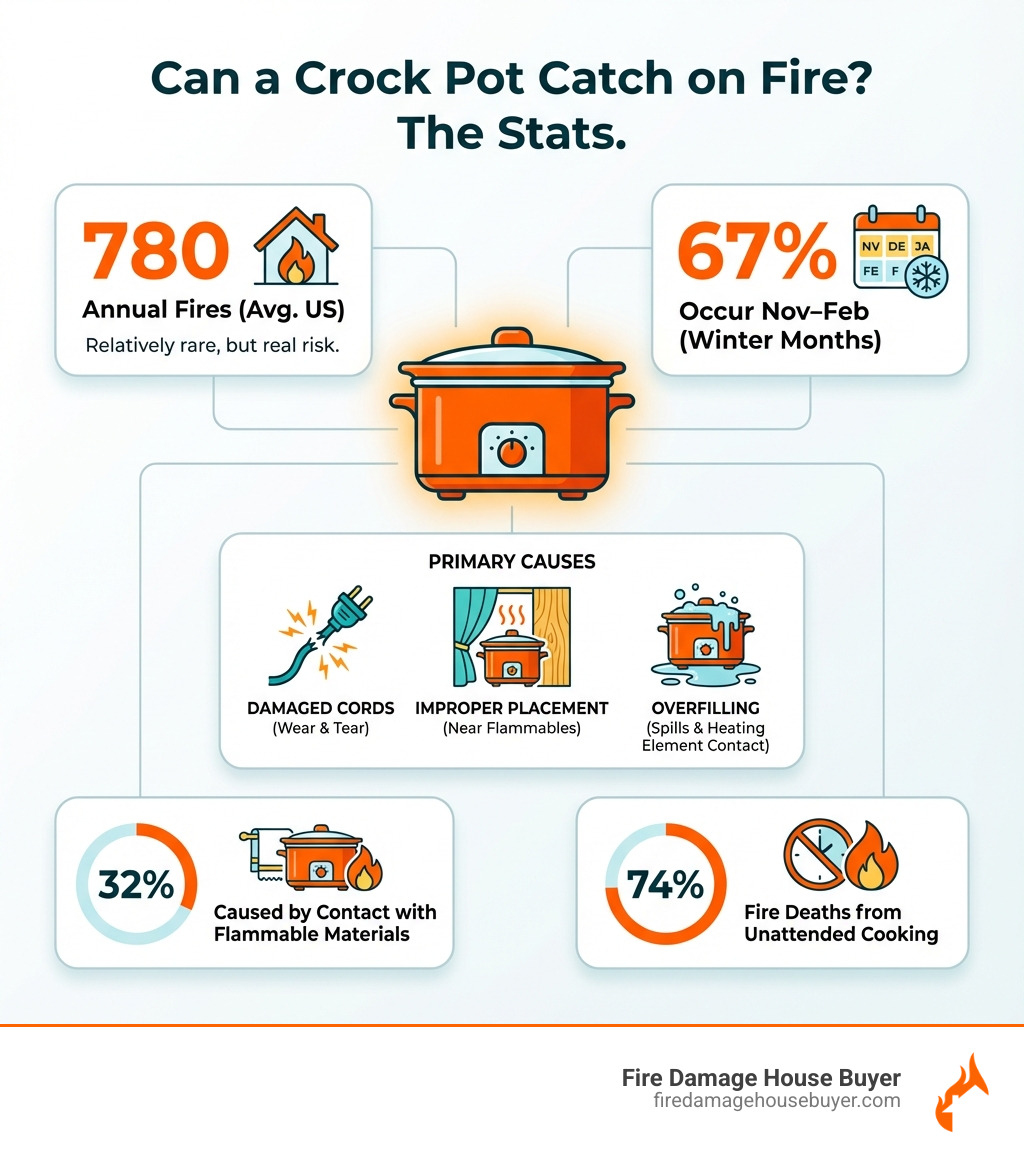
- Fire Risk is Real: Between 2012-2016, crock pots caused an average of 780 house fires annually in the U.S.
- Main Causes: Faulty wiring, damaged power cords, improper placement near flammable materials, and overfilling.
- Seasonal Pattern: 67% of slow cooker fires occur between November and February.
- Prevention is Key: Regular inspection, proper placement (6 inches from walls), and avoiding extension cords dramatically reduce risk.
- Older Models are Riskier: Vintage slow cookers with fabric cords may not meet current safety standards.
Crock pots are a kitchen staple, offering the convenience of a ready-to-eat meal after a long day. But this convenience can hide a serious risk: fire. While modern slow cookers have safety features, fires can and do happen. This very real danger was highlighted in the hit show This Is Us, where a faulty slow cooker was implicated in a devastating house fire, raising national awareness about the potential risks.
Statistics show that slow cookers are involved in hundreds of house fires annually, leading to injuries, fatalities, and millions in property damage. These are not minor mishaps; they are serious events that can destroy homes and cause immense financial and emotional stress.
The most concerning aspect? Many of these fires are preventable. They often result from simple errors like using a damaged cord, placing the pot near flammable items, overfilling it, or using an old, unsafe model. Inherited or second-hand slow cookers can be especially risky, as they may lack modern safety features or have hidden electrical faults.
This guide covers everything you need to know about crock pot fire safety. We’ll review the statistics, identify the main causes, and provide a preventative checklist. You’ll learn how to inspect and place your slow cooker, recognize warning signs, and understand the safety of leaving it unattended.
With over 15 years of experience helping homeowners recover from fire damage, we’ve seen how a small appliance fire can lead to catastrophic loss. When the question can a crock pot catch on fire becomes a reality, the consequences are severe. Understanding these risks and taking proper precautions is the key to preventing a devastating disaster.
You may also like:
Can a Crock Pot Catch on Fire? Unpacking the Statistics and Causes
So, can a crock pot catch on fire? Yes. While relatively rare with proper use, these fires can have severe consequences. Statistics vary, but reports indicate slow cookers are involved in anywhere from 70 to 780 house fires annually in the U.S. These incidents cause injuries, fatalities, and millions of dollars in property damage each year, confirming the risk is real.
Notably, 67% of these fires occur between November and February. This seasonal spike corresponds with colder weather and more frequent use of slow cookers for warm meals, highlighting the need for extra vigilance during these months.
Cooking is the leading cause of U.S. home fires, and while slow cookers are not the most common source, they contribute to this statistic. Like any cooking appliance, they carry inherent risks that require careful attention. For more on this topic, the NFPA provides extensive resources on Cooking is the leading cause of home fires.
Primary Causes of Slow Cooker Fires
Understanding the causes is key to prevention. Fires typically stem from a few main issues:
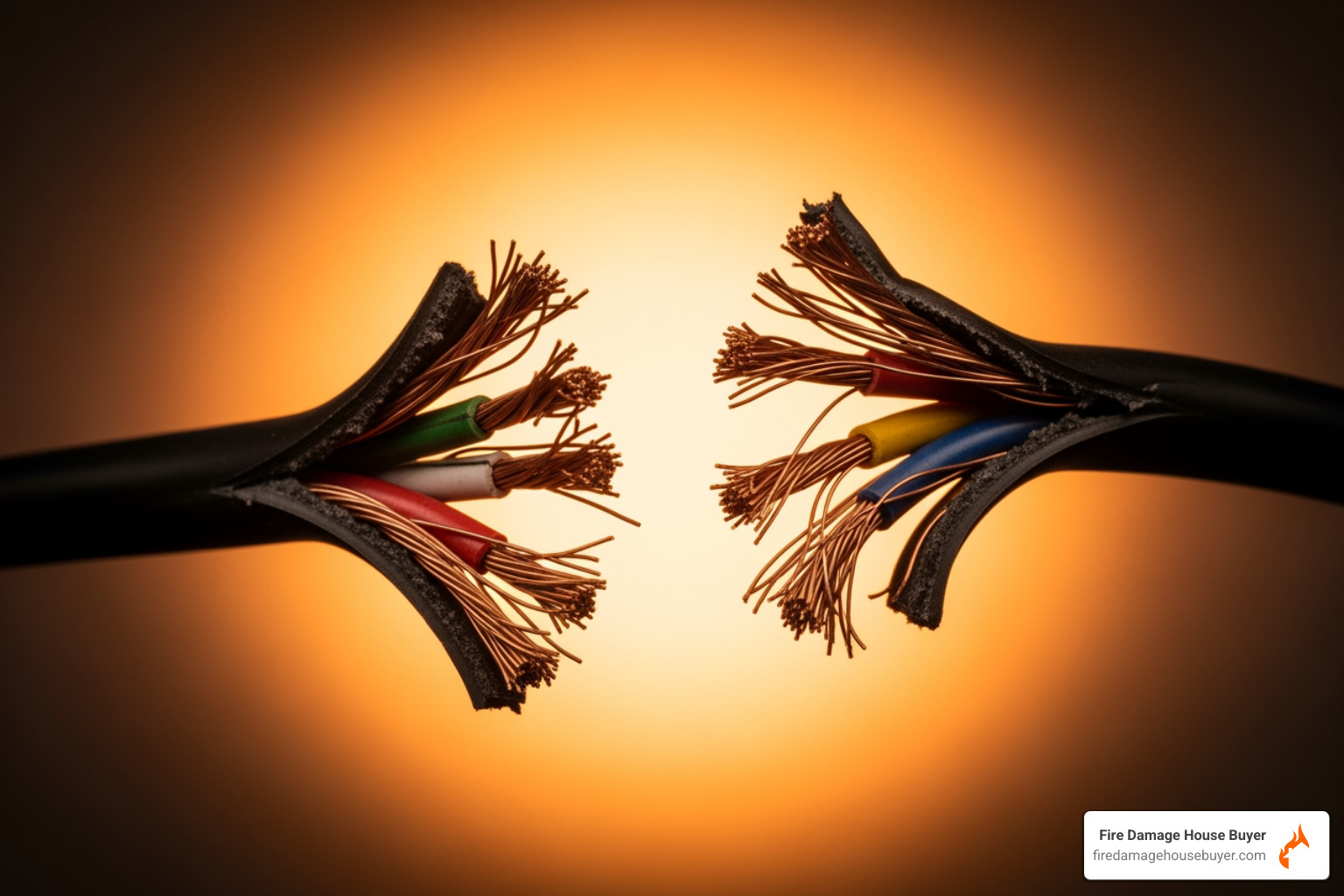
- Electrical Failures: Faulty internal wiring, malfunctioning heating elements, or damaged power cords can cause overheating and electrical shorts that ignite nearby materials.
- Improper Placement: Placing the unit too close to walls, cabinets, or flammable items like curtains and towels can trap heat and cause a fire. 32% of incidents involve contact with combustible materials.
- User Error: Overfilling the pot can cause liquids to boil over onto electrical components, leading to a short circuit. Letting the pot cook dry can also cause extreme overheating.
- Unattended Cooking Risks: While designed for unattended use, leaving a faulty or improperly placed slow cooker running is extremely dangerous. Unattended cooking is a factor in 74% of home fire deaths, underscoring the need for caution.
The Dangers of Older and Second-Hand Appliances
Older and second-hand slow cookers pose a higher risk and should be used with extreme caution, if at all.
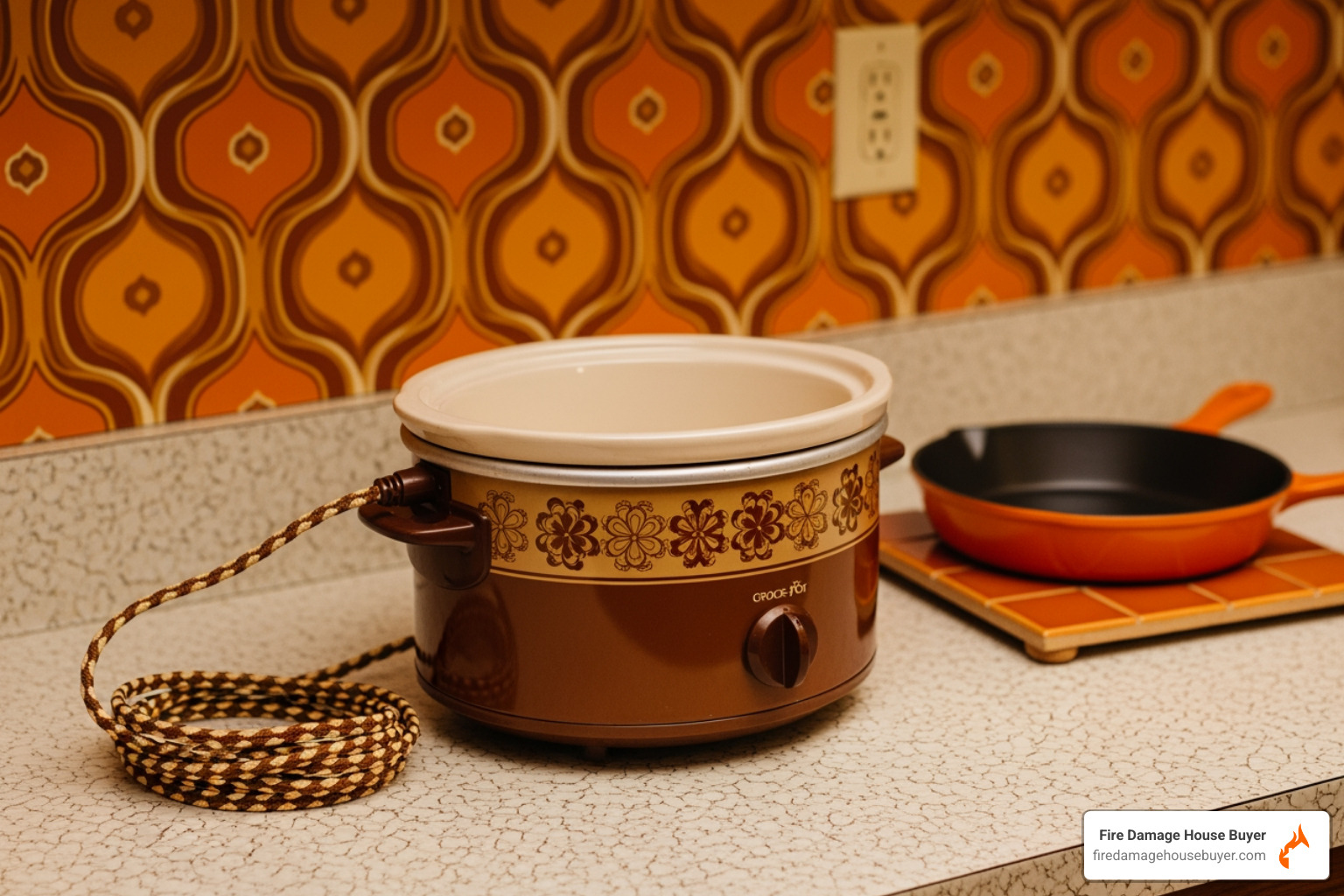
- Outdated Safety Standards: Vintage appliances, especially those with fabric-covered cords, may not meet current safety standards. These cords fray and crack easily, creating a significant fire hazard.
- Lack of Modern Features: Older models often lack safety features like automatic shut-off or precise temperature controls found in modern units, increasing the risk of overheating.
- Wear and Tear: Over time, switches, wiring, and internal components can degrade and fail, leading to dangerous malfunctions.
- Check for Recalls: Before using any second-hand appliance, check for safety recalls at Check for appliance recalls on saferproducts.gov. If an old appliance shows any signs of damage, it’s safest to discard it.
Pre-Cooking Checklist: Essential Steps to Prevent a Crock Pot Fire
A few moments of inspection before each use can prevent a disaster. Follow this pre-cooking safety checklist to ensure your appliance is safe to operate.
Inspecting Your Appliance: Is Your Crock Pot Safe to Use?
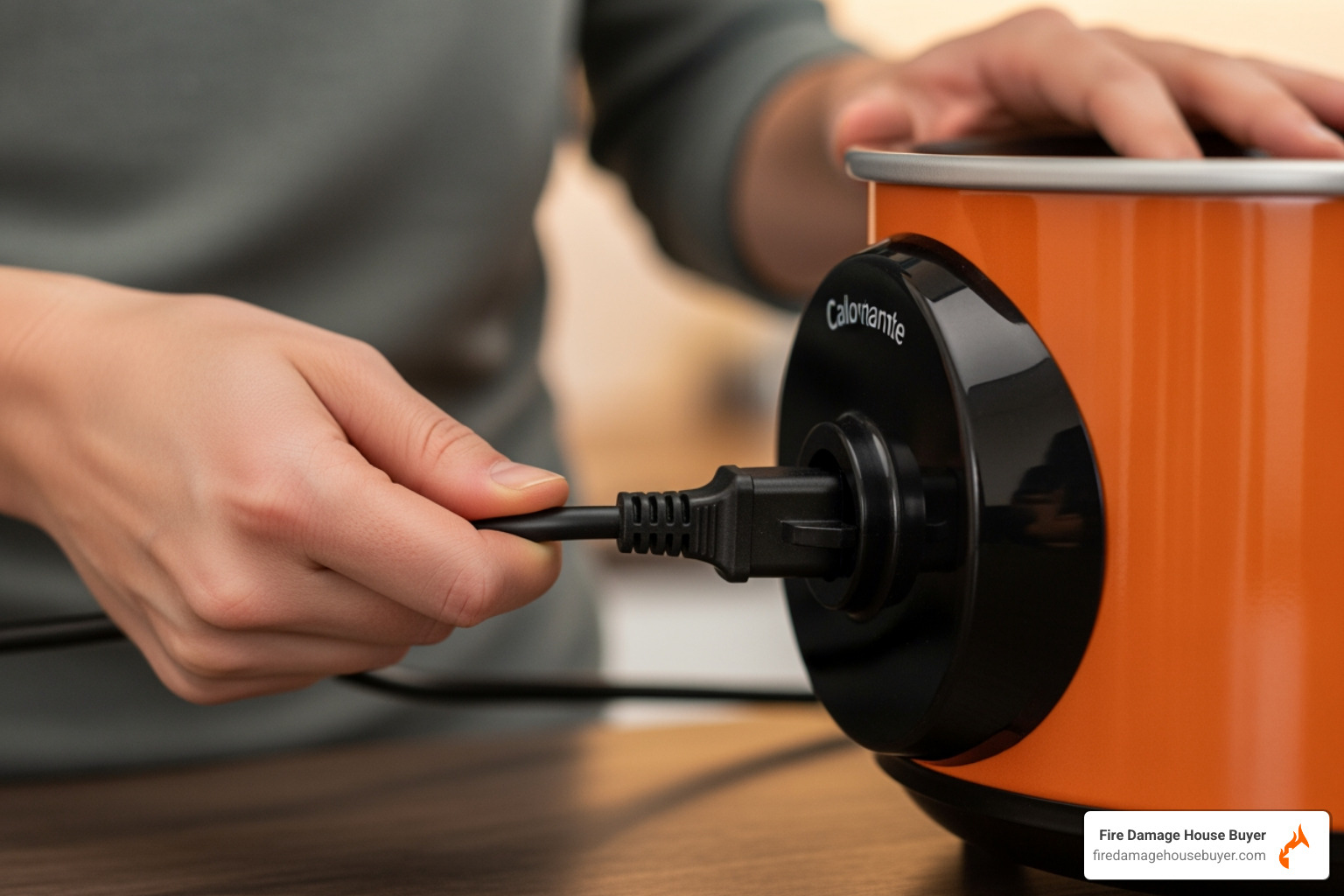
Visually inspect your slow cooker before every use to spot potential hazards. Look for the following red flags:
- Power Cord: Examine the entire cord for frays, cuts, or exposed wires. Do not use tape for repairs; if damaged, discard the appliance.
- Ceramic Insert: Check the crock for cracks or large chips, which can affect heat distribution and structural integrity.
- Plug: Look for bent or corroded prongs. The plug should fit securely in the outlet.
- Controls: If the temperature knob is loose or heating seems erratic, the unit may be malfunctioning internally.
- Overheating Signs: Look for melted plastic, discoloration, or burning smells on the appliance’s exterior.
If you notice any of these issues, or if your appliance is a vintage model with a fabric cord, replace it. Modern, UL-certified appliances and electrical safety codes meet higher safety standards and provide peace of mind.
The Safe Zone: Proper Placement and Setup in Your Kitchen
Proper placement is critical to prevent fires. Follow these rules for setting up a safe cooking environment:
- Use a Stable, Flat, Heat-Resistant Surface: Avoid wobbly tables or placing the unit near the counter’s edge. Use a trivet on heat-sensitive surfaces like laminate or wood.
- Follow the 6-Inch Clearance Rule: Maintain at least 6 inches of space around the slow cooker from walls and cabinets to ensure proper ventilation and prevent heat buildup.
- Keep Away from Water: Never place or operate the appliance near a sink. Do not handle the plug with wet hands or submerge the base in water.
- Secure the Cord: Tuck the power cord away from the counter’s edge and hot surfaces to prevent it from being snagged or damaged.
Avoiding Common Mistakes: Can a crock pot catch on fire from misuse?
Certain common mistakes can dramatically increase fire risk. Be sure to avoid them:
- Never Use an Extension Cord: Slow cookers require a direct connection to a wall outlet. Extension cords can overheat and cause a fire due to voltage drops, which makes the appliance draw more current.
- Avoid Overfilling: Fill the crock no more than two-thirds to three-quarters full. Overfilling can cause liquids to boil over onto the heating element, creating a fire or electrical hazard.
- Use Liners Safely: If using plastic liners for easy cleanup, choose BPA-free options to avoid chemical leaching into your food. The Mayo Clinic explains more about BPA risks.
- Manage Grease: Be careful when cooking fatty foods to prevent grease from dripping onto the heating element, where it can ignite. Clean the appliance thoroughly after each use to remove grease and food residue.
Safe Operation: Best Practices for Unattended and Overnight Cooking
Slow cookers are designed for long, unattended cooking, but this convenience requires following strict safety protocols to ensure peace of mind.
Leaving Your Crock Pot Unattended: A Guide to Peace of Mind
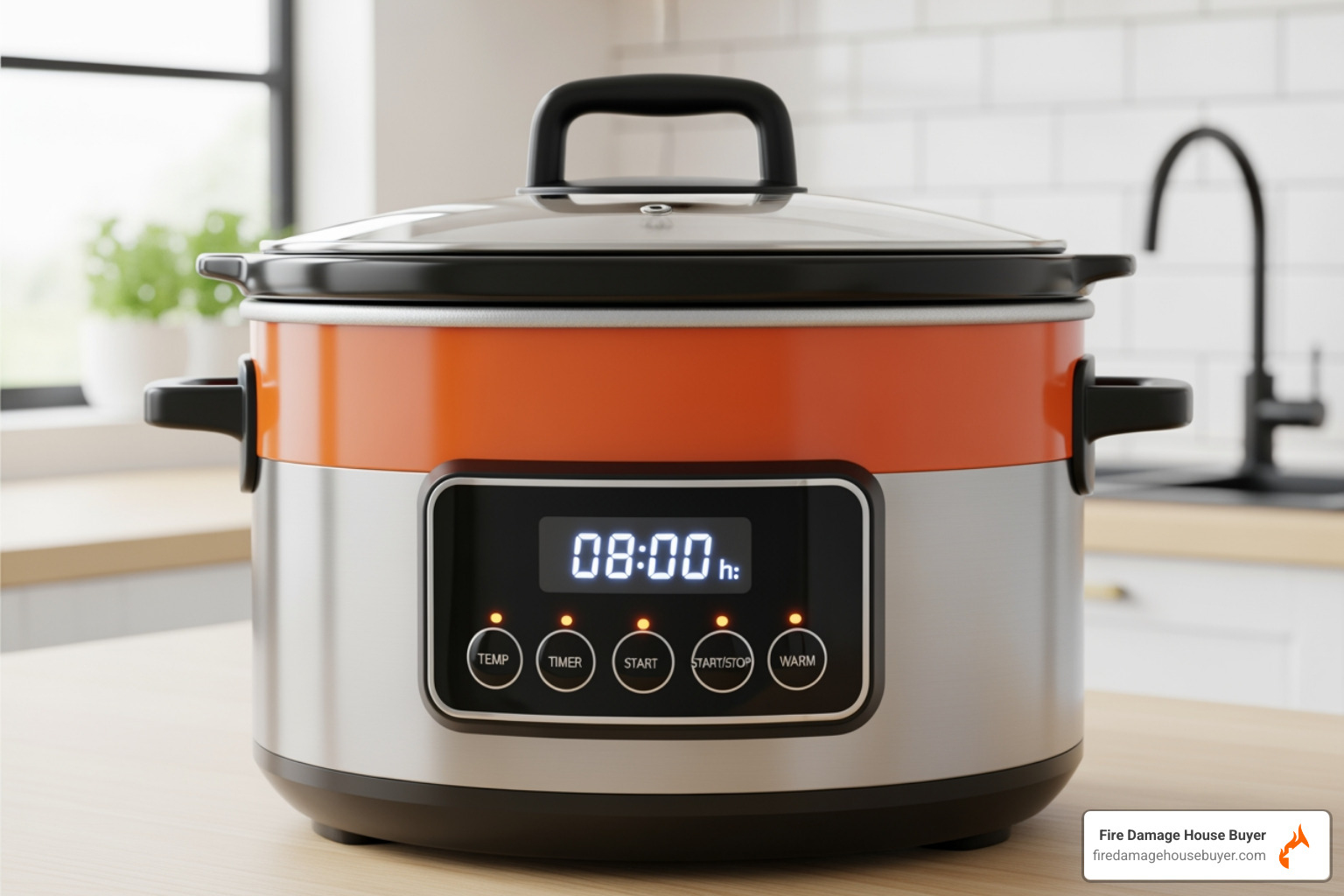
Can you leave a crock pot on overnight or while unattended? Yes, but only if you adhere to these critical safety measures:
- Use a Safe Appliance: Only leave a modern, well-maintained appliance unattended. Ensure it has no damage and is placed correctly with proper clearance.
- Use the Low Setting: For long, unattended cooking times, always use the low heat setting to minimize overheating risks.
- Follow the Manual: Adhere to your model’s user manual for recommended cooking times and fill levels.
- Use Timers: If your model has a programmable timer or auto-warm function, use it. These features add a layer of safety by preventing the appliance from running too long at high heat.
- Consider Smart Models: Some Wi-Fi-enabled slow cookers allow for remote monitoring via a smartphone app, offering additional peace of mind.
- Perform Regular Maintenance: Consistent cleaning and inspection are crucial for safe operation.
The Role of Home Fire Safety Systems
Even with perfect precautions, you need a reliable backup. Your home’s fire safety systems are your ultimate line of defense.
- Working Smoke Detectors: Your first line of defense is a working smoke detector. Test them monthly and replace batteries twice a year. If you have issues, figure out why does my house fire alarm keep beeping and fix it immediately.
- Kitchen Fire Extinguisher: Keep a kitchen-rated (Class K or ABC) fire extinguisher accessible. Know how to use it for small, contained fires only. If a fire grows, evacuate and call 911.
- Remember the Risk: Unattended cooking is a major factor in fire fatalities. The statistic that unattended crock pots are involved in 74% of related house fire deaths highlights the absolute necessity of functional smoke alarms and an escape plan.
Emergency Protocol: What to Do If Your Crock Pot Malfunctions
Despite your best efforts, malfunctions can occur. Knowing how to respond immediately if your crock pot starts smoking or sparking can prevent a small problem from becoming a catastrophe.
Your Crock Pot is Smoking or Sparking: Immediate Actions to Take
If you see smoke or sparks, stay calm and act quickly:
- Cut the Power: If safe, unplug the appliance from the wall. Do not pull the cord. If you can’t reach the plug, turn off the power at the circuit breaker.
- Don’t Touch: The appliance will be extremely hot and poses a shock hazard. Do not move it or lift the lid.
- Cool Down: If there are no flames, let the unit cool completely for several hours. Ventilate the room.
- No Water on Flames: If there are flames, never use water on an electrical fire. Use a Class K or ABC fire extinguisher for small, contained fires.
- Evacuate and Call 911: If the fire is spreading or there is significant smoke, evacuate everyone immediately and call 911 from outside.
After the Fire: Navigating the Overwhelming Aftermath
Even a small kitchen fire has devastating and far-reaching consequences. Once the immediate danger is over, homeowners face a daunting reality. The damage is rarely confined to one spot; what does smoke damage do to a house is a question with a complex answer, involving toxic soot, pervasive odors, and corrosion that can spread throughout the entire property.
The heat from even a small appliance fire can be intense. Understanding how hot does a house fire get makes it clear that structural integrity can be compromised, leading to hidden dangers long after the flames are out.
Facing the recovery process is overwhelming. The cost to repair fire damaged house is often astronomical, and the process involves months or even years of dealing with contractors, specialized cleaning, and structural work. On top of that, navigating the complex and often frustrating fire damage insurance claims guide adds another layer of stress. This long, expensive, and emotionally draining journey is why many homeowners seek an alternative.
Frequently Asked Questions About Crock Pot Fire Safety
Here are answers to some of the most common questions homeowners have about slow cooker safety.
How often should I replace my crock pot?
There’s no fixed replacement schedule, but you should replace your crock pot immediately if you see any of the following:
- A frayed or damaged power cord.
- Cracks in the ceramic insert.
- Uneven heating or malfunctioning controls.
- Physical damage like melted plastic or dents.
- It is a vintage model (e.g., from the 1970s) with a fabric cord.
When in doubt, replace it. A new appliance is a small price to pay for safety.
Can I use an extension cord with my crock pot?
No. Manufacturers prohibit using extension cords with slow cookers. They can cause voltage drops, forcing the appliance to draw more current, which leads to overheating of both the cord and the crock pot, creating a serious fire risk. Always plug your crock pot directly into a grounded wall outlet.
Is it really safe to leave a crock pot on overnight?
Yes, but only if you follow strict safety precautions. Use a modern, well-maintained appliance with no signs of damage. Place it on a stable, heat-resistant surface with at least 6 inches of clearance from walls and flammable items. Always use the low heat setting for overnight cooking and ensure your smoke detectors are working correctly. Follow all guidelines in your user manual. While many people do this safely, never become complacent about the risks.
Conclusion: Enjoying Your Crock Pot Safely and What to Do After a Fire
Crock pots offer incredible convenience, and while the question “can a crock pot catch on fire?” is a valid concern, the risk is manageable. By following key safety practices—regular inspection, proper placement, and correct use—you can enjoy your slow cooker with peace of mind.
However, accidents can still happen, and a small kitchen fire can lead to overwhelming and costly damage. The restoration process is daunting; the cost to repair fire damaged house is often substantial, and the journey involves months of repairs, cleanup, and stressful insurance claims.
For homeowners facing this difficult reality, there is a simpler path forward. Fire Damage House Buyer specializes in buying fire-damaged houses as-is. We offer a fair cash offer better for seller, allowing you to Sell Fire Damaged House quickly without the burden of repairs, commissions, or closing costs.
If your home has suffered fire damage and you want a straightforward solution, we can help. Contact us today for a no-obligation cash offer and learn how to sell a fire-damaged house efficiently. Let us help you get a fresh start.