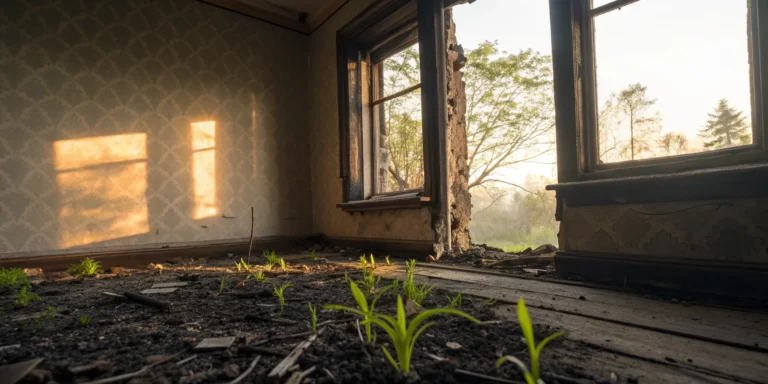
The emotional toll of a house fire is immense, and it’s easy to feel completely alone in the aftermath. Please know that you are not. While the path ahead seems daunting, there are clear steps you can take and resources available to help you through it. This guide was created to be a supportive companion during this difficult time. We’ll walk you through the practical necessities, like dealing with insurance and securing your property, but we’ll also touch on the importance of caring for your emotional well-being. You have options, and you have support. Let’s start with the first few steps to regain control after your burned down house.
Key Takeaways
- Prioritize Safety and Evidence Gathering: Your first steps are to secure a safe place to stay and, once cleared by officials, thoroughly document all damage with photos and lists. This initial record-keeping is the foundation for your entire insurance claim.
- Weigh Your Two Main Financial Paths: You are not obligated to rebuild. Compare the long, expensive, and stressful process of reconstruction with the alternative of selling your property as-is for cash, which provides a fast and simple way to move forward.
- Lean on Systems and Support for Recovery: The journey ahead is a marathon, so stay organized by keeping detailed records of all expenses and communications. Proactively seek support from financial aid programs and mental health professionals to manage the strain.
Your First Steps After a House Fire
The moments after a house fire are a blur of shock, confusion, and overwhelming emotion. It’s completely normal to feel lost and unsure of what to do next. Before you think about insurance claims or long-term plans, your focus should be on the immediate essentials. Taking things one step at a time can make the situation feel more manageable. This guide will walk you through the critical first actions to take to ensure your safety and begin the recovery process on solid ground.
Think of these as your foundational steps—the things you need to do in the first few hours and days to protect yourself and your family. From making sure everyone is physically safe to securing a temporary place to sleep, these actions will create the stability you need to handle everything else that will come your way. Remember to be patient with yourself and lean on your support system. You don’t have to figure everything out at once.
Prioritize Your Safety
Before you do anything else, your personal safety is the top priority. Even if the flames are out, your home is not safe to enter. Fire can severely weaken the structure, creating a risk of collapse. Hot spots can reignite, and the air can be filled with toxic fumes and particles you can’t see or smell. Do not go back inside for any reason—not for pets, not for valuables, not for anything—until the fire department has officially given you the all-clear. Stay a safe distance away and let the emergency responders do their job. Your well-being is the one thing that cannot be replaced.
Call for Help and Notify Family
Once you and your family are in a safe location, it’s time to start making a few important calls. First, let your close family and friends know that you are okay. This will ease their worries and also prevent them from tying up emergency phone lines trying to reach you. Next, consider reaching out to a disaster relief organization. The American Red Cross can provide immediate assistance with essentials like temporary housing, food, clothing, and medication. They are experienced in helping families through this exact situation and can be an incredible source of support and resources in the first 24-48 hours.
Secure a Safe Place to Stay
You’ll need a safe, stable place to sleep and regroup for the next few nights. If you have family or friends nearby who can take you in, that is often the most comfortable option. If not, a hotel or motel will work. Don’t worry about the cost right away; your homeowner’s insurance policy likely includes coverage for Additional Living Expenses (ALE), which is meant to pay for temporary housing and other essential costs while you’re displaced. The most important thing you can do right now is to keep every single receipt—for the hotel, for meals, for toiletries. These documents will be essential for getting reimbursed by your insurance company later.
Take Photos of the Damage
Once the fire department has confirmed that the property is safe to approach, one of the first practical steps you should take is to document the damage. This will be incredibly important for your insurance claim. Using your phone, take as many photos and videos as you can. Be thorough. Capture wide shots of entire rooms and close-ups of specific damaged items. Document the damage to the structure itself—the walls, ceilings, and floors—as well as your personal belongings. If you can, start a simple list of everything that was damaged or destroyed. This initial record will be a huge help when you have to create a detailed inventory for your insurer.
How to Safely Re-Enter Your Home
The urge to rush back into your home to see what’s left is completely understandable. You want to find precious keepsakes and start figuring out what to do next. But before you take a single step inside, you have to pause and prioritize your safety. A fire can leave behind a host of invisible dangers, from a structurally unsound roof to toxic air. Going back in without taking the right precautions can put your health at serious risk. It’s a difficult situation, and your well-being has to come first.
Following a clear, step-by-step process will help you re-enter your property as safely as possible. This means waiting for official approval, gearing up properly, and staying alert to the many hidden hazards that could be waiting for you. Even after the flames are out, the environment remains hazardous. Firefighting efforts can leave behind significant water damage, creating slick surfaces and the potential for mold growth. The air can be filled with soot and other harmful particles. Taking a moment to prepare can make all the difference in protecting yourself from injury or illness as you begin the recovery process.
Get the All-Clear from Officials
This is the most important rule: do not enter your home until the fire department or another emergency authority has officially said it’s safe. Even if the fire seems completely out, the structure could be unstable and at risk of collapsing. Floors, walls, and the roof may have been weakened by the intense heat. There’s also the danger of toxic fumes and hidden embers that could reignite. The professionals on-site are trained to assess these risks. They will let you know when the immediate dangers have passed and the property is secure enough for you to return. Patience is tough in this moment, but waiting for their green light is a non-negotiable first step.
Wear the Right Protective Gear
Once you have permission to go inside, you need to protect yourself from head to toe. The air and surfaces will be contaminated with soot, ash, and other potentially toxic materials. Your everyday clothes and shoes won’t be enough. Before you enter, make sure you’re wearing the right personal protective equipment. This includes a hard hat, safety glasses or goggles, and an N95 or P100 respirator mask to protect your lungs. You’ll also need long sleeves and pants, heavy-duty gloves, and sturdy, steel-toed boots to guard against sharp debris and unstable flooring. It might feel like a lot, but this gear is essential for keeping you safe from injury and long-term health issues.
Watch for Hidden Dangers and Toxins
With the right gear on, you can enter, but you need to move with extreme caution. The environment is full of hazards you might not see at first glance. Be mindful of structural damage—floors may be weak, and ceilings could sag. Watch where you step and be aware of what’s above you. Firefighting efforts also introduce a lot of water, which can make surfaces slippery and lead to mold growth within just a day or two. Outside the home, the fire may have destabilized trees or loosened rocks on a slope. Keep an eye out for displaced wildlife seeking shelter. Everything has been disrupted, so take your time, clear paths carefully, and stay alert to your surroundings.
How to File Your Insurance Claim
Dealing with insurance after a fire can feel like a full-time job, and it’s the last thing you need when you’re already managing so much. The process is detailed and can be slow, which is why it’s important to be organized from the very beginning. Think of it as gathering the evidence you need to get the full and fair settlement you deserve. While it can be a long road, taking these steps can make the process smoother. For some, the timeline and paperwork are too much, leading them to explore simpler options like a direct cash sale, which is a completely different way to handle the situation. But if you’re moving forward with a claim, here’s where to start.
Notify Your Insurance Company Immediately
After you’ve made sure your family is safe and secure, your next call should be to your insurance company’s claims department. Don’t wait. The sooner you report the fire, the faster they can assign an adjuster to your case and begin the process. This initial call gets the ball rolling on everything, including accessing funds for immediate needs like temporary housing, food, and clothing, which are often covered under your policy’s Additional Living Expenses (ALE) clause. Have your policy number handy if you can, but don’t worry if you can’t find it—they can look it up with your name and address.
Get a Copy of the Fire Report
The fire report is an official document created by the fire department that responded to the incident. It contains crucial details about the fire, including the date, time, location, and a preliminary assessment of the cause and origin. Your insurance adjuster will need a copy of this report to process your claim, as it serves as official third-party documentation of the event. You can typically request a copy directly from the fire department that was on the scene. It’s a straightforward but essential piece of paperwork that validates your claim and helps move it forward.
Document Your Losses and Create an Inventory
This is often the most emotionally taxing part of the process, but it’s critical for your claim. Once officials have declared it safe to re-enter your property, take extensive photos and videos of everything. Capture the structural damage from every angle and get detailed shots of damaged personal belongings. From there, start creating a room-by-room inventory of everything that was lost or damaged. For each item, try to list its description, brand, where and when you bought it, and what it would cost to replace. A detailed home inventory checklist can help you remember items you might otherwise forget.
Keep Detailed Records of Everything
From this point forward, organization is your best friend. Get a binder or create a dedicated digital folder to store every piece of documentation related to your fire and claim. This includes the fire report, your home inventory list, all photos and videos, and every receipt for expenses you incur after the fire—from hotel stays and meals to new clothes and toiletries. You should also keep a log of every conversation you have with your insurance company. Note the date, time, the name of the person you spoke with, and a summary of what was discussed. This detailed record-keeping will help you stay on top of the process and provides a paper trail if any disputes arise.
What to Expect from the Insurance Process
Once you’ve filed your claim, the next phase begins: working with your insurance company. This part of the journey can feel slow and complicated, so it helps to know what’s coming. You’ll be dealing with adjusters, paperwork, and potentially your mortgage lender, all while trying to piece your life back together. Patience is your best friend here. The process is designed to be thorough, which often means it’s not fast.
Think of it as a series of steps, each one getting you closer to a resolution. You’ll need to document everything, stay organized, and communicate clearly with everyone involved. It’s a lot to handle, but understanding the key parts of the process—from the initial paperwork to handling your mortgage—can make it feel much more manageable. Remember, you have the right to ask questions and get clear answers every step of the way.
Dealing with Paperwork and Delays
The amount of paperwork after a fire can be overwhelming, but staying organized is crucial. As soon as it’s safe, you’ll need to document all the damage with photos and videos. Create a detailed inventory of everything you lost, including when you bought each item and its estimated value. This list will be the foundation of your claim. Be prepared for the process to take time. Insurance companies have specific procedures, and delays can happen. Keep copies of all your documents and communications, and don’t hesitate to follow up regularly for updates on your claim’s status.
Handling Coverage Disagreements
It’s not uncommon to have disagreements with your insurance company about the extent of your coverage or the value of your losses. Your mortgage lender will also be involved, as they have a financial interest in the property. The insurance payout is often sent to your lender, who will then work with you to release funds for repairs or to pay off the mortgage balance. If you and your lender agree on a specific plan for using the insurance money, make sure you get that agreement in writing. This simple step can protect you from misunderstandings down the road.
What to Do About Your Mortgage
This is a question that weighs heavily on many homeowners: do you still have to pay your mortgage if your house burned down? The answer is yes. Your mortgage is a loan for the property, and that obligation doesn’t disappear even if the house is gone. It is essential to continue making your mortgage payments on time unless you’ve made a different arrangement with your lender. Stopping payments can lead to late fees, serious damage to your credit score, and even foreclosure. Contact your mortgage lender immediately to explain the situation and discuss your options.
Deciding Your Next Steps: What Are Your Options?
After the initial shock of a house fire, you’re faced with a major decision: what comes next? This isn’t a choice to be made lightly, and there’s no single right answer. Your path forward will depend on your financial situation, your emotional well-being, and what you want your future to look like. It’s completely normal to feel overwhelmed by the sheer weight of this choice, so give yourself the space to breathe and consider your options carefully without pressure.
Think about what matters most to you right now. Is it staying in the neighborhood you love? Is it getting a fresh start somewhere new as quickly as possible? Or is it simply having the time and financial freedom to heal before making another long-term commitment? Generally, you have four main paths you can take. You can choose to rebuild on your property, sell your property as-is, use your insurance settlement to buy a new home somewhere else, or relocate temporarily while you figure things out. Each path has its own set of challenges and rewards, and the best one is the one that aligns with your personal needs.
Rebuild Your Home
Choosing to rebuild is a commitment to your property and neighborhood. This path involves a lengthy process that starts with clearing debris and often requires dealing with smoke and water damage, including potential mold. You’ll need to work with contractors to get permits, create new blueprints, and manage the construction. It’s important to know that material and labor costs can be high, and you’ll likely need to meet updated fire codes. For those who love their location and are prepared for a significant project, rebuilding can be a way to create a new home that’s even better suited to their needs, perhaps using fire-resistant materials to protect against future risk.
Sell Your Property As-Is for Cash
If the thought of managing a rebuild feels like too much, selling your property as-is offers a much faster and simpler solution. Selling as-is means you don’t have to make any repairs, clear the lot, or even deal with leftover belongings. Companies that buy fire-damaged houses give you a cash offer for your property in its current condition. This allows you to bypass the traditional real estate market, avoiding agent commissions and months of uncertainty. The process is straightforward and can provide you with the funds you need to move on in as little as a week, giving you a clean break and the freedom to start over without being tied to a construction project.
Buy a New Home
Your insurance payout doesn’t have to go toward rebuilding on the same spot. You have the option to use that money to purchase a different home entirely. This can be an appealing choice if you’re ready for a change of scenery or if the memories associated with your old property are too painful to overcome. Buying a new, move-in-ready home allows you to skip the complexities of construction timelines, permits, and contractor management. It provides an immediate sense of stability and a fresh start in a new environment, letting you focus on settling in and creating new, positive memories with your family.
Relocate with Your Insurance Payout
Sometimes, the best move is to not make a big move at all—at least not right away. You can use your insurance payout to relocate without immediately buying a new property. This option gives you flexibility and time. Your insurance policy may cover temporary living expenses, allowing you to rent a place while you figure out your long-term plans. This breathing room can be invaluable. You can explore new neighborhoods or even different cities. It also gives you time to look into financial assistance from government programs like the Federal Emergency Management Agency (FEMA), which can provide support after a disaster. This path is about giving yourself permission to heal before making another major financial commitment.
Rebuild or Sell? How to Make the Right Choice
After a fire, the path forward isn’t always clear. You’re faced with a major decision: should you rebuild your home or sell the property and start fresh? There’s no single right answer, and the best choice depends entirely on your personal, financial, and emotional circumstances. It’s a heavy decision, but breaking it down can make it feel more manageable. Let’s walk through the key factors to weigh, the realities of rebuilding, and the advantages of a quick sale to help you find the clarity you need.
Key Factors to Consider
First, it’s important to know that you don’t have to rebuild. Many people assume it’s the only path, but you can often use your insurance payout to buy a new home somewhere else. When weighing your options, think about the true costs involved. Rebuilding isn’t just about construction; it includes debris removal, potential mold remediation, securing permits, and hiring contractors. You also need to consider your emotional capacity. Are you prepared for a long, often stressful, rebuilding project? Or does the idea of a clean break and a fresh start feel more appealing? Understanding how our process works can show you just how simple a fresh start can be.
The Realities of Rebuilding: Time and Cost
Rebuilding is almost always a longer and more expensive process than people expect. The timeline can stretch from many months to even years, especially if a widespread disaster has created high demand for contractors and materials. During this time, you’ll still need to make mortgage payments on a property you can’t live in, adding significant financial strain. Costs can also spiral. Initial estimates may not account for rising material prices, unexpected structural issues, or new building code requirements. It’s a marathon that requires deep financial reserves and a lot of patience to see through to the finish line.
The Benefits of a Fast Cash Sale
If the thought of rebuilding feels overwhelming, selling your property as-is for cash offers a direct path to moving forward. The primary benefit is speed. Instead of waiting months or years, you can close the sale in as little as a week. This allows you to access your home’s equity quickly and start your next chapter without delay. You also avoid the hassle and expense of repairs, cleanup, and dealing with contractors. Companies that buy fire-damaged homes provide a fair cash offer, letting you bypass the entire rebuilding ordeal. It’s a straightforward solution that provides certainty and relief when you need it most. You can learn more about our company and how we help homeowners find that relief.
If You Decide to Rebuild: Finding the Right Help
Choosing to rebuild your home after a fire is a significant decision, and it’s a path that requires patience, diligence, and a great team. This isn’t just a simple renovation; it’s a complex project that involves structural assessments, smoke and water damage remediation, and navigating a maze of permits and inspections. The journey can be long and emotionally taxing, but with the right preparation and professional support, you can restore your home. It’s about more than just putting up new walls—it’s about ensuring the foundation is sound, the air is safe to breathe, and every repair meets strict building codes.
The key is to approach this process with a clear head and a solid plan. You’ll be acting as a project manager, coordinating with your insurance company, contractors, and local authorities. It’s a demanding role, but breaking it down into manageable steps can make all the difference. Your first task is to assemble a team of trustworthy experts who can guide you through the reconstruction. From structural engineers to specialized cleaning crews, each professional plays a vital part. Finding the right help is the most critical step you’ll take in turning your fire-damaged house back into a home.
Get Multiple Repair Estimates
Before you commit to anything, you need a clear picture of the costs. Don’t just get one quote—aim for at least three detailed estimates from contractors who specialize in fire damage restoration. A typical house fire can cause tens of thousands of dollars in damage, so understanding the full financial scope is essential. When you compare repair estimates, look beyond the bottom line. A good estimate will break down costs for labor, materials, permits, and specific tasks like smoke remediation and structural repairs. This process helps you create a realistic budget and gives you the information you need to negotiate with your insurance adjuster.
Vet Your Contractors Carefully
The contractor you hire can make or break your rebuilding experience. It’s crucial to find someone who is not only skilled but also has specific experience with fire restoration. Start by asking for recommendations from your insurance agent or local fire department. Once you have a few names, do your homework. Check their licenses, insurance, and online reviews. Ask for a portfolio of past fire restoration projects and speak with their references. A reputable contractor will be transparent and willing to answer all your questions, ensuring you can address the fire damage history properly and restore your property’s value.
Manage the Timeline and Budget
Rebuilding projects are notorious for running over schedule and over budget. While some delays are unavoidable, careful planning can help you stay on track. Work with your contractor to create a detailed project timeline with clear milestones. You should also build a contingency fund—typically 10-20% of the total project cost—to cover unexpected expenses. With the average house fire causing significant damage, surprises are almost guaranteed. Regular check-ins with your contractor will help you manage expectations and make timely decisions to keep the project moving forward without derailing your finances.
Coping with the Emotional Toll of a House Fire
After a fire, your focus is pulled in a million directions—insurance, temporary housing, and figuring out what’s next. But the emotional weight of what you’ve been through is just as critical to address. The path to recovery involves more than just rebuilding walls; it’s about taking care of yourself and your family. Give yourself the space and grace to process the experience.
Acknowledge Your Feelings
It’s completely normal to feel overwhelmed, sad, angry, or confused after a house fire. These feelings can surface at any time, and it’s important to let yourself experience them without judgment. Losing your home and belongings is a traumatic event, and there’s no right or wrong way to feel. Allowing yourself to grieve is a necessary first step toward healing. Remember that what you’re going through is incredibly difficult, and it’s okay to not be okay. Acknowledging the depth of your loss is a sign of strength, not weakness.
Find Professional Support
You don’t have to carry this burden alone. Seeking professional support can provide you with the tools to process the trauma and stress of a house fire. A counselor or therapist can offer a safe space for you and your family to talk through your experiences. This kind of guidance can be invaluable for everyone, including children who may struggle to express their feelings. Even your pets can be affected by the stress of the event. Finding the right mental health support is a proactive step you can take for your long-term well-being.
Connect with Others Who Understand
Leaning on your community can make a world of difference. Reach out to friends and family to let them know you’re safe and to share what you’re going through. Beyond your personal circle, many organizations are ready to help. Groups like the American Red Cross and other local charities can provide immediate assistance with essentials like food, clothing, and shelter. Accepting help is a crucial part of recovery. Connecting with others who can offer practical and emotional support will remind you that you aren’t isolated in this experience.
Where to Find Financial Aid and Resources
After a fire, the financial strain can feel just as overwhelming as the emotional toll. Between dealing with insurance, finding a temporary place to live, and replacing personal belongings, the costs add up quickly. The good news is you don’t have to face this burden alone. Several organizations and programs are designed to provide financial assistance to families recovering from disasters. From federal aid to community support, there are resources available to help you get back on your feet.
Knowing where to look is the first step. This can include government agencies that step in during declared disasters, nonprofit groups offering immediate relief, and even tax provisions that can ease your financial load. Taking the time to explore these options can provide much-needed breathing room while you figure out your long-term plan. Remember, these resources exist to help people in your exact situation, so don’t hesitate to reach out and ask for the support you need.
Look into Government and Disaster Relief
When a disaster strikes, government agencies are often the first to offer structured financial aid. You might qualify for assistance from programs managed by the Federal Emergency Management Agency (FEMA). For instance, if you’re displaced from your home, FEMA’s housing assistance can help cover the cost of temporary housing, which frees up funds to continue paying your mortgage. This support is designed to bridge the gap while you work through your insurance claim and decide on your next steps. To see what you might be eligible for, you can check the official DisasterAssistance.gov website and start an application for aid.
Find Support from Nonprofits
Beyond government aid, many nonprofit organizations are dedicated to providing immediate relief. Groups like the American Red Cross often arrive on the scene to offer essentials like food, clothing, medicine, and a safe place to stay for a few nights. Local charities and community organizations may also have funds or supplies set aside for families affected by fires. Accepting this help is a sign of strength, not weakness. These groups are funded by donations from people who want to support their neighbors in times of crisis, so let them help you through the initial shock and uncertainty.
Understand Your Tax Options
While it might be the last thing on your mind, your taxes can offer a form of financial relief. You may be able to deduct the financial loss from the fire on your federal income tax return. This is known as a casualty loss deduction. To claim it, you’ll need to keep incredibly detailed records of your property’s value before the fire and the extent of the damage, along with any insurance reimbursements. The rules can be complex, so it’s a good idea to consult with a tax professional who can guide you through the process and ensure you get any relief you’re entitled to.
Related Articles
- What to Do After a House Fire: A Checklist
- What to do after a house fire: Ultimate 2025 Survival Guide
- What to Do After a House Fire: A Step-by-Step Guide
- What to Do After a Fire at Home: A 6-Step Checklist
Frequently Asked Questions
Do I still have to pay my mortgage on a house that burned down? Yes, your mortgage obligation continues even if your home is destroyed. The loan is tied to the property itself, not just the structure that was on it. It is essential that you continue making your payments on time to avoid late fees and damage to your credit. Be sure to contact your mortgage lender immediately to inform them of the situation and discuss your options.
What if my insurance settlement isn’t enough to cover the cost of rebuilding? This is a common and stressful reality for many homeowners. If your insurance payout doesn’t cover the full cost of rebuilding due to policy limits or rising construction prices, you are responsible for paying the difference. This potential financial gap is a significant reason why many people decide that selling the property as-is for cash is a more secure and predictable path forward.
How long does a typical fire insurance claim and rebuild process take? The entire process, from filing the initial claim to completing a full rebuild, is often much longer than people anticipate. It can easily take many months, and in some cases, well over a year. The timeline is affected by the complexity of your claim, the availability of qualified contractors, and potential delays in securing building permits and materials.
Can I sell my fire-damaged property if I haven’t finished the insurance claim process yet? Yes, in many situations you can. Selling your property doesn’t automatically stop your insurance claim. You can often sell the house and property to a cash buyer and still work with your insurer to settle the parts of your claim related to your personal belongings. This allows you to get cash for the property quickly while still receiving the insurance funds you’re entitled to for your lost contents.
What does selling my house “as-is” actually mean? Selling “as-is” means you are selling the property in its exact current condition, without making any repairs or improvements. You don’t have to worry about clearing debris, dealing with smoke and water damage, or even cleaning up. It is a straightforward way to sell your property without investing any more time, money, or emotional energy into it after the fire.