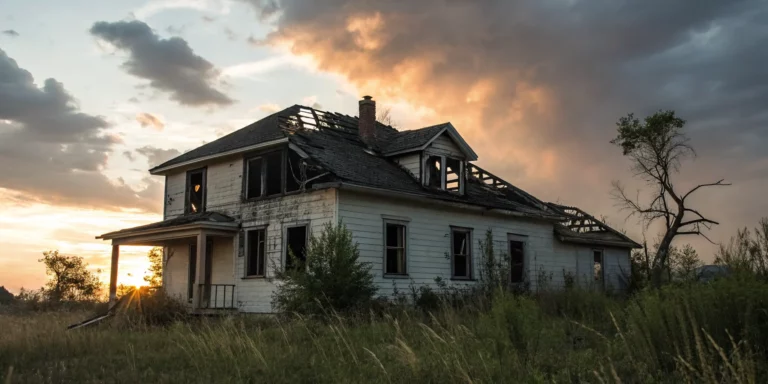
The visible destruction from a fire is heartbreaking, but what you can’t see is often far more dangerous and costly. The flames are just the beginning; the real challenges lie in the aftermath. Smoke and soot seep into drywall and ventilation systems, water from fire hoses creates a breeding ground for toxic mold, and the intense heat can silently compromise your home’s structural integrity. Simply patching up the charred areas won’t make your home safe. This guide will uncover these hidden dangers, explaining the true scope of work required to make a fire damaged property livable again and helping you make an informed decision.
Key Takeaways
- Focus on Immediate Safety and Documentation: After a fire, your first steps are to secure a safe place to stay and wait for official clearance before re-entering. Then, contact your insurer immediately and thoroughly photograph all damage to build a strong foundation for your claim.
- Look Beyond the Visible Destruction: Fire damage extends far beyond charred surfaces. Invasive smoke, soot, and water create long-term issues with air quality, mold, and structural integrity that require specialized inspections to fully uncover.
- Weigh Your Two Main Paths Forward: You can either undertake a lengthy and costly restoration project with an uncertain timeline and budget, or you can sell the property as-is. Selling to a cash buyer offers a clear, fast solution that bypasses repairs, agent fees, and the stress of rebuilding.
What to Do Right After a House Fire
The moments after a house fire are a blur of shock and stress. It’s hard to know what to do first when you’re facing such a monumental challenge. Taking a deep breath and focusing on a few key steps can make a world of difference. This guide will walk you through the immediate actions you need to take to protect yourself and start the recovery process. Think of this as your simple, straightforward checklist for the first 24 to 48 hours. Your home may be damaged, but your path forward can begin with these clear, manageable steps.
Prioritize Your Safety
Your first and most important job is to ensure the safety of yourself and your family. Even after the flames are out, a fire-damaged home is full of hidden dangers. Do not re-enter the property until you get the official all-clear from the fire department or another emergency authority. It can take several days for officials to complete safety checks, assess structural damage, and make sure utilities are secure. Trying to go back in too soon exposes you to risks like structural collapse, toxic fumes, and live electrical wires. Your belongings are not worth your life. Find a safe place to stay and wait for professionals to declare the site secure.
Make Essential Calls (Emergency Services & Insurance)
Once you are in a safe location, it’s time to make two critical phone calls. First, confirm with emergency services that the scene is secure. Next, contact your homeowner’s insurance company immediately to report the fire. The sooner you file a claim, the faster you can get the support you need. Provide them with all the necessary information about the incident. Insurance companies are required to act quickly. In many states, they must provide an advance for living expenses and a portion of the value of your personal belongings to help you get back on your feet while your claim is processed. This initial call sets the entire recovery process in motion.
Document the Damage for Your Claim
When it’s finally safe to return to your property, your next task is to document everything for your insurance claim. Before you touch, move, or throw anything away, take extensive photos and videos of the damage. Capture every room from multiple angles, and get close-up shots of damaged items. Make a list of everything you’ve lost. It’s critical not to discard any damaged belongings until your insurance adjuster has had a chance to inspect them. When you speak with your insurer, provide clear facts and document your conversations, but never downplay the extent of the damage. Thorough documentation is your best tool for receiving a fair settlement.
How to Assess the Damage to Your Home
After the immediate shock of a fire, figuring out the true extent of the damage can feel like an impossible task. What you can see is often just the beginning. Damage from smoke, water, and the heat itself can hide within walls, floors, and ventilation systems. Getting a clear and accurate picture is the first real step toward making a plan, whether that means rebuilding or moving on. This process isn’t just about looking around; it’s about a methodical assessment to ensure your safety and understand the full scope of what you’re facing.
Why You Need a Professional Inspection
While you might be tempted to start sorting through things yourself, it’s crucial to bring in professionals first. A fire damage restoration service has the experience and specialized equipment to see what you can’t. They can properly assess the extent of the damage and create a detailed plan, which is something your insurance company will need. These experts are trained to identify risks from compromised structures, hazardous materials, and poor air quality. Trying to handle this on your own can be unsafe and lead you to miss critical issues that will cause problems down the line. A professional assessment gives you a reliable foundation for all your next decisions.
Look for Hidden Damage
A fire’s impact goes far beyond the areas that were visibly burned. You need to look for secondary damage that can be just as destructive. Smoke and soot can seep into drywall, insulation, and ductwork, leaving behind odors and toxic particles that are difficult to remove. The water used to extinguish the fire can lead to rot, swelling, and dangerous mold growth if not addressed quickly. Even areas untouched by flames may have been affected by extreme heat, which can warp framing and compromise wiring. It’s important that the air quality and ducts are also checked to ensure the home is safe to occupy.
Check the Home’s Structural Integrity
The most critical safety check involves the home’s structural integrity. A fire can weaken key support beams, foundations, and the overall frame of the house, even if they don’t look charred. This is not a job for a general contractor; you need to hire a licensed structural engineer. They are the only ones qualified to determine if the building’s frame is damaged beyond repair. An engineer can tell you which parts of the structure are sound, which need to be replaced, and which can simply be sealed. This report is non-negotiable for both your safety and your insurance claim, and it’s a core part of understanding if a restoration is even feasible.
The Hidden Challenges of a Fire-Damaged Home
After a fire, the visible destruction is heartbreaking enough. But what you can’t see often poses the biggest, most expensive problems. The flames are just the beginning; the aftermath involves a complex web of issues that can affect your home’s safety, structure, and air quality for years to come. Smoke, soot, water, and chemical residues create a hazardous environment that requires more than just a simple cleanup.
Navigating these hidden challenges is overwhelming, especially when you’re already dealing with the emotional toll of the fire. Each problem requires specialized knowledge and professional intervention, from electricians to structural engineers. Understanding these underlying issues is the first step toward making a clear-headed decision about your property’s future. It’s not just about rebuilding what was lost—it’s about ensuring the home is truly safe and healthy to live in again. For many, the sheer scope of these repairs makes selling a more practical path forward.
Dealing with Smoke and Soot
Smoke and soot are incredibly invasive. They don’t just settle on surfaces; they penetrate deep into drywall, insulation, wood, and even your air ducts. The acidic nature of soot can cause materials to corrode and stain permanently, while the odor from smoke can linger for years if not professionally treated. Simply painting over the walls won’t solve the problem—the smell will eventually seep back through. Getting rid of it for good requires specialized equipment and cleaning agents. Professional restoration teams are often needed to properly deodorize the home and prevent long-term contamination, which can be a surprisingly costly part of the recovery process.
The Aftermath of Water Damage
The water used to extinguish the fire can cause as much damage as the flames themselves. When drywall, insulation, and wood framing become saturated, they lose their structural integrity and become a breeding ground for mold. Mold can begin to grow within 24 to 48 hours, posing a serious health risk and adding another complicated layer to the cleanup. Addressing water damage often means tearing out huge sections of your home down to the studs to dry everything out and treat for mold. This process is disruptive, time-consuming, and essential for making the home safe again.
Damaged Electrical and HVAC Systems
A fire’s intense heat can wreak havoc on your home’s critical systems, even in areas the flames never touched. Electrical wiring can melt inside the walls, creating a significant fire hazard that requires a complete rewiring by a licensed electrician. Your HVAC system is also vulnerable. It can circulate soot, smoke, and other toxic particles throughout the entire house via the ductwork. In most cases, the entire system, including the ducts, needs to be professionally cleaned or completely replaced to ensure the air quality is safe. These repairs are not only expensive but absolutely critical for the home’s safety and livability.
Understanding the Health and Safety Risks
Beyond the visible damage, a fire-damaged home is filled with invisible health hazards. The air can be contaminated with fine particles of soot and ash, which are dangerous to breathe in. Chemicals from burnt plastics, foams, and other synthetic materials can also linger in the air and settle on surfaces. Combined with the potential for mold growth from water damage and the risk of structural instability, the property can be an unsafe environment. This is why our simple process allows you to sell your home as-is, so you don’t have to expose yourself to these risks or manage the complex and costly repairs.
How to Manage Your Insurance Claim
Dealing with insurance after a fire can feel like a full-time job. It’s a process filled with paperwork, phone calls, and important deadlines. But taking it one step at a time will help you get the settlement you deserve. Whether you plan to rebuild or explore other options, like a fast cash sale, a well-managed claim is your first step toward recovery. Here’s how to handle the process with confidence.
Gather the Right Documents
This is where your organizational skills come in handy. Start a dedicated folder or digital file for everything related to your claim. This includes your policy documents, all communications with your insurer, photos and videos of the damage, and receipts for any immediate expenses like lodging or clothing. Create a detailed inventory of every damaged item, noting its age, original cost, and replacement value. When you file your claim, be thorough and honest. Never downplay the damage, but stick to the facts. This detailed record will be your most powerful tool.
Work with Your Insurance Adjuster
Your insurance adjuster is the key contact for your claim. It’s a good idea to meet them in person when they visit your property to assess the damage. Walk them through the home and point out everything you’ve documented. After any phone call, send a follow-up email summarizing what you discussed and any agreements you made. This creates a written record that prevents misunderstandings later. Remember, the adjuster works for the insurance company, so it’s your job to be your own best advocate by staying organized, professional, and persistent throughout the process.
Know What Your Policy Actually Covers
Your homeowner’s policy is a contract, and it’s essential to understand what it promises. Most standard policies cover fire damage, but the specifics can vary. Your policy will detail your coverage limits for the structure, your personal belongings, and Additional Living Expenses (ALE), which covers costs like rent if you can’t live in your home. It’s important to know that insurance companies are often required to act quickly. Depending on your state’s regulations, you may be entitled to an advance on your personal property claim and coverage for several months of rent. Understanding what your policy covers empowers you to get the full support you’re entitled to.
Should You Restore or Sell Your Property?
After a fire, you face a major decision: should you take on the massive project of restoring your home, or is it better to sell it and start fresh? There’s no single right answer, but weighing the costs, timeline, and emotional toll of each path can help you find the best way forward for you and your family. This isn’t just a financial calculation; it’s about choosing the route that brings you the most peace of mind during a difficult time. Let’s walk through the key factors to consider.
Compare the Costs: Restoration vs. Selling
Restoring your home can feel like the most natural choice, and it’s true that a properly restored property can regain its full market value. However, the path to get there is often paved with unexpected expenses. Restoration costs can easily exceed your insurance payout, especially if you need to update systems to meet current building codes or if more damage is uncovered during repairs.
On the other hand, selling your property as-is means you won’t have to pay for any repairs out of pocket. While the sale price will be lower than that of a fully restored home, you get immediate cash without the financial risk of a renovation. It’s important to remember that even after a perfect restoration, some buyers remain hesitant, which can affect your home’s marketability and final value.
Consider the Timeline for Each Option
The timeline is one of the biggest differences between restoring and selling. A full restoration is a long-term commitment that can take many months, or even more than a year, to complete. This process involves assessments, hiring contractors, waiting for permits, and the actual construction work. All the while, you’ll likely be managing mortgage payments on the damaged house while also paying for temporary housing.
Selling your fire-damaged home to a cash buyer offers a much faster solution. Instead of a long, uncertain waiting period, you can close the sale and receive your money in a matter of days. Our streamlined process is designed to give you a clean break, allowing you to move on with your life without the prolonged stress of overseeing a major construction project.
Know When Selling Is the Smartest Move
Selling your property as-is is often the smartest move when the damage is extensive or your personal circumstances make a rebuild overwhelming. If the fire has compromised the home’s structural integrity or caused widespread smoke and water damage, the restoration can become incredibly complex and costly. Selling provides a guaranteed exit without the risk of the project going over budget.
It’s also a practical choice if you’re underinsured or simply don’t have the emotional energy to manage a long and stressful renovation. A fire is a traumatic event, and for many, the idea of rebuilding on the same spot is too painful. Selling allows you to take your funds and find a new home elsewhere, giving you a true fresh start. We understand these challenges, which is why our company focuses on making the sale simple and stress-free.
Understanding the Buyer’s Perspective
Selling a fire-damaged home on the traditional market isn’t like a typical sale. Potential buyers approach these properties with a great deal of caution, and for good reason. They aren’t just looking at cosmetic fixes; they’re weighing serious risks involving structural integrity, hidden dangers, and long-term value. For them, buying a fire-damaged house means stepping into a world of specialized inspections, financing challenges, and insurance headaches.
Understanding this perspective is key to making the right decision for your situation. A typical homebuyer is looking for a safe, move-in-ready space, not a massive restoration project filled with unknowns. The uncertainty alone is often enough to scare them away, even if they see potential. They have to consider not just the cost of repairs but also the emotional toll of managing a complex renovation. This hesitation directly impacts your ability to sell quickly and for a fair price. It’s why the traditional route can become a long, frustrating process of finding a buyer willing and able to take on the challenge.
Common Myths About Fire-Damaged Homes
Many buyers are wary because they know the common myths about fire damage simply aren’t true. One major misconception is that the damage is only what you can see. Buyers understand that issues like smoke and soot penetrate deep into a home’s structure, and the smell won’t just “air out.” A property will continue to smell like smoke unless it undergoes a professional restoration, a process that is both intensive and expensive. They also know that what looks like a simple repair job often hides more significant problems, turning a small project into a financial sinkhole. This awareness makes them skeptical of any quick fixes and rightly so.
What Inspections a Buyer Will Need
For a buyer to even consider making an offer, they need to go far beyond a standard home inspection. The first thing they’ll do is hire specialists to get a true picture of the property’s condition. This almost always includes bringing in a structural engineer to assess the integrity of the home’s frame, foundation, and load-bearing walls, which can be compromised by intense heat. They will also need a licensed electrician to inspect the entire wiring system, as it can be damaged in ways that aren’t immediately visible. Each of these inspections adds time, cost, and complexity to the buying process, creating hurdles that many buyers are unwilling to clear.
Why Buyers Face Financing and Insurance Hurdles
Even if a buyer is willing to take on the repairs, they face major roadblocks with financing and insurance. Most mortgage lenders won’t approve a loan for a severely damaged property because the house itself is the collateral. If the home has significant structural or safety issues, it’s seen as too great a risk. Furthermore, securing homeowner’s insurance can be incredibly difficult. Insurers often view a previously burned home as a high-risk asset, leading to higher premiums or outright denial of coverage. This negative market perception can stick with the property long after repairs are made, affecting its future resale value and making buyers think twice.
How Fire Damage Impacts Your Property’s Value
It’s completely understandable to worry about what a fire means for your home’s value. After all, your property is one of your biggest assets. A fire doesn’t just cause physical damage; it creates a financial question mark that can be stressful to figure out. The value of your home is now tied to the extent of the damage, the quality of repairs, and how potential buyers perceive the property’s history. Navigating this involves looking at both the immediate costs and the long-term financial picture to decide on the best path forward for you and your family.
What Affects Resale Value After Repairs
In the best-case scenario, a properly restored fire-damaged home can regain its full market value. This is especially true when the restoration includes updated materials and modern, more efficient systems that make the home even better than it was before the fire. However, reaching that “fully restored” status is a major undertaking. It goes far beyond new paint and drywall. It means addressing structural damage, replacing electrical and plumbing systems, and ensuring everything is up to current building codes. The quality of these repairs is what ultimately determines whether your home’s value can bounce back, but the investment required to get there can be substantial.
How Location and Market Perception Play a Role
Even if you restore your home perfectly, you can’t control how people feel about its history. Market perception significantly impacts a property’s resale value, as potential buyers can be hesitant to purchase a home that has been through a fire. They often worry about hidden issues or problems that might surface down the road. This stigma can lead to your home sitting on the market longer or receiving lower offers than comparable, non-damaged homes. The strength of your local real estate market also plays a role. In a competitive market, buyers might be more willing to overlook a home’s history, but in a slower market, it can be a major hurdle to overcome.
Think About the Long-Term Value
When you’re weighing your options, it’s important to think about the long-term outlook. While it’s true that fire-damaged houses restored properly can bounce back in value, it’s also a reality that they might face reduced marketability. This lingering uncertainty can affect your financial future. You have to ask yourself if the time, money, and stress of a full restoration are worth the potential—but not guaranteed—payoff. For many homeowners, the certainty of a quick, as-is sale provides immediate relief and a clear path forward. Understanding how a cash sale works can help you compare your options and make the best decision for your situation.
How to Find the Right Restoration Team
If you decide that restoring your home is the right path for you, your next big task is to assemble a team of professionals. This isn’t like a typical home renovation project you might see on TV. Fire restoration is a highly specialized field that requires specific expertise to handle safely and correctly. Hiring a general contractor who lacks this experience can lead to more costs, missed deadlines, and lingering issues—like hidden mold or persistent smoke odors—that can affect your health and your home’s safety for years to come. You need a crew that understands the complex chemistry of fire, smoke, and water damage.
Putting together the right group of experts is the single most important step in the restoration process. You’re not just hiring contractors; you’re entrusting people with the future of your home during an already stressful time. A great team will not only have the technical skills but will also communicate clearly and guide you through each phase. This team will typically include certified restoration specialists to handle the cleanup, a structural engineer to assess the home’s safety, and other licensed professionals for electrical and plumbing systems. Taking the time to find qualified, trustworthy people will make all the difference in turning a damaged house back into a safe and comfortable home.
Hire Certified Fire Damage Specialists
After a fire, your first call shouldn’t be to a general contractor. You need a team that specializes in fire damage restoration. These professionals have the training and industrial-grade equipment to handle the complex cleanup process. They know how to properly remove soot, neutralize smoke odors, and deal with the water damage left behind by firefighting efforts. As one expert notes, “Professional restoration services have the knowledge, experience, and specialized equipment necessary to thoroughly clean and restore your property.”
Look for companies with certifications from the Institute of Inspection, Cleaning and Restoration Certification (IICRC). This ensures they follow industry standards for safety and effectiveness. They understand the common myths about fire damage and can prevent long-term problems like mold growth and persistent odors.
Bring in a Structural Engineer
Before any cosmetic repairs begin, you absolutely must get a professional opinion on your home’s structural integrity. A fire’s intense heat can weaken wood, steel, and concrete, compromising the very foundation and frame of your house. This is a job for a licensed structural engineer, not a standard home inspector. As one homeowner who went through this process advises, “You need more than just a regular home inspection. Hire a structural engineer to check if the building’s frame is damaged.”
The engineer will assess critical components like load-bearing walls, floor joists, and roof trusses to determine if they are still sound. Their report is essential for your safety and will guide the entire restoration plan, identifying what can be saved and what must be rebuilt.
Check Credentials and Ask for References
Once you have a shortlist of potential restoration companies, it’s time to do your homework. Don’t just take their word for it—verify their credentials. Ask for proof of their license and insurance. Proper insurance is crucial because it protects you from liability if a worker gets injured on your property. A reputable company will gladly provide this documentation. You can often find certified professionals through industry organizations.
Next, ask for references from recent clients who had similar fire damage. Call those references and ask specific questions: Did the project stay on budget? Was it completed on time? How did the team communicate and handle unexpected issues? If a company is hesitant to provide references, consider it a major red flag. You’re making a huge investment, and you deserve to work with a team that has a proven track record of success.
What Determines Restoration Costs?
Figuring out the cost to restore a fire-damaged home is rarely straightforward. The final number depends on a mix of factors that go far beyond patching up charred walls. Understanding these key elements can help you get a realistic picture of the financial and emotional investment required to rebuild.
The Scope and Type of Damage
The extent of the fire damage is the biggest factor influencing your restoration bill. This isn’t just about what the flames touched. You also have to account for smoke and soot, which can seep into every corner of your home, leaving behind toxic residue and a persistent odor. Then there’s the water damage from firefighting efforts, which can lead to mold and structural issues if not addressed quickly. A professional assessment is needed to understand the full scope of the damage, as each type requires a different and often costly repair strategy.
Meeting Current Building Codes
When you rebuild, you can’t always put things back exactly as they were. Restoration work must meet current local building codes, which have likely changed since your home was first built. This could mean mandatory—and expensive—upgrades to your electrical wiring, plumbing, insulation, or even structural supports. While these updates can improve your home’s safety and efficiency, they also add a significant and often unexpected expense to the restoration budget. It’s a critical detail that can easily be overlooked when you’re first estimating costs.
Factoring in Time and Labor
Restoring a home after a fire is not a DIY project. It requires a team of certified specialists, from structural engineers to smoke remediation crews, and their labor makes up a large portion of the cost. The longer the restoration takes, the more these labor costs add up. You also have to consider the carrying costs for the property while it’s uninhabitable—mortgage, taxes, and insurance don’t stop. This lengthy and expensive process is why many homeowners explore a simpler alternative. Understanding how our process works can show you a path that avoids the time, labor, and uncertainty of a full restoration.
How to Sell Your Fire-Damaged House Fast
After dealing with the immediate aftermath of a fire, the thought of a long, complicated selling process can feel like the last thing you want to handle. The traditional route of repairing, listing, and showing a home is draining under normal circumstances, let alone after a disaster. The good news is, you don’t have to go that route. There are faster, more direct ways to sell your property and get the fresh start you need.
Sell As-Is to a Cash Buyer
The quickest way to sell a fire-damaged property is to sell it as-is to a cash buyer. This means you sell the house in its current condition without making a single repair. You don’t have to worry about cleaning up soot, replacing drywall, or dealing with contractors. While some homeowners attempt to restore their property, even a fully repaired home can face reduced marketability due to its history.
Selling to a cash buyer eliminates months of uncertainty. Cash buyers don’t rely on traditional bank loans, which are often difficult to secure for a damaged property. This removes the risk of a deal falling through because of financing issues. The entire transaction is streamlined, allowing you to close in a matter of days, not months. Understanding how the process works can give you a clear path forward without the stress of repairs or showings.
Understand Disclosures and Legal Steps
When selling any home, you’re legally required to disclose known issues, and a fire-damaged property is no exception. It’s essential to be completely transparent about the extent of the fire, smoke, and water damage. Hiding problems can lead to serious legal consequences down the road. The best first step is getting a professional assessment to understand the full scope of the damage, from the foundation to the roof.
Working with an experienced cash buyer simplifies this step. Companies that specialize in fire-damaged homes are experts at evaluating the property’s condition. They expect significant issues and factor them directly into their offer, so you don’t have to worry about surprising them. A reputable company will guide you through the necessary paperwork, ensuring all disclosures are handled correctly and giving you peace of mind that the sale is being managed properly.
The Benefits of Selling to Fire Damage House Buyer
Choosing to sell directly to a company like Fire Damage House Buyer offers a clear and simple solution when you need it most. The primary benefit is speed—you can receive a fair cash offer and close the sale in as little as seven days. This allows you to access your home’s equity quickly and move on without a lengthy waiting period. There are no real estate agent commissions, closing costs, or hidden fees, so the offer you accept is the cash you receive.
Beyond the financial and time-saving advantages, this path offers certainty. You skip the exhausting cycle of repairs, inspections, and negotiations that comes with a traditional sale. You don’t have to manage contractors or worry about whether your home will pass an inspection. Instead, you get a straightforward offer from a team that understands your situation. You can see what other homeowners say about the process and feel confident you’re working with a trusted partner.
Related Articles
- What to Do After a House Fire: A Checklist
- What to do after a house fire: Ultimate 2025 Survival Guide
- What to Do After a House Fire: A Step-by-Step Guide
- What to Do After a Fire at Home: A 6-Step Checklist
Frequently Asked Questions
Do I have to make repairs before I can sell my house? Absolutely not. You can sell your home in its current “as-is” condition. This is often the most practical choice, as it saves you from the time, expense, and stress of managing a major restoration project. Companies that specialize in buying fire-damaged properties expect to handle all the repairs themselves.
How does selling my house as-is affect my insurance claim? Selling your house as-is doesn’t prevent you from receiving your insurance settlement. You are still entitled to the funds from your claim for the structural damage and your personal belongings. Many homeowners choose to sell their property and use the insurance money, along with the cash from the sale, to get a completely fresh start somewhere new.
How long does it typically take to sell a fire-damaged home for cash? The process is much faster than a traditional sale. While listing on the open market can take months with no guarantee of a buyer, selling directly to a cash buyer can be completed very quickly. In many cases, you can receive a fair offer and close the sale in as little as a week, giving you immediate access to your funds.
What if I don’t know the full extent of the damage? That’s completely normal and expected. It’s nearly impossible to know the full scope of damage without professional help. When you work with a specialized buyer, they have the expertise to assess the property thoroughly. They will evaluate everything, including hidden structural, smoke, and water issues, and factor that into their offer so you don’t have to worry about it.
Is it safe for me to stay on the property while I figure things out? It is not safe to re-enter or stay in a fire-damaged home until it has been officially cleared by the fire department or a structural engineer. Even after the fire is out, the property can have invisible dangers like toxic fumes, compromised electrical systems, and an unstable structure. Your first priority should always be finding a safe, temporary place to stay.