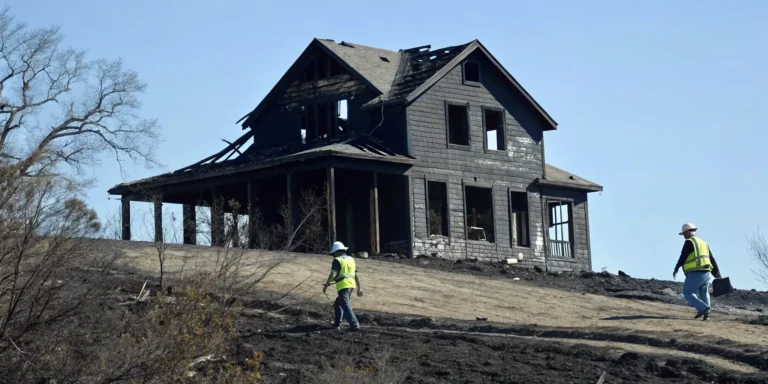
The first estimate you receive for cleanup after a fire is often just the beginning of the story. The true house fire debris removal cost is frequently buried under a pile of secondary expenses that most homeowners don’t see coming. From city permit fees and specialized hazardous material disposal to the cost of structural engineer reports, the bills can add up with alarming speed. This guide pulls back the curtain on those hidden costs, giving you a complete financial picture of what it really takes to clear and secure your property. Understanding these potential expenses is critical, as it helps you weigh the unpredictable journey of restoration against a simpler, more certain solution.
Key Takeaways
- Prepare for Costs Beyond the Initial Quote: Debris removal prices vary dramatically based on the fire’s severity, your home’s size, and local labor rates. Remember to account for hidden expenses like permits, hazardous waste disposal, and temporary housing, which are rarely included in the first estimate.
- Protect Your Finances with Meticulous Documentation: Your insurance claim is only as strong as your records. Before any cleanup begins, take extensive photos of the damage, keep every receipt, and get written approval from your adjuster to ensure you receive the full coverage you’re entitled to without disputes.
- Evaluate if Selling As-Is Is the Better Path Forward: If repair costs exceed your home’s value, your insurance coverage has significant gaps, or you want to avoid the prolonged stress of rebuilding, selling your property for cash offers a practical and efficient solution for a fresh start.
What Is House Fire Debris Removal?
After the firefighters leave and the immediate crisis is over, you’re left facing the overwhelming task of cleanup. House fire debris removal is the first major step in this process. It’s much more than just clearing out charred furniture; it’s a systematic process of sorting, removing, and properly disposing of all materials damaged by flames, smoke, soot, and water. This cleanup is essential to make your property safe and to accurately assess the full extent of the structural damage.
Think of it as clearing the way for your next step, whether that’s rebuilding or selling. The process involves tearing out damaged drywall, removing burnt flooring, and getting rid of destroyed personal belongings. In more severe cases, it can even mean demolishing what’s left of the structure. Properly handling debris removal after a disaster is critical for safety and for moving forward. It’s a physically and emotionally draining job, which is why understanding what it entails is so important before you begin.
What Kind of Debris Is Left After a Fire?
The debris left behind by a fire is complex and often hazardous. Beyond the obvious piles of ash and charred wood, you’ll find hidden damage from smoke, soot, and the water used to put out the flames. Soot can coat every surface with a greasy, acidic film, while water from fire hoses can lead to dangerous mold growth and structural rot. In severe fires, the cleanup may require removing the entire foundation, the chimney, and even the top layer of soil, which can be contaminated with toxic materials from burned plastics and chemicals. This isn’t just trash—it’s a mixture of your personal history and hazardous waste that requires careful handling.
Should You Hire a Pro or Do It Yourself?
While the desire to save money by handling the cleanup yourself is understandable, it’s rarely a good idea. It’s almost always best to hire experts for fire cleanup because of the serious safety risks involved. A fire-damaged home can have a compromised structure, damaged electrical wiring, and broken plumbing, creating a dangerous environment for anyone without training. Professionals have the proper personal protective equipment (PPE), specialized tools, and experience to manage hazardous materials safely. They ensure your home is thoroughly cleaned, the air quality is safe, and the job is done right, protecting you and your property’s future value.
How Much Does Debris Removal Usually Cost?
Figuring out the cost of debris removal is one of the first, and most stressful, steps after a fire. The truth is, there’s no single price tag. The final bill is tied to the larger project of fire damage restoration, and costs can vary dramatically. Most homeowners find themselves paying somewhere between $3,000 and $52,000, with the national average for fire damage restoration sitting around $27,000.
This is a huge range, I know. It’s because every fire is different. A small kitchen fire that was put out quickly is a completely different project than a blaze that spread through multiple rooms. The total cost depends on three main things: the size of your home and the affected area, how severe the damage is, and even where you live. Understanding these factors will give you a much clearer picture of what to expect as you begin the recovery process. Let’s break down each of these pieces so you can feel more prepared for the conversations ahead.
Average Costs Based on Home Size
It makes sense that the size of the job is a major factor in the final cost. Cleaning up a fire that was contained to a single 10×10-foot room will be far less expensive than clearing out an entire floor. More square footage means more labor, more materials to haul away, and more surfaces to clean and deodorize. When you see cost estimates, they are often based on the total area that needs work. A larger home doesn’t just mean more space; it means more possessions, more building materials, and more complexity, all of which contribute to a higher bill for debris removal and restoration.
How Fire Severity Impacts the Price
The intensity of the fire plays the biggest role in your final bill. A minor fire that only left behind smoke and soot might cost as little as $800 to clean up. However, a severe fire that damages the home’s structure is a different story entirely. In those cases, the cost of fire damage restoration can climb to $180,000 or more. The difference comes down to the type of work required. Smoke damage involves intensive cleaning, while structural damage involves demolition, removing charred wood and melted materials, and ensuring the home is stable before any rebuilding can even begin.
Why Your Location Affects the Final Bill
Where you live has a surprising impact on debris removal costs. Labor rates, disposal fees, and the price of materials are not the same everywhere. For example, restoration services in high-cost-of-living areas like California or New York are significantly more expensive than in other parts of the country. A project that costs $50,000 in one state could be closer to $90,000 in another. This is why getting quotes from local, reputable companies is so important. It’s the only way to get a true sense of what the cleanup will cost in your specific area, helping you plan your budget and your negotiations with the insurance company more effectively.
What Factors Determine Your Debris Removal Cost?
Figuring out the final bill for fire debris removal can feel like trying to hit a moving target. The truth is, there’s no single price tag because every situation is unique. The cost depends on a combination of factors, from the extent of the fire to the specific materials that burned. Understanding these variables will help you make sense of the quotes you receive and prepare for the financial side of recovery. If the numbers start to feel overwhelming, remember that you have options, including selling your property as-is. Our process is designed to help homeowners avoid these complicated and costly repairs entirely. For now, let’s break down the main elements that will shape your debris removal expenses.
The Size and Scope of the Damage
The most straightforward factor influencing your cost is the sheer scale of the destruction. A small kitchen fire contained to one room will naturally be less expensive to clean up than a blaze that has torn through multiple floors. The more widespread the damage, the more labor, equipment, and time are required to clear the site. It’s not just about what the fire burned, but also the secondary damage from smoke, soot, and the water used to extinguish the flames. Extensive water damage can lead to mold, which adds another layer of complexity and cost to the remediation and removal process.
Types of Burned Materials
Not all fires are the same, and the materials that fueled the flames play a big role in the cleanup cost. A fire involving common combustibles like wood and paper is generally the least expensive to address. However, if the fire involved flammable liquids like grease or gasoline or was electrical in origin, the cleanup becomes more specialized and costly. These types of fires can leave behind complex chemical residues that require specific cleaning agents and techniques to remove safely, driving up the price for both labor and materials.
Your Home’s Location and Accessibility
Where your property is located can have a surprising impact on your final bill. Debris removal and restoration services often cost more in major metropolitan areas where labor rates and disposal fees are higher. On the other hand, if your home is in a remote or rural area, you might face additional charges for travel time and transportation of heavy equipment. Accessibility is another key consideration. If your property is difficult to reach with large trucks and machinery due to narrow roads, steep driveways, or other obstacles, the logistics become more complicated and expensive for the cleanup crew.
Dealing with Hazardous Materials
After a fire, your home’s debris can contain more than just ash and charred wood. Many older homes have materials like asbestos and lead paint, which become airborne and extremely dangerous when burned. Modern homes are filled with plastics and synthetic materials that release toxic chemicals when they combust. Safely handling and disposing of these hazardous substances requires certified professionals and adherence to strict regulations. In severe cases, the cleanup may even involve removing the foundation and the top layer of soil to eliminate contamination, adding a significant expense to the project.
Initial Emergency Service Fees
The costs start adding up almost as soon as the fire is out. Most homeowners need to call for emergency services to secure the property immediately. These initial steps typically cost between $500 and $1,000 and are crucial for preventing further damage and protecting your property from liability. Services can include boarding up broken windows and doors, placing a tarp over a damaged roof to keep the elements out, and beginning the water extraction process to halt mold growth. While it’s an upfront expense, these emergency measures are a necessary first step before the larger debris removal can even begin.
How Does Insurance Affect What You Pay?
After a fire, your homeowner’s insurance policy is your financial first line of defense. It’s designed to cover the costs of recovery, including the massive job of debris removal. But insurance policies aren’t always straightforward, and the amount your provider pays can vary significantly. Understanding the fine print of your coverage is the key to managing your out-of-pocket expenses and avoiding costly surprises.
Navigating your policy while dealing with the emotional and logistical aftermath of a fire can feel overwhelming. Let’s break down what you can typically expect from your insurance coverage, what to look out for in your policy, and the critical steps you need to take to ensure you get the full support you’re entitled to. Knowing these details will help you make informed decisions, whether you choose to rebuild or explore other options.
What a Standard Homeowner’s Policy Covers
The good news is that most standard homeowner’s insurance plans will pay for fire and smoke damage cleanup and repairs. This coverage is the core of your policy’s protection and typically includes the cost of removing burned materials, clearing soot and smoke residue, and securing the property. Your policy is there to help restore your home to its pre-fire condition, and debris removal is the essential first step in that process. However, the extent of this coverage depends entirely on the specifics of your plan, so it’s important to view your policy as a starting point, not a blank check.
Options for Additional Coverage
The way your insurance pays for debris removal can get a little complicated. In some cases, the cost is deducted from your main dwelling coverage (often called Coverage A), which is the total amount allocated to rebuild your home. Alternatively, your policy might include extra coverage specifically for debris removal. This is often a percentage of your dwelling coverage—typically 5% to 15%—or a fixed dollar amount. You’ll need to review your policy or speak with your agent to see which structure applies to you, as this detail can make a huge difference in your total available funds for rebuilding.
Understanding Your Policy’s Limits and Deductibles
Every insurance policy has its limits. First, you’ll have a deductible—the amount you must pay out of pocket before your insurance coverage kicks in. After that, your policy has a coverage limit, which is the maximum amount the insurer will pay for a claim. If the cost of debris removal and repairs exceeds this limit, you are responsible for the difference. This gap can be substantial, especially after a severe fire. When facing a significant shortfall between your coverage and the actual cost, it’s worth understanding all your options, including how a fast cash sale might provide a simpler path forward without the financial strain.
Why You Need Written Approval from Your Insurer
Before you hire a crew or start clearing anything yourself, you need to get the green light from your insurance company—in writing. Ask your insurance adjuster for a written confirmation stating they have fully assessed the damage and approve you to begin the cleanup process. This document is your protection. Without it, your insurer could later dispute the cost or necessity of the work and refuse to cover it, leaving you with the bill. This is a non-negotiable step. It ensures that you and your insurance provider are on the same page before any money is spent.
Are There Hidden Costs to Watch Out For?
When you get a quote for fire debris removal, it’s easy to feel a small sense of relief, like you finally have a concrete number to work with. Unfortunately, that initial estimate is often just the tip of the iceberg. The full financial impact of a house fire includes a host of secondary costs that can appear long after the first responders have left. These expenses go far beyond just hauling away charred materials and can quickly turn a difficult situation into a financially draining ordeal.
From administrative red tape to serious environmental and structural issues, these hidden costs pop up at every stage of the recovery process. You might find yourself dealing with city permit offices, specialized hazardous waste crews, and structural engineers—all while trying to manage your insurance claim and find a temporary place to live. Each new professional and required step comes with its own price tag, and these bills add up fast. The stress of managing multiple contractors and unexpected expenses is immense. For many homeowners, understanding the true, all-in cost of recovery makes them realize that rebuilding isn’t the right path for them. It’s why some choose a simpler, more predictable solution, like selling the property as-is to avoid the endless financial surprises.
Permit and Inspection Fees
Before any major cleanup or demolition work can begin, you’ll likely need to get permits from your local city or county government. These aren’t just a formality; they’re required to ensure that the work is done safely and according to building codes. The application process can be slow, and the permit fees themselves are an out-of-pocket expense you may not have planned for. Additionally, your municipality may require inspections at various stages of the process to sign off on the work, each potentially carrying its own fee. These administrative costs are easy to overlook but are a necessary part of the process.
Hazardous Material Disposal Costs
A house fire creates more than just ash and rubble; it can release a dangerous cocktail of toxic substances. Materials like asbestos from older insulation, lead from paint, and chemicals from melted plastics and electronics can contaminate your property. These hazardous materials can’t simply be thrown into a landfill. They require special handling, containment, and disposal by certified professionals to comply with environmental regulations. This specialized service is significantly more expensive than standard debris removal and is a critical, non-negotiable expense to ensure your property is safe for future use.
Temporary Housing Expenses
While your home is uninhabitable, you and your family will need a safe place to stay. The cost of a hotel or short-term rental can become a major financial strain, especially since fire restoration is rarely a quick process. While your homeowner’s insurance policy may include Additional Living Expenses (ALE) coverage, it almost always has limits on either the total payout or the length of time it will cover. If repairs are delayed due to weather, contractor schedules, or permit issues, you could easily exceed your coverage limits, leaving you to pay for temporary housing out of pocket.
Replacing Your Personal Belongings
The emotional toll of losing personal items is devastating, and the financial cost to replace them is often shocking. You’ll need to create a detailed inventory of everything you lost for your insurance claim—a painful and time-consuming task. Many insurance policies cover the “actual cash value” of your belongings, which accounts for depreciation, rather than the full “replacement cost.” This means your payout may not be enough to buy new items, forcing you to cover the difference yourself. This gap between what insurance provides and the real-world cost of replacing everything is a significant and often heartbreaking expense.
Foundation and Soil Repair Work
Some of the most serious and expensive damage isn’t visible at first glance. The intense heat from a fire can crack or compromise your home’s concrete foundation, threatening its structural integrity. An assessment from a structural engineer is often needed to determine the extent of the damage. Furthermore, the water and chemicals used to extinguish the blaze can seep into the ground, contaminating the soil with toxins. In many cases, the top layer of soil must be excavated and replaced. These major repairs are rarely included in a debris removal quote and can be one of the costliest parts of the entire recovery, which is why our company’s approach is designed to help you bypass these overwhelming challenges entirely.
How to Prepare for the Debris Removal Process
Facing the aftermath of a house fire is overwhelming, and it’s hard to know where to begin. Before the actual cleanup starts, taking a few key steps can make the entire process smoother and help you protect your financial interests. Getting organized now will set you up for a more manageable recovery, ensuring you have what you need for insurance claims and professional assessments. Think of this as your action plan for tackling the first crucial phase of recovery. By methodically working through these steps, you can bring a sense of order to a chaotic situation and make sure you’re making informed decisions from the very start.
Document Everything with Photos
Before you move a single piece of debris, your first job is to become a photographer. Pull out your phone and document everything. Take wide-angle shots of every room from multiple angles, then zoom in on specific areas of damage. The goal is to create a comprehensive visual record of the property exactly as it was after the fire was extinguished. This photographic evidence is one of the most powerful tools you’ll have when filing your insurance claim. Don’t forget to photograph damaged high-value items like electronics and furniture. As you move forward, also keep a detailed file of all receipts for any cleanup or repair-related expenses you incur.
Get Written Approval from Insurance
It’s tempting to want to start clearing things out immediately, but moving too quickly can cause major problems with your insurance claim. Your insurance adjuster needs to see the full scope of the damage to properly assess your loss. Before any professional or personal cleanup begins, you must get written permission from your insurance provider. A simple email will do. Ask your adjuster to send a note confirming they have completed their initial inspection and that you are cleared to begin the debris removal process. This simple step creates a paper trail that protects you and ensures there are no disputes later on.
Know Your Policy’s Coverage Limits
Understanding what your insurance will actually pay for is critical to managing your budget and expectations. Debris removal coverage isn’t always straightforward. For some policies, the cost is covered under your main dwelling coverage (often called “Coverage A”). Other policies have a separate, smaller amount of additional coverage specifically for debris removal. Pull out your policy documents or call your agent and ask them to clarify exactly how much coverage you have for this task. Knowing your policy’s limits upfront will help you avoid unexpected out-of-pocket costs and make more informed decisions about the contractors you hire.
Coordinate with Restoration Professionals
While a DIY approach might seem like a way to save money, fire damage cleanup is a job best left to certified professionals. The debris left behind can contain toxic materials, and the structure itself may be unstable. A professional fire damage restoration company has the training and equipment to handle smoke, soot, and water damage safely and effectively. They understand local building codes and safety regulations, ensuring the job is done right. When you hire a restoration company, you’re not just paying for cleanup; you’re investing in a safe and thorough recovery process for your home.
Secure the Damaged Areas
After the fire is out, your property is vulnerable to further damage from weather, vandalism, or even just foot traffic. Your first priority is to secure the site. This means keeping people out of the most heavily damaged areas to prevent injury and stop soot from being tracked into less-affected parts of the house. Soot is acidic and can cause more damage over time. If possible, close doors to contain the damage. You may also need to board up broken windows or place a tarp over a damaged roof to protect your home from the elements while you wait for the cleanup to begin.
How Can You Minimize Your Out-of-Pocket Expenses?
After a house fire, the last thing you want to worry about is a mountain of unexpected bills. While debris removal and restoration come with costs, there are smart ways to manage them and reduce what you pay out of pocket. Taking a few proactive steps can make a significant difference in your financial recovery. It’s all about being organized, choosing the right help, and knowing what resources are available to you. Here are four key strategies to help you keep your expenses under control during this challenging time.
Keep Detailed Records and All Receipts
This seems straightforward, but it’s one of the most critical steps. Before any cleanup begins, take photos and videos of everything. Document the damage from every angle. Once you start paying for services—from board-up companies to debris haulers—keep every single receipt. I recommend creating a specific folder or digital file just for these documents. This detailed evidence is your best tool when filing an insurance claim. Proper documentation can help ensure you get the full reimbursement you’re entitled to and minimizes back-and-forth with your insurance adjuster.
Work with Insurance-Approved Contractors
Your insurance company likely has a list of preferred or pre-approved restoration contractors. Working with one of these companies can simplify the entire process. They already know how to work with your insurer, which often means they can bill the insurance company directly, saving you from paying large sums upfront. When hiring a contractor, make sure they are licensed, insured, and have certifications for fire damage restoration. Always ask for a detailed, written estimate before any work begins. This helps you avoid surprises and ensures everyone is on the same page about the scope and cost of the job.
Look into Local Assistance Programs
You don’t have to go through this alone. Depending on the scale of the fire, your local community may offer support. If the fire affected multiple homes in your neighborhood, your city or county might organize assistance for debris removal, sometimes providing dumpsters or hiring contractors to clear lots. Organizations like the American Red Cross also provide financial assistance and guidance after a disaster. It’s always worth calling your local municipal office or a community support group to see what help is available. These programs are designed to help residents recover and can significantly reduce your financial burden.
Time Your Debris Removal Strategically
While it’s important to be thorough, it’s also crucial to act quickly. The longer fire-damaged materials sit exposed to the elements, the worse the situation can get. Acting within the first 24 to 48 hours can prevent secondary issues like mold growth, water damage from firefighting efforts, and further structural decay. Prompt removal not only makes the site safer but can also lower the overall restoration cost by containing the damage. A professional restoration company can assess the situation and prioritize immediate actions to secure your property and prevent additional expenses from piling up.
When Is Selling Your Fire-Damaged Home a Better Option?
After a house fire, the path forward can feel incredibly unclear. While your first instinct might be to rebuild, that process is often longer, more expensive, and more emotionally draining than you might expect. For many homeowners, repairing the damage just isn’t the right move. Selling your fire-damaged home as-is can provide a faster, more certain path to a fresh start, letting you bypass the headaches of contractors, insurance claims, and endless repairs.
Deciding to sell isn’t giving up; it’s choosing a different kind of recovery—one that prioritizes your financial stability and mental well-being. If you find yourself facing astronomical repair bills that your insurance won’t fully cover, or if the thought of managing a months-long restoration project feels completely overwhelming, selling could be your best option. It allows you to take control of the situation, get cash in hand quickly, and begin the next chapter of your life without the weight of a damaged property holding you back. We understand the challenges you’re facing, and our goal is to provide a straightforward alternative.
When Repair Costs Outweigh Your Home’s Value
The financial reality of fire damage can be staggering. While a minor kitchen fire might only cost a few thousand dollars to fix, extensive damage is a different story. The average cost for fire damage restoration can easily climb into the tens of thousands, and a fire that compromises your home’s structure could set you back well over $100,000.
Before you commit to rebuilding, it’s crucial to get detailed quotes from multiple contractors. If the estimated repair costs are approaching—or even exceeding—what your home was worth before the fire, rebuilding may not be a sound financial decision. Selling your property for cash allows you to walk away from a potential money pit and use the funds to start over somewhere new, without taking on massive debt.
When You Face Insurance Gaps and Complications
Your homeowner’s insurance policy is supposed to be a safety net, but it often has holes. Many policies have specific limits for things like debris removal, which can be a surprisingly expensive part of the cleanup process. If your coverage isn’t enough to handle the full cost of hauling away burned materials and making the site safe, you’ll be paying the difference out of pocket.
Beyond coverage gaps, the claims process itself can be a nightmare. You’ll spend countless hours documenting damage, negotiating with adjusters, and waiting for approvals and payouts. If your insurance company disputes parts of your claim or the payout is simply not enough to cover the full restoration, selling your home as-is becomes a much more attractive option. It lets you bypass the entire insurance ordeal.
When You Want to Avoid the Time and Stress
Rebuilding after a fire isn’t just a financial commitment; it’s a huge investment of your time and energy. The process involves finding trustworthy contractors, securing permits, managing timelines, and making hundreds of decisions, all while you’re still recovering from a traumatic event. A full restoration can take months, or even years, leaving you in temporary housing and a state of constant uncertainty.
The emotional toll of living in or managing a construction zone can be immense. If the thought of overseeing a long, complicated rebuilding project feels like too much to handle, you are not alone. Selling your home provides an immediate sense of closure. You can hand over the keys and the stress to someone else, freeing you to focus on what truly matters: your family’s well-being and your own peace of mind.
The Benefits of Selling Your Home for Cash
Choosing to sell your fire-damaged home to a cash buyer offers a clear and simple solution. You can avoid the entire repair and rebuilding process because you sell the property completely “as-is.” There’s no need to clean up debris, hire contractors, or even deal with real estate agents and their commissions. This approach eliminates the uncertainty of repair costs and insurance payouts, giving you a guaranteed cash offer.
The biggest benefit is speed. Instead of waiting months for repairs or for a traditional buyer, you can close the sale in as little as a week. This provides you with immediate funds to secure new housing and start moving forward. If you’re looking for the fastest, most straightforward way to resolve the situation, exploring how our process works can give you a clear path forward.
Related Articles
- What to Do After a Fire at Home: A 6-Step Checklist
- How to Clean Up After a House Fire: A Guide
- What to Throw Away After Smoke Damage: A Safety Guide
Frequently Asked Questions
How long does the entire debris removal and cleanup process usually take? There’s no simple timeline, as it really depends on the extent of the damage and how quickly you can get professionals on-site. For a smaller fire, the initial debris removal might only take a few days. However, for a more significant fire, you could be looking at several weeks just for the cleanup phase, especially if hazardous materials like asbestos are involved. This doesn’t even include the time for structural repairs, which can stretch the entire recovery process out for many months.
What should I do if my insurance payout isn’t enough to cover all the costs? This is a tough but common situation. First, carefully review your claim and the adjuster’s report to make sure nothing was missed. If you still face a significant financial gap, you’ll have to decide whether to cover the difference with savings, take out a loan, or scale back on repairs. This is often the point where homeowners realize that rebuilding isn’t financially practical and begin to explore other options, like selling the property as-is to avoid the debt and stress.
Can I try to save any of my personal items from the debris? It’s completely natural to want to salvage personal belongings. Before you touch anything, you must get approval from your insurance adjuster. Once you have the okay, focus on non-porous items like metal or glass that might be cleaned. Porous items like clothing, books, and upholstered furniture often absorb smoke and soot so deeply that they can’t be safely restored. Be realistic about what can be saved and always prioritize your safety by wearing protective gear.
What happens if the fire damaged my home’s foundation? Foundation damage is one of the most serious and expensive outcomes of a severe fire. If you suspect this is the case, you’ll need to hire a structural engineer to perform a thorough inspection. They can determine if the foundation is cracked or compromised. Repairs can be incredibly costly and complex, sometimes even requiring the entire house to be lifted. This type of damage significantly adds to the overall restoration bill and timeline.
Do I really need to hire a professional for a small fire? Even a fire that seems minor can cause hidden problems. Smoke and soot can get into your walls and ventilation systems, creating long-term air quality issues and persistent odors. There could also be unseen water damage from extinguishing the flames that can lead to mold. A professional restoration company has the tools to detect these issues and ensure the cleanup is truly complete, protecting both your health and your property’s value.