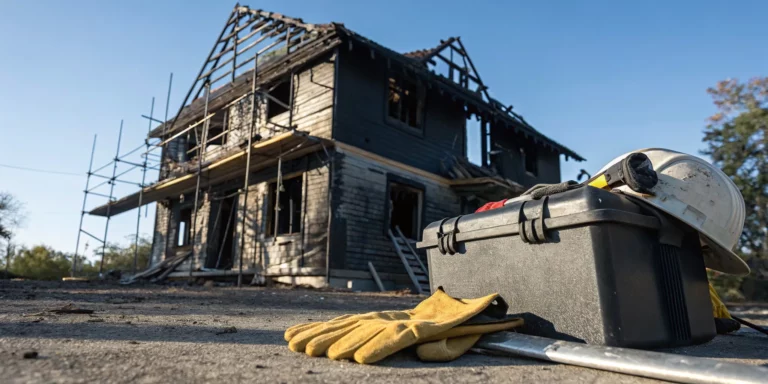
When you’re standing in the aftermath of a house fire, the sheer number of tasks ahead can feel paralyzing. From contacting your insurance agent to finding a safe place to sleep, the to-do list is daunting. The key is to focus on the most critical actions first. This guide cuts through the noise to give you a straightforward, actionable plan. We’ve organized everything you need to do into a logical sequence, so you can move forward with confidence, one step at a time. This is your comprehensive what to do after a house fire checklist, designed to bring order to the chaos.
Key Takeaways
- Prioritize personal safety over property: Your first actions should be to ensure your family is safe, find temporary housing, and get medical check-ups. Do not re-enter the home until authorities have declared it secure.
- Treat your recovery like a project: Start the insurance claim immediately, meticulously document all damage with photos, and keep a detailed log of every conversation and expense. This organized approach is your best tool for a fair financial outcome.
- Decide between restoring or starting fresh: Get professional assessments to understand the full cost and timeline of repairs. This information will help you choose the path that’s right for you, whether it’s a lengthy restoration or a fast, as-is sale to move forward more quickly.
First Steps: Staying Safe After a House Fire
After a house fire, your mind is likely racing with a million questions and worries. It’s a deeply disorienting experience, and it’s completely normal to feel overwhelmed. Before you even think about insurance claims or what to salvage, your absolute first priority is safety. The next few hours and days are critical for protecting yourself and your family from further harm. This initial phase isn’t about making big decisions; it’s about taking small, careful steps to secure your immediate well-being. We know how difficult this time is, and our company was founded to help homeowners through this exact situation. Let’s walk through the essential safety measures you need to take right now, one step at a time.
Wait for the All-Clear to Re-Enter
The urge to rush back inside to see what’s left can be powerful, but you must resist it. Your top priority is keeping everyone safe, and that means staying out until the professionals give you the green light. Firefighters and emergency responders need to ensure the structure is stable and there are no lingering hotspots that could reignite. Even if the flames are gone, the danger isn’t. Entering too soon could expose you to toxic fumes, unstable floors, or a collapsing roof. Please, wait for the local authorities to officially declare the property safe to enter. Your belongings are not worth risking your life for.
Look for Structural and Utility Hazards
Once you have permission to go back on your property, proceed with extreme caution. The fire may be out, but many hazards remain. As you walk around, keep an eye out for downed power lines, which could still be live. Be aware of potential gas leaks—if you smell gas, leave immediately and call the utility company. The fire can also weaken the structural integrity of your home, so watch for sagging ceilings or floors. Even trees on your property could be unstable and at risk of falling. According to the U.S. Fire Administration, these hidden dangers are a serious risk after a fire. Treat every step as a potential hazard.
Get Medical Attention if Needed
The health of your family and pets should be your next focus. Check on everyone to see if they have any burns or other injuries. Even if no one seems hurt, smoke inhalation is a serious concern that can have delayed symptoms. Breathing in smoke and other toxic fumes can cause significant respiratory issues. If anyone was inside the house during the fire, it’s a good idea to get a medical check-up as a precaution. Don’t forget to check your pets as well; they are just as vulnerable to smoke inhalation and may need to see a veterinarian. Your well-being is the most important thing to secure.
Use Protective Gear Before Going Inside
When you are finally able to go inside, you need to protect yourself from the environment. The air will be filled with soot and ash, which can be harmful to breathe in. Before you enter, put on protective gear. This includes a mask (an N95 respirator is best), safety glasses, gloves, long-sleeved clothing, and sturdy, closed-toe boots. These items will help protect you from inhaling harmful particles and from injuries caused by sharp debris. Try not to stir up ash and soot as you move through the home. The cleanup process is often extensive and requires specialized equipment, which is why many people rely on professionals for restoration.
Documenting the Damage for Your Insurance Claim
After a fire, your mind is likely racing with a million different thoughts. It’s an incredibly stressful time, but one of the most important first steps is to carefully document all the damage for your insurance claim. This process can feel daunting, but taking it one step at a time will create a clear and comprehensive record for your insurance company. Think of it as building the foundation for your financial recovery. The more thorough you are now, the smoother the claims process is likely to be. This detailed evidence is your best tool for ensuring you receive a fair settlement to cover your losses.
Take Photos and Videos of Everything
Once the fire department has confirmed it’s safe to go back inside, your first task is to pull out your phone and start recording. Take photos and videos of everything, moving from room to room. Capture wide shots to show the overall damage, then zoom in on specific items. Don’t forget to document less obvious things like smoke and soot on walls or water damage from the firefighting efforts. This visual documentation is powerful proof for your insurance adjuster, leaving no room for ambiguity about the extent of the damage. Be as thorough as you can; you can’t take too many pictures.
Make a List of Damaged Belongings
While photos are essential, you’ll also need a written list of everything that was damaged or destroyed. Creating a comprehensive inventory helps your insurance adjuster accurately assess the value of your personal property claim. Go through your home room by room and write down each item. For each one, try to include a description, its age, the original cost, and what it would cost to replace it today. If you have receipts or credit card statements for larger purchases, gather those as well. This detailed list will be invaluable during the claims process.
Get a Copy of the Fire Report
Your local fire department will create an official report about the fire, and you need a copy of it. This document contains critical details for your insurance company, including the date, time, location, and a description of the incident. The fire report can also provide the fire investigator’s initial assessment of the cause, which is information your insurer will require. You can typically request a copy by contacting the administrative office of the fire department that responded to the call. Having this official record helps substantiate your claim and can speed up the investigation process.
Save All Your Receipts
The costs associated with a house fire extend far beyond the structure itself. You’ll have immediate expenses for things like lodging, food, clothing, and other personal necessities. Keep every single receipt for these purchases in a safe place, like a dedicated folder or envelope. Most homeowners insurance policies include coverage for Additional Living Expenses (ALE), which reimburses you for the costs you incur while you’re unable to live in your home. Meticulously tracking your expenses ensures you can claim everything you’re entitled to, helping to ease the financial burden during this difficult time.
What to Do When Contacting Your Insurance Company
Dealing with your insurance company is one of the first and most critical steps in your recovery journey. It can feel daunting, but this is your primary resource for the financial support you need to move forward. Think of your insurance agent as a partner who can help you secure your property, understand your coverage, and outline the next steps. Getting this process started quickly and efficiently will make a significant difference. Being prepared for these conversations will help you feel more in control during a very overwhelming time. Taking it one step at a time is the key to getting through it.
Have Your Policy Information Ready
Before you pick up the phone, take a deep breath and gather your policy documents. Having your policy number and other relevant details handy will make the initial call much smoother. If you can’t find the physical paperwork—which is completely understandable after a fire—check your email for digital copies or try logging into your insurer’s online portal. When you call, your agent can also give you immediate advice on how to secure the property and what to do with damaged items. This first conversation sets the foundation for your entire claim.
File Your Claim Right Away
Time is of the essence, so contact your insurance company as soon as you can to report the fire. The sooner you start the process, the faster you can access the support outlined in your policy. Be sure to ask about coverage for temporary housing, as you’ll need a safe place to stay. Your representative will explain how to officially file a claim and what paperwork you’ll need to submit. Getting the ball rolling immediately helps ensure you receive financial assistance for living expenses and other urgent needs without unnecessary delays.
Keep a Record of Every Conversation
From this point on, document everything. Start a dedicated notebook or a digital file to track every interaction with your insurance company. For each phone call, write down the date, time, the name of the person you spoke with, and a summary of the conversation. This log will be an invaluable reference if any questions or discrepancies come up later. When you create your list of damaged belongings for the claim, be as detailed and honest as possible. Meticulous record-keeping helps ensure your claim is processed accurately and fairly.
What to Expect from the Claims Process
Once you file a claim, your insurance company will send an adjuster to assess the damage. This person will inspect your property to determine what can be cleaned or repaired and what needs to be replaced. It’s incredibly important that you don’t throw anything away before the adjuster has completed their inspection, as this could negatively affect your claim payout. Your insurance provider can also help cover temporary living costs and may connect you with reputable contractors. The claims process can be long and complicated, which is why some homeowners decide to explore a simpler path by selling their property as-is. Our company offers a straightforward alternative for those who want to avoid a lengthy restoration.
Which Important Items Should You Retrieve First?
Once the fire department says it’s safe to go back inside, you’ll likely feel an overwhelming urge to salvage what you can. It’s tough to know where to begin. To make the process more manageable, focus on retrieving a few key categories of items that are essential for your immediate needs and long-term recovery. Prioritizing these items will help you get back on your feet and start the process of rebuilding your life.
Important Documents and IDs
Your first priority should be gathering essential documents. These are the papers that prove your identity and ownership, and you’ll need them for nearly every step of the recovery process. Look for items like driver’s licenses, passports, social security cards, and birth certificates. If you can find them, also grab property deeds, vehicle titles, and insurance policies. These documents are incredibly difficult to replace and are critical for filing claims and accessing financial assistance. If your documents are lost or destroyed, the U.S. government provides resources to help you replace them one by one.
Medications and Health Supplies
Your health and well-being are paramount. Make sure to retrieve any prescription medications for you and your family members. Don’t forget essential health supplies like eyeglasses, contact lenses, hearing aids, or other medical devices you rely on daily. If you have pets, their needs are just as urgent. Try to find their medications, special food, and carriers. It’s also a good idea to take them to a veterinarian for a check-up, as smoke inhalation can cause serious harm that isn’t immediately visible. Your family’s health is the foundation of your recovery, so prioritize these items above all else.
Irreplaceable Items and Heirlooms
While some things are just things, others hold priceless sentimental value. Once you’ve secured your essential documents and health supplies, you can look for irreplaceable items. This includes family photos, heirlooms passed down through generations, children’s artwork, and personal journals. These are the items that connect you to your history and memories. Be prepared that some things may be too damaged to save, which can be heartbreaking. Focus on what you can salvage and handle them with care. The National Archives offers guidance on how to handle and dry damaged papers and photos, which can prevent further deterioration.
Financial and Insurance Papers
Finally, gather any financial items you can safely access. This includes wallets, purses, credit and debit cards, and checkbooks. Having access to your funds is crucial for covering immediate expenses like food, clothing, and temporary lodging. If you couldn’t grab your insurance policy documents earlier, try to find them now. Having your policy number and your agent’s contact information on hand will make the claims process much smoother. Contacting your insurance company promptly is one of the most important first steps, and having these papers ready will help you get the support you need without delay.
How Do You Secure Your Property and Find Temporary Housing?
After the immediate shock of a house fire, figuring out where you and your family will sleep tonight is a top priority. At the same time, you need to protect what’s left of your home from further damage or theft. Taking these next steps can feel overwhelming, but they are crucial for your safety and financial recovery. Securing your property prevents unauthorized access and protects you from liability, while finding stable temporary housing gives you the space you need to start processing everything that has happened.
Your insurance policy will likely play a big role in this process, often covering the costs of both securing the property and your temporary living expenses. It’s important to understand what your policy includes so you can get the support you need right away. The following steps will guide you through protecting your home and finding a safe place to stay while you figure out your next move.
Board Up Windows and Doors
One of the first things you need to do is secure your property. A fire can leave windows shattered and doors broken, creating an open invitation for theft, vandalism, or even just curious neighbors. Boarding up these openings protects your home from the elements and keeps people out. This is also an important step for liability reasons—if someone enters the unsafe structure and gets hurt, you could be held responsible. While you can do this yourself, it’s often safer and more effective to hire a professional board-up service. They have the right materials and can secure your home quickly, giving you one less thing to worry about.
Call Your Utility Companies
Even if the fire department turned off the main utilities, you should call your service providers directly to confirm everything is shut down. Contact your gas, electric, and water companies to report the fire and ensure the services are disconnected until a professional can inspect the lines for damage. This is a critical safety measure. Damaged electrical wires can pose a shock hazard, and a compromised gas line could lead to a leak or explosion. Don’t attempt to turn any utilities back on yourself. Wait until you get an official all-clear from both the utility company and a qualified inspector.
Find a Safe Place to Stay
Your home is likely not safe to live in right now, so finding temporary shelter is essential. The most comfortable option is often staying with friends or family who live nearby. If that’s not possible, don’t hesitate to reach out for help. Organizations like the American Red Cross and the Salvation Army provide immediate disaster relief, including temporary housing, food, and clothing. Your local fire department or emergency management agency can also connect you with resources in your community. The most important thing is to find a safe, stable place where you and your family can rest and begin to recover.
Use Your Insurance for Living Expenses
Most standard homeowner’s insurance policies include coverage for Additional Living Expenses (ALE). This is designed to cover the costs you incur when you can’t live in your home due to a covered event, like a fire. ALE can pay for things like hotel bills, a short-term rental, and even the extra cost of restaurant meals if you don’t have a kitchen. Contact your insurance agent as soon as possible to ask about your ALE coverage and how to access it. Be sure to keep detailed records and save every single receipt for your expenses, as you will need them to get reimbursed.
What Professional Services Do You Need After a Fire?
After the firefighters leave, you’re left facing a property that’s been damaged by more than just flames. The aftermath of a house fire is a complex mix of fire, smoke, and water damage, each presenting its own set of challenges and hazards. Trying to manage the cleanup and repairs on your own can be overwhelming and, more importantly, unsafe. The real damage often hides beneath the surface, involving compromised structural supports, waterlogged materials, and toxic residue you can’t even see.
Assembling a team of qualified professionals is the only way to safely assess the situation and understand the full scope of the work ahead. These experts will give you a clear, unbiased picture of what it will take to make your home safe and livable again. Getting these professional opinions is a critical step that empowers you to make an informed decision. Once you have a realistic understanding of the costs, timeline, and effort involved in rebuilding, you can decide if that’s the right path for you or if exploring a simpler alternative for your property makes more sense.
Fire Damage Restoration Experts
Your first call should be to a certified fire damage restoration company. Think of them as the general contractors of fire recovery; they manage the entire process from the initial assessment to the final touches. A good restoration team will inspect your home to determine the full extent of the fire, smoke, and water damage. They’ll secure the property by boarding up openings, pump out any standing water left from firefighting efforts, and set up industrial-grade equipment to dry everything out and prevent mold growth. They have the tools and expertise to remove smoke and soot and deodorize your home, which is a crucial step. Most importantly, they can provide a detailed estimate for the restoration, which you’ll need when you file your insurance claim.
Structural Engineers for Safety Checks
A fire’s intense heat can seriously weaken your home’s core structure in ways that aren’t always visible. Wood beams can be charred and compromised, steel supports can warp, and concrete foundations can crack. This is why hiring a licensed structural engineer for a thorough safety inspection is a non-negotiable step. They will evaluate the integrity of your home’s foundation, load-bearing walls, floor joists, and roof system to identify any hidden dangers. An engineer’s assessment is critical before any cleanup or restoration work begins. Their official report will give you the green light that the home is safe to enter and provide the necessary documentation your insurance company and local building department will require for repairs.
Smoke and Soot Cleaning Services
Cleaning up after a fire isn’t a job for household cleaners and a sponge. Soot and smoke residue are oily, acidic, and filled with toxic chemicals that can cause permanent staining and long-term health risks if not handled correctly. These microscopic particles get everywhere, penetrating deep into drywall, furniture, and your home’s HVAC system. Professional cleaning services have the training, protective gear, and specialized equipment to handle these hazardous materials safely. They use specific cleaning agents to remove soot without causing further damage and will thoroughly clean your home’s ductwork. According to the Environmental Protection Agency, proper cleaning is essential to ensure the air in your home is safe to breathe again.
Handling Your Finances After a Fire
Figuring out your finances is probably the last thing you want to do after a house fire, but taking a few key steps now can prevent major headaches later. Your financial recovery is a critical part of your overall recovery. It involves finding immediate aid to cover essentials, managing your existing bills so you don’t fall behind, and working closely with your insurance company to get the full payout you’re entitled to. It feels like a lot to handle, but you can work through it one step at a time. This process is about creating stability in a chaotic time and laying the groundwork for whatever comes next, whether that’s rebuilding or starting fresh somewhere new.
Find Emergency Financial Assistance
You don’t have to carry the immediate financial burden alone. Several organizations offer emergency aid to help you get back on your feet. Groups like the American Red Cross can provide financial assistance for temporary housing, food, and clothing. Don’t overlook local community groups, charities, and religious organizations, as they often have resources set aside for families affected by disasters. This support is designed to bridge the gap until your insurance funds become available, ensuring you have a safe place to stay and your basic needs are met right away. Reach out and ask for help—these groups are there for exactly this reason.
Manage Your Bills During Recovery
Even though your life has been turned upside down, your regular bills won’t stop. It’s important to contact your mortgage lender, car loan provider, and credit card companies to explain what happened. Many have hardship programs and may be willing to offer temporary payment deferrals or other arrangements for those affected by a disaster. You’ll also need to request replacement debit and credit cards if they were lost in the fire. Keeping your creditors in the loop can protect your credit and give you some much-needed breathing room while you sort things out. The Consumer Financial Protection Bureau offers excellent guidance for these situations.
What to Know About Your Insurance Payout
Your homeowner’s insurance is your primary financial resource for recovery. Contact your agent immediately to start the claims process. They will assign an adjuster to assess the damage to your home and belongings. One of the most important things to remember is not to throw anything away until the adjuster has inspected it, as this could reduce your claim amount. Be sure to ask about your Additional Living Expenses (ALE) coverage, which pays for hotel stays, rent, and other costs you incur from being displaced. Keeping detailed records of all your expenses and conversations with the insurance company will help you follow the steps for filing a claim and ensure a smooth and fair process.
Where Can You Find Emotional Support?
After a house fire, the focus is often on logistics: insurance claims, finding a place to stay, and figuring out what to do with your home. But the emotional impact can be just as devastating. You’ve been through a traumatic event, and it’s completely normal to feel overwhelmed, anxious, or sad. Taking care of your mental and emotional well-being is not just an afterthought—it’s a crucial part of your recovery. The stress of rebuilding or dealing with endless repairs can feel like a full-time job, adding to the emotional strain.
Remember, you don’t have to carry this weight by yourself. Reaching out for help is a sign of strength. While you focus on your family’s well-being, solutions exist to handle the property itself. For many, a fast cash sale of the damaged home removes the burden of repairs and lengthy negotiations, allowing you to focus on healing. There are many avenues for support, from professional counseling to community groups, all designed to help you and your family process what happened and find a path forward.
Talk to a Professional Counselor
A house fire is a significant trauma, and talking to a professional can make a world of difference. A counselor or therapist provides a safe, confidential space to work through the complex emotions that follow a disaster. They can offer coping strategies for stress, anxiety, and grief for you and your entire family. Children, in particular, may struggle to express their feelings, and a professional can help them process the event in a healthy way. Look for a counselor who has experience with trauma or post-traumatic stress disorder (PTSD) to ensure you get the specialized support you need.
Connect with Support Groups and Hotlines
Sometimes, the most comforting thing is talking to someone who truly understands what you’re going through. Support groups, whether online or in-person, connect you with other fire survivors who can share their experiences and offer practical advice. Knowing you’re not alone in your feelings can be incredibly validating. For immediate support, national hotlines are available 24/7. The Disaster Distress Helpline is a fantastic resource that provides free, confidential crisis counseling for people experiencing emotional distress related to any natural or human-caused disaster.
Look for Local and National Resources
Many organizations are ready to step in and help after a disaster. The American Red Cross often provides immediate assistance, including shelter, food, and mental health support. Don’t overlook the power of your local community, either. Churches, local charities, and community centers frequently organize efforts to help families affected by fires. These groups can provide not only emotional comfort but also practical necessities like clothing, toiletries, and other essentials to help you get back on your feet.
Should You Sell Your Fire-Damaged Home As-Is?
After a fire, the path forward isn’t always clear. You’re faced with a major decision: should you undertake the massive project of repairing your home, or is it better to sell it and start fresh? While rebuilding has its appeal, selling your fire-damaged home as-is is a completely valid and often very practical choice. It allows you to bypass the stress, time, and financial strain of a large-scale renovation. For many, this option provides the quickest and cleanest break, offering a chance to focus on healing and moving forward without the weight of a damaged property.
Deciding to sell as-is means you’re selling the house in its current condition, without making any repairs. This can be an incredibly appealing route, especially when you consider the alternative. A company like Fire Damage House Buyer specializes in these situations, providing a straightforward solution when you need it most. Instead of managing contractors and navigating insurance payouts for repairs, you can receive a fair cash offer and close the chapter on your own terms.
When Repairs Are Too Costly
Let’s be honest: fire damage restoration is expensive. The costs for structural repairs, smoke remediation, and replacing systems can quickly add up, often exceeding what your insurance policy covers. The financial burden alone can be overwhelming. As one real estate resource notes, “Many sellers prefer not to take on major repairs. In this case, you can list the home ‘as-is’.” This approach allows you to avoid dipping into savings or taking on new debt to make the home livable again. Selling as-is transfers the responsibility of repairs to the new owner, freeing you from the financial and emotional weight of the project.
The Benefits of a Fast Cash Sale
One of the biggest advantages of selling your fire-damaged home as-is is the speed of the transaction. Trying to sell a damaged property on the traditional market can take months, if not longer, with no guarantee of a sale. A fast cash sale, on the other hand, provides certainty and immediate relief. You have two main paths: “You can sell your home as-is to a cash buyer or focus on restoring your home to its previous condition.” Choosing the cash buyer route means you get your money quickly, allowing you to secure new housing and begin rebuilding your life without delay.
How a Cash Buyer Simplifies the Process
Working with a cash buyer eliminates nearly all the typical hassles of selling a home. Companies that buy houses for cash can take your fire-damaged property off your hands swiftly, without you needing to lift a finger on repairs. The entire process is streamlined: there are no real estate agent commissions, no open houses, and no waiting for a buyer’s loan to get approved. You receive a fair, no-obligation cash offer, and if you accept, you can often close in as little as a week. It’s the most direct way to resolve your property situation and focus on what truly matters—your recovery.
Related Articles
- House Fire Insurance Claim Tips: Top 7 Essential Secrets
- What to Do After a House Fire: A Step-by-Step Guide
- Does house insurance cover fire damage: 1 Crucial Answer
- Fire Damage Insurance Claims: Step-by-Step Guide 2025
- What to do if your house burns down: 5 Immediate Steps
Frequently Asked Questions
What if my insurance settlement doesn’t cover the full cost of repairs? This is a very common and stressful situation. Restoration costs can easily exceed your insurance coverage, leaving you to pay the difference out of pocket. If you find yourself in this position, remember you have options. It’s one of the main reasons homeowners decide to sell their property as-is. This path allows you to avoid taking on new debt or draining your savings to cover a repair shortfall.
How long does it typically take to rebuild or restore a fire-damaged home? The timeline for restoration is often much longer than people expect, frequently stretching from several months to over a year. The process involves insurance negotiations, finding trustworthy contractors, waiting on permits, and dealing with potential construction delays. This long, uncertain road isn’t for everyone, which is why a direct sale to a cash buyer can be so appealing. It offers a clear, predictable timeline, often closing in just a week or two.
Do I have to clean anything before an insurance adjuster or potential buyer sees the house? Absolutely not. In fact, you shouldn’t throw anything away or start any cleanup before your insurance adjuster has done a full inspection, as it could negatively impact your claim. If you decide to sell your home as-is to a specialized buyer, they expect to see the property in its current condition. The whole point is to relieve you of that burden, so you can leave everything exactly as it is.
What’s the biggest thing people forget to do in the first few days? In the rush to handle insurance and find a place to stay, it’s easy to overlook your own emotional well-being. A house fire is a deeply traumatic event, and it’s essential to acknowledge the stress and grief you and your family are feeling. Taking a moment to breathe and reaching out for emotional support from friends, family, or a professional counselor is not a luxury—it’s a necessary part of your recovery.
Can I still sell my house if I owe money on my mortgage? Yes, you can. Having a mortgage doesn’t prevent you from selling your fire-damaged home. When you sell, the proceeds from the sale are first used to pay off the remaining balance of your mortgage loan. Any money left over after the mortgage and any other liens are paid is yours to keep. A reputable cash buyer will handle all the paperwork with your lender to make this a seamless part of the closing process.