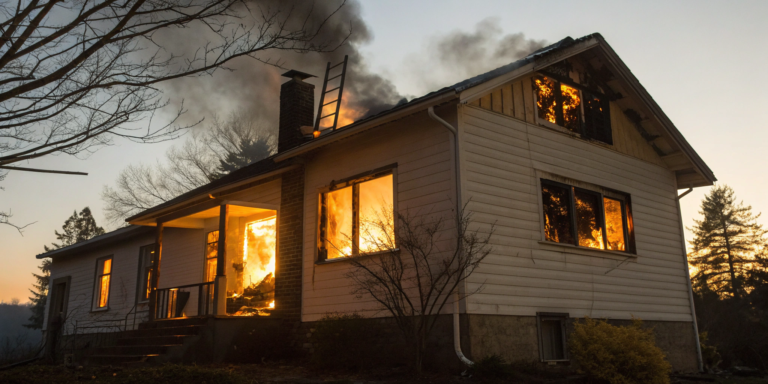
After a house fire, your world is turned upside down, and one of the most pressing questions you face is, how long does fire insurance claim take? You need answers and a clear path forward, but the insurance process is often anything but clear. While some claims settle in a few months, many drag on, tangled in inspections, paperwork, and disputes over repair costs. This uncertainty adds another layer of stress when you’re already dealing with so much. This guide is here to give you a realistic look at the timeline, explaining the typical stages and the common roadblocks that can leave you waiting.
Key Takeaways
- Set realistic timeline expectations: A fire insurance claim can settle in as little as 90 days, but that’s a best-case scenario. Be prepared for a longer process, as common delays include complex damage assessments, investigations into the fire’s cause, and disputes over the final payout.
- Drive your claim with meticulous records: You can prevent unnecessary back-and-forth by being organized from day one. Immediately document all damage with photos, create a detailed home inventory, and keep a written log of every conversation with your insurer to build a strong, clear case.
- Remember the first offer isn’t final: An initial settlement offer is a starting point for negotiation, not a final decision. You have the right to dispute an amount that feels too low, appeal a denial, or bypass the process entirely by selling your property as-is for a guaranteed cash payment.
How Long Does a Fire Insurance Claim Usually Take?
After a house fire, you’re facing a mountain of stress and uncertainty. One of the biggest questions is often about the insurance process and how long it will take to get your life back on track. While every claim is different, understanding the typical timeline and potential roadblocks can help you set realistic expectations. The process can be straightforward, but it’s often filled with delays that can leave you feeling stuck.
A claim involves detailed paperwork, inspections, and negotiations, all while you’re trying to manage the emotional and logistical fallout of the fire. Knowing what to expect can make a huge difference in how you approach the weeks and months ahead. Let’s walk through the average timeline and explore why some claims take much longer than others to resolve.
The 90-Day Average
Generally speaking, a fire insurance claim takes about 90 days to settle. Think of this as the best-case scenario—it’s the timeline you can expect if everything goes smoothly. This 90-day average assumes that your claim is handled correctly from the very beginning, with all paperwork filed promptly and accurately. It also depends on having a responsive insurance adjuster and no major disputes over the cost of damages. For many homeowners, however, the path isn’t quite so clear, and several factors can easily extend this timeline.
Why Some Claims Take Longer Than Others
It’s frustrating, but many claims stretch well beyond the 90-day mark. One of the most common reasons for a delay is if the insurance company suspects fraud or the cause of the fire is unknown. If there are any red flags, your insurer will launch an investigation to rule out arson, which can pause your entire claim for weeks or even months.
Disputes over the payout amount are another major hurdle. It’s a tough reality that many initial settlement offers are too low. Insurance companies may overlook the full extent of smoke, water, and hidden structural damage, leading to underpaid claims. When this happens, you’re forced into a lengthy negotiation process to fight for the compensation you actually need to recover, dragging out the timeline significantly.
What Factors Can Delay Your Fire Insurance Claim?
Dealing with a fire is tough enough without the added stress of a drawn-out insurance claim. While every situation is different, certain factors can turn a relatively straightforward process into a months-long waiting game. When you know what can slow things down, you can better prepare for the road ahead and take steps to keep your claim moving forward.
From the moment the insurance adjuster steps onto your property to the final settlement offer, several moving parts need to align. A delay in one area can create a domino effect, stalling the entire process. Understanding these potential hurdles is the first step toward managing your expectations and advocating for yourself effectively. Let’s walk through the four most common reasons a fire insurance claim gets delayed.
The Extent of the Damage
It makes sense that the more significant the damage, the longer the assessment will take. Even a small fire can cause widespread issues, from structural problems to smoke and water damage that isn’t immediately visible. Your insurance company will send an adjuster to perform a thorough inspection and estimate the repair costs. This isn’t just a quick walkthrough; the adjuster has to document every detail, which can be a painstaking and time-consuming process, especially in cases of severe damage. This detailed evaluation is necessary for an accurate claim, but it’s often the first major time consumer.
The Need for an Investigation
If the cause of the fire isn’t immediately clear, your insurance company will likely launch a formal investigation. This is especially common if there’s any suspicion of arson or if the fire originated from something complex like faulty wiring. An investigation can take weeks or even months, and it effectively puts your entire claim on hold until it’s complete. While this is a standard procedure for the insurer to rule out fraud and confirm the event is covered by your policy, it can become one of the most significant and frustrating delays you might face.
Your Insurance Company’s Process
Sometimes, the delay has more to do with the insurance company’s internal procedures than anything else. Adjusters often handle multiple claims at once, and your file might just be one in a very tall stack. Furthermore, insurance companies are businesses, and their initial damage estimates may not align with what you believe is fair. If you have to dispute their assessment and enter into negotiations, this back-and-forth can add significant time to the process. Getting a second opinion on the damage can help, but it also extends the timeline.
How Complete Your Documentation Is
This is one area where you have some control. A claim can easily get stuck if your paperwork is incomplete or disorganized. Your insurer will need a detailed inventory of all damaged or destroyed personal property, along with any receipts or proof of ownership you can provide. A well-documented claim strengthens your position during negotiations and helps the adjuster process everything more efficiently. If gathering paperwork and haggling with an insurance company feels overwhelming, it’s helpful to know there are other options. Some homeowners choose to bypass this process entirely through a simple, as-is sale, which follows a much more straightforward set of steps.
The Fire Insurance Claim Process: A Step-by-Step Guide
After a house fire, the path to recovery can feel clouded with uncertainty. One of the biggest hurdles is the insurance claim process. While every situation is different, the journey generally follows four main stages. Understanding these steps can help you feel more in control during a chaotic time and ensure you are treated fairly. Think of this as your roadmap—a guide to what’s happening, what to expect next, and what you can do to keep things moving forward.
The process involves a lot of communication, paperwork, and patience. You’ll be working closely with an insurance adjuster, whose job is to assess the damage and determine the value of your claim. Your role is to provide clear information and document everything thoroughly. It’s a detailed and often lengthy process, which is why some homeowners decide to bypass it altogether. Instead of waiting months for a settlement and dealing with repairs, they choose a simpler path. Our company offers a way to sell your house as-is for a fair cash price, letting you move on without the stress of a prolonged insurance battle. But if you’re proceeding with a claim, here’s what you need to know.
Step 1: File Your Initial Claim
Your first move should be to contact your insurance company immediately. Don’t wait. The sooner you report the fire, the sooner the process can begin. When you call, have your policy number handy and be ready to give a basic description of what happened. You don’t need to have all the answers right away, but prompt notification is key.
After that initial call, your focus should shift to documentation. Take as many photos and videos of the damage as you safely can. Capture everything from the structure of the house to individual belongings. This visual proof is incredibly powerful. It’s also a good idea to start a home inventory, listing your damaged possessions and their estimated value. This list will be essential for substantiating your claim for personal property losses.
Step 2: Meet the Adjuster for an Inspection
Once you file your claim, your insurance company will assign an adjuster to your case. The adjuster is a professional who inspects the property to determine the extent of the damage and estimate the cost of repairs. It is crucial that you are present for this inspection. This is your opportunity to walk them through the property, point out damage they might overlook, and answer their questions directly.
Come prepared for this meeting. Have your photos, videos, and home inventory list ready to share. Being organized shows that you are serious and helps the adjuster build a complete picture of your losses. Remember, the adjuster works for the insurance company, but a professional and cooperative relationship can make the entire process smoother. Their initial assessment forms the foundation of your settlement offer, so being an active participant is in your best interest.
Step 3: The Investigation and Evaluation Phase
After the initial inspection, the adjuster begins the detailed work of evaluating your claim. This phase can take some time, as they will be creating a formal “scope of loss” report. This document outlines every repair needed and estimates the associated costs for labor and materials. They will also review your personal property inventory to determine the value of your lost belongings according to your policy terms.
In some cases, especially if the cause of the fire is not immediately clear, the insurance company may launch a more formal investigation. This is a standard procedure to rule out any issues before paying out a claim. While you wait, it’s okay to check in with your adjuster for updates, but understand that this evaluation is a meticulous process. Our team has extensive experience with fire-damaged properties and understands the complexities involved in these assessments.
Step 4: Negotiate Your Settlement
Once the investigation and evaluation are complete, the insurance company will present you with a settlement offer. It’s important to know that you do not have to accept the first offer you receive. Review it carefully. If the amount seems too low to cover your repairs and replace your belongings, you have the right to negotiate.
To support your position, get independent repair estimates from trusted local contractors. Compare these quotes to the adjuster’s estimate. If there are significant discrepancies, present your evidence to the adjuster in a clear and organized manner. Keep all communication in writing to create a paper trail. This negotiation can be stressful and time-consuming, but it’s a critical step to ensure you get a fair payout. Many homeowners we’ve worked with share stories of this frustration, which ultimately led them to seek a faster, more certain solution with us.
How to Speed Up Your Fire Insurance Claim
Dealing with the aftermath of a house fire is overwhelming enough without the added stress of a slow insurance claim. While you can’t control every part of the process, you can take proactive steps to keep things moving forward. The key is to be organized, communicative, and prepared from day one. By providing your insurance company with everything they need in a clear and timely manner, you can prevent unnecessary delays and get closer to a resolution.
Think of yourself as the project manager of your own claim. Your goal is to make it as easy as possible for the adjuster to understand the extent of your loss and approve your settlement. This involves meticulous documentation, clear communication, and a professional approach to your interactions. While it might feel like extra work when you’re already stretched thin, these efforts can significantly shorten the timeline and help you get the funds you need to start rebuilding your life. If the process still feels too daunting, remember that you have options, like selling your property as-is to a company that understands your situation.
Document Everything Immediately
As soon as it’s safe to do so, start documenting everything. This is your evidence. Take photos and videos of all the damage from every possible angle, capturing both the big picture and the small details. Create a comprehensive home inventory list of all damaged or destroyed belongings, including their estimated value, age, and where you bought them, if possible. This documentation is the foundation for a fair settlement and provides the basis for effective communication and negotiation with your adjuster. Also, keep a folder for all receipts related to the fire, such as hotel stays, meals, and clothing purchases, as these may be covered under your policy’s Additional Living Expenses (ALE) coverage.
Keep Communication Clear and Consistent
From your first call to the final settlement, keep a detailed log of every interaction with your insurance company. Note the date, time, the name of the person you spoke with, and a summary of the conversation. Follow up important phone calls with an email to create a written record of what was discussed. Effective communication is essential for a smooth claims process. Being clear, concise, and professional in your emails and calls helps prevent misunderstandings that can lead to delays. Respond to requests from your adjuster promptly and keep them updated with any new information you have.
Provide All Information Upfront
One of the biggest causes of delays is an incomplete claim file. To prevent the constant back-and-forth, give your adjuster everything they need from the start. This includes the official fire report from the fire department, your detailed home inventory list, all the photos and videos you took, and any receipts for immediate expenses. By providing a complete package of information, you empower the adjuster to move forward with their evaluation without having to chase you for missing details. This also helps you manage expectations by showing you are organized and serious about your claim.
Work Effectively with Your Adjuster
Your insurance adjuster is a key player in this process, so building a professional, cooperative relationship is in your best interest. Whenever possible, meet the adjuster in person for the initial inspection. Walk them through your property, point out significant damage they might miss, and answer their questions honestly. While open communication is important, be mindful not to overshare personal financial information or express opinions about the cause of the fire. Stick to the facts of your claim. Your goal is to be a helpful resource, making their job of assessing the damage easier and, in turn, speeding up your settlement.
Common Roadblocks That Delay Fire Insurance Claims
Even when you do everything right, the fire insurance claim process can hit a snag. These delays are incredibly frustrating, especially when you’re trying to figure out your next steps after a fire. Understanding the most common roadblocks can help you prepare for them and, in some cases, avoid them altogether. From simple paperwork mix-ups to complex investigations, several factors can turn a weeks-long process into a months-long ordeal.
It’s important to remember that while your claim is personal and urgent, for the insurance company, it’s a business transaction. They have protocols to follow and a financial interest to protect, which can sometimes feel at odds with your need to get back on your feet quickly. They need to verify every detail, from the cause of the fire to the value of every item you lost. This verification process is where many of the delays originate. Knowing what to watch for is the first step in keeping your claim on track and managing your own expectations for the timeline ahead.
Missing or Incomplete Paperwork
An insurance claim runs on paperwork, and even a single missing document can bring everything to a halt. Your adjuster will ask for a lot of information, including proof of loss forms, a detailed inventory of damaged property, and receipts for any immediate expenses like temporary housing. It’s a huge task to gather all of this, especially when your documents may have been lost in the fire. Effective communication is crucial when interacting with your adjuster; being clear, organized, and responsive to their requests can prevent unnecessary delays and show that you’re on top of your claim.
Disputes Over What Your Policy Covers
You might assume your policy covers everything, but the fine print can tell a different story. Disputes often arise over the scope of the damage and the cost of repairs. An insurance company might agree to pay but offer a settlement that’s far less than what it will actually cost to fix the damage—a practice known as underpaying a claim. Disagreements about whether an item should be repaired or replaced, or arguments over the value of your lost belongings, can lead to a lengthy negotiation process that stalls your recovery and adds a lot of stress to an already difficult time.
Investigations into the Cause of the Fire
If the cause of the fire isn’t immediately clear, your insurance company will launch an investigation. This is a standard step to rule out causes that might not be covered by your policy, like arson. While necessary, this process can put your entire claim on hold for weeks or even months. An investigator will need to visit the site, interview you and any witnesses, and work with the fire department to determine the origin. Until they complete their report, your claim process is essentially frozen, leaving you in limbo while you wait for answers and a path forward.
Juggling Multiple Insurance Policies
Things can get complicated if more than one insurance policy is involved. For example, if you live in a condo, you might have your own personal policy while the building is covered by an HOA policy. Figuring out which company pays for what—like damage to the structure versus your personal belongings—can become a drawn-out battle. Each insurer may try to shift responsibility to the other, leaving you stuck in the middle. In these situations, having well-documented claims is your best tool to strengthen your position and push for a fair resolution from all parties involved.
What to Do If Your Claim is Delayed or Underpaid
It’s incredibly frustrating when the insurance process drags on or when the settlement offer comes in far below what you need to recover. A lowball offer can feel like a second blow after the fire itself. But an initial decision isn’t the final word, and you have options for moving forward. If you find yourself stuck with a delayed or underpaid claim, don’t lose hope. Taking a few strategic steps can help you challenge the decision and work toward a fair resolution.
The key is to be methodical and persistent. Insurance companies operate on documentation and process, so your best approach is to meet them on their terms. By staying organized, communicating clearly, and understanding your rights, you can effectively question a decision that seems unfair. Whether it’s a simple misunderstanding or a genuine dispute over coverage, there is a path forward. Let’s walk through the practical steps you can take to get your claim back on track and fight for the settlement you deserve.
Ask for a Written Explanation
If your claim is delayed without reason or you receive a settlement offer that seems too low, your first move is to ask for a detailed explanation in writing. A phone call isn’t enough—you need an official document that clearly states the insurer’s position. This letter should outline the specific reasons for their decision, referencing the exact parts of your policy they used to justify it. This isn’t just about getting an answer; it’s about gathering the evidence you’ll need for your next steps. A written explanation forces the insurance company to go on record, preventing them from changing their story later. It also gives you a clear basis to address specific issues if you decide to appeal.
Formally Appeal the Decision
Once you have the written explanation, you can formally appeal the decision. Most insurance companies have an established appeals process, and you have every right to use it. Your appeal should be a direct response to the reasons they gave for underpaying or denying your claim. Address each point with your own evidence, such as your detailed home inventory, photos, videos, and estimates from independent contractors. Be clear, professional, and stick to the facts. This formal challenge signals to the insurer that you are serious about pursuing a fair outcome and are prepared to defend your position. It moves the conversation from a simple disagreement to an official dispute that requires their full attention.
Know When to Hire a Public Adjuster
If you’re feeling overwhelmed or your appeal isn’t getting results, it might be time to bring in a professional. A public adjuster is an insurance expert who works for you, not the insurance company. They can be hired at any point in the process to manage your claim on your behalf. A good public adjuster will review your policy, assess the full extent of the damage, and negotiate with the insurance company for you. Because they understand the ins and outs of the industry, they can often spot things you might have missed and argue for a larger settlement. While they charge a fee—usually a percentage of your final settlement—their expertise can lead to a much better outcome and relieve you of a significant amount of stress.
How to Handle a Denied Fire Insurance Claim
Receiving a denial letter from your insurance company after a house fire can feel like a final, devastating blow. But it’s important to know that a denial isn’t always the end of the road. Often, it’s the start of a conversation. Understanding why your claim was rejected is the first step to challenging the decision and getting the resources you need to recover. Whether it’s a simple misunderstanding, a disagreement over the fine print, or a dispute about the cost of repairs, you have options. Let’s walk through the common reasons claims are denied and what you can do about it.
Why Claims Get Denied
Insurance companies are businesses, and they look closely at every claim. Sometimes, their reasons for denial are valid, but other times they can be disputed. The most common reasons for denial include suspected arson, where the insurer believes the fire was set intentionally. A denial could also happen if your policy doesn’t cover the specific type of damage your home sustained—for example, it might cover fire but not the resulting smoke or water damage. They might also point to pre-existing issues, like old wiring, as a reason to deny coverage. Sometimes, it’s as simple as missing information on your claim forms. In other cases, they may not deny the claim outright but offer a settlement that is far too low to cover your actual losses.
Policy Exclusions You Need to Know
Not everything is covered under a standard homeowner’s insurance policy, and the fine print contains important exclusions. Think of your policy as a contract that outlines exactly what is and isn’t covered. For instance, most policies will not cover damage resulting from an “act of war.” They may also exclude coverage if they determine the fire was caused by extreme carelessness or neglect on your part. It’s also common for policies to have limits on high-value personal items. Things like cash, fine art, jewelry, or important documents are often not fully covered unless you purchased an additional policy rider. Take the time to read your policy documents carefully to understand exactly what your coverage entails.
How to Protect Yourself from Underpayment
An offer that’s too low to cover your repairs is effectively a partial denial, and you don’t have to accept it. If you believe the settlement offer is unfair, your first step is to formally notify your insurer in writing that you dispute their assessment. Don’t just rely on a phone call; create a paper trail. Next, get second opinions. Hire your own independent, trusted contractors to provide detailed estimates for the repairs. This gives you concrete evidence to support your counter-offer. Most importantly, do not cash the settlement check or sign any release forms until you are satisfied with the amount. Cashing the check can be seen as accepting the offer. If this negotiation process feels overwhelming, remember you have other choices. Our simple process offers a way to sell your home for cash, letting you bypass the claims headache entirely.
Myths About Fire Insurance That Can Cost You Time and Money
After a fire, you’re likely leaning on your insurance policy for support. But many homeowners have misconceptions about how fire insurance works, which can lead to frustrating delays and financial setbacks. Believing these common myths can leave you with less money than you need to recover. Let’s clear up a few things so you can approach your claim with confidence.
Myth: Insurance Automatically Covers Everything
It’s easy to assume that your policy will cover every last detail, but that’s rarely the case. Insurance companies are businesses, and they often try to minimize payouts. Your initial assessment might miss hidden issues like structural problems, smoke residue in walls, or water damage from firefighting efforts. Because of this, insurers often start with a low offer, hoping you’ll accept it quickly without realizing the full extent of your losses. It’s crucial to remember that your policy has limits and exclusions, and you’ll need to advocate for a settlement that truly covers your recovery costs.
Myth: The First Settlement Offer Is Final
When you receive that first settlement offer, it can feel like a final decision. However, this is almost always just a starting point. Insurance companies frequently make an initial offer that is lower than what your claim is worth, counting on you being too overwhelmed to push back. It’s important to view this first number as the beginning of a negotiation. Don’t feel pressured to accept an offer that doesn’t feel right. You have the right to review it carefully, compare it to your own documentation, and prepare to negotiate for a fair amount.
Myth: You Have to Accept the Insurer’s Decision
If your insurance company presents an offer that feels too low or denies your claim, you are not obligated to accept their decision. You have the right to formally disagree and challenge their assessment. Simply informing your insurer that you dispute their offer will trigger a review process. This is your opportunity to provide additional evidence, get a second opinion from an independent expert, and make your case for a more appropriate settlement. Remember, you are your own best advocate in this process, and you have options if you feel you’re being treated unfairly.
Is Selling Your Fire-Damaged Home a Better Option?
Going through the fire insurance claim process can feel like a full-time job you never asked for. It’s often a long, drawn-out ordeal filled with paperwork, inspections, and negotiations that can stretch on for months. While waiting for a settlement might seem like the only path forward, you have another choice that puts you back in control: selling your property as-is.
For many homeowners, selling their fire-damaged house is a practical way to bypass the uncertainty and stress of dealing with an insurance company. It allows you to take control of the situation, get cash in hand quickly, and start fresh without the emotional weight of rebuilding or managing extensive repairs. If the thought of a months-long claims process is overwhelming, exploring a direct sale could be the right move for you. It’s about choosing a path that prioritizes your peace of mind and gives you the freedom to move on your own terms, without waiting for an insurer’s approval or dealing with contractors. Instead of pouring your energy into a battle you might not win, you can channel it toward finding a new home and a new beginning.
Skip the Lengthy Claim Disputes
Dealing with insurance companies after a fire can be incredibly frustrating. The process is rarely straightforward, and you might face unexpected delays, lowball settlement offers, or even claim denials. Even a relatively smooth claim can take 90 to 120 days to settle, and that’s if everything goes perfectly. During this time, you’re left waiting, often while paying for temporary housing and other unexpected expenses.
Selling your home as-is lets you sidestep this entire ordeal. You won’t have to spend months haggling with an adjuster or worry about whether your policy will cover the full extent of the damage. Instead of preparing for a potential dispute, you can get a fair cash offer and move on. Our simple process is designed to give you a clear path forward without the back-and-forth of an insurance claim.
Get Cash Fast, Without Making Repairs
One of the biggest hurdles after a fire is the thought of repairs. Coordinating contractors, sourcing materials, and overseeing a massive renovation project is a monumental task, especially when you’re still processing the fire itself. Your insurance settlement might not even cover the full cost, leaving you to pay the difference out of pocket. All the while, you’re waiting for the work to be completed before you can truly move on.
When you sell your fire-damaged home to a cash buyer, you hand over the keys and the stress. You don’t have to fix anything—not the smoke damage, the structural issues, or the water damage from firefighting efforts. You can get a fair cash offer for your property in its current condition and close in as little as seven days. This gives you the freedom and financial resources to find a new home and begin your next chapter immediately.
How We Offer a Simple, Fast Solution
We created Fire Damage House Buyer to provide a straightforward alternative for homeowners facing overwhelming circumstances. We understand that after a fire, your priority is to find stability and peace of mind, not to get tangled in a complicated real estate transaction or insurance battle. That’s why our company focuses on making the selling process as easy as possible.
Here’s how it works: you contact us, we assess your property, and we present you with a fair, no-obligation cash offer. There are no real estate agents, no commissions, and no hidden fees. You don’t make any repairs, and you choose the closing date that works for you. We handle all the paperwork, allowing you to sell your house quickly and confidently so you can focus on what matters most—moving forward.
Related Articles
- Fire Damage Insurance Claims: Step-by-Step Guide 2025
- House Fire Insurance Claim Tips: Top 7 Essential Secrets
- Burned Down House: A Step-by-Step Recovery Guide
- What to Do After a House Fire: A Step-by-Step Guide
Frequently Asked Questions
What should I do if my insurance company’s settlement offer won’t cover all the repair costs? This is a very common and frustrating situation. Your first step is to remember that the initial offer is just that—an offer, not a final decision. You have the right to negotiate. You can do this by gathering your own repair estimates from trusted, independent contractors to show the true cost of rebuilding. Present this evidence to your adjuster in writing to formally dispute their assessment and make a case for a higher settlement.
Can I sell my house even if the insurance claim is still in progress? Yes, you absolutely can. Selling your home is a separate transaction from your insurance claim. Many homeowners choose this path to gain certainty and control. Instead of waiting months for a settlement that might not be enough, you can get a guaranteed cash price for your property as-is. This allows you to move on financially and emotionally without being tied to a lengthy claims process.
Why would I sell my house for cash instead of just waiting for the insurance payout? The biggest reasons are speed, certainty, and peace of mind. The insurance process can be a long and stressful ordeal involving endless paperwork, negotiations, and the massive headache of managing repairs. Selling for cash provides an immediate and guaranteed solution. You get the funds you need to start over right away, without having to fight with an insurer or live in a construction zone for months.
How much damage is “too much” to sell a house as-is? There is no such thing as “too much” damage. Companies that specialize in buying fire-damaged homes are prepared to handle properties in any condition, from minor smoke damage to a total loss where only the foundation remains. These buyers assess the property’s value based on its post-fire state, so you don’t need to worry that your home is too far gone to receive a fair offer.
Do I have to accept the first settlement offer my insurer gives me? No, you do not. It’s important to view the first offer as the beginning of a negotiation. Insurers often start with a low number, and it’s up to you to advocate for what you’re truly owed. You can formally dispute the offer and provide your own documentation, like photos and independent repair quotes, to support your request for a more appropriate settlement.