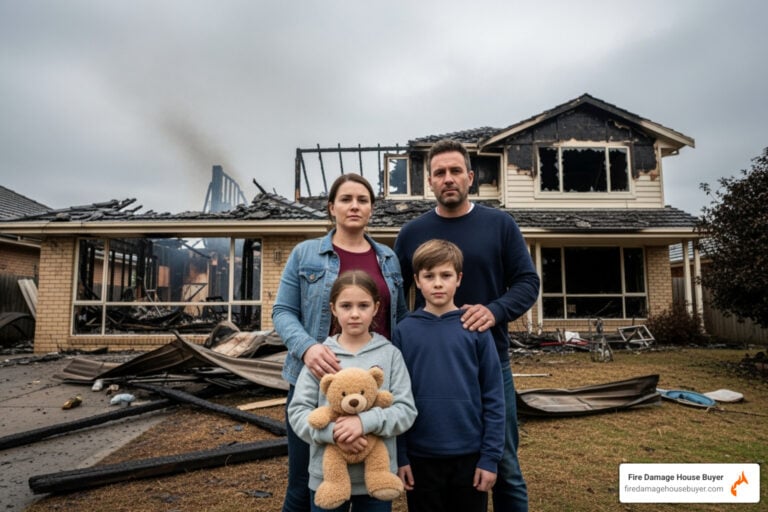
Understanding the Profound Impact of a House Fire
When you want to how to help a family whose house burned down, the most impactful support combines immediate practical aid with long-term emotional presence. Here’s what matters most:
Top Ways to Help Immediately:
- Provide essentials – New socks, underwear, toiletries, phone chargers, and a change of clothes
- Offer cash or gift cards – For groceries, clothing stores, and restaurants (gives them control and choice)
- Arrange temporary shelter – A spare room, hotel stay, or help coordinating with relatives
- Bring food – Home-cooked meals, restaurant delivery, or grocery shopping
- Be present emotionally – Listen without judgment, validate their feelings, and check in regularly
The devastation of a house fire goes beyond the physical structure. Families lose irreplaceable memories, cherished heirlooms, and their sense of safety. As one survivor shared, “The day after my house burnt down, my family went to the mall smelling like the smoke that had poured into our home.” This moment captures the disorienting and overwhelming aftermath.
The financial burden adds to the emotional trauma. While the national average for fire damage restoration is $2,500, whole-house projects can cost $46,500 or more. This doesn’t include temporary housing, replacing essentials, or other hidden expenses. Without adequate insurance, these costs can be impossible.
Your support can make a genuine difference. Understanding what fire victims need at each stage—from the first 48 hours to the long months of rebuilding—is key to providing meaningful help. I’m Daniel Cabrera. With 15 years of experience helping families recover from fires and buying over 275 distressed properties, I’ve learned that the best support involves understanding all their options—including practical alternatives when rebuilding is too overwhelming.
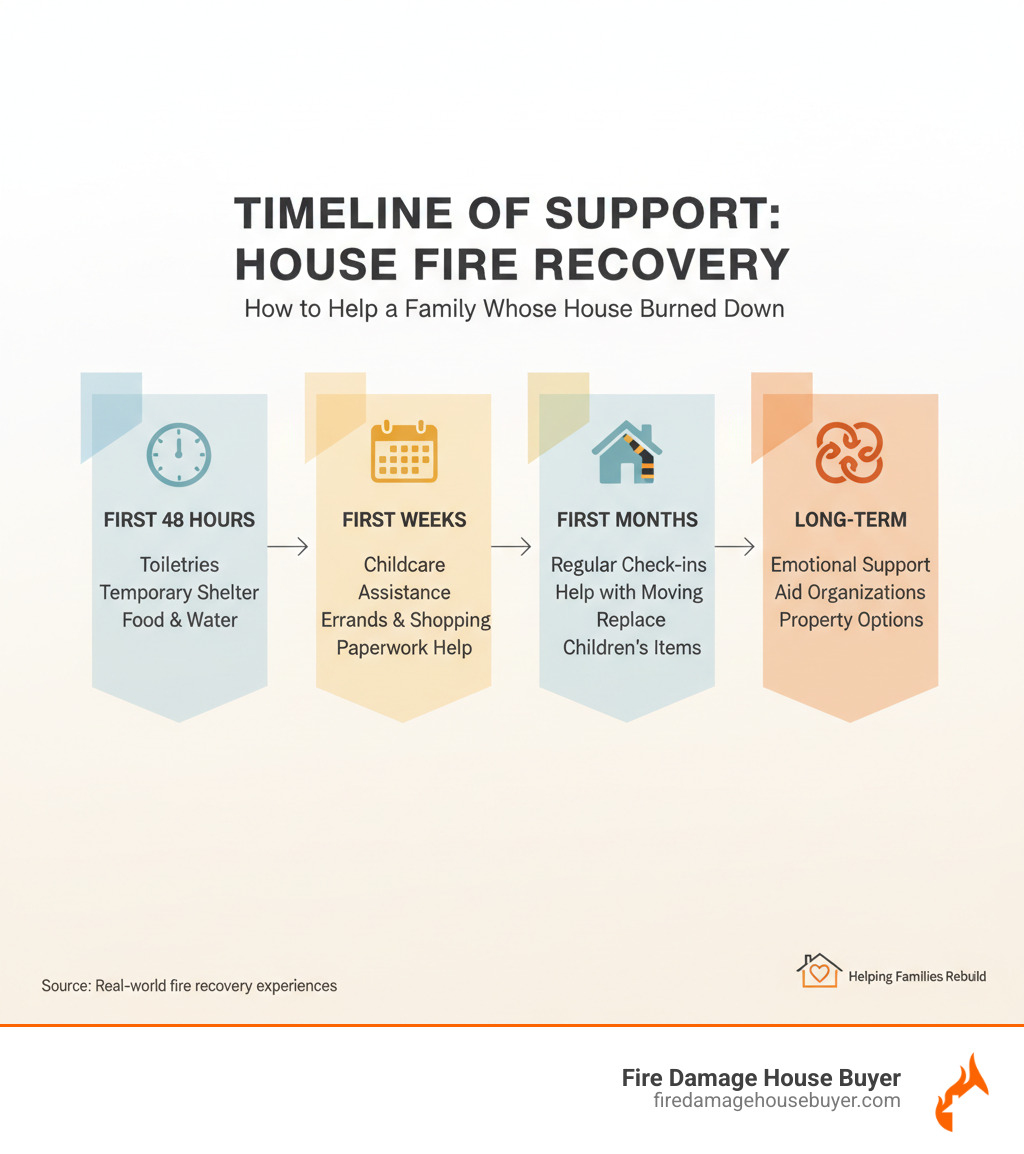
These are some knowledge that can aid you on how to help a family whose house burned down:
- Cleaning up after a house fire
- How to get rid of fire smoke smell in house
- What happens to your mortgage if your house burns down
Immediate and Practical Support: The First 48 Hours

The first 48 hours after a house fire are a blur of shock and urgent needs. When figuring out how to help a family whose house burned down, this is when your support matters most, as they have likely lost everything. Every small gesture is a lifeline.
Provide for Essential Needs
The most helpful thing you can do is provide new, unused essentials. Start with toiletries like toothbrushes, toothpaste, shampoo, soap, and deodorant. Add basic medications like pain relievers and any necessary feminine products.
New socks and underwear are consistently the most requested items. A fresh pair brings unimaginable comfort after wearing the same smoky clothes for days. Phone chargers are also critical for contacting insurance companies, aid organizations, and relatives. A dead phone adds unnecessary stress.
Include towels and washcloths for personal hygiene. Also, consider the season—warm hats, gloves, and boots are vital in winter, especially for children. This kind of specific, thoughtful help is always remembered.
Offer a Safe Place to Stay
“Where will we sleep tonight?” is a heavy question for a family that has just lost their home. If you have a close relationship and the space, offering a spare room provides both shelter and emotional comfort.
If you can’t host them, you can still help by booking and paying for a hotel stay for a few nights or weeks. This gives them breathing room to figure out long-term solutions. You can also coordinate with their extended family or mutual friends to find someone who can take them in, taking one task off their overloaded plate. Whatever you arrange, respect their need for privacy and space to process the trauma. The After the Fire guide from FEMA offers more information for families navigating these first days.
Give the Gift of Choice with Cash and Gift Cards
While well-intentioned, a bag of used clothing can create more work for an overwhelmed family. Fire survivors consistently say they need the power to choose what they need, when they need it.
Cash or checks provide immediate relief for urgent expenses while they wait for insurance claims to process, which can take weeks or months. One survivor said a check was “one of the most helpful things” anyone did.
Gift cards are incredibly empowering. A gift card to a clothing store lets them pick items that fit their style. Grocery store gift cards allow them to buy food that meets their family’s needs. Restaurant gift cards or delivery credits give them a break from meal planning. Gift cards to stores like Target or Walmart offer flexibility for everything from toiletries to household basics. They give the family control when so much has been lost.
Take Care of Food and Meals
Cooking is the last thing on their minds. Taking care of meals removes a significant daily burden. A home-cooked meal can be a profound comfort if they have a temporary kitchen. For those in hotels, restaurant delivery or gift cards are a great option.
You can also offer to do a grocery shopping run for them. Stock them up with bottled water and easy-to-prepare snacks like granola bars, crackers, and dried fruit. These provide quick energy during exhausting days of phone calls and paperwork.
How to Help a Family Whose House Burned Down Beyond Material Donations

After addressing immediate needs, the real recovery begins. This is where how to help a family whose house burned down goes beyond donations. The emotional and practical challenges are immense, and your continued, hands-on support can make all the difference.
Offer Your Time and a Listening Ear
The trauma of a house fire can last for months or years. Sometimes the most powerful thing you can do is show up and listen. Emotional validation is crucial. Avoid platitudes like “at least you’re safe,” which can minimize their pain. Instead, say, “I am so sorry for your loss. I can’t imagine what you’re going through.” This acknowledges their grief over losing memories and security.
Practice active listening by being fully present. Let them express their anger, grief, or confusion without judgment. The key is showing up consistently. Support often fades after the first week, but the family’s struggle continues. A simple text saying “Thinking of you” reminds them they haven’t been forgotten. As one survivor noted, “friendship and kindness are needed for years, not just weeks, after a disaster.” Respect their feelings and give them space to process trauma in their own way.
How to help a family whose house burned down with practical support
Fire victims face an overwhelming list of practical tasks. Offering specific, hands-on help can lift an enormous burden.
- Childcare and babysitting give parents uninterrupted time for appointments and paperwork. As one source notes, “Offering to babysit can provide parents with much-needed respite.”
- Pet care is an often-overlooked need. Offer to temporarily house their pets, take them to vet appointments, or help find pet-friendly accommodations. Providing a pet crate and essentials can be crucial if the family has pets.
- Running errands like picking up groceries, prescriptions, or kids from school removes tasks from an impossible to-do list.
- Making phone calls on their behalf (with permission) to utility companies or schools can save them time and emotional energy.
The bureaucratic maze that follows a fire includes complex legal and financial considerations that can feel overwhelming without support.
Help Them Steer the Bureaucracy
The mountain of paperwork after a fire is a major source of stress. Your help here can be invaluable.
Insurance paperwork is notoriously complex. Offering to help with organizing journals and binders can assist with managing insurance paperwork. Set up a system with labeled folders for correspondence, receipts, and policy documents to bring order to the chaos.
Creating a home inventory list is a painful but necessary task for insurance claims. “If you were a regular visitor to their house… you can help them as they make an inventory of the personal possessions they lost to give to the insurance company.” Your perspective might help them recall items they’ve forgotten.
Offer to help document lost items with photographs of the damage. You can also assist with contacting utility companies to manage services. For families who speak English as a second language, offering language translation for complex policies and online applications can be a significant help. The American Red Cross provides a detailed resource on home fire recovery for additional guidance.
Long-Term Support: The Road to Recovery

Long after the initial crisis fades, the hardest part of recovery begins. A house fire is a marathon, not a sprint, and support often disappears just when families feel most isolated. Your sustained help is invaluable.
How to help a family whose house burned down in the weeks and months ahead
Meaningful support often comes after everyone else has moved on. Regular check-ins, like a simple text or call, remind a family they haven’t been forgotten and help break the isolation.
Remembering the anniversary of the fire is a thoughtful gesture that shows you understand the date’s significance. Once the family finds new housing, helping furnish a new home is a huge challenge. They’ll need everything from basic housewares like pots and pans to furniture. Gift cards are ideal here, as they allow the family to choose what they need. Offering help with moving is another practical way to provide relief, as families often relocate multiple times.
Don’t underestimate the power of providing a sense of normalcy. Invite the family to everyday activities like a barbecue or a trip to the park. These moments offer a precious break from the stress of rebuilding.
Supporting Children Through the Trauma
Children process trauma differently, and losing their home can shatter their sense of security. Their favorite toys and books are sources of comfort and stability.
Replacing a favorite toy can have an outsized impact. One family recalled friends who bought a gaming system for their son and a large stuffed tiger for their younger child, helping them feel seen and cared for. Donating games or books provides distraction and comfort. Maintaining routines around school and bedtime also provides crucial stability.
Most importantly, provide a safe space for them to talk and listen patiently to their fears. Reassure them of their safety repeatedly. If a child shows signs of ongoing distress, suggesting professional trauma counseling can be an important step.
Understanding the Role of Aid Organizations
Several organizations specialize in disaster recovery. Guiding families toward these resources is a critical form of help.
- FEMA (Federal Emergency Management Agency) offers financial aid for housing and other disaster-related expenses. Families can apply at DisasterAssistance.gov or by calling 1-800-621-FEMA (3362).
- The American Red Cross provides immediate relief, including food, shelter, and emotional support, often responding within hours of a fire.
- The Salvation Army offers immediate financial aid and long-term support like shelter and supplies. They can be reached at 1-800-SAL-ARMY.
- United Way connects families to local resources for housing, food, and medical aid.
- Local fire districts often have post-fire programs that offer safety tips and guidance on working with insurance companies.
Navigating the Property: The Toughest Decision for the Family
After the initial shock, the family faces a heavy decision: what to do with the fire-damaged house. Rebuilding, repairing, or selling is an agonizing choice. Your role is to help them understand their options, not to decide for them.
The Overwhelming Cost to Repair a Fire-Damaged House
The cost of fire damage restoration is often staggering. A structural assessment is essential, as fire can compromise a home’s foundation, walls, and roof in hidden ways, making it unsafe even if it looks salvageable.
Smoke and soot remediation is another major expense, typically costing $4.00 to $6.50 per square foot. Without it, soot will continue to cause damage and the smell will linger. Water damage from extinguishing the fire adds more complexity, requiring extensive drying and replacement of materials to prevent mold.
Rebuilding costs can be surreal. While the national average for minor fire damage restoration is $2,500, whole-house projects often reach $46,500 or more. These figures don’t include structural repairs, debris removal, or temporary storage. The time commitment is also crushing, with rebuilding often taking six months to two years. You can find a detailed breakdown of these expenses at cost to repair a fire-damaged house.
Dealing with Fire Damage Insurance Claims
Navigating the insurance claim process can feel like a second disaster. The complex paperwork requires detailed inventories of lost items and meticulous documentation of all damage.
Dealing with adjusters adds more stress, as homeowners often have to advocate fiercely for their full claim. It’s not uncommon for adjusters to lowball estimates, forcing traumatized families to negotiate. Claim denials or delays are also common, leaving families to pay for expenses out of pocket for months.
Understanding the difference between Actual Cash Value (ACV) and Replacement Cost coverage is critical. ACV pays only the depreciated value of an item, which is often far less than what’s needed to buy a new one. The stress of this process is immense. Our guide on fire damage insurance claims walks through these challenges in detail.
A Simpler Path: Considering a Cash Sale
Rebuilding isn’t the only option. For families who find the prospect too daunting, selling the property as-is offers a path forward without the stress of construction.
Avoiding repairs means the family doesn’t have to worry about contractors, permits, or insurance shortfalls. When you Sell Fire Damaged House to a company like ours, the property is purchased in its current condition—smoke damage, water damage, and all.
Skipping the long rebuilding process is life-changing for an exhausted family. A cash sale typically closes in days or weeks, providing funds quickly so they can focus on finding a new home. The decision to rebuild or sell after a house fire is personal, but selling eliminates the uncertainty and financial risk of restoration.
A fair cash price provides a transparent, no-obligation offer, which is crucial when insurance coverage falls short. The ability to move forward without stress is perhaps the greatest benefit. Fire Damage House Buyer operates across the country, including in states like Florida, Texas, California, and many more. If the family you’re helping is overwhelmed, this alternative exists. Sometimes the kindest support is helping them see they have choices.
Frequently Asked Questions about Helping Fire Victims
When someone you care about loses their home, it’s natural to have questions about the best way to help. Here are answers to the most common questions people ask when trying to figure out how to help a family whose house burned down.
What are the most needed items for a family that lost everything?
The most needed items are basics: new socks and underwear, toiletries (toothbrushes, toothpaste, soap, deodorant), and feminine products. A change of clothes and phone chargers are also critical. However, gift cards for groceries and clothing stores are often best, as they give the family flexibility and choice when so much has been stripped away.
What are some things to avoid when trying to help?
While well-intentioned, some actions can create more work. Avoid dropping off unsorted used clothing or furniture without asking first, as it can be overwhelming to sort. Don’t make promises you can’t keep or disappear after the first week; long-term support is crucial. Finally, refrain from saying “at least you’re all safe” or “it’s just stuff.” These phrases can minimize the profound grief of losing a home and irreplaceable memories.
How can I offer emotional support without being intrusive?
The key is to make it easy for them to accept or decline help. Start with a simple text or call saying, “I’m thinking of you.” Offer specific, concrete help like, “I can bring dinner on Tuesday,” instead of a vague, “Let me know if you need anything.” This removes the burden of them having to ask.
Listen actively when they want to talk, without trying to fix their feelings. Let them express their anger, sadness, or numbness. Sometimes, just saying “That sounds incredibly hard” is the most helpful response. Respect their need for space if they’re not ready to talk. Your consistent, non-intrusive presence over time is what matters most.
Conclusion
When you need to know how to help a family whose house burned down, your presence and practical support make an enormous difference. The path forward is difficult, but knowing they aren’t alone changes everything.
This guide has covered the essential ways to help, from providing essentials like new socks and toiletries in the first 48 hours to offering your time and a listening ear for the long haul. Helping with childcare, running errands, and navigating paperwork are practical gestures that carry families through their darkest moments.
The emotional healing takes time, and the practical decisions, especially regarding the damaged property, can be overwhelming. Restoration costs can be staggering, often reaching $46,500 or more, and the process is fraught with insurance battles and delays.
For families facing this difficult choice, understanding all available options is crucial. Some find healing in rebuilding, while others find that moving forward means letting go. If rebuilding seems too daunting, a simpler path exists. They can get a cash offer for their fire-damaged house and bypass the lengthy restoration process, receiving fair value for their property without repairs or stress.
Your compassion—whether shown through a care package, a listening ear, or helping them explore their options—becomes part of their recovery story.