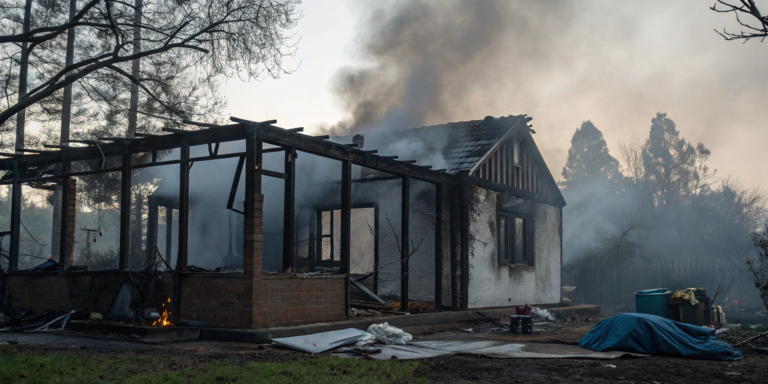
After a house fire, you’re facing two battles: the emotional toll of losing your home and the overwhelming practical challenge of what to do next. It’s completely normal to feel stuck, asking yourself, “My house burned down, what do I do?” This guide is built to address the practical side of that question so you can create space to handle the emotional one. We’ll break down the process into manageable pieces, starting with immediate safety, moving on to navigating insurance claims, and finally, exploring the big decision of whether to rebuild or sell. This is your action plan for moving forward with clarity and confidence.
Key Takeaways
- Focus on First Steps, Not the Whole Journey: Your immediate priority is safety. Secure a place to stay, contact your insurance agent to activate your living expenses coverage, and notify close family before worrying about long-term plans.
- Document Everything for Your Financial Recovery: Your camera and a notebook are your most important tools right now. Meticulously photograph all damage, create a detailed list of lost items, and keep every single receipt to build a strong insurance claim.
- Understand You Have Options Beyond Rebuilding: The path forward is your choice. Carefully weigh the long timeline and potential costs of rebuilding against selling your property as-is for a faster, cleaner break, while making space for your emotional well-being.
Your First Steps to Safety After a House Fire
When you’re standing outside your home after a fire, it’s hard to know what to do first. The shock and confusion can be overwhelming, but your immediate focus needs to be on one thing: safety. Before you think about insurance claims or what’s been lost, run through these critical steps to protect yourself and your family. This isn’t the time to worry about the future; it’s about getting through the next few hours safely. Everything else can wait.
Make Sure Everyone Is Safe
Your top priority is making sure everyone, including pets, is safe and accounted for. Once you are out of the house, stay out. Do a head count to confirm that all family members and anyone else who was inside are with you. If someone is missing, tell a firefighter immediately instead of going back into the building yourself. Your focus should be on keeping everyone together and away from the structure while the first responders do their work. This simple check is the most important thing you will do all day.
Wait for Official Clearance to Re-Enter
The urge to go back inside to check on things can be strong, but you must resist it. Never re-enter your home until the fire department explicitly tells you it’s safe. Even if the flames are out, the house is filled with hidden dangers. You could be exposed to toxic fumes, fall through weakened floors, or encounter live electrical wires. The structure itself might be unstable. Let the professionals assess the situation and give you the all-clear before you even consider stepping foot inside.
Shut Off Utilities (If It’s Safe)
If you can do so safely from an outside access point, turn off your home’s gas, water, and electricity. Shutting off the utilities can prevent further damage, like burst pipes causing water damage or a gas leak leading to another disaster. However, your safety comes first. If you have any doubt about how to do this or if the area around the shutoffs is hazardous, leave it to the professionals. The fire department or your utility company can handle it for you. Don’t take any unnecessary risks.
Find a Safe Place to Stay
You won’t be able to stay in your home tonight, so your next step is finding a safe place to rest. Reach out to friends or family who live nearby—people will want to help. If you don’t have a place to go, don’t worry. Organizations like the American Red Cross provide immediate assistance, including temporary shelter, food, and other essentials. Contacting them can give you the support you need to get through the first night and figure out your next steps.
The First 24 Hours: Your Action Plan
The moments after a house fire are a blur of shock, confusion, and stress. It’s completely normal to feel overwhelmed and unsure of what to do next. While it’s impossible to have all the answers right now, you can take a few concrete steps to regain a sense of control and start the recovery process. Think of this as your immediate action plan—a simple checklist to get you through the next 24 hours. Focusing on these essential tasks will help you protect your family, your property, and your financial well-being as you begin to move forward.
Call Your Insurance Company
Your first phone call, after ensuring everyone is safe, should be to your home insurance company. The sooner you contact them, the faster they can begin the claims process and provide critical support. Most policies include coverage for Additional Living Expenses (ALE), which helps pay for immediate needs like a hotel room, food, and clothing if you can’t stay in your home. Don’t worry if you don’t have your policy number handy; your agent can look it up with your name and address. Just let them know what happened. They will assign a claims adjuster to your case who will guide you through the next steps and schedule a time to assess the damage.
Secure Your Property
Your safety is the top priority. Never re-enter your home until the fire department has officially declared it safe. Even if the flames are out, a fire-damaged structure is filled with hidden dangers, including toxic fumes, unstable floors, and live electrical wires. Once you have clearance, your next job is to protect the property from further damage or theft. This might involve boarding up broken windows and doors or putting a tarp over a damaged roof. Your insurance company may have specific requirements for this, and they can often recommend a company to help secure the property for you.
Document the Damage
Once it’s safe to be on the property, start documenting everything. This step is crucial for your insurance claim. Use your phone to take as many photos and videos as you can, capturing the damage from every angle, both inside and out. Be thorough—what seems like a small detail now could be important later. You’ll also need to start creating a home inventory, which is a list of all your belongings that were damaged or destroyed. This can feel like a monumental task, so start small. Go room by room, writing down everything you can remember. Don’t try to do it all at once; just get the process started.
Notify Key People and Companies
First, reach out to your family and close friends. Let them know you are safe and update them on the situation. Your support system will be essential in the days and weeks to come. After you’ve connected with loved ones, it’s time to make a few more practical calls. You’ll need to notify your mortgage lender about the fire. It’s also a good idea to contact your utility companies (gas, electric, water) to inform them of the situation and prevent future billing issues. If you work from home or have lost work-related equipment, be sure to let your employer know what’s happened.
How to Work With Your Insurance Company
Dealing with your insurance company after a house fire can feel like a full-time job, and it’s the last thing you want to handle when you’re already so overwhelmed. But this step is critical for your financial recovery. The process involves a lot of paperwork and phone calls, but staying organized and proactive will make a significant difference in how smoothly your claim is handled and the settlement you receive. Think of it as a business transaction—you’ve paid your premiums, and now it’s time for the insurance company to hold up its end of the bargain.
Your main goals are to understand what your policy covers, file your claim accurately, build a working relationship with your insurance adjuster, and document every single detail. Each step is important. If the process of dealing with structural claims and repairs becomes too much, remember that you have other options. You can manage the insurance claim for your personal belongings while choosing a different path for the house itself, like a fast cash sale that lets you move forward without the stress of rebuilding.
Understand Your Policy and Coverage
Before you can effectively file a claim, you need to know what you’re covered for. Most standard homeowner’s insurance policies are broken down into a few key areas. First is structural coverage, which is the money allocated to repair or rebuild the physical house. Next is content coverage, for replacing your personal belongings like furniture, clothes, and electronics. Finally, there’s additional living expenses (ALE) or “loss of use” coverage, which pays for temporary housing, food, and other essentials while you’re displaced. Get a complete copy of your policy and review it, or ask your insurance agent to walk you through the specifics so you understand your coverage limits and deductibles.
File Your Claim Correctly
Contact your insurance company as soon as you can after the fire. Most have a 24/7 claims hotline for this exact reason. When you call, they will open a claim file and assign you a claim number—write this down and keep it handy. Your policy’s additional living expenses coverage should kick in right away, providing funds for a hotel and other immediate needs. The insurance company will assign an adjuster to your case; be sure to get their name and contact information. You don’t need to have all the answers when you first call, but be ready to provide a general description of what happened and confirm your contact details.
Work With the Insurance Adjuster
The insurance adjuster is the person who will inspect the damage, review your policy, and determine the amount the insurance company will pay out. It’s important to establish a professional and cooperative relationship with them, but always remember that they work for the insurance company. Be your own best advocate. Ask the adjuster for an advance against your claim to cover immediate expenses for things like clothes and toiletries. And from this moment on, save every single receipt for anything you buy. It’s also a good idea to be present when the adjuster first inspects your property so you can point out specific areas of damage they might otherwise miss.
Keep a Record of Everything
Documentation is your most powerful tool during the insurance claim process. Before anything is cleaned or moved, take extensive photos and videos of all the damage, both inside and out. Create a detailed inventory of every item that was damaged or destroyed. Go room by room and list everything you can remember, including the brand, model, and approximate age if possible. This will be essential for your personal property claim. You should also start a communication log. Every time you speak with someone from the insurance company, jot down the date, time, their name, and a summary of your conversation. This meticulous record-keeping will help you stay organized and support your claim effectively.
Where to Find Help and Financial Support
After a fire, figuring out your finances and where to turn for help can feel overwhelming. You don’t have to do it alone. Several organizations provide immediate relief and financial support to families who have lost their homes. It’s okay to accept this help—it’s there for you. Here are some key resources to get you started.
Get Emergency Aid from the Red Cross
The American Red Cross is often one of the first organizations to arrive after a disaster. Their volunteers are trained to provide immediate, compassionate care. This includes essentials like a safe place to stay, food, water, and clothing to get you through the first few days. Beyond the physical necessities, they also offer health services and mental health support to help you and your family process the trauma. You can contact your local chapter to connect with a caseworker who will guide you to the resources available in your area. Their goal is to meet your urgent needs so you have the stability to plan your next move.
Look Into FEMA Disaster Assistance
If the fire was part of a larger, presidentially declared disaster, you might be eligible for federal aid. The Federal Emergency Management Agency (FEMA) offers Individual Assistance grants for serious needs and necessary expenses not covered by your insurance. This can include funds for temporary housing, essential home repairs to make your home livable again, and replacing personal property. It’s important to know that this assistance isn’t meant to replace insurance but to help you meet basic needs and start rebuilding. You can check your eligibility and apply directly on their website or by phone.
Connect With Local Charities
Don’t underestimate the power of your local community. Charities like The Salvation Army, local churches, and other community action agencies often have dedicated resources for fire victims. They can help with practical things like furniture, household goods, food from a food pantry, and even financial aid for a security deposit or utility bill. These groups can fill in the gaps left by insurance and provide a compassionate, local connection when you need it most. A quick online search for emergency assistance in your town or calling 211 can point you in the right direction.
Explore Your Financial Aid Options
Sometimes you just need immediate cash for essentials like food, gas, or medicine. If you’re in a declared disaster area, you may qualify for a one-time payment from FEMA to cover these urgent needs. This aid is meant to help with critical expenses right away while you wait for insurance claims or other assistance to process. It’s a straightforward way to get a little financial breathing room when you need it most. This isn’t a loan, so you don’t have to pay it back. You can learn more about the types of disaster assistance available and apply through the government’s central portal.
How to Handle Your Belongings
Going through your personal belongings after a fire is one of the most difficult parts of this entire experience. It can feel completely overwhelming to sort through what’s left of your life’s possessions. Taking it one step at a time can make the process more manageable. Your focus should be on safety first, followed by documenting everything for your insurance claim.
Take Precautions Before Entering
Your safety is the absolute priority. Even after the flames are out, your home is still a dangerous place. Do not go back inside until the fire department has officially cleared it for re-entry. They need to check for structural damage that could cause floors or ceilings to collapse, as well as toxic fumes, live electrical wires, and other hidden hazards that could cause serious injury. The urge to see what’s left is strong, but waiting for the official all-clear is non-negotiable. Rushing back in before it’s deemed safe is a risk you simply can’t afford to take.
Create an Inventory of Damaged Items
Once you have the green light to enter, your first job is to document everything for your insurance company. Before you touch or move a single item, take photos and videos of the damage in every room. Go through the house and create a detailed list of everything that was damaged or destroyed. For each item, note what it was, its brand, where you bought it, and what you think it would cost to replace. This home inventory is critical for filing an accurate insurance claim and getting the settlement you deserve.
Sort What’s Salvageable From What’s Lost
After you’ve documented the damage, you can begin sorting through your belongings. This is an emotionally and physically draining task, so don’t hesitate to ask friends or family for help. Create three distinct piles: items that are undamaged, items that are a total loss, and items that might be saved with professional cleaning. Remember that things not directly burned can still have severe smoke and soot damage, which can be toxic and corrosive over time. Be thorough, but also be kind to yourself during this process; it’s okay to take breaks.
Decide on Professional Cleaning Services
Be very careful when hiring companies that specialize in fire restoration. While many are reputable, some may try to take advantage of your situation. Instead of immediately signing with a full-service restoration company that shows up at your door, take some time to do your own research. For things like smoke-damaged clothing, furniture, or important documents, you might get better results by finding a trusted local dry cleaner or a specialized conservation expert on your own. This approach gives you more control over protecting your most cherished items and helps you avoid potential scams.
What Are Your Temporary Housing Options?
After ensuring everyone is safe, your next immediate concern is finding a place to stay. Being displaced from your home is incredibly stressful, but there are resources available to help you find temporary shelter. Your path forward will depend on your immediate needs, your insurance coverage, and the support systems you have in place. The key is to take it one step at a time. First, secure a place for the next few nights, then you can start thinking about a more stable solution.
Arrange for a Short-Term Stay
If you can’t stay with family or friends, your first call should be to local disaster relief organizations. Groups like the American Red Cross and The Salvation Army are often on the ground after a house fire, providing immediate assistance with shelter, food, and clothing. They can connect you with safe, temporary housing for the first few days. Don’t hesitate to reach out—these organizations are there specifically to help people in your situation. They can offer a safe space to rest and process what’s happened while you begin to sort out the next steps.
Use Insurance for Living Expenses
Once you’ve notified your insurance company, ask about your Additional Living Expenses (ALE) coverage. This is a crucial part of most homeowner’s policies designed to cover the costs of living elsewhere while your home is uninhabitable. ALE can help pay for things like a hotel stay, rent for a temporary apartment, and even meals. It’s important to understand the limits of your coverage and keep detailed records of all your expenses. Remember, you’ll still need to make your mortgage payments during this time, so understanding what your insurance policy will cover is essential for managing your finances.
Find a Rental for the Meantime
A hotel is a good solution for a few days, but you’ll likely need a more stable living situation for the coming weeks or months. This is where finding a temporary rental comes in. Before you start your search, review your insurance policy to see how much ALE coverage you have for a rental. The amount can vary significantly depending on your policy. Knowing your budget will help you find a suitable place without adding extra financial stress. This temporary home will give you and your family a private space to regroup as you decide whether to rebuild or sell.
Rebuild or Sell? How to Make the Right Choice
After the initial shock wears off, you’ll face one of the biggest decisions in this process: should you rebuild your home or sell the property and start over somewhere new? There’s no easy answer, and what’s right for one person might not be right for another. This choice depends entirely on your financial situation, your timeline, and your emotional readiness to either reconstruct a life in a familiar place or build a new one elsewhere. Take your time to carefully consider each path before moving forward.
Weigh the Pros and Cons
Many people assume rebuilding is the only option, but that’s not the case. You can often use your insurance money to buy a different home instead. The first thing to remember is that even if your house is gone, you still own the land and are likely still responsible for paying your mortgage. A major pro of rebuilding is staying in a neighborhood you love, but the cons can be significant. The process is often long and emotionally draining. A fresh start somewhere new can be appealing, but it also means leaving behind a place filled with memories. It’s a deeply personal decision that requires weighing the financial and emotional factors of your unique situation.
Estimate Rebuilding Costs and Time
Before you commit to rebuilding, it’s critical to understand the timeline and costs involved. Rebuilding isn’t a quick fix; it can easily take years. The process involves clearing debris, securing new permits, and finding available contractors and materials—all of which can be in short supply, especially if a widespread disaster affected your area. For example, after major fires in Los Angeles, only 1,564 rebuilding applications were filed in nine months, showing just how slow the recovery can be. Costs can also quickly spiral beyond your insurance settlement, forcing you to cover the difference out of pocket. Get realistic estimates and talk to local builders to understand the true scope of the project before you decide.
Learn About Selling Your Home As-Is
If rebuilding feels too overwhelming, selling your property as-is is a practical alternative. This means selling the land and what’s left of your home without making any repairs. This path allows you to avoid the long, uncertain process of construction and the stress of dealing with contractors. Be aware that if you have a mortgage, your lender’s name will be on the insurance checks, which can complicate the rebuilding process. Selling can simplify these financial entanglements and helps you sidestep predatory restoration companies that may overcharge. Companies that buy fire-damaged properties can explain how it works and provide a clear, fast path to a fresh start.
Coping With the Emotional Toll
After a house fire, your focus is immediately on logistics: where to sleep, what to wear, and who to call. But the emotional weight of what you’ve lost can be just as heavy as the practical tasks ahead. Losing your home and personal belongings is a deeply traumatic event, and it’s crucial to give yourself the space and support to process it. Your mental and emotional recovery is not a secondary task—it’s a central part of rebuilding your life. It’s the foundation upon which you’ll handle insurance claims, financial decisions, and the path forward.
It’s completely normal to feel a whirlwind of emotions, from shock and anger to sadness and anxiety. Don’t feel pressured to “be strong” or move on before you’re ready. Instead, focus on taking small, manageable steps to care for your well-being. Acknowledging your feelings, seeking professional guidance, and connecting with others who understand can provide a solid foundation for healing. Remember, you don’t have to go through this alone. There are resources and people ready to help you through this difficult time.
Acknowledge Your Feelings and Grief
First things first: it’s okay to not be okay. You’ve experienced a significant loss, and it’s natural to grieve. A recovery guide for fire survivors notes that it’s normal to feel fear, sadness, and confusion. Allow yourself to feel whatever comes up without judgment. Pushing these emotions down will only make the healing process harder.
Grieving the loss of your home—a place of safety, memories, and comfort—is a valid and necessary step. There is no right or wrong timeline for this process. Give yourself permission to be sad about losing sentimental items and the sense of security your home provided. Acknowledging the depth of your loss is the first step toward processing it.
Consider Professional Counseling
A house fire is a traumatic experience, and you shouldn’t have to carry that burden by yourself. Seeking professional counseling is a proactive way to care for your mental health. A therapist can provide a safe, confidential space to talk through your experience and develop healthy coping strategies. Many people who have been through similar situations recommend counseling as a critical tool for addressing emotional trauma.
A professional can help you manage symptoms of stress, anxiety, or post-traumatic stress disorder (PTSD) that can arise after a fire. Think of it as having an expert guide to help you find your footing again. Your insurance policy may even cover the cost of mental health services.
Find a Support Group
While friends and family are essential, it can be incredibly comforting to connect with people who have been through the exact same thing. Support groups bring together individuals and families who have also experienced a house fire. Sharing your story with others who truly understand can reduce feelings of isolation and provide a sense of community.
Organizations like the American Red Cross and other local charities often facilitate these groups. In these spaces, you can find not only emotional support but also practical advice from people who are a few steps ahead of you in the recovery process. Accepting help from others is a sign of strength, and a support group can be a powerful source of it.
How to Manage Your Finances and Recover
After a fire, the financial side of things can feel just as daunting as the emotional recovery. You’re suddenly faced with unexpected costs, complex insurance paperwork, and major decisions about your home’s future. It’s a lot to handle, but you can get through it by taking one step at a time. The key is to focus on immediate needs first, understand the resources available to you, and protect yourself from those who might try to take advantage of your situation.
Think of this as your financial first-aid kit. We’ll walk through how to cover your expenses for the next few days, make sense of your insurance settlement, and steer clear of common scams. Getting a handle on your finances now will create a stable foundation for whatever you decide to do next, whether that’s rebuilding your home or starting fresh somewhere new. Remember, organizations like the American Red Cross offer financial assistance and guidance to help you get back on your feet.
Cover Immediate Expenses
Your first financial task is to secure funds for your immediate needs. Contact your insurance company as soon as you can. Most homeowners insurance policies include a provision for Additional Living Expenses (ALE) or “Loss of Use” coverage. This is specifically designed to help pay for essentials if you can’t live in your home due to damage. It typically covers the cost of a hotel or temporary rental, meals, and other necessary expenses that go beyond your normal budget. Don’t wait to make this call; this coverage is your lifeline for the first few days and weeks, ensuring you have a safe place to stay while you figure out your next steps.
Understand Your Insurance Settlement
Your insurance policy can feel like a foreign language, but it generally breaks down into three main parts. First is structural coverage, which pays to repair or rebuild the house itself. Second is content coverage, for replacing your personal belongings like furniture, clothes, and electronics. The third, and most immediately important, is relocation coverage (your ALE). This is what pays for you to live somewhere else while your home is uninhabitable. It’s crucial to understand the limits of this coverage because you’ll still need to pay your mortgage during this time, even if you can’t live in the house.
Avoid Scams and Bad Contractors
In the aftermath of a disaster, you are in a vulnerable position, and unfortunately, some people will try to exploit that. Be very wary of unsolicited offers from restoration or “mold remediation” companies that show up at your door. These contractors can be predatory, preying on your emotional state and making unrealistic promises to “restore” everything. Instead of rushing into a contract, take your time to find trusted, local professionals with proven reviews. For things like smoke-damaged clothes, you might even save money by washing them yourself at a laundromat with a strong cleaner before hiring an expensive service. Always vet contractors carefully to protect your finances.
Create Your Plan to Move Forward
After the initial shock wears off, you’re left with the question, “What now?” It’s completely normal to feel lost. The path forward can seem impossibly long, but you can make it manageable by creating a clear plan. Thinking about the future helps you regain a sense of control. Let’s break down how to approach this next phase by setting a realistic timeline, focusing on what’s most important right now, and gathering the support you’ll need to see it through.
Set a Realistic Timeline
It’s natural to want to get back to normal as quickly as possible, but it’s important to be patient with the process and yourself. Recovering from a fire is a marathon, not a sprint. Rebuilding can take a significant amount of time, sometimes even years, due to things like debris removal, securing permits, and finding available contractors, especially if a widespread disaster has affected your area. Instead of focusing on one giant end goal, try breaking the process into smaller, more achievable steps. Celebrate small victories along the way, whether it’s successfully filing an insurance claim or finding a temporary home. This approach makes the journey feel less overwhelming.
Focus on Your Most Urgent Needs
When everything feels urgent, it’s hard to know where to start. Begin by making a list of your most immediate needs to give yourself a clear direction. Your first call should be to your insurance company, as most policies include provisions for immediate living expenses, which can cover a hotel stay, food, and clothing. Next, think about essentials like replacing prescription medications, driver’s licenses, and credit cards. Don’t try to solve every problem at once. By tackling these critical tasks first, you’ll build momentum and create a stable foundation from which you can handle everything else that comes your way.
Build a Strong Support System
You don’t have to go through this alone. Leaning on others is a sign of strength, not weakness. Your support system includes friends and family, but it also extends to professional and community resources. It’s normal to feel a mix of grief, anger, and confusion, and talking to a counselor can help you and your family process these emotions. If you’re uninsured or need additional help, organizations like the American Red Cross offer immediate assistance. You can also look into FEMA disaster assistance if a federal disaster has been declared in your area. Building this network provides the support you need to move forward.
Related Articles
- What to Do After a House Fire: A Checklist
- What to do after a house fire: Ultimate 2025 Survival Guide
- What to Do After a House Fire: A Step-by-Step Guide
- What to Do After a Fire at Home: A 6-Step Checklist
Frequently Asked Questions
How do I pay for immediate needs like a hotel and food? Your first call after the fire should be to your insurance company to start a claim. Ask them about your Additional Living Expenses (ALE) coverage. This part of your policy is designed to cover the costs of temporary housing, meals, and other essentials when you can’t live in your home. The insurance company can often provide an advance to help you cover these costs right away, so you won’t have to pay for everything out of pocket.
Do I still have to pay my mortgage if my house is destroyed? Yes, you are still responsible for making your mortgage payments even if your home is gone. The fire doesn’t change your agreement with the lender. This is why it’s so important to contact your insurance company and your mortgage lender immediately. Your insurance settlement for the structure will eventually go toward paying off the loan or funding the rebuild, but you must continue making payments in the meantime to protect your credit.
How can I possibly create a complete list of everything I lost for my insurance claim? This task feels impossible, but you don’t have to do it all at once. Start by going room by room, writing down the big items first—furniture, appliances, electronics. Then, think through smaller categories, like the contents of a closet or a kitchen drawer. Ask family members to help you remember things. Look through old photos or videos of your home for reminders. The goal is to be as thorough as you can, but your insurance adjuster knows you won’t remember every single item. Just do your best to create a detailed starting point.
My insurance company is recommending a specific restoration contractor. Do I have to use them? No, you are not required to use the contractor your insurance company suggests. While their recommendation might be a good one, you have the right to choose your own licensed and vetted professionals. It’s wise to get a few different estimates and check reviews before signing any contracts. This is your home and your claim, and taking the time to find a contractor you trust can prevent a lot of headaches down the road.
I’m not sure I have the energy to rebuild. What else can I do? Rebuilding is a long and emotionally draining process, and it’s not the right path for everyone. You have other options. Many people choose to take their insurance settlement and use it to buy a new home somewhere else. Another practical choice is to sell your property as-is to a company that specializes in fire-damaged homes. This allows you to bypass the stress of construction and financial negotiations, giving you a clean break and the freedom to start fresh on your own terms.