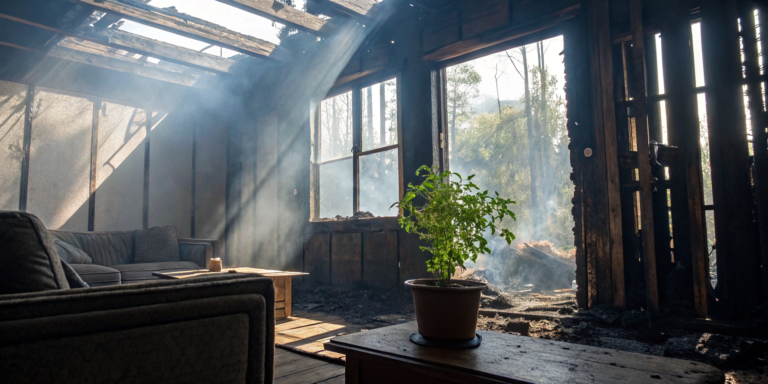
The smell of smoke after a fire isn’t just unpleasant; it’s a complex mixture of chemicals that can seep deep into your home’s structure. To fight it, restoration companies often use a powerful method called ozone treatment for smoke damage. This process uses a special generator to fill your home with ozone gas, which chemically neutralizes the smoke particles causing the odor. While it sounds like a straightforward fix, the gas itself is hazardous at high concentrations, meaning your home must be completely evacuated. Understanding the science, the safety risks, and the actual effectiveness is crucial before you commit to this path for your property’s restoration.
Key Takeaways
- Ozone chemically destroys odors, it doesn’t just mask them: The process uses a reactive gas (O3) to permanently change the molecular structure of smoke particles. This is why it’s so effective on stubborn smells, but it also means the treatment requires your home to be completely sealed and evacuated.
- Professional handling is essential due to health risks: The concentration of ozone needed to eliminate smoke odor is toxic to breathe and can cause serious lung irritation. A professional team follows strict safety protocols, monitors gas levels, and ensures the home is thoroughly ventilated before you can safely return.
- Ozone is just one step in a much larger restoration: The treatment tackles the smell but won’t clean soot, remove char, or repair structural damage. If the thought of managing a lengthy, multi-step restoration is overwhelming, selling your house as-is provides a simpler path to move on without the stress and cost of repairs.
What Is Ozone Treatment for Smoke Damage?
After a fire, the lingering smell of smoke can be one of the most difficult things to handle. It seeps into walls, furniture, and personal belongings, serving as a constant reminder of what happened. You may have heard about ozone treatment as a way to solve this problem. It’s a common method used by professional restoration services to tackle severe odors. The process uses a machine called an ozone generator to fill your home with ozone (O3), a highly reactive gas. This gas works at a molecular level to break down and neutralize the smoke particles that are causing the smell.
While it’s a powerful tool, ozone treatment is an intensive process that requires serious safety measures. The gas is harmful to people, pets, and even plants, so the house must be completely evacuated during treatment. It’s not like using an air freshener; it’s a chemical process that permanently changes the odor-causing molecules. Understanding how it works is the first step in deciding if it’s the right choice for your home or if you should consider other paths forward.
How Ozone Eliminates Smoke Odors
So, how can a gas get rid of a smell? It all comes down to the ozone molecule. An ozone generator takes in regular oxygen (O2) from the air and uses an electrical charge to reconfigure it into ozone (O3). This ozone is then pumped into the sealed-off room. As a highly reactive and unstable gas, it immediately begins to interact with other molecules in the air and on surfaces. It actively seeks out the smoke particles clinging to your furniture, carpets, and walls, effectively destroying the source of the odor instead of just covering it up.
The Science: How Ozone Attacks Smoke Particles
To get a bit more specific, the smoke smell you notice is caused by microscopic particles left behind from the fire. Ozone molecules attack these particles through a process known as oxidation. The third oxygen atom in an ozone (O3) molecule is unstable, so it easily breaks away and attaches itself to a smoke molecule. This simple action changes the chemical structure of the smoke particle, transforming it into a new molecule that no longer carries an odor. Because ozone is a gas, it can reach places that are otherwise impossible to clean, making it effective at eliminating stubborn odors that have penetrated porous materials like wood, drywall, and upholstery.
Ozone Treatment vs. Other Smoke Removal Methods
When you’re dealing with the aftermath of a fire, the lingering smell of smoke can feel impossible to get rid of. You’ve probably heard of different cleaning methods, but it’s tough to know which one actually works. Ozone treatment is a powerful option that functions very differently from traditional cleaning, offering a unique approach to eliminating stubborn smoke odors for good. Let’s look at how it stacks up against other methods.
How Does It Compare to Traditional Cleaning?
Traditional cleaning involves scrubbing surfaces, washing fabrics, and airing out rooms. While these steps are essential for removing soot and surface-level residue, they often fall short when it comes to deep-seated smoke odors. Smoke particles are incredibly small and can seep into everything from your drywall to your wooden furniture.
Ozone treatment, on the other hand, doesn’t just mask the smell—it destroys it on a molecular level. As a gas, ozone permeates the entire space, reaching the same hidden spots the smoke did. It chemically alters the structure of the smoke molecules, neutralizing the odor at its source. This makes it a highly effective method for dealing with severe smoke damage that soap and water simply can’t handle.
Is It Faster and More Cost-Effective?
At first glance, hiring a professional for ozone treatment might seem more expensive than buying cleaning supplies and tackling the job yourself. However, it can save you time and money in the long run. Manually scrubbing, sealing, and repainting can take weeks, and even then, there’s no guarantee the smell will be gone. If the odor returns, you’re back to square one.
Ozone treatment is a more concentrated and often faster process, typically completed within a day or two. By eliminating the odor effectively the first time, it can prevent the need for repeated cleaning efforts or costly replacements of furniture and carpeting. Professionals often use it as part of a broader strategy for restoring indoor air quality, making it an efficient part of the recovery process.
Can It Reach Odors in Walls and Furniture?
This is where ozone treatment truly stands out. Smoke odor isn’t just on the surface; it gets trapped deep inside porous materials like drywall, insulation, upholstery, and wood. You can scrub a wall all day, but you can’t scrub the air inside it.
Because ozone is a gas, it can penetrate these materials and neutralize the smoke particles hidden within. It fills every crack and crevice in a room, just as the smoke did. This ability to reach inaccessible areas makes it one of the most thorough solutions for stubborn smoke smells that have become part of the house itself. While other methods clean the surface, ozone treatment gets to the core of the problem.
Understanding the Health Risks of Ozone
While ozone treatment is often presented as a powerful solution for smoke odor, it’s crucial to understand the significant health risks involved before you consider it for your home. Ozone is a gas that, at the high concentrations needed for odor removal, becomes a harmful air pollutant. Even small amounts can be dangerous, and the process requires strict safety protocols that aren’t always easy to manage, especially in a home environment. This isn’t a simple air freshener; it’s a serious chemical process with real consequences if not handled correctly.
Breathing in ozone can irritate your respiratory system and cause a range of health issues. According to the Environmental Protection Agency (EPA), it can trigger coughing, chest pain, shortness of breath, and throat irritation. The risks aren’t just temporary; repeated exposure can worsen chronic respiratory diseases like asthma and compromise the body’s ability to fight off respiratory infections. For a family already coping with the trauma of a house fire, introducing a new set of health concerns into your living space is a major factor to consider. Before you decide on any smoke removal method, it’s important to weigh these potential health consequences against the benefits.
How Ozone Can Affect Your Lungs and Heart
At ground level, ozone is a powerful lung irritant. When you breathe it in, it can cause inflammation and damage to the cells lining your respiratory tract. Think of it as a sunburn on your lungs. This can lead to immediate symptoms like difficulty breathing and can aggravate existing conditions. Research shows that ozone exposure doesn’t just stop at the lungs; it can also impact your cardiovascular and immune systems. For anyone dealing with the aftermath of a fire, introducing another potential health hazard into your home is a serious consideration.
Other Potential Health Concerns
One of the most overlooked dangers of ozone treatment is its ability to react with other chemicals in the air. After a fire, your home contains soot and smoke residue, which are complex mixtures of particles and chemicals. When ozone is introduced, it doesn’t just neutralize odors—it can create new, and sometimes more dangerous, chemical byproducts. These can include toxic substances like formaldehyde and other aldehydes. Essentially, in an attempt to solve one problem, you could inadvertently create another, leaving behind a different set of harmful pollutants in your home.
Who Is Most Vulnerable to Exposure?
Everyone is at risk from high ozone concentrations, but some people are far more vulnerable. Children are particularly susceptible because their lungs are still developing. The elderly, pregnant women, and anyone with pre-existing respiratory conditions like asthma or COPD face a much higher risk of severe health effects. Even your pets can be harmed by ozone exposure. The levels of ozone required to eliminate smoke odors are typically far above the safety limits set by organizations like the Occupational Safety and Health Administration (OSHA) for human exposure, making the treatment unsafe for any occupied space.
Essential Safety Steps for Ozone Treatment
Ozone is a powerful cleaning agent, but that power comes with a major responsibility: safety. Because it’s designed to alter the chemical composition of smoke particles, it can also be harmful to people, pets, and even plants if not handled correctly. Think of it like a professional-grade tool—in the right hands, it’s incredibly effective, but without the proper precautions, it can be dangerous.
Before starting any ozone treatment, it’s crucial to have a clear safety plan. This isn’t a step you can afford to rush or overlook. The goal is to eliminate odors, not to create a new set of health problems. Following these essential safety protocols will ensure the process is both effective and safe for everyone involved. If you’re feeling overwhelmed by the complexities of fire restoration, you can always explore a more straightforward path by getting a cash offer for your home exactly as it is.
Why You Must Evacuate the Area
This is the most important rule of ozone treatment: the space must be completely empty of all living things. High concentrations of ozone are toxic to breathe and can cause serious respiratory damage. Before the ozone generator is even turned on, you must remove all people and pets from the home. It’s also a good idea to remove your houseplants, as the gas can damage them, too. This isn’t a suggestion—it’s a critical safety measure. No one should enter the treatment area until it has been thoroughly ventilated and deemed safe.
Monitoring Ozone Levels for Safety
You can’t see or smell when ozone levels become dangerous, so you can’t rely on your senses. Professionals use handheld ozone monitors to track the gas concentration during and after treatment. This ensures the levels are high enough to be effective but also helps determine when the area is safe for re-entry. For context, OSHA has set the safe limit for workers at 0.1 parts per million (ppm) over an 8-hour workday. The levels used for odor removal are much higher, which is why monitoring for safety is so important.
When Is It Safe to Re-Enter Your Home?
After the ozone generator finishes its cycle, the job isn’t done. The gas needs time to dissipate and revert to stable oxygen. The standard practice is to air out the area completely by opening all windows and using fans to circulate fresh air. This process can take several hours. You should never re-enter your home immediately after the machine is turned off. A professional will typically wait until their ozone monitor confirms that the levels have dropped to a safe concentration. Following this post-treatment ventilation process is essential for protecting your health.
How Well Does Ozone Treatment Actually Work?
So, does ozone treatment actually get the job done? The short answer is yes, but with some important caveats. Its success often depends on the type of smoke, the extent of the damage, and whether the source of the odor has been removed. While it can be a powerful tool in a restoration expert’s arsenal, it’s not a magic wand that can undo all types of smoke damage. Understanding its strengths and weaknesses will help you decide if it’s the right step for your home. Let’s break down where it shines and where it falls short.
Its Effectiveness on House Fire Smoke
When it comes to the intense, lingering smell left after a house fire, ozone treatment is a powerful tool. Professionals often rely on it because it’s a highly effective method for neutralizing severe smoke odors that have seeped deep into a home’s structure. The ozone gas can permeate porous materials like wood, drywall, and upholstery, reaching odors that surface cleaning can’t touch. For the kind of pervasive smoke that a significant fire creates, ozonation is one of the most thorough ways to attack the smell at a molecular level, rather than just masking it. This makes it a critical step in many professional restoration projects.
Removing Tobacco and Thirdhand Smoke
Beyond fire damage, ozone is also a common approach for tackling stubborn tobacco odors. It doesn’t just cover up the smell; it can also help remove harmful THS chemicals that cling to walls, carpets, and furniture long after the smoking has stopped. This “thirdhand smoke” is the toxic residue that remains on surfaces and can be difficult to eliminate with traditional cleaning. Because ozone is a gas, it can treat the air and surfaces simultaneously, making it a go-to remediation strategy for homes with a long history of cigarette smoke. It breaks down the chemical compounds responsible for the odor, offering a more permanent solution than simple air fresheners.
What Ozone Treatment Can’t Fix
It’s important to understand what ozone treatment can’t do. While it’s great at neutralizing airborne odors, it doesn’t eliminate the source. Think of it as a powerful air purifier, not a cleaning service. The treatment won’t remove soot, char, or smoke residue from surfaces. If these sources aren’t physically cleaned and removed first, the odors will likely return. This is why some experts point to its inconsistent effectiveness as a long-term solution if the underlying damage isn’t fully addressed through deep cleaning and repairs. Ozone is just one step in a much larger, more complex restoration process.
A Look at the Ozone Treatment Process
If you’re considering ozone treatment, you’re probably wondering what the process actually involves. It’s more than just turning on a machine and walking away. The entire procedure is a carefully managed effort to ensure the ozone gas penetrates every surface where smoke odors linger, from carpets and upholstery to deep within your walls. A professional restoration team will handle the setup, execution, and post-treatment steps to make sure the job is done safely and effectively, which is crucial when dealing with a powerful gas like ozone.
The first thing to know is that this isn’t a quick fix. It requires you, your family, and your pets to be out of the house for the entire duration. The process starts with a thorough assessment of the smoke damage to determine the right concentration of ozone and the length of the treatment. From there, technicians bring in specialized equipment and prepare your home by sealing it off. Understanding these steps can help you weigh the pros and cons. It’s a significant commitment of time and coordination, which is why some homeowners decide that a lengthy restoration isn’t for them and instead look into simpler paths.
Preparing the Room and Setting Up Equipment
Before an ozone generator is even turned on, the treatment area must be completely sealed off. This is a critical step for both safety and effectiveness. Professionals will close all windows and doors and use tape or plastic sheeting to seal any gaps, vents, or other openings. This ensures the ozone gas stays concentrated inside the treatment zone where it can do its job. It also prevents the gas from escaping into other parts of the house or outdoors. Once the area is airtight, the ozone generator is placed inside, and the treatment can begin. This careful preparation for fire restoration is what allows the ozone to effectively neutralize stubborn smoke odors.
How Long the Treatment Takes
One of the most common questions homeowners have is, “How long will this take?” The answer really depends on the extent of the damage. For a small area with a mild smoke smell, the treatment might only take a couple of days. However, for a whole house with severe, deeply embedded odors from a major fire, the process could last up to two weeks. The size of your home and the intensity of the smoke are the two biggest factors that influence the timeline. A professional will give you a more precise estimate after assessing the damage, but it’s good to be prepared for the possibility of being out of your home for a while.
Can Ozone Damage Your Belongings?
It’s natural to worry about your personal items during any restoration process. When handled by a professional, ozone treatment is generally safe for most belongings. Experts know how to control the environment—including temperature, humidity, and treatment time—to minimize any potential harm. However, ozone can be harsh on certain materials. Items made of natural rubber, leather, and some plastics and fabrics can become brittle or discolored with prolonged exposure. It’s a good idea to discuss any valuable or delicate items with the restoration company beforehand. They can advise you on whether certain belongings should be removed before the treatment begins.
Should You DIY or Hire a Professional?
After a fire, the lingering smell of smoke is a constant, difficult reminder of what happened. While ozone treatment is a powerful tool for eliminating these odors, deciding whether to tackle it yourself or call in a professional is a major decision. The choice comes down to equipment, expertise, and most importantly, safety. Going the DIY route might seem like a way to save money, but the risks involved often outweigh the potential savings.
Hiring a professional restoration service ensures the job is done correctly and safely from the start. They have the right equipment and training to handle hazardous materials and situations, giving you peace of mind during an already stressful time. If the thought of managing repairs and treatments feels like too much, remember you have other options. Sometimes, the simplest path forward is to sell the property as-is and start fresh. Our team at Fire Damage House Buyer offers a streamlined process to help you move on without the burden of restoration.
Professional vs. DIY Equipment and Expertise
The main difference between a DIY attempt and professional service comes down to the tools and the knowledge to use them. Professionals use commercial-grade equipment, like a powerful ozone generator, which creates ozone (O3) to neutralize smoke particles chemically. It’s not just about having the machine; it’s about knowing how to use it.
Experts understand how to control the environment—managing temperature, humidity, and treatment time for the best results. They also know that ozone is a highly reactive gas that can damage certain materials like rubber, plastics, and fabrics. A professional can assess your home and belongings to prevent accidental damage, a level of expertise you simply don’t get from reading an instruction manual.
The Risks of a DIY Approach
This is where the decision gets serious. The concentration of ozone needed to eliminate smoke odors is significantly higher than what is considered safe for people or pets to breathe. According to OSHA, workers shouldn’t be exposed to more than 0.10 parts per million of ozone over an 8-hour period, and treatment levels often exceed this.
Breathing in high levels of ozone can cause chest pain, coughing, and throat irritation, and it can be especially harmful to your lungs. Professionals are equipped with the right safety gear, including respirators, and follow strict protocols to air out the property completely before allowing anyone back inside. Without this equipment and training, you could be putting your health at serious risk.
When to Call a Restoration Service
If the smoke damage is widespread and has penetrated deep into walls, furniture, and flooring, it’s time to call a professional. DIY ozone treatments can be inconsistent and may not fully remove the smell, making them an impractical solution for significant damage. A professional service has the experience to handle a large-scale project effectively.
Dealing with the aftermath of a fire is overwhelming. If you’re facing extensive repairs and the idea of coordinating restoration services feels like too much to handle, there are other paths. For many homeowners, selling the house as-is provides a clean break and the freedom to move forward. You can get a fair cash offer and close quickly without ever having to worry about lingering smoke smells or costly repairs.
What Are Your Alternatives to Ozone Treatment?
If the risks and uncertainties of ozone treatment feel like too much to handle, you’re not alone. The good news is that it’s not your only option for dealing with smoke damage. Depending on your situation and what you hope to achieve, there are several other paths you can take. From different professional techniques that clear the air to a solution that lets you bypass the cleanup process entirely, you have choices. Let’s look at some of the most common alternatives.
Other Professional Odor Removal Methods
Ozone isn’t the only high-tech tool in a professional’s kit. Two other effective methods are thermal fogging and hydroxyl treatments. Thermal fogging uses a heated deodorizer to create a fine mist that acts like smoke, getting deep into porous materials to neutralize odors at the source. Hydroxyl generators are another great option. They use UV light to create hydroxyl radicals—the same molecules that naturally clean the atmosphere. These generators are safe to use in occupied areas and break down odor particles without the harshness or health risks of ozone. Both are powerful solutions for stubborn smoke smells.
Exploring Different Restoration Services
A full-service restoration company rarely relies on a single technique. Instead, they use a combination of approaches tailored to the damage in your home. This often starts with a deep cleaning of every surface to remove soot and residue. From there, they might apply special chemical sealants to walls and subfloors to trap any remaining odor particles and prevent them from being released back into the air. They may also use air scrubbers with HEPA filters. This multi-step process is thorough but can also be lengthy, disruptive, and expensive.
Selling Your Fire-Damaged House As-Is: A Simpler Path
If managing contractors and living through a lengthy restoration sounds overwhelming, there is a simpler alternative: selling your house as-is. This path lets you sidestep the entire cleanup and repair process. You don’t have to worry about whether a treatment worked or if smells will return. Instead, you can get a fair cash offer for your property in its current condition. Companies that specialize in fire-damaged homes understand the complexities and can handle the sale quickly. This approach provides a clean break, giving you the freedom to move forward without the stress of restoration. You can learn more about how the process works and decide if it’s right for you.
Related Articles
- Smoke Damage Home: Your Complete Guide
- Your Guide to Smoke Contamination After Fire
- Smoke Damage 101: A Complete Homeowner’s Guide
- What Does Smoke Damage Do to a House? The Full Impact
- What Can Be Saved From Smoke Damage? A Guide
Frequently Asked Questions
Is ozone treatment safe for my family and pets? No, the process itself is not safe to be around. The high concentration of ozone gas required to eliminate smoke odors is toxic and can cause serious respiratory issues. That’s why the single most important rule is that the house must be completely empty of all people, pets, and even plants during the treatment and for a period afterward. Professionals will seal the area and then air it out thoroughly until specialized monitors confirm the ozone has dissipated to a safe level.
Will ozone treatment damage my furniture or other belongings? There is a risk, especially for certain materials. Ozone is a powerful oxidant, and prolonged exposure can make items made of natural rubber, some plastics, and certain textiles brittle or discolored. A professional restoration company knows how to manage the treatment time and conditions to minimize this risk. It’s always a good idea to point out any valuable or delicate items to them beforehand so they can advise you on the best course of action.
Why can’t I just scrub everything to get rid of the smoke smell? While cleaning soot and residue off surfaces is a necessary first step, it often isn’t enough to eliminate the odor. Smoke particles are microscopic and get deep into porous materials like drywall, wood, carpeting, and upholstery. You can scrub the surface of a wall, but you can’t scrub the smell out from within it. Ozone works because, as a gas, it can penetrate these same materials and neutralize the odor molecules at their source.
How long does the whole process take from start to finish? The timeline really depends on the size of your home and the severity of the smoke damage. A small, contained area might only take a few days, but treating an entire house after a significant fire can take a week or even longer. This includes the time for the treatment itself plus the essential ventilation period required before you can safely re-enter your home.
What if I don’t want to go through a long restoration process? Dealing with the aftermath of a fire is incredibly stressful, and a lengthy, complex restoration isn’t the right path for everyone. If the idea of coordinating treatments, living elsewhere for an extended period, and worrying about lingering smells feels overwhelming, you have other options. Selling your house as-is allows you to bypass the entire cleanup and repair process, giving you a clean break and the freedom to move forward on your own terms.