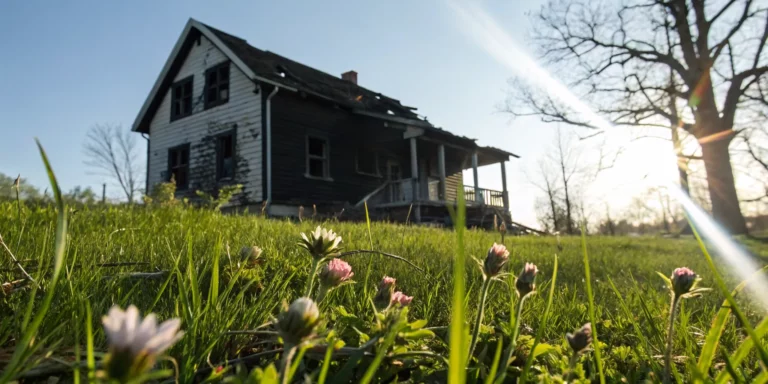
After a fire, you’re faced with a property that no longer feels like home. The traditional real estate market isn’t set up for situations like this; most buyers are looking for move-in-ready houses, not major renovation projects. This can leave you feeling like you have no viable options. However, there is a specific market of buyers who see the potential in your property and are ready to make a fair cash offer. This guide is designed to connect you with that solution. We will provide the essential information you need to sell burned down house efficiently and confidently, showing you how to avoid the uncertainties of a traditional sale and work directly with a buyer who understands your situation.
Key Takeaways
- Prioritize safety and documentation above all else: Before making any long-term plans, confirm the property is safe to enter, contact your insurance company, and take detailed photos of the damage to support your claim.
- Selling as-is is a powerful option to avoid repairs: You are not obligated to rebuild. Selling your home in its current condition to a cash buyer lets you bypass the time, cost, and stress of a major renovation project.
- Be transparent and vet your buyer carefully: Disclose the fire damage upfront to attract serious investors and protect yourself legally. Ask potential buyers for their experience and proof of funds to ensure a smooth, reliable sale.
Your First Steps After a House Fire
Dealing with the aftermath of a house fire is overwhelming, and it’s hard to know where to even begin. Before you think about the long-term plan for your property, there are a few immediate steps you need to take to protect yourself and start the recovery process. Focus on one thing at a time. These initial actions will set the foundation for everything that comes next, whether you decide to rebuild or sell your home.
Prioritize Your Safety
Before you do anything else, your personal safety is the top priority. Even if the flames are out, your home is likely not safe to enter. Wait until the fire department gives you the official all-clear. Structural damage can make floors, ceilings, and walls unstable, and there’s also the risk of inhaling smoke, soot, and other toxic fumes. Resist the urge to rush back in to check on your belongings. Nothing inside is more important than your well-being.
Call Your Insurance and Emergency Services
Once you and your family are in a safe location, make two important calls. First, contact your homeowner’s insurance company to report the fire and begin the claims process. The sooner you start, the faster they can assign an adjuster to your case. Second, reach out to disaster relief organizations. Groups like the American Red Cross can provide immediate assistance with shelter, food, clothing, and emotional support. You don’t have to go through this alone.
Document the Damage
When it’s safe to enter your property, your next job is to document everything. This step is critical for your insurance claim. Take as many photos and videos as you can, capturing the damage in every room from multiple angles. Make detailed notes about what was lost or damaged. It’s also a good idea to request a copy of the official report from the fire marshal. This documentation creates a clear record for your insurance adjuster and for anyone who may eventually buy your house.
Find a Temporary Place to Stay
You’ll need a safe place to stay while you figure out your next steps. This might be with family or friends, but your insurance policy may also cover the cost of a hotel or temporary rental through its “loss of use” coverage. Check with your insurance agent to see what your policy includes. If you need immediate help, the Red Cross and other local community organizations can often connect you with emergency shelter. Your focus right now is on securing a stable place where you can rest and begin to process what happened.
Can I Sell My Burned House As-Is?
Yes, you absolutely can sell your burned house as-is. After a fire, the thought of managing extensive repairs can be completely overwhelming, and for many homeowners, it’s simply not a feasible option. Selling as-is means you’re selling the property in its current condition, without making any repairs or renovations. The buyer acknowledges the damage and agrees to take on the responsibility for it. This path allows you to move forward without the financial and emotional burden of a massive restoration project. It’s a straightforward approach that prioritizes your peace of mind and gives you a clear path to a fresh start. Deciding between repairing the home and selling it as-is is a major decision, but understanding what an as-is sale involves is the first step toward making the right choice for your situation.
What an “As-Is” Sale Really Means
When you sell a house “as-is,” you’re telling potential buyers, “what you see is what you get.” The term is a legal protection for you as the seller, clarifying that you won’t be making any repairs to the property before closing. The buyer accepts the home with all its existing issues, from the smoke and soot damage to any structural problems caused by the fire. This doesn’t mean you can hide known problems—you’ll still need to follow your state’s disclosure laws—but it does mean you’re not on the hook for fixing them. It’s an honest and transparent way to sell, setting clear expectations from the very beginning and preventing future disputes over the home’s condition.
The Benefits of Selling Without Repairs
Choosing to sell your fire-damaged home without making repairs offers significant advantages, especially when you’re dealing with the aftermath of a fire. The most immediate benefit is speed. Renovations can take months, or even years, to complete, while an as-is sale can close in a matter of days. This option also saves you from the enormous financial strain of paying for repairs out-of-pocket. You avoid the stress of hiring and managing contractors, securing permits, and dealing with unexpected costs. By selling to a cash buyer, you can bypass the entire renovation process and receive a fair offer quickly. This streamlined selling process lets you close the chapter on a difficult event and focus on your next steps.
How to Find Cash Buyers for Burned Homes
Finding the right buyer for a fire-damaged home is key. While a traditional real estate agent can list your property on the market, you’ll have the most success targeting buyers who specifically look for as-is properties. These are often real estate investors, flippers, or specialized companies that have the resources and expertise to handle major renovations. You can find them through online searches for “we buy fire-damaged houses” or by contacting local real estate investment groups. When you connect with potential buyers, be upfront and honest about the extent of the damage. A reputable house buying company will appreciate your transparency and will conduct its own thorough assessment before making a fair cash offer.
Your Selling Options for a Fire-Damaged Home
After a fire, figuring out what to do with your property can feel overwhelming. The good news is you have choices. Your decision on how to sell depends on your priorities—whether you need a fast, simple solution or have the time and resources for a more traditional sale. Let’s walk through the main paths you can take to find the right fit for your situation.
Sell to a Specialized Buyer Like Us for Fast Cash
This is the most direct route if you need to move forward quickly. A specialized cash buyer, like us, purchases fire-damaged homes as-is. That means you don’t have to worry about cleaning up, making repairs, or dealing with contractors. We handle all of that. Our process is designed to be simple: we assess your property, make a fair cash offer, and can often close in just a few days. This option gives you the certainty of a sale and the cash you need to start fresh without the stress and delays of a traditional market listing. It’s a straightforward solution for a complex problem.
List with a Real Estate Agent
If you aren’t in a rush, listing with a real estate agent is a more traditional approach. An experienced agent can market your property to a broad audience by listing it on the Multiple Listing Service (MLS). They will guide you through showings, negotiations, and the closing process. However, selling a fire-damaged home this way can take months, and potential buyers may be hesitant or require extensive inspections. You’ll also need to factor in agent commissions and other closing costs. This path can work if you have the time and energy to see it through, but it involves more uncertainty than a direct cash sale.
Sell to a Local Investor or Flipper
Another great option for an as-is sale is connecting with a local real estate investor or house flipper. These buyers are specifically looking for properties they can renovate and resell for a profit, so they aren’t scared off by significant damage. Much like a specialized buyer, they typically pay in cash and can close quickly, saving you from the hassle of repairs. Selling directly to an investor also means you can often keep your insurance settlement, providing extra financial support. The key is finding a reputable local buyer who understands the value in a damaged property and can give you a fair offer.
Insurance and Your Sale: What to Expect
Figuring out your insurance claim while also thinking about selling your home can feel like a huge puzzle. The good news is that these two processes can work together. Selling your house as-is doesn’t mean you forfeit your insurance payout. It’s all about understanding your policy, communicating clearly, and timing things right.
Many homeowners worry that they have to complete all the repairs before they can sell, but that’s not the case. You can move forward with a sale and still receive the insurance money you’re entitled to. The key is to coordinate with your insurance provider and your buyer to make sure everyone is on the same page. Let’s walk through what you need to know to handle both your claim and your sale smoothly.
Know Your Insurance Coverage
First things first, get familiar with your homeowner’s insurance policy. Even if you sell your house before repairs are made, your claim should still be paid out. The big question is who receives the funds—you or the new owner. This depends on your policy and the terms of your sales contract. Typically, you are owed the “Actual Cash Value” (ACV) for the damage. This is the cost to replace what was lost, minus depreciation for age and wear.
Some policies include “Replacement Cost Value” (RCV), which covers the full cost of replacing items without deducting for depreciation. Understanding which type of coverage you have is crucial because it directly impacts the total payout you’ll receive.
Work with Your Insurance Adjuster
Your insurance adjuster is a key player in this process, so keep them in the loop. Let your insurance company know that you’re considering selling the property. This transparency is important, as they need time to complete their damage assessment and investigation. Rushing this step can complicate your claim later on.
Don’t be afraid to ask for help. Navigating a large insurance claim can be complex, and having a professional, like a public adjuster or an attorney, can ensure everything is handled correctly. They can help you understand the fine print and advocate on your behalf, making sure you get a fair settlement. The goal is to work with your adjuster, not against them, to reach a resolution.
How to Time Your Claim and Sale
Timing is everything. Ideally, you’ll have a clear idea of what your insurance will cover before you finalize a sale. If you decide to sell your home as-is and keep the insurance money for yourself, the sale price should reflect that. The buyer is taking on the repairs, so they’ll be paying a lower price for the property itself. This is a common and perfectly legal arrangement.
When you work with a specialized buyer like us, we understand this dynamic. Our streamlined process is designed to accommodate your insurance claim timeline. We can make a fair cash offer that accounts for the damage and your situation, allowing you to close quickly, settle your claim, and move on without the stress of managing repairs.
Repair or Sell As-Is? A Cost Breakdown
Deciding whether to repair your home or sell it as-is is one of the biggest financial choices you’ll make after a fire. The emotional pull to rebuild is strong, but it’s crucial to look at the numbers with a clear head. This decision isn’t just about restoring walls; it’s about your financial future and peace of mind. By breaking down the potential costs, hidden expenses, and your financial break-even point, you can make an informed choice that aligns with your goals and helps you move forward without regret. Let’s walk through how to evaluate your options.
Estimate Your Repair Costs
The first step is to get a realistic idea of what it will take to bring your home back to life. Repairing fire and smoke damage can be incredibly expensive, with average costs running into the tens of thousands. The final bill depends heavily on the extent of the damage—from cosmetic smoke stains to severe structural issues. To get an accurate picture, you’ll need to contact contractors who specialize in fire restoration. Make sure to get at least three detailed quotes. These estimates should break down the costs for structural repairs, smoke and soot removal, water damage from firefighting efforts, and replacing systems like electrical and plumbing. This will give you a solid baseline for the financial investment required to rebuild.
Uncover Hidden Expenses
A contractor’s quote is just the beginning. The total cost of repairs often includes a long list of hidden expenses that can quickly add up. For example, you’ll need to budget for permits, which can be a complex and costly process. If the damage is extensive, you might even face demolition costs for parts of the structure. It’s wise to budget for unexpected issues, which can easily add another 10% to 20% to your total repair bill. You might also discover problems like mold growth from the water used to put out the fire or the need to update the entire house to meet current building codes. These unforeseen expenses can turn a manageable project into a financial drain.
Find Your Financial Break-Even Point
This is where you put it all together to see which path makes the most sense. The key calculation is simple: compare the potential sale price of your fully repaired home against the total cost of those repairs. Then, weigh that against a cash offer for the house in its current, as-is condition. If you sell the house as-is, you avoid the time, stress, and financial uncertainty of a major renovation. A direct sale provides a clear, guaranteed number without any surprise costs. By understanding how our process works, you can see how a fast cash offer can simplify your situation, allowing you to collect your insurance payout and move on without the burden of a lengthy and expensive construction project.
The Legal Side: What You Must Disclose
When you’re selling a house that has been through a fire, honesty isn’t just the best policy—it’s a legal requirement. Disclosing the property’s history is one of the most critical parts of the selling process. It protects you from potential lawsuits down the road and builds a foundation of trust with your buyer. While it might feel daunting to lay out all the details of the damage, being upfront is the only way to ensure a smooth and legally sound transaction.
Think of it this way: any serious buyer, especially an experienced investor, will conduct a thorough inspection. They will find out about the fire, so it’s far better for them to hear it from you first. Full transparency allows buyers to make an informed decision and shows that you’re a trustworthy seller. This section will walk you through exactly what you need to disclose and how to handle the paperwork to keep yourself protected.
Know Your State’s Disclosure Laws
Every state has its own set of real estate disclosure laws, and it’s essential to understand what your specific obligations are. In almost all cases, you must tell potential buyers about any significant issues with the property, and a fire certainly qualifies. Even if you’ve made extensive repairs, the history of fire damage is considered a “material fact” that could influence a buyer’s decision. Failing to disclose this information can lead to serious legal and financial consequences after the sale. You can typically find these state-specific requirements on your state’s real estate commission website or by consulting with a local real estate attorney.
Gather the Right Paperwork
Documentation is your best friend during this process. Before you even list your property, start compiling a file with every piece of paper related to the fire and any subsequent repairs. This includes the official fire report, insurance claim documents, photos of the damage, repair estimates, and receipts for any work completed. Buyers will want to see these records to understand the extent of the damage and the quality of the repairs. Having a detailed and organized file shows you’re being transparent and helps answer buyer questions with clear, factual evidence.
How to Avoid Legal Issues
To prevent legal headaches, your guiding principle should be complete honesty. Be open about the cause of the fire and the scope of the damage. Beyond talking to buyers, you also need to keep your insurance company in the loop. Let your insurer know you plan to sell the property, as this can affect your claim. Giving them a heads-up ensures they have time to complete their investigation before the sale. Working with a specialized buyer simplifies this, as they understand the legal complexities and can guide you through a hassle-free process.
How to Price Your Fire-Damaged Home
Pricing your home after a fire can feel like you’re in uncharted territory. You’re not just selling a house; you’re selling a property with a complicated history, and its value has changed. But getting the price right is entirely possible. It starts with a clear-eyed look at the damage and understanding how potential buyers will view your home. This process will help you set a fair price that reflects the home’s current condition and attracts the right kind of buyer, whether you decide to make repairs or sell it as-is.
Factors That Impact Your Home’s Value
After a fire, the usual real estate rules about curb appeal and staging don’t quite apply. The biggest factor driving your home’s value is the extent of the damage. This includes not only the visible structural issues but also the hidden problems like smoke residue, soot, and water damage from firefighting efforts. A small, contained kitchen fire will have a different impact than a blaze that compromises the roof and foundation. With the average cost to repair fire damage often exceeding $18,000, you can see how significantly the value of your home can be affected. Understanding the full scope of these issues is the first step toward figuring out a fair market price.
Get a Professional Damage Assessment
You can’t accurately price what you don’t fully understand. While you can see the obvious destruction, there’s often hidden damage that only a professional can identify. This is why getting a formal damage assessment is so important. Hiring a licensed contractor or a fire restoration company will give you a detailed report outlining every necessary repair, from structural work to smoke remediation, along with a solid estimate of the costs. This document is more than just a list of problems; it’s a powerful tool. It gives you the hard numbers you need to negotiate with your insurance company and make an informed decision about whether to repair the home or sell it as-is.
Set a Realistic Asking Price
Once you have your professional damage assessment, you can set a realistic price. A common way to calculate an as-is price is to take the home’s pre-fire market value and subtract the estimated cost of repairs. This gives you a logical starting point for negotiations. If you choose to sell your home as-is, you avoid the time, stress, and expense of managing a major renovation. However, you also need to be prepared for a different kind of sale. The pool of buyers for a damaged property is smaller, and finding someone willing to take on a major project can take time. This is where a specialized cash buyer can simplify things. We understand the numbers and can provide a fair cash offer based on your home’s condition, letting you bypass the uncertainty of the open market. Our streamlined process is designed to help you move forward without the hassle.
How to Market a Fire-Damaged Property
Marketing a fire-damaged home is different from a traditional sale. Your goal isn’t to stage the perfect open house but to present a clear opportunity to a specific type of buyer. Instead of focusing on curb appeal, your marketing strategy should center on honesty and potential. The right buyers aren’t looking for a move-in-ready home; they’re looking for a property they can invest in and rebuild. By being upfront about the condition and targeting the right audience, you can streamline the process and attract serious offers from people who know exactly what they’re getting into.
This approach saves you from wasting time with unqualified buyers and sets realistic expectations from the very beginning. It’s about shifting your perspective from selling a finished product to selling a project with inherent value—whether that’s in the land, the remaining structure, or the location. A successful marketing plan for a burned property hinges on three key elements: complete transparency, accurate visuals, and a direct line to buyers who see the diamond in the rough. When you focus on these areas, you create a smoother, more efficient path to closing the sale and moving forward.
Be Transparent About the Damage
When selling a fire-damaged home, honesty is your most valuable asset. It might feel strange to lead with the property’s flaws, but being completely transparent about the extent of the damage is crucial. Buyers who are interested in this type of property are typically investors or builders, and they expect a full accounting of the home’s condition. Provide them with all available reports, including assessments from fire inspectors and structural engineers. Clearly outlining the fire, smoke, and water damage builds trust and shows that you’re a serious seller. This upfront approach helps you attract qualified buyers who are prepared for a renovation project and prevents any surprises that could derail the sale later on.
Take Photos That Show the Full Picture
Your property photos should tell an honest story. Resist the temptation to use old pictures from before the fire or to take shots that hide the damage. Instead, capture clear, well-lit images of the property as it is now. Document everything—the charred walls, the smoke-stained ceilings, and the areas that were most affected. It’s also helpful to include photos of any parts of the home that remain intact, as well as shots of the exterior and the surrounding lot. This comprehensive visual record gives potential buyers a realistic understanding of the project they would be taking on. High-quality, truthful photos act as a filter, ensuring that the people who contact you are genuinely interested and ready to move forward.
Target Buyers Who See Potential
The average homebuyer won’t be looking for a fire-damaged property, so you need to market it to a niche audience. Your ideal buyers are real estate investors, professional flippers, and specialized companies that purchase homes as-is. These buyers have the experience and resources to handle extensive repairs and see the long-term value in your property. Instead of listing on traditional real estate sites alone, focus your efforts on reaching this group directly. Companies that specialize in these situations understand how it works and can provide a straightforward cash offer, often closing in just a few days. This targeted approach connects you with serious decision-makers who can act quickly, saving you the stress of a long and uncertain sales process.
The Selling Process: A Step-by-Step Look
Selling a home is already a major life event, but selling one after a fire adds layers of complexity you wouldn’t otherwise face. The process looks different from a traditional sale, from the timeline to the types of buyers you’ll encounter. Knowing what to expect can help you feel more in control during a challenging time. The key is to be prepared, transparent, and realistic about your options. Whether you list with an agent or work with a specialized buyer, understanding these steps will make the journey much smoother.
What to Expect from the Timeline
Patience is crucial when selling a fire-damaged home on the open market. Finding the right buyer—someone who isn’t scared off by the damage and has the resources for repairs—can take significantly longer than a typical sale. The pool of potential buyers is much smaller, usually limited to investors or contractors looking for a project. This extended timeline can add financial and emotional strain when you’re trying to move forward. For homeowners who need a faster resolution, a direct sale to a cash buyer offers a clear alternative. Our streamlined process can close in as little as seven days, helping you bypass the uncertainty of the open market.
Prepare for Buyer Inspections
When you sell a fire-damaged property, transparency is non-negotiable. Buyers will conduct thorough inspections to assess the full extent of the fire, smoke, and water damage, so it’s best to be upfront from the start. State laws require you to disclose the property’s history, and hiding issues can lead to legal problems down the road. Have all your documentation, including damage reports and any engineering assessments, ready for review. Being honest builds trust and shows you’re a serious seller. It also helps attract serious buyers who understand the risks and are prepared to take on the project, which is a core part of how our company operates.
Common Questions Buyers Will Ask
Potential buyers will have a lot of questions, and having clear answers ready will make the process feel less intimidating. Be prepared to discuss the cause and extent of the fire, whether there is structural damage, and the status of any insurance claims. They will likely want to know if any repairs were covered by insurance and what the payout was. Understanding your own insurance policy and sales contract is key, as it determines who is entitled to claim proceeds. Working with a buyer who specializes in fire-damaged homes can simplify these conversations, as they already know what to look for and what to ask.
Choosing Your Buyer: What to Look For
Once you’ve decided to sell, finding the right buyer is the most important step in the process. Not all buyers are created equal, especially when dealing with a fire-damaged property. The person or company you choose will determine how smooth, fast, and fair the sale will be. A great buyer will bring peace of mind during a stressful time, while the wrong one can add more complications to an already difficult situation.
Think of this as a hiring process—you’re vetting candidates to handle one of your most significant assets. You want someone experienced, transparent, and reliable. It’s about more than just the offer price; it’s about the certainty of the sale and the integrity of the person on the other side of the table. Taking the time to understand what separates a great buyer from a risky one will help you move forward with confidence and get the fresh start you deserve.
Cash Offers vs. Traditional Mortgages
The first major distinction you’ll encounter is between buyers making cash offers and those who need a traditional mortgage. A buyer relying on a mortgage has to get approval from a bank, and lenders are notoriously hesitant to finance homes with significant damage. This path involves appraisals, extensive inspections, and a mountain of paperwork, all of which can delay the sale for months—or cause it to fall through entirely at the last minute.
A cash offer cuts through all that red tape. Companies that buy houses for cash have the funds available, so they don’t need a lender’s permission. This makes the process incredibly fast and certain. You can often close the sale in a matter of days, not months. For a fire-damaged home, a cash offer isn’t just a convenience; it’s often the most practical and reliable way to sell.
Key Questions to Ask Every Potential Buyer
When you start getting offers, it’s your turn to ask the questions. Vetting potential buyers is crucial to protect yourself and ensure a smooth transaction. Don’t be afraid to dig a little deeper to make sure they’re the right fit. A reputable buyer will have no problem answering your questions clearly and honestly.
Start with these essentials:
- “Do you have experience buying fire-damaged homes?” You want a buyer who understands the unique challenges, not someone who will be scared off by the condition of the property.
- “Can you provide proof of funds?” This confirms they actually have the cash and aren’t just trying to lock you into a contract they can’t fulfill.
- “What does your process look like, and are there hidden fees?” Look for a simple, transparent process without surprise costs. Check their customer reviews to see what other sellers have experienced.
Spot the Red Flags
Just as important as knowing what to look for is knowing what to avoid. Some buyers use predatory tactics, and spotting the red flags early can save you from a major headache. The first warning sign is high-pressure tactics. If a buyer is pushing you to sign a contract immediately without giving you time to think or review it, walk away. A legitimate offer will still be there tomorrow.
Another red flag is a vague or overly complex contract filled with confusing jargon. Your sale agreement should be straightforward. Be wary of buyers who make a high initial offer and then try to drastically lower it after an inspection—a classic bait-and-switch. A trustworthy buyer will make a fair, well-researched offer from the start. Ultimately, if a buyer is evasive or can’t provide clear answers, trust your gut. You deserve to work with a company that is open and honest about who they are and how they operate.
Related Articles
- How to Sell a Fire-Damaged House Fast: 7 Essential Steps
- How to Determine a Fire Damaged House’s True Value
- What to Do After a House Fire: A Step-by-Step Guide
- Can you sell a fire damaged house in 2025: Quick Guide
Frequently Asked Questions
Do I have to clean up the house or remove my belongings before you make an offer? Absolutely not. When we say we buy homes “as-is,” we mean it. You don’t need to clean, clear out debris, or worry about salvaging items. We understand that after a fire, the last thing you want to do is sort through the damage. You can take whatever you wish to keep and simply leave the rest behind. Our team will handle the entire cleanup process after the sale is complete.
How do you determine a fair cash offer for a house with so much damage? We start by looking at the potential market value of your home as if it were fully repaired, based on its location and comparable recent sales in your neighborhood. From there, we carefully estimate the total cost of repairs needed to bring the property back to that condition. Our cash offer is based on that future value minus our projected renovation costs, ensuring you receive a fair price that reflects your home’s current state without you having to lift a finger.
If I sell my house to you, can I still keep my insurance money? Yes, in most situations you can. Your insurance policy is an agreement between you and your provider to cover your losses. When you sell to us as-is, you are selling the damaged property, but the insurance claim is typically yours to keep. This allows you to get the cash from the sale and also receive the settlement from your insurer, giving you the financial resources you need for a fresh start.
What happens if I still have a mortgage on the house? This is a very common situation, and we handle it all the time. The process is straightforward. The cash offer we provide will be used to pay off your remaining mortgage balance at closing. Any money left over after the mortgage is paid off comes directly to you. We work with the title company to ensure all the paperwork is handled correctly and your loan is fully settled.
Your process sounds fast, but what does that timeline actually look like? We designed our process to be as simple and quick as possible. It starts when you contact us. We’ll schedule a time to view the property, often within a day or two. Shortly after that visit, we’ll present you with a no-obligation cash offer. If you accept, we can close the sale in as little as seven days. This means you can have cash in hand and the property off your plate in about a week.