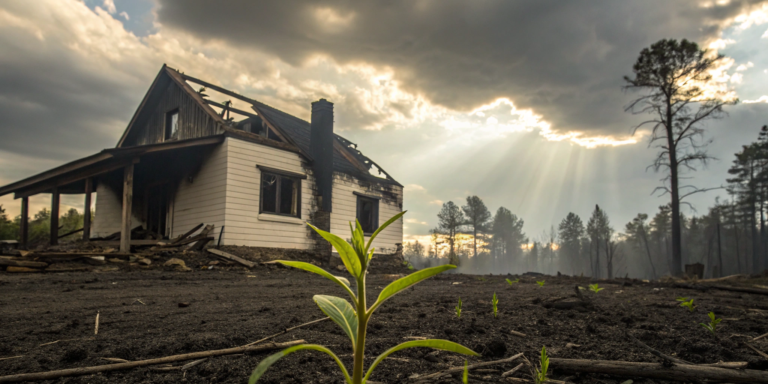
The traditional process of selling a home—with its repairs, staging, showings, and negotiations—is stressful enough. When you add fire damage to the mix, it can become an absolute nightmare. Many homeowners find themselves stuck, dealing with contractors who miss deadlines, agents who don’t understand the property’s unique challenges, and buyers who get scared off by the inspection report. But that difficult path isn’t your only choice. There is a more direct and less stressful way to move on. This article explores a simpler alternative, showing you how you can sell a fire damaged house quickly and without the endless headaches of a conventional sale.
Key Takeaways
- Handle the Essentials Before Making Big Decisions: Your first priority isn’t selling or rebuilding—it’s managing the immediate aftermath. Contact your insurance company, document all damage and expenses, and make sure the property is secure to protect yourself financially and legally.
- Weigh the True Cost of Repairs vs. Selling As-Is: Before committing to a renovation, get hard numbers from contractors and appraisers. Repairs often uncover hidden structural issues and can cost more than you’ll get back in a sale, making an “as-is” sale a more practical and less risky financial choice.
- A Cash Sale Offers a Fast and Certain Solution: Selling your home as-is to a specialized cash buyer eliminates the biggest challenges: finding a buyer, dealing with repairs, and waiting months for a closing. This path gives you a fair offer and a quick closing, allowing you to move forward without the stress of a damaged property.
Your First Steps After a House Fire
Dealing with the aftermath of a house fire is incredibly overwhelming. It’s one of those life events you can never truly prepare for, and it’s completely normal to feel lost about what to do next. Before you even start thinking about the long-term decisions—like rebuilding or selling your home—there are a few immediate steps that can bring some order to the chaos. Focusing on these first actions will help you regain a sense of control and set you on the right path for whatever comes next.
Think of it as a simple, three-part checklist to get you started: contact your insurance company, document absolutely everything, and make sure the property is secure. Each of these steps is crucial for protecting yourself both financially and legally. By tackling them one by one, you create a solid foundation for the bigger choices ahead. This initial process can feel daunting, but it’s the most effective way to start moving forward. While options like selling your house for cash offer a straightforward solution down the road, your immediate priority is to manage the situation at hand. Let’s walk through exactly what you need to do right now.
Call Your Insurance Company
Your very first call should be to your insurance agent. They are your primary resource in this situation and are there to guide you through the initial chaos. Your agent will start the claims process and explain what your policy covers, including funds for immediate needs like temporary housing, food, and clothing. Don’t delay this step—the sooner you get in touch, the faster they can begin to help you. They will also schedule a visit from an insurance adjuster who will assess the damage, which is a critical part of determining your payout.
Document Everything
From this moment on, become a meticulous record-keeper. Keep a file with every single piece of paper related to the fire. This includes the official fire report, all communications with your insurance company, and every receipt for expenses you incur, from hotel stays to new clothes. Take photos and videos of the damage from every possible angle before anything is moved or cleaned up. This detailed documentation is your proof when filing your claim and will be invaluable later. Thorough records can make the entire process of selling smoother and help ensure you get a fair outcome.
Secure Your Property
Once the fire department gives you the all-clear, you need to make sure the property is safe and secure. A fire-damaged home can be a target for theft or vandalism, and you could be liable if someone gets injured on the premises. This often means boarding up windows and doors or even putting up temporary fencing. Your insurance company can usually guide you on this and may even have preferred contractors to handle the work. Securing the site prevents further damage from the elements and protects you from potential legal issues while you figure out your next steps.
How Fire Damage Impacts Your Home’s Value
Thinking about your home’s value after a fire can feel overwhelming, but it’s a crucial step in figuring out your path forward. The damage isn’t just what you can see; it often affects the structural integrity, safety, and ultimately, the market price of your property. Understanding these impacts will help you make a clear-headed decision about what to do next, whether that’s repairing, rebuilding, or selling. It’s about getting a realistic picture of your financial situation so you can choose the best option for you and your family without the guesswork.
The Financial Reality of Fire Damage
It’s important to be realistic about how a fire affects your home’s market value. Generally, a house with even minor fire damage can see its value drop by 10% to 20%. For more significant damage, that number can jump to a 40% to 60% decrease from its pre-fire worth. This reduction accounts for not only the visible destruction but also the hidden issues like smoke residue, water damage from firefighting efforts, and potential structural weaknesses. Buyers see a fire-damaged home as a major project, and any offer they make will reflect the significant time, money, and risk involved in restoration.
What Lowers Your Property’s Value?
Several key factors contribute to the decrease in your property’s value after a fire. The most obvious is the extent of the damage—are we talking about a small kitchen fire or a blaze that compromised the roof and foundation? Beyond that, the cost of repairs plays a huge role; these can range from a few thousand dollars to well over $50,000. Your home’s location and the current local housing market also matter. A damaged home in a highly desirable area might hold more value than one in a slower market. Our streamlined process is designed to give you a fair offer that accounts for these factors without you having to manage the repairs.
Get a Professional Assessment
Before you make any decisions, it’s crucial to get advice from qualified professionals. This isn’t a situation for guesswork. A licensed contractor can give you a detailed estimate of repair costs, while a structural engineer can determine if the home is even safe to repair. You’ll also want an independent real estate appraiser who specializes in damaged properties to give you an accurate “as-is” valuation. Gathering this information is a critical first step. It gives you a clear, unbiased view of your home’s condition and financial standing, empowering you to weigh your options, whether you decide to sell your house for cash or take on the repairs yourself.
Your Options for Selling a Fire-Damaged House
After a fire, figuring out what to do with your house can feel overwhelming. The good news is that you have several paths you can take, and the right one for you depends entirely on your personal situation—your finances, your timeline, and how much you’re able to take on right now. Each option comes with its own set of pros and cons. Understanding them will help you make a clear-headed decision that feels right for you and your family. Let’s walk through the four main ways you can sell your fire-damaged property.
Sell As-Is to a Specialized Buyer
Selling your house “as-is” means you sell it in its current condition, without making a single repair. This is often the most straightforward and least stressful route. You won’t have to coordinate with contractors, deal with debris removal, or worry about hidden issues cropping up mid-renovation. Specialized companies that buy fire-damaged homes are set up to handle these exact situations. They assess the property, make a cash offer, and handle all the complexities after the sale. This path offers speed and certainty, allowing you to get your cash and move forward without the burden of a damaged property. You can learn more about how the process works to see if it’s a good fit for you.
Repair the Damage Yourself
If you have the time, energy, and financial resources, you could choose to manage the repairs yourself before selling. This approach has the potential to bring in a higher sale price on the open market, but it’s a significant undertaking. You’ll need to hire a fire damage repair contractor, manage a major renovation project, and cover the costs upfront. This process can take months, and there’s no guarantee you’ll recoup your investment. It’s essentially taking on a second job, so you’ll want to carefully weigh whether the potential financial gain is worth the effort and stress involved in selling a house with fire damage after a full restoration.
List with a Real Estate Agent
Taking the traditional route and listing your home with a real estate agent is another option. An agent can market your property to a wide audience, but finding one willing to take on a significantly damaged home can be a challenge. You’ll also need to be completely transparent and disclose all fire, smoke, and water damage to potential buyers. A fire-damaged home often lingers on the market because many traditional buyers are deterred by the amount of work required or are unable to secure a mortgage for a damaged property. While you might eventually find the right buyer, this path often requires a lot of patience and can be unpredictable.
Find an Investor or Cash Buyer
Selling directly to a real estate investor or a cash-buying company is one of the fastest ways to sell a fire-damaged house. These buyers aren’t looking for a move-in-ready home; they’re specifically seeking properties they can renovate. Because they pay with cash, they can close the deal in as little as a week, bypassing the lengthy bank approval process. This is a great option if the repairs are too extensive or costly for you to handle. Working with a reputable cash-buying company ensures a quick, no-hassle transaction, giving you the freedom to move on to your next chapter without delay.
Should You Repair Your House Before Selling?
Deciding whether to repair your home after a fire or sell it as-is is one of the biggest choices you’ll face. On one hand, repairs could potentially increase the sale price. On the other, they demand a significant investment of time, money, and emotional energy—resources you might not have right now. There’s no single right answer, but understanding the costs, risks, and potential returns will help you make the best decision for your situation.
The core of the issue comes down to a cost-benefit analysis. Will the money you pour into renovations actually come back to you in the final sale price? Or will you end up spending thousands only to break even, or worse, lose money? It’s a gamble, especially when hidden damage can surface mid-project. Before you call a contractor, let’s break down what you need to consider.
Weigh the Cost of Repairs vs. Your Return
The first step is to get a realistic picture of what repairs will cost. Fire damage isn’t just cosmetic; it can affect your home’s structure, electrical systems, and plumbing. According to industry data, fixing fire damage can cost anywhere from a few thousand dollars for minor smoke issues to well over $50,000 for more extensive problems. If the damage is severe, repair costs can easily exceed $75,000. You need to weigh that number against your home’s potential post-repair market value. An appraiser can give you an estimate, but remember, it’s just that—an estimate. The market can change, and there’s no guarantee you’ll recoup your investment.
Why Repairs Might Not Be Worth It
Undertaking a massive renovation project is stressful under the best of circumstances, let alone after a fire. You’ll be managing contractors, dealing with unexpected delays, and fronting a lot of cash. For many homeowners, the smarter and faster move is to sell the house as-is. This path allows you to bypass the entire repair process. You won’t have to worry about finding the right contractors or wondering if you’ll get your money back. Instead, you can work with a specialized buyer who understands the risks and is prepared to take on the project. Our streamlined process is designed to give you a fair cash offer without any of that hassle.
Uncovering Hidden Structural Issues
One of the biggest risks of repairing a fire-damaged home is what you can’t see. Heat from a fire can compromise the integrity of your home’s foundation, support beams, and overall frame. These issues aren’t always obvious. Before you commit to repairs, it’s critical to get advice from a structural engineer who can assess the home’s safety and stability. Discovering a major structural problem halfway through a renovation can derail your budget and timeline completely. Selling as-is transfers this risk from you to the buyer, giving you the peace of mind to move forward without worrying about what other expensive surprises might be lurking behind the walls.
Your Legal Duties When Selling a Damaged Home
When you’re selling a home that’s been through a fire, it’s easy to feel overwhelmed by the process. On top of everything else, you have certain legal responsibilities to think about. Being transparent isn’t just good practice—it’s a legal requirement that protects you from serious headaches down the road. Understanding your duties from the start will make the entire selling process smoother and give you peace of mind, whether you decide to repair the home or sell it as-is.
Know Your State’s Disclosure Laws
Every state has laws that require sellers to be honest about a property’s known defects. When it comes to fire damage, this means you need to tell potential buyers everything you know. This includes the extent of the fire, smoke, and water damage, even if you’ve already made some repairs. It might feel counterintuitive to highlight the flaws, but full transparency is your best defense against future legal claims. A buyer can’t come back later and say you hid something if you’ve laid all your cards on the table. These disclosure obligations are non-negotiable, so be prepared to be an open book.
Gather the Necessary Paperwork
Good record-keeping is your best friend during this process. Before you even think about listing your home or talking to buyers, start gathering all your documents in one place. This includes the official fire report, all insurance paperwork, photos of the damage, and any receipts or estimates for repairs. Having this file ready shows buyers you’re organized and trustworthy. It helps them understand the property’s history and can lead to a smoother, faster sale. This is a key part of how it works when you sell to a specialized buyer, as it helps them make a fair and informed offer quickly.
The Risks of Not Disclosing Damage
Trying to hide or downplay the damage is a risky move. If a buyer discovers an issue you didn’t disclose, you could face a lawsuit long after the sale is complete. Plus, most traditional buyers can’t get a mortgage for a fire-damaged house because banks view it as too high-risk. This is why many homeowners in your situation choose to work with a specialized buyer who understands these challenges. By selling as-is, you transfer the responsibility and risk, allowing you to move forward without worrying about future legal complications. Working with a company that specializes in these situations ensures you’re dealing with experts who know exactly what they’re taking on.
How to Prepare Your Fire-Damaged House for Sale
Getting your property ready for the market after a fire can feel like a monumental task, but breaking it down into manageable steps makes it much easier. Whether you plan to list with an agent or sell directly to a cash buyer, a little preparation goes a long way. Your focus should be on safety, gathering information, and being transparent with potential buyers. This approach helps you set clear expectations and move forward with confidence.
Prioritize Safety and Cleanup
Before anyone steps foot on your property, safety has to be your top priority. The aftermath of a fire can leave behind a number of hidden hazards, from structural weaknesses to broken glass. You’ll want to hire a professional service to clear out debris and assess the home for immediate dangers. This isn’t about making the house look perfect; it’s about ensuring it’s safe enough for inspectors and potential buyers to walk through. Securing the property by boarding up windows or fencing off unsafe areas is also a critical step to prevent accidents and unauthorized entry.
Schedule Professional Inspections
You can’t fix what you don’t know is broken. That’s why getting a professional damage assessment is one of the most important things you can do. A licensed inspector can evaluate the extent of the fire, smoke, and water damage, including issues that aren’t visible, like compromised electrical systems or structural problems. This report gives you a clear, unbiased picture of the home’s condition. It’s the documentation you’ll need for insurance claims, legal disclosures, and for understanding what a fair market price might be. This information empowers you to make the best decision for your situation.
Create a Marketing Plan
When you’re ready to sell, honesty is the best policy. Trying to hide the extent of the damage will only cause problems later. Instead, be upfront in your marketing. If you’re selling the house as-is, focus on the property’s strengths, such as its location, lot size, or potential. Your target audience will likely be investors or buyers specifically looking for a fixer-upper. Alternatively, you can skip the marketing altogether by working with a company that specializes in these situations. Our process at Fire Damage House Buyer is designed for homeowners who want to sell quickly without the stress of inspections and marketing.
Common Challenges When Selling a Damaged Home
Selling a home after a fire presents a unique set of hurdles that you just don’t face with a typical property sale. The path forward can feel uncertain, and it’s completely normal to worry about finding the right buyer or getting a fair price. Many homeowners in your situation find that the traditional real estate market isn’t equipped to handle properties with significant damage, leading to frustration and delays.
Understanding these potential roadblocks ahead of time can help you make a more informed decision about how to proceed. From a smaller pool of interested buyers to the complexities of real estate agent relationships and extended timelines, knowing what to expect is the first step toward finding the right solution for you and your family. Let’s walk through some of the most common challenges you might encounter.
Finding Interested Buyers
One of the biggest difficulties is simply finding people who are willing to buy a fire-damaged home. For the average homebuyer, the sight of fire, smoke, or water damage can be overwhelming. They often see a massive, expensive project with too many unknowns, and most aren’t looking for a major renovation. This hesitation significantly shrinks your pool of potential buyers. Even if you list your home “as-is,” you’ll find that many buyers can’t secure a traditional mortgage for a damaged property, narrowing the field even further. This is why many sellers in your position explore alternative routes, like working with a company that has a streamlined process specifically for buying damaged homes.
Overcoming Common Misconceptions
Misconceptions about fire-damaged properties can create major obstacles. For instance, many real estate agents are hesitant to take on such listings because they require specialized knowledge and are harder to market. An agent unfamiliar with distressed properties might not know how to price or position your home effectively. On the buyer’s side, there’s often a fear of hidden issues. That’s why complete transparency is non-negotiable. You are legally required to disclose all known damage, and being upfront builds trust. Trying to conceal the extent of the damage will only lead to problems—and potential legal action—down the road. Honesty is always the best policy.
Preparing for a Longer Time on the Market
Patience is key when selling a damaged home on the traditional market. Because the pool of buyers is smaller and financing is more complicated, these properties tend to sit on the market much longer than move-in-ready homes. The timeline can be unpredictable and depends heavily on the extent of the damage, your asking price, and local market conditions. Selling a repaired home can take months, while an as-is sale might still take up to 90 days to find the right buyer. If time is a major concern, waiting for a traditional sale might add unnecessary stress. This is often why homeowners turn to specialized buyers who can offer a faster, more certain closing.
How to Price Your Fire-Damaged Property Fairly
Pricing a fire-damaged home is one of the most challenging parts of the selling process. You can’t just look up comparable sales in your neighborhood or rely on an online estimate. The value is now tied to the extent of the damage, the cost of repairs, and what a potential buyer is willing to take on. Setting a realistic price from the start helps you evaluate offers fairly and move forward with confidence. It’s about finding a number that acknowledges the property’s current condition while also respecting its potential.
A fair price isn’t just about the structure itself; it’s also about the land it sits on and the local market dynamics. For some buyers, especially cash investors, the location is a major draw. They see past the damage to the opportunity underneath. Understanding these different factors will help you see your property from a buyer’s perspective and land on a price that makes sense for everyone. The goal is to attract serious offers without leaving money on the table, which requires a bit of research and professional input. This isn’t about getting the same price your neighbor did for their pristine home; it’s about calculating a new value based on a completely different set of circumstances. It requires a shift in mindset from selling a home to selling a property with a specific set of challenges and opportunities.
What Influences a Buyer’s Offer?
A buyer’s offer will depend on several key factors, starting with the severity of the fire damage. A small kitchen fire is a completely different scenario than a blaze that compromises the home’s structural integrity. Buyers will assess the cost of debris removal, repairs, and potential hidden issues like smoke and water damage. Your home’s location and the current local housing market also play a huge role. In a strong market, the land value alone can be a significant driver, making your property more attractive even with extensive damage. Finally, your insurance coverage can influence the final sale price, as it may cover some repair costs.
Get Multiple Opinions on Value
You don’t have to guess what your property is worth. To get a clear picture, it’s wise to get advice from a few different experts. A real estate appraiser who specializes in damaged properties can provide a professional valuation. Licensed contractors can give you detailed estimates for repair costs, which is crucial information for both you and potential buyers. For significant damage, a structural engineer can assess the home’s safety and foundation. Gathering these expert opinions helps you understand the true financial scope of the damage and gives you a solid foundation for pricing your home and evaluating any cash offer you receive.
Factor in Current Market Trends
The real estate market is always changing, and local trends can significantly impact the value of a fire-damaged home. In a hot seller’s market, high demand for housing might mean your property, particularly the land, is still highly desirable. Buyers might be more willing to overlook the damage to secure a property in a great location. Conversely, in a slower market, a damaged home can be much more difficult to sell. Buyers have more options and may be hesitant to take on a major project. Researching recent sales of vacant lots or fixer-uppers in your area can give you a better sense of what your property might be worth to an investor.
What to Expect When Selling for Cash
If the thought of repairs, real estate agents, and endless showings feels overwhelming, selling your fire-damaged house for cash might be the right path for you. This approach is designed to be simple and fast, giving you a way to move forward without the typical hurdles of a traditional home sale. After a fire, the last thing you want is to manage contractors, pass inspections, and stage a damaged home for picky buyers, all while waiting months for a potential offer that might fall through.
A cash sale cuts through all that noise. Instead of dealing with the open market, you work directly with a company that has the funds ready to buy your home as it is. The entire process is built around your convenience. You won’t have to worry about cleaning up, making repairs, or even clearing out the property. Companies that specialize in buying fire-damaged homes understand the situation you’re in and aim to make the transaction as smooth as possible. They handle the complexities so you can focus on what’s next. It’s a straightforward solution that provides certainty during a very uncertain time.
How the Cash-Offer Process Works
The beauty of a cash offer is its simplicity. When you sell your house “as-is,” it means you’re selling it in its exact current condition. You don’t have to fix a single thing—not the smoke damage, not the structural issues, nothing. This is a huge weight off your shoulders, as you can completely sidestep the costly and time-consuming process of renovations.
The first step is usually just reaching out for a no-obligation offer. A representative will assess the property, and you’ll receive a fair cash price. There are no hidden fees or agent commissions to worry about. Our company’s process is transparent from start to finish, so you know exactly what to expect. You get to review the offer and decide if it’s the right fit for you, all on your own terms.
The Benefits of a Fast, As-Is Sale
Choosing to sell your home as-is to a cash buyer offers two major benefits: speed and peace of mind. A traditional sale can drag on for months, with the constant risk of the buyer’s financing falling through. A cash sale eliminates that uncertainty. Once you accept the offer, the deal is solid, allowing you to plan your future with confidence.
More importantly, this path saves you from pouring money into a damaged property. Repairs after a fire can be incredibly expensive, often revealing more hidden issues as you go. Selling as-is lets you avoid that financial drain and the stress that comes with managing a major renovation project. It’s a practical way to get money for your house quickly so you can start fresh without the baggage of a damaged property.
Your Timeline to a Quick Closing
One of the most appealing aspects of a cash sale is how quickly you can close the deal. While a traditional sale can take 30 to 60 days or even longer, you can often have cash in your bank account in as little as a week. This rapid timeline is possible because there are no lenders involved, which means no lengthy mortgage approvals or appraisal processes.
You are in control of the schedule. After you accept the offer, you can pick a closing date that works for you. The transaction is handled by a reputable local title company, ensuring everything is done correctly and professionally. Many homeowners who have worked with us appreciate this efficiency, as you can see from their reviews. The goal is to finalize the sale on your timeline, helping you move on as quickly as you’re ready to.
Related Articles
- How to Sell a Fire-Damaged House Fast: 7 Essential Steps (2025)
- Burned House? A Complete Step-by-Step Guide
- How to Sell My House As Is Fast: A Simple Guide
Frequently Asked Questions
How quickly can I really sell my fire-damaged house? While a traditional sale can take months, selling to a specialized cash buyer is designed to be incredibly fast. In many cases, you can close the deal and have cash in hand in as little as seven days. The timeline is flexible and built around your needs, so you can choose a closing date that works best for you without the delays of bank approvals or buyer financing.
Do I need to clean up or make any repairs before selling my house as-is? No, you don’t have to do a thing. Selling “as-is” means we buy the property in its exact current condition. You can leave everything behind—from debris and damaged furniture to personal items you don’t want. We handle all the cleanup and repairs after the sale is complete, saving you the time, money, and emotional strain of dealing with the aftermath.
How do you determine a fair cash offer for a home with so much damage? Our offers are based on a clear and straightforward calculation. We look at the potential market value of your home after it’s fully repaired and then subtract the estimated costs for all the necessary renovations. We also consider the property’s location and current market conditions. This process allows us to provide a competitive offer that reflects the home’s true value while taking all the risk and repair work off your plate.
Can I still sell my house if I’ve already started an insurance claim? Yes, you absolutely can. Your insurance claim and the sale of your property are two separate things. You can continue with your claim to get a settlement for your personal belongings and other covered losses while simultaneously selling the damaged structure and land to us. This often allows you to move forward financially without waiting for the entire insurance process to conclude.
Are there any hidden fees or agent commissions I should worry about? Not at all. When you sell directly to a cash buyer like us, there are no real estate agent commissions, closing costs, or unexpected fees. The cash offer you accept is the amount of money you will receive at closing. We believe in a completely transparent process, ensuring there are no surprises along the way.