
How to Sell a Fire-Damaged House Fast (Complete Step-by-Step Guide)
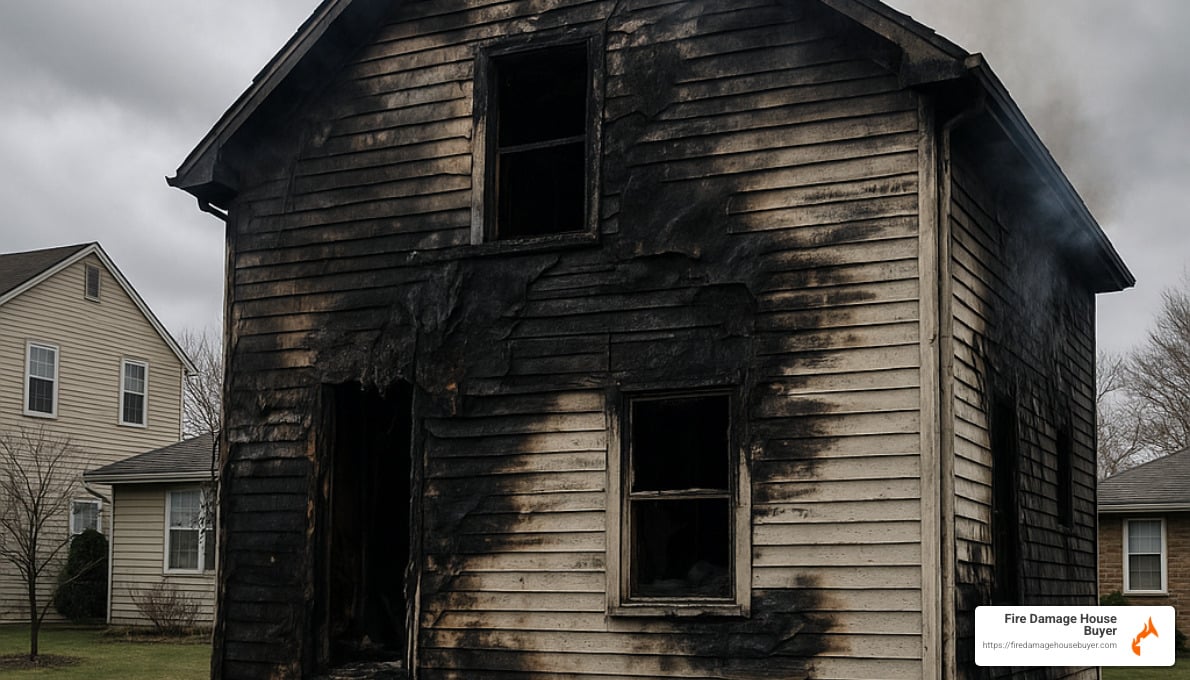
Navigating a Fire-Damaged Property Sale: What You Need to Know
When life throws the devastation of a house fire your way, the path forward might seem impossibly foggy. I’ve walked alongside hundreds of homeowners through this exact journey, and I can promise you this – selling a fire-damaged house is absolutely possible with the right approach.
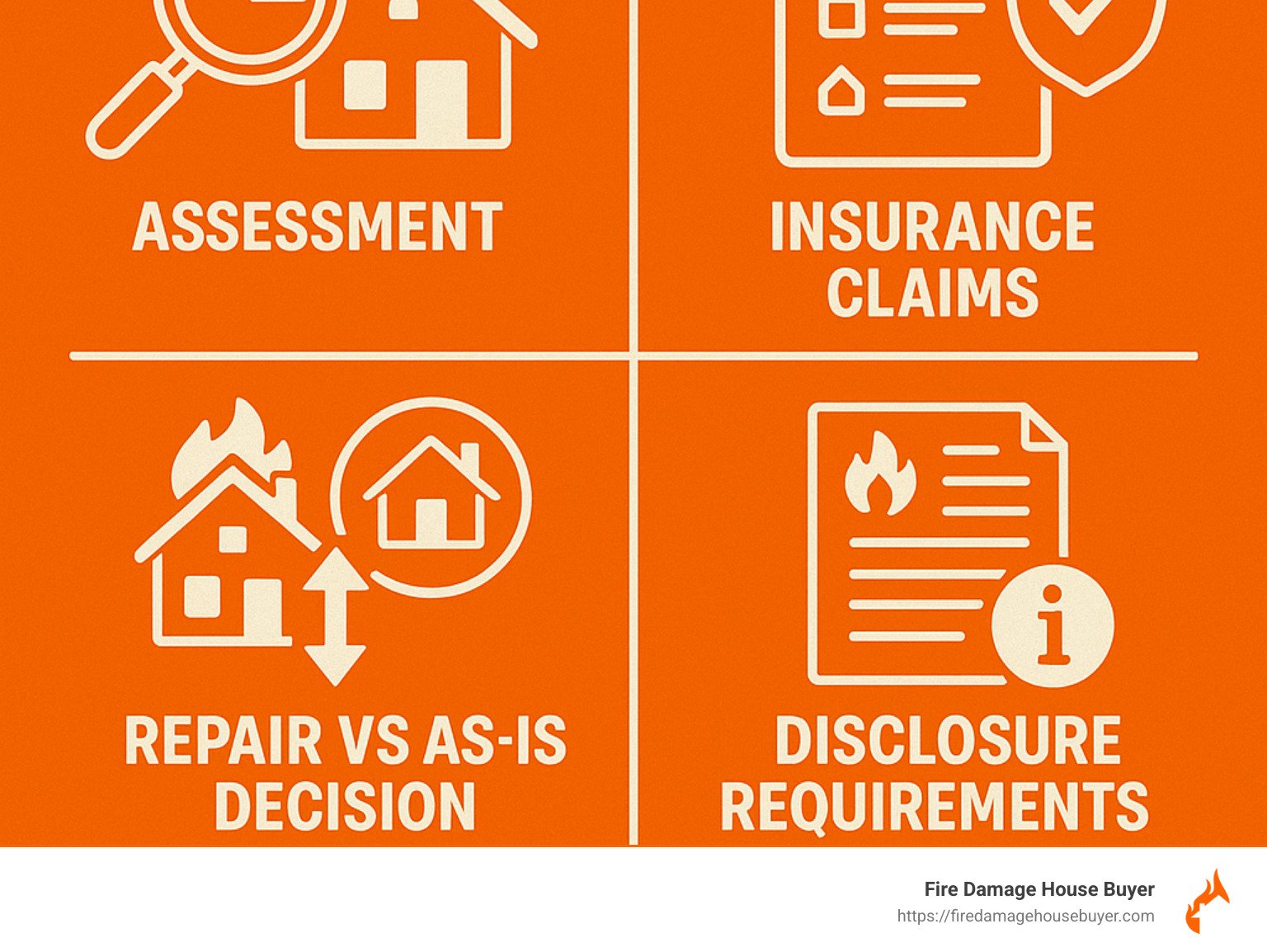
First things first, you’ll need to assess the damage thoroughly. This isn’t a DIY project – professional inspections for structural integrity, electrical systems, and smoke damage are essential to understand exactly what you’re dealing with. These reports become your roadmap forward, whatever path you choose.
Filing insurance claims should happen immediately after safety is secured. Document everything carefully with photos and videos – these visual records become invaluable during both insurance negotiations and potential sales conversations later. Your insurance company will be a key partner in this process, so keep communication lines wide open.
One of the biggest decisions you’ll face is whether to repair before selling or sell as-is. This choice hinges on your timeline, financial situation, and the extent of damage. Minor cosmetic damage typically reduces your property’s value by 10-20%, while severe structural issues can slash it by 40-60% or more. However, even severely damaged properties find buyers, especially when location value remains strong.
Transparency is non-negotiable when selling – you must disclose all fire damage to potential buyers. This isn’t just ethical; it’s legally required. Full disclosure protects you from future liability and builds trust with serious buyers who appreciate honesty.
Finally, you’ll need to choose your selling method wisely. Traditional listings work for properties with minimal damage, while cash buyers or auctions often make more sense for heavily damaged homes where conventional financing isn’t an option.
I’m Daniel Cabrera, and I’ve spent over 15 years as a real estate investor helping homeowners steer the complicated terrain of selling fire-damaged properties. With more than 275 houses bought and sold – many with significant fire damage – I’ve seen how the right approach can transform a devastating situation into a fresh start.
Step 1 – Secure the Property & Your Paperwork
The aftermath of a fire leaves your home vulnerable in ways that might not be immediately obvious. While the flames may be gone, your property faces new threats that require quick action.
Smoke damage continues to settle into surfaces long after firefighters leave, embedding odors that become harder to remove with each passing day. Water damage from fire hoses can silently seep into your foundation, creating perfect conditions for mold growth. Meanwhile, your partially exposed home becomes an easy target for weather damage and potential intruders.
“The damage you may be seeing by the naked eye is nothing compared to hidden destruction,” warns Denise Supplee, a real estate professional with extensive fire-damaged property experience.
Your first priority must be safety and prevention of further damage. Before anything else, contact your local disaster relief services for temporary housing assistance. The American Red Cross offers emergency shelter and essential supplies to fire victims, as scientific research on home-fire preparedness shows that immediate intervention dramatically improves recovery outcomes.
Never re-enter your property until the fire department confirms it’s safe to do so. Once cleared, immediately shut off all utilities to prevent secondary fires or gas leaks. Then work quickly to board up windows and doors and tarp any roof damage to keep the elements out.

Throughout this process, document everything thoroughly with photos and videos. These will prove invaluable when dealing with insurance adjusters and potential buyers down the road.
Gather Critical Documents Within 72 Hours
The clock starts ticking the moment the fire is extinguished. Within the first 72 hours, you’ll need to locate or request copies of essential paperwork that will determine your next steps.
Your insurance policy declarations page is the most crucial document – it outlines exactly what’s covered and your coverage limits. If you can’t find it, call your insurance agent immediately for a replacement copy. Don’t wait for them to contact you.
You’ll also need to obtain the official police and fire report, which documents the cause and extent of the fire. This report is essential for your insurance claim and any future sale disclosure requirements.
Gather your mortgage information and contact your lender right away. Many mortgage companies have special provisions for disaster situations, including possible payment deferrals while you sort through the crisis.
As you document damage, create a detailed photo inventory of your belongings and property condition. If possible, find pre-fire photos of your home for comparison – these can be invaluable when determining replacement value.
Gene Darden, who specializes in selling fire-damaged properties, emphasizes transparency: “Most people are going to find out or know that the home has been on fire. So the only way to alleviate that and actually be able to sell that home and get a fair market value for it is to be extremely extensive with the details, what you did to put that home back together.”
This documentation phase may feel overwhelming while you’re still processing the emotional impact of your loss. Each step you take now to properly secure and document your property will significantly smooth the path forward – whether you choose to repair or sell your fire-damaged house.
Step 2 – Professional Assessment: Hidden vs. Visible Damage
When selling a fire-damaged house, what you can see is just the tip of the iceberg. The damage lurking beneath surfaces often tells the real story about your property’s condition.
“A buyer is going to be looking at the house through a microscope, so you need to be prepared for that, even more so than your standard inspection and purchase,” explains Gene Darden, who specializes in fire-damaged properties.
Fire’s destructive nature doesn’t stop at charred walls and melted fixtures. Smoke particles infiltrate tiny cracks, heat weakens structural elements, and firefighting efforts often create secondary water damage issues that can fester for months.
Key Professionals to Consult:
Investing in professional assessments might cost between $200-$600, but this documentation becomes invaluable for insurance claims, repair estimates, and buyer negotiations. Don’t skip this crucial step!
You’ll want to bring in a structural engineer to evaluate your foundation and load-bearing elements, especially if the fire was intense or lasted a long time. A licensed fire damage inspector provides the comprehensive evaluation buyers will expect to see.
Your home’s systems need specialized attention too. An electrical contractor should check all wiring since fire heat can melt insulation even inside walls. A plumbing professional verifies whether pipes maintained their integrity, and an HVAC specialist can determine if ductwork contains dangerous soot that could circulate throughout the home.
Don’t forget environmental testing for toxic residues and air quality concerns. Fire can release numerous chemicals from burning materials that may pose health risks.
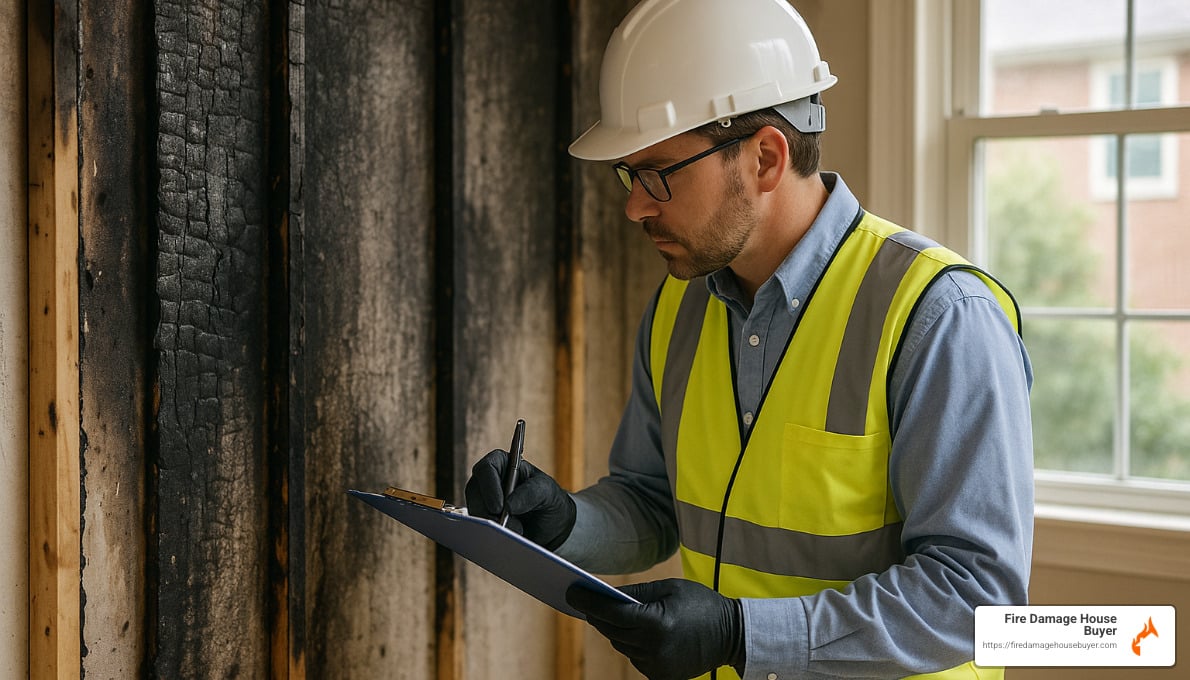
Inspection Checklist You Can Hand to Pros
When the professionals arrive, make sure they thoroughly examine every aspect of your fire-damaged home. Hand them this checklist to ensure nothing gets overlooked:
Structural Elements: Have them inspect the foundation for heat-related cracking, check load-bearing walls for weakening, and examine roof trusses for warping or compromise.
Electrical Systems: Every wire, outlet, circuit breaker, and appliance needs careful evaluation. Fire can damage electrical components in ways that create future hazards.
HVAC Components: Your ductwork may contain harmful soot and smoke residue, while furnaces and air conditioning units might have suffered heat damage to vital components.
Plumbing: Pipes can warp, crack, or develop leaks from extreme heat. Fixtures and water heaters need thorough inspection.
Environmental Concerns: The fire may have disturbed asbestos or lead materials, creating exposure risks. Chemical residues from burning synthetic materials might also be present.
Smoke Damage: This extends far beyond visible staining. Smoke odor penetrates porous materials like drywall, insulation, and fabrics, while soot deposits can cause ongoing corrosion.
Water Damage: Firefighting efforts often soak the property, creating ideal conditions for mold growth if not properly dried and treated.
A comprehensive inspection provides the clarity you need to make informed decisions about how to sell a fire-damaged house – whether that means making repairs or selling as-is to a specialized buyer. The detailed reports will also protect you from future liability by documenting exactly what was finded.
For more information about resources available to fire-damaged property owners, visit our Resources page for helpful guides and checklists.
Step 3 – Repair or Sell As-Is? How to Sell a Fire-Damaged House
The smoke has cleared, you’ve secured your property, and now you’re facing what might be the toughest decision of all: should you repair your fire-damaged home before selling, or let someone else take on that project?
This fork in the road will significantly impact your timeline, stress levels, and most importantly – your bottom line. Let’s explore both paths to help you make the choice that’s right for your unique situation.
“Repairing the home definitely makes it more marketable,” explains Ron Lennox, a real estate expert who’s guided countless homeowners through this process. But marketability isn’t the only factor to consider – your financial situation, emotional wellbeing, and time constraints all play important roles too.
When Selling As-Is Makes Sense
Sometimes, the smartest move is to sell your property in its current condition, fire damage and all. This approach might be your best bet if:
You have little or no equity in the home. Why pour money into repairs when you won’t recoup those costs at closing?
The damage is extensive, typically exceeding $75,000 in repairs. Major structural damage often leads to cascading renovation challenges and ballooning costs.
You need to relocate quickly for a new job, family needs, or simply for your peace of mind after such a traumatic event.
You’ve received a substantial insurance payout that allows you to move forward financially without waiting for repairs and a traditional sale.
You lack the financial resources for upfront renovation costs, which can quickly strain your budget even with insurance coverage.
You want to avoid the stress of managing contractors, permits, and the thousand decisions that come with major home repairs.
As Ron Lennox wisely notes, “The only situation where it’s truly more advantageous to sell the home as is would be if the owner had fire insurance, which is giving them a substantial payout.”
When Repairs Pay Off Before You List
On the flip side, investing in repairs before selling can make financial sense under certain circumstances:
Damage is primarily cosmetic – smoke odor, minor charring, and superficial issues are relatively straightforward to address and can dramatically improve buyer perception.
Your insurance covers most repair costs, reducing your out-of-pocket expenses while potentially increasing your sale price by much more.
You have time to oversee the renovation process properly, without feeling rushed into poor decisions.
The local market is strong for move-in ready homes, creating a significant price premium for properties that don’t require additional work.
The property has unique features worth preserving – historical elements, custom finishes, or other aspects that buyers would value highly.
Sunil Varghese, a seasoned real estate professional, offers this practical rule of thumb: “1% to 2% of the value of the home, spent correctly, will net at least that much more upon sale, not to mention it will help sell the property faster and save you holding costs.”
How to Sell a Fire-Damaged House Without Bleeding Cash
If you decide that repairs make sense for your situation, here’s how to maximize your renovation budget:
Get multiple contractor bids – always collect at least 3-5 estimates to ensure competitive pricing and comprehensive scope assessment.
Prioritize structural and safety issues first before moving on to cosmetic improvements. Buyers can overlook dated fixtures, but they won’t ignore foundation problems.
Negotiate material prices with suppliers, especially if you’re doing substantial work. Many vendors offer contractor discounts even to homeowners managing their own projects.
Consider DIY for cosmetic work like painting, basic cleanup, and simple landscaping to stretch your budget further.
Claim salvage credits for reusable materials – many contractors will reduce their estimates if certain elements can be salvaged rather than replaced.
Focus on high-ROI improvements in kitchens and bathrooms, which typically return more than their cost in increased home value.
One crucial tip: always add 20% to all contractor estimates for unexpected issues and code compliance requirements. Fire-damaged homes almost always hide surprises behind walls and under floors.
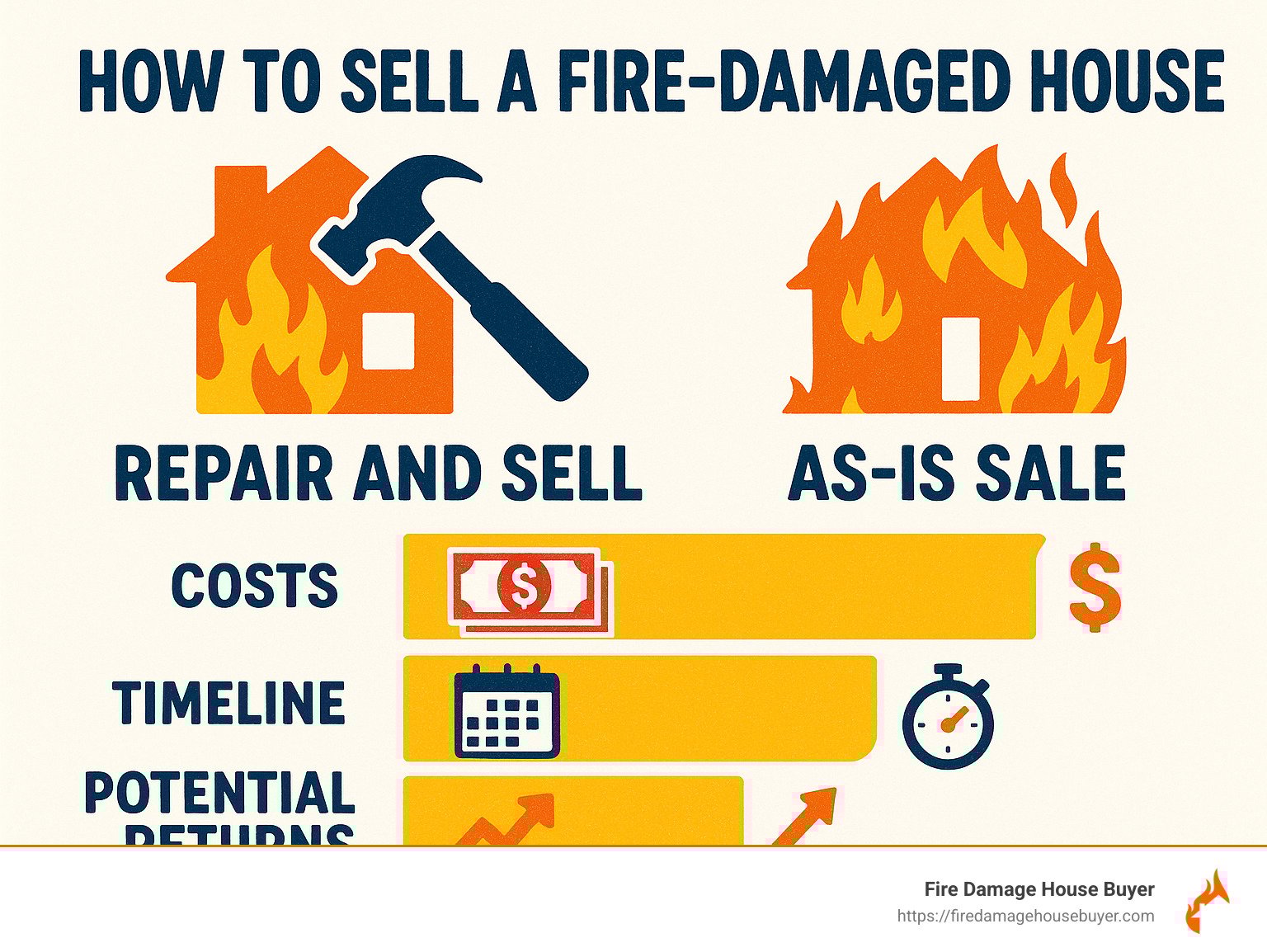
The repair-or-sell decision doesn’t have to be overwhelming. By honestly assessing your financial situation, timeline needs, and emotional capacity, you can choose the path that brings you the most peace – and hopefully, the best financial outcome – after such a difficult experience.
Step 4 – Pricing & Valuation Strategies That Attract Offers
Setting the right price for your fire-damaged home isn’t just about math—it’s about finding that sweet spot that attracts serious buyers while ensuring you don’t leave money on the table. After working with hundreds of homeowners in your situation, I’ve seen how proper valuation makes all the difference.
“The biggest mistake sellers make is overestimating what their damaged property is worth in its current condition,” explains Marie Hernandez, a real estate appraiser specializing in distressed properties. “Buyers are calculating repair costs plus the risk they’re taking on.”
Your property’s value after a fire depends on several interconnected factors:
Pre-fire value serves as your baseline—what your home was worth before disaster struck. This gives you context for understanding how much value has been lost and what recovery potential exists.
Damage extent directly impacts your bottom line. While cosmetic smoke damage might reduce value by 10-15%, structural damage can slash it by 40-60% or more, according to research from CoreLogic on property risk assessment.
Local market conditions determine how motivated buyers will be. In hot markets where inventory is scarce, even damaged properties can command stronger prices as buyers compete for renovation opportunities.
Calculating a Competitive “Project Property” Asking Price
When pricing a fire-damaged house, think like an investor. They’ll use a simple formula that you should understand too:
As-Is Value = Pre-fire Value – (Repair Costs + Market Risk Discount)
Let’s break this down with a real example: If your home was worth $300,000 before the fire, needs roughly $100,000 in repairs, and buyers typically expect a 10% discount for taking on the project’s uncertainties, your starting price might be around $170,000.
Land value often remains unaffected by structure damage. In prime locations, the lot itself might represent 30-40% of your property’s total value—providing a solid floor for your asking price.
“In neighborhoods where vacant lots are scarce, fire-damaged properties can still attract multiple offers simply for the land opportunity,” notes real estate investor Carlos Mendez.
Using Your Open Insurance Claim in Negotiations
An active insurance claim can actually become a valuable negotiation tool rather than a hindrance:
Benefit assignment allows you to transfer pending insurance payments to your buyer, potentially increasing what they’re willing to pay. This requires written permission from your insurer, but can be a powerful selling point.
Escrow holdbacks provide a solution when your claim hasn’t been fully settled. A portion of funds can be held in escrow until the final insurance payout, giving both you and the buyer protection.
Disclosure language in your sales contract should clearly outline what insurance benefits will transfer and what won’t. Being transparent builds trust and prevents deals from falling apart at the last minute.
“Always get written confirmation from your insurance company before promising any benefit transfers to potential buyers,” advises insurance specialist Jennifer Williams. “Policies vary widely on assignability after a loss event.”
Insurance payments for actual cash value (depreciated value) versus replacement cost can significantly impact your negotiating position. While replacement cost coverage provides more complete compensation, most policies pay the lower actual cash value upfront, with the remainder coming after repairs are completed—a detail buyers will factor into their offers.
Working with an appraiser who has experience with fire-damaged properties can provide validation for your asking price, making it easier to defend during negotiations with potential buyers.
Step 5 – Legal, Insurance & Disclosure Essentials
When selling a fire-damaged house, the legal paperwork might seem overwhelming, but getting this part right protects you from future headaches and potential lawsuits. Let’s face it – transparency isn’t just the right thing to do, it’s legally required.
“What you don’t want to do is lie, cover up, or misrepresent that there was fire damage, why it occurred, and how it was remedied,” warns Janine Acquafredda, a seasoned real estate professional. Her advice is spot-on – hiding fire damage almost always comes back to haunt sellers.
State laws vary, but they all agree on one thing: you must disclose known material facts about your property, including its fiery past. This isn’t just about checking boxes on a form – it’s about protecting yourself from potential legal action down the road.
Must-Have Documents for Buyers and Lenders
Think of your documentation as building a case for your property’s value despite its history. Buyers and their lenders will want reassurance that they understand exactly what they’re getting into.
Your fire-damage documentation portfolio should include professional inspection reports that detail all damage finded. These reports give buyers confidence that nothing is hiding behind walls or under floors. Include all contractor estimates for necessary repairs – even if you haven’t completed them. This helps buyers understand the investment still needed.
Insurance claim documentation and settlement details show how the financial aspects were handled, while the fire department report provides the official account of what happened. For older homes, environmental testing results for asbestos, lead, and air quality are particularly important.
If you’ve already completed some repairs, gather all permits and approvals to demonstrate that work was done properly and up to code. Before-and-after photos showing both the damage and any remediation work completed can be extremely persuasive to hesitant buyers.
Fire-Damage Disclosure: How to Stay Lawsuit-Proof
Being upfront about fire damage isn’t just ethical – it’s your legal shield. When preparing your disclosure, include when and where the fire occurred, along with its cause (whether electrical, cooking, or something else). Be thorough about the extent of damage to the structure and systems.
Document all repairs you’ve completed with supporting paperwork. Don’t gloss over outstanding issues that still need attention – buyers appreciate honesty and will find these problems during inspection anyway. Finally, be transparent about your insurance claim status and details.
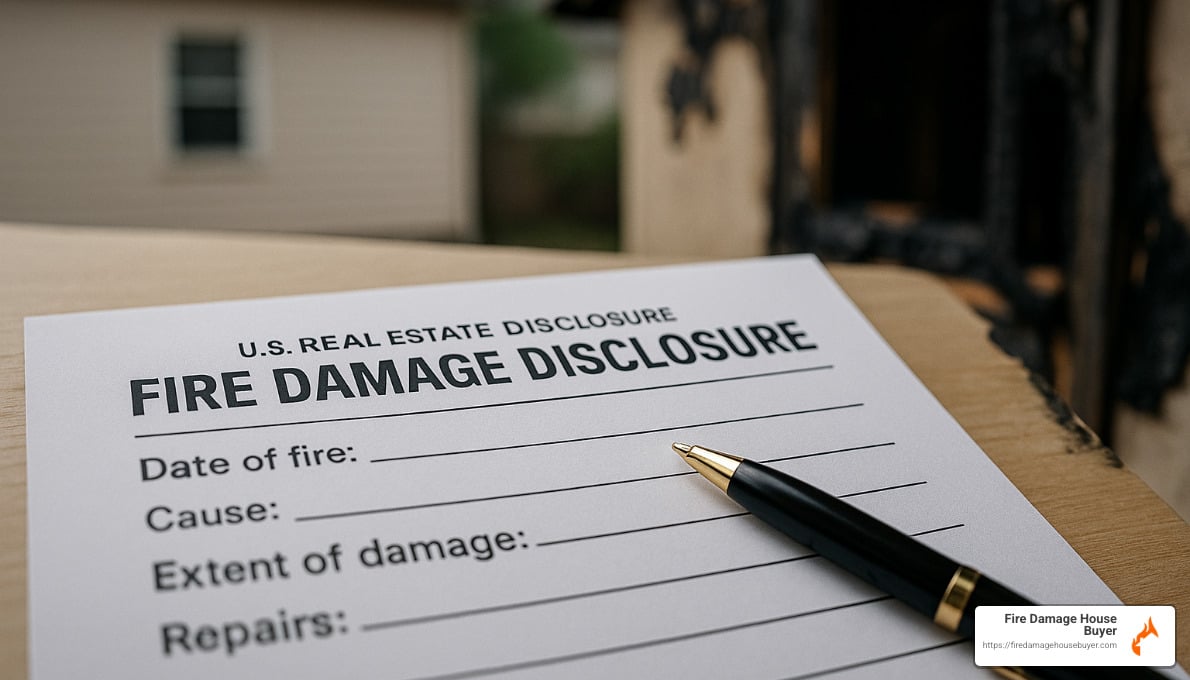
Many sellers worry that disclosures will scare away buyers, but the opposite is often true. Detailed disclosures demonstrate your integrity and give buyers confidence they won’t face surprise issues later. Think of your disclosure as building trust rather than highlighting problems.
Closing While a Claim Is Still Open — What Changes?
Selling with an open insurance claim adds a layer of complexity but happens frequently. First, notify your insurer about the pending sale – they need to know who will own the property during the claim process. This simple step prevents confusion later.
Next, you’ll need to decide whether to assign benefits to the buyer. This means transferring the right to receive remaining insurance payouts to the new owner. Not all policies allow this, so review your policy carefully for replacement cost endorsements and other relevant provisions.
If damage is extensive, confirm if it qualifies as a total loss under state law, as this affects how claims are handled. Each state has different thresholds for what constitutes a total loss, which can impact settlement amounts.
Working with professionals – including a real estate attorney familiar with fire damage sales – helps ensure proper assignment documents are drafted. Mortgage lenders often have an interest in insurance proceeds since they have a financial stake in the property. You’ll need to coordinate with them as well.
Many sellers find that selling to companies specializing in fire-damaged properties, like Fire Damage House Buyer, simplifies this process considerably. These buyers are familiar with the complexities of open insurance claims and can often work within these constraints more easily than traditional buyers.
The legal aspects of selling a fire-damaged house might seem daunting, but with proper documentation and honest disclosure, you can steer this process successfully while protecting yourself from future liability.
Step 6 – Marketing & Finding the Right Buyers on a Shoestring
When you’re trying to sell a fire-damaged house, traditional marketing approaches often fall short. You need strategies that connect with buyers who see diamond-in-the-rough potential rather than a burned-out nightmare. The good news? You don’t need a massive budget to find these opportunity-minded purchasers.
Craft a Listing That Highlights Potential, Not Problems
I’ve found that successful fire-damaged property listings focus on possibility rather than dwelling on disaster. Think about your property’s strengths that remain intact despite the fire damage.
Emphasize the bones of the house that survived the fire. Maybe the foundation is rock-solid or the floor plan has that open concept everyone loves. Showcase the neighborhood perks like great schools, low crime rates, or proximity to shopping and entertainment. These location benefits don’t disappear with fire damage.
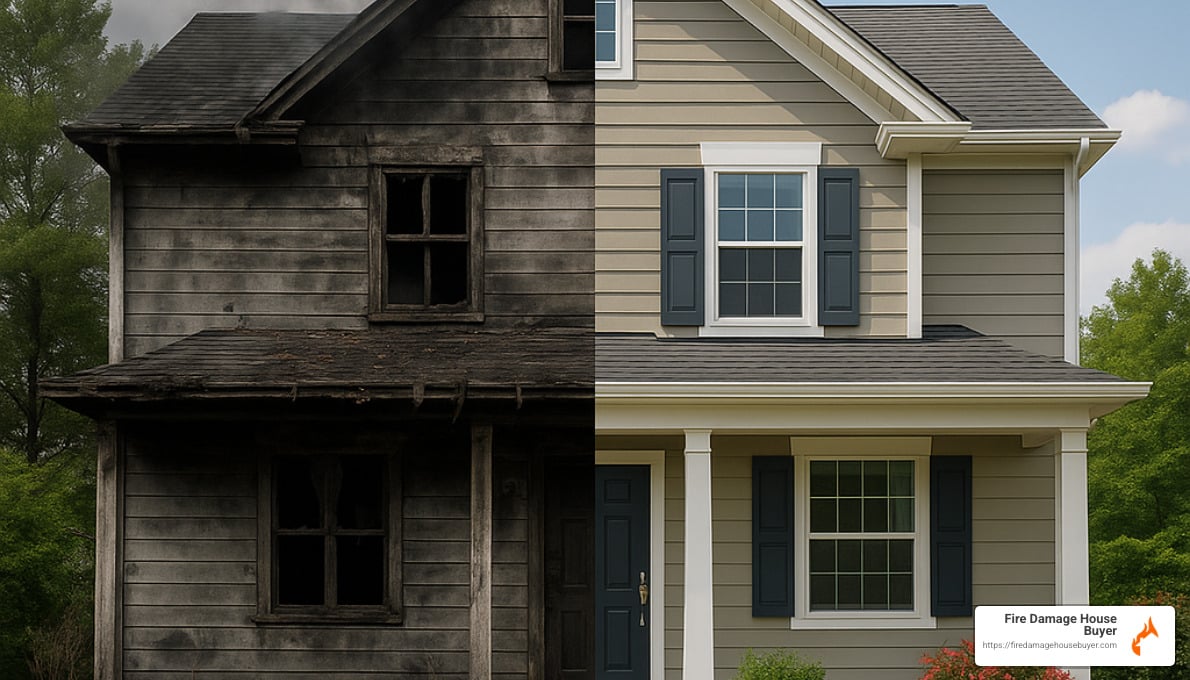
Lot characteristics matter enormously to investors and rebuilders. A spacious yard, mature trees that survived, or a corner lot location can be major selling points. If you have “before” photos of your home in its pre-fire glory, include these to help buyers visualize what could be again.
Remember to be honest about the damage while framing it as an opportunity. Something like: “Fire damage offers chance to reimagine this spacious 3-bedroom ranch with your personal touches” sounds much better than “Severely damaged fire property needs everything.”
Where to List for Maximum Reach, Minimum Spend
Traditional home buyers rarely search specifically for damaged properties, so your marketing should target renovation-minded buyers and investors directly.
Local real estate investment groups are gold mines for finding buyers. Most cities have REI meetups or Facebook groups where investors actively look for opportunities. Joining these groups costs nothing but time. Investor forums online like BiggerPockets often have marketplace sections where you can list your property.
Social media can be surprisingly effective when you include compelling visuals. Consider creating simple before/after renderings showing what the property could become. These shareable visuals often reach potential buyers through friends of friends at no cost.
For broader exposure, flat-fee MLS listings offer an affordable middle ground between FSBO and full-commission agent services. For a few hundred dollars, your property appears in the MLS database where agents representing investors can find it.
Don’t underestimate old-fashioned yard signage with clear “Project Property” or “Investor Opportunity” messaging. This hyperlocal marketing often attracts local contractors or flippers already working in your neighborhood.
Sweeteners That Speed Up the Deal
Small incentives can make your property stand out from other distressed options on the market. I’ve seen sellers successfully use these tactics to secure faster sales at better prices.
Providing pre-inspection reports removes a major uncertainty for buyers. Yes, it costs a few hundred dollars upfront, but it eliminates the “what else might be wrong?” fear that causes buyers to lowball offers or walk away entirely.
Flexible closing timelines can be incredibly attractive to investors who may be juggling multiple projects. Being willing to close quickly or wait until their current project wraps up gives you an edge over sellers with rigid timelines.
Insurance claim assignment options can be particularly valuable when selling a fire-damaged house. If you’re willing to transfer remaining claim benefits (where legally possible), some buyers will pay premium prices knowing they’ll recoup some costs through insurance proceeds.
Building relationships with local contractors familiar with fire restoration can also add value. Providing potential buyers with contacts who already understand the property’s specific challenges removes another barrier to purchase.
When learning how to sell a fire-damaged house, finding the right buyer is often more important than finding the most buyers. One serious investor is worth more than dozens of curious lookers who aren’t prepared for a renovation project.
Step 7 – Negotiation & Closing: Keep More Money in Your Pocket
You’ve secured a buyer for your fire-damaged house – congratulations! Now comes the critical phase where smart negotiation tactics can literally put thousands of extra dollars in your pocket. Let’s walk through how to steer this final stretch with confidence.
When those offers start rolling in, take a deep breath before responding. Even in a challenging situation like selling a fire-damaged property, you have more leverage than you might think. Buyers expecting a desperate seller might start with lowball offers, but standing firm on your well-researched minimum price often pays off.
“The biggest mistake sellers make is accepting the first offer out of fear,” explains real estate negotiation expert Maria Townsend. “Even with fire damage, patience and counter-offers typically yield at least 5-10% more.”
Remember to factor in your ongoing holding costs when considering offers. Every month you continue to own the property means more mortgage payments, insurance, utilities, and property taxes. Sometimes accepting a slightly lower offer now makes more financial sense than waiting for a perfect price while these expenses pile up.
DIY vs. Agent vs. Direct-to-Cash Buyer
You have three main paths to closing your sale, each with distinct advantages:
Traditional Agent can help you reach more potential buyers through the MLS and provide valuable negotiation expertise that often results in a higher final sale price. However, you’ll pay 5-6% in commission fees and typically face a longer timeline to closing – sometimes 30-90 days even after finding a buyer.
For Sale By Owner eliminates those commission costs completely, potentially saving you thousands. You maintain total control over the process, from marketing to negotiation. The downside? You’ll handle all the marketing yourself, which can be challenging for a damaged property, and you won’t have professional negotiation support when offers arrive.
Direct Cash Buyer offers the fastest, most hassle-free experience – often closing in just 7-10 days. You won’t need to make any repairs, clean the property, or pay commissions and fees. The paperwork is dramatically simplified, and you avoid the stress of traditional buyer financing falling through. The tradeoff is typically a lower offer price than you might get on the open market.
For many owners of fire-damaged properties, especially those dealing with the emotional aftermath of a fire or needing to move quickly, the speed and simplicity of working with a cash buyer often outweighs the potential for a higher price through traditional methods.
Final Walk-Through & Funding Day
As you approach closing day, a few final steps will ensure a smooth transition:
First, secure the property completely and remove all personal belongings. Even items you consider trash might create complications at closing if left behind. This includes boarding up any open areas and ensuring the structure is safe.
Next, turn off utilities or arrange for transfer to the new owner. This simple step prevents unexpected bills and potential liability after the property changes hands.
Gather all documentation for the title company, including insurance paperwork, repair estimates, and any permits for work already completed. Being organized at this stage prevents last-minute closing delays.
Before signing final papers, conduct a final walk-through with the buyer to verify the property’s condition matches what was agreed upon. This transparency builds trust and prevents disputes after closing.
Finally, sign closing documents with the title company to officially transfer ownership. This typically takes about an hour, and you’ll receive your funds via wire transfer or check, depending on your preference.
The last step is to exchange keys and access information with the new owner – and celebrate! You’ve successfully steerd one of the most challenging real estate transactions possible: selling a fire-damaged house.
Frequently Asked Questions About How to Sell a Fire-Damaged House
Can I legally sell a house that still smells like smoke?
Yes, you absolutely can sell a property with lingering smoke odor – but transparency is key. You must disclose this issue to potential buyers, as it falls under material facts about the property.
The good news? Professional odor removal services can work wonders. Treatments like ozone therapy or thermal fogging can dramatically reduce that stubborn smoke smell, making your property much more appealing to buyers. I’ve seen homes transformed from overwhelming smoke scent to barely noticeable after professional treatment.
That said, if the odor has deeply penetrated walls, insulation, and structural elements, you’ll need to reflect this reality in your pricing. Buyers will factor in the cost and hassle of additional remediation, so setting realistic expectations upfront leads to smoother negotiations later.
Will my homeowners-insurance payout stop if I sell before repairs?
Rest easy – your insurance claim typically remains active even when you sell before completing repairs. Your right to compensation for covered losses doesn’t simply vanish when ownership changes hands.
However, the process gets a bit more complex. Where and how those insurance funds get distributed will depend on several factors:
- Your specific policy language
- Your mortgage lender’s requirements
- Any agreements you make with the buyer
As insurance expert Mark Dillman points out, “Post-loss, policy benefits can often be assigned to a buyer even if the policy language states benefits are non-assignable.”
To steer this properly, make sure you:
- Notify your insurance carrier about your plans to sell
- Consider whether assigning benefits to the buyer makes sense
- Review your policy for any replacement cost endorsements
- Consult with both insurance professionals and real estate experts
Many buyers actually find properties with open insurance claims attractive, as they may be able to control the repair process while benefiting from the claim payout.
How do I avoid scammers who chase fire victims?
Unfortunately, disaster situations bring out both the best and worst in people. After a fire, your vulnerability as a homeowner can make you a target for opportunistic scammers. I’ve heard too many stories of fire victims being taken advantage of during their most desperate moments.
Trust your instincts – if someone approaches you immediately after a fire with promises that seem too good to be true, they probably are. Be especially wary of unsolicited offers or anyone using high-pressure tactics to rush your decision.
Protect yourself by thoroughly verifying credentials of all contractors and potential buyers. This means checking their licenses, insurance, and registration with your state’s contractor board. Don’t just take their word for it – call references and read reviews from previous clients.
Never pay large deposits upfront for repair work. Legitimate contractors typically request reasonable progressive payments as work is completed, not huge sums before starting.
Get multiple written estimates for all services to ensure you’re being quoted fair market rates. This also gives you a chance to compare professionals and find someone you trust.
When considering offers on your property, consult with an attorney before signing any contracts. The small cost of legal review can save you from costly mistakes.
Legitimate professionals understand you need time to make informed decisions. Anyone rushing you should raise immediate red flags. Your recovery from a fire is a marathon, not a sprint – and finding trustworthy partners for that journey makes all the difference.
Conclusion
Selling a fire-damaged house presents unique challenges, but with the right approach, it’s absolutely achievable. Whether you choose to repair the property before listing or sell it as-is, understanding your options and following these steps will help you steer the process successfully.
Remember these key takeaways:
- Act quickly to secure your property and document the damage
- Get professional assessments to understand the full extent of the damage
- Make an informed decision about repairing versus selling as-is
- Price realistically based on damage extent and repair costs
- Disclose everything to avoid legal issues down the road
- Target the right buyers who see potential in your property
- Consider all selling options, including cash buyers for speed and simplicity
At Fire Damage House Buyer, we understand the emotional and financial stress that comes with selling a fire-damaged property. We’ve helped hundreds of homeowners across all 50 states move forward after experiencing fire damage, offering fair cash offers with no repairs needed, no commissions, and fast closing times.
If you’re looking for a hassle-free solution to sell your fire-damaged house, we’re here to help. Our process is simple: we evaluate your property, make a cash offer within 24-48 hours, and can close in as little as 7 days. You won’t need to make any repairs, pay any commissions, or deal with the uncertainty of traditional listings.
Every situation is unique, and we’re committed to finding the solution that works best for you. Whether your property has suffered minor smoke damage or extensive structural damage, we have the expertise to help you move forward.
A house fire doesn’t have to mean the end of your property’s value. With the right approach—or the right buyer—you can turn this challenging situation into an opportunity for a fresh start.