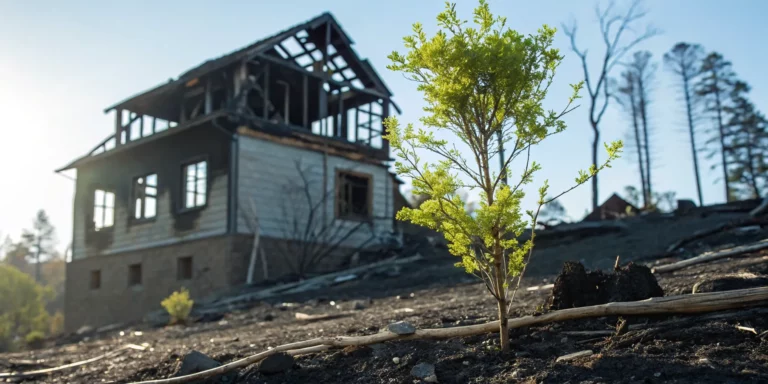
The emotional toll of a house fire is immense. Beyond the financial stress and logistical chaos, you’re left with a place filled with difficult memories. The thought of spending months managing contractors and reliving the event during a lengthy rebuild can be exhausting. Sometimes, the healthiest choice is to seek a clean break. A fresh start allows you and your family to heal without the constant reminder of what happened. For many, the decision to sell house after fire is about choosing peace of mind over a complicated renovation project. This guide is designed to show you the simplest, most direct path to closing this chapter and starting your next one.
Key Takeaways
- Choose Between Speed and Potential Payout: Selling your home as-is to a cash buyer is the fastest way to move forward, offering a certain and stress-free closing in as little as a week. Repairing the damage first might yield a higher price, but it involves a long, expensive, and emotionally taxing renovation process with no guaranteed result.
- Full Disclosure is Your Legal Shield: You are required by law to be completely transparent about the fire and any related damage. Honesty protects you from future legal trouble and builds the trust needed for a smooth sale, especially when working with an experienced buyer who understands the property’s condition.
- Focus on the Right Buyer to Avoid Setbacks: Traditional buyers often struggle with financing and are hesitant to purchase a home with fire history, leading to long delays and deals that fall through. Targeting specialized cash buyers who are prepared to purchase as-is is the most effective way to bypass these common market frustrations and secure a guaranteed sale.
What to Do Immediately After a House Fire
The moments after a house fire are overwhelming and chaotic. It’s hard to know where to even begin. Before you think about the long-term, focus on a few immediate, critical steps. Taking these actions will protect your safety, secure your property, and lay the groundwork for whatever you decide to do next, whether that’s rebuilding or selling. Think of this as your first-response checklist to regain a sense of control. These steps are essential for dealing with your insurance company and will be incredibly valuable if you choose a simple, fast-selling option. Our hassle-free process is designed to help you move forward without the stress of repairs, and having this initial groundwork done makes it even smoother. This isn’t about making huge decisions right now; it’s about taking small, manageable actions that will make a big difference in the weeks to come. We’ll walk through the four most important things to do right away to protect yourself and your asset, giving you a clear path through the confusion. By tackling these items first, you create the space to breathe and consider your options without added pressure.
Document Everything
Before anything is moved or cleaned up, take photos and videos of everything. Capture the damage from every angle, both inside and out. This visual record is one of the most powerful tools you’ll have for your insurance claim. Beyond photos, start a dedicated folder (digital or physical) for all fire-related paperwork. This includes the official fire department report, contact information for any officials you speak with, and receipts for any immediate expenses, like lodging or clothing. Keeping detailed records from day one will save you countless headaches later and provides the transparency needed for a smooth insurance process or sale.
Call Your Insurance Company
As soon as you are in a safe place, contact your insurance agent. Let them know what happened and ask them to start the claims process immediately. They will assign an adjuster to your case who will assess the damage. Be ready to ask some key questions: What does your policy cover for repairs? How does the payout process work? Does your policy include Additional Living Expenses (ALE) to cover temporary housing? Understanding the details of your coverage is the first step in making informed financial decisions about your home’s future.
Secure Your Property
Your property is vulnerable after a fire, both structurally and to unauthorized entry. The fire department will usually tell you if it’s safe to enter, but you should also prevent others from accessing the site. This may mean boarding up windows and doors or even putting up temporary fencing. Securing the property protects you from liability if someone gets hurt and prevents potential theft or vandalism. It’s also wise to have a structural engineer inspect the home to officially determine its safety. This professional assessment is crucial for both your insurance claim and for any future buyers.
Arrange Temporary Housing
Your immediate priority is finding a safe place for you and your family to stay. Reach out to friends or family, or contact organizations like the American Red Cross, which provides immediate disaster relief. When you speak with your insurance agent, confirm your coverage for Additional Living Expenses (ALE). This part of your policy is meant to cover the cost of temporary rent, hotels, and other living costs while you’re displaced. Knowing you have a stable place to live allows you to handle the other challenges with a clearer mind. We understand this is a difficult time, and the team at our company is here to offer a compassionate and straightforward path forward when you’re ready.
How Fire Damage Impacts Your Home’s Value
After a fire, thinking about your home’s monetary value can feel overwhelming, but it’s a necessary step in figuring out your path forward. A fire-damaged property is fundamentally different from a standard home on the market, and its value is assessed accordingly. The impact goes far beyond the visible scorch marks; it includes damage from smoke, soot, and the water used to put out the flames. Understanding the full extent of this damage is key to making an informed decision about whether to repair your home or sell it as-is.
The reality is that any fire, no matter the size, will significantly lower your home’s market value. Buyers, whether they are individuals looking for a fixer-upper or investors, will factor in the high cost and complexity of repairs when making an offer. They have to consider everything from structural repairs and mold remediation to complete system replacements. This is why getting a clear picture of the damage is so important. It helps you set realistic expectations and explore all your options, including a fast cash sale that lets you bypass the repairs altogether. Our simple process is designed to give you a fair offer without the stress of managing a massive renovation project.
Understanding the Damage That Affects Value
When assessing your home’s value after a fire, you have to look at several layers of damage. The most obvious is the direct impact from the flames, which can compromise the structural integrity of your house by weakening beams, joists, and foundations. Beyond that, soot and smoke leave behind a residue that stains surfaces and is difficult and costly to remove. Even a small fire can cause enough damage to require professional cleaning and repainting throughout the home. These factors combine to reduce what a buyer is willing to pay, as they are essentially calculating the cost of bringing the house back to a livable, safe condition.
Don’t Forget Smoke and Water Damage
The damage you can’t easily see is often the most problematic. Smoke particles are incredibly fine and can penetrate deep into porous materials like insulation, drywall, and wood, leaving a persistent odor that is nearly impossible to eliminate without professional intervention. Then there’s the water damage. The large amounts of water used by firefighters to extinguish the blaze can saturate your home, leading to warped floors, ruined drywall, and, most concerningly, mold growth. Mold can begin to grow within 24 to 48 hours and poses a serious health risk, requiring specialized remediation that adds another significant expense for any potential buyer.
Can Restoration Bring Back Your Home’s Value?
It’s possible to restore a fire-damaged home, and a professional restoration can often bring its value back to 80-90% of what it was before the fire. If you make significant upgrades during the repair process, you might even see its value increase. However, this path requires a substantial investment of time, money, and energy. You’ll be managing contractors, navigating building permits, and likely living in temporary housing for months. For many homeowners, the stress and uncertainty of a massive renovation project are too much to handle. That’s why selling your home as-is to a cash buyer offers a straightforward alternative, allowing you to move forward without the burden of repairs.
Sell As-Is or Repair? Making the Right Choice
After a fire, one of the biggest decisions you’ll face is whether to sell your home as-is or take on the repairs yourself. There’s no single right answer—it really comes down to your finances, timeline, and emotional capacity. Let’s walk through the pros of each path so you can figure out what makes the most sense for you and your family.
The Pros of Selling Your House As-Is
Selling your house as-is means you sell it in its current condition, without making any repairs. For many homeowners dealing with the aftermath of a fire, this is the most straightforward path forward. You can completely sidestep the stress, time, and expense of a major renovation project. This option is especially practical if you don’t have the cash on hand for repairs or if you need to move on quickly. By selling to a cash buyer, you can often close the sale in a matter of days, not months. Our simple process is designed to get you a fair cash offer without the hassle of repairs or showings.
The Pros of Making Repairs First
On the flip side, repairing the damage before you list your home can lead to a higher sale price. If the fire damage was relatively minor and you have the funds, time, and energy for a renovation, this could be a good route. A fully repaired home will appeal to a wider pool of traditional buyers who are looking for a move-in-ready property. It also gives you the peace of mind that the house meets all current building codes. However, it’s important to be realistic about the demands of managing contractors, sticking to a budget, and the emotional toll of rebuilding a place filled with difficult memories.
How to Weigh the Costs and Benefits
To make an informed decision, you need to do a little homework. Start by getting a professional damage assessment to understand the full scope of the work required. Next, get an appraisal for the property in both its current “as-is” condition and its potential after-repair value. Sit down with your insurance policy to see exactly what is covered. Once you have these figures, you can create a clear financial picture of each option. Think about your personal situation, too. Do you have the time and emotional bandwidth for a lengthy repair process? For many, the certainty and speed of a cash sale offer a much-needed fresh start. We believe in transparency and are here to help you understand your options, which is central to our company’s mission.
Your Legal Duties When Selling a Fire-Damaged Home
Selling a home after a fire involves more than just finding a buyer. You have specific legal responsibilities, and transparency is at the top of the list. It might feel overwhelming to detail the extent of the damage, but being upfront is non-negotiable. Honesty not only protects you from future legal trouble but also sets clear expectations for everyone involved. Understanding these duties is the first step toward a smooth and fair sale, whether you’re listing on the open market or working with a cash buyer who understands the situation.
Disclosing the Damage: What to Know
You must tell potential buyers about the fire. This isn’t just about the visible scorch marks; it includes everything from structural issues and smoke residue to water damage from firefighting efforts. You also need to share information about any repairs you’ve made. Full disclosure builds a foundation of trust and is required by law. When you sell your home to us, we already know the property has issues. Our entire process is built around this reality, which means you can be completely transparent without worrying about scaring us away.
Check Your State’s Regulations
Disclosure requirements aren’t the same everywhere. Each state has its own set of rules about what sellers need to reveal about a property’s history. Some states have very detailed and strict laws that require you to list every known defect, while others are less stringent. For example, Pennsylvania has very specific regulations about disclosing fire-related issues. It’s your responsibility to know what your local laws demand. Taking the time to research your state’s disclosure forms and requirements will help you avoid any missteps and ensure your sale is legally sound.
The Risks of Not Disclosing
Trying to hide fire damage is a risky strategy that can backfire badly. If a buyer discovers undisclosed problems after the sale, you could face serious legal action. This could lead to expensive lawsuits, force you to pay for repairs, or even void the sale entirely. Beyond the financial cost, it can damage your reputation. Working with a reputable company that specializes in fire-damaged homes removes this risk. We are experts in assessing these properties and make our offers based on the home’s as-is condition, giving you peace of mind. You can learn more about our company’s approach and how we prioritize a fair and honest process.
Common Myths About Selling a Fire-Damaged House
After a fire, you’re likely hearing a lot of different advice from well-meaning friends, family, and even professionals. It can be tough to separate fact from fiction. Unfortunately, many common beliefs about selling a fire-damaged home are simply not true and can lead you down a long, expensive, and frustrating path. Let’s clear up some of the biggest myths so you can move forward with confidence and a clear understanding of your options. Knowing the truth will help you make the best decision for your situation, whether that’s dealing with repairs or finding a more direct way to sell.
Myth #1: Insurance Will Cover Everything
It’s natural to assume your insurance policy will handle all the financial fallout from a fire, but that’s rarely the case. While insurance is a critical first step, the claims process can be incredibly slow and full of hurdles. Policies often have coverage limits and exclusions that can leave you with significant out-of-pocket expenses for a full restoration. Even if your insurance does cover the repairs, you’re still required to disclose the fire to future buyers, which can scare many of them away. A lengthy insurance battle followed by a difficult sale isn’t your only option. Our simple process offers a clear alternative.
Myth #2: You Can Hide the Damage from Buyers
Trying to conceal or downplay the extent of a fire is a recipe for disaster. Legally, you are required to inform potential buyers about all known issues with the property, and fire damage is at the top of that list. This is typically done through a formal document called a Seller’s Property Disclosure Statement. Failing to be transparent can lead to serious legal trouble down the road, including lawsuits from the buyer long after the sale has closed. Honesty isn’t just the best policy—it’s the law. Working with a trustworthy buyer who understands the situation from the start is the only way to ensure a smooth, conflict-free sale.
Myth #3: You Can Still Get Full Market Value
This is a tough one to hear, but it’s crucial for setting realistic expectations. A house that has experienced a fire will not sell for the same price as a comparable, undamaged home in the neighborhood. Experts estimate that fire-damaged properties often sell for 30% to 50% less than their pre-fire value. This significant drop accounts for the high cost of repairs, the stigma associated with fire damage, and the much smaller pool of buyers willing to take on such a project. Acknowledging this reality early on will help you better evaluate the offers you receive, including a fair cash offer that lets you bypass the repair and marketing process entirely.
Myth #4: Selling As-Is Means No Responsibility
The term “as-is” can be misleading. While it means you won’t be making any repairs or improvements, it does not release you from your legal obligations as a seller. You are still required to disclose the fire and any other known defects. Selling as-is is about the physical condition of the property, not about withholding information. This is why selling to an experienced buyer is so important. Our company is built on transparency and we handle the complexities for you, ensuring all legal duties are met without adding stress to your plate. We buy your home exactly as it is, with a full understanding of its history.
Who Buys Houses Damaged by Fire?
After a fire, the thought of selling your home can feel overwhelming. Who would even want to buy a property with significant damage? You might be surprised to learn that there’s a specific market for homes like yours. You don’t have to navigate the traditional real estate market, which often isn’t set up to handle these unique situations. Instead, you can connect with buyers who see potential where others see problems. Understanding your options will help you choose the path that feels right for you and your family during this challenging time. These buyers are accustomed to dealing with properties that need extensive work and aren’t scared off by the challenges that would deter a typical homebuyer. They understand the complexities of structural repairs, smoke remediation, and navigating insurance claims. This specialized knowledge allows them to make fair offers quickly, without the back-and-forth of a conventional sale. Let’s explore the main types of buyers you’ll encounter.
Cash Home Buyers (Like Us)
Cash home buyers are companies that specialize in purchasing properties directly from homeowners, paying in cash. For sellers of fire-damaged homes, this is often the most straightforward and stress-free option. We buy houses in any condition, meaning you don’t have to worry about making a single repair. Because we use our own funds, there’s no need to wait for bank loan approvals, which can fall through and delay the sale. Our entire process is designed to be fast and simple, often closing in as little as a week. This speed provides you with the certainty and financial relief you need to move forward. Companies like ours understand the complexities of fire damage and handle all the details, so you can focus on your next steps without the burden of a damaged property.
Real Estate Investors
Real estate investors are another group actively looking for fire-damaged properties. This category includes house flippers, who plan to renovate and sell for a profit, and landlords who might repair the home to add to their rental portfolio. Like specialized cash buyers, investors typically pay with cash and purchase properties as-is. They are skilled at assessing repair costs and factoring them into their offer. While they provide a viable option, their primary goal is maximizing their return on investment. This can sometimes mean their offer is lower to ensure a healthy profit margin after extensive repairs. It’s always a good idea to work with an investor who has experience with fire-damaged homes, as they will have a better grasp of the unique challenges involved.
Traditional Fixer-Upper Buyers
A traditional buyer is someone looking for a primary residence, not an investment property. Some of these buyers are specifically searching for a “fixer-upper” they can renovate to their personal taste. This path is generally only possible if the fire damage is relatively minor and cosmetic. If your home has suffered significant structural, electrical, or water damage, it likely won’t qualify for a conventional mortgage. Lenders are very cautious about financing properties with major issues, which means most traditional buyers won’t be able to secure a loan. Selling this way also means listing your home on the market, dealing with showings, and navigating a much longer closing process with no guarantee the sale will go through.
Prepare for These Common Selling Challenges
Selling a house after a fire isn’t a standard real estate transaction. If you decide to list your home on the traditional market, it helps to be prepared for a few common challenges that can make the process feel overwhelming. Understanding these potential hurdles ahead of time can help you manage your expectations and decide on the best path forward for your situation. From skittish buyers to financing snags, the road can be bumpy. Knowing what to expect is the first step in taking back control, but remember that there are alternatives to the traditional market that bypass these issues entirely.
Overcoming Buyer Hesitation
Even after you’ve made repairs, many traditional buyers get nervous about a home’s history with fire. They often worry about hidden structural problems, mold from water damage, or a smoke smell that might return. This hesitation can directly impact your bottom line. This worry can make buyers offer less money than you might expect, even if the home looks great on the surface. You’ll need to be ready to answer a lot of questions and provide extensive documentation to reassure them, which can be an emotionally draining process for you and your family.
Dealing with Buyer Financing Problems
One of the biggest hurdles you might face is buyer financing. Many traditional mortgage lenders have strict guidelines and may refuse to finance a home with a history of significant fire damage. Because the property is seen as a higher risk, some loans won’t work, which severely limits your pool of potential buyers to those who can pay in cash. When a buyer can’t secure a loan, a promising deal can fall apart weeks or even months into the process, forcing you to start all over again from square one. This is a common and frustrating setback for sellers on the traditional market.
Expecting a Longer Time on the Market
Patience is key when selling a fire-damaged home through a real estate agent. Finding the right buyer who is willing to take on the property’s history and can secure financing takes time. Even after you’ve completed repairs, the process can drag on for several months. You’re not just waiting for an offer; you’re waiting for inspections, appraisals, and lender approvals, all of which are more complicated for a post-fire home. This extended timeline can be a heavy burden, especially if you’re still paying the mortgage and upkeep on a vacant property while also paying for your temporary housing.
Setting Realistic Offer Expectations
It’s important to approach the sale with a realistic view of your home’s current value. A house with fire damage, even if repaired, will not sell for the same price it would have before the incident. In fact, these properties often sell for significantly less than their pre-fire market value. This price reduction accounts for the cost of repairs, the lingering stigma, and the perceived risk a new owner is taking on. Understanding this from the start can help you evaluate offers fairly and avoid the frustration of turning down realistic bids. It’s a key reason many homeowners explore a direct cash sale to get a fair, guaranteed offer without the guesswork.
How to Market Your Fire-Damaged Home
Selling a home after a fire isn’t like a typical real estate transaction. It requires a different approach, one that’s built on honesty, realistic expectations, and connecting with the right kind of buyer. Instead of focusing on curb appeal and staging, your marketing strategy will center on transparency and potential. By pricing your home correctly, highlighting its remaining strengths, providing clear documentation, and targeting a specific audience, you can successfully find a buyer who sees the value in your property, even in its current state. This approach helps you move forward without the stress of a traditional sale.
Price Your Home Realistically
Setting the right price is the first and most critical step. It’s important to understand that fire-damaged properties often sell for significantly less than their pre-fire value—sometimes up to 50% less, depending on the extent of the damage. To arrive at a fair number, you’ll need to base your price on professional damage assessments, the estimated cost of repairs, and what similar damaged properties have sold for in your area. Avoid guessing or pricing based on emotion. A smart pricing strategy shows potential buyers that you’re serious and understand the property’s true current value, making them more likely to engage.
Highlight What’s Salvageable
Even with significant damage, your property still has value. Your job is to help potential buyers see it. Focus on what can be saved or what makes the property attractive despite the fire. This could be a strong foundation, a desirable location, a large lot size, or unique architectural features that survived the blaze. Use clear, honest photos that show both the damage and the salvageable aspects. Providing detailed reports on the property’s condition can also highlight its potential. By framing the narrative around what’s left and what’s possible, you can attract buyers who are looking for a project with good bones.
Be Transparent and Provide Documents
Honesty is non-negotiable when selling a fire-damaged home. Full disclosure builds trust and protects you legally. You must inform potential buyers about all known defects, including the fire damage, typically through a Seller’s Property Disclosure Statement. To support this, gather all relevant paperwork in one place. This includes the fire department report, professional inspection reports, insurance claim documents, and any permits for repairs. Having a complete file of documentation shows buyers you have nothing to hide and gives them the confidence to make an informed decision about the property.
Target the Right Audience
Your ideal buyer probably isn’t a family looking for a move-in-ready home. Instead, you should focus your efforts on a niche market that understands the opportunity a fire-damaged property presents. This audience includes real estate investors, house flippers, and developers. The most straightforward buyers, however, are often cash home buying companies that specialize in these exact situations. They are prepared to buy properties as-is, can close quickly without waiting on bank financing, and have the experience to handle the complexities of a fire-damaged home, making the process much smoother for you.
How Long Will It Take to Sell Your House?
After a fire, one of the biggest questions on your mind is likely, “How long will this take?” You want to move forward, and the thought of a long, drawn-out selling process can feel overwhelming. The truth is, the timeline depends entirely on the path you choose. Selling your home on the traditional market after making repairs looks very different from selling it as-is to a cash buyer. Understanding these two distinct timelines will help you make the best decision for your situation and set realistic expectations from the start. Let’s break down what each option looks like so you can feel confident in your next steps.
The Timeline for a Cash Sale
If speed is your priority, selling your fire-damaged house for cash is the fastest route. Typically, the entire process can be completed in just a few weeks—sometimes in as little as seven days. This is because you’re selling the property as-is, which means you get to skip the months-long process of hiring contractors and overseeing repairs. Cash buyers are prepared to handle the damage themselves.
The timeline is also shorter because there are no banks involved. You don’t have to wait for a traditional buyer to get mortgage approval, which can often cause delays or even fall through. Companies that buy houses for cash have the funds ready, allowing for a quick and certain closing. Our simple process is designed to get you a fair offer quickly and close on your schedule.
The Timeline for a Traditional Sale
Choosing to repair your home and sell it on the traditional market is a much longer commitment. This path can easily take anywhere from three to nine months, and sometimes even longer. The timeline starts with the repair phase, which involves getting estimates, dealing with insurance, and managing construction—a process that can take months on its own. Once the repairs are finally done, you have to list the home, hold showings, and wait for an offer.
After you accept an offer, you still have to get through the buyer’s inspections, appraisal, and financing approval, each of which adds more weeks to the clock. If any issues arise, you could face further delays or even have to start over with a new buyer. While you might get a higher sale price, it comes at the cost of significant time, stress, and uncertainty.
How to Speed Up the Selling Process
The most effective way to speed up the sale of a fire-damaged home is to sell it as-is to a direct cash buyer. This approach lets you bypass the lengthy and expensive repair process entirely. You can get an offer and close in a fraction of the time it would take to get your home market-ready.
If you’re still weighing your options, getting organized is key to a faster sale, no matter which path you take. Keep all your documents—like insurance reports, photos of the damage, and any repair receipts—in one place. Being transparent about the extent of the damage from the beginning builds trust with potential buyers and prevents surprises that could derail the sale later. You can learn more about our company and how we make the process straightforward and transparent for homeowners just like you.
How to Get the Best Cash Offer for Your Home
After a fire, the thought of selling your home can feel like another mountain to climb. But getting a fair cash offer can be a straightforward and relieving experience, especially when you know what to look for. The key is to work with a buyer who understands your situation and offers a transparent, simple process. This approach lets you bypass the lengthy repairs, showings, and uncertainties of a traditional sale, giving you a clear path forward so you can focus on what matters most.
Our Simple, Hassle-Free Process
When you’re dealing with fire damage, you have a few different ways to sell your property. The best choice really depends on your financial situation, the extent of the damage, and how quickly you need to move on. For many, a direct cash sale is the fastest and least stressful option. Our process is designed to be as simple as possible. You contact us, we schedule a visit to assess the property as-is, and then we present you with a no-obligation cash offer. There are no repairs to make, no agent commissions to pay, and no waiting for buyer financing to come through.
What to Expect from a Cash Buyer
Cash buyers are a popular choice for fire-damaged homes because they can close deals quickly without relying on slow bank approvals. This means you can often complete the sale in just a few weeks, not months. When you work with a cash buyer like us, you should expect a fair offer that reflects the current condition of your home, saving you the time, money, and stress of undertaking repairs yourself. The goal is to provide you with a certain outcome, allowing you to sell your house as-is and receive your cash fast, typically within seven days of accepting the offer.
How to Evaluate and Compare Offers
When you receive a cash offer, it’s important to know how to evaluate it. A fair price is based on a professional assessment of the damage, estimated repair costs, and current market conditions for similar properties. A trustworthy buyer will be transparent about how they arrived at their offer. Be open about the extent of the damage and provide any documentation you have, as this honesty builds trust and leads to a smoother transaction. As you compare offers, look for a partner with a proven track record. Reading through a company’s reviews can give you confidence that you’re working with a team that is fair, respectful, and reliable.
Related Articles
- Selling a Fire Damaged House: A Step-by-Step Guide
- Sell My Fire Damaged House: The Ultimate Guide
- How to Clean Clothes After a House Fire: A Guide
- What to Do After a House Fire: A Step-by-Step Guide
- Rebuild or Sell After a House Fire? 7 Powerful Tips (2025)
Frequently Asked Questions
Do I have to make any repairs before selling my house? Absolutely not. You can sell your home exactly as it is right now. For many people, the thought of managing a massive renovation project after a fire is just too much to handle. Selling as-is allows you to bypass that entire process, saving you the time, money, and stress of dealing with contractors and permits. A specialized cash buyer understands the full scope of the damage and will make an offer based on the home’s current condition.
How is a fair cash offer for a fire-damaged home even calculated? A fair offer is based on a few key factors, not just guesswork. A reputable buyer will assess the property’s after-repair value, which is what it would be worth in perfect condition. From there, they subtract the estimated cost of all necessary repairs, including structural work, smoke remediation, and cosmetic fixes. This transparent calculation results in a cash offer that reflects the home’s true current value, giving you a clear understanding of the numbers.
Will my insurance settlement affect the sale of my home? Your insurance claim and the sale of your home are two separate transactions, but they are related. You are entitled to your insurance settlement according to your policy, and you can still sell your property as-is. In fact, some homeowners choose to sell their home to a cash buyer and keep their insurance payout to help cover other expenses and get a fresh start. It’s always a good idea to talk with your insurance agent to understand the specifics of your policy.
What happens if I don’t tell a buyer about the fire? Attempting to hide fire damage is a serious mistake that can lead to major legal and financial trouble later on. State laws require you to disclose a property’s history, including significant events like a fire. If a new owner discovers undisclosed damage after the sale, you could face a lawsuit. The best approach is always complete honesty. Working with a buyer who specializes in fire-damaged homes removes this worry, as they expect full transparency and base their offer on the home’s known condition.
How fast can I actually close the sale and get my money? If you choose to sell to a direct cash buyer, the process can be incredibly fast. Because you are selling as-is and there are no banks or mortgage lenders involved, you can often close the sale in as little as seven days. This provides the certainty and speed you need to handle your immediate needs and begin moving forward without being tied to a damaged property for months on end.