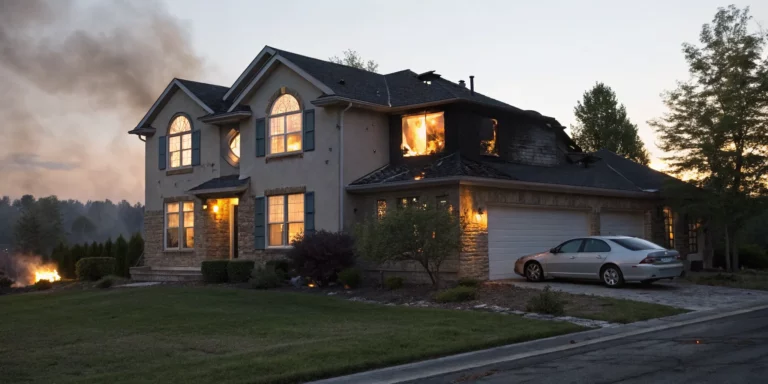
The cost of repairing a home, especially after a fire, can be staggering. You might be looking at tens of thousands of dollars just to make the property livable again, let alone market-ready. For many homeowners, sinking that much money into a house you plan to leave behind just isn’t an option. This is where selling as-is becomes a powerful financial tool. It allows you to access your home’s equity without spending another dime on repairs. If your goal is to sell my house as is fast and get cash in hand to start fresh, this guide is for you.
Key Takeaways
- Selling “as-is” is a strategic choice: It allows you to bypass the time, cost, and stress of repairs by selling your home in its current condition. While the offer reflects the work needed, you gain a faster, more certain sale.
- A cash sale simplifies everything: Working with a direct cash buyer eliminates agent commissions, lengthy listings, and the risk of a deal falling through due to financing. This approach provides a guaranteed closing and immediate access to your funds.
- Vet your buyer carefully: Not all cash offers are equal. Protect yourself by researching the company’s reputation, reading recent reviews, and asking for a clear explanation of their offer with no hidden fees. A trustworthy buyer will be transparent and professional.
What Does “As-Is” Mean When Selling a House?
When you see a house listed “as-is,” it means the owner is selling the property in its exact current condition. You’re not going to make any repairs or updates before the sale, and you won’t be offering the buyer credits to cover the cost of fixes found during an inspection. The buyer gets the house just as they see it, flaws and all. This doesn’t mean you’re hiding anything—in fact, transparency is key. It simply means the price already accounts for the home’s current state, including any damage.
For sellers, especially those dealing with a difficult situation like fire damage, selling as-is removes the enormous pressure of managing and funding a major renovation project. You don’t have to find reliable contractors, live in a construction zone, or drain your savings to get the house market-ready. It’s a way to move forward without getting stuck in a cycle of repairs and bids. The focus shifts from fixing the property to finding a buyer who understands its condition and is prepared to take on the work themselves. It’s an honest transaction that prioritizes a clean, fast break over a long, drawn-out sale, giving you control over a situation that can often feel overwhelming.
Traditional vs. As-Is Sale: What’s the Difference?
A traditional home sale often feels like a marathon. It involves decluttering, staging, professional photos, constant showings, and then a tense negotiation period after the home inspection. In contrast, an as-is sale is a sprint. You skip the costly and time-consuming prep work. Because you’re not making repairs, the timeline from offer to closing can be significantly shorter.
Of course, there’s a trade-off. Homes sold as-is typically sell for less than renovated properties. Buyers on the open market might assume the worst and make low offers. However, when you work with a specialized cash buyer, our process is designed for these exact situations. We know what to expect and make a fair offer based on the home’s true condition, giving you a clear and fast path to selling.
Common Reasons People Sell As Is
People choose to sell their homes as-is for many practical reasons, and it’s rarely because they don’t care about their property. Often, it’s a solution to a challenging life event. You might have inherited a home you can’t manage, or you’re a landlord tired of dealing with difficult tenants. Many sellers simply don’t have the time, energy, or thousands of dollars required for extensive repairs, especially after a fire.
Situations like divorce, a sudden job relocation, or the risk of foreclosure can also make a quick, simple sale necessary. Selling as-is provides a direct route to resolving the financial and emotional burden of a damaged or unwanted property. Our company was founded to help homeowners in these exact circumstances, offering a reliable way to move on.
Why Sell Your House As Is?
Deciding to sell your house as-is can feel like a huge weight off your shoulders, especially when you’re dealing with a damaged property. Instead of pouring time and money into a home you’re leaving behind, you can focus on your next chapter. This path offers a more direct and often faster way to sell, letting you bypass many of the hurdles that come with a traditional real estate transaction. For many homeowners, the benefits of speed, savings, and simplicity make it the most practical choice. Let’s look at the biggest advantages of an as-is sale.
Skip Expensive Repairs
One of the most compelling reasons to sell your house as-is is to avoid the overwhelming cost and effort of repairs. Selling a home in its current condition means you don’t have to fix anything, from a leaky roof to significant fire damage. This is a huge relief, as renovations can quickly drain your savings and delay your sale for months. Instead of coordinating with contractors and worrying about passing a home inspection, you can sell directly to a buyer who is prepared to take on the project. This approach allows you to move forward without investing another dollar into the property, making the entire selling process much simpler.
Avoid a Long Listing
A traditional home sale can be a lengthy, unpredictable process. Your house could sit on the market for months waiting for the right buyer, and even then, the deal can fall through due to financing issues or inspection contingencies. Selling as-is to a cash buyer dramatically shortens this timeline. Because these buyers are purchasing with their own funds and aren’t planning to live in the home immediately, they can move much faster. Companies like Fire Damage House Buyer can often close the sale in as little as a week, giving you certainty and allowing you to move on with your life without the stress of a long, drawn-out listing.
Say Goodbye to Agent Fees
When you sell your home the traditional way, you typically pay a commission to both your agent and the buyer’s agent, which can total up to 6% of the final sale price. On a $200,000 home, that’s $12,000 right out of your pocket. Selling your house as-is directly to a cash buyer completely eliminates these fees. There are no agents involved, which means you don’t have to worry about commissions or other hidden costs. The offer you receive is the amount you walk away with, allowing you to keep more of your home’s equity. This makes a huge financial difference, especially when you need those funds for your next steps.
Get Cash When You Need It
After a stressful event like a house fire, you may need access to your home’s equity quickly to cover immediate expenses and secure new housing. An as-is sale to a cash buyer provides that speed and certainty. Unlike traditional buyers who rely on slow-moving mortgage approvals, cash buyers have the funds ready to go. You can often receive a no-obligation cash offer within 24 hours of a property walkthrough. Our past clients often mention in their reviews how much they appreciated the quick and straightforward cash payment, which helped them get back on their feet without delay. This immediate access to funds provides peace of mind when you need it most.
Who Buys Houses As Is?
When you decide to sell your house as is, you’re tapping into a market of specialized buyers who are looking for properties just like yours. Unlike traditional homebuyers who want a move-in-ready space, these buyers see value in properties that need work. They are prepared to handle repairs and complex situations, offering you a straightforward path to selling. Understanding the different types of as-is buyers can help you choose the best fit for your specific circumstances, whether you’re dealing with minor wear and tear or significant damage. Each type of buyer operates a little differently, so knowing your options is the first step toward a successful sale.
Fire Damage House Buyer
If your home has been through a fire, a specialized fire damage house buyer is your best bet. These companies are experts in handling the unique and often overwhelming challenges that come with fire-damaged properties. They understand the structural, smoke, and water damage issues that scare away typical buyers. Because of their expertise, they can assess the property quickly and make a fair cash offer without requiring you to do any clean-up or repairs. This process is designed to be fast and stress-free, providing a clear solution when you need it most. Our team at Fire Damage House Buyer has a streamlined process to help you move forward.
Local Cash Home Buyers
You’ve probably seen signs for “We Buy Houses” companies around your town. These are local cash home buyers who purchase properties in any condition. They are generalists who are equipped to handle a wide range of issues, from outdated kitchens to foundation problems. The main advantage is speed and convenience. After a quick walkthrough, they’ll typically make a no-obligation cash offer and can often close the sale in just a few weeks. Many local cash buyers also cover closing costs, which simplifies the financial side of the transaction and lets you choose your own move-out date.
iBuyers
iBuyers, or “instant buyers,” are large, tech-focused companies that use algorithms to make quick offers on homes. While they primarily target properties in good condition, some will purchase homes as-is. The process is almost entirely online, offering a very hands-off experience for the seller. However, the convenience can come at a cost. iBuyers often make lower offers than other cash buyers because their business model includes service fees and the cost of making repairs before they resell the home. This option is best for sellers who prioritize speed over getting the highest possible price for their property.
Auction Companies
Selling your home through an auction is another way to find an as-is buyer. This can be a great option if your property is in a desirable location or has unique features that might spark a bidding war among investors. An auction creates a competitive environment that can sometimes drive the final sale price up. However, the outcome isn’t guaranteed, and you’ll have to pay a commission to the auction company. Unlike a direct cash offer, you won’t know the final price until the auction is over, which adds a layer of uncertainty to the process.
How to Find a Trustworthy As-Is Buyer
Selling your house as-is can feel like a lifesaver, but it’s important to remember that not all cash buyers operate the same way. The industry has its share of reputable companies and, unfortunately, some less-than-scrupulous players. Finding a buyer you can trust is the most critical step in this process. A trustworthy partner will be transparent, communicative, and follow through on their promises, making a difficult situation much easier. The goal is to find a company that not only gives you a fair offer but also provides a smooth, stress-free experience from the first call to the closing table.
Doing a little homework upfront can save you from major headaches down the road. You’re looking for a buyer who is professional, has a proven track record, and makes you feel confident in your decision. This means looking past the flashy “We Buy Houses” signs and digging into who these companies really are. A few simple checks can help you distinguish a reliable buyer from one who might lower their offer at the last minute or surprise you with hidden fees. Taking these steps ensures you partner with someone who respects your situation and is genuinely there to help.
Read Reviews and Research the Company
Before you even pick up the phone, start with some online research. What are past sellers saying about the company? Look for detailed testimonials and reviews on their website and third-party platforms. Pay attention to comments about the company’s communication, speed, and fairness. A long history of positive feedback is a great sign that you’re dealing with a professional operation. Our clients consistently mention our straightforward process and compassionate team in their reviews, which is the kind of feedback you want to see. A company’s online presence can tell you a lot about how they treat their customers.
Look for Transparent Pricing
A trustworthy buyer will be upfront about how they determine their offer. They should be able to explain their process clearly, without using confusing jargon or making vague promises. The price they offer should be straightforward, with no hidden conditions that could change the numbers later. A fair cash offer is based on a clear evaluation of your property’s condition and the market, and the buyer should be willing to walk you through it. Our simple process is designed to be completely transparent, so you know exactly what to expect from the start. If a buyer is evasive about their pricing, consider it a red flag.
Confirm There Are No Hidden Fees
One of the biggest advantages of selling to a cash buyer is avoiding the typical costs of a traditional sale. A reputable as-is buyer will cover all closing costs, and there should be no agent commissions or surprise fees. Be sure to ask about this directly. A simple question like, “Are there any fees or costs that I will be responsible for?” should get you a clear answer. The number they offer you should be the amount you walk away with. If a company can’t give you a straight “no” to hidden fees, it’s best to look elsewhere.
Ask for Credentials
Don’t be afraid to ask a potential buyer for their credentials. You want to confirm you’re working with a legitimate business that has the resources to follow through on its offer. Ask for proof of funds to ensure they actually have the cash to buy your home. You can also ask about their experience and how many homes they’ve purchased. A credible company will have no problem providing this information. Learning more about our company and our team can give you the peace of mind that you’re working with experienced professionals who are committed to a fair and honest transaction.
What to Expect When You Sell As Is
Selling a house as-is might sound complicated, but it’s often much more straightforward than a traditional sale. The process is designed to be fast and transparent, getting you from an initial conversation to cash in hand without the usual hurdles. Instead of months of showings, negotiations, and inspections, you can expect a clear, four-step path. This approach removes the uncertainty of waiting for a buyer to secure financing or make repair requests.
The entire journey is built around your convenience. You won’t need to spend time or money fixing up the property or even clearing it out. The buyer understands the situation and is prepared to take the house in its current condition. From the first look at your property to the day you close, the focus is on making the sale as simple and stress-free as possible. Let’s walk through exactly what that looks like, step by step.
Step 1: The Initial Walkthrough
The process kicks off with a quick visit to your property. This isn’t a formal inspection where someone nitpicks every little detail. Instead, a representative from the cash buying company will do a simple walkthrough to assess the home’s overall condition. They are experienced in evaluating properties as-is, so they know what to look for. This visit allows them to understand the scope of the damage and the property’s value, which is essential for creating a fair offer. The entire selling process is designed to be respectful of your time, so this walkthrough is typically brief and straightforward. You just need to provide access to the home, and they’ll handle the rest.
Step 2: Receiving Your Cash Offer
After the walkthrough, you won’t be left waiting for weeks. Reputable cash buyers move quickly, and you can typically expect to receive a firm, no-obligation cash offer within 24 hours. This offer is based on the home’s current condition, meaning you won’t be asked to make any repairs or improvements. It’s a straightforward number that reflects the fair market value of your house as it stands. There are no hidden fees or commissions deducted from this amount—what you see is what you get. You can take your time to review the offer without any pressure. It’s your decision whether to accept it and move forward.
Step 3: Signing the Agreement
If you decide to accept the offer, the next step is to sign a simple purchase agreement. Unlike the mountains of paperwork in a traditional sale, this document is clear and easy to understand. A trustworthy cash buyer has the funds available to purchase your home, so there are no financing contingencies that could cause the deal to fall through. The agreement simply outlines the offer price and the planned closing date. Our company prides itself on transparency, ensuring the contract is straightforward and that we stand by every offer we make. Once signed, you can feel confident that the sale is secure and moving toward closing.
Step 4: Closing the Sale
Closing is the final and fastest step. One of the biggest advantages of selling as-is for cash is the ability to close on your timeline. If you need to sell quickly, the entire process can be completed in as little as seven days. If you need more time to sort things out, you can choose a closing date that works for you. The sale is finalized at a local title company, and you receive your cash. The offer is guaranteed, so you don’t have to worry about last-minute changes unless a significant title issue, like an unknown lien, comes up. You can walk away with cash in hand, ready to move on to your next chapter.
How Much Money Will You Get for Your House?
This is usually the first question on every homeowner’s mind, and for a good reason. You need to know what to expect financially to make the best decision for your future. While selling as-is means you won’t get the same price as a fully renovated home, you gain speed, certainty, and freedom from repairs. The final cash offer depends on a few key factors that professional home buyers use to calculate a fair price for your property in its current condition. Understanding these elements will help you set realistic expectations and feel confident in your decision.
What Determines Your Cash Offer?
A cash offer isn’t just a random number. It’s a calculated figure based on your home’s after-repair value (ARV), which is what it would be worth on the market if it were in perfect condition. From there, we subtract the estimated cost of repairs needed to get it to that point. This includes everything from structural damage and smoke remediation to cosmetic updates. We also factor in the property’s location and current market trends. Our team determines these costs during a quick, no-obligation walkthrough, which is a standard part of our process. The goal is to arrive at a fair offer that works for you while accounting for the risk and investment required from us.
Setting Realistic Price Expectations
When you sell a house as-is, you’re selling it in its exact current state, without making any repairs. The buyer agrees to take on all the work. Because of this, you should expect the offer to be lower than the market value of a comparable, move-in-ready home. Generally, homes sold as-is fetch a price that reflects the convenience and savings you receive. You’re not paying for repairs, realtor commissions, or closing costs, and you’re avoiding months of uncertainty. The cash offer provides a fast, guaranteed sale, allowing you to move forward without the financial and emotional burden of a damaged property.
Understanding the 70% Rule
Many real estate investors use a guideline called the 70% rule to formulate an offer. This isn’t a hard-and-fast law, but it’s a common starting point. The formula works like this: we determine your home’s after-repair value (ARV), multiply it by 70%, and then subtract the total cost of repairs. For example, if your home’s ARV is $300,000 and it needs $50,000 in repairs, the offer might be around $160,000 ($300,000 x 0.70 = $210,000, then $210,000 – $50,000 = $160,000). The 30% margin allows investors to cover holding costs, selling fees, and the risk involved in the project, ensuring they can still make a modest profit.
Common Myths About Selling As Is
Selling a house as-is can feel like you’re entering uncharted territory, and a lot of misinformation floats around. It’s easy to get tripped up by common myths that can complicate the process or lead to disappointment. Let’s clear the air and tackle some of the biggest misconceptions head-on. Understanding the truth behind these myths will help you make smarter decisions and find the right path for selling your property quickly and with less stress.
Myth: You Don’t Have to Disclose Problems
This is one of the most dangerous myths out there. The term “as-is” means you won’t be making any repairs, but it doesn’t give you a pass on honesty. Most states have real estate disclosure laws that legally require you to inform potential buyers about any known significant issues with the property. This includes problems like a leaky roof, foundation cracks, or past fire damage. Hiding known defects can land you in serious legal trouble down the road. Transparency is your best policy—it protects you and builds trust with your buyer, ensuring a smoother, more secure transaction for everyone involved.
Myth: Buyers Will See the “Potential”
It’s natural to hope that a buyer will look past the current state of your home and envision its future glory. Unfortunately, that’s rarely the case on the traditional market. When most buyers see an “as-is” listing, they often assume the worst and factor in major, expensive repairs. This can lead to significantly lower offers or a complete lack of interest. Instead of seeing potential, they see a massive project with a huge price tag. This is why selling to a specialized buyer is often a better route. Companies that buy homes as-is, like us, are experts at assessing a property’s true value and don’t get scared off by damage.
Myth: Curb Appeal Doesn’t Matter
Since you’re selling without making repairs, you might think that tidying up is a waste of time. While you don’t need to invest in a full-scale landscaping project, first impressions still matter. A little effort can go a long way, even in an as-is sale. Simply mowing the lawn, clearing away debris, and doing a basic declutter inside can make the property feel more approachable and less overwhelming to a potential buyer. It shows you’ve cared for the home, which can subtly influence their perception and offer. Of course, if you’re facing a situation like significant fire damage, we understand that this isn’t always possible, and we’re prepared to see past it.
Myth: All Cash Offers Are the Same
A cash offer can feel like a golden ticket, but it’s crucial to remember that not all cash buyers are created equal. The amount you’re offered can vary wildly depending on who is making the offer. For example, some investors use the “70% rule,” where they offer about 70% of the home’s estimated after-repair value. Others might have hidden fees or complicated contracts. It’s important to look beyond the initial number and understand the entire offer. At Fire Damage House Buyer, we pride ourselves on a straightforward and transparent process. We explain exactly how our offers are calculated so you know you’re getting a fair price without any surprises.
Be Prepared: Common Hurdles in an As-Is Sale
Selling your house as-is offers a path of less resistance, but it’s smart to go in with your eyes open. Knowing the common challenges you might face will help you feel more in control of the process and confident in your decisions. From understanding the offers you receive to finding a buyer you can trust, being prepared is your best strategy for a smooth, successful sale. When you know what to expect, you can sidestep potential pitfalls and move forward with clarity.
Handling Lowball Offers
It’s important to set realistic expectations for an as-is cash offer. Because the buyer is taking on the full cost and effort of repairs, their offer will be lower than the home’s potential market value after renovations. Some cash buyers may offer as little as 30% to 70% of what the home could be worth. While this might seem low, the price reflects the convenience, speed, and certainty of the sale. A trustworthy buyer will be transparent about how they calculate their offer, factoring in the extent of the damage and the costs they will incur. Getting a clear breakdown helps you understand the numbers and feel confident you’re receiving a fair price for your property in its current state.
Managing Buyer Expectations
The term “as-is” means you won’t be making repairs, but it doesn’t mean you can hide known problems. Legally and ethically, you must disclose any significant issues you’re aware of, from a leaky roof to foundation cracks or fire damage. Being upfront from the start builds trust and prevents potential legal trouble after the sale. A serious buyer will conduct their own inspection to verify the home’s condition anyway. By providing honest information, you attract reputable buyers who appreciate transparency and are prepared to take on the property with a full understanding of its challenges. This straightforward approach ensures a smoother process for everyone involved.
Finding the Right Buyer
Not all cash buyers are created equal. The market includes individual investors, large iBuying companies, and specialized firms. Your goal is to find a buyer who is not only reliable but also experienced with your specific situation. If you’re selling a fire-damaged home, you want a buyer who understands the unique complexities involved. Take the time to research potential buyers. Look for established companies with a solid track record and positive customer reviews. The right buyer will communicate clearly, answer your questions without hesitation, and make you feel comfortable throughout the entire process. They will be a partner in helping you move on, not just an investor looking for a deal.
Less Room for Negotiation
In a traditional home sale, there’s often a lot of back-and-forth on the price. With an as-is cash sale, there’s typically less room for negotiation. Cash buyers usually calculate their offer based on a set formula: the home’s after-repair value (ARV) minus the cost of repairs and their desired profit margin. Because of this, their first offer is often their best and final offer. While you can always ask, be prepared for the price to be firm. The trade-off for less negotiation is the speed and certainty of the sale. You avoid the stressful haggling and uncertainty that can drag out a traditional listing for months.
How to Present Your As-Is Home
Selling a house “as-is,” especially after a fire, isn’t about making it look perfect. You’re not trying to stage it for a magazine cover. Instead, your goal is to present it honestly and clearly so the right buyer can see its true state and make a fair offer. While a specialized cash buyer like Fire Damage House Buyer is prepared to see the property exactly as it is, a few simple steps can make the process feel more manageable for you and more straightforward for everyone involved.
Think of it less as “staging” and more as “preparing for a smooth transaction.” It’s about providing clear information and safe access. This approach helps set realistic expectations from the start and can lead to a faster, less stressful sale. Whether you’re dealing with a cash buying company or an individual investor, a little preparation shows you’re organized and ready to sell, which can make all the difference.
Be Honest: What You Must Disclose
Selling “as-is” doesn’t mean you can hide known issues. In fact, transparency is your best friend. Most states have laws that require sellers to disclose any significant problems with a property, even in an as-is sale. This is typically done through a document called a Seller’s Property Disclosure Statement. Being upfront about the extent of the fire damage, as well as any other known issues like a leaky roof or foundation problems, protects you legally and builds trust with the buyer. It ensures there are no surprises down the road that could derail the sale.
A Little Cleanup Goes a Long Way
No one expects you to deep clean or renovate a fire-damaged home. However, a little tidying can make a big impact. The goal is simply to make the property safe and accessible for a walkthrough. This might mean clearing debris from pathways, removing any personal items you want to keep, and ensuring the yard is mowed so buyers can easily inspect the exterior. You don’t need to hire professionals or spend a lot of money. A small amount of effort shows that you’ve cared for the property and makes the buyer’s assessment process much easier.
Why Good Photos Still Matter
Even if you’re not listing your home on the MLS, photos are crucial. For a cash buyer, clear and honest pictures provide a vital first look at the property’s condition. Don’t try to hide the damage—show it. Take well-lit photos of every room, the exterior, and any specific areas of concern. This helps a company like ours understand the scope of the damage and prepare a more accurate initial offer. Good photos aren’t about making the house look better than it is; they’re about providing an accurate record that saves everyone time.
Focus on Attracting Cash Buyers
Ultimately, the best way to present your as-is home is to show it to the right audience. Cash buyers, especially companies that specialize in fire-damaged properties, are your ideal target. They aren’t looking for a move-in-ready home. They are investors who understand the repair process and are prepared to buy property in any condition. When you work with a cash buyer, you can skip the cleaning, repairs, and staging altogether. Our streamlined process is designed to be as simple as possible, allowing you to sell quickly without any extra work.
Ready to Sell? Your Next Steps
Deciding to sell your house as-is is a big step, and now it’s time to move forward with confidence. The process doesn’t have to be complicated. It’s all about finding the right partner and knowing what to expect. By taking a few simple actions, you can ensure a smooth and transparent sale that gets you the cash you need without the headaches. This is your checklist for getting from “for sale” to “sold” as quickly as possible. Let’s walk through how to get started, the right questions to ask any potential buyer, and the red flags to watch out for.
How to Get Started Today
The first step is deciding you’re ready. Selling your house as-is means you’re selling it in its current condition—no repairs needed. While not required, a pre-listing inspection can give you a clear picture of any issues and help you feel more confident in the offers you receive. When you’re ready to see what a cash buyer can offer, the process is simple. You can request a free, no-obligation cash offer by filling out a quick online form or making a phone call. This gets the ball rolling without any commitment.
Questions to Ask Every Buyer
Not all cash buyers are the same, so it’s smart to have a few questions ready. This is your property and your financial future, so don’t hesitate to ask for clarity. A trustworthy buyer will be happy to answer.
Start with these:
- How do you determine your offer price?
- Are there any hidden fees, commissions, or closing costs?
- How quickly can we close?
- Can you provide proof of funds?
Asking these questions helps you understand their process and confirms they are a serious company. You can see what other sellers have said by checking out customer reviews.
Warning Signs of a Bad Buyer
Protecting yourself from a bad deal is just as important as finding a good one. Keep an eye out for warning signs that a buyer isn’t the right fit. Be cautious of high-pressure tactics to get you to sign immediately; a reputable company will give you time to consider their offer. Another red flag is a lack of transparency. If a buyer is vague about their process, can’t provide proof of funds, or surprises you with last-minute fees, it’s best to walk away. You want to work with a reputable company that has a professional online presence and a clear process.
Related Articles
Frequently Asked Questions
Do I still have to disclose problems if I’m selling “as-is”? Yes, absolutely. Selling “as-is” refers to the condition of the sale, meaning you won’t be making repairs, but it doesn’t release you from the legal obligation to be honest. You are still required to inform the buyer of any significant known issues with the property. Being transparent from the start protects you from future legal complications and helps ensure a smooth transaction with a reputable buyer who understands exactly what they are purchasing.
How much lower will the offer be for an “as-is” sale? You should expect an as-is cash offer to be less than what you might get for a fully renovated home on the traditional market. The offer reflects the fact that the buyer is taking on all the risk, time, and cost of repairs. A fair offer is calculated based on the property’s potential value after repairs, minus the estimated renovation costs and other holding expenses. In exchange for a lower price, you get a guaranteed, fast sale without paying for repairs, closing costs, or agent commissions.
What if my house is a complete mess? Do I need to clean it before you see it? Not at all. We specialize in buying homes in any condition, especially those with significant damage from events like a fire. We understand that cleaning or clearing out the property may be difficult or impossible. Our team is trained to see past the clutter and damage to assess the home’s true structure and value. You can leave the property exactly as it is; our main priority is making the process as simple and stress-free for you as possible.
How quickly can the sale actually be completed? One of the biggest advantages of an as-is cash sale is the speed. While a traditional sale can take months, we can often close in as little as seven days after you accept our offer. Because we use our own funds, we don’t have to wait for bank approvals or lengthy appraisals. We work on your schedule, so if you need more time to prepare for your move, we can set a closing date that works best for you.
Are there any hidden fees or commissions I should expect? No. When you sell directly to a reputable cash buyer like us, there are no hidden fees, agent commissions, or surprise closing costs. The cash offer we present to you is the amount of money you will receive at closing. We handle all the standard closing costs to make the transaction as clear and straightforward as possible. This transparency ensures you know exactly what to expect financially from the very beginning.