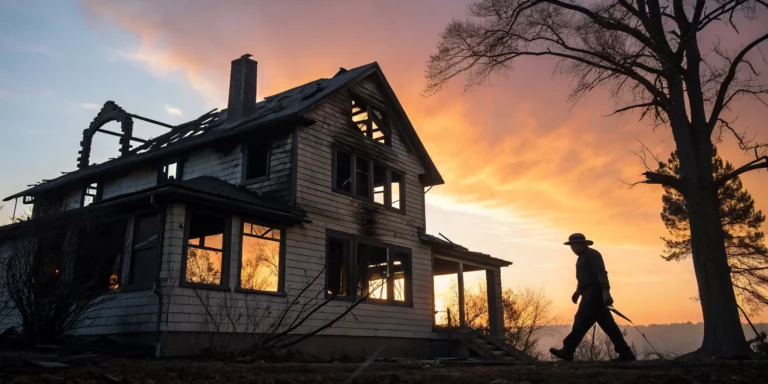
Many people believe that you have to completely repair a fire-damaged home before you can even think about putting it on the market. This is one of the most common and costly myths out there. The truth is, you have options, and sinking your time and money into a massive renovation project isn’t your only choice. The reality of selling a fire damaged house is that a fast, as-is sale is often the most practical and financially sound path forward. In this guide, we’ll debunk the common misconceptions and show you all the routes available, helping you avoid potential pitfalls and choose the solution that best fits your timeline and budget.
Key Takeaways
- Be Upfront and Get Your Paperwork in Order: You are legally required to disclose all fire-related damage. Gathering key documents like the fire report, insurance claims, and inspection results protects you and builds trust, leading to a much smoother sale.
- Understand That Selling As-Is Is Your Fastest Path Forward: You don’t have to take on a costly and stressful renovation. Selling your house in its current condition to a specialized cash buyer allows you to bypass repair costs, agent fees, and market delays.
- Consider More Than Just the Final Price: The best decision accounts for your finances, timeline, and personal well-being. A fast, guaranteed sale often provides the stability and peace of mind that a lengthy repair and listing process simply can’t offer.
What Are Your Legal Obligations When Selling a Fire-Damaged House?
After a fire, the last thing you want to think about is a mountain of legal paperwork. But when you decide to sell your property, understanding your legal duties is crucial. Being transparent about the fire damage isn’t just the right thing to do—it’s a legal requirement that protects you from future disputes. Think of it as setting the foundation for a clean, straightforward sale. By knowing the rules, being honest with buyers, and keeping your documents in order, you can move forward with confidence and avoid potential legal headaches down the road.
Know Your State’s Disclosure Laws
Every state has its own rules about what sellers must disclose to buyers, but one thing is consistent: you have to be upfront about significant issues like fire damage. For example, California law requires you to tell buyers about all known fire damage, even if you’ve made repairs. Sellers there use a specific form called the Transfer Disclosure Statement (TDS) to list everything. Your state will have similar property disclosure requirements, so it’s important to find out exactly what’s expected of you. This includes disclosing not just the visible damage but also related issues like smoke or water damage from firefighting efforts.
What Happens if You Don’t Disclose Damage?
Trying to hide fire damage is a risky move that can lead to serious consequences. If a buyer discovers undisclosed damage after the sale, they could sue you for fraud or breach of contract, potentially costing you thousands in legal fees and damages. In some cases, a judge could even reverse the sale entirely. Transparency builds trust with buyers and helps you avoid these legal problems. When you work with a company that specializes in fire-damaged homes, the process is much simpler. Our team at Fire Damage House Buyer understands the complexities, and our straightforward cash offer process is built on the fact that we buy properties as-is, with full awareness of the damage.
Gather the Right Legal Documents
Getting your paperwork in order is a key step toward a smooth sale. Having everything organized shows buyers you’re serious and transparent. Start by collecting all relevant documents related to the fire and the property. This includes the official fire report from the fire department, all your insurance claim paperwork, and any estimates or receipts for repairs you’ve completed. You should also have copies of professional inspection reports that assess the structural, smoke, or water damage. Keeping thorough records of the damage, cleanup, and any restoration work helps build trust and gives potential buyers a clear picture of the property’s history. It’s what any reputable home buying company would want to see.
What Are Your Options for Selling?
After a house fire, figuring out your next steps can feel overwhelming. When it comes to selling your property, you have a few different paths you can take. Each one comes with its own set of timelines, costs, and potential returns. The right choice for you will depend on your financial situation, how quickly you need to move on, and how much time and energy you can dedicate to the process. Let’s walk through the main options so you can make an informed decision that feels right for your circumstances.
Sell As-Is to a Cash Buyer
Selling your house “as-is” to a cash buyer is the most direct route. This means you don’t have to make any repairs or even clean up the property. Companies that buy fire-damaged homes specialize in these situations and are prepared to handle the aftermath. The biggest advantages are speed and simplicity. You can often get a cash offer within a day or two and close the sale in as little as a week. This option eliminates the stress of managing repairs, dealing with contractors, and waiting for a buyer on the traditional market. If your main goal is a fast, certain sale without any upfront costs, understanding how the process works with a cash buyer is a great place to start.
Repair the Damage Before Listing
Another option is to repair the damage before putting your house on the market. If your homeowner’s insurance policy provides enough coverage, this path could lead to a higher sale price and attract a wider pool of traditional buyers. However, this is a significant undertaking. You’ll need to manage a major renovation project, which takes time, money, and a lot of emotional energy. Before committing, have a frank conversation with your insurance adjuster to understand exactly what costs will be covered. This route is best for those who have the resources and patience to see a lengthy and complex repair process through to the end.
List with a Traditional Real Estate Agent
You can also list your fire-damaged property on the open market with a real estate agent. This is the most common way to sell a home, but it can be challenging for a property with significant damage. Even if you sell it as-is, you’ll likely face a much longer sale time compared to working with a cash buyer. Many traditional homebuyers are looking for move-in-ready properties and may be hesitant to take on a major project. As a result, you can expect to receive lower offers and spend more time waiting for the right buyer to come along, all while paying agent commissions on the final sale price.
Take it to Auction
Auctioning your property is another way to sell, and it can be a relatively fast process with a set sale date. This can create a competitive environment, particularly among investors who are specifically looking for properties to flip or renovate. However, this option isn’t without its risks. You’ll have to pay auction fees, and there’s no guarantee that the final bidding price will meet your expectations. While an auction provides a clear timeline, the outcome can be unpredictable, and you might end up selling for less than you hoped. It’s a viable choice but one that requires careful consideration of the potential financial downsides.
Should You Repair or Sell Your House As-Is?
After a fire, one of the biggest decisions you’ll face is whether to invest in repairs or sell your property in its current condition. There’s no single right answer—it really comes down to your finances, your timeline, and your personal capacity to handle a major project. Repairing the damage could lead to a higher selling price on the traditional market, but it requires a significant upfront investment of time and money. On the other hand, selling as-is offers a faster, more straightforward path that lets you move forward without the stress of a renovation. Let’s break down what each option really means for you.
Weigh the Costs: Repairs vs. an As-Is Sale
The first thing to consider is the financial reality of repairs. While a fully restored home will likely fetch a higher price, the cost to get there can be staggering. On average, repairing fire and smoke damage can run anywhere from a few thousand dollars to over $50,000, depending on the severity. This is a major out-of-pocket expense you’d have to cover before ever seeing a return. You’ll also need to factor in the cost of hiring reliable contractors, securing permits, and potential hidden issues that pop up along the way. Selling as-is removes all of these financial hurdles. You won’t spend a dime on repairs, and you can avoid the risk of a renovation project that goes over budget.
When an As-Is Sale Makes the Most Sense
Selling your house as-is is often the best choice if your priority is a quick, simple, and certain sale. This path is ideal if you don’t have the cash on hand for extensive repairs or if you simply want to avoid the headache of managing a construction project. Cash buyers, including companies that specialize in fire-damaged properties, are looking for homes just like yours. Because they buy with cash, there are no financing delays or contingencies. Our streamlined process is designed to get you a fair offer quickly, often allowing you to close the sale in as little as a week. This option provides immediate relief and lets you bypass the uncertainties of the traditional real estate market.
Consider Your Timeline and Resources
Finally, take a moment to honestly assess your personal resources—and that means more than just money. Think about your time, energy, and emotional well-being. A major renovation is a full-time job that can take months to complete. Selling on the traditional market after repairs can add another 30 to 180 days to your timeline. Do you have the capacity to manage that right now? For many people dealing with the aftermath of a fire, the answer is no. Choosing a fast, as-is sale isn’t just a financial decision; it’s a way to protect your peace of mind. It gives you the freedom to focus on your next steps without being tied to a damaged property, a principle that guides our approach to helping homeowners.
How to Price Your Fire-Damaged House
Figuring out the right price for a fire-damaged house can feel like a huge puzzle. It’s not as simple as looking at what your neighbor’s home sold for. The value is tied to a unique mix of factors: the severity of the damage, the strength of your local housing market, and what the property was worth before the fire. Getting this number right is crucial because it informs every decision you make next, whether you’re considering extensive repairs or looking for a faster, simpler sale.
An accurate price gives you a realistic starting point for negotiations with your insurance company and potential buyers. It helps you understand the true financial impact of the fire and what you can expect to walk away with. While the process involves some research and professional input, it’s an essential step toward moving forward. Think of it as creating a clear financial map that will guide you through the selling process, helping you choose the path that best fits your timeline, budget, and peace of mind.
Assess the Full Extent of the Damage
The first step in pricing your home is to understand exactly what you’re dealing with. The visible charring and destruction are just the beginning. Fire damage often includes hidden issues like compromised structural integrity, smoke and soot saturation that can get into drywall and insulation, and extensive water damage from firefighting efforts. Each of these problems carries its own repair cost and significantly impacts your home’s value.
Generally, fire damage can reduce a home’s value by 20% to 40% of its pre-fire worth. For severe structural issues, that number can climb to 60% or more. Because this assessment is so complex, it’s where professional experience becomes invaluable. Our team at Fire Damage House Buyer understands how our process works to evaluate all types of damage, ensuring you get a fair and informed offer without having to become an expert yourself.
Get Professional Appraisals and Inspections
You shouldn’t have to guess the extent of the damage, and neither should a potential buyer. Bringing in professionals is the best way to get a clear, unbiased picture of your property’s condition. Start by hiring a licensed home inspector or a structural engineer who specializes in fire damage. They can identify issues that aren’t visible to the naked eye, like weakened roof trusses or foundation problems.
Your insurance adjuster will also conduct an assessment, but getting your own independent reports from contractors can provide a more detailed scope of work and cost for repairs. These documents are powerful tools. They give you a factual basis for your asking price and provide the transparency that serious buyers—especially cash buyers who understand the industry—are looking for.
Research Similar Sales in Your Area
Even after a fire, your property’s location is one of its biggest assets. A home in a desirable neighborhood or a strong housing market will always hold more value. To get a sense of your property’s worth, you’ll want to look at comparable sales, or “comps.” The challenge, however, is that it’s often difficult to find recent sales of other fire-damaged homes in your immediate area.
Instead, start by determining your home’s pre-fire value. You can do this by looking at recent sales of similar, undamaged homes nearby. From there, you can begin to subtract the estimated repair costs. It’s also wise to research the value of vacant lots in your area, as this can give you a baseline for your property’s land value, which is a key part of its total worth.
Factor in Repair Costs and Market Conditions
Once you have a solid estimate of repair costs from contractors, you can do some basic math to land on a potential list price. Start with the After-Repair Value (ARV)—what your home would be worth on the market if it were fully restored. Then, subtract the total estimated cost of repairs. Remember to include everything, from structural work and smoke remediation to cosmetic finishes. According to HomeLight, these repairs can cost anywhere from a few thousand to over $50,000.
Don’t forget to account for holding costs like your mortgage, taxes, and insurance while the repairs are underway. Finally, consider the current housing market. In a seller’s market, you might have more pricing power, while in a buyer’s market, you may need to be more competitive. This entire calculation can be overwhelming, which is why many homeowners choose to sell their homes directly for a cash offer that eliminates the guesswork.
What Paperwork Do You Need to Sell?
After a fire, your focus is on recovery, not paperwork. But gathering the right documents is a crucial step that brings order to the chaos and makes the selling process much smoother. Think of it as creating a complete file for your property that tells its story from the incident to its current state. Being organized helps potential buyers understand the situation fully, allowing them to make a fair and informed offer. A clear paper trail removes guesswork and builds the trust needed for a straightforward sale. Taking the time to collect these documents now will save you countless headaches down the road.
Fire Department and Official Reports
The first official document you’ll want to get your hands on is the report from the fire department. This is the primary record of the incident, detailing the date, time, location, and suspected cause of the fire. It’s an unbiased, factual account that both your insurance company and potential buyers will need to see. If you weren’t given a copy at the scene, you can usually request one from the fire department that responded. This report establishes the official history of the event and provides the foundational information needed for all subsequent steps, from insurance claims to property disclosures.
Insurance Claims and Settlement Papers
Your insurance paperwork is another critical piece of the puzzle. Keep a dedicated file for every email, letter, and report related to your claim. This includes the initial claim you filed, the insurance adjuster’s assessment of the damage, and the final settlement agreement. These documents create a clear financial trail, showing a buyer exactly what damages were covered by your policy and how much was paid out. This transparency helps buyers understand the property’s history and what repairs, if any, have already been addressed. A complete insurance file is essential for a smooth transaction, which is a core part of our company’s process.
Inspection Reports and Photos of the Damage
A picture is worth a thousand words, especially when it comes to property damage. As soon as it’s safe, take extensive photos and videos of every affected area of your home. Capture the damage from multiple angles to create a thorough visual record. In addition to your own photos, professional inspection reports from structural engineers, mold assessors, or smoke damage specialists provide an expert, third-party opinion on the home’s condition. This level of documentation builds credibility and gives buyers the confidence they need to make a strong, decisive offer without worrying about hidden issues.
Contractor Quotes and Repair Estimates
Even if you plan to sell your house as-is, gathering quotes from licensed contractors is a smart move. These estimates translate the physical damage into concrete financial figures, outlining the scope of work required and the potential costs. This information is incredibly valuable for setting a realistic price and for negotiations. For a buyer who intends to handle the renovation, these quotes provide a helpful baseline for their own budget. It shows you’ve done your due diligence and are prepared to make a fair deal. We handle all repairs, but this information helps us accurately assess the property and give you our best offer. You can learn more about our straightforward approach and how we simplify the sale for you.
What Are the Financials of Selling Your Fire-Damaged House?
Dealing with the aftermath of a house fire is overwhelming, and the financial questions can feel just as daunting as the emotional ones. Understanding how the damage impacts your home’s value, what to expect from your insurance, and the potential tax implications will help you make a clear-headed decision. Let’s walk through the key financial aspects you’ll need to consider as you figure out your next steps.
How Fire Damage Affects Your Property’s Value
A fire will inevitably lower your home’s market value, but by how much depends on the severity of the damage. Minor fires might result in a 10-20% reduction, while severe structural issues could decrease the value by 40-60% or more. The assessment includes not just the visible charring but also smoke and soot damage, water damage from firefighting efforts, and potential harm to the electrical and plumbing systems. Even with significant damage, remember that your property’s location still holds value. A home in a desirable neighborhood will retain more of its worth than one in a less active market. We take all of this into account during our process to give you a fair and transparent offer.
What to Know About Your Insurance Settlement
Your first call after ensuring everyone is safe should be to your homeowner’s insurance company. It’s crucial to understand exactly what your policy covers. Most standard policies include fire damage, but the extent of the coverage can vary. Be prepared to document everything and keep detailed records of all your conversations with your insurance adjuster. They will be the one to determine what repairs and replacements the insurance company will pay for. This process can be long and complicated, which is why many homeowners look for a more direct solution. Working with a compassionate partner can help you move forward without waiting on a lengthy claims process.
Tax Implications to Consider
The financial details don’t stop with insurance. When you sell, you’ll need to think about taxes. For instance, you may not receive the full amount for “recoverable depreciation” from your insurance payout if you sell the house before completing repairs. This is the value an item loses over time, which insurance companies often pay out only after you’ve replaced it. Selling your house as-is for cash can simplify this situation. While the offer might be less than the home’s pre-fire value, you avoid paying for repairs, closing costs, and agent commissions. This straightforward transaction can make your tax situation much easier to manage and helps you get a no-obligation cash offer to quickly resolve your financial ties to the property.
How to Market Your Fire-Damaged House
Marketing a fire-damaged house is different from selling a traditional home. Instead of staging rooms and baking cookies for an open house, your focus will be on transparency and reaching a specific type of buyer. The goal isn’t to hide the damage but to present the property as a clear opportunity for the right person or company. This means being upfront, organized, and strategic about how you frame the sale. By positioning the property correctly, you can attract serious buyers who understand the work involved and see the value beyond the current condition. This approach saves you time and connects you with people who are genuinely interested in what you have to offer.
Find the Right Audience of Buyers
Your typical homebuyer, the one looking for a move-in-ready space, isn’t your audience. The people who buy fire-damaged homes are usually investors, contractors, or house flippers. They have the vision, resources, and expertise to handle extensive repairs. These buyers are actively looking for properties they can renovate and resell or turn into rental units. They understand that a damaged house can be a great investment. Another key part of this audience is direct home-buying companies. These companies specialize in purchasing properties as-is, which means you can bypass the entire process of finding and vetting individual investors. Our streamlined process is designed for homeowners who want a straightforward sale without the marketing guesswork.
Write an Effective and Honest Property Listing
When it comes to your property listing, honesty is non-negotiable. Full transparency about the fire damage is not only ethical but also a legal requirement in most states. Start by clearly stating the home’s condition and detailing the extent of the damage. Hiding or downplaying issues will only lead to problems during inspections and could cause a deal to fall through, or worse, result in legal action later. Use the listing to provide facts, not fluff. Mention the cause of the fire if you know it, which areas were affected, and what has been done since, such as professional assessments or debris removal. Being upfront builds trust with serious buyers and weeds out those who aren’t prepared for a major project.
Use Clear Photos and Documentation
Clear, comprehensive photos are essential. Don’t shy away from showing the damage—serious buyers need to see exactly what they’re getting into. Take pictures of all affected areas from multiple angles, as well as photos of the parts of the house that are undamaged. In addition to photos, gather all your paperwork. This includes the official fire department report, insurance claim documents, and any inspection reports you’ve had done. If you have quotes from contractors for repairs, include those too. Providing this documentation upfront shows you’re an organized and trustworthy seller, giving potential buyers the concrete information they need to make a confident offer on your property.
Highlight the Property’s Potential
While you need to be honest about the damage, you should also market the property’s potential. For the right buyer, your house isn’t a disaster—it’s an opportunity. Focus on the home’s strongest selling points that remain intact. This could be a large lot, a solid foundation, a desirable location in a great school district, or valuable zoning. Frame the property as a “blank slate” for an investor to create their vision. Many buyers are looking for exactly this kind of project, as it allows them to rebuild and customize everything to their specifications. Our company has helped many homeowners by recognizing this potential, and you can read about their experiences in our customer reviews.
Myths About Selling a Fire-Damaged House
After a house fire, you’ll likely get a lot of unsolicited advice from well-meaning friends, family, and even professionals. While they’re trying to help, the information floating around can be confusing or just plain wrong. Sorting through the noise is tough when you’re already dealing with so much. Let’s clear up some of the most common myths about selling a fire-damaged house so you can move forward with confidence and make the best decision for your situation.
Myth: You Always Have to Make Repairs
This is one of the biggest and most intimidating myths out there. Many homeowners believe they have to pour thousands of dollars into repairs before they can even think about listing their property. The truth is, you have a choice. You can absolutely sell your house as-is, which means the buyer accepts the property in its current condition. This path allows you to avoid the lengthy and expensive process of managing a major renovation, letting you move on quickly.
Myth: Insurance Will Cover Everything
While a good homeowner’s insurance policy is a lifesaver, it’s not a blank check. Most policies cover fire damage, but the extent of that coverage can vary significantly. Your insurance adjuster will determine what they will pay for, and it might not cover every single repair or the full cost to restore the home. There are often deductibles and coverage limits to consider. Always review your policy carefully and speak with your provider to understand exactly what financial assistance you can expect.
Myth: Any Buyer is a Good Buyer
A fire-damaged home isn’t for the average homebuyer looking for a move-in-ready property. The pool of potential buyers is much more specific, typically made up of investors, contractors, or flippers who have the experience to handle extensive repairs. Trying to market your home to traditional buyers will likely lead to frustration. Instead, focusing your energy on finding specialized cash buyers who are actively looking for properties like yours is a far more effective strategy.
Myth: Selling As-Is Means a Lowball Offer
It’s easy to assume that selling your home without making repairs means you’ll have to accept a rock-bottom price. While an as-is offer will be lower than the market value of a fully repaired home, it doesn’t automatically mean it’s a bad deal. A fair cash offer reflects the property’s current condition but also means you save a tremendous amount on repair costs and realtor commissions. When you factor in the money and time you save, an as-is sale is often a financially sound decision.
How Long Does It Take to Sell a Fire-Damaged House?
After a fire, one of the biggest questions is, “How long will this take?” The answer depends entirely on the path you choose. Selling a fire-damaged home isn’t like a typical real estate transaction; the timeline can vary dramatically. Understanding the factors at play will help you manage your expectations and make the best decision for your situation. Let’s break down what you can expect, from a quick cash sale to a longer journey on the traditional market.
The Timeline: Traditional Market vs. a Cash Sale
Selling your house on the traditional market typically takes between 30 and 180 days, and that’s for a house in good condition. For a fire-damaged property, this timeline can stretch even longer. You’ll face delays from inspections, appraisals that may not meet lender requirements, and buyers struggling to secure financing for a damaged home. In contrast, selling to a cash buyer offers a much faster alternative. Because cash buyers don’t rely on bank loans, the sale can close in a fraction of the time. Our streamlined process, for example, can be completed in as little as seven days from the time you accept the offer.
What Factors Speed Up or Slow Down a Sale?
Several key factors influence how quickly you can sell your property. The extent of the damage is the most obvious one; severe structural issues will scare off most traditional buyers and complicate the sale. Market conditions also play a big role. In a seller’s market with low inventory, you might find a buyer more quickly. However, in a buyer’s market, a damaged home is at a significant disadvantage. Finally, financing is a major hurdle. Many lenders won’t approve a mortgage for a home with significant damage, which means your pool of potential buyers shrinks to those who can pay cash.
Set Realistic Expectations for Your Timeline
Being realistic from the start can save you a lot of stress. If you decide to repair the home before selling, you need to account for the time it takes to find reliable contractors, get permits, and complete the work—all before you even list the property. If you sell as-is, having all your documentation in order, including fire reports and insurance paperwork, can help build trust and speed things along. Ultimately, you need to be honest with yourself about your resources. If you don’t have the time, money, or emotional energy for a lengthy process, pursuing a fair cash offer is often the most practical and efficient path forward.
How to Choose the Best Way to Sell Your House
Deciding how to sell your fire-damaged house is a deeply personal choice with no single right answer. The best path for you depends entirely on your unique situation—your finances, your timeline, and your emotional capacity to handle what’s next. Instead of looking for a perfect solution, focus on the one that aligns with your immediate needs and long-term goals. By breaking the decision down into a few key areas, you can find the clarity you need to move forward with confidence. Think about what you want to achieve, what the market looks like, and, most importantly, what you can realistically manage right now.
Evaluate Your Financial Goals
First, let’s talk about the numbers. The biggest financial question is whether to repair the house or sell it as-is. If you’re thinking about repairing, you need to figure out if the money you spend will be worth the potentially higher sale price. Get detailed quotes from contractors and compare that cost to the estimated market value of a fully repaired home. Remember, a traditional sale on the open market can take anywhere from 30 to 180 days. During that time, you’re still paying the mortgage, taxes, and insurance. A faster sale to a cash buyer often closes in a week or two, which immediately stops those holding costs. The process for a cash sale is designed to get money in your hands quickly, providing certainty in an uncertain time.
Consider the Current Market and Your Timing
The local real estate market plays a big role in how easily a fire-damaged home will sell. In a “seller’s market,” where there are few homes for sale, buyers might be more willing to take on a project. But in a “buyer’s market,” with many homes available, a property with significant damage can be much harder to sell and may sit for months. While some people try to time their sale for peak buying seasons, that’s a luxury you may not have after a fire. Selling directly to a cash buyer removes market timing from the equation. You get a fair, competitive offer based on the property’s current condition, regardless of market fluctuations or the time of year, allowing you to sell on your own schedule.
Assess Your Own Stress Levels and Readiness
This is perhaps the most important factor. Be honest with yourself about what you can handle. Recovering from a house fire is emotionally and mentally draining. Managing a large-scale renovation project, dealing with contractors, and facing unexpected delays can add an incredible amount of stress to an already difficult situation. Selling as-is can save you from the hassle and long wait of construction. If you list with an agent, you’ll also need to prepare for negotiations, showings, and the possibility of a deal falling through. Many homeowners find that the peace of mind that comes with a simple, direct sale is invaluable. Reading reviews from others who have been in your shoes can show you that a stress-free process is possible.
Related Articles
- How to Sell a Fire-Damaged House Fast: 7 Essential Steps (2025)
- Sell Fire-Damaged House in Lincoln City, Oregon
- Sell Fire-Damaged House in Mount Prospect, Illinois
- Sell Fire-Damaged House in Lawton, Oklahoma
Frequently Asked Questions
What’s the main difference between selling to a cash buyer versus listing with a real estate agent? The biggest difference comes down to speed, certainty, and effort. Listing with an agent means preparing the house for the market, which can involve repairs, and then waiting for a qualified buyer whose financing is approved. This process can take months. Selling to a cash buyer is a direct transaction where you sell the property as-is, without making any repairs. It’s a much faster and more predictable process, often closing in a week or two, which is ideal if you want to move forward quickly without added stress.
Do I still have to tell buyers about the fire if I’ve already repaired the damage? Yes, absolutely. State disclosure laws require you to be upfront about a property’s history, including significant events like a fire, even if you’ve completed all the repairs. Being transparent isn’t just a legal requirement that protects you from future lawsuits; it also builds trust with potential buyers. A complete and honest disclosure is the foundation of a clean and straightforward sale.
How is a “fair” cash offer determined for a house with fire damage? A fair offer is based on a clear formula that considers the property’s potential value after it’s fully repaired. We start with that after-repair value (ARV) and then subtract the estimated costs for the renovation, including materials and labor. We also factor in holding costs and a small profit for taking on the risk of the project. This transparent approach ensures the offer reflects the home’s true current state and the work required to restore it.
What are my options if my insurance settlement won’t cover the full cost of repairs? This is a common and difficult situation. If your insurance payout leaves a significant gap, you would have to cover the remaining repair costs out of pocket to prepare the house for the traditional market. For many people, this isn’t financially possible. This is often the point where selling the house as-is becomes the most practical solution. It allows you to sell the property without investing any more money into it, letting you use your insurance settlement to help you start fresh.
Can I sell my fire-damaged house if I still have a mortgage on it? Yes, you can. The process is similar to any other home sale. The proceeds from the sale, whether from a cash buyer or a traditional one, are first used to pay off the remaining balance of your mortgage. Any money left over after the mortgage and any other liens are paid is yours to keep. We handle all the coordination with your lender to ensure the process is smooth and straightforward for you.