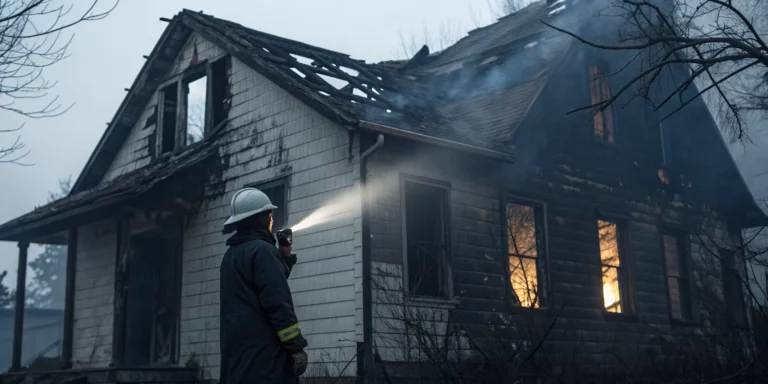
Feeling powerless after a house fire is completely normal. When so much has been taken out of your control, the best way to get it back is with knowledge. Right now, the most powerful information you can have is a clear understanding of your home’s true condition. This isn’t just about what was lost; it’s about the stability and safety of what remains. By learning to identify the key signs of structural damage after a fire, you can start to assess the situation like an expert. This guide provides a practical checklist to help you see the reality of the damage and make a confident, empowered decision for your family’s future.
Key Takeaways
- Safety Requires a Professional Eye: The most severe risks after a fire, such as weakened support beams and foundation damage, are often invisible. Hiring a professional inspector is the only way to understand the true condition of your home and ensure it’s safe to enter.
- Time is Critical to Prevent Further Damage: Delaying action allows secondary problems like mold and structural decay to set in, which increases repair costs and complicates insurance claims. Acting quickly by documenting damage and securing the property protects its remaining value.
- Weigh Your Options Beyond Repair: Rebuilding is a long, expensive, and emotionally draining process. Before committing, compare the total repair costs to your home’s value and consider if selling as-is for a fast cash offer is a better path to a fresh start.
How to Spot Visible Structural Damage After a Fire
After the firefighters leave and you’re left to face the aftermath, it’s completely normal to feel overwhelmed and unsure of where to begin. While your first instinct might be to start assessing the damage, it’s critical to prioritize your safety above all else. A professional inspector is the only person who can give you a definitive report on your home’s condition, but you can learn to spot some of the most common signs of structural problems from a safe distance. Knowing what to look for will help you understand the scope of the situation you’re facing and make more informed decisions about your next steps.
Cracks in Your Walls and Ceilings
Not all cracks are created equal. You’ll want to look for ones that are different from the hairline fractures that can appear as a house settles over time. Pay close attention to deep, dark, or jagged cracks in your drywall, plaster, or foundation. These often signal that your home’s frame has been seriously stressed or weakened by the intense heat. Foundation cracks are especially concerning, as they can compromise your home’s entire stability and create an entry point for moisture, which leads to a whole new set of problems. If you see cracks spreading across the ceiling, particularly if the area is also sagging, it could be a warning sign of a potential collapse.
Warped Floors, Walls, or Siding
Extreme heat doesn’t just burn things; it can also cause the very materials that make up your home’s skeleton to bend, twist, and lose their strength. From the outside, look for siding that appears melted, wavy, or buckled. Inside, you might notice that walls are no longer perfectly flat or that floors have begun to slope or feel spongy when you walk on them. This warping is a clear indication that the underlying supports, like wooden studs and steel beams, have been compromised. When these essential materials can no longer bear weight properly, the entire structure becomes dangerously unstable.
Sagging Ceilings and Uneven Floors
One of the most alarming signs of structural damage is a sagging ceiling. If you notice any part of a ceiling dipping, bowing, or bulging downward, it’s a strong signal that the joists and supports holding it up have been severely weakened by the fire. The same principle applies to your floors. If they feel bouncy, uneven, or seem to slope toward one area of the room, the floor joists beneath them may have been burned or damaged. This type of structural damage is incredibly dangerous because the systems holding up your home are failing, and they can often give way without any further warning.
Soot Stains and Discoloration
It’s easy to think of soot as a messy cleaning job, but it’s actually a sign of a much deeper issue. Soot is acidic and highly corrosive. When it blankets surfaces like metal pipes, wooden beams, and even concrete, it slowly begins to eat away at them. This chemical reaction can continue to weaken structural components long after the fire has been extinguished. Soot also tends to absorb and trap moisture from the air, which can speed up rust on metal fixtures and encourage rot in wooden elements. What looks like a simple stain is often a symptom of ongoing, hidden damage.
Damage from Water Used to Fight the Fire
Ironically, the very water used to save your home can cause as much structural harm as the fire itself. Firehoses release an incredible volume of water, which soaks into drywall, wood, insulation, and flooring, adding an immense amount of weight to your home’s frame. Be on the lookout for watermarks on walls, bubbling paint, and warped floorboards. Waterlogged drywall can easily crumble, and saturated wood loses its strength and becomes a prime breeding ground for mold. This added weight puts a tremendous strain on already weakened ceilings and walls, creating a serious risk of collapse.
Uncovering Hidden Structural Damage
After a fire, some of the most dangerous damage is the kind you can’t see. While charred walls and soot are obvious, the fire’s intense heat and the water used to fight it can compromise your home’s core integrity from the inside out. It’s crucial to understand these hidden risks, as they can affect everything from your family’s safety to the long-term stability of your house.
Weakened Beams and Supports
The structural frame of your house—the beams, joists, and supports—is its skeleton. Intense heat can sap the strength from wood and steel, causing them to warp, crack, or bend, even if they don’t look burnt. A support beam that appears intact could be dangerously weak, unable to carry its intended load. This hidden damage compromises the entire structure, putting the floors above and the roof at risk of collapse. A professional is needed to assess the integrity of these core components, as their failure can be catastrophic. This is one reason why many homeowners find the repair process overwhelming and explore a simpler as-is sale.
Damaged Roof Trusses
Your roof is held up by a system of trusses, and they are particularly vulnerable to fire. The heat rising through your home can easily twist wooden trusses or cause steel beams to buckle. When this happens, the materials can no longer properly support the weight of the roof. You might not see the damage from the ground, but a compromised truss system makes the entire roof unstable and unsafe. Any added weight from rain, snow, or even a person walking on it could lead to a partial or total collapse, making a thorough inspection absolutely essential before anyone re-enters the home.
A Shifting or Settling Foundation
A house fire creates a perfect storm for foundation damage. The extreme heat followed by the rapid cooling from thousands of gallons of water can cause the concrete to crack and shift. Look for new cracks in the foundation walls or floors, as these can be signs that the home’s base is no longer stable. These cracks also create entry points for water, leading to moisture problems, mold, and further erosion of the foundation over time. What might seem like a small crack can indicate a much larger, more expensive problem that threatens the entire structure of your home.
Hidden Electrical and Plumbing Issues
Behind your walls, the fire’s heat can wreak havoc on essential systems. Electrical wiring can melt, creating a serious risk of shorts, power surges, or even another fire once the power is restored. At the same time, plumbing pipes can be damaged, leading to hidden leaks that cause water damage and mold growth inside your walls. The heat can also release harmful substances from pipes into your drinking water. These issues are not only dangerous but also require specialized professionals to diagnose and repair, adding another layer of complexity and cost to the recovery process.
Trapped Moisture and Ruined Insulation
The water used to extinguish the fire can cause as much long-term damage as the flames themselves. This water soaks into drywall, wood, and insulation, creating a damp environment hidden within your walls and ceilings. This trapped moisture weakens structural materials and becomes a breeding ground for toxic mold, which can begin to grow in as little as 24 to 48 hours. Ruined insulation also loses its ability to regulate temperature, leading to higher energy bills. Addressing this widespread water damage is a massive undertaking and a critical step in preventing further decay and health hazards.
Your First Steps After a House Fire
Standing in the aftermath of a house fire is overwhelming. It’s hard to know where to even begin when you’re dealing with so much at once. But before you get lost in the big questions about repairs or what the future holds, there are a few immediate, practical steps you can take to regain a sense of control. Think of this as your emergency checklist—a way to move forward one step at a time when everything feels chaotic.
The most important thing is to focus on what needs to happen right now. This means prioritizing your safety above all else, getting the right people involved, and protecting what’s left of your property. Taking these initial actions will create a solid foundation for all the decisions you’ll have to make in the coming days and weeks. It’s about creating a clear path through the uncertainty. While the road ahead might seem long, understanding how the process works can make it feel much more manageable. These first steps aren’t about solving everything overnight; they’re about securing your situation so you can think clearly about your next move, whether that’s rebuilding or exploring other options. Let’s walk through exactly what you should do first.
Prioritize Safety: Stay Out Until It’s Cleared
Before you do anything else, your personal safety is the top priority. Even if the fire is out, your home is not a safe place to be. The fire department will let you know when it’s okay to re-enter, and you should not go inside until you get that official all-clear. A home that has been through a fire can have hidden dangers you can’t see.
You’ll need to stay out of any areas where ceilings are sagging, water is pooling from the firefighters’ hoses, or wooden supports look charred and burned. These are all signs of potential collapse. Even the air quality can be hazardous due to soot and smoke. Resist the urge to rush in and salvage personal items. Nothing inside is more important than your well-being.
Call Your Insurance Company Right Away
As soon as you and your family are safe, your next call should be to your insurance company. The sooner you contact them, the faster you can start a claim and begin the recovery process. Your insurance agent is your primary resource right now, and they can guide you on what your policy covers, including immediate needs like temporary housing, food, and clothing.
When you call, have your policy number handy if you can, but don’t worry if you can’t find it right away; they can look it up with your personal information. Explain what happened and ask them to outline the next steps for your claim. They will likely assign an adjuster to your case who will schedule a time to visit the property and assess the damage.
Document Everything with Photos and Videos
Once it’s safe to enter your property, you’ll want to document the damage thoroughly before anything is moved or cleaned up. This is a critical step for your insurance claim. Use your smartphone to take as many photos and videos as you can. Capture wide shots of every room from different angles, then get close-ups of specific damaged items and structural issues.
Don’t just focus on the obvious burn damage. Be sure to document smoke, soot, and water damage, too. As you record a video, you can even narrate what you’re seeing to create a more detailed record. This visual evidence will be incredibly helpful when you create an inventory of lost items and work with your insurance adjuster to get a fair settlement.
Schedule a Professional Inspection
The fire department and your insurance adjuster will both inspect your home, but you should also hire an independent, certified professional to assess the structural integrity. After a fire, the most important step is to have a structural engineer or a fire damage restoration expert inspect your property. They have the training and tools to spot hidden damage that isn’t visible to the naked eye.
This expert can check for weakened beams, compromised roof trusses, and foundation issues that could make the home unsafe. Their detailed report will give you a complete picture of the damage, which is essential for both your insurance claim and for deciding whether repairing the home is feasible. This professional opinion gives you the clarity you need to make an informed choice.
Secure Your Property from Further Harm
A fire-damaged home is vulnerable to more than just the initial blaze. Broken windows, damaged doors, and holes in the roof can leave your property exposed to weather, vandalism, or theft. To prevent things from getting worse, you need to secure the property as soon as possible. This often involves boarding up windows and doors and placing tarps over any openings in the roof.
Your insurance company may cover the cost of these temporary measures, so ask them about it when you file your claim. Securing your home protects it from further damage and shows your insurer that you’re taking responsible steps to mitigate your losses. It’s a simple action that can save you a lot of trouble down the line, and it’s something compassionate experts like our team understand is a crucial first step.
Why You Can’t Ignore Signs of Structural Damage
After the shock of a house fire, it’s natural to focus on the visible damage—the charred walls and smoke-stained ceilings. But what you can’t see is often far more dangerous. Ignoring the signs of structural damage isn’t just a risk; it’s a gamble with your safety and your financial future. The integrity of your home’s frame, foundation, and supports may be compromised, creating a hazardous environment you can’t afford to overlook.
Putting off a professional assessment can lead to a cascade of problems. What starts as a minor issue can quickly spiral into a catastrophic failure. Beyond the immediate physical dangers, delaying action can also lead to serious health risks from mold, exponentially higher repair costs, and significant complications with your insurance claim. Understanding these risks is the first step toward making a clear-headed decision about what to do next with your property. Taking the time to see the full picture will help you choose the path that’s right for you and your family, whether that’s rebuilding or moving on.
Risk of Collapse and Other Safety Hazards
The most critical reason to take structural damage seriously is the risk of collapse. After a fire, the materials that hold up your home—wooden beams, roof trusses, and floor joists—can be severely weakened, even if they don’t look completely burned. Much of this damage is hidden from plain sight, lurking behind walls or in the attic, making the structure unstable and unpredictable.
A weakened roof could give way under the weight of rain, or a compromised floor could buckle without warning. Entering the home, even for a moment, could put you in serious danger. This is why professionals urge homeowners to stay out until an expert has declared the property safe. Ignoring these warnings can lead to devastating consequences, including further property loss or serious injury.
Mold Growth and Potential Health Issues
Where there’s fire, there’s almost always water. The massive amounts of water used to extinguish the flames can saturate your home’s structure, creating the perfect breeding ground for mold. It doesn’t take long for it to appear, either. Mold and mildew can begin to grow within just 24 to 72 hours, spreading quickly through drywall, insulation, and wooden frames.
This isn’t just a cosmetic problem. Mold releases spores into the air that can cause a host of health issues, including respiratory problems, allergic reactions, and headaches. For anyone with asthma or a compromised immune system, the effects can be even more severe. Leaving the moisture and subsequent mold unchecked makes the home a toxic environment and adds another complex and expensive problem to your list.
Skyrocketing Repair Costs Down the Road
It’s a simple fact: the longer you wait to address structural damage, the more expensive it becomes to fix. A cracked beam or a shifting foundation won’t heal itself; instead, the problem will worsen over time, causing secondary issues like warped floors, crumbling drywall, and broken plumbing. What might have been a manageable repair can quickly become a full-blown, budget-breaking reconstruction project.
Acting quickly is essential for protecting your financial interests. Getting a professional assessment right away gives you a clear picture of the damage so you can make an informed choice. For many, the projected cost and timeline of repairs are overwhelming. Our streamlined process is designed to help you avoid these escalating costs entirely by providing a fast, fair cash offer.
Problems with Your Insurance Claim
When you file an insurance claim after a fire, documentation is everything. Your insurance adjuster will need clear proof of all the damage, and any delay in reporting or assessment can complicate your claim. If you wait too long, the insurer might argue that some of the damage—like extensive mold growth or further structural decay—resulted from your failure to act quickly and could refuse to cover those costs.
Thoroughly documenting the damage with photos and videos immediately after the fire is crucial. However, a professional structural inspection provides the expert evidence you need to support your claim and ensure you receive a fair settlement. Without it, you risk being underpaid, leaving you to cover a significant portion of the repair costs yourself or stuck with a property you can’t afford to fix.
Why You Need a Professional Inspection
After a fire, it’s natural to want to assess the damage yourself. But what you can see is often just the tip of the iceberg. Soot on the walls and charred belongings are obvious, but the real danger can be lurking within your home’s structure, hidden from plain sight. This is why bringing in a professional inspector isn’t just a good idea—it’s a critical step for your safety and financial well-being. A licensed structural engineer or a certified fire damage inspector has the training and equipment to see what you can’t.
They can evaluate the integrity of your home’s foundation, support beams, and roof trusses, which can be compromised by intense heat. They also understand how water used to extinguish the fire can lead to long-term issues like mold and wood rot. Getting a comprehensive report from an expert gives you a clear, unbiased picture of the situation. This documentation is essential for your insurance claim and provides you with the concrete information you need to decide whether to repair your home or explore other options, like selling your property as-is. An inspection empowers you to make the best choice for your future with confidence.
They Use Tools to Find What You Can’t See
While you can spot obvious cracks and warping, a professional inspector comes equipped with specialized tools to uncover hidden threats. They use things like thermal imaging cameras to detect moisture trapped inside walls and ceilings—a perfect breeding ground for mold. They also have moisture meters and borescopes that can assess the condition of wood and insulation without tearing everything apart. Trained experts use this equipment to find the full extent of the signs of structural damage that high heat and smoke may have caused deep within your home’s framework. This detailed assessment goes far beyond a simple visual check, giving you a complete understanding of your home’s condition.
Get an Expert Opinion on Your Home’s Safety
Your family’s safety is the top priority, and a fire-damaged home contains many potential hazards. A professional inspector can give you a definitive answer on whether the property is safe to enter. They will assess the stability of the structure, check for compromised electrical wiring that could pose a shock or fire risk, and evaluate the air quality for harmful particles left behind by smoke and soot. Relying on an expert opinion removes the guesswork and prevents you from accidentally putting yourself or your loved ones in danger. This professional assessment provides the peace of mind you need before taking any further steps.
Ensure Your Home Meets Safety Codes
If you decide to repair your home, all the work must comply with local building codes. A fire can cause damage that, if not repaired correctly, leaves your home in violation of these important safety standards. A professional inspector is well-versed in these regulations and will identify any areas that need to be brought up to code during the restoration process. This is crucial for ensuring the structural integrity and safety of the rebuilt home. Having this information upfront helps you identify fire damage properly and plan for repairs that are not only effective but also legally compliant, which is vital for both your insurance claim and your home’s future value.
Identify Hazardous Materials Like Asbestos
Many older homes contain materials like asbestos and lead paint, which can become incredibly dangerous when disturbed by a fire. When these materials burn, toxic fibers and dust can be released into the air, posing a serious health risk. A professional inspector is trained to identify the potential presence of these hazardous materials. They know what to look for and can recommend specialized testing and abatement if necessary. Ensuring these substances are handled and removed by certified professionals is essential to protect you and your family from long-term health complications. This is a critical safety check that should never be overlooked.
Is Your Fire-Damaged Home Worth Repairing?
After a fire, the path forward isn’t always clear. The decision to repair your home or sell it is a major one, and it depends on a few critical factors. Before you commit to a long and costly rebuilding process, it’s important to take a step back and look at the situation from every angle. Thinking through the full extent of the damage, the real costs, your insurance coverage, and the personal toll will help you make the best choice for your future.
Understand the Full Extent of the Damage
What you can see is often just the beginning. Fire damage goes much deeper than charred walls and smoke stains. The intense heat can weaken support beams, warp framing, and compromise your home’s foundation. Much of this structural damage isn’t visible to the naked eye, making your home unsafe in ways you might not realize. Plus, the water used to extinguish the fire can lead to its own set of problems, like trapped moisture in the walls, ruined insulation, and mold growth, which can start in just a day or two. A professional inspection is the only way to know exactly what you’re up against.
Weigh Repair Costs Against Your Home’s Value
Once you have a clear picture of the damage, it’s time to talk numbers. Get detailed estimates from several licensed contractors who specialize in fire restoration. When you have those figures, compare the total cost of repairs to your home’s market value before the fire. Will the investment in repairs bring your home back to its original value, or will you end up spending more than the house is worth? Ignoring hidden structural issues isn’t an option—it can lead to much bigger problems and even a potential collapse down the line. Be realistic about the financial commitment and whether it makes sense for your situation.
Know What Your Insurance Will (and Won’t) Cover
Your first call after ensuring everyone is safe should be to your insurance company. They will guide you through the claims process, so be ready to document everything with photos and videos. While your policy is there to help, it’s crucial to understand its limits. Most policies have a cap, and there might be a gap between what your insurance covers and the actual cost to rebuild, especially if building codes have changed since your home was built. You could be responsible for paying for these mandatory upgrades out of pocket. Read your policy carefully and stay in constant communication with your adjuster to avoid any surprises.
Factor in the Timeline and Emotional Toll
Rebuilding a home is not a quick process. It can take months, sometimes even more than a year, to complete. During that time, you’ll be managing contractors, making countless decisions, and likely living in temporary housing. The stress of this process, combined with the emotional trauma of losing your home and belongings, can be overwhelming. It’s important to be honest with yourself about whether you have the time, energy, and emotional bandwidth for a long-term rebuilding project. Sometimes, the fastest way to move forward and start fresh is to choose a different path.
When Selling As-Is Is Your Best Option
After a fire, looking at your home and thinking about repairs can feel completely overwhelming. The damage you can see is often just the beginning. Fire can compromise your home’s entire structure, from weakened support beams to a foundation that’s no longer stable. According to restoration experts, this hidden damage can make a building unsafe, with issues like cracks and bent materials lurking beneath the surface. When the cost, time, and emotional energy required for a full restoration are just too much, selling your home as-is becomes a practical and powerful choice. It allows you to sidestep the entire repair process and move forward on your own terms. Instead of coordinating contractors and living in a construction zone, you can get a fresh start.
Get a Fast, All-Cash Offer from Fire Damage House Buyer
When you’re dealing with the aftermath of a fire, waiting months for an insurance payout or a traditional home sale isn’t always an option. Selling your fire-damaged house for cash gives you immediate financial relief. This path lets you bypass the complicated and often expensive process of fire restoration, which involves more than just fixing burned areas. Professionals often have to deal with secondary hazards like water damage, mold, and poor air quality. Our simple process is designed to get you a fast, all-cash offer, so you can focus on what comes next without the financial strain.
Sell Without Repairs, Agents, or Hidden Fees
One of the biggest hurdles after a fire is figuring out how to handle repairs. Selling as-is means you don’t have to. You can walk away from the property exactly as it is, without lifting a finger or spending a dime on renovations. This approach also means you won’t be paying hefty agent commissions or getting surprised by hidden closing costs. We handle the inspections and paperwork, giving you a straightforward sale. Our company was founded on the idea of making this difficult time easier for homeowners by providing a clear, transparent process from start to finish.
Close on Your Timeline, Often in 7 Days
The traditional real estate market moves slowly, but you don’t have to. If you need to sell quickly, selling to a cash buyer is the fastest way to make it happen. We can close the sale in as little as seven days, giving you the freedom to move on with your life. This speed is a huge advantage when you’re trying to sort out new living arrangements and manage the emotional toll of a house fire. You get to set the timeline that works for you, putting you back in control of your situation.
Receive a Fair Offer, No Matter the Condition
You might be worried that your home is too damaged to sell, but that’s not the case. We specialize in buying homes in any condition and will make you a fair cash offer based on a straightforward assessment. It’s crucial to act quickly, as waiting can lead to even more problems like mold, which can start growing in just a day or two. By selling now, you prevent further damage and financial loss. Our many positive customer reviews show our commitment to helping homeowners like you receive a fair price and a hassle-free experience, even in the most challenging circumstances.
Making Your Decision with Confidence
Facing the aftermath of a house fire is overwhelming, and deciding what to do next is one of the biggest hurdles. Whether you choose to repair your home or sell it, the key is to move forward with clarity and certainty. To get there, you need to gather the right information. Taking a few deliberate steps can help you understand the full scope of the situation and make a choice that feels right for you and your family.
Here’s what you can do to assess the damage and make an informed decision:
Understand the Hidden Dangers
It’s easy to focus on the visible char and soot, but the most serious issues are often hidden. Fire damage can compromise your home’s core strength in ways you can’t see. Things like weakened support beams, warped frames, and damage from smoke and water can make a building unsafe. When you’re looking at your property, pay close attention to dark, uneven cracks in the walls, ceilings, or foundation. These are often signs of structural damage that go much deeper than the surface.
Act Quickly to Prevent Further Issues
As difficult as it is, you can’t afford to wait. The longer your home sits exposed, the worse the problems can get. Moisture from firefighting efforts can lead to aggressive mold growth in as little as 24 to 48 hours. Damaged structures can also continue to degrade, increasing the risk of collapse and making future repairs more complex and expensive. Taking swift action is crucial for protecting whatever value is left in your property and preventing additional safety hazards from developing.
Get a Professional Inspection
This is the single most important step you can take. You need an expert opinion from a certified professional, like a structural engineer or a fire damage restoration specialist. They have the tools and training to find hidden damage and give you a complete and honest assessment of your home’s condition. An inspector can tell you what’s salvageable, what needs to be replaced, and whether your home is fundamentally safe. This professional report will be the foundation for your next steps, whether it’s filing an insurance claim or getting repair quotes.
Document Everything
Before anything is touched or moved, document the damage thoroughly. Walk through every room and take clear photos and videos from multiple angles. Make detailed notes about what you see and smell. This evidence is incredibly important for your insurance claim and will help any professionals you hire understand the initial state of the property. Keeping a detailed record ensures you have the proof you need to support your claim and helps you keep track of the long and often complicated recovery process.
Related Articles
- How to Determine a Fire Damaged House’s True Value
- Fire Damage Restoration & Repair: 10 Essential Steps
- How to restore house with major fire damage: 2025 Easy Guide
- Rebuild or Sell After a House Fire? 7 Powerful Tips (2025)
- Fire Damaged House Calculator: How to Price Your Home
Frequently Asked Questions
My house doesn’t look that bad after the fire. Do I still need a professional inspection? Yes, absolutely. The most dangerous damage is often the kind you can’t see. Intense heat can weaken your home’s core structure, compromise electrical wiring, and damage plumbing, all of which are hidden behind your walls. A professional inspector has the specialized tools to find these hidden issues and can give you a clear, unbiased report on your home’s safety and what it will truly take to fix it.
How quickly do I need to act after a fire? You should act as quickly as you safely can. The water used to put out the fire creates a perfect environment for mold, which can begin to grow in as little as 24 to 48 hours. The longer the property sits, the more damage can occur from moisture, pests, and exposure to the elements, which can lead to more complex and expensive problems down the road.
Will my insurance policy cover everything I need to rebuild? Not always. While your insurance policy is your first line of defense, most have coverage limits. You may also find that your policy doesn’t cover the cost of bringing your home up to current building codes, which can be a significant expense. It’s important to read your policy carefully and talk with your adjuster to understand exactly what is covered and what you might have to pay for out of pocket.
What if the cost to repair my home is more than it’s worth? This is a situation many homeowners face after a fire. If a professional inspection and contractor quotes reveal that the repairs will cost more than your home’s value, rebuilding may not be the best financial decision. This is often the point where selling the property as-is becomes a smart alternative, allowing you to avoid a long, expensive, and emotionally draining construction project.
Can I really sell a house that’s been damaged by fire? You can. While it might seem impossible to sell a damaged property on the traditional market, there are companies that specialize in buying fire-damaged homes. This process allows you to sell your house for cash without making any repairs, dealing with contractors, or paying agent fees. It provides a direct path to moving forward so you can focus on your next chapter.