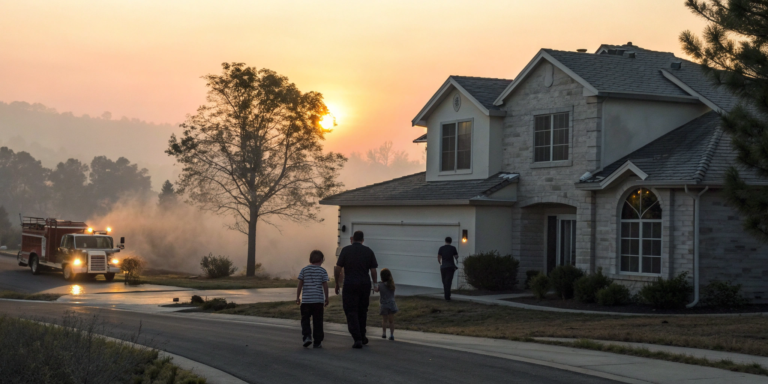
When a fire strikes your home, the flames are the obvious villain. You see the charred walls and burned belongings, and the destruction is undeniable. But once the fire is out, a quieter, more insidious problem remains: smoke. It creeps into every corner, seeping into drywall, settling in your HVAC system, and leaving behind a corrosive, smelly residue that can be harder to deal with than the fire itself. This unseen damage is often the biggest point of contention when you file your smoke damage insurance claim. Adjusters can easily see a burned roof, but proving the full extent of smoke’s reach is a different challenge. This guide will walk you through the critical differences between fire and smoke damage and show you how to build a solid case for the compensation you deserve.
Key Takeaways
- Look beyond the flames to assess the real damage: Smoke is an invisible threat that causes widespread, corrosive harm, often making it more complex and costly to fix than the visible fire destruction.
- Document everything to maximize your insurance payout: Your claim’s strength depends on your proof. Before touching anything, take extensive photos, create a detailed inventory of losses, and get independent repair quotes to counter lowball offers.
- Consider selling as-is for a faster resolution: If the insurance and repair process feels overwhelming, selling your property for cash is a practical alternative that lets you bypass months of negotiations and construction to move on quickly.
What Is Smoke Damage vs. Fire Damage?
When you think of a house fire, you probably picture the obvious destruction—charred walls, burned furniture, and structural damage. That’s fire damage, and it’s impossible to miss. But the flames are only half the battle. Smoke damage is its sneaky, pervasive counterpart, and it can cause just as much, if not more, long-term harm to your home. In fact, many restoration experts agree that smoke damage can be just as bad as the fire itself.
Unlike fire, which is often contained to one area, smoke travels everywhere. It moves through your HVAC system, seeps into drywall, and settles on every surface, from your clothes and carpets to your electronics and personal belongings. The fine particles of soot are often acidic and can corrode materials over time, tarnishing metals and discoloring plastics long after the fire is out. The lingering odor isn’t just unpleasant; it can embed itself so deeply into the structure of your home that it becomes nearly impossible to remove without professional intervention. This is why understanding the difference between fire and smoke damage is so critical when you start the recovery process. It’s not just about what you can see; it’s about the invisible damage that can affect your home’s value and your family’s health.
The Different Types of Smoke Damage
Not all smoke is created equal. The type of smoke damage in your home depends on what burned and at what temperature, which affects how you’ll need to approach the cleanup. There are generally four different types of smoke damage to be aware of.
- Dry Smoke: Caused by fast, high-temperature fires (like burning paper or wood). It leaves a fine, powdery residue that is often easier to clean.
- Protein Residue: Comes from slow, low-heat fires, like a kitchen fire. It’s often invisible but leaves a pungent, persistent odor and can stain paints and varnishes.
- Fuel/Oil Residue: Results from burning petroleum products. It’s a sticky, dense soot that’s difficult to clean and smells harsh.
- Wet Smoke: From smoldering, low-heat fires involving plastics or rubber. It creates a thick, black, and sticky residue that smears easily, making cleanup a challenge.
Why Insurers Handle Smoke and Fire Claims Differently
When you file an insurance claim, you’ll quickly notice that adjusters treat fire and smoke damage very differently. Fire damage is tangible and easy to document—a claims adjuster can see a burned roof or a destroyed kitchen. Smoke damage, on the other hand, is often subtle and widespread. The damage isn’t always visible to the naked eye, which can make it a point of contention. Because smoke damage is often hard to see and prove, insurance companies may be more inclined to dispute the extent of the problem or argue that a deep cleaning is sufficient when more intensive repairs are actually needed. This is where you need to be prepared to show clear evidence of the smoke’s impact throughout your home.
Common Myths About Smoke Damage Coverage
Many homeowners mistakenly believe that if a room wasn’t touched by flames, it’s fine. This leads them to focus only on the visible fire damage, but as professionals know, smoke damage is a big problem that can be easily overlooked. Another myth is that your insurance policy will automatically cover every last bit of smoke damage without question. In reality, you often have to advocate for yourself and provide thorough documentation to get a fair settlement. It’s crucial to remember that even if your home seems structurally sound, it could have hidden damage from extreme heat or smoke that can cause issues down the road. Don’t assume anything is undamaged until it has been professionally inspected.
Your First Steps After Discovering Smoke Damage
Dealing with the aftermath of a fire is incredibly stressful, and it can be hard to know where to even begin. When you’re standing in front of your smoke-damaged home, the path forward can feel foggy. But you don’t have to figure it all out at once. Taking a few clear, immediate steps can protect your safety and your financial interests, giving you a solid foundation for whatever comes next. Let’s walk through exactly what you should do first.
Prioritize Safety First
Before you do anything else, you need to make sure the property is safe. Even if a fire was small and contained, smoke and soot can leave behind hidden dangers. The air quality can be hazardous to breathe, and there could be unseen structural damage. Resist the urge to rush inside to assess the damage yourself. It’s best to wait until the fire department or a certified restoration professional gives you the all-clear. They have the right equipment and training to determine if the environment is safe to enter. Your well-being is the top priority, and entering an unstable structure isn’t a risk worth taking.
Contact Your Insurance Company
Your next call should be to your insurance agent. The sooner you report the smoke damage, the faster you can start the claims process. Don’t delay this step, as waiting can slow everything down. Your insurer will assign a claims adjuster to your case and walk you through their specific procedures. They can also advise you on immediate steps, like arranging for temporary housing if your home is uninhabitable. Getting the ball rolling with your insurance company is a critical move toward getting the financial support you need for repairs or other solutions.
Document Everything You See
Once it’s safe to enter your home, your goal is to become a meticulous record-keeper. Before you touch, move, or clean anything, document the damage extensively. Use your phone to take photos and videos of every affected room from multiple angles. Get wide shots to show the overall scope and close-ups of specific items. This visual evidence is your most powerful tool when filing your claim. You should also start a running list of all damaged property. This initial inventory will be essential for proving your losses to the insurance company and getting fair claim guidance.
Prevent the Damage from Worsening
Soot and smoke residue are acidic and can cause more damage the longer they sit on surfaces. However, this doesn’t mean you should grab a sponge and start scrubbing. Improper cleaning techniques can smear the soot and permanently set stains, making the problem much worse. Cleaning up smoke damage safely and completely is usually a job for professionals. They have specialized equipment and cleaning agents to handle smoke and soot effectively. They can also identify hidden issues you might miss, like damage from extreme heat within the walls, ensuring the full scope of the problem is addressed.
What to Include in Your Smoke Damage Insurance Claim
Think of your insurance claim as the story of what happened to your home. The more details, evidence, and clear information you provide, the easier it will be for your insurance company to understand the full scope of your loss and process your payout. A well-organized claim is your best tool for a fair and timely settlement. It removes guesswork and shows the adjuster exactly what needs to be covered. Let’s walk through the essential documents you’ll need to gather to build a strong case for your smoke damage claim.
Detailed Photos and Videos
Your smartphone is your most powerful tool right after you’ve confirmed it’s safe to be in your home. Before you touch, move, or clean anything, document the damage extensively. Take wide-angle shots of every affected room to show the overall impact, then zoom in for close-ups of soot on walls, discoloration on furniture, and damage to personal items. Open cabinets and closets to show how far the smoke traveled. A video walkthrough where you narrate what you’re seeing can also be incredibly effective. This visual evidence is undeniable proof of the condition of your property and is crucial for a successful insurance claim.
Reports from Professional Assessors
While your photos are essential, a report from a certified professional adds a layer of authority to your claim. Consider hiring a smoke remediation specialist or an industrial hygienist to conduct a formal assessment. They can identify damage that isn’t visible to the naked eye, like smoke particles trapped in drywall or HVAC systems. Their official report will detail the extent of the damage and provide a professional estimate for the cleanup and repairs needed. This expert opinion is much harder for an insurance company to dispute than your personal assessment alone, ensuring all necessary repairs are accounted for in your settlement.
An Itemized List of Damaged Property
This is the most time-consuming part, but it’s absolutely critical. Go room by room and create a detailed inventory of every single item that was damaged by smoke. For each item, list its description, brand, model number (if applicable), approximate age, and what you originally paid for it. Be as specific as possible—instead of “toaster,” write “Cuisinart 4-Slice Toaster, purchased in 2022.” This detailed list, often called a “proof of loss” document, helps the adjuster calculate the value of your personal property losses accurately, ensuring you get a fair reimbursement for everything you’ve lost.
Receipts to Prove Value
To back up your itemized list, you’ll need proof of value. Dig up any receipts, credit card statements, or bank records you can find for your damaged belongings, especially for big-ticket items like electronics and furniture. If you can’t find a receipt, even a photo of you with the item from before the fire can help establish ownership and condition. Also, be sure to keep every receipt for any expense you incur after the damage occurs, including temporary lodging, cleaning supplies, or emergency repairs. These records are vital for getting reimbursed and demonstrating the full financial impact of the smoke damage. It’s a lot to manage, which is why some homeowners explore a simpler process to move forward without the hassle of claims and repairs.
How to Get a Fair Payout from Your Claim
Filing an insurance claim after a fire can feel like a second job you never asked for. The process is often slow and complicated, and it’s easy to feel like you’re at a disadvantage while you’re still processing what happened. Your insurance company has a team of professionals working to protect their bottom line, so it’s crucial that you advocate for yourself to get the full amount you’re entitled to. Getting a fair payout isn’t just about luck; it’s about being prepared, organized, and persistent.
Think of this as a business transaction. You’ve paid your premiums for years, and now it’s time for the insurance company to hold up its end of the bargain. To make that happen, you need to present a clear, well-documented case for the full value of your losses. This means understanding your policy inside and out, communicating effectively with the adjuster, and knowing when to bring in your own experts. It takes effort, but taking these steps can make a significant difference in the final settlement you receive. A fair payout gives you the resources you need to truly recover and decide on your next steps, whether that’s rebuilding or starting fresh somewhere new.
Understand Your Policy’s Fine Print
Before you can negotiate, you need to know the rules of the game. Your insurance policy is your contract, and its fine print dictates everything. Take the time to read through it carefully, paying close attention to your coverage limits, deductibles, and any specific exclusions. If you can’t find your policy documents—which is completely understandable after a fire—just ask your insurance company for a certified copy. Understanding what’s covered, from the structure itself to your personal belongings and temporary living expenses, gives you a solid foundation for your claim. This knowledge helps you know what to ask for and prevents you from leaving money on the table.
Work Effectively with Your Adjuster
The insurance adjuster is the person who assesses the damage and determines the value of your claim, so building a professional, respectful relationship with them is key. Remember, what you say can impact your settlement. Be honest and direct, but stick to the facts. Avoid speculating on the cause of the fire or saying anything that could be misinterpreted as admitting fault. Keep all communication organized, preferably in writing, and provide all the documentation they request promptly. Being courteous but firm shows you’re serious about your claim and helps the process move along more smoothly. Your goal is to work with them, not against them, to reach a fair agreement.
Get Several Repair Estimates
Don’t automatically accept the first repair estimate you get, especially if it comes from a contractor recommended by your insurance company. It’s always a good idea to get at least two or three independent quotes from reputable, licensed contractors who specialize in fire and smoke damage restoration. These professionals can provide a detailed assessment of what it will actually cost to repair your home to its pre-fire condition. Having multiple estimates gives you a realistic baseline for repair costs and serves as powerful leverage when negotiating your settlement. It ensures the amount you’re offered is based on real-world prices, not just the insurer’s preferred numbers.
Know When to Call a Public Adjuster
If your claim is particularly large, complex, or you feel the insurance company is dragging its feet or offering a lowball settlement, it might be time to call in a professional. A public adjuster works for you, not the insurance company. Their job is to manage your claim from start to finish, meticulously document all your losses, and negotiate with the insurer on your behalf to secure the maximum possible payout. They work on a contingency basis, meaning they take a small percentage of the final settlement. For many homeowners facing a difficult claims process, hiring a public adjuster provides peace of mind and often results in a significantly higher settlement.
Common Claim Roadblocks and How to Get Past Them
Filing an insurance claim for smoke damage should be straightforward, but it often comes with frustrating hurdles. From lowball settlement offers to disagreements over what’s actually covered, these challenges can add stress when you least need it. Insurance companies can be slow, and you might find yourself fighting to get what you’re owed. Knowing what to expect can help you stand your ground and work toward a fair resolution. Let’s walk through some of the most common roadblocks and the practical steps you can take to get past them.
Disputing Your Coverage Scope
It’s not uncommon for an insurance company to argue that certain types of smoke damage aren’t covered under your policy. They might claim the damage is cosmetic or pre-existing. The best way to counter this is to know your policy inside and out. Don’t just rely on the summary page; request a complete copy and carefully check your home insurance policy for the sections on fire and smoke damage. Pay close attention to the definitions, exclusions, and limits. If the language is confusing, don’t hesitate to ask for clarification. Understanding your coverage is your first and most powerful tool in any dispute.
Handling a Low Settlement Offer
The first settlement offer you receive from your insurer is often just a starting point—and it can be disappointingly low. Insurance companies may undervalue the cost of repairs or the worth of your damaged belongings to protect their bottom line. Don’t feel pressured to accept it. Instead, treat it as the beginning of a negotiation. Gather your own evidence, including detailed repair estimates from at least two reputable, independent contractors. For personal property, create an itemized list with links to comparable items for sale today. Presenting a well-documented counter-offer shows you’ve done your homework and are serious about getting the full amount you’re entitled to.
Finding Hidden Damage Later
Smoke doesn’t just stain surfaces; it seeps into everything. Soot and ash can get into your HVAC system, insulation, and wall cavities, causing lingering odors and long-term issues. Even if your home seems fine after a partial loss fire, it might have hidden damage from extreme heat or corrosive soot. If your adjuster’s inspection seems too quick or superficial, insist on a more thorough assessment from a certified smoke remediation specialist. Uncovering this damage early is critical to ensuring your settlement covers all necessary repairs, not just the visible ones.
Dealing with a Delayed Claim
Waiting for your insurance company to process your claim can feel endless, especially when you need funds to start repairs. While some delays are unavoidable, persistent unresponsiveness is a red flag. To keep things moving, be proactive and organized. Keep a detailed log of every phone call, email, and letter, including the date, time, and person you spoke with. Follow up on conversations in writing to create a paper trail. If you feel your claim is being unfairly delayed, you can file a complaint with your state’s department of insurance, which regulates insurer conduct and can help mediate the issue.
Making Sure Repairs Are Done Right
Properly cleaning up after smoke damage is a complex job that requires specialized equipment and expertise. Simply painting over a smoke-stained wall won’t eliminate the odor or the underlying acidic soot. Cleaning up smoke damage safely and completely is a job for certified professionals. Don’t let your insurer push you toward their preferred contractor without doing your own research. Get quotes from IICRC-certified restoration companies, check their references, and review their work. You have the right to choose who repairs your home, so make sure it’s someone you trust to do the job right the first time.
Is Selling Your Smoke-Damaged House a Better Option?
After a fire, the path forward can feel overwhelming. While filing an insurance claim is a standard first step, it’s not your only option. For many homeowners, the long process of negotiating with adjusters, managing extensive repairs, and waiting for payouts is more than they can handle. Selling your smoke-damaged house might be a more direct and less stressful route. This choice puts you back in control, allowing you to move on from the property on your own terms and timeline, without waiting for an insurance company to dictate the next steps.
Insurance Payout vs. a Cash Offer: Which Is Better?
Deciding between an insurance payout and a cash offer comes down to what you value most: time, convenience, or potential reimbursement. The insurance process can be lengthy and complicated. Your policy might cover the replacement cost of damaged items or only their actual cash value, which accounts for depreciation. This difference can significantly impact your final payout.
A cash offer provides a clear alternative. Instead of waiting months for a claim to be settled, you can receive a fair offer for your house as-is. Our streamlined process is designed to give you certainty and speed, often closing in as little as a week. This allows you to access your home’s equity immediately and start fresh without the emotional and financial weight of a damaged property.
The Freedom of Selling Your House As-Is
One of the biggest advantages of selling your smoke-damaged house is the freedom from repairs. Restoring a home after a fire is a massive undertaking that involves hiring contractors, sourcing materials, and overseeing a long, often unpredictable, project. When you sell your house as-is, you hand all of that responsibility over to the buyer. You don’t have to clean up, make repairs, or even clear out the property.
You can simply take what you want and walk away. This option gives you a clean break and the financial resources to find a new home. Plus, selling your property doesn’t necessarily cancel your insurance claim. You may still be able to receive a payout for the damage, giving you additional financial support as you move forward.
Related Articles
- What Does Smoke Damage Do to a House? The Full Impact
- Cost to repair fire damaged house: 2025 Ultimate
- Your Guide to Smoke Contamination After Fire
- How Much Does It Cost To Fix a Fire Damaged House
- Fire Damage Insurance Claims: Step-by-Step Guide 2025
Frequently Asked Questions
My house only has smoke damage, not fire damage. Is it still a big deal? Yes, it’s a very big deal. Smoke travels everywhere and seeps into drywall, insulation, and your HVAC system. The acidic soot particles can corrode surfaces and cause long-term structural issues, while the odor can be nearly impossible to remove without professional intervention. Because this damage is often hidden, it can be just as destructive and costly to fix as the visible damage from flames.
Can I clean up minor smoke damage myself to save money? It’s generally not a good idea. Standard cleaning products won’t work on the sticky, acidic residue left by smoke. Trying to scrub it yourself can actually smear the soot and permanently set stains into walls and other surfaces. Professional restoration companies use specialized equipment and techniques to safely remove soot and neutralize odors without causing more harm.
What’s the most important thing to do if my insurance company’s settlement offer seems too low? Don’t accept it right away. The first offer is often a starting point for negotiation. Your most important step is to respond with your own evidence. Get at least two detailed repair estimates from independent, certified restoration contractors to show the true cost of the work. A well-documented counter-offer based on real-world prices is your best tool for securing a fair settlement.
How long does a typical smoke damage insurance claim take to resolve? The timeline can vary widely, but it’s rarely a quick process. It can take weeks just to get an adjuster to assess the damage, and from there, it can stretch into many months of back-and-forth negotiations, especially if there are disagreements over the scope of the damage. This long, uncertain waiting period is one of the main reasons some homeowners look for a faster alternative.
If I sell my house as-is, can I still get a payout from my insurance company? Yes, in many cases you can. Selling your property doesn’t automatically cancel your insurance claim. You can often still pursue a claim for the damage to the structure and your personal belongings. This allows you to get the immediate relief of a fast cash sale while also receiving an insurance settlement, giving you two sources of funds to help you start over.