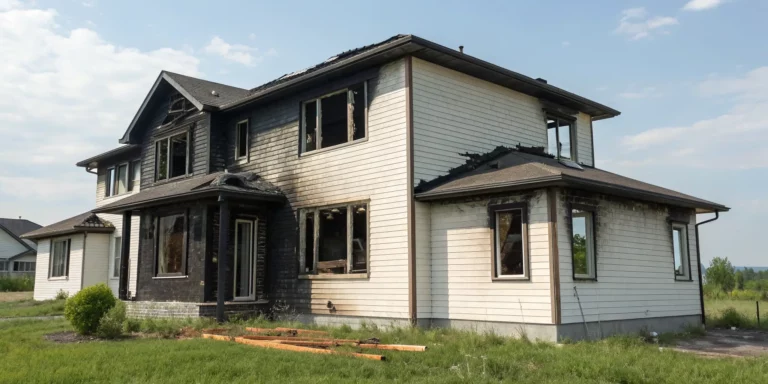
When the fire is out, the most immediate danger might seem to be over, but the biggest risks are often the ones you can’t see. Smoke residue isn’t just dirt; it’s a toxic cocktail of chemicals and fine particles that settle on every surface and get into your air. Living in this environment can pose serious health risks, from respiratory issues to long-term illnesses caused by prolonged exposure. Protecting your family’s well-being is the top priority. This guide explains the health hazards associated with a smoke damaged house, how to spot them, and what you need to know to ensure your home is safe before you consider moving back in.
Key Takeaways
- Look Beyond the Obvious Damage: Smoke and soot are more than just stains; they are toxic residues that get into your walls and HVAC system, creating long-term health risks long after the fire is out.
- Know When to Call for Help: While minor cleanup might seem manageable, widespread smoke damage requires professional restoration. Always document everything with photos for your insurance claim before touching a thing.
- Consider a Stress-Free Sale: Restoring a fire-damaged home is a massive project. Selling your house as-is to a specialized cash buyer offers a fast, simple way to move forward without the burden of repairs.
What Is Smoke Damage, Really?
After a fire, the flames are only part of the story. The smoke and soot left behind can cause extensive, lingering problems that often spread far beyond the room where the fire started. Smoke isn’t just a bad smell; it’s a collection of tiny, toxic particles and gases that cling to every surface, seep into porous materials, and get into your ventilation system. This residue is often acidic and corrosive, meaning it can eat away at materials over time. It can stain walls, tarnish metal, and ruin fabrics and furniture. Understanding what you’re up against is the first step in figuring out your next move, whether that’s a massive cleanup or finding a simpler way to move forward.
Where Smoke Damage Comes From
Smoke damage can come from many sources, and not always a massive blaze. In fact, some of the most common causes of house fires are everyday accidents. Kitchen fires are a major culprit, often starting from unattended cooking or a grease fire that gets out of hand. Faulty electrical systems are another frequent source, with issues like old wiring, overloaded outlets, or misused extension cords sparking a fire when you least expect it. Even something as small as a forgotten candle, a misplaced cigarette, or papers left too close to a heater can quickly fill a home with damaging smoke and soot.
The Different Types of Smoke Damage
Not all smoke is the same, but it’s all harmful. At its core, smoke is a mix of heated particles and gases. These particles can be incredibly damaging, leaving behind a greasy, hard-to-clean soot that permanently stains walls, countertops, and plastics if not handled quickly. More importantly, these residues contain toxic chemicals that are dangerous to your health. Breathing in these fine particles can cause serious respiratory issues, and the corrosive nature of soot can damage your home’s structure and your belongings long after the fire is out. It gets into everything, from your HVAC system to the inside of your walls.
How to Spot Smoke Damage in Your House
After a fire, the most visible destruction is often the first thing you notice. But smoke damage is a more subtle and widespread problem. Tiny smoke and soot particles are carried by heat and air currents throughout your home, settling on surfaces and seeping into materials far from the original fire. Spotting this damage is the first step toward understanding the full scope of what you’re dealing with. It requires more than a quick glance; you’ll need to use your eyes, your nose, and a bit of investigative work to uncover where the smoke went.
Look for Stains and Discoloration
Your first clue is often visual. Look for yellow, gray, or black stains on walls, ceilings, and other surfaces. You might also see a fine black powder, which is soot, collecting on horizontal surfaces, inside cabinets, around vents, or on light fixtures. Check your HVAC filters, as they often trap a significant amount of this residue. Don’t be surprised if you see paint that has started to peel or bubble, as the heat and chemicals from smoke can cause it to fail. The texture of soot can vary from a dry, dusty powder to a greasy, smeary film, depending on what materials burned during the fire.
Trust Your Nose: Lingering Smells and Poor Air Quality
Your sense of smell is a powerful tool for detecting smoke damage. You might notice a smoky or burnt smell that won’t go away, even after you’ve aired out the house for days. This odor often gets stronger when it’s humid or when you turn on the heat or air conditioning. That’s because moisture and airflow can release trapped smoke particles from porous materials like drywall, carpeting, upholstery, and wood. If that campfire smell lingers long after the fire is out, it’s a clear sign that smoke has deeply penetrated your home’s structure and furnishings, affecting your indoor air quality.
Check for Hidden Damage in Vents and Walls
Smoke is invasive and travels everywhere. It can easily get into hidden spots like your air ducts, the spaces inside your walls, and the areas around electrical wiring, leaving behind a greasy film and persistent smells. Make sure to inspect your HVAC system, as it can circulate soot and smoke particles throughout the entire house if it was running during or after the fire. Shine a flashlight into your vents to look for black dust or streaks. Smoke can also seep into wall cavities through outlets, light switches, and small gaps, creating a hidden reservoir of odor and contaminants that you can’t see. Professional duct cleaning is often necessary to address this hidden threat.
Is It Safe? Health Risks of Living with Smoke Damage
After a fire, your first instinct is to check the structural damage. But the most significant dangers are often the ones you can’t see. Smoke and soot leave behind a toxic residue that permeates your home, posing serious health risks long after the flames are out. Understanding these risks is the first step in protecting your family and deciding what to do next. It’s not just about what’s burned; it’s about what’s been left behind in the air and on every surface.
Short-Term Health Effects on Lungs and Skin
Breathing in smoke, even briefly, can immediately affect your body. Soot particles can irritate your lungs, leading to coughing, shortness of breath, and worsening asthma. A more severe risk is carbon monoxide poisoning, which blocks oxygen from reaching your organs. The symptoms of smoke inhalation include headaches, nausea, and confusion. These aren’t minor discomforts; they are signs your body is reacting to a toxic environment. It’s crucial to take these symptoms seriously and get to a safe, clean-air environment as soon as possible after a fire.
The Long-Term Health Consequences
The health risks don’t disappear when the smoke clears. Lingering soot contains a dangerous mix of chemicals, including tar and heavy metals. Prolonged exposure to these carcinogens can lead to serious health issues, including chronic respiratory problems and even cancer. These toxic particles settle into carpets, furniture, and ventilation systems, continuously polluting your indoor air. Even if you can no longer smell the smoke, the danger may still be present. Living in a smoke-damaged home means breathing in these harmful substances daily, which can have lasting consequences for your health.
Knowing When It’s Unsafe to Stay
It’s a common misconception that if a fire was contained to one room, the rest of the house is safe. Smoke is invasive; it travels through HVAC systems and wall cavities, depositing harmful particles throughout the property. This invisible damage is often more dangerous than the visible charring. If you’re dealing with widespread soot, a persistent smoky smell, or anyone in your household is experiencing respiratory issues, it’s a clear sign the environment is unsafe. Facing this reality is overwhelming, but it’s better than risking your health. Understanding how our process works can show you a path forward without living in a hazardous home.
How to Assess the Full Extent of the Damage
After a fire, the visible destruction is just the beginning. Soot, smoke, and water from firefighting efforts can seep into every corner of your home, causing problems that aren’t immediately apparent. A thorough assessment is your first step toward making a clear-headed decision about what comes next. It’s not just about what you can see; it’s about understanding the full scope of the damage to protect your health and your finances. Taking a systematic approach will help you get a realistic picture of the situation.
Your Room-by-Room Inspection Checklist
Before you move or throw away a single thing, your first job is to become a detective. Grab your phone and document everything. Many homeowners make the mistake of cleaning up too quickly, but you need a detailed record for your insurance claim. Go through your home room by room, taking photos and videos from every angle. Capture wide shots of each space and close-ups of damaged items, walls, and ceilings. Remember, smoke and soot can cause serious structural issues that aren’t always visible. Make notes on smells and any residue you find. This detailed damage documentation will be your most valuable tool in the weeks to come.
Testing Air and Surfaces for Soot
What you can’t see can definitely hurt you. Soot is oily, acidic, and can carry toxic particles deep into your home’s systems. If your HVAC was running during or after the fire, change the furnace filter immediately and avoid turning the system back on until it’s been professionally inspected. Running it can circulate soot throughout the entire house. You can do a simple test by wiping a clean, dry cloth on various surfaces like walls, countertops, and inside cabinets to see how far the residue has spread. Proper ventilation is also key, so open windows to help clear lingering particles, but be aware that a deep clean is necessary to truly restore indoor air quality.
Common Myths About Smoke Damage
It’s easy to underestimate the power of smoke. One of the biggest myths is that a small fire only causes minor issues. The truth is, even a seemingly contained fire can make a home unsafe, filling it with toxic gases and compromising its structure. Another common mistake is skipping a professional inspection, assuming you can see all the damage yourself. So much of the harm caused by a fire is hidden behind walls, in the attic, or within your electrical systems. These unseen problems can lead to long-term health risks and costly future repairs. Understanding the full process of what it takes to recover helps you avoid these pitfalls and make the safest choice for your family.
Can You Clean Up Smoke Damage Yourself?
After a fire, your first instinct might be to roll up your sleeves and start cleaning. It’s a way to take back control in a chaotic situation. While tackling minor smoke damage on your own is sometimes possible, it’s crucial to understand the risks and limitations. Smoke doesn’t just stain surfaces; it seeps into everything, from drywall and insulation to your furniture and clothing. What looks like a simple cleanup job can quickly become a complex and hazardous project.
Before you grab a sponge, you need to honestly assess the situation. The line between a manageable DIY task and a job for professionals is finer than you might think. Even a small fire can produce a surprising amount of smoke and soot, creating hidden dangers that aren’t immediately obvious.
DIY Cleanup for Minor Damage
If the fire was very small and contained—say, a minor kitchen flare-up that was extinguished immediately—you might be able to handle the cleanup. However, smoke damage often spreads far beyond the visible burn area. Soot particles are tiny and can travel through your HVAC system, settling in rooms that seem untouched. If you notice a persistent smoky smell even after airing out the house, that’s a clear sign that harmful particles are still present. A DIY approach is best reserved for light surface soot on hard, non-porous surfaces. Anything more extensive, especially involving porous materials like carpets, upholstery, or drywall, usually requires professional intervention to be truly effective and safe.
Safety First: Essential Gear and Precautions
Even if you’re only dealing with a small area, your safety has to be the top priority. Never enter a fire-damaged home without confirming it’s structurally sound. Even a seemingly minor fire can compromise the integrity of your home. When you do start cleaning, you must use the right protective gear. This includes N95 masks, safety goggles, gloves, and long-sleeved clothing to protect your skin and lungs from soot and chemical residues. Proper ventilation is also key—open all windows and use fans to circulate fresh air. These smoke cleanup best practices are not just suggestions; they are essential for protecting your health from lingering toxins.
What to Keep and What to Toss
One of the hardest parts of the cleanup process is deciding what can be saved. Unfortunately, many items must be thrown away because they can’t be safely cleaned or restored. As a rule of thumb, you should immediately discard all open food items, cosmetics, and medications, as they can easily be contaminated. Porous items like mattresses, pillows, and stuffed animals are nearly impossible to fully decontaminate and should also be tossed. When it comes to clothes and fabrics, heavy smoke damage may be irreversible. If an item still smells like smoke after a thorough cleaning, it’s best to let it go. For homeowners who find this process too overwhelming, understanding how our process works can offer a simpler path forward without any cleaning required.
When to Call in the Professionals
After a fire, your first instinct might be to roll up your sleeves and start cleaning. While that hands-on approach is admirable, smoke damage is often more complex than it appears. Sometimes, the best and safest course of action is to step back and call for backup. Professional restoration teams have the training, equipment, and experience to handle the hazardous materials and hidden damage that you can’t see. Knowing when to pass the torch isn’t giving up; it’s making a smart, strategic decision for your home and your health.
Signs You Need a Restoration Team
It’s time to call a professional team if the damage goes beyond a small, contained area. Smoke and soot are invasive, spreading far from the actual fire and seeping into drywall, insulation, and ventilation systems. A key indicator is a persistent smoke smell. If you can still smell it after airing out the house, it means harmful, odor-causing particles are still embedded in your home’s structure and belongings. Pay attention to widespread discoloration on walls and ceilings, especially yellowish or brownish stains. Even if items look salvageable, they could hold onto hidden smoke damage that makes them unsafe to keep. When the problem is this widespread, a professional assessment is your safest bet.
What to Expect from a Professional Cleanup
When you hire a restoration company, you’re bringing in experts with industrial-grade equipment designed for one purpose: making your home safe again. Their process is thorough, starting with a detailed damage assessment. They use specialized tools like thermal foggers and ozone generators to neutralize smoke odors at a molecular level—something household cleaners can’t do. They also have specific techniques for cleaning different types of soot and safely disposing of hazardous materials. Professionals understand the urgency; acting within the first 24 to 48 hours can significantly reduce the lasting impact. Their goal is to use the right methods to fully decontaminate your property and restore it to a livable condition.
Documenting Everything for Your Insurance Claim
One of the most stressful parts of fire recovery is the insurance claim, and a huge misstep is poor documentation. Your insurance adjuster will need proof of everything that was damaged. Before you throw anything away, take clear photos and videos of every affected room from multiple angles. Create a detailed inventory list of damaged items, noting their description, age, and estimated replacement cost. This is another area where a certified restoration company can be a huge help. They are experienced in documenting damage for insurance purposes and can provide the detailed reports and evidence you need to support your claim. Proper documentation is your best tool for getting a fair settlement and avoiding common mistakes when filing claims.
The Cost and Timeline for Smoke Damage Restoration
After the immediate shock of a fire, the practical questions start rolling in: How much will this cost, and how long will it take to fix? The answers aren’t always straightforward, as several factors come into play. Understanding what to expect can help you manage the process and make the best decision for your situation, whether that’s restoring your home or exploring other options.
What Influences Repair Costs and Timelines?
The final bill for smoke restoration often surprises homeowners because the damage isn’t limited to what you can see. Smoke and soot travel far beyond the actual fire, seeping into walls, insulation, and ventilation systems. These particles leave behind toxic chemicals and an odor that’s incredibly difficult to remove. The cost and timeline depend on the size of your home, the types of materials affected, and how long the soot has been sitting. Acting within the first 24 to 48 hours can make a huge difference in preventing further damage and keeping costs down.
Will Your Insurance Cover the Restoration?
The good news is that most standard homeowners’ insurance policies cover smoke damage. However, the claims process requires careful attention to detail on your part. Before you throw anything away, take clear photos and videos of all the damage. Create a detailed inventory of every affected item, noting its estimated value. This documentation is your most powerful tool when working with your insurance adjuster. A certified restoration company can also help by providing professional assessments and reports to support your claim, ensuring you get the coverage you need for a proper cleanup.
How to Prevent Future Smoke Damage
Once your home is restored, taking a few preventive steps can offer significant peace of mind. Start by creating a fire-resistant zone around your property. This means clearing away leaves, dead vegetation, and any flammable materials like firewood piles within at least 30 feet of your house. Inside, check your HVAC system. Sealing any gaps around the intake with weatherstripping can prevent smoke from outside—whether from a wildfire or a neighbor’s fire—from being pulled into your home and circulated through your vents. These simple actions can dramatically reduce your risk of dealing with widespread smoke damage again.
Should You Sell Your House As-Is?
After a fire, the thought of repairing your home can feel completely overwhelming. You’re not just looking at a fresh coat of paint; you’re facing structural assessments, soot removal, and potentially months of construction. It’s a massive undertaking, both financially and emotionally. But what if you didn’t have to go through all that? Selling your house as-is presents a different path—one that lets you bypass the stress of renovations and move forward on your own terms.
Deciding to sell a fire-damaged house without making repairs is a practical choice for many homeowners. It allows you to hand off the burden of restoration and focus on your next chapter. Instead of coordinating contractors and living in a construction zone, you can opt for a straightforward process that gives you cash in hand quickly. This approach isn’t about giving up; it’s about choosing a solution that prioritizes your peace of mind and financial stability when you need it most. By understanding the benefits, you can make an informed decision that feels right for your situation.
The Upside of Selling Without Making Repairs
The biggest upside of selling your house as-is is simple: you get to skip the entire renovation process. You avoid the months of work, the financial drain, and the emotional stress of rebuilding. Restoring a fire-damaged home isn’t just about cosmetic fixes; it often involves structural repairs, replacing systems, and dealing with hidden issues that pop up along the way. As restoration experts point out, selling a smoke-damaged house as-is can save you an incredible amount of time and money, especially if you aren’t in a position to handle extensive repairs. It’s a direct path to putting the property behind you, giving you a clean break so you can focus on what comes next.
How a Cash Buyer for Damaged Homes Can Help
This is where working with a cash buyer can make all the difference. A company that specializes in fire-damaged properties understands exactly what you’re going through and is prepared to take on the challenge. Cash buyers purchase homes in any condition, which means you don’t have to worry about cleaning up or making a single repair. Instead of listing your home and waiting for a buyer who can get financing for a damaged property, our entire process is designed for speed and simplicity. You get a fair cash offer and can close in a matter of days, not months, giving you the funds and the freedom to start fresh.
Related Articles
- Smoke Damage Health Risks: What You Need to Know
- What Can Be Saved From Smoke Damage? A Guide
- What to Throw Away After Smoke Damage: A Safety Guide
- Your Guide to Smoke Contamination After Fire
- What Does Smoke Damage Do to a House? The Full Impact
Frequently Asked Questions
Is it really that dangerous to live in a house with smoke damage? Yes, it absolutely can be. The smoky smell is a warning sign for what you can’t see: microscopic soot particles that settle on every surface and get into your lungs. This residue contains toxic chemicals that can cause immediate respiratory issues, headaches, and skin irritation. Over the long term, living with these particles can lead to more serious health problems. It’s not just about cleaning up stains; it’s about ensuring the air you breathe is safe for you and your family.
How can I tell if the smoke damage is minor enough to clean myself? A good rule of thumb is to consider the source and the smell. If a small kitchen incident was put out immediately and the smoke was contained to one room with hard surfaces, you might be able to handle it. However, if the smoky odor has spread throughout the house or if you see a fine, oily soot on walls, furniture, or inside cabinets, it’s a job for professionals. That lingering smell is a clear sign that particles have seeped into porous materials like drywall, carpet, and insulation, where they can’t be removed with household cleaners.
Will the smoky smell ever truly go away if I decide to repair the house? This is one of the toughest parts of fire recovery. While professional restoration teams have specialized equipment, eliminating the odor completely is a significant challenge. Smoke particles are invasive and can get trapped deep within your home’s structure, like inside walls and under floorboards. The smell can return weeks or even months later, often triggered by humidity or heat. A complete removal frequently requires tearing out and replacing affected materials, which can be a long and costly undertaking.
My insurance company is already involved. Can I still sell my house as-is? Yes, you can. Your insurance claim and the sale of your property are typically two separate transactions. You can work with your insurance provider to settle the claim, which often covers personal belongings and may provide funds for repairs. You can then choose to sell the house in its damaged state rather than manage the long and stressful reconstruction process. This approach allows you to use the insurance settlement to help start fresh while also getting cash from the sale of the property itself.
What’s the difference between selling to a cash buyer versus a traditional real estate agent? The biggest differences are speed, simplicity, and certainty. When you list a fire-damaged home with an agent, you’ll almost certainly have to complete extensive, costly repairs before it can even be shown. Most buyers rely on mortgages, and banks are hesitant to finance a damaged property. This process can take months. A specialized cash buyer purchases your home exactly as it is, with no need for repairs or clean-up. The process is direct and fast, allowing you to get a fair cash offer and close in as little as a week.