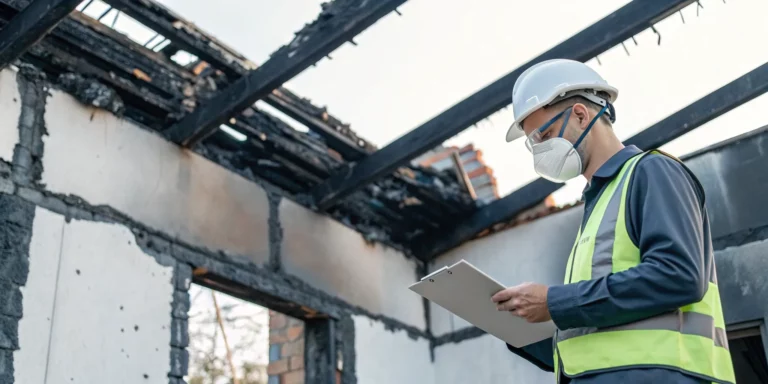
A house fire can strip away your sense of security, leaving you feeling powerless. One of the most effective ways to regain a sense of control is to arm yourself with information. Instead of operating on fear and uncertainty, you can make decisions based on hard facts. This is precisely what a professional assessment provides. By hiring a structural engineer for fire damage, you are taking a proactive step to understand the true condition of your property. Their expert evaluation will answer your most critical questions about safety and viability, replacing anxiety with a clear understanding of your options, whether you decide to rebuild, repair, or explore a simpler solution.
Key Takeaways
- An Engineer Confirms Your Home’s Safety: After a fire, looks can be deceiving. A structural engineer is the only professional who can identify hidden weaknesses in your home’s frame, foundation, and supports to ensure it’s safe for you and your family.
- Get the Proof You Need for Insurance: An engineer’s official report is your most powerful tool when dealing with your insurance company. It provides the unbiased, expert documentation required to support your claim and helps you avoid surprise repair costs later on.
- Choose an Expert in Fire Damage: Don’t hire just any engineer. Look for a licensed professional with specific training and hands-on experience in assessing fire-damaged properties to guarantee you get an accurate and thorough evaluation.
What Does a Structural Engineer Do After a House Fire?
After the firefighters leave and the smoke clears, one of the first questions you’ll have is, “Is my home safe?” A structural engineer is the professional who can answer that for you. Their job is to look past the visible soot and char to assess the very bones of your house. Think of them as a doctor for your home’s structure, diagnosing the extent of the damage and outlining a path forward. They don’t focus on cosmetic fixes; their entire job is to evaluate the foundation, walls, beams, and roof that keep your house standing.
This assessment is a critical step before you can even think about repairs or rebuilding. An engineer’s expert opinion determines whether parts of your home can be saved or if they need to be completely replaced. They provide a detailed, unbiased report that is essential for your safety, your insurance claim, and any future plans you have for the property. Understanding their role helps you take a confident first step in what can be a very overwhelming process, whether you decide to rebuild or pursue a simpler solution like selling your house as-is.
Check Your Home’s Structural Integrity
The engineer’s top priority is safety. After a fire, a building’s structure might not be sound, and it’s crucial to understand how bad the damage is before anyone re-enters the property. The engineer will conduct a thorough inspection of the entire home, from the foundation to the roof trusses. They look for signs that key load-bearing elements have been weakened by the intense heat. This initial check determines if the building is at risk of further collapse and what immediate steps are needed to make it safe for anyone working on-site.
Evaluate How Materials Were Damaged
Not all damage is created equal, and different materials react to fire in unique ways. A structural engineer is trained to see these differences. For example, steel beams can bend and warp under extreme heat, losing their strength. Concrete can crack and spall, and while wood might look charred on the surface, it can sometimes retain its core strength. The engineer performs a detailed post-fire structural evaluation to see how each component held up, sometimes using specialized tests to check the integrity of the materials that make up your home.
Outline a Clear Path for Repairs
Once the assessment is complete, the engineer doesn’t just hand you a list of problems—they provide solutions. They create and sign off on the plans needed to fix the damage, which becomes your roadmap for rebuilding. This formal report is incredibly important. It details the specific repairs required to bring your home back to code and ensure it’s safe to live in again. This document is also a powerful tool when dealing with your insurance company, as it provides professional, third-party validation of the necessary work, helping you get the funds you need for recovery.
Why You Need a Structural Engineer After a Fire
After the shock of a house fire, your first instinct might be to assess the damage yourself. But what you can see—charred walls, smoke stains, and ruined belongings—is only part of the story. The intense heat from a fire can silently weaken your home’s core structure, creating dangers that are completely invisible to the naked eye. This is where a structural engineer becomes your most important ally. They are trained to see what you can’t and provide a clear, professional evaluation of your home’s safety and stability.
Hiring an engineer isn’t just a formality; it’s a critical step for your safety, your finances, and your peace of mind. Their assessment gives you a factual roadmap, detailing the extent of the damage and what it will take to make the property safe again. This information is vital whether you plan to rebuild, repair, or sell. Without this expert opinion, you’re essentially guessing about the safety of your home and the true cost of recovery. An engineer’s report cuts through the uncertainty, providing the concrete evidence you need to make sound decisions for your future and protect your family from potential harm. It also becomes a powerful tool when dealing with insurance companies, ensuring your claim is backed by professional documentation.
Protect Yourself and Your Family
The most important reason to hire a structural engineer is for your family’s safety. A house can look surprisingly stable after a fire, but its hidden framework might be severely compromised. Wood beams can be charred and weakened, steel supports can warp, and concrete can become brittle. An engineer performs a structural fire damage assessment to uncover these hidden dangers. They determine the extent of the damage so you know exactly what needs to be fixed to make the home safe again. Re-entering a property without this professional clearance puts you and your loved ones at risk of injury from a potential collapse.
Support Your Insurance Claim
Dealing with your insurance company after a fire can be an overwhelming process. A structural engineer’s report is one of your strongest assets in this situation. This detailed, unbiased document provides clear proof of the damage to your home’s structure. Insurance adjusters rely on this kind of expert documentation to process claims accurately. A thorough fire damage inspection report, which outlines the necessary repairs based on professional standards, helps ensure you receive the full and fair settlement you’re entitled to. It replaces guesswork with facts, strengthening your position and simplifying the claims process.
Preserve Your Property’s Value
A fire can significantly impact your property’s value, but a structural assessment helps you understand the path back. The engineer’s report doesn’t just list problems; it provides a professional opinion on how to address them. This allows you to make smart choices about repairs, ensuring the work is done correctly and cost-effectively. With this clear information, you can decide whether to repair the damage or explore other options. Knowing the full scope of the structural issues is crucial for preserving as much of your property’s value as possible, giving you the clarity needed to move forward confidently.
How Fire Affects Different Building Materials
After a fire, the visible destruction is only part of the story. The real danger often lies in how extreme heat has compromised the very materials holding your home together. Different building materials react to fire in unique ways, and understanding these reactions is key to assessing the true scope of the damage. What looks like a simple scorch mark on one surface could signal a complete loss of strength in another. A structural engineer knows exactly what to look for, from the wooden frame that supports your walls to the concrete foundation beneath your feet. They can see past the soot and char to determine if your home is still safe.
How Fire Affects Wood
Wood is a primary component in most homes, and its reaction to fire is to burn from the outside in. This process consumes the outer layers, creating char and making the structural piece smaller and weaker. An engineer will need to determine if enough solid, undamaged wood remains for the part to safely carry its load. They essentially measure what’s been lost to the flames to see if what’s left is strong enough to keep your home standing. It’s a critical calculation that determines whether a wooden beam or joist can be trusted to support the weight of your floors and roof.
How Fire Affects Steel
You might think steel is safe since it doesn’t burn, but intense heat is its enemy. High temperatures cause steel to lose its strength, which can make beams and support columns bend, warp, or buckle under pressure. Once steel has been compromised by heat, it often doesn’t return to its original strength or shape after it cools. An engineer will carefully check every steel component for any signs of distortion, as even a slight bend can indicate a serious structural failure waiting to happen and compromise your home’s safety. This hidden damage is one of the biggest risks after a fire.
How Fire Affects Concrete
Concrete is incredibly durable, but it has a breaking point. When temperatures get too high, trapped moisture within the concrete turns to steam. This expansion creates immense pressure, causing the surface to crack and break away in a process called spalling. This not only weakens the concrete but can also expose the internal steel reinforcement (rebar) to heat, compromising the entire structure. A professional assessment is crucial to identify this kind of damage, which can easily be missed by an untrained eye and lead to major problems with your foundation down the road.
What to Expect During a Structural Assessment
After a fire, figuring out the true extent of the damage can feel overwhelming. A structural assessment is a systematic process that gives you a clear picture of your home’s condition. It’s more than just a quick walkthrough; it’s a detailed investigation led by a professional engineer to determine if your home is safe and what it will take to repair it. The engineer’s job is to identify not just the visible charring and soot, but also the hidden weaknesses that high heat can create in your home’s framework, from the foundation to the roof trusses. The process generally unfolds in three key stages, starting with a visual check, moving to more advanced testing, and ending with a comprehensive report that outlines your next steps. Understanding this process can help you feel more in control during a difficult time and make informed decisions about your property’s future, whether you plan to rebuild or sell. This professional evaluation is the foundation for your recovery plan, providing the facts you need to move forward confidently.
The First Look: A Visual Inspection
The assessment begins with a thorough visual inspection. The engineer will carefully examine your entire property, looking for obvious signs of structural distress. This includes checking for sagging ceilings or floors, warped beams, and significant cracks in the foundation or walls. The primary goal of this initial step is to evaluate the structural components and determine if the building is safe enough for a more detailed examination. This first look helps the engineer understand the scope of the damage and identify critical areas that need a closer look. It’s a crucial first step in creating a plan to make the home safe and functional again.
Using Special Tools for a Deeper Look
What you can see on the surface often doesn’t tell the whole story. Fire can cause hidden damage that compromises your home’s stability. That’s why engineers use specialized tools and techniques to look deeper. They might use a sounding hammer to check the integrity of concrete or employ other forms of non-destructive testing to assess materials without causing further harm. In some cases, they may need to take small samples of materials for laboratory testing. This part of the assessment is essential for uncovering issues that aren’t visible to the naked eye, ensuring every potential problem is identified.
Getting a Detailed Report
Once the inspection and testing are complete, the engineer will compile all their findings into a detailed report. This document is your roadmap. It will clearly explain the extent of the fire damage, specify which parts of the structure are compromised, and outline the necessary repairs. This report is an official record of your home’s condition and is incredibly valuable when you file an insurance claim. It provides the evidence you need to show the full scope of your losses. With this professional assessment in hand, you’ll have a clear understanding of your options, whether that means rebuilding or exploring other solutions.
Signs of Structural Fire Damage to Look For
After the smoke clears, it can be tempting to focus on the surface-level damage you can see. But the real danger often lies in what the fire did to your home’s core structure. Knowing what to look for—both the obvious and the hidden signs—is the first step in understanding the true extent of the damage and keeping your family safe.
Obvious Signs of Damage
Some structural damage is impossible to miss. After a fire, you might see sagging ceilings or a roofline that’s no longer straight. Walls can appear bowed or warped, and you may notice large cracks in the foundation or masonry. Any support beams or columns made of wood will likely show deep charring, which indicates they’ve lost a significant amount of their strength. Fire is incredibly destructive, and these visible signs are clear indicators that your home has suffered serious structural harm. These are not just cosmetic issues; they are warnings that the building is unstable and potentially unsafe to enter.
Warning Signs of Hidden Damage
The most dangerous damage is often the kind you can’t see. Even if a building looks okay on the surface, its hidden framework might be severely weakened. The intense heat from a fire can warp steel beams, compromise the integrity of concrete, and weaken the joints holding your walls together. You might notice doors and windows that no longer open or close properly, which can be a sign that the frame of the house has shifted. A professional fire damage assessment is critical because experts can identify these hidden hazards that an untrained eye would easily miss, ensuring you have a complete picture of your home’s condition.
When to Call an Engineer Immediately
If your home has been through a fire, the time to call a professional is right away. Don’t wait. A licensed structural engineer should be one of your first calls, even before you start thinking about repairs or insurance claims. They are the only ones qualified to determine if your home is safe to be in. An engineer will conduct a thorough assessment to understand the full scope of the damage and outline what, if any, repairs are possible. Getting this expert evaluation is a non-negotiable step to protect yourself and make informed decisions about your property’s future.
How to Choose the Right Structural Engineer
After a fire, you have enough on your plate. The last thing you need is the stress of choosing the wrong professional to assess your home. Finding the right structural engineer isn’t just about ticking a box; it’s about partnering with an expert who can give you clear, reliable answers about the safety and future of your property. This person will play a huge role in determining your next steps, whether that’s planning for repairs, supporting an insurance claim, or deciding on a different path, like selling your home as-is.
Think of them as your trusted guide through the technical side of this process. A great engineer will not only inspect the damage but also explain their findings in a way you can understand, empowering you to make informed decisions. But not all engineers have the specific expertise needed for fire damage. To make sure you find someone truly qualified for this unique challenge, you’ll want to look closely at their credentials, specialized training, and hands-on experience in fire-related cases.
Look for Licenses and Certifications
First things first, you want to see proof of their qualifications. The most important credential to look for is a Professional Engineer (PE) license, which is a state requirement for engineers offering their services to the public. Some states also offer a specific Structural Engineer (SE) certification for those with advanced expertise. These licenses aren’t just pieces of paper; they guarantee the engineer has met rigorous education and experience standards. You can also look for memberships in professional organizations like the National Academy of Forensic Engineers, which shows a deep commitment to their field and ongoing education. Don’t hesitate to ask for their license number so you can verify it with your state’s licensing board.
Confirm They Have Fire-Specific Training
Assessing a fire-damaged home is a specialized skill. A general structural engineer might understand buildings, but they may not know the unique ways fire, smoke, and heat affect different materials. That’s why it’s so important to find someone with specific training in fire damage assessment. Ask potential engineers about any specialized courses or certifications they have related to fire and smoke damage. This focused education equips them to spot issues others might miss, like how intense heat can compromise concrete or warp steel beams hidden within your walls. This expertise ensures their evaluation is both accurate and thorough.
Ask About Their Experience
Beyond training, nothing beats real-world experience. You want an engineer who has been in fire-damaged homes before and knows exactly what to look for. When you’re interviewing candidates, ask directly about their background in investigating fire-related incidents. Good questions to ask include: “How many fire damage assessments have you performed in the last year?” and “Can you describe a challenging case you’ve handled and how you approached it?” Their answers will give you a sense of their confidence and familiarity with situations like yours. An experienced engineer will be able to anticipate potential issues and provide a more comprehensive and reliable report.
The Risks of Skipping a Structural Assessment
After a fire, you’re facing a long list of things to do, and it can be tempting to look for shortcuts. Skipping a professional structural assessment might seem like a way to save time and money, but it’s one of the most dangerous gambles you can take. The visible damage from smoke and flames is often just the tip of the iceberg. The real threat lies in what you can’t see—the compromised integrity of your home’s foundation, frame, and supports. This hidden damage can turn a repairable house into a total loss if left unaddressed.
Ignoring this critical step can lead to devastating consequences, from physical danger to major financial setbacks. It’s not just about checking a box for your insurance company; it’s about understanding the true condition of your property and making informed decisions for your future. A structural engineer acts as a detective, uncovering clues about the fire’s impact that are invisible to the naked eye. They use specialized tools and knowledge to test the strength of materials and identify weaknesses that could lead to future problems. Before you decide to bypass this evaluation, it’s important to understand exactly what’s at stake. Selling your home to a company that understands these complexities, like us, means you can avoid these risks entirely. We handle the assessments and all the underlying issues, so you don’t have to.
The Danger of a Potential Collapse
The most immediate risk of forgoing a structural assessment is safety. Even if a building looks okay after a fire, its hidden structure might be severely weakened. Intense heat can cause wood to char, steel beams to warp, and concrete to crack and lose its strength. These materials form the skeleton of your home, and if they are compromised, the entire structure could be unstable and at risk of collapse.
Every day you spend in a potentially unsafe house puts you and your family in danger. A professional structural fire damage assessment is the only way to determine if the building is safe to enter, let alone live in. An engineer can identify weakened joints, compromised load-bearing walls, and other critical failures that aren’t visible to the untrained eye, giving you the peace of mind that comes with knowing the true state of your home.
Complications with Your Insurance Claim
When you file a claim for fire damage, your insurance company needs detailed, credible proof of the loss. Your word isn’t enough—they need documentation from a qualified expert. A structural engineer provides a comprehensive report that outlines the full extent of the damage, which becomes the foundation of your insurance claim. This detailed report is essential to getting the full amount you’re entitled to from your policy.
Without this expert evaluation, your insurer may underestimate the cost of repairs, leaving you with a settlement that doesn’t cover your expenses. They might argue that some damage isn’t fire-related or is less severe than you claim. Having a professional report from an engineer shuts down these arguments and ensures the restoration of your home is based on facts, not assumptions.
Facing Higher Costs Down the Road
Trying to save money by skipping an assessment often leads to much higher costs in the long run. If hidden structural issues are missed, any repairs you make will be purely cosmetic. You might fix the drywall and repaint, but the weakened frame underneath remains a ticking time bomb. When that hidden damage eventually fails, you’ll be facing emergency repairs that are far more expensive than the initial assessment would have been.
Mistakes made by cutting corners can lead to inadequate repairs and safety hazards. Issues like warped beams or a cracked foundation will only get worse over time, further devaluing your property and making it harder to sell. Investing in a proper assessment upfront ensures that all damage is identified, allowing you to either repair it correctly or make a clear-eyed decision to sell the property as-is.
What Does a Structural Assessment Cost?
After a fire, the last thing you want is another unexpected bill. So, it’s completely understandable to wonder about the cost of a structural assessment. While prices vary, a typical inspection can range from a few hundred to a few thousand dollars. It’s a significant expense, but it’s also one of the most important investments you can make in your property’s future. The final cost depends on several key factors, and understanding them can help you know what to expect.
What Influences the Price
The cost of a structural assessment isn’t one-size-fits-all. The price is influenced by the size of your home, the severity of the fire damage, and your location. A larger home with extensive damage will naturally require a more in-depth evaluation. The engineer may also need to perform specific materials testing, which can add to the cost. While it might feel like just another expense, a professional structural engineer’s report can save you from making costly mistakes, whether you plan to rebuild or sell. It gives you a clear, unbiased picture of your home’s condition.
Why It’s a Worthwhile Investment
Think of a structural assessment as an investment in your safety and financial security. After a fire, your home can have serious, hidden damage that makes it unsafe. A specialized engineer performs a post-fire structural evaluation to determine the building’s stability and identify which parts can be salvaged and which must be replaced. This isn’t just about ticking a box; it’s about getting the crucial information you need to make sound decisions. Without this expert opinion, you’re essentially guessing about the safety of your home and the true scope of the damage, which can lead to dangerous situations later.
What the Engineer’s Report Guarantees
When you pay for a structural assessment, you receive a detailed, official report that documents the engineer’s findings. This report evaluates whether the core components of your home—the concrete, steel, and wood—are still strong enough to be safe. It provides a clear, professional opinion on the home’s structural integrity. This documentation is incredibly powerful. A detailed report can be essential for getting your insurance company to cover the full extent of the damage. It provides the proof they need and helps ensure you get the settlement you deserve for your fire damage claim.
Related Articles
- Is It Safe to Stay in a House After a Fire?
- 10 Signs of Structural Damage After a Fire
- Best Fire Damage Assessment: Choose or DIY
- Do Concrete Houses Burn? + Top Safety Tips
Frequently Asked Questions
Do I still need an engineer if the fire was small and contained? Yes, it’s always the safest bet. Even a small fire can generate intense heat that travels through walls and ceilings, silently weakening wooden frames or warping steel supports you can’t see. An engineer’s job is to uncover that hidden damage to ensure your home is truly safe, not just cosmetically repaired on the surface.
Will my insurance policy cover the cost of the structural assessment? In most situations, the cost of a structural assessment is considered a necessary part of your insurance claim. It’s a standard step in determining the full scope of the damage. While you should always confirm the details with your insurance adjuster, this report is a key piece of evidence they use to process your claim accurately.
What’s the difference between a structural engineer and a contractor? Think of it this way: an engineer is like a doctor who diagnoses the problem, while a contractor is the surgeon who performs the repair. An engineer provides an unbiased, scientific assessment of your home’s safety and stability. A contractor’s expertise is in the physical rebuilding process, and they will use the engineer’s official report as their roadmap for the work.
How quickly can I get an assessment done after a fire? The timeline can vary, but you can typically have an engineer on-site within a few days. The full process, including the final written report, usually takes about a week, depending on the size of your home and the extent of the damage. Since this is one of the first and most important steps, it’s best to contact a qualified professional as soon as you are able.
What happens if the engineer’s report shows the damage is too expensive to fix? Receiving this news is difficult, but the report gives you the clarity and professional documentation you need to move forward. It provides the evidence required to negotiate a fair settlement with your insurance company based on the true condition of your property. With that information, you can make a clear-headed decision, whether that means rebuilding or exploring a simpler solution, like selling the house as-is.