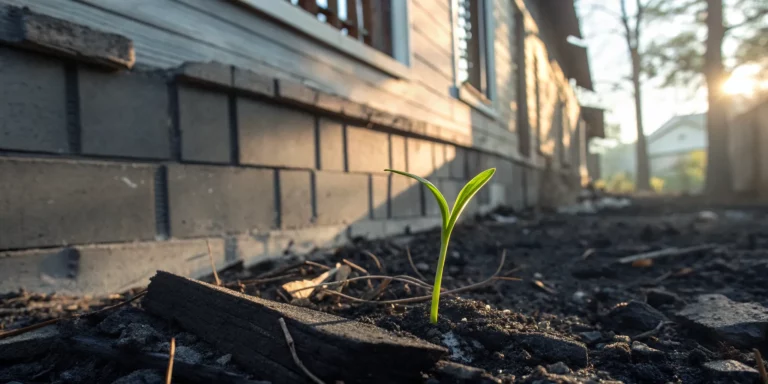
A house fire is more than just a single, devastating event; it’s the beginning of a long and emotionally draining journey. The path to recovery involves not only dealing with the physical damage but also managing the immense stress and grief that follows. While you navigate insurance adjusters and contractors, it’s crucial to protect your own well-being. This guide addresses both the practical and emotional sides of recovery. Understanding what to do after fire at home is about taking care of your property and, more importantly, taking care of yourself and your family as you begin to heal and rebuild your life.
Key Takeaways
- Prioritize Safety and Secure the Property: Before dealing with the damage, confirm everyone’s safety, wait for official clearance to enter, and then protect your home from further issues by boarding up openings and shutting off utilities.
- Build a Strong Insurance Claim with Detailed Proof: A smooth settlement depends on solid documentation. Methodically photograph all damage, create an itemized list of lost possessions, and keep every single receipt for related expenses.
- Evaluate Your Options Based on Your Well-Being: The decision to repair or sell is personal. Honestly assess the time, cost, and emotional toll of rebuilding versus the simplicity of a fast, as-is sale to find the right path for your recovery.
What to Do Right After a House Fire
The moments after a house fire are a blur of shock and confusion. It’s hard to know what to do first when your mind is racing. Take a deep breath. Your focus right now is on safety and taking a few critical first steps. This isn’t the time to think about the future or the damage; it’s about handling the immediate aftermath safely and methodically. Here’s a simple, step-by-step guide to help you through these first crucial hours.
Account for Everyone’s Safety
Your absolute top priority is making sure everyone, including your pets, is safe and accounted for. Once you are a safe distance from the home, do a physical headcount of every family member. Pets often get scared and hide, so be sure to call for them. If anyone is missing, inform first responders immediately. Don’t try to go back inside for anyone or anything. Your safety, and the safety of your loved ones, is the only thing that matters right now. Everything else can be dealt with later.
Wait for the All-Clear to Re-Enter
The urge to check on your belongings is understandable, but you must resist it. Never re-enter your home until the fire department says it’s safe. A fire leaves behind hidden dangers like toxic fumes, weak floors, and exposed electrical wires. The professionals on site are trained to assess these risks. Waiting for their official all-clear protects you from serious injury. Trust their expertise and stay outside until they give you permission. Your safety is far more valuable than any possession.
Contact Emergency Services
Even if fire trucks are on the scene, call 911 from a safe distance to ensure authorities have your contact information. After that, call close family or friends to let them know you’re safe. You’ll also need to contact your insurance company as soon as possible to start the claims process. The American Red Cross is another excellent resource; they can provide immediate help with temporary housing, food, and other essentials you might need in the first 24-48 hours.
Shut Off Utilities to Prevent More Damage
If it’s safe, turn off the gas, water, and electricity to your home to prevent more damage. Water from fire hoses can mix with live electricity, and damaged gas lines can leak. However, do not put yourself at risk. If you’re unsure where the shut-off valves are or if the area is unsafe, leave it to the professionals. The fire department or your utility company can handle this for you. Preventing further issues is important, but it should never come at the expense of your well-being.
How to Document Damage for Your Insurance Claim
After the initial shock of a house fire, your focus will shift to the insurance claim. This process can feel daunting, but solid documentation is your best tool for a fair and smooth settlement. Think of yourself as a detective building a case—the more evidence you gather, the stronger your claim will be. Keeping everything organized from the start will save you headaches later and help ensure you get the compensation you need to move forward. It’s a methodical process, but taking it one step at a time makes it manageable. Your goal is to create a clear, undeniable record of your losses for the insurance company.
Photograph and Video Everything
Before you touch or move anything, grab your phone and start documenting. Take more photos and videos than you think you’ll need. Capture wide shots of every room from different angles, then zoom in on specific damages to appliances, furniture, walls, and personal items. Open cabinets and closets to show what’s inside. This visual proof is powerful and helps your insurance adjuster understand the full scope of the damage. Creating a dedicated digital folder for all your photos and videos will keep this crucial evidence organized and easy to share. Failing to document properly is one of the most common fire damage claim mistakes homeowners make, so be thorough.
List All Damaged Belongings
This is tedious, but it’s absolutely essential. Go room by room and create a detailed inventory of every single item that was damaged or destroyed. For each item, write down a description, where you bought it, how old it was, and what you think it would cost to replace it. Don’t throw anything away until your insurance adjuster has seen it or you’ve documented it completely. It’s easy to forget small things, but they add up. This detailed list will be the foundation of your personal property claim, and taking the time to do it right can significantly impact your final settlement.
Get a Copy of the Fire Report
The official fire report is a key piece of evidence for your claim. You can get a copy from the local fire department that responded to the call. This document provides an official account of the incident, including the date, time, and potential cause of the fire. Your insurance company will want to see this report as part of their investigation. Having your own copy helps you stay informed and ensures you have the same information your insurer is working with. It’s a straightforward step that adds a layer of official validation to support your insurance claim.
Save Every Receipt
From this point forward, track every single expense related to the fire. This includes costs for temporary housing, meals, new clothes, toiletries, and any supplies you buy for cleanup or securing your property. Keep all your receipts in a safe place, like a dedicated folder or envelope. These expenses, often called “loss of use” or “additional living expenses,” may be reimbursable under your policy. Without receipts, it’s nearly impossible to prove these costs, and you could miss out on significant reimbursement. Missing paperwork is a common reason claims get delayed or denied, so make this a priority.
Talk to Your Insurance Adjuster
Keep the lines of communication open with your insurance adjuster. Don’t be afraid to ask questions and clarify anything you don’t understand about the claims process. It’s a good idea to keep a log of every conversation, noting the date, time, and what was discussed. Regular communication ensures everyone is on the same page and can help move your claim along more efficiently. Being proactive and organized shows the insurance company you’re serious about your claim and helps you stay in control of the process.
Staying Safe During Fire Cleanup
After a fire, your first instinct might be to rush in and start salvaging what you can. It’s completely understandable to want to reclaim your space and belongings, but your safety has to be the top priority. A fire-damaged home is filled with hidden hazards, from compromised structural integrity to toxic soot and airborne particles. Before you even think about cleanup, you need to understand the risks involved.
Navigating the aftermath is physically and emotionally taxing. The cleanup process itself can be dangerous and overwhelming, often requiring specialized knowledge and equipment. Protecting your health during this time is non-negotiable. Taking the right precautions will ensure you don’t face additional harm while figuring out your next steps. Remember, your well-being is more valuable than any possession.
Use the Right Safety Gear
If you’ve been given the all-clear to enter your home, you must wear the proper protective gear. Don’t go in with just your everyday clothes and shoes. At a minimum, you’ll need an N95 respirator mask to protect your lungs from inhaling soot and other toxic particles. You should also wear safety glasses, gloves, long sleeves, and long pants to prevent skin contact with hazardous materials. Sturdy, closed-toe shoes, preferably steel-toed boots, are essential to protect your feet from nails, broken glass, and other sharp debris hidden underfoot. The U.S. Fire Administration provides a helpful checklist for re-entering your home safely.
Avoid Contaminated Food and Water
Be extremely cautious with any food or water left in the home. The heat from the fire, smoke, and chemicals used to extinguish it can contaminate everything, even canned or sealed goods. Food that looks, smells, or tastes off should be thrown away immediately—and when in doubt, throw it out. Reheating food will not kill the toxins. Similarly, your home’s water supply could be contaminated. Don’t use tap water for drinking, cooking, washing dishes, or even bathing until you’ve had it professionally tested and deemed safe.
Handle Ash and Debris with Care
The ash and debris left behind by a fire are not the same as what you’d find in a fireplace. They are a complex mixture of materials, including chemicals, melted plastics, and other toxic substances that can be harmful if touched or inhaled. Always wear gloves and protective clothing when handling any fire-related debris. Because of the hazardous nature of these materials, it’s often best to leave the major cleanup to professionals who are trained to handle them safely. They have the right equipment to dispose of everything according to local regulations.
Keep the Area Well-Ventilated
If you are spending any time inside the property, ventilation is key. Open up all the windows and doors you safely can to allow fresh air to circulate. This helps to clear out some of the lingering smoke, soot, and unpleasant odors, which can improve the air quality inside. While ventilation won’t remove all the microscopic particles that can embed themselves in walls and furniture, it’s a crucial first step to make the environment less hazardous for short periods. Using fans can also help push the contaminated air out.
Know When to Call a Pro
While it’s tempting to tackle the cleanup yourself to save money, fire restoration is a complex and dangerous job. Professionals have the industrial-grade equipment and specialized training to safely remove soot, smoke, and water damage without causing further harm to your property or your health. They can also identify structural issues that aren’t visible to the naked eye. If the damage is extensive, the cost and effort of cleanup can be staggering. It’s at this point that many homeowners explore an alternative to handling the cleanup yourself, like selling the property as-is.
How to Secure Your Property
After the fire department leaves, your property is unfortunately vulnerable. Taking steps to secure it right away is one of the most important things you can do to prevent further problems. An unsecured home is exposed to everything from bad weather to theft, which can lead to more damage and complicate your insurance claim. It’s a tough task to face when you’re already dealing with so much, but these actions protect what’s left of your home and your belongings. Think of it as putting a protective layer around your property while you figure out your next steps. This process involves physically securing the building, ensuring it’s structurally sound before anyone enters, and making sure the right people know it’s unoccupied. We’ll walk through the essential actions you need to take to safeguard your home from additional harm.
Board Up Windows and Doors
Your first physical task is to seal any openings. A fire can leave behind broken windows, damaged doors, and even holes in the roof or walls. You’ll want to cover these as soon as possible. Use plywood to board up windows and secure any doors that won’t lock properly. For larger gaps, especially on the roof, heavy-duty tarps can provide a temporary shield against rain and wind. This simple but crucial step helps protect your property from the elements and shows that the property is not abandoned, which can deter potential trespassers. It’s a foundational part of securing the site.
Protect Your Home from Weather and Theft
Once you’ve boarded up openings, you’ve already taken a big step toward protecting your home. A fire-damaged house can unfortunately attract unwanted attention, from vandals to thieves looking for an easy target. By making the property difficult to enter, you significantly reduce this risk. Beyond security, you’re also defending against secondary damage. Water from a rainstorm getting into a burned structure can lead to serious mold problems and weaken the frame even further. Taking these protective measures helps preserve the value of your property, which is especially important as you begin the insurance process or consider your options for selling.
Get a Professional Structural Check
Please, do not re-enter your home until you get the all-clear from a professional. Even if it looks stable, a fire can severely compromise the structural integrity of floors, walls, and the roof. It is simply not safe to walk through the property. You’ll need to hire a qualified expert, like a structural engineer or a licensed contractor specializing in fire restoration, to perform a thorough assessment. They can identify hidden dangers and tell you which areas, if any, are safe to enter. This professional assessment is a non-negotiable safety step and is often required by your insurance company before they’ll proceed with your claim.
Notify Local Authorities
After the fire is out, it’s wise to let your local police department know that the property will be vacant and is unsecured. You can request that they do occasional drive-by patrols, which can be a powerful deterrent against trespassing and theft. This official notification creates a record that you are taking responsible steps to secure your property. It also provides an important layer of documentation that can be helpful when you file an insurance claim. A quick phone call is all it takes, and it adds another level of security while you can’t be there yourself.
Manage Utilities to Prevent Water Damage
If the fire department hasn’t already done so, you need to shut off all your home’s utilities immediately. A fire can easily damage electrical wiring, gas lines, and water pipes, creating new hazards. Live wires can spark another fire, a broken gas line can cause an explosion, and a burst pipe can flood your home, leading to extensive water damage on top of everything else. Contact your gas, electric, and water companies and ask them to shut off service at the source. This is a critical step to prevent further damage and ensure the property is safe for anyone who may need to access it, like inspectors or contractors.
Supporting Your Emotional Recovery After a Fire
After a house fire, the immediate focus is on safety, shelter, and logistics. But the emotional impact can be just as significant and often lasts much longer. You’ve lost more than a building; you’ve lost a home filled with memories and a sense of security. Taking care of your mental and emotional well-being is a critical part of the recovery process. While you figure out what to do with your property, remember to make space for your own healing. The path forward isn’t always clear, but there are steps you can take to support yourself and your family through this difficult time.
Give Yourself Time to Process
It’s completely normal to feel a mix of emotions after a fire—shock, anger, sadness, and even numbness. Don’t rush yourself through these feelings. The American Psychological Association notes that recovering emotionally takes time, and there’s no set schedule for healing. Be patient and gentle with yourself as you work through the grief of what you’ve lost. Trying to manage insurance claims and decisions about your home adds another layer of stress. That’s why our process is designed to be as simple as possible, so you can focus on what truly matters: your family’s recovery.
Find a New Normal and Talk Openly
You don’t have to go through this alone. Talking about your experience with family and friends can be incredibly helpful. Sharing your feelings allows everyone to process the event together and support one another. As you start to piece things back together, focus on creating new routines. Establishing a sense of normalcy, even with small, consistent activities, can help restore a feeling of stability and control in a situation that feels anything but. This shared journey, though difficult, can strengthen your connections and help everyone adjust to the changes.
Consider Professional Counseling
If your feelings of distress, anxiety, or hopelessness feel overwhelming and don’t seem to fade over time, seeking professional help is a sign of strength. A licensed therapist or counselor experienced in trauma can provide you with specific tools and a safe space to work through your emotions. They can offer guidance tailored to your unique situation, helping you develop coping strategies for the road ahead. You wouldn’t hesitate to see a doctor for a physical injury, and your mental health deserves the same care and attention.
Lean on Your Community and Support Groups
Connecting with others who have been through a house fire can be a powerful source of comfort. Support groups, whether in-person or online, offer a unique space where you can share your story with people who truly understand what you’re experiencing. They can offer practical advice, emotional validation, and the reassuring knowledge that you aren’t alone. Local community organizations and resources like After the Fire Washington can also provide invaluable mental and emotional support to help you and your family heal.
Help Your Kids Cope
Children can be especially vulnerable after a traumatic event like a house fire. They may struggle to understand what happened and express their feelings. Your main role is to reassure them of their safety and create an environment where they feel comfortable talking. Answer their questions honestly in an age-appropriate way and let them know that whatever they’re feeling is okay. Maintaining familiar routines as much as possible, like regular mealtimes and bedtimes, can provide a comforting sense of predictability and security while they adjust.
What Are Your Options for Moving Forward?
After the initial shock wears off, you’ll face a major decision: what to do with your property. This choice is deeply personal and depends entirely on your financial situation, timeline, and emotional capacity. There’s no one-size-fits-all answer, but understanding your main paths forward can bring a sense of control back into your life. Let’s walk through the two primary options you have for your fire-damaged home.
Option 1: Repair and Sell on the Market
One route is to repair the damage and sell your home through a traditional real estate agent. This path often involves a long and complex process, starting with hiring contractors, navigating building permits, and overseeing extensive renovations. While you might get a higher sale price in the end, it requires a significant upfront investment of time, money, and energy. You’ll be managing a major construction project while also dealing with the emotional aftermath of the fire. If you have excellent insurance coverage, plenty of time, and the resilience to manage a lengthy project, this could be a viable choice.
Option 2: Sell As-Is to a Cash Buyer (Like Us)
If the thought of repairs feels overwhelming, you have another choice: selling your property as-is to a cash buyer. This option allows you to bypass the entire renovation process. You don’t have to hire contractors, clean up the debris, or even list the home with an agent. Companies like ours specialize in buying fire-damaged properties, giving you a fair cash offer so you can close quickly and move on. You can learn more about how our process works and see how simple it can be to get a fresh start without the stress of repairs and showings.
Consider Your Timeline and Finances
Your decision will largely hinge on your personal timeline and financial standing. Start by asking yourself a few key questions: How quickly do you need to access the funds from your home? Do you have the savings to cover repairs while waiting for an insurance payout? Remember, insurance claims can take months to process, and repairs often cost more than initially estimated. Be realistic about what you can handle. If you need to relocate quickly or can’t afford a lengthy and expensive renovation, a fast cash sale might align better with your immediate needs.
Choose the Best Path for You
Ultimately, the best path forward is the one that supports your well-being. A house fire is an incredibly stressful event, and it’s okay to choose the option that reduces your burden. Take time to weigh the potential financial outcomes against the emotional and mental costs of each choice. For many, the peace of mind that comes with a quick, guaranteed sale is worth more than the potential for a higher price tag down the road. We created our company to provide a compassionate, straightforward solution for homeowners in exactly this situation, helping you close one chapter and begin the next.
Related Articles
- What to do after a house fire: Ultimate 2025 Survival Guide
- 8 Steps After a House Fire With No Insurance
- Is It Safe to Stay in a House After a Fire?
- Post-Fire Recovery & Resources
- What to do if your house burns down: 5 Immediate Steps
Frequently Asked Questions
Who should I call first after a fire, besides 911? Once you and your family are safe, your first calls should be to your support system—close family or friends who can help you in these initial hours. After that, contact your insurance company to get the claims process started immediately. It’s also a great idea to call the American Red Cross, as they can provide immediate assistance with essentials like temporary housing, food, and clothing.
Can I start cleaning up the damage myself to save money? While the desire to start cleaning is understandable, it’s strongly advised against. A fire-damaged home contains hidden dangers, including toxic soot, compromised structural beams, and hazardous materials that require special handling. Attempting a DIY cleanup without proper training and industrial-grade safety gear can pose serious health risks. It’s safer to leave this work to certified professionals or to consider an option that lets you bypass the cleanup process entirely.
What if my insurance settlement doesn’t cover all the repair costs? This is a common and stressful situation. Repair costs often exceed initial estimates, and insurance payouts can sometimes fall short, leaving you with a significant financial gap. When this happens, you face a choice: take on debt to cover the remaining repairs or explore other options. Selling the property as-is allows you to get cash for your home without having to pay for any repairs out of pocket.
How long does it typically take to recover from a house fire? The timeline varies greatly depending on the path you choose. If you decide to repair and rebuild, the process can easily take many months or even more than a year. This includes waiting for insurance settlements, getting permits, and the actual construction time. Alternatively, selling your home as-is to a cash buyer can be completed in as little as a week, allowing you to move forward much more quickly.
Do I need to make any repairs before selling my fire-damaged house? Absolutely not, if you sell to a cash buyer. The entire point of this option is to relieve you of that burden. Companies that specialize in buying fire-damaged properties, like us, purchase homes in their exact current condition. You don’t have to fix, clean, or clear out anything. We assess the damage and make you an offer, allowing you to sell the property without any additional investment of time or money.