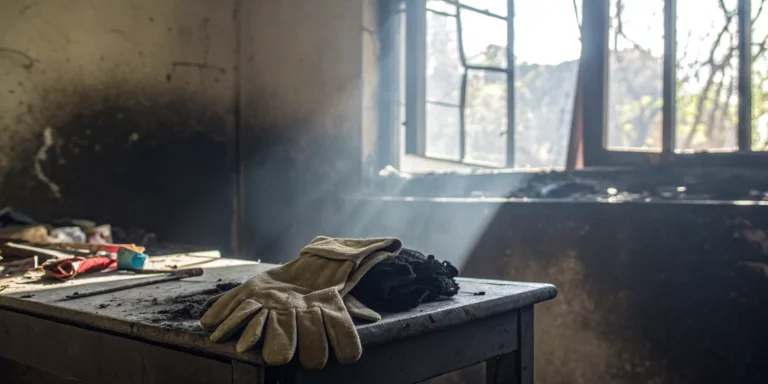
Standing in your home after a fire, it’s hard to know where to even begin. The visible char and soot are obvious, but the real danger often lies in the invisible particles that have settled on everything you own. Smoke isn’t just a bad smell; it’s a toxic residue that can compromise your health long after the fire is out. That’s why knowing what to throw away after smoke damage is the most critical first step you can take. This isn’t about decluttering—it’s about protecting your well-being. This guide will help you identify the hidden hazards in everyday items so you can make safe, informed choices.
Key Takeaways
- Your Health Comes First: The invisible toxins in smoke and soot are more dangerous than the visible damage. For your safety, immediately discard all food, medications, and personal care products, as they can be contaminated even if they look fine.
- Be Ruthless with Soft Materials: Porous items like furniture, mattresses, rugs, and clothing are experts at trapping toxic smoke particles deep within their fibers. Even professional cleaning can’t always make them safe, so letting them go is the smartest choice for a healthy home.
- Photograph Everything Before You Toss It: Your insurance claim depends on proof of loss. Before discarding any item, take clear photos and create a detailed list of what was damaged. This documentation is crucial for ensuring you receive the compensation you need to recover.
What’s Most Vulnerable to Smoke Damage?
After a fire, your eyes naturally go to the charred and burned areas, but the invisible damage is often more extensive and difficult to handle. Smoke is the real traveler in a house fire. It’s a complex mixture of tiny, unburned particles and hot gases that can float through your HVAC system, find its way into closets, and settle on everything you own. The biggest problem is that some materials are far more vulnerable than others, acting like sponges that soak up soot and stubborn odors, making them nearly impossible to truly clean.
Figuring out what’s most susceptible to smoke damage is a critical first step in your cleanup process. This isn’t just about getting rid of a bad smell; it’s about protecting your health from lingering toxins and making sound decisions for a safe recovery. Some items might look fine on the outside, but they can hold onto harmful contaminants that off-gas for months. Knowing what to look for will help you create a clear plan, saving you time, money, and the frustration of trying to salvage items that are better off replaced. It’s about prioritizing your well-being as you move forward.
Porous Materials
Think of porous materials as anything with tiny, microscopic holes that can trap smoke particles. This includes items like unfinished wood, drywall, insulation, carpeting, and even some plastics. Because of their structure, these materials absorb soot and odors deep within, where they can’t be easily wiped away. Many items exposed to smoke can absorb harmful chemicals and contaminants that linger long after the fire. Even if an item looks clean on the surface, it can continue to release unpleasant odors and potentially toxic compounds into the air, affecting your home’s air quality. This is why professional restorers often have to remove and replace things like drywall and insulation entirely.
Electronics and Appliances
Your electronics and appliances are particularly vulnerable to the corrosive nature of smoke and soot. The fine, acidic particles can easily get inside vents and casings, settling on delicate internal components like circuit boards and wiring. This can lead to short circuits, overheating, and eventual failure. More importantly, attempting to use smoke-damaged electronics can be dangerous. The internal damage isn’t always visible, and plugging in a compromised device could cause electric shocks or even spark another fire. For things like your TV, computer, microwave, and other gadgets, it’s often safer to replace them than to risk a future malfunction.
Furniture and Fabrics
Upholstered furniture, mattresses, curtains, rugs, and clothing are some of the hardest-hit items when it comes to smoke damage. Soft materials are experts at trapping odors and microscopic soot particles. Even if a sofa or your favorite sweater doesn’t have any visible burns, the smell can be incredibly persistent. These items can absorb smoke smells and harmful particles that are nearly impossible to wash out completely, no matter how many cleaning methods you try. Sleeping on a smoke-damaged mattress or wearing clothes that have absorbed toxins can lead to respiratory irritation and other health issues. In most cases, it’s best to dispose of these items for your own peace of mind and well-being.
Is Your Food Safe to Eat After a Fire?
After a fire, it’s natural to want to save whatever you can, and your pantry might seem like an easy win. But when it comes to food, safety has to be your top priority. The heat, smoke, and chemicals used to fight the fire can contaminate food in ways you can’t always see, smell, or taste. Even items that look perfectly fine on the outside can pose a serious health risk. The best rule of thumb is simple: when in doubt, throw it out. It’s just not worth the risk to your health.
Unsealed vs. Sealed Foods
Let’s start with the obvious culprits. You’ll need to throw away all food that was exposed to the fire, including anything in opened containers or soft packaging. This means tossing out items in cardboard boxes, plastic bags, or screw-top jars. Think cereal, pasta, rice, chips, and spices. Smoke, soot, and chemical fumes can easily penetrate these types of packaging, contaminating the food inside. Even if a box looks clean, the contents could be compromised. Following disaster food safety guidelines is the only way to ensure you and your family stay healthy during this stressful time.
The Risk with Canned Goods
You might think canned goods are indestructible, but they are surprisingly vulnerable in a fire. Even food in sealed cans or jars should be thrown out if it was near the fire’s heat. The intense heat can activate food spoilage bacteria, essentially cooking the food inside the can and making it unsafe. High temperatures can also damage the can’s seal, creating tiny openings that allow toxic fumes and other contaminants to get in. If a can is bulging, dented, or rusted from the firefighting efforts, it’s definitely a goner. Don’t take a chance on canned goods that have been exposed to extreme conditions.
Why Perishables Must Go
Your refrigerator and freezer are not safe havens for food during a fire. If the power went out, you must discard anything that was in the temperature danger zone—above 40°F—for more than two hours. Without a thermometer, it’s impossible to know for sure, so it’s safest to clear it all out. Beyond power loss, the fridge itself can be contaminated. If you open the door and it smells smoky or you see soot inside, everything must go. Smoke particles can easily circulate within the appliance and settle on your food, making it unsafe to consume.
Handling Personal Care Items After Smoke Exposure
After a fire, it’s easy to focus on the big things like furniture and electronics, but the small items in your bathroom and on your vanity deserve just as much attention. Personal care products can be easily compromised by heat, smoke, and soot. Since these are items you apply directly to your skin or ingest, being cautious is non-negotiable. Smoke isn’t just dust; it’s a toxic mix of particles and chemicals that can seep into containers and contaminate the products inside. Even if something looks salvageable, it might pose a health risk. When sorting through these items, the safest rule is almost always: when in doubt, throw it out. Your well-being is worth more than a half-used bottle of lotion.
Cosmetics and Makeup
It’s best to say goodbye to any makeup that was exposed to smoke or high heat. Porous powders, sponges, and brushes can trap microscopic soot particles, which you definitely don’t want near your eyes or on your skin. Heat can also alter the chemical formula of liquid foundations, creams, and lipsticks, potentially causing skin irritation or breakouts. Experts advise that “smoke can get into makeup, and heat can change how medicines work. It’s safest to throw them all out and get new ones.” Even if a product is in a sealed container, the plastic itself can absorb toxic odors and chemicals. Replacing your makeup collection is a frustrating expense, but it’s a necessary step to protect your skin’s health.
Medications and Vitamins
This is one area where you can’t take any chances. The effectiveness and safety of medications, vitamins, and supplements can be seriously compromised by heat and smoke. High temperatures can degrade active ingredients, making your medicine less effective or even harmful. You should immediately discard any medications—prescription or over-the-counter—that show any signs of damage. This includes pills or bottles that are warped, charred, or covered in soot or fire extinguisher dust. The U.S. Food & Drug Administration (FDA) provides clear guidance on this, emphasizing that drugs exposed to heat or unsafe water may be unsafe to use. Don’t risk it; contact your doctor or pharmacist for replacements.
Everyday Toiletries
Your daily-use items like shampoo, conditioner, lotion, toothpaste, and soap also need a careful inspection. Plastic bottles and tubes are permeable, meaning they can absorb the chemical odors from smoke, which can then leach into the product inside. Squeezing a bottle can also release trapped soot particles. Check every item in your medicine cabinet and shower. If you see any soot, charring, or heat warping on the packaging, it’s time to toss it. While a sealed glass jar might seem safe, carefully inspect the lid for a proper seal and any signs of contamination before deciding to keep it. Your peace of mind and safety are the most important factors here.
Clothing and Textiles: Can They Be Saved?
Sorting through clothes, bedding, and other fabrics after a fire can be heartbreaking. These items are personal, and it’s natural to want to save as much as you can. However, textiles are porous, meaning they act like sponges for smoke, soot, and the toxic chemicals they carry. Even if an item looks clean, it can hold onto harmful particles and persistent odors that are difficult, if not impossible, to remove completely.
Your family’s health has to be the top priority. While some items might be salvageable with professional cleaning, many will need to be discarded for safety. It’s a tough process, but making informed decisions will protect you from lingering health risks. The key is to carefully assess each item for visible damage and hidden dangers, like trapped odors, before deciding what to keep. We’ll walk through how to make those calls, so you can feel confident about what stays and what goes.
Assessing Damage and Lingering Odors
Your first step is a simple visual inspection. Anything with obvious burn marks or charring is a lost cause and should be thrown out immediately. For items that only seem affected by smoke, your nose is your best guide. Smoke odor isn’t just unpleasant; it’s a clear sign that harmful particles are still trapped in the fibers. If you’ve tried washing an item and it still smells smoky, it’s safest to let it go. That lingering smell indicates that the fabric hasn’t been fully decontaminated, and it’s not worth the risk to keep it in your home or wear it against your skin.
When to Clean vs. When to Toss
The line between what can be cleaned and what should be tossed is all about the level of damage. As a rule, anything that was directly burned must be discarded. Items that were heavily saturated with smoke and soot, like bedding, rugs, and upholstered furniture, are also extremely difficult to salvage and are often best thrown away. For lightly affected clothing, you might consider consulting with a professional restoration cleaner that specializes in fire damage. They use specific techniques to remove soot and odors, but even they can’t guarantee success. If you’re on the fence, it’s usually safer to err on the side of caution and dispose of the item.
Special Considerations for Children’s Items
When it comes to your kids, there is no room for compromise. Children are more vulnerable to the toxic chemicals found in soot and smoke residue. For their safety, you should discard all fabric or plastic items they use, even if they don’t look damaged. This includes clothing, stuffed animals, car seats, and strollers. These materials are highly absorbent and can hold onto invisible toxins that could irritate their skin or respiratory systems. It’s a difficult but necessary step to protect their health. Starting fresh with new, clean items is the only way to ensure they aren’t exposed to any lingering dangers.
The Hidden Health Risks of Smoke-Damaged Items
After a fire, it’s natural to focus on the visible destruction, but some of the most significant dangers are the ones you can’t see. Smoke doesn’t just stain walls; it carries toxic chemicals from burned materials that settle on every surface, creating a hazardous environment. These residues can pose serious health risks to you and your family. Deciding what to keep isn’t just about salvaging possessions—it’s about protecting your well-being. Understanding these hidden risks is the first step in making safe, clear-headed decisions for your household.
Lingering Toxins and Respiratory Issues
The soot and particles left by a fire are a mix of chemicals from burning plastics, fabrics, and wood. These microscopic particles can be inhaled deep into your lungs, causing irritation and long-term damage. Discarding damaged items is crucial for preventing health risks like respiratory issues and toxic exposure. Contaminated items can harbor harmful chemicals that pose serious health risks long after the fire is out. Exposure can lead to coughing, bronchitis, and can worsen conditions like asthma. Your health is the top priority, and removing these sources of contamination is non-negotiable.
Skin Irritation and Allergies
The danger of smoke damage isn’t always obvious. Some items, like furniture, may not appear damaged but can still release harmful particles that cause skin irritation and exacerbate allergies. Simply touching a surface covered in fine soot can transfer acidic residues to your skin, leading to rashes or itching. For those with sensitive skin or pre-existing conditions like eczema, this exposure can trigger significant flare-ups. These lingering particles can also become airborne again, aggravating allergy symptoms for anyone in the home. It’s an invisible threat that makes the space unsafe until a thorough cleanup is complete.
Invisible Dangers in Everyday Objects
Unlike visible fire damage, smoke seeps into every nook and cranny, leaving behind toxic residues and odors. Porous items are especially vulnerable—think sofas, mattresses, and carpets. They act like sponges, absorbing smoke deep into their fibers. Even items in drawers or closets may seem unaffected but can still contain harmful smoke particles that off-gas over time. That persistent smoky smell is more than an annoyance; it’s a clear sign that dangerous chemicals are still present. The only way to truly eliminate the risk is by removing the contaminated items.
Household Items You Should Always Discard
After a fire, one of the most heartbreaking tasks is sorting through your belongings. It’s tempting to try and save everything you can, but some items are simply too damaged or dangerous to keep. Your safety, and your family’s, has to come first. Smoke and soot don’t just stain surfaces; they contain toxic chemicals that can seep into everyday objects, posing long-term health risks. Deciding what to discard is a critical step in making your home safe again.
Certain materials act like sponges for smoke, while others can be damaged in ways that aren’t visible. Electronics can short-circuit, paper goods can hold onto harmful particles, and even your cleaning supplies can become compromised. It’s about more than just getting rid of a smoky smell; it’s about removing potential hazards from your environment. This process can feel completely overwhelming, especially when you’re already dealing with so much. If you’re looking at the sheer volume of what needs to be done and feel like you can’t face it, know that you have options. For some, the best path forward is a fresh start, which can mean selling the property as-is. Our entire process is designed to help homeowners in exactly this situation. But if you’re ready to tackle the cleanup, let’s start with the items that should be at the top of your disposal list for safety reasons.
Computers and Small Electronics
Your laptop, television, and other small electronics are particularly vulnerable in a fire. Even if they weren’t touched by flames, the heat, smoke, and soot can cause irreversible damage to their delicate internal components. Soot is corrosive and conductive, meaning it can eat away at circuits and cause them to short out. Attempting to use a fire-damaged electronic device is a serious risk; it could lead to an electric shock or even spark another fire. For your safety, it’s best to assume that any electronics exposed to significant smoke or heat are a total loss. It’s not worth the danger to try and salvage them. Properly recycling these items is the safest next step.
Paper, Books, and Important Documents
Paper goods like books, magazines, and photo albums are extremely porous, and they absorb smoke and soot like a sponge. The odor can become permanently embedded, and the fine particles of soot can be nearly impossible to remove completely. These particles can carry toxins that you don’t want lingering in your home. While you might be tempted to save a favorite book collection, the reality is that most paper items will need to be thrown away. For truly irreplaceable items like birth certificates or legal papers, you might consider contacting a professional restoration service that specializes in document recovery. For everything else, letting go is the safest choice.
Contaminated Cleaning Supplies
It might seem counterintuitive, but the cleaning supplies under your sink are likely unusable after a fire. The intense heat can change their chemical composition, making them ineffective or, worse, hazardous. Furthermore, if the containers were compromised, the contents could be contaminated with soot and other toxic byproducts from the fire. Using these products would do more harm than good, potentially spreading harmful chemicals around your home instead of cleaning it. To be safe, you should discard any cleaning supplies that were in the vicinity of the fire. Check with your local waste management service for guidance on how to dispose of household chemicals safely.
Deciding What to Do with Sentimental Belongings
Sorting through your belongings after a fire is one of the most emotionally draining parts of the process. You’ll find items that trigger powerful memories, and the instinct is to save everything. But when it comes to smoke damage, what feels right isn’t always what’s safe for your health. This is the time to be gentle with yourself but also practical. Your goal is to create a safe environment for your future, and that means making some difficult choices about the things you hold dear. It’s a balancing act between preserving memories and protecting your well-being.
Balancing Sentimental Value with Safety
It’s heartbreaking, but your family’s health has to be the top priority. Smoke doesn’t just leave a bad smell; it carries toxic chemicals that seep deep into porous materials. These lingering residues can pose serious health risks, especially for children and anyone with respiratory issues. While it’s tempting to hold onto a favorite blanket or a child’s beloved stuffed animal, these items can harbor invisible dangers. You have to weigh the sentimental attachment against the potential for long-term harm. Thinking of it this way can make it a little easier to let go of things that can’t be safely cleaned.
Exploring Professional Restoration
For those truly irreplaceable items—like wedding photos or family heirlooms—don’t give up hope just yet. Before you decide to throw something away, consider getting an opinion from a professional restoration service. These experts have specialized equipment and techniques that go far beyond what you can do at home. They can accurately assess what’s salvageable and use methods to remove soot and smoke residue safely. While it’s an added expense, professional restoration can sometimes save the things that mean the most, ensuring they are safe to bring into your new space.
Making the Tough Call on Irreplaceable Items
Unfortunately, some items are almost impossible to salvage after significant smoke exposure. Porous materials are the biggest culprits. Things like mattresses, pillows, upholstered furniture, and carpets often have to go, as smoke particles get trapped too deeply within the fibers. It’s a tough pill to swallow, but making the call to dispose of these items is a necessary step for your safety. A helpful tip: take photos of these sentimental pieces before you let them go. This way, you can keep the memory without keeping the risk.
How to Safely Clear Out Damaged Belongings
Going through your home after a fire is one of the hardest things you’ll ever have to do. It’s physically and emotionally draining to sort through what’s left. But before you start, it’s important to have a plan to keep yourself safe and protect your insurance claim. Think of this as your step-by-step guide to clearing out damaged belongings safely and methodically.
Your Safety Checklist for Cleanup
Before you even think about what to keep or toss, your personal safety comes first. Soot and ash contain toxic particles that can be harmful if inhaled or absorbed through your skin. Always wear personal protective equipment (PPE), including an N95 respirator mask, heavy-duty gloves, long-sleeved shirts, pants, and sturdy, closed-toe shoes. After a fire, it’s crucial to protect your health by immediately getting rid of items that could be dangerous. Don’t try to salvage things that are heavily charred or soaked with water from firefighting efforts, as they can harbor mold and other hazards. Your well-being is the top priority during this process.
How to Dispose of Items Correctly
When it comes to smoke damage, some items are simply not safe to keep. You’ll need to throw away all food that was in the house, even if it was in a can or a sealed package. Smoke particles are tiny and can easily penetrate packaging, making the food unsafe to eat. The same rule applies to porous materials. You should plan on discarding most fabrics, including clothing, linens, carpets, rugs, and upholstered furniture. These items absorb soot and odors deep within their fibers, and it’s nearly impossible to clean them completely. It’s a tough process, but proper smoke damage remediation starts with removing these contaminated items from your home.
Documenting Everything for Your Insurance Claim
Before you throw anything away, stop and document it. This step is absolutely essential for your insurance claim. Go room by room and take clear photos or videos of all the damaged items. Create a detailed inventory list, noting the item, its brand (if you know it), its approximate age, and what you originally paid for it. This detailed record is your proof of loss. Insurance adjusters need this information to process your claim and determine your settlement. Keeping a thorough inventory of your damaged property will make the claims process smoother and help ensure you get the compensation you need to replace what you’ve lost.
What Can You Realistically Clean and Restore?
After a fire, one of the most daunting tasks is figuring out what can be saved. You’ll find yourself sorting through belongings, wondering if that smoke smell will ever come out of your favorite armchair or if your electronics are salvageable. While it’s tempting to try and save everything, it’s important to be realistic about what can be safely cleaned and what’s better left behind. The truth is, some items may look fine on the surface but can hold onto harmful toxins and persistent odors that standard cleaning just can’t touch.
Deciding what to restore is a balancing act between sentimental value, cost, and safety. Some things, like clothing and hard-surfaced furniture, often respond well to thorough cleaning. However, porous materials, electronics, and items with deep-seated smoke damage may be impossible to fully restore. It’s a tough process, and it’s okay to feel overwhelmed. The key is to approach it methodically. Understanding the limits of cleaning and knowing when to call for professional help can save you time, money, and protect your family’s health in the long run. This guide will help you assess the damage and make practical decisions about what’s truly worth the effort, so you can focus on moving forward.
Methods for Removing Smoke Odor
For items with light smoke exposure, you might have some success with DIY cleaning. Simple household staples can be surprisingly effective. You can try soaking fabrics in a baking soda or vinegar solution before washing them with an odor-eliminating detergent. For hard surfaces, a vinegar and water solution can help cut through soot and neutralize smells. Some people also use activated charcoal to absorb lingering odors in enclosed spaces. While these methods can work for minor issues, they often aren’t enough to handle the pervasive smell left by a significant fire. For deep-seated odors, experts use advanced techniques like ozone treatments and thermal fogging to get smoke out of clothing and other materials.
When to Call in Restoration Professionals
If the smoke and soot damage is widespread, it’s time to call in the experts. Professional restoration services have the training and industrial-grade equipment needed to handle severe contamination safely. They can assess structural integrity, use chemical sponges to remove soot without smearing it, and deploy powerful air scrubbers to purify the air. It’s crucial to hire a company that specializes in fire damage. A general contractor might not understand the specific hazards involved, potentially leading to subpar work that leaves hidden dangers behind. Professionals know how to address not just the visible damage but also the invisible toxins that can compromise your home’s safety.
Knowing When Cleaning Isn’t Worth It
Sometimes, no amount of cleaning can make an item safe to keep. Porous materials like mattresses, upholstered furniture, and carpets can absorb smoke, soot, and toxic chemicals deep within their fibers. Even if the smell fades, these items can release harmful particles into the air over time, posing ongoing health risks. The dangers of smoke damage are often invisible; a piece of furniture might look clean, but it could still be contaminated. When the cost and effort of professional restoration exceed an item’s value, or if there’s any doubt about its safety, letting it go is the smartest choice for your well-being.
When Is It Time to Sell Your Fire-Damaged Home?
After a house fire, the path forward can feel unclear and incredibly stressful. While some homeowners choose to rebuild and restore, that route isn’t for everyone. It’s a long, expensive, and emotionally draining process that requires a huge amount of time and energy. If you’re standing in the aftermath and wondering what to do, know that you have options. Selling your home as-is is a perfectly valid choice, and for many, it’s the most practical one.
Deciding to sell isn’t giving up; it’s choosing a different path to recovery. It’s about prioritizing your well-being and finding the quickest way to move forward. The decision often comes down to a few key factors: the sheer scale of the cleanup, the complexity and cost of repairs, and the deep-seated need for a true fresh start. If the thought of managing a months-long restoration project feels like too much to handle, it’s worth exploring a simpler alternative. Our goal at Fire Damage House Buyer is to provide that alternative, giving you a way to close this chapter with certainty and peace of mind.
If the Cleanup Feels Overwhelming
The emotional weight of sorting through what’s left of your home can be paralyzing. Dealing with smoke and soot damage is a difficult and often heartbreaking task. Professionals say it’s often best to let restoration experts decide what to keep and what to throw away, but even managing that process is a job in itself. You’re not just cleaning up; you’re sifting through memories, making hundreds of small, painful decisions.
If the thought of creating inventories for your insurance claim, coordinating with cleanup crews, and living in a constant state of disruption feels like more than you can bear, it’s a clear sign that selling might be the right move. Choosing to sell allows you to bypass this entire stage. You can simply take the belongings you want and walk away, leaving the rest behind. Our process is designed to be straightforward, letting you focus on your recovery, not the debris.
A Simple Way to Sell Your Home As-Is
Restoring a fire-damaged home isn’t like a typical renovation. It requires specialized knowledge to address structural issues, water damage from firefighting efforts, and pervasive smoke contamination. As experts from United Restorations note, “Choosing a general contractor without specific experience in fire damage restoration can result in subpar work and missed hazards.” Finding qualified, trustworthy contractors can be a challenge, and managing them is another layer of stress. You’ll also have to deal with permits, inspections, and the constant worry of going over budget.
Selling your home as-is eliminates these hurdles completely. You don’t have to interview contractors, get quotes, or oversee a complex construction project. You won’t have to worry about whether the job is done right or if hidden problems will surface later. An as-is sale means you’re selling the property in its current condition, transferring the responsibility of repairs to the buyer. It’s a clean, simple transaction that frees you from the burden of restoration.
How to Get a Fresh Start
Sometimes, the biggest reason to sell is the need to truly move on. A house fire is a traumatic event, and living in a home that constantly reminds you of that experience can make it difficult to heal. Even after extensive repairs, lingering smoke odors or structural quirks can remain. More importantly, there are hidden dangers to consider. According to legal experts at Raizner Slania, “Smoke damage is so dangerous because the extent of the damage isn’t always obvious.” Items that look fine can still pose health risks from invisible toxins.
Selling your property provides the cleanest break possible. It gives you the financial resources to find a new home that feels safe and free from painful memories. A fast, certain cash sale means you’re not left in limbo for months, waiting for a buyer on the traditional market. You can get your money quickly and start your next chapter on your own terms. Hearing from homeowners who have been in your shoes can show you that a fresh start is possible.
Related Articles
- How to Clean Up After a House Fire: A Guide
- What to Do After a Fire at Home: A 6-Step Checklist
- Fire Damage Restoration Near Me: 10 Life-Saving Tips 2025
- 5 Things That Can Be Salvaged After a Fire
Frequently Asked Questions
My electronics look fine on the outside. Are they really unsafe to use? Yes, they are almost certainly unsafe. Even if an electronic device shows no visible burns, the internal components are extremely delicate. Corrosive soot can easily get inside through vents and settle on circuit boards, which can lead to short circuits and failure down the road. Plugging in a compromised device is a serious fire hazard, so it’s always safest to replace any electronics that were exposed to smoke and heat.
What’s the most important rule for food safety after a fire? The simplest and safest rule is: when in doubt, throw it out. You should discard any food that was not in an airtight, sealed container. This includes items in your refrigerator and freezer if the power was out, as well as canned goods that were exposed to high heat. The heat can damage the can’s seal or activate bacteria inside, making the food unsafe even if it looks perfectly normal.
How can I tell if a piece of clothing or furniture is truly clean? Your nose is your most reliable tool. If an item still has a faint smoky smell after you’ve tried to clean it, that’s a clear sign that harmful particles are still trapped deep within the fibers. That lingering odor means the item isn’t fully decontaminated and could continue to release toxins into your air. For your health, it’s best to let go of any fabric items that you can’t get completely odor-free.
Is it worth trying to save sentimental items like photos or heirlooms? This is one of the toughest parts of the process, and it’s okay to feel torn. For truly irreplaceable items, especially hard-surfaced ones, you might consider consulting a professional restoration service that specializes in fire damage. They have techniques that can sometimes salvage precious belongings. However, for porous items like stuffed animals or upholstered keepsakes, you have to prioritize your family’s health. A good practice is to take a photo of the item to preserve the memory before safely discarding it.
I’m completely overwhelmed by all of this. What if I can’t handle the cleanup? Feeling overwhelmed is a completely normal reaction to this situation. Sorting through a fire-damaged home is an enormous physical and emotional task, and you don’t have to do it if it feels like too much. Remember that restoration isn’t your only option. For many people, the best path forward is selling the property as-is. This allows you to take what you want to keep and move on without facing the stress and expense of a massive cleanup and repair project.