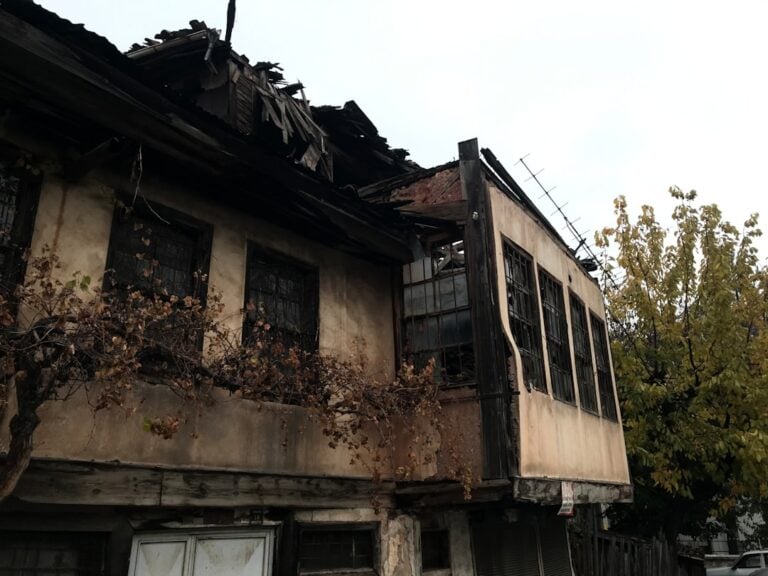
Can you sell a fire damaged house? Yes. Fire-damaged homes sell every day across the United States, whether the damage is minor smoke staining or severe structural destruction. You do not need to rebuild, and you do not need to wait. The real question is which selling method fits your timeline, budget, and stress level.
Get a free, no-obligation cash offer for your fire damaged house today. We buy fire damaged homes in any condition, nationwide. Over 275 families helped since 2009. Call (844) 714-3778.
Key facts at a glance:
- Yes, you can sell a fire damaged house in any condition, in any state.
- Cash buyers close in as few as 7 to 14 days with no repairs needed.
- Traditional sales take 30 to 180 days and may require some restoration work.
- Expected value: 40% to 80% of pre-fire market value, depending on damage severity and location.
- Common buyers: Real estate investors, renovation companies, and companies that buy fire damaged houses.
After a house fire, you face a flood of decisions: insurance paperwork, temporary housing, rebuilding plans, and financial strain. Selling your fire damaged property can be the fastest way to recover equity, reduce stress, and move forward. This guide walks you through every option, explains what your home is worth, and shows you the exact steps to close a sale on your terms.
Why Fire Damaged Houses Still Have Value
Many homeowners assume a house fire makes their property worthless. That is rarely true. Even homes with significant damage hold value for several concrete reasons.
The land keeps its value. Fire does not change your lot’s location, school district, or proximity to amenities. In desirable neighborhoods and urban areas, land alone accounts for 30% to 50% of total property value. According to the National Association of Realtors, land values in metropolitan areas have risen by an average of 5% per year since 2020, regardless of the condition of structures on those lots.
Salvageable structures reduce rebuilding costs. Unless a fire completely levels a home, portions of the foundation, framing, plumbing, and electrical systems may be intact. A professional structural fire damage inspection identifies what is reusable, which can cut rebuilding costs by 30% to 50% for the next owner.
Investors actively seek fire damaged properties. There is an entire market segment of buyers, including real estate investors, house flippers, and specialized home buying companies, who purchase fire damaged houses as part of their business model. For these buyers, fire damage represents a purchase below market value with a clear path to profit through renovation.
Insurance proceeds can factor into the sale. Buyers familiar with fire damage insurance claims understand how to work around open claims, settled payouts, and partial coverage. Whether your claim is resolved or still pending, the insurance situation does not prevent you from selling.
How Much Can You Sell a Fire Damaged House For?
The sale price of a fire damaged house depends on three main factors: how bad the damage is, where the property is located, and which selling method you choose. Here is a realistic breakdown.
Damage Severity and Price Impact
| Damage Level | Price Reduction | Typical Repair Cost | Examples |
|---|---|---|---|
| Minor (smoke, soot, cosmetic) | 10% to 20% below pre-fire value | $3,000 to $15,000 | Smoke staining, odor, surface discoloration |
| Moderate (one room destroyed, water damage) | 20% to 35% below pre-fire value | $15,000 to $50,000 | Kitchen fire, single-room destruction, water damage from firefighting |
| Severe (structural damage) | 35% to 60% below pre-fire value | $75,000+ | Multiple rooms destroyed, roof collapse, foundation compromise |
For a detailed breakdown of what repairs actually cost, read our guide on fire damage restoration costs.
Location Matters
Properties in high-demand markets like California, New York, and major metro areas often retain 60% to 70% of their pre-fire value because land values are high. In rural or less competitive markets, the reduction tends to be steeper. If you are in a fire-prone state with strong buyer demand, you have more negotiating power even with significant damage. Homeowners in California, Arizona, and Los Angeles typically find stronger buyer interest because investors in those regions handle fire damaged properties regularly.
Getting an Accurate Valuation
To price your fire damaged house accurately, take these four steps:
- Get a professional appraisal that accounts for fire damage specifically.
- Obtain repair estimates from at least two licensed contractors.
- Research recent sales of fire damaged homes in your area through public records or a real estate agent.
- Request offers from multiple cash buyers to establish a market baseline. Request your free cash offer here.
What Are Your Options for Selling a House After a Fire?
You have three main paths when selling a fire damaged house. Each comes with different trade-offs in speed, sale price, and effort required.
Option 1: Sell As-Is to a Cash Buyer
Best for: Homeowners who need to sell quickly with zero repair costs or hassle.
Cash buyers and fire damaged house buying companies purchase properties in any condition. You do not need to clean up debris, make repairs, or even empty the house in most cases.
- Timeline: 7 to 14 days from offer to closing.
- Price: 50% to 70% of pre-fire market value.
- Costs: No agent commissions, no repair expenses, no closing costs in most cases.
- Effort: Low. The buyer handles inspections, paperwork, and closing logistics.
Get your free cash offer from Fire Damage House Buyer. No repairs, no commissions, no hidden fees. Close in as few as 7 days. Trusted by 275+ families since 2009.
Option 2: Repair First, Then List on the Open Market
Best for: Homeowners with time, insurance coverage, and the budget to manage renovations.
If your insurance covers most of the repair costs and you can wait several months, restoring the home before listing can maximize your sale price.
- Timeline: 3 to 12 months (repairs plus listing time).
- Price: 85% to 100% of pre-fire market value after full restoration.
- Costs: Repair expenses (potentially covered by insurance), agent commissions (5% to 6%), closing costs.
- Effort: High. You manage contractors, permits, inspections, and the entire sales process.
Option 3: List As-Is With a Real Estate Agent
Best for: Homeowners who want market exposure without making repairs.
Some real estate agents specialize in distressed properties and can market your fire damaged home on the MLS to reach investors and bargain hunters.
- Timeline: 30 to 90 days on average.
- Price: Between the cash buyer offer and the fully repaired value.
- Costs: Agent commissions (5% to 6%), potential buyer negotiation on price.
- Effort: Moderate. You still handle showings, negotiations, and disclosure paperwork.
Side-by-Side Comparison of Your Selling Options
| Factor | Cash Buyer (As-Is) | Repair and List | List As-Is With Agent |
|---|---|---|---|
| Speed | 7 to 14 days | 3 to 12 months | 30 to 90 days |
| Sale Price | 50% to 70% of pre-fire value | 85% to 100% | 60% to 80% |
| Out-of-Pocket Costs | $0 | $15,000 to $100,000+ | Agent commissions (5% to 6%) |
| Repairs Required | None | Full restoration | None |
| Effort Level | Low | High | Moderate |
| Best For | Quick sale, no hassle | Maximum price, time available | Market exposure without repairs |
Step-by-Step: How to Sell a Fire Damaged House
Regardless of which selling method you choose, follow these six steps to protect yourself and get the best outcome.
Step 1: Secure the Property and Document Everything
After the fire department clears your home as safe to approach, take these immediate actions:
- Board up windows and doors to prevent theft, vandalism, and weather exposure.
- Photograph and video every room, capturing damage to walls, ceilings, floors, electrical panels, and plumbing from multiple angles.
- Keep all receipts for temporary housing, meals, clothing, and emergency expenses.
- Contact utility companies to shut off gas, water, and electricity if they have not been disconnected already.
This documentation is critical for your insurance claim and for giving buyers a clear picture of the property’s condition. For a complete checklist, see our guide on what to do after a house fire.
Step 2: File and Manage Your Insurance Claim
Contact your insurance company as soon as possible. Most policies require you to file a claim within a specific window after the fire, typically 24 to 72 hours. Key steps:
- Request a copy of your full policy to understand coverage limits and exclusions.
- Keep a written log of every conversation with your insurance adjuster, including dates and names.
- Get independent repair estimates from licensed contractors; do not rely solely on the insurance company’s assessment.
- Understand that you can sell your home before, during, or after the insurance claim process. The claim and the sale are separate transactions.
If your claim is denied or underpaid, you have options. Read about common fire insurance claim issues and how to resolve them.
Step 3: Get a Professional Damage Assessment
Hire a licensed inspector or structural engineer who specializes in fire damage to evaluate the full extent of damage. This assessment helps you:
- Determine whether the home can be repaired or needs to be demolished.
- Identify hidden damage: smoke in HVAC ducts, water damage behind walls, compromised wiring, and toxic residue.
- Set a realistic asking price based on documented conditions rather than guesswork.
- Provide potential buyers with a credible, third-party evaluation that builds trust.
Step 4: Choose Your Selling Path
Based on your damage assessment, insurance situation, and personal timeline, choose one of the three options above. Ask yourself these questions:
- What is your financial situation? Can you fund repairs while waiting for insurance reimbursement, or do you need cash now?
- How quickly do you need to sell? If you are paying a mortgage, property taxes, and rent on a temporary home simultaneously, speed matters.
- What is your stress tolerance? Managing a renovation project after a traumatic fire adds significant emotional and logistical burden.
- What do you owe on the property? If your mortgage balance exceeds the damaged home’s value, you may need to negotiate a short sale with your lender.
Step 5: Disclose the Fire Damage Fully
Every state requires sellers to disclose known material defects, and fire damage is always a required disclosure. Failing to disclose a fire can result in lawsuits, rescinded sales, and legal penalties. Disclose these details in writing:
- The date and cause of the fire (if known).
- The extent of damage and any repairs completed.
- Insurance claim status, settlement amounts, and any open claims.
- Professional inspection reports and contractor estimates.
Honest disclosure builds trust with buyers and protects you legally. Most investors and cash buyers expect fire damage and price their offers accordingly. Hiding it provides no real advantage and creates serious legal risk.
Step 6: Close the Sale
Once you accept an offer, work through these final steps:
- Hire a title company or real estate attorney to handle closing documents.
- Include all fire damage disclosures in the purchase agreement.
- Coordinate with your insurance company if your claim is still open; the sale does not cancel your claim.
- Transfer all documentation (inspection reports, repair receipts, insurance correspondence) to the buyer at closing.
What Should You Do Immediately After a House Fire?
Before you think about selling, take these urgent steps to protect your safety, your insurance coverage, and your property’s remaining value:
- Wait for official clearance. Never enter a fire damaged home until the fire department declares it safe. Hidden structural damage, toxic fumes, and smoldering hot spots can cause serious injury.
- File your insurance claim immediately. Most policies require notification within 24 to 72 hours. Delays can reduce or void your coverage.
- Document everything with photos and video. Walk through every accessible room and capture damage from multiple angles. Include close-ups of structural damage, smoke staining, water damage, and destroyed personal property. This evidence supports both your insurance claim and future sale negotiations.
- Secure the property. Board up broken windows and damaged openings to prevent theft, vandalism, and additional weather damage. Your insurance company typically covers this boarding cost.
- Save every receipt. Temporary housing, meals, clothing, and emergency supplies are typically reimbursable under your homeowner’s policy through Additional Living Expenses (ALE) coverage.
- Reach out for help. The American Red Cross, local disaster relief organizations, and community groups often provide immediate assistance with housing, food, and emotional support. The National Disaster Distress Helpline (1-800-985-5990) offers free crisis counseling 24/7.
Read our complete guide on what to do after a house fire for a full step-by-step checklist.
Common Mistakes to Avoid When Selling a Fire Damaged House
These five mistakes cost homeowners thousands of dollars or create legal problems. Avoid them:
- Accepting the first offer without comparing. Get at least three offers from different buyers. Cash offer amounts can vary by 10% to 20% for the same property. Shopping around takes a few days and can mean thousands more in your pocket.
- Spending money on cosmetic repairs that do not increase value. Painting over smoke stains or replacing carpet in a structurally compromised home wastes money. Cash buyers and investors will redo the work regardless. Focus repair spending only on safety-critical issues.
- Waiting too long to sell. Fire damage worsens over time. Water intrusion from firefighting, mold growth, weather exposure, and pest infestations compound the original destruction. A home that was repairable the week after the fire may become a teardown within a few months. The National Fire Protection Association (NFPA) reports that secondary damage from water and mold often exceeds the original fire damage in cost.
- Concealing the fire damage. Non-disclosure is illegal in every state and counterproductive. Buyers discover the damage during inspection, and concealment can unravel the entire sale while exposing you to lawsuits and financial penalties.
- Ignoring the insurance claim process. Even if you plan to sell immediately, file your insurance claim on time. The settlement money belongs to you regardless of whether you keep or sell the property. Skipping the claim means leaving money on the table.
Selling a Fire Damaged House in Special Situations
Can You Sell a Fire Damaged House With a Mortgage?
Yes. If you still owe money on the property, the sale proceeds must first cover the remaining mortgage balance. If the fire reduced your home’s value below what you owe, you have two options: negotiate a short sale with your lender, or combine your insurance payout with the sale price to cover the gap. In most cases, insurance proceeds plus the sale amount are enough to satisfy the mortgage.
Can You Sell an Inherited Fire Damaged House?
Yes. Inherited fire damaged properties come with extra considerations, including potential probate requirements, unclear insurance coverage, and property tax reassessment. If you have inherited a fire damaged house, selling to a cash buyer is often the simplest path. Cash buyers handle the property as-is while you manage estate paperwork, and the process does not require you to invest in repairs or wait for probate to finalize in most states.
Can You Sell Before the Insurance Claim Is Settled?
Yes. Your insurance claim and property sale are separate legal processes. You can sell at any point during the claims process. However, inform both your insurance adjuster and the buyer about the claim status, and consult with an attorney about how the sale may affect your settlement amount. In many cases, the insurance payout follows the policyholder (you), not the property.
Frequently Asked Questions About Selling a Fire Damaged House
Can you sell a house with fire damage?
Yes. You can sell a house with fire damage in any condition, from minor smoke staining to major structural destruction. Cash buyers, real estate investors, and specialized home buying companies purchase fire damaged properties regularly. No repairs are required when selling to these buyers, and most close within 7 to 14 days.
How quickly can I sell a fire damaged house?
With a cash buyer, you can close in as few as 7 to 14 days. Listing on the open market with an agent typically takes 30 to 90 days. If you choose to repair first, add 3 to 6 months for renovation before listing. The fastest option is requesting a cash offer from a company that buys fire damaged houses.
How much is a fire damaged house worth?
Most fire damaged homes sell for 40% to 80% of their pre-fire market value. Minor smoke damage may reduce the price by only 10% to 20%, while severe structural damage can lower the value by 40% to 60%. Location, lot value, and local buyer demand also affect pricing. Get multiple offers and a professional appraisal for the most accurate number.
Who buys fire damaged houses?
The primary buyers are real estate investors, house flippers, renovation contractors, and specialized home buying companies like Fire Damage House Buyer. These buyers have experience assessing and renovating fire damaged properties. They typically pay cash, which eliminates financing contingencies and speeds up the closing process.
Do I need to make repairs before selling?
No. You are not required to make any repairs before selling a fire damaged house. Cash buyers prefer to purchase homes as-is because they have their own renovation teams, contractors, and processes. Making repairs only makes sense if your insurance fully covers the costs and you have the time and energy to manage the project.
Is it worth selling a fire damaged property or should I rebuild?
In most situations, selling makes financial sense. Holding a fire damaged property means paying ongoing mortgage payments, property taxes, and insurance premiums on a home you cannot live in. Meanwhile, damage typically worsens from water intrusion, mold, and weather exposure. Selling allows you to recover equity immediately and eliminate carrying costs. Rebuilding makes sense only if you have strong insurance coverage, access to reliable contractors, and the timeline to wait 6 to 12 months for completion.
Why should I sell a fire damaged house instead of filing an insurance claim?
You do not have to choose one or the other. You can file your insurance claim and sell the property at the same time. The insurance settlement belongs to you as the policyholder, and selling the damaged property gives you additional cash. Many homeowners use both the insurance payout and the sale proceeds to move into a new home without debt.
Get a Free Cash Offer for Your Fire Damaged House
If you are ready to sell your fire damaged house, Fire Damage House Buyer can help. Founded in 2009 by Daniel Cabrera, we have helped more than 275 families sell fire damaged properties across all 50 states. With a 4.98/5 average rating across 100+ customer reviews, we buy fire damaged homes in any condition, with no repairs needed, no agent commissions, and no hidden fees.
Here is how our process works:
- Tell us about your property using our simple online form or call (844) 714-3778.
- Receive a fair cash offer within 24 hours, with no obligation to accept.
- Close on your timeline, as quickly as 7 days or on whatever date works best for you.
Learn more about how our process works, or contact us today for your free, no-obligation cash offer.