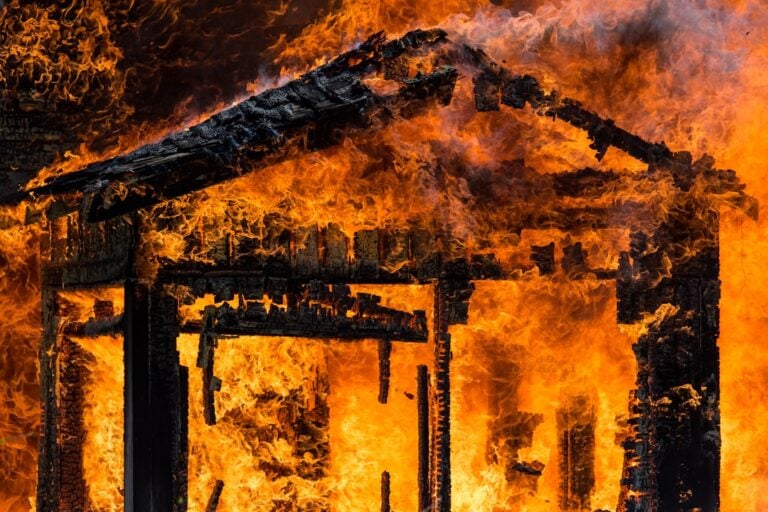
Why Quick Action After a House Fire Can Save Your Future
Knowing what to do after a house fire is about protecting your family’s safety and financial future. The decisions you make in the first 24 hours are critical for your recovery.
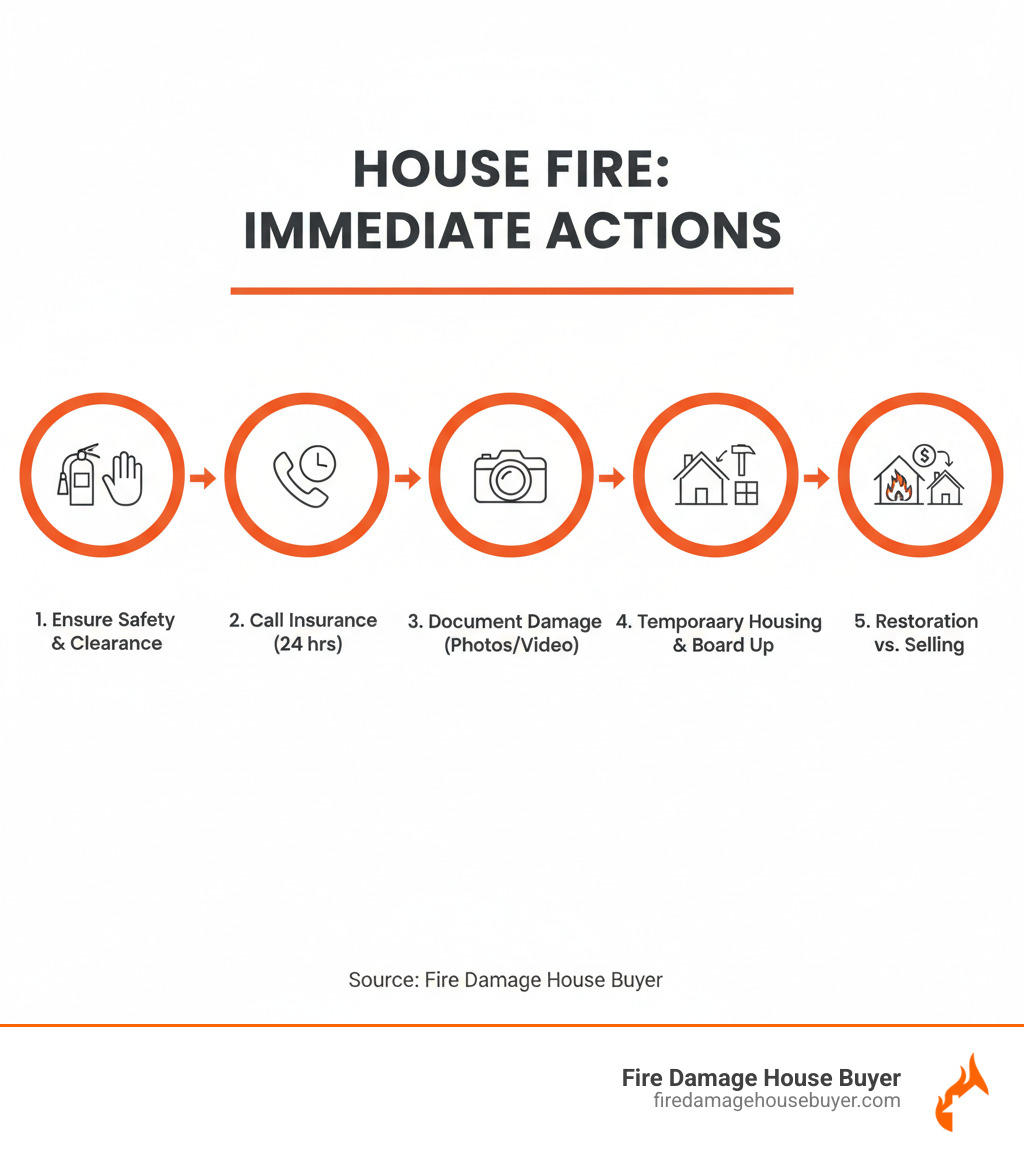
Here’s your immediate action checklist:
- Wait for fire department clearance before entering.
- Contact your insurance company within 24 hours.
- Document all damage with photos and videos.
- Secure temporary housing.
- Board up openings to prevent further damage.
- Find temporary care for pets.
- Replace essential documents and medications.
The Red Cross notes that house fires are the most common disaster in the U.S., yet most homeowners have no recovery plan. Fire damage isn’t just from flames; heat warps structures, smoke and soot contaminate everything, and water from firefighting leads to mold within 48-72 hours.
The financial impact is often staggering, with full restorations taking 4-8 months and costing from $20,000 to over $200,000. Even with insurance, unexpected costs and delays can be overwhelming.
But you have options beyond rebuilding. Selling your fire-damaged home as-is can be the fastest path to recovery.
I’m Daniel Cabrera of Fire Damage House Buyer. With 15 years of experience, I’ve helped over 275 families steer this process. Understanding your options early is key to a smoother recovery.
This guide will walk you through every step, from immediate safety to long-term decisions. For more details, see our complete house fire checklist.
Immediate Safety First: Your First 24 Hours
The moments after a house fire are chaotic, but your only priority is keeping everyone safe.
Prioritizing Health and Safety
What to do after a house fire starts with one rule: stay out until professionals say it’s safe. The urge to rush inside is strong, but a fire-damaged structure is a death trap. The fire department has the final say on re-entry for life-or-death reasons. Intense heat weakens beams and floors, making them prone to collapse.
Invisible dangers also linger. Toxic soot covers everything, and smoke inhalation symptoms can appear hours later. If your home is older, asbestos fibers may be in the air. Even wet ash can cause chemical burns. Your water supply might be contaminated, so use bottled water until it’s tested. For more details, review this safety information from emergency professionals. Don’t risk your health for belongings.

Essential First Contacts
Once everyone is safe, make these calls:
- Your insurance company: Most have 24-hour emergency lines. Call immediately to start your claim.
- Family and friends: You need emotional support and likely a place to stay.
- Disaster relief organizations: The American Red Cross provides immediate food, clothing, and shelter. You can find available shelters on their site.
- Your landlord (if renting): They need to contact their own insurance and assess the damage.
- Utility companies: Have gas, electric, and water services shut off to prevent further hazards. Never turn them back on yourself.
Securing Your Property from Further Damage
Protect what’s left of your home. Board up broken windows and doors to secure the property from weather and theft. If the roof is damaged, a temporary tarp can prevent further water damage. Notify local police that the property is vacant so they can keep an eye on it. Take photos of these protective measures for your insurance claim.
Caring for Your Pets
Your pets are traumatized too. Find all your pets, as they may hide or have escaped. Check with neighbors and animal control. Even if they seem fine, take them to a vet for a check-up for smoke inhalation or hidden injuries. Arrange for temporary housing, as many shelters don’t allow animals. Friends, family, or local animal shelters may offer emergency boarding. The RSPCA offers guidance on caring for animals after a disaster.
What to Do After a House Fire: Documentation and Financial First Steps
Once your family is safe, it’s time to tackle the paperwork. How you handle these financial first steps will shape your recovery.
Navigating Your Insurance Claim
Your insurance claim is a critical financial process. File your claim immediately, ideally within 24 hours. Your insurer will assign a claims adjuster to be your main point of contact.
Next, get a copy of the official fire report from the local fire department. This document is crucial for your insurance company.
Then, document every single damaged item. Take photos and videos of each room before anything is moved. Create a detailed inventory listing items, brands, and purchase dates if possible. Your adjuster will help estimate values for items you can’t recall.
Don’t forget your Additional Living Expenses (ALE) coverage. This pays for hotel stays, meals, and other necessities while you’re displaced. Save every receipt. When meeting your adjuster, be organized and honest. For more tips, see our guide on house fire insurance claim tips.
Finding Temporary Housing and Support
Finding temporary housing provides stability. Your ALE coverage should handle most costs. Extended-stay hotels with kitchenettes are often a good option for longer periods. While staying with family can be comforting, be sure to discuss expectations upfront.
The American Red Cross provides emergency shelter and connects you with local resources. You’ll need essential items for the first 72 hours: IDs, medications, clothes, phone/charger, insurance info, cash/cards, and a written list of important contacts.
Managing Initial Finances and Replacing Documents
A fire can destroy vital documents, but there are processes to replace them.
Contact your mortgage lender and credit card companies immediately. Lenders may offer payment deferrals, and card companies can expedite replacements.
To replace lost identification, contact the relevant government agencies (DMV, Social Security Administration, etc.). The process is more straightforward than you might think for disaster victims. Similarly, contact your banks and investment firms to get new account statements and access.
Keep detailed records of all fire-related expenses for your insurance claim and potential tax deductions for casualty losses. For federal aid programs, visit DisasterAssistance.gov.
The Long Road: Restoration, Rebuilding, or Selling
After the immediate crisis, you face a huge decision: choosing the best path forward for your family.
Assessing the Damage: Is Your Home Salvageable?
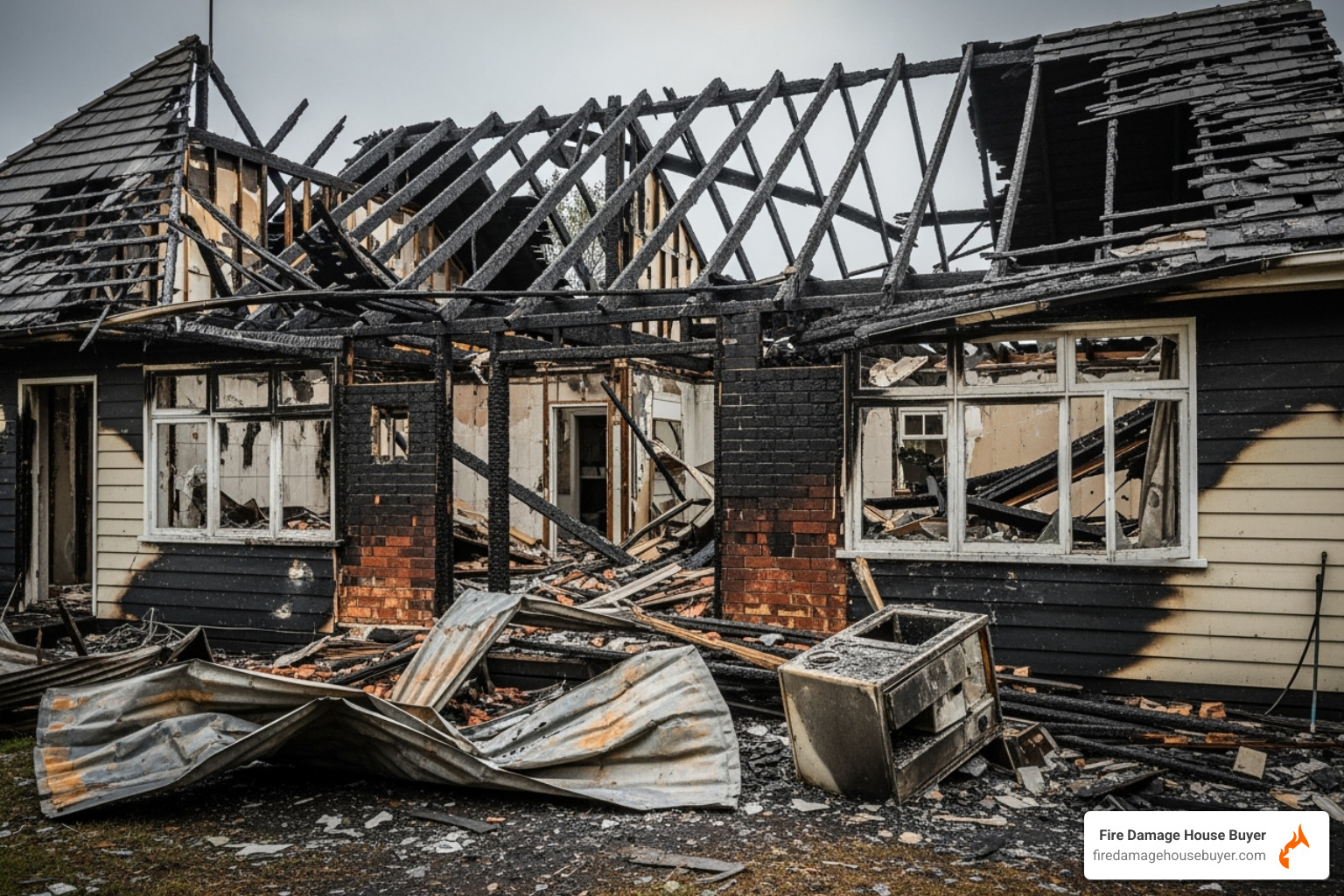
What you see is only a fraction of the damage. A fire’s intense heat can warp steel beams and crack foundations, creating hidden structural dangers. That’s why you should hire a professional structural engineer to assess the home’s integrity.
Beyond the fire, water damage from firefighting efforts can soak walls, floors, and electrical systems, leading to mold growth within 48-72 hours. Soot and smoke contamination is also a major issue, as toxic, acidic particles penetrate every porous surface, causing a lingering odor and ongoing corrosion.
Financially, repairs can be overwhelming. Minor damage may cost $20,000-$50,000, but extensive work can easily exceed $200,000. Understanding how to price a fire damaged house is crucial when weighing your options.
What to do after a house fire: The Restoration and Rebuilding Process
Restoring your home is a complex, time-consuming process. You’ll need to hire professionals with IICRC certification for specialized fire and smoke restoration. The process involves:
- Debris Removal: Safe disposal of hazardous, contaminated materials.
- Soot and Odor Cleaning: Using professional-grade equipment to remove embedded soot and toxic odors.
- Water Mitigation: Extracting all moisture with industrial dehumidifiers to prevent mold.
- Permits and Rebuilding: Navigating local bureaucracy for permits before any construction can begin.
This entire process typically takes 4 to 8 months for moderate damage and over a year for severe cases. You’ll be managing contractors, insurance, and permits, all while living in temporary housing and likely facing unexpected costs. For more on this, read our guide to Fire Damage Restoration and Repair.
The Simpler Alternative: Selling Your House As-Is
Many people don’t realize you don’t have to rebuild. Selling your fire-damaged home as-is is often a simpler, faster, and less stressful choice.
- Avoid All Repairs: You don’t have to hire contractors, get permits, or make endless design decisions.
- No Cleaning Required: We buy houses exactly as they are, soot and all.
- Dramatic Speed: A cash sale can close in weeks, not the months or years restoration takes.
- No Commissions or Fees: Unlike a traditional sale, there are no agent commissions or hidden costs.
The timeline comparison is clear: 6-12+ months of stress with restoration versus a 2-4 week closing when you sell as-is. This peace of mind is priceless. If you want to Sell Fire Damaged House quickly, we can help you get a fresh start somewhere new.
Emotional and Long-Term Recovery
The physical damage is visible, but the emotional scars run deep. What to do after a house fire must include caring for your family’s mental health.
Managing the Emotional Toll
Losing your home is traumatic. It’s normal to feel numb, angry, sad, or anxious. Acknowledge that these feelings are valid and lean on your support network of friends, family, and community members. Talking about your experience can provide tremendous relief.
Children need special attention. Talk to them in age-appropriate ways, reassure them of their safety, and try to maintain familiar routines to provide comfort. If distress, anxiety, or depression persist for any family member, professional help from a trauma-specializing therapist can make a huge difference. The Red Cross offers resources to get the support you need.
Emotional recovery takes time. Be patient with yourself and your family.
Future Fire Prevention
Once you’re settled again, focus on preventing future fires. Nobody should go through this twice.
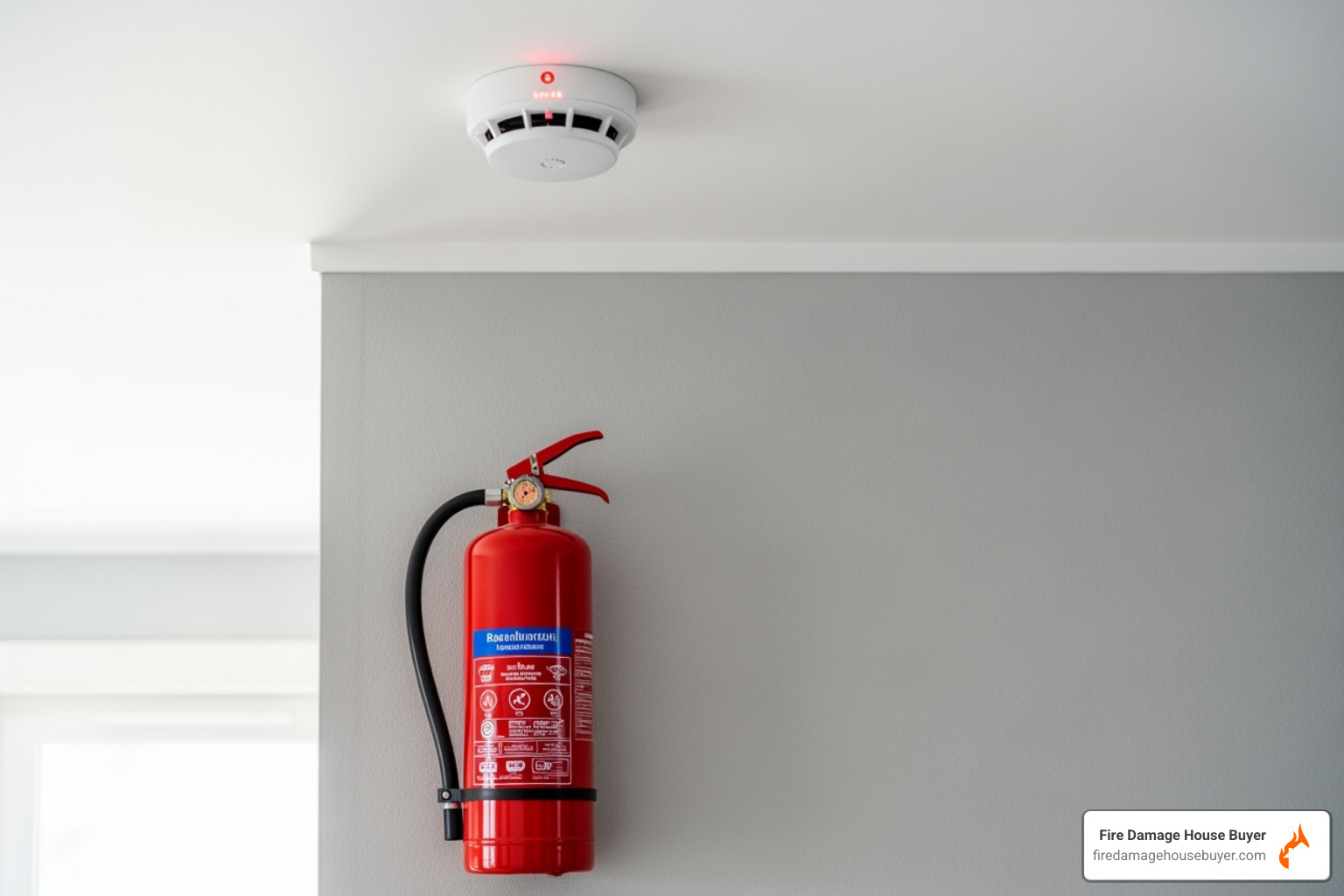
- Smoke Detectors: Install them on every level and in/outside bedrooms. Test them monthly and replace batteries annually.
- Fire Extinguishers: Keep them in the kitchen, garage, and basement. Learn the PASS technique: Pull, Aim, Squeeze, Sweep.
- Family Escape Plan: Identify two exits from every room and a safe meeting spot outside. Practice it twice a year.
- Safe Cooking Habits: Never leave cooking unattended. Keep the area clean and free of flammable items.
- Electrical Safety: Don’t overload circuits or use damaged cords. Have an electrician inspect your wiring if you have frequent issues.
Ready.gov offers more home fire safety tips to help you create a safer environment.
Frequently Asked Questions About What to Do After a House Fire
Having helped hundreds of families, I’ve heard the same questions repeatedly. Here are answers to the most common concerns about what to do after a house fire.
How long does it take to recover and move back in?
The recovery timeline varies dramatically. For minor damage, restoration might take 2-4 months. However, for most significant house fires, a full restoration involving structural repairs, smoke remediation, and rebuilding typically takes 6-12 months, and often longer due to delays with permits, contractors, and insurance.
In contrast, selling your fire-damaged home as-is changes the timeline completely. Instead of waiting months, you can close the sale in just 2-4 weeks and immediately use the funds to find a new home and move forward.
What should I do if I don’t have homeowners insurance?
This situation is challenging, but you have options.
- Contact disaster relief organizations like the American Red Cross and Salvation Army for immediate help with shelter, food, and clothing.
- Apply for government assistance. If it’s a federally declared disaster, FEMA offers grants and the SBA provides low-interest loans to homeowners.
- Seek community support from local churches and nonprofits that may have emergency funds.
- Document everything with photos and records of expenses for any aid applications.
Without insurance to cover repairs, selling your fire-damaged house for cash is often the most practical solution. It provides you with immediate funds to start over without the massive financial burden of restoration.
Can I clean up the fire damage myself?
While it’s tempting to take control by cleaning, this is a major mistake that can be dangerous and costly.
- Health Risks: Soot contains toxic chemicals, and older homes may have airborne asbestos. Professionals use proper protective gear to handle these hazards safely.
- Worsening the Damage: Using household cleaners can push soot deeper into walls and permanently set odors, turning salvageable materials into a total loss.
- Hidden Dangers: You can’t see structural weaknesses, live electrical wires, or smoldering embers that could reignite. Professionals are trained to identify these risks.
Professional restoration companies have the specialized equipment and training to do the job safely and effectively. Of course, selling your fire-damaged house as-is eliminates this problem entirely. You don’t clean or fix anything—we buy it exactly as it is.
Conclusion
Navigating what to do after a house fire is overwhelming, but you are not alone. This guide has covered the essential steps: prioritizing safety, making key contacts, documenting your loss, and deciding on your property’s future.
You face two paths. The first is a long, emotionally draining restoration journey that can take 4-8 months or more, often with unexpected costs and constant stress.
The second path offers simplicity and speed. At Fire Damage House Buyer, we’ve helped over 275 families by buying their fire-damaged houses as-is. No repairs, no cleaning, and no commissions.
Our process is different because we understand your priority is moving forward, not managing a construction project. We provide a fast cash offer, typically closing within weeks, giving you the financial stability to start fresh. Many families tell us that selling their property as-is lifted an enormous weight, allowing them to focus on their family’s healing.
If you’re overwhelmed by the thought of restoration and want to explore a faster, less stressful option, we’re here to help with honest guidance.
Get a no-obligation cash offer today and find how simple selling your fire-damaged home can be.
What documents do I need after a house fire?
After a house fire, gather your homeowners insurance policy number and your insurer’s claims line. You will also need your mortgage lender’s contact information, a home inventory or receipts for damaged belongings, and your identification documents. If your documents were destroyed, contact your local vital records office for birth certificates and Social Security Administration for your SSN card. Keep a record of all fire-related expenses for your insurance claim.
How do I file a fire damage insurance claim?
File your fire damage insurance claim as quickly as possible — most policies require prompt notification. Call your insurer’s 24-hour claims line, document all damage with photos and video before any cleanup, get a claim number and adjuster’s contact information, and request ALE (additional living expenses) coverage for temporary housing. Request an itemized estimate from your insurance adjuster and get an independent contractor estimate to compare. Keep all receipts for emergency expenses.
What documents do I need after a house fire?
After a house fire, gather these key documents: your homeowners insurance policy and agent contact information, a detailed inventory of damaged property with photos and video evidence, receipts for any emergency expenses, proof of temporary housing costs, and personal identification documents if they survived. If documents were lost in the fire, contact the relevant agencies (IRS, Social Security Administration, passport office, DMV) to obtain replacements.
How do I file a homeowners insurance claim after a house fire?
To file a homeowners insurance claim after a house fire: (1) Contact your insurer within 24 hours to report the loss and start the claim. (2) Document all damage with photos and video before any cleanup. (3) Create a detailed inventory of every damaged or destroyed item. (4) Save receipts for emergency expenses like hotel stays and meals. (5) Cooperate with the insurance adjuster’s inspection. (6) Review the settlement offer carefully — you have the right to negotiate or hire a public adjuster if the offer seems low.