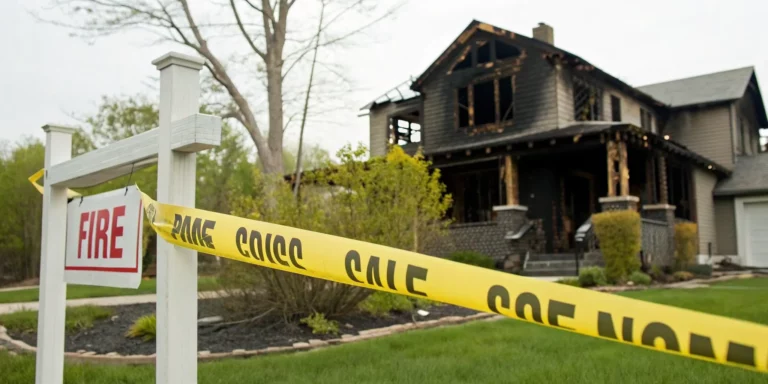
Dealing with the aftermath of a house fire involves more than just emotional recovery; it’s a crash course in logistics, finance, and legal obligations. From documenting damage for insurance claims to understanding California’s strict disclosure laws, the amount of paperwork can be staggering. This isn’t a typical home sale. The process to sell a fire damaged house in California comes with its own unique set of rules and challenges that can trip up even the most prepared homeowner. This article breaks down exactly what you need to know, from the essential documents you’ll need to the common mistakes to avoid, helping you make an informed, confident decision.
Key Takeaways
- Decide Between a Fast Sale or a Full Renovation: Weigh the benefits of selling your home as-is for a quick, stress-free closing against the time, money, and effort required to manage repairs for a potentially higher sale price on the traditional market.
- Prioritize Transparency and Paperwork: California law requires you to disclose all fire damage. Protect yourself and streamline the sale by gathering essential documents like the fire report, insurance claims, and inspection results upfront.
- Understand Your Selling Timeline: Selling to a cash buyer can take as little as a week, while listing with an agent can take months, and a full repair-and-sell project can take even longer. Your timeline is one of the most important factors in choosing the right path.
What Are California’s Fire Damage Disclosure Laws?
When you’re selling a house in California, transparency isn’t just good practice—it’s the law. The state has strict disclosure rules, and fire damage is one of the most critical things you must be upfront about. Hiding or downplaying the damage can lead to serious legal and financial trouble long after the sale is complete. The guiding principle here is simple: if you know about it, you must disclose it.
Under California Civil Code Section 1102, sellers are legally required to disclose all known material facts that could affect the property’s value or desirability. A house fire is a significant material fact. This means you must inform potential buyers about the fire, the extent of the damage, and any repairs that have been made. This includes everything from structural issues and smoke damage to problems with the electrical or plumbing systems caused by the fire.
Being completely honest protects you. A thorough disclosure builds trust with buyers and shields you from potential lawsuits later on. If a buyer discovers undisclosed fire damage after closing, they could sue you for damages or even try to reverse the sale. The paperwork involved in a traditional sale can feel overwhelming, especially when you’re already managing the stress of a fire. For homeowners looking for a more straightforward path, understanding how our process works can be a relief. We buy homes as-is, which simplifies the entire experience by removing the burden of repairs and complex disclosures on the open market.
Your First Steps After a House Fire in California
Dealing with the aftermath of a house fire is incredibly overwhelming. It’s hard to know where to even begin. Before you think about selling or rebuilding, there are a few immediate, critical steps you need to take to protect yourself and your property. Focusing on this short list can bring a sense of order to a chaotic situation and set you up for a smoother process ahead, whatever you decide to do next. Think of this as your starting point for moving forward.
Contact Your Insurance Company
Your first phone call should be to your insurance agent to start the claims process. The sooner you notify them, the faster they can begin their assessment. Before you clean or move anything, document the damage thoroughly with photos and videos from every possible angle. Your insurer will likely require this evidence. They will also guide you on next steps, but it’s wise to get multiple repair estimates from independent contractors to ensure you have a clear picture of the costs involved. Keep a detailed log of every conversation, including dates, times, and who you spoke with. This diligence is crucial for securing a fair settlement.
Get the Fire Department Report
Once the fire is out and the authorities have cleared the scene, your next step is to obtain a copy of the official fire report. This document is prepared by the fire department that responded to the call and contains essential details about the incident, including the date, time, location, and a preliminary assessment of the cause and extent of the damage. Your insurance company will require this report to process your claim, and it will also be a necessary document if you decide to sell your property. You can typically request a copy directly from the local fire department that responded to the incident.
Secure the Property and Confirm It’s Safe
Even with significant damage, the property is still your responsibility. To prevent further damage from the elements, vandalism, or theft, you need to secure the site as soon as it’s safe to do so. This means boarding up broken windows and doors, covering any holes in the roof with a tarp, and locking any accessible entry points. It’s also a good idea to post “No Trespassing” signs to deter unauthorized entry. Ensuring the property is secure protects you from liability and is often a requirement from your insurance provider.
Document Everything
Meticulous record-keeping is your best friend during this process. Create a central file for all fire-related paperwork. This includes your copy of the fire department report, all correspondence with your insurance company, photos and videos of the damage, and any receipts for immediate expenses like temporary housing or boarding up the property. If you get professional inspections or repair quotes, add those reports to your file as well. Having everything organized in one place will save you countless headaches and provide the proof you need for insurance claims and potential buyers. We understand how much there is to manage, and our team is here to help you through it.
How Fire Damage Impacts Your Home’s Value
It’s tough to think about money when you’re still processing what happened, but understanding how a fire affects your home’s value is a crucial step in figuring out what to do next. A fire doesn’t just damage the structure; it has a direct and significant impact on your property’s worth. Getting a clear picture of the financial reality will help you choose the best path forward for you and your family.
Gauging the Drop in Your Home’s Value
Any fire, even a small one contained to one room, can significantly lower your home’s market value. On average, fire damage can reduce a property’s value by 20-40% of its pre-fire price. For minor incidents, you might see a 10-20% reduction. But for severe structural damage, that number can jump to a 40-60% loss in value, or even more. This drop isn’t just from the visible burns. It also accounts for damage from smoke and soot that seeps into walls and ventilation systems, plus the water damage from firefighting efforts, which can lead to long-term problems like mold.
What Buyers Typically Offer for Fire-Damaged Homes
Buyers who purchase fire-damaged properties are taking on a major project, and their offers will reflect that reality. For example, real estate investors might offer 20-40% less than what the house would be worth if it were fully repaired. Cash buyers often calculate their offers based on the home’s after-repair value (ARV). A typical offer might be 50-70% of the ARV, minus the total estimated cost of repairs. This formula allows them to make a fair offer that accounts for the risk and expense involved. Our cash-buying process is built on this kind of transparency, ensuring you get a clear, straightforward offer without having to manage any of the repairs yourself.
What Are Your Options for Selling a House After a Fire?
After a house fire, figuring out your next steps can feel overwhelming. When it comes to selling your property, you have a few distinct paths you can take. Each one comes with its own timeline, costs, and level of effort. Understanding these options will help you make the best decision for your unique situation, whether your priority is a fast sale, the highest possible price, or something in between. It’s about finding the path that brings you the most peace of mind during a difficult time. Let’s walk through the four main ways you can sell a fire-damaged home.
Sell As-Is to a Cash Buyer
Selling your house as-is to a cash buyer is the most direct way to move forward. This option means you sell the property in its current condition without making any repairs. Companies that buy fire-damaged homes specialize in these situations and can close quickly, often in as little as a week. You won’t have to deal with contractors, agents, or showings. While the offer will be below market value—typically 50% to 70% of the home’s repaired value, minus repair costs—it provides a guaranteed, fast, and hassle-free sale. You can learn more about our simple process to see how straightforward it can be.
Repair the Damage Before Selling
If you have the time, money, and emotional energy, repairing the damage before selling is another route. This path has the potential to get you a higher sale price because you’ll be selling a fully restored home. However, it requires a significant upfront investment and can take months to complete. You’ll need to manage contractors, navigate permits, and oversee a major renovation project. This option is best suited for homeowners who have excellent insurance coverage, access to funds, and are not in a hurry to sell. It’s a high-effort approach that can pay off if you have the resources to see it through.
List with a Traditional Real Estate Agent
You can also list your fire-damaged home on the open market with a real estate agent. This is a viable option if the damage is minor or has already been repaired. However, selling a property with significant fire damage through traditional channels can be challenging. It often takes much longer—from three to six months—and many potential buyers are deterred by the need for extensive repairs. You’ll likely need to offer a steep discount to attract interest, and even then, finding a buyer with the right financing can be difficult. This route works best when the home is mostly intact and requires only cosmetic fixes.
Consider an Auction
Selling your home at an auction is a less common but possible option. An auction provides a fixed sale date and can create a competitive environment among potential buyers, who are often investors. This can lead to a quick sale, but it comes with risks. There’s no guarantee of the final price, and it could sell for less than you hope. You’ll also have to pay auction fees, which can be substantial. An auction can be a good choice if you need to sell by a specific deadline and are comfortable with the uncertainty of the outcome, but it’s important to weigh the costs and potential returns carefully.
Should You Sell As-Is or Make Repairs?
After a house fire, one of the biggest decisions you’ll face is whether to sell the property as-is or take on the challenge of repairs. There’s no single right answer, and the best path forward depends entirely on your personal circumstances. This choice boils down to a trade-off between time, money, and stress. Selling as-is offers a fast, straightforward solution that lets you move on quickly without spending another dime. On the other hand, repairing the damage could lead to a higher selling price, but it requires a significant investment of both cash and time, often with unexpected hurdles along the way.
Think about what you need most right now. Is it a quick, clean break and the freedom to start fresh? Or do you have the financial resources, time, and emotional energy to manage a major renovation project for a potentially larger payout? It’s a deeply personal choice, and there’s no pressure to decide immediately. The goal is to gather the information you need to feel confident in your next step. Weighing the pros and cons of each option, which we’ll cover below, will help you make a clear-headed decision that feels right for you and your family during this challenging time.
The Upside of Selling As-Is
Selling your home as-is means you sell it in its current condition, without making any repairs. The biggest advantage here is speed. Instead of spending months coordinating contractors and waiting for work to be completed, you can close the sale in a matter of weeks. This option also saves you from any out-of-pocket repair costs, which is a huge relief when you’re already dealing with so much. You avoid the entire headache of managing a renovation. Companies that buy houses for cash specialize in these types of properties, and their streamlined process is designed to be simple and fast, giving you a clear path to moving forward.
The Case for Making Repairs
If you have the time and money, repairing your home before putting it on the market can result in a higher sale price. A fully restored home appeals to a wider range of buyers who are looking for a move-in-ready property, which can create more competition and drive up the final offer. A professional restoration can potentially bring your home’s value back to what it was before the fire. However, this route isn’t for everyone. It requires a substantial upfront investment, a long timeline for construction, and the emotional bandwidth to oversee a complex project. You’ll need to carefully weigh if the potential financial gain is worth the added time and stress.
How to Decide What’s Right for You
The right choice comes down to an honest assessment of your situation. Take a look at the extent of the damage, your financial standing, and how quickly you need to sell. If the damage is severe and you don’t have the funds for a massive overhaul, selling as-is is often the most practical solution. It’s also the best option if you need to relocate quickly or simply don’t have the emotional energy for a lengthy renovation. We understand that this is an overwhelming time, and our company was founded to help homeowners through these exact circumstances with a simple, compassionate approach.
What Paperwork Do You Need to Sell a Fire-Damaged House?
Dealing with paperwork is probably the last thing you want to do after a house fire, but getting your documents in order is a crucial step toward a smooth sale. Think of it as creating a clear history of the property for potential buyers. Having everything organized upfront shows you’re a prepared seller and can help speed up the entire process, whether you decide to list with an agent or sell directly to a cash buyer. It removes uncertainty and helps everyone involved understand the exact state of the property.
California’s Required Disclosure Forms
In California, transparency isn’t just good practice—it’s the law. The state requires sellers to provide detailed disclosure forms that outline any known issues with a property that could affect its value. Fire damage is at the top of that list. You’ll need to be upfront about the extent of the fire, smoke, and water damage, as well as any repairs that have been made. Filling out these forms honestly protects you legally and builds a foundation of trust with your buyer. Even when selling “as-is,” you are still obligated to disclose everything you know about the property’s condition.
Insurance Claims and History
Your insurance paperwork is one of the most important parts of your home’s story after a fire. Potential buyers will want to see all the documentation related to your claim. Be prepared to share the claim number, correspondence with your insurance adjuster, repair estimates, and the final settlement details. This information gives a clear picture of what damages were assessed and what your policy covered. Keeping these records organized will answer many buyer questions and demonstrate that you’ve handled the situation responsibly. It helps them understand the scope of the damage and what to expect as they move forward.
Professional Inspection Reports
While it might seem counterintuitive to pay for an inspection on a house you plan to sell as-is, a professional report can be incredibly valuable. A specialized inspector can assess not only the visible fire damage but also hidden issues like structural weaknesses, smoke and soot residue within walls, and potential mold from water used to extinguish the fire. This professional inspection gives you a complete and unbiased overview of the property’s condition. Providing this report to buyers can streamline the sale by giving them the detailed information they need to make a confident offer.
How to Prepare Your Fire-Damaged Home for Sale
Getting your home ready for the market after a fire can feel like a monumental task, but breaking it down into manageable steps makes it much more approachable. Whether you decide to make repairs or sell as-is, a few key preparations will set you up for a smoother process. It’s all about understanding what you have, what it’s worth, and having the right paperwork to back it all up.
Get a Professional Property Assessment
Before you can make any decisions, you need a clear picture of the damage. It’s tempting to rely on what you can see, but fire, smoke, and the water used to put it out can cause serious hidden issues. That’s why your first call should be to a professional inspector who specializes in fire damage. They can assess the structural integrity of your home, check for water and smoke damage that has seeped into walls, and identify problems you might have missed.
This professional report is non-negotiable. It’s the foundation for your insurance claim and gives you a realistic understanding of the scope of repairs needed. Without it, you’re just guessing, which can lead to costly surprises down the road for both you and a potential buyer.
Set a Realistic Asking Price
Pricing a fire-damaged home is one of the trickiest parts of the selling process. You have to be honest about the property’s condition and the significant costs a new owner will face. On average, fire-damaged homes sell for 30-40% less than comparable homes in the area. With repair costs ranging anywhere from a few thousand dollars to over $50,000, your asking price needs to reflect that financial burden.
Work with a real estate agent who has experience with distressed properties to analyze the market and your home’s specific damage. The goal is to find a price that attracts serious buyers without leaving money on the table. Remember, buyers looking at fire-damaged homes are typically investors or renovators who are factoring major repair costs into their offers.
Gather Your Essential Documents
Organization is your best friend during this process. Potential buyers will want to see a complete history of the property since the fire, and having everything ready shows you’re transparent and prepared. Start a folder and collect every piece of relevant paperwork. This includes the official fire department report, all of your insurance claim documents, and any quotes or receipts for cleanup or repairs you’ve already done.
Be sure to keep detailed records, including photos and videos of the damage. If you had a professional assessment done, include that report as well. Providing this full suite of documents builds trust with buyers and can help streamline the closing process. It’s a lot to manage, but it’s a critical step for a traditional sale. For those looking for a simpler path, our cash-buying process requires far less paperwork from you.
What to Expect When Selling Your Property
Selling a property after a fire isn’t like a typical home sale. The journey looks different, the timeline can vary wildly, and potential buyers will have a unique set of questions and concerns. Understanding these differences from the start will help you manage your expectations and make the best decision for your situation. The path you choose—whether it’s repairing the damage or selling as-is—will shape every step of the process, from how long it takes to close the deal to the types of conversations you’ll have with buyers.
Navigating this process requires a clear head and good information. You’ll need to be prepared for honest conversations about the property’s condition and be ready to provide thorough documentation. While it might feel like a lot to handle, knowing what’s ahead can give you a sense of control during a challenging time. The key is to be realistic about the timeline and proactive in addressing the inevitable concerns that come with selling a fire-damaged home. This approach will help you move forward with confidence, no matter which selling option you pursue. It’s about shifting your mindset from a standard real estate transaction to a more specialized one, where the rules and expectations are different for everyone involved.
Comparing Selling Timelines
The time it takes to sell your fire-damaged house depends entirely on the route you take. If you decide to handle all the repairs before listing, you’re looking at the longest timeline, typically anywhere from three to nine months. This includes finding reliable contractors, waiting for permits, and completing the actual restoration work before your home even hits the market.
Listing the property as-is with a real estate agent is faster but can still take one to three months. This timeline accounts for showings, inspections, and the buyer’s loan approval process, which can often come with delays. For a much quicker alternative, selling directly to a cash buyer is the most efficient option. With our simple process, you can receive a fair cash offer in as little as 24 hours and close the sale in just seven days.
How to Address Common Buyer Concerns
Transparency is non-negotiable when selling a fire-damaged home in California. State law requires you to disclose all known defects, and that absolutely includes fire damage. You’ll need to fill out a Transfer Disclosure Statement (TDS) to detail the extent of the damage, even if you’ve made repairs. Being upfront not only keeps you legally protected but also builds trust with potential buyers.
Buyers will naturally be concerned about the home’s structural integrity, hidden smoke damage, and the potential for mold. Even after extensive repairs, these worries can linger and often lead to lowball offers, as the fire can reduce a home’s value by tens of thousands of dollars. By selling to a specialized cash buyer, you bypass these hurdles. We understand the risks involved and make our offer based on the home’s current condition, allowing you to avoid the endless questions and skepticism from the traditional market.
Why a Cash Offer Is Often the Best Path Forward
After a fire, the thought of selling your house through traditional channels can feel like another mountain to climb. Listing with a real estate agent often means months of uncertainty, repairs, and showings. In fact, a typical sale for a fire-damaged home can take anywhere from three to six months, leaving you in limbo while expenses pile up. This path requires you to invest significant time and money into repairs just to make the property marketable, all without any guarantee of a final sale price or timeline.
A cash offer presents a clear and direct alternative. Instead of navigating the complexities of the open market, you can work directly with a buyer who understands the condition of your property and is prepared to purchase it as-is. This means you don’t have to worry about funding repairs, dealing with contractors, or paying agent commissions and closing costs. While a cash offer may be based on the home’s value after repair costs are factored in, it provides immediate financial relief and the certainty of a closed sale. It allows you to bypass the stress and delays of a conventional sale and gives you the freedom to move on with your life. Our entire process is designed to give you that peace of mind.
How We Make Selling Simple and Stress-Free
Our goal is to remove every possible obstacle from your path. We know you’re dealing with enough already, so we’ve created a process that is fast, straightforward, and completely transparent. You can get a fair cash offer from us within 24 hours of reaching out. If you decide to accept, we can close the sale in as little as seven days. You won’t have to clean out the property, make any repairs, or even host a single showing. We buy your house exactly as it is right now.
This approach eliminates the emotional and financial strain of preparing a damaged home for the market. There are no negotiations with picky buyers, no waiting for loan approvals, and no last-minute surprises. You get a clear offer and a closing date you can count on, allowing you to focus on your next steps. Many homeowners we’ve worked with express immense relief at how simple it is, and you can read about their experiences in our customer reviews.
Our Simple Cash-Buying Process
We believe selling your home should be the easiest part of your recovery. That’s why our cash-buying process involves just three simple steps. First, you contact us by filling out a short form on our website or giving us a call. Just provide some basic information about your property. Second, we’ll quickly assess your home’s condition and present you with a fair, no-obligation cash offer. There’s no pressure to accept; you can take the time you need to decide if it’s the right fit for you.
If you accept the offer, the final step is getting paid. We handle all the paperwork and cover all closing costs. You simply choose a closing date that works for your schedule, and we’ll ensure you get your cash on that day. There are no hidden fees or agent commissions to worry about. The amount we offer is the amount you receive. Our company was founded to help homeowners in difficult situations, and our process reflects that commitment.
Common Mistakes to Avoid When Selling a Fire-Damaged Home
Selling a property after a fire is an emotional and complicated process. When you’re under so much stress, it’s easy to make missteps that can cost you time and money. Being aware of the common pitfalls helps you make a clear-headed decision that protects your interests. Let’s walk through the most frequent mistakes homeowners make and how you can steer clear of them.
Hiding Damage or Lacking Documentation
This is a big one, and it can cause serious legal trouble down the road. In California, you are legally required to disclose all known defects about your property, and that absolutely includes fire damage—even if you’ve made repairs. Trying to hide issues is a bad idea, as a buyer’s inspection will almost certainly uncover them. Being transparent from the start builds trust and protects you from future lawsuits. It also helps to keep all your paperwork—from the fire report and insurance claims to repair receipts—neatly organized. This organized documentation creates a credible history of the property for potential buyers and shows you have nothing to hide.
Miscalculating Repair Costs and Your Home’s Value
Many sellers get caught in a cycle of underestimating repair costs while overestimating their home’s post-fire value. Fire damage often hides deep issues with wiring, plumbing, and structural supports that are incredibly expensive to fix. What looks like a simple cosmetic job can easily become a months-long project that drains your savings and your patience. At the same time, it’s crucial to set a realistic price. A fire-damaged home isn’t comparable to the pristine house that just sold down the street. Researching what similar damaged properties have sold for will help you attract serious buyers instead of letting your home sit on the market for months.
Rushing into a Decision
After a fire, the urge to just get the property off your hands and move on is completely understandable. However, rushing can lead to poor choices, like accepting a lowball offer or starting expensive repairs without a full damage assessment. Take a moment to breathe and carefully evaluate your options. Should you repair the home or sell it as-is? Selling to a cash buyer like us offers a fast, straightforward process without the stress of renovations or showings. It’s important to weigh that against the time, money, and uncertainty of a traditional sale. Making an informed choice, not a hasty one, will always lead to a better outcome for you.
Related Articles
- Sell Fire-Damaged House in California | Cash Offer Today
- Sell Fire-Damaged House in Carmichael, California
- Sell Fire-Damaged House in Dos Palos, California
- Sell Fire-Damaged House in Palo Alto, California
- Selling a Fire Damaged House: A Step-by-Step Guide
Frequently Asked Questions
Do I still have to disclose the fire damage if I’m selling my house “as-is”? Yes, absolutely. In California, the law requires you to disclose all known material facts about the property, and a fire is a major one. Selling “as-is” simply means you won’t be making any repairs, but it doesn’t release you from the legal obligation to be transparent. Full disclosure protects you from potential lawsuits down the road and is a non-negotiable part of any property sale in the state.
What if my insurance payout isn’t enough to cover all the repairs? This is a common and stressful situation. If you find yourself with a gap between your insurance settlement and the actual cost of a full restoration, you’re often left with two choices: pay the difference out of pocket or sell the property as-is. For many, coming up with tens of thousands of dollars for repairs isn’t feasible. Selling as-is allows you to move forward without taking on additional financial burdens.
How do I determine a realistic asking price for a fire-damaged home? Setting the right price is tricky because you can’t compare your home to standard listings. A good starting point is to get a professional assessment of the damage to understand the full scope of repair costs. Then, look at the after-repair value (ARV) of similar homes in your neighborhood. Your asking price will need to be significantly lower than the ARV to account for the money and effort a buyer will have to invest.
Will buyers be able to get a mortgage for a fire-damaged house? It can be very difficult. Most traditional lenders are hesitant to approve mortgages for properties that need extensive repairs, as the home doesn’t meet their standards for collateral. This means your pool of potential buyers on the open market shrinks to those who can pay with cash, like investors. This is a major reason why selling directly to a cash-buying company can streamline the process, as financing is never an issue.
I need to move on quickly. What is truly the fastest way to sell my property? If speed is your top priority, selling directly to a cash buyer is your most efficient option. A traditional sale, even for a home in good condition, can take months. When you add fire damage to the equation, that timeline can stretch even longer. A cash sale eliminates the need for repairs, showings, and waiting for buyer financing, allowing you to close the deal and receive your funds in as little as a week.