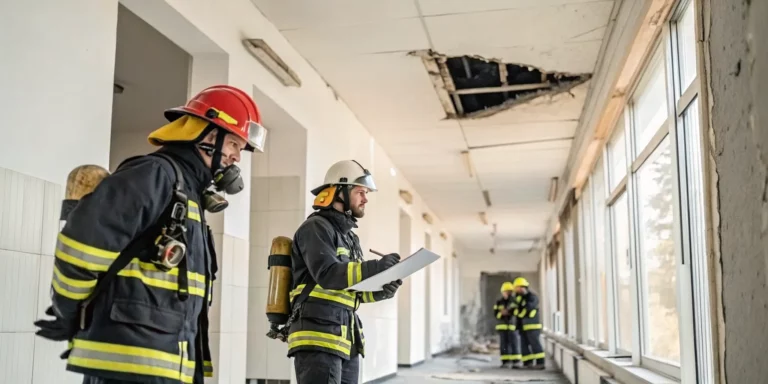
It’s easy to focus on the visible aftermath of a fire: the blackened walls, the ruined furniture, the lingering smell of smoke. But the most serious threats are often the ones you can’t see. Intense heat can silently compromise your home’s foundation, warp steel supports, and weaken the wooden frame from the inside out. This is why a professional structural fire damage inspection is so critical. It goes far beyond a surface-level look, using specialized techniques to uncover hidden dangers that could make your home unsafe. This guide will walk you through what inspectors look for, helping you understand the full scope of the damage so you can move forward with confidence.
Key Takeaways
- Prioritize a professional inspection to uncover hidden dangers: A fire’s intense heat can weaken your home’s foundation and frame without leaving obvious signs, while smoke and soot create toxic air quality, making a thorough assessment essential for your safety.
- Use the official report for insurance and legal purposes: This professional document provides the necessary proof of damage your insurer requires to process your claim and is also needed to secure permits from your local building department for any future work.
- Let the findings guide your next steps: The report gives you a clear, factual basis to decide whether to manage a complex repair, rebuild from scratch, or sell your property as-is. Our guide on rebuild or sell after a house fire can help you choose the best path forward for your situation.
What Is a Structural Fire Damage Inspection?
After the shock of a house fire, one of the first and most critical steps is getting a structural fire damage inspection. Think of it as a health check-up for your home’s core. This isn’t just about looking at soot on the walls; it’s a deep evaluation to see if the fire has weakened the essential parts of your house, like the foundation, beams, and load-bearing walls. A certified inspector examines materials like wood, steel, and concrete to determine if they can still safely support the structure as they were designed to.
The process involves a combination of visual checks and sometimes more advanced testing to find damage that isn’t obvious. The inspector’s main goal is to assess the building’s overall integrity. They create a detailed report that outlines the extent of the damage, identifies what needs to be repaired or replaced, and ultimately tells you if the home is safe. This report becomes your roadmap for whatever comes next, whether that’s planning for repairs or considering other options for the property.
Why You Need an Inspection After a Fire
Getting a professional inspection after a fire is non-negotiable, and for good reason. First and foremost, it’s about safety. A fire can cause hidden damage that compromises your home’s stability, making it dangerous to even walk through. An inspector can identify these risks so you can keep everyone safe. This assessment is also vital for planning any potential repairs. Without a clear understanding of the damage, you can’t create an accurate budget or timeline for restoration.
For a detailed look at what restoration typically costs, see our guide on fire damage restoration cost.
Beyond safety, a formal inspection report is almost always required by your insurance company. To process your claim and cover repair costs, your insurer needs a reliable, expert evaluation of the damage. This official documentation is key to getting the financial support you need. Once you have this report, you can make informed decisions about your next steps, whether that involves rebuilding or exploring a simpler solution, like understanding how our process works to sell your home as-is.
When to Schedule Your Inspection
The best time to schedule a structural fire damage inspection is immediately after the fire department has cleared the property for entry. Time is of the essence. The longer a damaged home is left exposed to the elements, the worse the problems can become. For example, a compromised roof can lead to significant water damage from rain, and weakened structures can continue to degrade.
Acting quickly helps you get a clear picture of the situation right away, which is essential for planning your recovery. Our post-fire recovery resources provide additional guidance for this critical period. A prompt evaluation allows you to start conversations with your insurance company and contractors without delay. Getting this professional assessment done early on can prevent further deterioration, which in turn can save you from more complex and costly issues down the road. It’s the first concrete step you can take to move forward after a fire.
What Does an Inspector Look for After a Fire?
After a house fire, it’s easy to get overwhelmed by the most obvious destruction, like charred walls and ruined furniture. But a professional fire damage inspector is trained to see much more. Their job is to uncover the full extent of the damage, including the hidden issues that could compromise your home’s safety and structural integrity. They perform a top-to-bottom evaluation, looking far beyond the surface to understand how the fire, smoke, and water have affected every part of the property.
This detailed inspection is a critical step in figuring out what comes next. The inspector’s findings will determine whether the house can be safely repaired or if the damage is too extensive to salvage. They look at everything from the home’s foundation to its electrical wiring, creating a complete picture of its condition. Understanding what they’re looking for can help you prepare for the results and make a clear-headed decision about your property’s future, whether that means rebuilding or exploring other options, like selling your house as-is.
The Foundation and Core Structure
An inspector’s assessment starts from the ground up. Your home’s foundation and structural frame are its skeleton, and intense heat can cause serious, often invisible, damage. The inspector will look for cracks, crumbling, or discoloration in the concrete foundation, as these are signs that its strength has been compromised. They will also carefully examine load-bearing walls, beams, and floor joists. A professional structural assessment is essential because even if these elements don’t look burned, the heat could have weakened them to the point of being unsafe. The goal is to determine if the core of your home is still stable enough to support the weight of a rebuild.
The Roof, Ceiling, and Attic
Since heat rises, the roof, ceiling, and attic are often among the most damaged areas in a house fire. An inspector will check the roof for sagging or warping and examine the condition of the trusses and rafters that support it. Even a small fire can generate enough heat to weaken these wooden components, making a future collapse a real risk. The attic is a major area of concern because it can trap extreme heat and smoke. The inspector will assess the insulation, ventilation, and the underside of the roof sheathing for signs of charring and heat damage that might not be visible from the outside.
Walls and Framing
While you might see blackened drywall, an inspector is focused on what’s behind it. They need to evaluate the wall studs and framing to see if they’ve been burned or weakened by the heat. Depending on the material, the signs of damage can be subtle. For example, an expert knows that visual cues like color changes in wood or steel can show how hot the fire got and whether the material has lost its structural integrity. They will check for charring, warping, and other signs that the framework can no longer support the home, as surface-level repairs are useless if the structure itself is failing.
Electrical and Plumbing Systems
A fire can wreak havoc on your home’s essential systems. An inspector will pay close attention to the electrical wiring, as the heat can easily melt the protective insulation, creating a severe risk of shorts or another fire. In most cases, any wiring exposed to the fire will need to be completely replaced to ensure the home is safe. Similarly, plumbing systems are vulnerable. Plastic pipes can melt, while the solder on copper pipes can fail, leading to leaks inside the walls. An inspector will assess all visible pipes and fixtures to determine the extent of the damage to these critical networks.
Hidden Smoke and Soot Damage
Smoke and soot can cause more widespread problems than the fire itself. Soot is oily, acidic, and incredibly invasive, working its way into places you might not expect, like inside cabinets, closets, and the HVAC system. An inspector will look for soot patterns, which can show how smoke traveled through the home and reveal the full extent of the contamination. This isn’t just a matter of cleaning; soot can corrode surfaces and carry toxic particles that pose serious health hazards. The inspector will determine how deeply the soot has penetrated materials and whether it can be safely removed.
How Does a Structural Fire Damage Inspection Work?
Figuring out the true extent of damage after a fire is a huge task. A structural inspection is a methodical process professionals use to assess your home’s safety and integrity. It’s a detailed, multi-step evaluation that uncovers both visible and hidden issues. Understanding this process helps you know what to expect and make clear-headed decisions during a stressful time. Here are the four main steps an inspector will take.
Step 1: The Initial Safety Assessment
Before anything else, safety comes first. An inspector or structural engineer will conduct an initial assessment to determine if the property is safe to enter. They are looking for immediate hazards like a compromised roof, unstable walls, or weakened floors that could collapse. This step involves a careful evaluation of the most critically damaged areas to secure the site. Engineers use various rapid assessment techniques to quickly gauge the building’s stability, ensuring that everyone involved in the recovery process can work without risk.
Step 2: A Thorough Visual Inspection
Once the property is deemed safe, the inspector performs a comprehensive visual check. This is a meticulous, room-by-room process where they document all visible signs of fire, smoke, and water damage. They’ll examine everything from the foundation to the roof, looking for charring on wooden beams, cracks in concrete, and warping of steel supports. Professionals have the experience to spot subtle signs of damage an untrained eye might miss. This detailed visual record, often supported by photos, forms the basis for the entire assessment and identifies areas needing a closer look.
Step 3: Advanced Testing for Hidden Damage
A fire’s impact often goes deeper than what you can see. Heat can weaken structural components from the inside out without leaving obvious marks. To find this hidden damage, inspectors use advanced methods, including nondestructive testing. These techniques, like using infrared cameras or ultrasonic tools, allow them to assess the structure without causing further harm. The type of test depends on the material, as changes in the color of concrete or steel can indicate the intensity of heat exposure and reveal a potential loss of strength that isn’t visible on the surface.
Step 4: Receiving Your Detailed Report
After the inspection and testing, the engineer compiles their findings into a detailed report. This document is your official record of the damage. It includes a summary of the inspection, photographs, test results, and a professional conclusion about your home’s structural soundness. This report is essential, providing the proof of damage you’ll need for your insurance claim. It also gives you the clear, factual information required to decide your next steps, whether that’s attempting repairs or exploring other options, like a straightforward cash sale of your property.
What Makes a Fire Damage Inspection Official?
After a fire, you’ll have a lot of people walking through your property, from the fire department to your insurance adjuster. But a casual walkthrough isn’t the same as an official structural inspection. An official inspection is a formal, detailed assessment conducted by a qualified professional who follows specific industry standards. This isn’t just about getting a second opinion; it’s about creating a legally and technically sound document that can be used by your insurance company, local building authorities, and even potential buyers.
Think of it as the definitive report card for your home’s condition. It provides an unbiased, expert evaluation of the structural integrity, safety hazards, and the full scope of repairs needed. This report is crucial because it moves you from uncertainty to clarity. It gives you the concrete information you need to make major decisions, whether that’s filing a comprehensive insurance claim, planning for repairs, or deciding that the damage is too extensive to handle on your own. An official inspection ensures that every decision you make next is based on facts, not guesswork.
Key Industry Standards and Guidelines
An official fire damage inspection isn’t based on a gut feeling. Inspectors follow a strict set of rules to ensure their findings are accurate, consistent, and credible. The primary guide they use is NFPA 921, which is the industry’s go-to manual for fire and explosion investigations. This document outlines a scientific method for examining a fire scene, helping experts determine the fire’s origin, cause, and the full extent of the damage.
By adhering to these standards, an inspector can provide a report that will be taken seriously by insurance companies and legal professionals. It ensures the investigation is systematic and that nothing is overlooked, from the most obvious structural failures to hidden smoke and water damage.
An Inspector’s Professional Certifications
The person conducting the inspection is just as important as the standards they follow. For a report to be considered official, it must come from a certified and licensed professional, such as a structural engineer. These experts have extensive training, have passed rigorous exams, and are held to a high ethical standard to provide impartial and accurate assessments. Their professional certifications are proof that they have the qualifications to evaluate complex structural damage.
When you hire a certified inspector, you’re not just paying for an opinion. You’re investing in expertise that ensures the assessment is thorough and reliable. Their credentials give weight to their findings, which is essential when you’re negotiating with an insurance company or need to submit documentation to your local building department.
Meeting Local Building Code Requirements
An official inspection also plays a critical role in satisfying your local government’s requirements. After a fire, your property must be assessed to see if it still complies with local building codes. These codes are in place to ensure buildings are safe for occupancy. The inspector’s report will determine whether your home is structurally sound or if it poses a public safety risk.
This assessment is a necessary step before you can get any permits for repairs or demolition. The report provides the city or county with the documentation they need to approve your plans. It verifies that the building’s core components have been properly evaluated for safety, helping you move forward with your recovery process on solid legal footing.
What Are the Main Types of Fire Damage?
When you think about fire damage, you probably picture charred walls and burned belongings. But the reality is much more complex. The flames themselves are just one part of the story. A house fire leaves behind a trio of destructive forces: the intense heat, the pervasive smoke and soot, and the water used to put it all out. Each of these creates its own unique set of problems that can affect your home from the foundation to the roof. Understanding these different types of damage is the first step in figuring out what to do next with your property.
Damage from Extreme Heat
The intense heat from a fire does more than just burn things; it can silently compromise your home’s entire structure. Materials you’d think are fire-resistant can become dangerously weak. For example, even though concrete doesn’t burn, it can lose its strength and begin to crack or break apart when temperatures get high enough. This is why a structural engineering assessment is so critical. Steel beams can warp, wood framing can become brittle, and the very foundation of your house can be damaged. This kind of damage isn’t always obvious, but it’s one of the most serious threats to your home’s safety and stability long after the fire is out.
Damage from Smoke and Soot
Smoke and soot are incredibly invasive and can cause problems you can’t always see. Soot is made of tiny, acidic particles that cling to almost any surface, often driven by differences in temperature throughout the house. These sticky particles don’t just stain walls; they can corrode metals, etch glass, and ruin fabrics. A professional fire damage inspection can track soot patterns to see just how far the contamination has spread, because it often gets into HVAC systems, wall cavities, and attics. Beyond the physical damage and persistent odor, soot also poses a significant health risk if not completely removed by professionals.
Damage from Water Used to Fight the Fire
It’s a tough reality, but the water used to save your home from a fire often causes extensive damage of its own. Firefighters have to use a massive amount of water, and it soaks into everything: drywall, insulation, flooring, and wooden frames. This creates the perfect environment for mold and mildew to grow, which can start happening in as little as 24 hours. The water can also ruin electrical systems and further weaken structural components. Assessing this damage is tricky because experts use different standards for measuring moisture in various materials. It’s another layer of complexity that makes recovery a challenging process for any homeowner.
Common Challenges Homeowners Face During Inspections
The structural inspection is a critical step, but it often brings its own set of challenges. After the trauma of a fire, facing a detailed examination of your home can feel overwhelming. From confusing technical terms to the emotional weight of the findings, it’s a lot to handle. Let’s walk through some of the most common hurdles homeowners face during this process and how you can prepare for them.
Misconceptions About Fire Damage
One of the biggest challenges is understanding the true extent of the damage. It’s easy to think that if an area looks untouched, it must be fine. Unfortunately, fire damage is rarely just skin-deep. Heat can weaken structural supports deep inside walls, and smoke and soot can travel through your HVAC system, causing hidden corrosion and health hazards. Many homeowners believe they can handle the cleanup themselves, but attempting to repair the damage without professional help can often make things worse. A thorough fire damage assessment goes far beyond what you can see, ensuring every potential issue is identified so you can make a truly informed decision about your next steps.
Dealing with Emotional and Financial Stress
Receiving the inspection report can be an incredibly stressful moment. It’s the point where the full scope of the damage becomes real, and the potential costs of repairs start to add up. It’s completely normal to feel overwhelmed, anxious, or even defeated. This is more than just a financial transaction; it’s your home. Give yourself the space to process the information without pressure. Remember that the report is a tool to help you move forward, not a final verdict. Understanding your options, whether it’s repairing, rebuilding, or selling, is the first step toward regaining control. We know how difficult this time is, which is why our company’s approach is built on compassion and simplicity.
How to Understand a Technical Inspection Report
Inspection reports are often filled with technical jargon, building codes, and measurements that can look like a foreign language. Terms like “spalling,” “char depth,” and “truss integrity” aren’t part of most people’s daily vocabulary. Don’t feel discouraged if you can’t make sense of it all at first glance. The inspector’s job is to be incredibly detailed for legal and insurance purposes. Your job is to understand the big picture. Don’t hesitate to ask the inspector to walk you through the summary and explain the most critical findings in simple terms. If the report points toward extensive and costly repairs, understanding how our process works can show you an alternative to managing a complex reconstruction project.
What Are the Risks of Skipping an Inspection?
After a fire, it’s completely understandable to want to move forward as quickly as possible. The thought of scheduling one more appointment and waiting for another report can feel exhausting. You might be tempted to skip the formal inspection, especially if the damage seems obvious. However, this is one of the most critical steps in the recovery process, and skipping it can lead to serious problems down the road.
A professional fire damage inspection isn’t just about cataloging what you can already see. It’s about uncovering the hidden, complex issues that could compromise your safety, health, and finances. Without a thorough assessment, you’re essentially guessing about the true condition of your home. This can lead to incomplete repairs, denied insurance claims, and lingering health hazards for your family. Think of an inspection as your roadmap; without it, you’re trying to rebuild in the dark, and the risks you take on can be significant.
Missing Hidden Structural Dangers
The most immediate risk of forgoing an inspection is missing severe structural damage. Fire does more than just burn surfaces. The intense heat can weaken foundational concrete, warp steel support beams, and compromise the integrity of wooden frames, all in ways that are invisible to the naked eye. What might look like a solid wall or a stable floor could be dangerously fragile.
Only a trained professional can accurately assess the extent of the damage to your home’s core structure. They use specialized equipment and knowledge to test the stability of materials and identify weaknesses that could lead to a future collapse. Without this expert evaluation, you could end up building on a compromised foundation, putting your safety and investment at risk.
Overlooking Potential Health Hazards
A fire leaves behind more than just ash and char. Soot and smoke particles can penetrate deep into drywall, insulation, and ventilation systems, carrying toxic chemicals with them. Furthermore, the water used to extinguish the flames often creates the perfect environment for mold and bacteria to grow within walls and under floors.
These contaminants can cause serious respiratory issues and other long-term health problems. A professional inspection includes testing for these hidden hazards. Attempting to clean or repair your home without this knowledge can put your health at risk by disturbing toxic particles and mold spores, making the air inside your home unsafe to breathe.
Facing Insurance and Legal Problems
When it comes to your insurance claim, a detailed inspection report is your most important piece of evidence. Without official documentation from a certified inspector, your insurance provider may dispute the extent of the damage, leading to an undervalued settlement or even a denied claim. You need a comprehensive report to prove your losses and get the funds you need to recover.
If you decide to sell, skipping an inspection can also create major legal issues. Failing to disclose the full extent of the fire damage can lead to lawsuits from the new owner. This is why many homeowners in this situation decide to sell their house as-is to a company that understands the risks. Our simple process removes the burden of inspections, repairs, and legal disclosures from your shoulders.
What to Do After You Get the Inspection Report
Holding the inspection report in your hands can feel like a major turning point. It’s a detailed, technical document that outlines the path ahead, but it can also feel overwhelming. The key is to break it down into manageable steps. Your report will guide you toward one of three main options: repairing the damage, rebuilding completely, or selling the property as-is. Each path has its own considerations, and understanding them will help you make the best decision for your situation. Let’s walk through what each option involves.
Deciding Between Repairing and Rebuilding
Your inspection report is the roadmap for this decision. It details which parts of your home are salvageable and which are a total loss. For many homes, especially those with concrete structures, repairs can be a viable and more affordable option than a complete teardown. The Concrete Society notes that most fire-damaged concrete can be successfully repaired, often for less than the cost of rebuilding. Carefully review the inspector’s findings on your home’s foundation, framing, and core systems. Getting quotes from contractors for both repairs and a full rebuild will give you a clear financial picture to compare against your insurance settlement.
Working with Your Insurance Company
Your inspection report is a critical tool for your insurance claim. Share it with your adjuster immediately to ensure they have a full understanding of the damage. Your policy likely covers professional restoration, and it’s important to use certified experts. As industry professionals point out, these restoration services have the specialized equipment and experience to properly handle fire, smoke, and water damage. Keep detailed records of all communications with your insurance company and any contractors. Clear documentation and a professional inspection report will help you get the full settlement you’re entitled to, making the recovery process much smoother.
When Selling Your House As-Is Is the Smartest Move
If the thought of managing repairs or a rebuild feels like too much, you have another option: selling your house as-is. This path allows you to move forward without the stress, time, and financial uncertainty of a long restoration project. Attempting to handle cleanup yourself can be risky; restoration is far more than just cosmetic fixes and can even pose health hazards if not done correctly. Selling to a company that specializes in fire-damaged properties provides a straightforward solution. You can get a fair cash offer and close quickly, giving you the freedom to start fresh. Our simple process is designed to help you do just that.
Related Articles
- Why You Need a Structural Engineer for Fire Damage
- Fire Damage Restoration & Repair: 10 Essential Steps
- 10 Signs of Structural Damage After a Fire
- Selling a Fire Damaged House: A Complete Guide
- A Practical Guide to Rebuilding a House After a Fire
Frequently Asked Questions
Can I just rely on my insurance adjuster’s assessment instead of hiring my own inspector? While your insurance adjuster plays a key role, their main focus is on estimating the cost of the damage for your claim. A structural engineer or a certified fire inspector, on the other hand, is focused entirely on the safety and integrity of your home’s core structure. Hiring your own independent expert ensures you have an unbiased assessment that prioritizes your safety and gives you a complete picture of the damage, which is invaluable for both your insurance negotiations and your peace of mind.
How long does a structural fire damage inspection usually take? The on-site portion of the inspection can take several hours, depending on the size of your home and the complexity of the damage. The inspector needs to be incredibly thorough, examining everything from the foundation to the attic. After the physical inspection, it typically takes a few days to a week to analyze the findings, complete any necessary testing, and compile the detailed final report.
What happens if the inspection finds my home is unsafe to live in? If the report concludes that the structural damage is too severe, the building may be deemed uninhabitable or condemned by local authorities. This is undoubtedly difficult news, but it provides a clear, fact-based starting point. At this stage, you’ll need to decide between demolition and a complete rebuild, which is a long and expensive process, or pursuing a more direct path, like selling the property as-is to avoid the complexities of construction.
Who is qualified to perform an official structural inspection? For a report to be considered official and credible, it should be conducted by a licensed professional, most often a structural engineer. These individuals have specialized training and certifications to accurately assess how fire and heat have affected materials like concrete, steel, and wood. Their qualifications are what give the report authority with insurance companies and local building departments, so it’s important to hire someone with the right credentials.
Will the inspection report tell me exactly how much repairs will cost? Not directly. The primary purpose of the structural inspection report is to identify the full extent of the damage, not to provide a cost estimate for repairs. Think of it as a diagnostic tool. You will then take this detailed report to qualified contractors, who will use the specific findings to create accurate and comprehensive quotes for the necessary restoration work.